Reviewed · TOURS IN KYOTO
Private Kyoto Tour: Explore the Most Iconic Sights
Kyoto’s biggest sights are spread across the city, and this private full-day tour brings four of them into one long, guided outing. You’ll see the Golden Pavilion, Kiyomizu-dera, Fushimi Inari, and Arashiyama, with room to ask questions and adjust the plan.
I like the flexible setup, since you can ask to add places that matter to you. I also like the practical transport plan: taxis are used when they save time, and you pay for the transport actually used rather than a fixed private-car fee. The main concern is the tour’s busy schedule and some unclear fee details, so confirm the final route, vehicle arrangement, and entrance costs before booking.
Key points to know before booking
- Four major Kyoto sights in one day: The plan gives about two hours each to Kinkakuji, Kiyomizu-dera, Fushimi Inari, and Arashiyama.
- A private guide, not a shared group: Only your party takes part, so you can ask questions and request changes.
- Taxis replace a dedicated private car: Transport may include taxis and public transit, with parking fees covered when relevant.
- Guide language can be arranged: Tours are usually in English, while Japanese and Spanish-speaking guides may be available for an added fee.
- The day is long and active: Eight to ten hours includes travel time, walking, temple grounds, shrine paths, and city transfers.
- Check admission charges carefully: The supplied details conflict on some entrance fees, especially Fushimi Inari, so ask for a current breakdown.
Four Kyoto icons packed into one private day
This tour is built for you if your Kyoto wish list begins with the city’s most famous sights. It does not focus on one district or one theme. Instead, it links the Golden Pavilion in the northwest, Kiyomizu-dera in the east, Fushimi Inari in the south, and Arashiyama on the western edge of the city.
That range is both the appeal and the challenge. You cover a lot of ground, and travel time is included in the eight to ten-hour total. A private guide can help keep the day moving, but you should not expect a slow, unhurried look at every site.
The schedule lists roughly two hours at each stop. That is enough for a useful visit, photos, questions, and some walking. It is not enough to explore every trail, building, garden, or nearby street in depth. I would treat this as a first look at Kyoto’s headline sights, not as a quiet temple study day.
Other experiences people book in Kyoto:
- PERFECT KYOTO 1-Day Bus Tour
★ 5.0 · 13,518 reviews - Kyoto: Fushimi Inari, Kinkakuji, Bamboo Grove 1 Day Bus Tour
★ 4.8 · 4,316 reviews - Kyoto: Tea Ceremony in a Traditional Tea House in Kiyomizu
★ 4.9 · 3,519 reviews
Kinkakuji and the Golden Pavilion
Kinkakuji, officially called Rokuon-ji, is the famous Zen temple covered in gold leaf. The upper two floors are gold-covered, making the pavilion one of Kyoto’s clearest visual symbols.
You’ll have about two hours here, with admission included according to the tour details. That gives you time to see the pavilion from its main viewing area and walk through the surrounding temple grounds. The guide can add context about the temple and help you understand what you are seeing rather than leaving you to take a quick picture and move on.
The main drawback is simple: Kinkakuji is famous for a reason, so this is one of the places where the schedule may feel tight. The pavilion itself is the focus, and the visit is more about the view and grounds than entering the building. If you want long walks, quiet garden time, or a detailed look at every feature, two hours may pass quickly.
Still, this is a sensible first stop for a highlight tour. The Golden Pavilion gives you an immediate sense of Kyoto’s traditional style, and the private format means you can ask the guide to explain details that catch your eye.
Kiyomizu-dera above Kyoto’s eastern hills
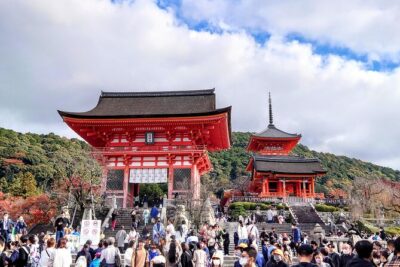
Kiyomizu-dera is a Buddhist temple with 1,200 years of history and UNESCO World Heritage status. It is one of Kyoto’s most important sights, not just because of the main temple buildings, but also because of its position above the city.
The tour allows about two hours here, and the admission fee is listed as included. Expect walking through temple grounds and time around the well-known wooden stage area. The visit is likely to feel more layered than the Golden Pavilion because the complex includes several sections and viewpoints.
You should wear comfortable shoes. The tour combines several large sites in one day, and Kiyomizu-dera is not a stop where you simply step out, take one photo, and step back into a vehicle. The approach and temple grounds require walking, and the full day will add up.
I like this stop because it gives the itinerary a strong historical and cultural center. Kinkakuji is instantly recognizable, but Kiyomizu-dera helps explain why Kyoto became such an important religious and cultural city. Your guide can answer questions as you go, which is especially useful if temple customs and Buddhist imagery are new to you.
Fushimi Inari and its endless torii gates
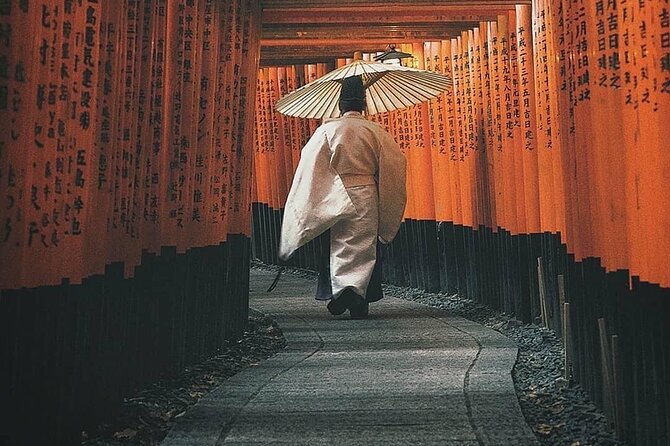
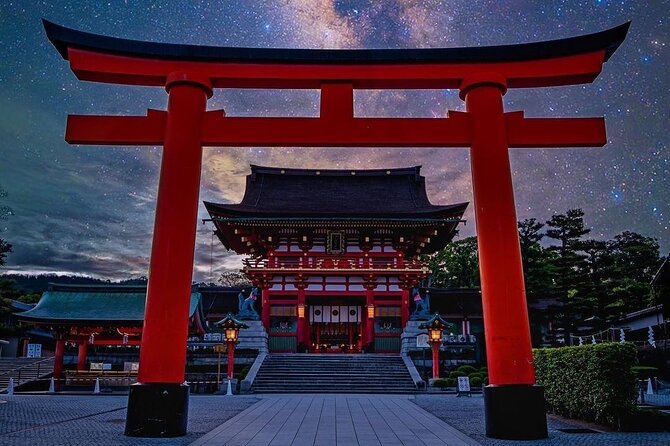
Fushimi Inari Taisha is dedicated to Inari, the Shinto deity associated with rice. Its most famous feature is the long series of vermilion torii gates that lead up Mount Inari.
Two hours is enough to walk into the gate-lined route and get a feel for the shrine. It is not enough to cover every path on the mountain at a relaxed pace. You can decide with your guide how far you want to go, based on your energy and the rest of the day.
This is one of the most memorable stops because the setting changes as you move beyond the main shrine area. The torii gates create a repeating pattern that feels very different from the open views at Kiyomizu-dera or the formal setting at Kinkakuji.
The fee information needs attention here. One section says admission is not included, while another says the Fushimi Inari entrance fee is included. The additional notes also refer to temple entrance fees of about $8 to $10. Fushimi Inari itself is generally described in the supplied tour information as a place with an admission charge, so do not rely on a vague assumption. Ask the provider to confirm the current cost before the tour begins.
You should also think about your walking comfort. The shrine route continues uphill, and two hours can feel short if you want to go far. If you prefer a shorter visit, the private format lets you turn around without waiting for a group.
Same base, a different sort of day:
- Kyoto Geisha Walking Tour: Gion District & Hidden Gems
★ 4.7 · 3,273 reviews - Kyoto: Tea Ceremony Ju-An at Jotokuji Temple
★ 4.9 · 3,207 reviews - Kyoto: Gion Magical Night Walking Tour with Geisha Trivia
★ 4.9 · 2,393 reviews - Kyoto: 45-Minute Tea Ceremony Lesson Experience
★ 4.3 · 2,378 reviews
Arashiyama Bamboo Forest and the western edge of Kyoto
Arashiyama brings a completely different mood. The planned visit includes the famous bamboo forest, Togetsukyo Bridge, and a tranquil boat ride across the lake according to the description.
The bamboo forest is the headline attraction, but it should not be the only thing on your list here. Crossing Togetsukyo Bridge gives you another view of the area, while the boat ride offers a slower break after a full day of temple and shrine walking.
The schedule allows about two hours, including the listed Arashiyama activities. That may be enough for a short walk and a boat ride, but the timing deserves a clear conversation with your guide. The description presents several activities within the same two-hour block, and travel between other Kyoto districts is also part of the total day.
The entrance fee for the bamboo forest is listed as included. The information also says that a boat ride is part of the planned outing, but it does not give a separate boat price or explain how long that ride lasts. Ask what is covered before you set expectations.
Arashiyama is a good final stop because it gives the day a change of pace. After four major places, you may appreciate the chance to sit on a boat instead of continuing from one historic building to another. Just remember that the itinerary is ambitious, and a delay earlier in the day could affect time here.
How the private transport plan works
This is not a private chauffeur tour with a dedicated car waiting all day. The operator says there is no separate car charge and that taxis and public transportation are used as needed. An air-conditioned vehicle and parking fees are also listed among the inclusions, which makes it worth confirming exactly when a vehicle is provided and when you will take a taxi or public transit.
That arrangement can be good value. Kyoto’s sights are far apart, and using a taxi for selected transfers may be faster and more comfortable than insisting on one fixed vehicle. You pay for the transport actually used, rather than paying a full-day car rate even when the car is parked.
It also means you should be ready for a less uniform travel day. You may move between taxis, public transport, and walking. The tour includes travel time in the total duration, so eight to ten hours does not mean eight to ten hours inside the attractions.
One five-star account praised a clean, reliable car and a guide who drove carefully. That suggests a vehicle may be used for some bookings, but you should not assume every departure has the same setup. If your group needs one vehicle, ask directly before paying.
Guides, language, and the value of private attention
The operator is Nas, and guides may come from Japan, the United States, or Spanish-speaking countries. Tours are generally conducted in English. A guide in another language may be arranged for an additional fee.
One guide named Riku received especially warm praise for answering questions and being pleasant to spend the day with. Another account praised a guide’s excellent English, flexible attitude, and careful driving. Those details point to the main strength of this format: you have someone available to explain what you are seeing and respond to your questions throughout the day.
The private setup also helps if your interests do not match a fixed group itinerary. You can ask about adding other places, and the tour description specifically invites you to discuss extra stops. The practical limit is time. Adding another major sight may mean shortening one of the four listed visits.
This format suits families, couples, and small private groups that want direct help without joining strangers. It can also work well for a first Kyoto visit when you want to cover the essentials but do not want to plan every transfer yourself.
Price, group size, and possible booking concerns
The listed price is $200 per person. That can be reasonable for a full private day if your group values personal guidance, flexible planning, and help with transport. It is harder to judge as a bargain for a solo visitor, especially if the day uses taxis and some admission charges are extra.
Lunch is not included. Plan to discuss when and where to eat with the guide, since stopping for a meal takes time from the eight to ten-hour schedule. The supplied information does not give a meal plan or lunch allowance.
The tour is private, and only your own party participates. However, one poor-rated booking involved a party of ten and a request to place everyone in one vehicle. The account says a Viator agent assured the customer this could be arranged, but the supplied details do not show the final resolution. If your party is large, confirm the maximum group size, the number of vehicles, and whether everyone can ride together in writing.
The overall rating is 4.1 from 14 reviews. That is a mixed but useful signal. The strongest positive comments focus on guide attitude, English ability, flexibility, careful driving, and clean transport. The low ratings point to the need for care with large-group arrangements and booking promises.
What to confirm before you go
A short message before booking can prevent most surprises. Ask these specific questions:
- Is Fushimi Inari admission included, and what entrance fees remain extra?
- Is the boat ride in Arashiyama included in the quoted price?
- Will your group travel by taxi, public transport, or a dedicated vehicle?
- If you have a large party, can everyone ride together?
- Can the guide add another stop, and which listed stop would need to be shortened?
- Is your preferred guide language available, and what is the extra fee?
- Where exactly will pickup take place in Kyoto?
Pickup is offered, and the activity ends back at the meeting point. The tour is near public transportation, service animals are allowed, and most people can participate. Confirmation normally arrives at booking, though bookings made within five hours of departure are confirmed as soon as possible, subject to availability.
You can cancel for a full refund up to 24 hours before the local start time. Changes made less than 24 hours before departure are not accepted, so check your plans before the final day.
Should you book this Kyoto tour?
Book it if you want a private guide, four major Kyoto sights, and help handling a complicated day of transfers. It is particularly useful for a first visit, families that need a flexible pace, or groups that want to ask plenty of questions without sharing a guide.
Think twice if you want slow visits, long mountain walks, or a clearly defined private car and meal plan. The schedule covers a lot, and the conflicting admission information means you should confirm costs before booking.
For the best fit, keep the four main stops, decide which one matters most to you, and tell the guide in advance. If Fushimi Inari is your priority, protect time for the torii gates. If you care more about gardens and temple buildings, ask how the Arashiyama portion and boat ride will affect the day. At $200 per person, the value comes less from included food or luxury transport and more from private planning, local explanation, and getting Kyoto’s far-flung highlights into one organized day.
FAQ
Where does the tour start and finish?
The tour starts in Kyoto, Japan, with pickup offered. The activity ends back at the meeting point.
How long does the tour last?
The tour lasts about eight to ten hours. Travel time is included in the total duration.
Which sights are included?
The planned stops are Kinkakuji Temple, Kiyomizu-dera Temple, Fushimi Inari Taisha Shrine, and Arashiyama Bamboo Forest.
Is this a private tour?
Yes. Only your group participates in the activity.
What transportation is used?
The operator uses taxis and public transportation as needed. An air-conditioned vehicle and parking fees are also listed among the inclusions, so confirm the exact transport plan for your booking.
Is lunch included?
No. Lunch is not included.
What languages are available?
Tours are typically conducted in English. Guides who speak another language may be arranged for an additional fee.
Can I cancel the tour?
Yes. You can cancel for a full refund if you cancel at least 24 hours before the experience starts. Cancellations or changes made less than 24 hours before the start time are not accepted.
Just added in Kyoto
- Private Cooking Class Udon in Kyoto Japan★ 5.0 · 23 reviews
- Your Private Vacation Photography Session In Kyoto★ 5.0 · 110 reviews
- Kyoto: Zen Meditation at a Private Temple with a Monk★ 5.0 · 25 reviews
- Private Pewter Sake Cup Experience with a Kyoto Artisan★ 5.0 · 31 reviews
- Kyoto Wagashi(Japanese sweets) Cooking Class near Fushimiinari★ 5.0 · 60 reviews
- Kyoto:Family-Friendly Kimono & Yukata Experience at WARGO★ 5.0 · 147 reviews
- Private Guided Traditional Buddhist Cooking in Japan★ 5.0 · 16 reviews
- Kyoto: Gion Geisha District & Sake-in-Hand Walking Tour★ 5.0 · 37 reviews
Tours in Kyoto, compared.

Tea Ceremony in a Traditional Tea House in Kiyomizu
Read our review →
Kyoto Geisha Walking Tour: Gion District & Hidden Gems
Read our review →


Gion Geisha District Walking Tour – Stories of Geisha
Read our review →
Best of Kyoto: Gion, Geisha, Pagodas & Cobblestones
Read our review →