
Reviewed · GOVERNMENT-LICENSED GUIDE TOURS
Kyoto 6hr Private Tour with Government-Licensed Guide
Kyoto can feel like several cities stitched together: shrine paths in the morning, a shogun’s castle before lunch, and lantern-lit lanes by evening. This private six-hour tour helps you make sense of that spread, with a licensed English-speaking guide and a plan built around three or four places you choose.
I like the freedom to shape the day, and I like the local-transit approach. You travel by train, subway, and on foot rather than sitting behind dark vehicle windows. The main caution is simple: six hours is not enough for the enormous list of possible sights, and admission fees, lunch, and transportation costs are extra.
The six-hour Kyoto plan at a glance
- Choose three or four sites: The long list includes Fushimi Inari, Kiyomizu-dera, Nijo Castle, Gion, Nishiki Market, Arashiyama, Kinkakuji, Uji, and many more.
- Travel like a local: Your guide meets you on foot and helps with Kyoto’s public transportation system.
- Private attention: Only your group takes part, so you can ask questions, change the pace, and adjust the route.
- Strong guide feedback: Guides such as Yuji, Joy, Yasu, Rie, Noriko, Kiyoshi, and Kazuhiko have been praised for clear English, route planning, history, and flexibility.
- Expect a walking day: Comfortable shoes matter. Some sample days cover a lot of ground.
- Plan ahead: Reservations at least two weeks ahead are advised, especially if you want a particular guide or a popular route.
Why a private Kyoto guide helps
Kyoto’s famous places are spread across the city. Fushimi Inari is southeast, Arashiyama is far to the west, Kinkakuji is in the north, and Gion and Kiyomizu-dera occupy the eastern hills. Trying to link several of these by yourself can consume more time than expected.
A private guide gives you a person who can make the route practical. Guides have helped families, older couples, and first-time visitors use trains and subways, decide which stops fit together, and adjust the walking pace. Akira, for example, used photos and diagrams to explain the sites and kept a comfortable rhythm for a senior couple. That sort of attention matters more than racing through a long checklist.
The best part is the conversation. You can ask why Shinto shrines use torii gates, how Buddhist temples differ from imperial sites, or what a castle tells you about the Tokugawa shogunate. You can also ask for restaurant and shopping ideas. Kaeko received especially strong praise for food and shopping suggestions, while Noriko helped with both transit and places to eat.
This is not a private car tour. You meet your guide on foot within the designated Kyoto area, then use public transportation and your feet. That keeps the experience close to daily Kyoto life, but it also means crowds, stairs, station changes, and weather are part of the day.
Other tours with a licensed guide in Kyoto:
- Kyoto 4hr Private Tour with Government-Licensed Guide
★ 5.0 · 629 reviews - Kyoto: Private Tour with Local Licensed Guide
★ 4.8 · 463 reviews - Private Kyoto Tour with Licensed Guide & Vehicle (Max 15 persons)
★ 5.0 · 417 reviews
Picking the right three or four sights
The central decision comes before the tour: do you want famous Kyoto in one sweep, or a slower day in one part of the city?
For a first visit, a sensible eastern Kyoto route might combine Fushimi Inari Shrine, Sanjusangendo Temple, Kiyomizu-dera, and Gion. Fushimi Inari gives you the iconic torii gates. Sanjusangendo adds its long hall and 1,001 Kannon statues. Kiyomizu-dera delivers one of Kyoto’s most recognizable temple settings, while Gion brings you into old lanes, traditional buildings, and the city’s geisha district.
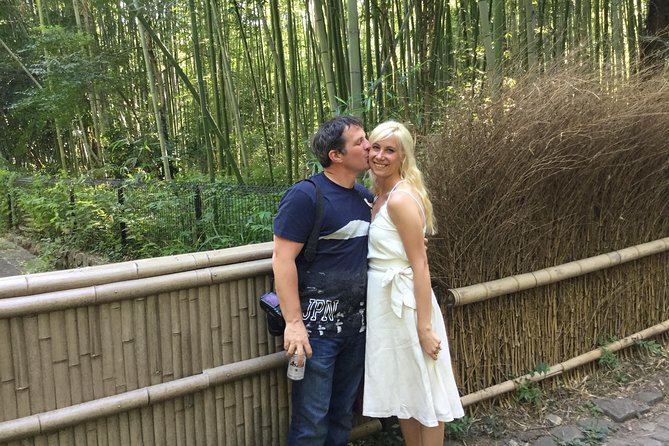
A northwestern route could link Kinkakuji, Ryoanji, and Arashiyama, with a fourth stop chosen nearby. Kinkakuji is the famous Golden Pavilion, reflected in its pond. Ryoanji offers Japan’s best-known rock garden. Arashiyama adds the bamboo groves, Togetsukyo Bridge, and Tenryuji Temple. This plan has strong visual appeal, but it can feel rushed if you want time for gardens and photographs.
A central and historical route could include Nijo Castle, the Imperial Palace, Nishiki Market, and Pontocho. This gives you political history, imperial life, food culture, and evening dining lanes without sending you to every corner of Kyoto.
You can also choose a day with a more specific theme. A family interested in history and food visited Fushimi Inari, Byodoin Temple in Uji, and Nijo Castle. Another group included the Suntory Yamazaki Distillery, Fushimi Inari, and Kiyomizu-dera. The tour can work well when you have an unusual priority, not just the standard postcard stops.
Fushimi Inari and Kyoto’s eastern temples
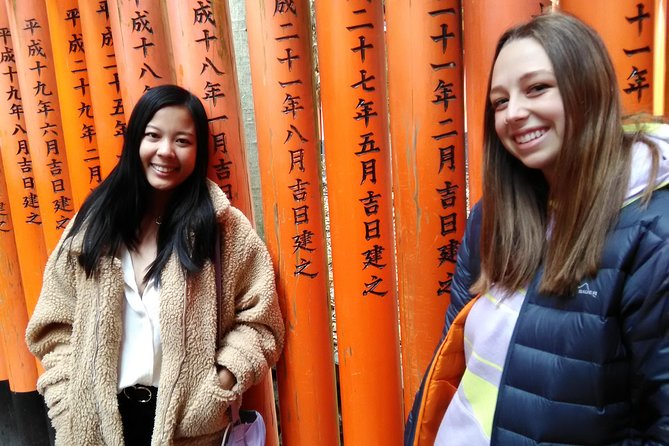
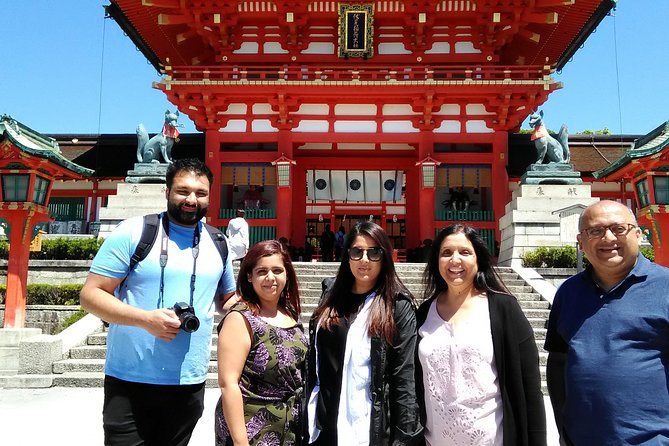
Fushimi Inari-taisha is famous for its endless-looking tunnels of red-orange torii gates. The shrine honors Inari, associated with rice and prosperity, and fox images appear throughout the grounds. Your guide can explain the customs and stories that are easy to miss when you only walk under the gates, take a photo, and turn around.
The full shrine complex extends well beyond the first gates. You do not need to complete the entire mountain walk during a six-hour city tour, and your guide can help decide how far makes sense. It is a strong early stop, but the paths can be crowded and the walking is not flat.
Kiyomizu-dera sits on the eastern side of Kyoto and is one of the city’s essential temple visits. Its name means Pure Water Temple, and the site is tied to several religious traditions and popular customs. The approach through the Higashiyama area is lined with shops and old-style streets, making the journey part of the visit.
Give Kiyomizu-dera real time. A one-hour guided visit is possible, but the approach, temple grounds, views, and nearby streets can easily stretch longer. Admission is not included, and the area can be tiring if you have already spent the morning climbing around Fushimi Inari.
Sanjusangendo provides a different mood. Its long wooden hall is known for 1,001 statues of Kannon, the Buddhist figure associated with mercy. Photography rules and admission details can vary by site, so your guide can help you understand the visit, but you should budget for another paid entry.
Nanzenji, Eikando, Ginkakuji, and Tofukuji are good choices if gardens and Zen architecture appeal to you. Nanzenji has broad grounds and the striking Suirokaku aqueduct. Eikando is particularly admired for autumn color and evening illumination. Ginkakuji, the Silver Pavilion, began as a shogun’s retirement villa and is paired with carefully designed gardens. Tofukuji is especially attractive in autumn.
These temples are not interchangeable. Ask your guide to explain the difference between a famous garden, a major Zen headquarters, and a historic villa. That context makes the stops feel connected rather than like a string of similar wooden buildings.
Castles, palaces, markets, and old Kyoto streets
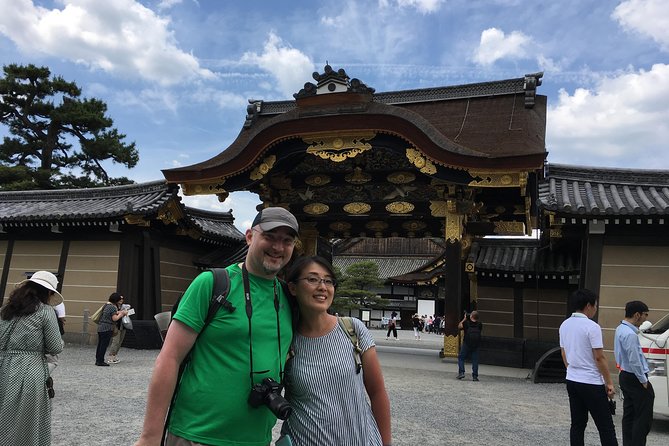
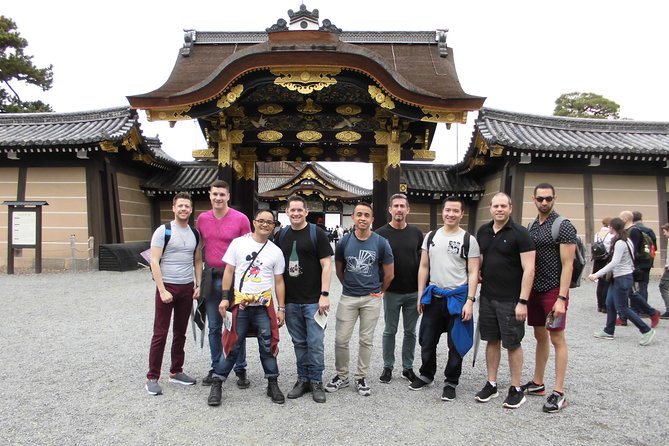
Nijo Castle is one of the strongest choices for visitors interested in power and politics. Tokugawa Ieyasu built it as a statement of shogun authority, and its decorative interiors show how ceremony worked in early modern Japan. The famous nightingale floors, designed to make a chirping sound underfoot, add a practical detail to the story.
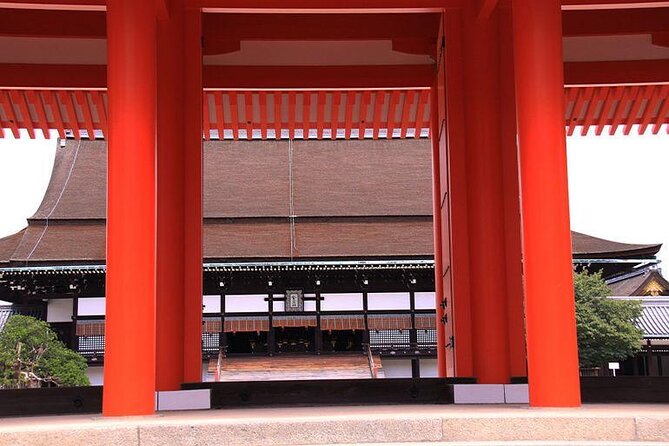
Kyoto Imperial Palace offers a different view of Japan’s past. It served as the Imperial Family’s residence until 1868, when the capital moved to Tokyo. The spacious grounds feel more open than the crowded temple districts, and a guide can help explain how court life differed from shogunal rule.
Nishiki Market is known as Kyoto’s Kitchen. It runs along a narrow, five-block shopping street lined with more than 100 shops and restaurants. This is a good place to see ingredients, sweets, pickles, seafood, and small food businesses, but it can be tight and crowded. Treat it as a browsing stop, not a guaranteed sit-down lunch. Lunch is not included, so discuss timing with your guide before the morning gets away from you.
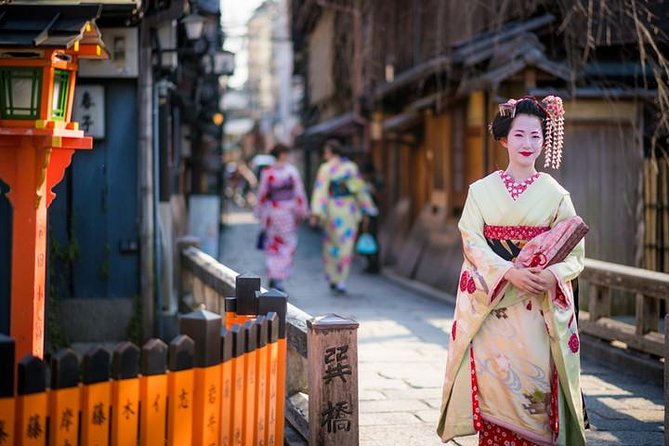
Gion is best approached with respect. The district’s lanes, traditional buildings, and teahouse culture are attractive, but this is also a working neighborhood. A guide can point out architectural details and explain the geisha tradition without reducing the area to a photo hunt.
Pontocho is a narrow dining lane beside the Kamogawa River. It is especially atmospheric later in the day, though a six-hour tour may not end there. Kennin-ji, close to Gion, offers spacious grounds and dry gardens and can pair well with an eastern Kyoto route.
Same base, a different sort of day:
- PERFECT KYOTO 1-Day Bus Tour
★ 5.0 · 13,518 reviews - Kyoto: Fushimi Inari, Kinkakuji, Bamboo Grove 1 Day Bus Tour
★ 4.8 · 4,316 reviews - Kyoto: Tea Ceremony in a Traditional Tea House in Kiyomizu
★ 4.9 · 3,519 reviews - Kyoto Geisha Walking Tour: Gion District & Hidden Gems
★ 4.7 · 3,273 reviews
Kinkakuji, Ryoanji, and the western districts
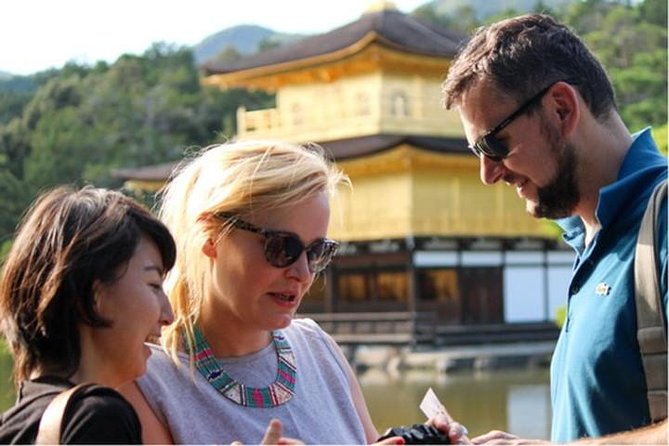
Kinkakuji, formally Rokuonji, is the Golden Pavilion. Its top two floors are covered in gold leaf, and the building is viewed across a pond from a set walking route. It is visually powerful, but the visit is not quiet or solitary. If you want time to study the gardens and take photographs, resist the temptation to add too many other distant stops.
Ryoanji is home to Japan’s best-known rock garden. Its spare arrangement invites a slower visit than the usual quick photograph. Your guide can explain the garden’s setting and the Zen ideas that shape its design, while you decide how much silence you want before moving on.
Arashiyama offers several different experiences. Tenryuji is the district’s major Zen temple and a World Heritage site, with gardens that connect the buildings to the surrounding hills. Togetsukyo Bridge is the area’s familiar landmark, and the bamboo paths provide an easy-to-recognize walk.
The bamboo grove is attractive, but it is not the whole of Arashiyama. Okochi Sanso Garden, the former villa of actor Okochi Denjiro, adds carefully arranged gardens and buildings. Jojakkoji and Nisonin are quieter hillside temples with maple trees and moss. Gioji is smaller and known for its moss garden and thatched buildings.
For a longer western Kyoto visit, Adashino Nenbutsuji and Otagi Nenbutsuji offer unusual stone figures. Otagi is known for about 1,200 rakan statues, each with a different expression. Daikakuji began as an imperial detached palace, while Myoshinji is a large temple complex with around 50 subtemples.
These places are best for a visitor who wants more than the standard bamboo photo. They also require careful planning. You cannot sensibly combine all of western Kyoto with Fushimi Inari and Uji in six hours.
Uji, northern mountains, and special requests
Byodoin Temple in Uji is the clearest out-of-town choice on the list. Its Phoenix Hall is a National Treasure and part of a World Heritage site. Extra travel time is required because Uji is outside central Kyoto, so choosing it means giving up several city stops.
That trade can be worthwhile. One family paired Byodoin with Fushimi Inari and Nijo Castle, then stopped for lunch in Uji. This creates a satisfying day of shrine, temple, and castle, but only if everyone accepts a brisk schedule.
Shugakuin Imperial Villa, Katsura Imperial Villa, Kibune, and Kurama-dera are also special requests rather than casual add-ons. Shugakuin consists of upper, middle, and lower villas and is managed by the Imperial Household Agency. Katsura is admired for its architecture and garden design.
Kibune lies in a forested northern valley around Kifune Shrine. Kurama is a rural mountain town less than an hour from central Kyoto and is known for Kurama-dera and its hot spring. These choices offer a quieter side of the area, but the extra transit makes them poor partners for a packed city highlights route.
Yoshimine-dera, in the western mountains, is another option for someone who wants a hillside temple rather than a city checklist. Tell your guide early if you are considering any of these distant sites. Route planning matters more than the number of names on the menu.
The guide can make or break the day
The strongest part of this experience is the human element. Guides such as Yasu, Rie, Yuka, Kiyoshi, Ken, Noriko, and Kazuhiko have been praised for preparation, clear English, route choices, and adjusting the pace.
Several guides contacted groups before the tour to discuss interests and suggest a workable route. Kazuo prepared a rough plan in advance and communicated through WhatsApp. Yuki shaped a day around Fushimi Inari, Byodoin, and Nijo Castle. This is exactly how you should use a private tour: share your priorities before meeting, rather than expecting the guide to guess.
English ability can vary by guide. Most feedback is very positive, with repeated praise for clear explanations, but one poor experience involved weak communication and the guide losing track of the group. I would send a short message before booking if language clarity is especially important, and I would confirm the meeting point and route beforehand.
The tour has earned a 4.9 rating from 1,369 reviews, with 98 percent recommending it. Those numbers suggest a strong overall service, but they do not guarantee a perfect guide match. If a specific guide is available, request one whose strengths fit your needs.
Price, walking, and practical value
At $155.86 per person, this is not the cheapest way to see Kyoto. You still pay for temple and castle admissions, lunch, personal expenses, and transportation. There is no private vehicle, and the guide meets you on foot.
The value improves with two or more people. You are paying for a private guide who can answer questions, handle route decisions, and change the day around your interests. For a family, older couple, or first-time visitor with limited time, that can be worth more than joining a fixed group.
The value drops if you want a slow temple day or already understand Kyoto’s transit system. In that case, choose three nearby sites and use the guide for cultural interpretation rather than trying to see everything.
Wear supportive shoes and expect stairs, station corridors, and outdoor walking. Most people can take part, and service animals are allowed, but this is still an active six-hour day. Build in a lunch discussion, since food is not included and one poor experience involved reaching the end of the tour without time to eat.
Free cancellation is available up to 24 hours before the start time. Changes or cancellations inside that window are not accepted for a refund.
Should you book this Kyoto tour?
Book it if you have one day in Kyoto, want a private guide, and prefer three or four well-chosen places over a fixed group route. It is especially useful for families, first-time visitors, older couples, and anyone who wants help with trains, temples, customs, and food planning.
Before booking, decide what kind of Kyoto you want. Choose eastern Kyoto for Fushimi Inari, Kiyomizu-dera, Gion, and Sanjusangendo. Choose the northwest for Kinkakuji, Ryoanji, and Arashiyama. Choose Uji only if Byodoin matters enough to justify extra travel.
This tour works best when you keep the plan realistic. Ask for a guide who matches your language and interests, agree on lunch, and treat three excellent stops as a successful day. That approach gives you room to look up, ask questions, and enjoy Kyoto rather than simply collecting temple names.
FAQ
How long is the Kyoto private tour?
The tour lasts approximately six hours.
How many attractions can I choose?
The tour includes a customizable plan for three to four sites from the available choices.
Is transportation included?
The experience uses public transportation and walking. A private vehicle is not included, and personal transportation costs are not included in the stated price.
Is lunch included?
No. Lunch is not included, so you should discuss meal timing with your guide during the planning stage.
Where does the guide meet the group?
The guide meets your group on foot within the designated area of Kyoto. Pickup and drop-off are on foot.
Can I cancel for a full refund?
Yes. You can cancel at least 24 hours before the local start time for a full refund. Cancellations or changes made less than 24 hours before the start time are not refunded or accepted.
Just added in Kyoto
- Kyoto: Private Photoshoot Service★ 5.0 · 158 reviews
- Kyoto Rickshaw Tour★ 5.0 · 210 reviews
- Kyoto: Arashiyama Bamboo, Temple, Matcha, Monkeys & secret spots★ 5.0 · 219 reviews
- Izakaya Style Cooking Class★ 5.0 · 219 reviews
- Kyoto: Traditional Concert at Townhouse or Bathhouse★ 4.9 · 224 reviews
- Ninja 2-hour Hands-on Lesson by Japanese master in Kyoto -Medium★ 5.0 · 218 reviews
- Kyoto: Afternoon Japanese Izakaya Cooking Class★ 4.9 · 241 reviews
- Samurai Training with Modern day Musashi in Kyoto★ 5.0 · 256 reviews
Government-Licensed Guide Tours, compared.
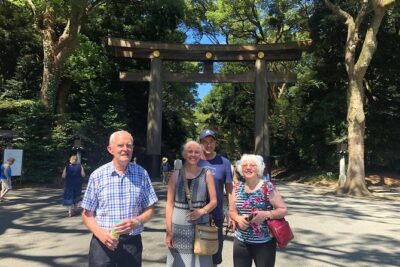
Tokyo 6hr Private Tour with Government-Licensed Guide
Read our review →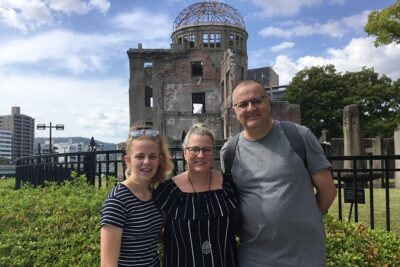
Hiroshima / Miyajima Full-day Private Tour with Government Licensed Guide
Read our review →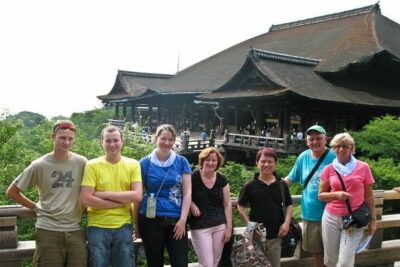
Kyoto 4hr Private Tour with Government-Licensed Guide
Read our review →
Hiroshima City 4hr Private Walking Tour with Licensed Guide
Read our review →
Private Kyoto Tour with Licensed Guide & Vehicle (Max 15 persons)
Read our review →
Nikko Full-Day Private Tour with Government-Licensed Guide
Read our review →
Himeji Half-Day Private Tour with Government-Licensed Guide
Read our review →Browse the lists this tour appears in