
Reviewed · TEA CEREMONY EXPERIENCES
Kyoto: Quiet and Graceful Tea Ceremony
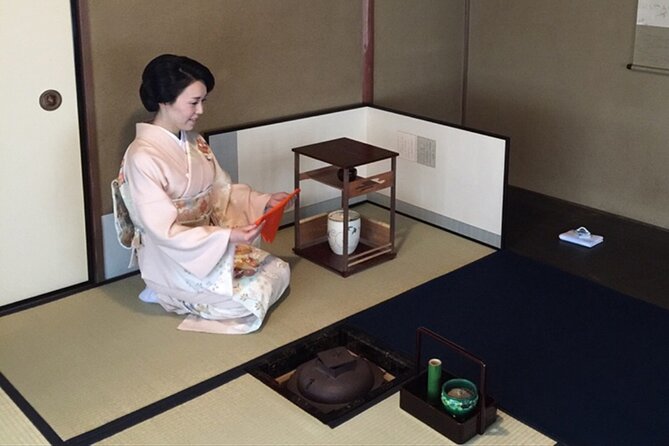
The most appealing part of this Kyoto tea ceremony is its quiet, private setting. Instead of watching a performance in a large tourist venue, you sit in a tea room designed for the ceremony and watch the host prepare matcha one careful movement at a time. You also get to make tea yourself.
I like the small group size, which keeps the experience personal, and the combination of seasonal Japanese sweets with premium Kyoto matcha. The main drawback is that this is a short, simple ceremony in a private house, not a kimono photo session or an elaborate tea-house production. The room may also feel cold in November.
Key points at a glance
- A 45-minute introduction: You learn the basic etiquette, watch the tea preparation, taste matcha and sweets, and usually prepare your own tea.
- A private tea-room setting: The ceremony takes place at Omotenashi Tea Ceremony in central Kyoto, in a tea master’s private house designed for tea practice.
- Small and personal: The activity is capped at eight people, making it easier to ask questions and follow the movements.
- Hosted by skilled practitioners: Mai has received especially warm praise for her graceful explanations, calm manner, and attention to detail.
- No kimono rental: The experience focuses on tea, etiquette, and hospitality. Kimono dressing is not included.
- Quiet rather than flashy: Photos are not allowed during the tea performance, though they can be taken before and after according to the host’s instructions.
A quiet introduction to Kyoto tea culture
Kyoto is one of Japan’s best places to learn about the tea ceremony because the tradition remains closely tied to the city’s culture. This activity gives you a compact introduction without requiring a full day, a formal background in Japanese customs, or prior knowledge of matcha.
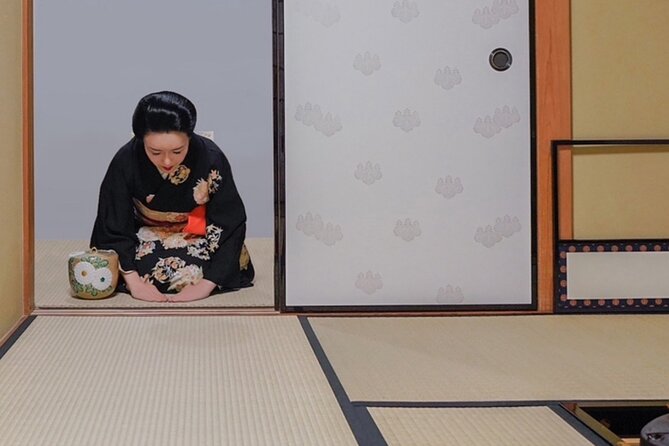
The spirit behind the ceremony is omotenashi, the Japanese idea of thoughtful hospitality. Here, that means attention to small actions: how you enter the room, where you sit, how the utensils are placed, and how the tea is whisked. The host explains these points rather than leaving you to guess.
That guidance matters. A tea ceremony can look mysterious if you only watch from a distance. Once you learn why the host moves slowly and deliberately, the ritual becomes easier to follow. You begin to notice the order of the utensils, the pause before serving, and the way the sweets prepare your palate for the slightly bitter tea.
You will not receive an academic course on every school of tea. In 45 minutes, the focus is practical and welcoming. You learn enough to understand the basic sequence and take part without feeling awkward.
Other tea ceremonies in Kyoto people book:
- Kyoto: Tea Ceremony in a Traditional Tea House in Kiyomizu
★ 4.9 · 3,519 reviews - Kyoto: Tea Ceremony Ju-An at Jotokuji Temple
★ 4.9 · 3,207 reviews - Kyoto: 45-Minute Tea Ceremony Lesson Experience
★ 4.3 · 2,378 reviews
Entering the private tea room
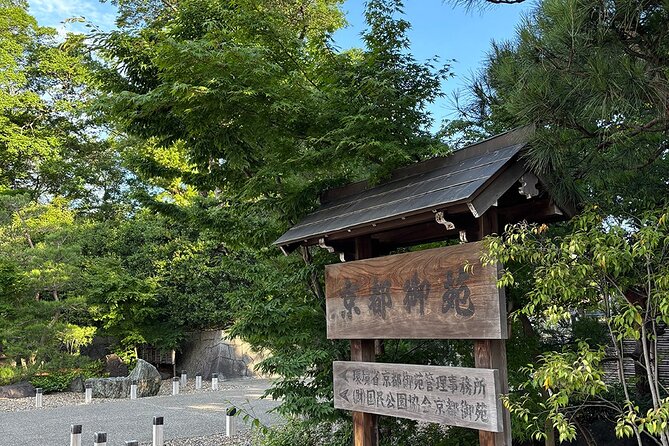
The meeting point is at 南総合会計事務所, 450-1 Sanbongichō, in Kyoto’s Nakagyo Ward. The activity begins and ends at the same place. It is near public transportation, but you should allow enough time to find the address and arrive calmly. Turning up early can be useful, though one person found that early arrivals briefly interrupted the ceremony, so follow the arrival instructions carefully.
The tea room is in the tea master’s private house. That is an important detail when deciding if this experience suits you. You are not entering a grand historic teahouse with elaborate grounds or a formal museum setting. You are entering a purpose-built private space intended for tea practice.
Some people will see this as the experience’s greatest strength. The setting feels intimate and less commercial. It can be easier to ask questions, hear the explanations, and watch the preparation closely. Others may find the room plain or less polished than expected for the price.
The atmosphere is meant to be calm and spare. If you are hoping for lots of decoration, dramatic architecture, or a long procession of ceremonial steps, this may feel modest. If you want to understand how the tea ritual works in a small setting, the simplicity helps.
Watching matcha prepared with care
The central part of the activity is the tea master’s demonstration. You watch the host prepare matcha according to traditional practice, with the utensils placed and handled in a set order. The movements are not rushed for most of the session, and the silence while the tea is prepared is part of the experience.
Several hosts have been praised for being warm and clear, but Mai receives especially strong attention for explaining both the practical steps and the aesthetic side of the ritual. Her style is described as graceful and precise while still making people feel comfortable.
English support is available from at least one host, and the explanations are intended to help you follow the process. The exact host may vary, so you should not assume Mai will lead every scheduled session. Still, the experience is structured for people who are new to tea ceremony and want plain explanations.
This is also a good moment to slow down. Kyoto sightseeing can involve crowded streets, busy stations, and a steady list of temples. Sitting quietly while someone prepares tea gives you a short pause from that pace. The ceremony asks you to pay attention to one small action at a time, which is part of its value.
The calm can be affected by timing. An early arrival or a late arrival may interrupt the flow. One person who arrived late was still welcomed warmly, but arriving on time is the better choice if you want the full quiet effect.
Sweets, matcha, and making tea yourself
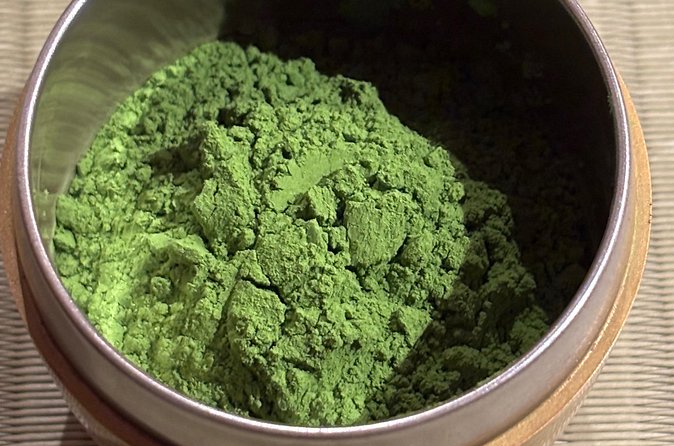
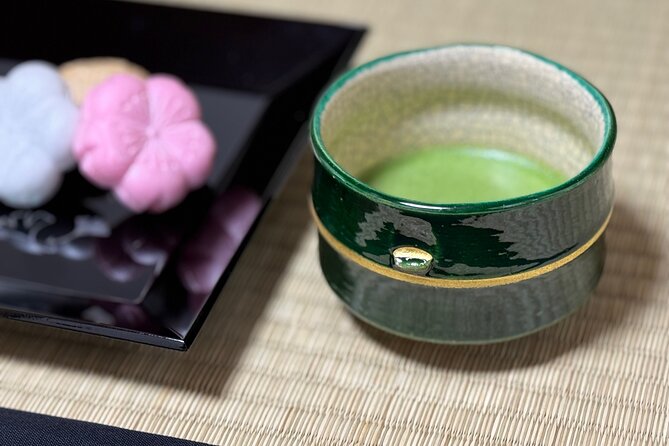
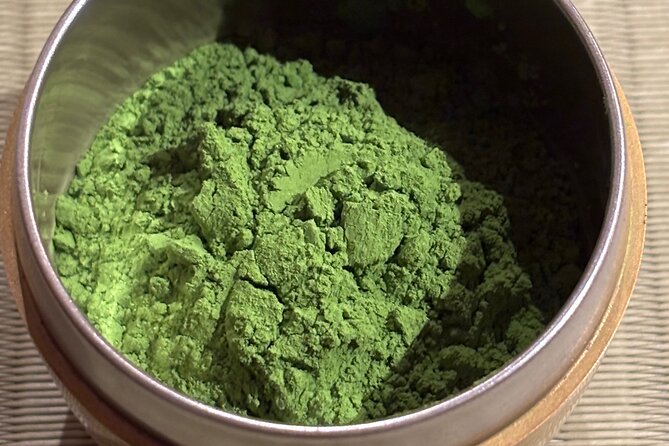
Traditional seasonal Japanese sweets are served with the matcha. Their sweetness balances the tea’s grassy, bitter edge, and the pairing is not just a snack. It is part of how the tea is traditionally enjoyed.
The sweets may not suit every palate. One family’s children did not care for theirs, and the host offered Oreos instead. That small gesture says something useful about the tone of the activity: the ceremony follows tradition, but the hosts try to keep people at ease.
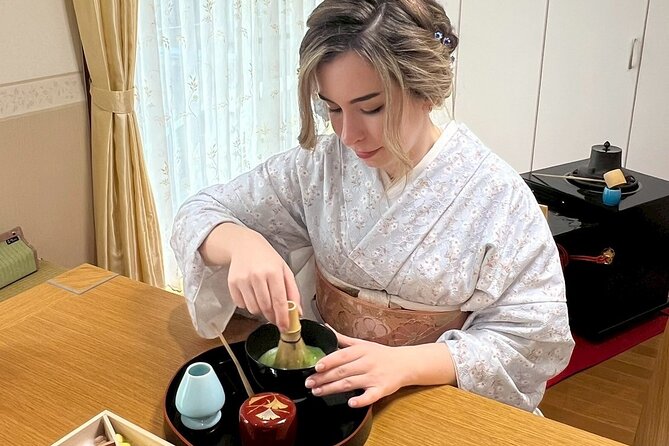
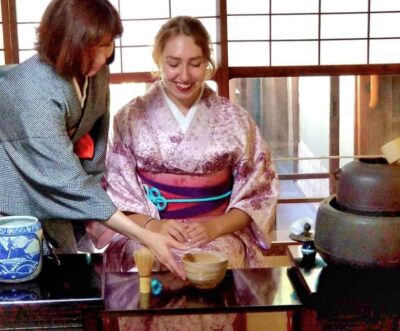
After watching the demonstration, you can prepare your own tea. This hands-on part is one of the strongest reasons to choose this activity over simply ordering matcha in a café. You learn the motion rather than only seeing it performed, and you can ask questions as you go.
Do not expect to become a tea master in one sitting. The goal is not technical mastery. It is to understand the rhythm of the process and appreciate why the preparation is treated as an art. For many people, making the tea removes some of the distance between observer and participant.
Photos are not allowed during the tea performance. This rule protects the quiet atmosphere and keeps phones from becoming the focus of the room. You can take photos before and after the ceremony, and the host has clarified that pictures are possible while you are making your own matcha, subject to the instructions given on site.
Other tea rooms and ceremonies in Kyoto:
- Kyoto: Table-Style Tea Ceremony at a Kyo-Machiya
★ 4.9 · 1,211 reviews - Kimono Tea Ceremony at Kyoto Maikoya, NISHIKI
★ 5.0 · 911 reviews - Kyoto: Arashiyama Bamboo Forest, Monkeys, Matcha & Temple Tour
★ 5.0 · 759 reviews - Kyoto: Tea Museum Tickets and Matcha Grinding Experience
★ 4.9 · 739 reviews
What the 45-minute length means
Forty-five minutes is enough for a clear introduction, but it does limit the depth of the session. You should expect a compact ceremony rather than a long formal presentation covering every detail of Japanese tea culture.
The short length works well in a Kyoto itinerary. You can fit it between sightseeing stops without giving up half a day. It is also useful if someone in your party is unsure about sitting through a longer ritual.
The tradeoff is that the activity can feel rushed if you want extensive historical background, repeated practice, or a long question-and-answer session. One person described the ceremony as slightly rushed, while others felt the explanations were detailed and the time well used.
The best way to approach it is as an introduction. You will leave with a working sense of the etiquette, the basic preparation, and the role of sweets and matcha. You will not receive a full course in tea ceremony schools, philosophy, or Japanese ceramics.
How intimate is the group?
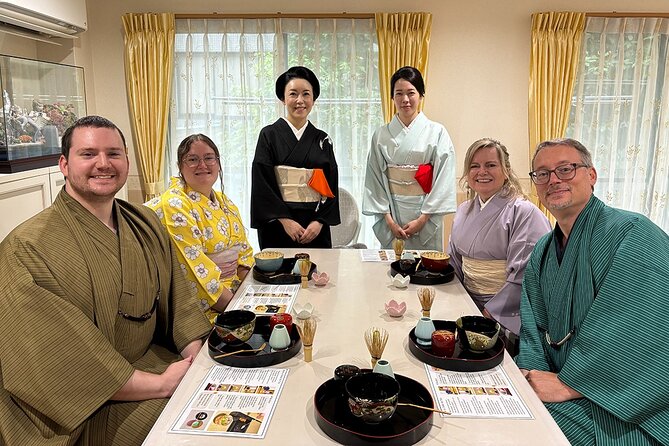
The activity has a maximum of eight people. That is small enough for the host to demonstrate the utensils clearly and answer questions without shouting across a room.
A solo participant can still feel comfortable here. One person attending alone found the hostesses kind and warm, which is useful to know if you are not booking as part of a couple or family. Couples also suit the format well, especially if you want a quiet cultural activity rather than a loud group event.
Families can take part too, though young children may not enjoy every sweet or have the patience for every quiet moment. The host’s flexibility can help, but the ceremony still asks everyone to respect the room and its silence.
The private setting also means the group size matters more than it would in a large hall. A full group of eight may feel noticeably different from a session with only two or three people. In either case, the maximum is low enough to keep the experience focused.
What this experience does not include
The biggest source of possible disappointment is the gap between a traditional tea ceremony and a packaged cultural photo experience. This activity does not include kimono rental or dressing. If putting on a kimono is central to your Kyoto plans, you need a different activity or a separate booking.
There is also no promise of extensive photography. During the formal tea performance, you must put the phone away. That may disappoint anyone hoping to record every gesture, but it protects the concentration of the ceremony.
The setting is not described as luxurious. It is a private tea room in a house designed for tea ceremony. You may find it plain, and the room can feel cold in cooler weather. One November visit was affected by the temperature, so dress comfortably and bring an extra layer if you tend to get chilly.
These limits are not hidden extras. They define the experience. You are paying for instruction, matcha, sweets, and a quiet traditional setting, not for costume hire, theatrical staging, or a polished photo package.
Is $56.49 a fair price?
At $56.49 per person, this is not the cheapest way to taste matcha in Kyoto. You can find tea in cafés for far less. The price makes more sense if you value the teaching, the private room, the small group, and the chance to prepare the tea yourself.
The experience also includes the sweets and matcha, so you are not paying an admission fee and then adding refreshments. More important, you receive context. A café gives you a drink. This activity shows you how the drink fits into a careful social and cultural practice.
Value depends heavily on your expectations. I would consider it a fair choice for a first introduction to tea ceremony, especially if you want a short activity with personal instruction. I would be less likely to recommend it if you mainly want a kimono, a grand setting, or a long formal performance.
The rating is 4.4 out of 5 from 19 ratings, which suggests a generally strong experience with some clear differences in expectations. The most positive impressions center on the peaceful mood, graceful preparation, good matcha, thoughtful sweets, and patient hosts. The lower scores focus on price, the plain private-house setting, cold temperatures, and the absence of kimono and photography during the ceremony.
That split is helpful. It shows that the activity works best when you understand what you are booking before you arrive.
Who should book this Kyoto tea ceremony?
I would recommend it to you if you want:
- A short cultural activity that fits into a busy Kyoto day
- A small group rather than a large staged presentation
- Clear instruction for first-time matcha drinkers
- A private tea-room setting
- A chance to prepare your own tea
- A quiet pause after crowded sightseeing
- A welcoming activity for couples, solo participants, and small families
I would look elsewhere if you want:
- Kimono rental or dressing
- A grand historic teahouse
- Extensive photography during the ceremony
- A long, highly formal presentation
- A luxury setting that matches a high-end price
- A session designed mainly for children
The activity is especially suitable for people who enjoy learning through small details. You will get more from it if you watch the order of the movements, listen to the etiquette explanation, and take part rather than treating it as a quick photo stop.
Practical booking advice for Kyoto
The experience is available with a mobile ticket, and confirmation is received at booking. Free cancellation is available up to 24 hours before the scheduled start time. Within 24 hours, cancellations and changes are not accepted, so check your Kyoto plans carefully before committing.
Service animals are allowed, and the meeting point is near public transportation. The activity ends where it begins, which makes it easy to plan around another central Kyoto stop.
Because the session is small and commonly booked about six days ahead, reserve early if your schedule is fixed. You do not need to book months in advance based on the information available, but waiting until the last minute could reduce your choice of times.
Wear something comfortable for sitting in a traditional tea-room setting. The information does not specify a dress code, but an extra layer is sensible in cooler months because the room has felt cold for some people.
Should you book it?
Book this tea ceremony if you want an intimate, hands-on introduction to matcha and Japanese etiquette. The peaceful room, seasonal sweets, careful preparation, and chance to make your own tea give you more than a café visit.
Skip it if your ideal Kyoto tea experience includes kimono dressing, elaborate architecture, or lots of photographs. At $56.49, the value rests in the teaching and personal setting. Know that in advance, and this can be a graceful 45-minute pause in a busy Kyoto schedule.
FAQ
How long does the tea ceremony last?
The activity lasts approximately 45 minutes.
Where does the activity start?
It starts at 南総合会計事務所, 450-1 Sanbongichō, Nakagyo Ward, Kyoto, 604-0871, Japan.
Where does the activity end?
It ends back at the meeting point.
How many people can join?
The activity has a maximum of eight people.
Is kimono rental included?
No. Kimono dressing and rental are not included in this tea ceremony.
Can I take photos during the ceremony?
Photos and videos are not allowed during the tea performance. Photos can be taken before and after, and the host has indicated that photos may be possible while you are making your own matcha, following on-site instructions.
Are tea and sweets included?
Yes. The experience includes matcha and traditional Japanese seasonal sweets.
What is the cancellation policy?
You can cancel up to 24 hours before the start time for a full refund. Cancellations or changes made within 24 hours are not accepted and are not refunded.
Just added in Kyoto
- Private Cooking Class Udon in Kyoto Japan★ 5.0 · 23 reviews
- Your Private Vacation Photography Session In Kyoto★ 5.0 · 110 reviews
- Kyoto: Zen Meditation at a Private Temple with a Monk★ 5.0 · 25 reviews
- Private Pewter Sake Cup Experience with a Kyoto Artisan★ 5.0 · 31 reviews
- Kyoto Wagashi(Japanese sweets) Cooking Class near Fushimiinari★ 5.0 · 60 reviews
- Kyoto:Family-Friendly Kimono & Yukata Experience at WARGO★ 5.0 · 147 reviews
- Private Guided Traditional Buddhist Cooking in Japan★ 5.0 · 16 reviews
- Kyoto: Gion Geisha District & Sake-in-Hand Walking Tour★ 5.0 · 37 reviews
Tea Ceremony Experiences, compared.

Tea Ceremony in a Traditional Tea House in Kiyomizu
Read our review →

World Heritage Kyoto & Nara Uji Authentic Matcha Experience
Read our review →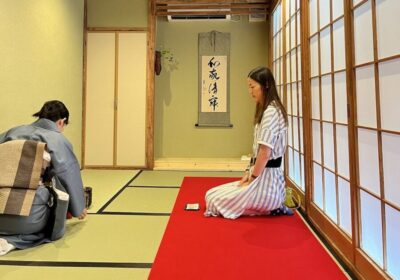
Arashiyama Bamboo Forest, Monkeys, Matcha & Temple Tour
Read our review →Browse the lists this tour appears in