
Reviewed · TOURS IN KYOTO
Full Day Biking Tour Exploring the Best of Kyoto
Kyoto makes you work for its highlights. The temples and shrines are spread across a large city, and this full-day bike tour links them by quiet backstreets instead of making you depend on crowded buses. You can cover roughly 18 to 20 miles, see far more than on foot, and still stop for the stories that make each place meaningful.
I like two things here: the route mixes famous sights with ordinary Kyoto streets, and lunch plus water are included. Guides such as Karl, Jay, Juan, Paul, and Indra have been praised for history, humor, and good route-finding. The catch is simple: this is a serious day of riding, not a casual spin. Even on mostly flat roads, you may finish tired.
Key points before you book
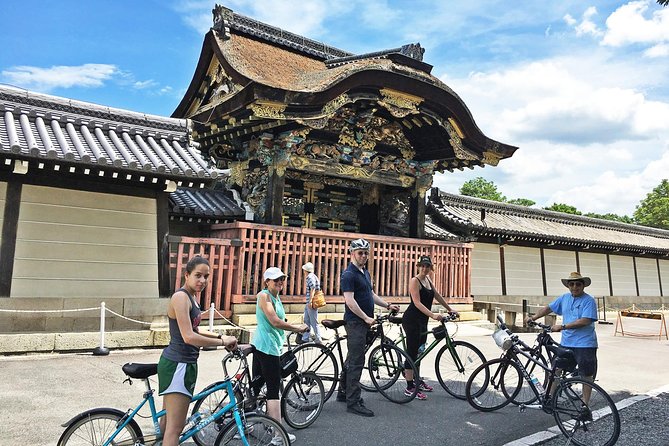
- Roughly 18 to 20 miles of riding: Expect a full day in the saddle, along with plenty of walking at temples and shrines.
- Eight riders maximum: The small group allows the guide to keep an eye on the pace and answer questions.
- A broad Kyoto sampler: The route reaches Nishi Honganji, Kitano Tenmangu, Kinkaku-ji, the Imperial Palace grounds, Gion, Tofuku-ji, and Fushimi Inari.
- Lunch is part of the deal: A Japanese meal, bottled water, a Cannondale bike, and helmet are included.
- Mostly easy, flat riding: The route uses smaller streets where possible, but you still ride in a city and need confidence on a bicycle.
- Best for active sightseers: You must be at least 13 and comfortable riding a bike.
Why cycling works so well in Kyoto
Kyoto is not a compact old town where every major sight sits around one pleasant square. The city spreads out, with temples in different districts and long stretches of residential streets between them. On foot, you spend much of the day getting from one place to the next. On a bus, you cover ground efficiently but lose the feel of the neighborhoods.
A bicycle gives you a useful middle ground. You move quickly, but you remain close to the city. You may pass traditional houses, small shrines, riverside paths, and quiet side streets that would blur past a bus window. The guides use back roads and less crowded routes where possible, which makes the city feel less like a checklist.
The tradeoff is effort. A full day can include around 18 to 20 miles of cycling and about 14,000 steps, depending on the group and the stops. That is a lot of movement. The riding is generally flat and described as manageable, but a comfortable bike ride is not the same thing as an easy sightseeing day.
Other experiences people book in Kyoto:
- PERFECT KYOTO 1-Day Bus Tour
★ 5.0 · 13,518 reviews - Kyoto: Fushimi Inari, Kinkakuji, Bamboo Grove 1 Day Bus Tour
★ 4.8 · 4,316 reviews - Kyoto: Tea Ceremony in a Traditional Tea House in Kiyomizu
★ 4.9 · 3,519 reviews
Starting near Kyoto Station
The tour begins at Cycle Kyoto on Higashikujō Nishisannōchō, about one block south of Kyoto Station. You meet the guide and group, get fitted for a high-quality Cannondale bike, and receive a helmet. This first 15 minutes matters more than it sounds. A poor seat height or unfamiliar bike can become annoying several hours later.
The group maximum is eight people. The small size is a real advantage in Kyoto, where a large line of bikes would be awkward on narrow streets. It also lets the guide adjust the pace and stop to explain details without turning every pause into a major production.
The standard bikes are included. An electric bike upgrade may be available, but the supplied details do not specify its cost or availability, so ask before booking if you want that option. Bring only what you need. One rider reported that the bike has a small front pouch, while a backpack must be carried all day.
Nishi Honganji and Kyoto’s wooden scale
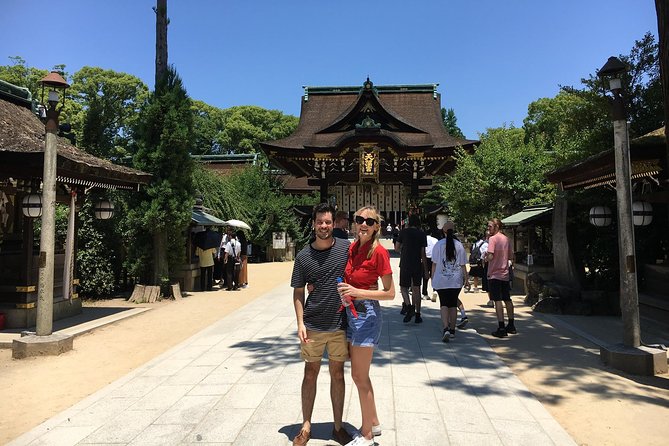
The first sightseeing stop is Nishi Honganji, one of Kyoto’s major Buddhist temples and one of the least visited places on this route. Its large wooden buildings give you an immediate sense of the scale of Japanese religious architecture.
You get about 15 minutes here, so this is an introduction rather than a long temple visit. That short stop is useful early in the day. It shows you a grand religious site before the route reaches the more famous crowds at Kinkaku-ji and Fushimi Inari.
This is also where a good guide can add value. The buildings are impressive on their own, but an explanation of the temple’s place in Kyoto’s religious life gives the stop more shape. Guides including Indra, Karl, and Juan have been singled out for linking historical events with everyday culture rather than simply naming dates.
Kitano Tenmangu, a calmer shrine stop
Kitano Tenmangu offers a different mood. You spend about 20 minutes among local shrine visitors and learn about the site’s past. It is a good pause between the large temple grounds and the more photographed attractions ahead.
The appeal here is not only architecture. The shrine feels connected to local life, and the guide helps you notice how people use a religious site rather than treating it as a museum. The time is short, but it gives the day some balance.
You will not have unlimited time at any stop. That is the nature of a route covering so much of Kyoto. If you prefer one temple explored slowly, this tour may feel rushed. If you want a strong first look at the city, the quick pace works well.
Same base, a different sort of day:
- Kyoto Geisha Walking Tour: Gion District & Hidden Gems
★ 4.7 · 3,273 reviews - Kyoto: Tea Ceremony Ju-An at Jotokuji Temple
★ 4.9 · 3,207 reviews - Kyoto: Gion Magical Night Walking Tour with Geisha Trivia
★ 4.9 · 2,393 reviews - Kyoto: 45-Minute Tea Ceremony Lesson Experience
★ 4.3 · 2,378 reviews
Kinkaku-ji and the Golden Pavilion
Kinkaku-ji, the Golden Pavilion, is the day’s most instantly recognizable sight. You enter the temple grounds, hear the guide’s explanation, and have time to look around, take photographs, or pause for an ice cream. The scheduled visit lasts about 30 minutes.
The pavilion is famous for its gold-covered exterior reflected in the pond. The setting is carefully arranged, and it can be crowded. A guide cannot remove the crowds, but can help you understand what you are seeing and keep the stop from becoming only a photograph.
Thirty minutes is enough for the main view and a short walk, but not for a slow examination of every corner. I would treat this as a focused visit, not a complete exploration of the temple complex. The bicycle makes the stop possible within a larger day that also reaches eastern and southern Kyoto.
The Imperial Palace grounds
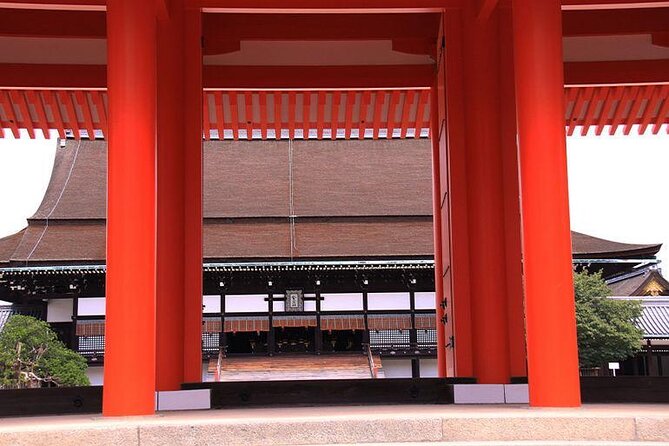
The route continues through the grounds of the former seat of Japan’s imperial family. The supplied schedule does not give a precise stop length, so expect this to be a passing ride or guided pause rather than a long palace tour.
That distinction matters. You are seeing the grounds and learning about their past, not signing up for a full palace-focused visit. The value comes from placing Kyoto in a wider political story. The city was the imperial center for centuries, and the palace grounds help explain why Kyoto’s temples, ceremonies, and court traditions developed as they did.
Cycling through this area also breaks up the temple stops. You are not simply moving from one ticket entrance to another. You are riding through the city’s public spaces and getting a better sense of its scale.
Gion, geisha culture, and the right expectations
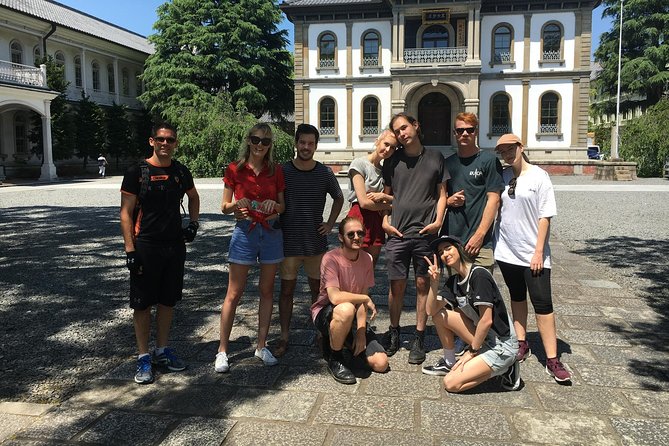
Gion is Kyoto’s famous geisha district, with traditional streets and teahouses connected to the city’s entertainment culture. The tour gives you about 15 minutes here and explains the district’s history and customs. You may catch sight of a geisha or maiko, but that is never guaranteed.
Keep your expectations respectful and modest. Gion is a working neighborhood, not a stage set. A short guided visit can help you understand the difference between a performer’s public role and the private life behind the district’s closed doors.
The route may also include lunch around Gion. One reported lunch stop was a small family restaurant with local customers, serving a traditional noodle meal. Lunch is included, and that adds useful value to the price, especially compared with tours that provide only a snack or leave you to find food on your own.
Dietary requirements need to be given in advance. Do not wait until the morning of the tour, since the operator specifically asks for this information ahead of time.
Tofuku-ji and the quieter side of Kyoto
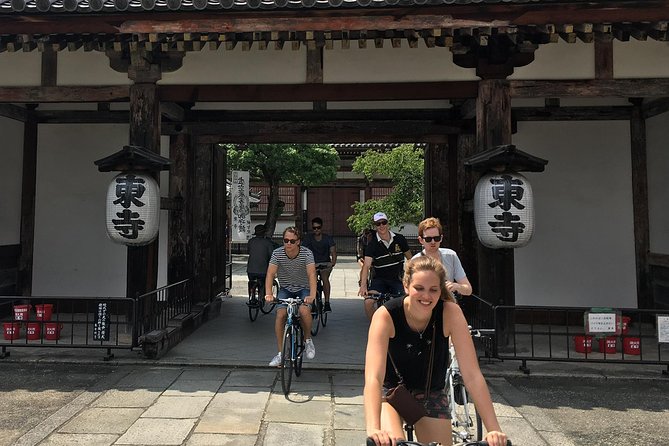
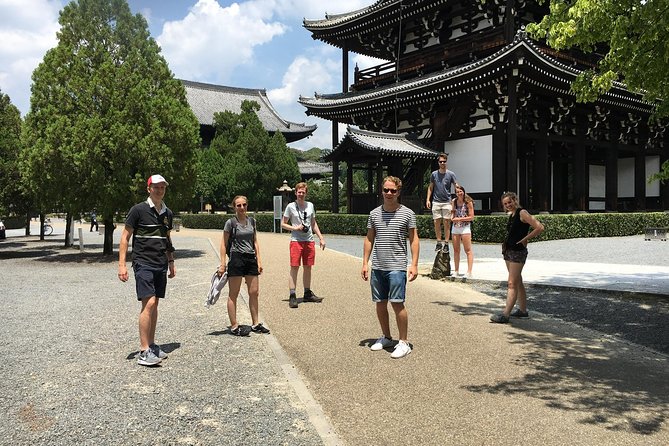
Tofuku-ji receives only about five minutes on the planned route, but the view from its bridge and the broad temple grounds make it a worthwhile passing stop. It is one of Kyoto’s older and larger Zen temples, and the open space offers a change from the tight streets of Gion.
Five minutes is brief. Think of it as a scenic look and a guide’s introduction, not a full temple visit. If you want to explore Tofuku-ji in detail, return on another day. The bike tour is trying to show you the city’s range, not give every site the same amount of time.
This is one of the tour’s better design choices. A short stop can still be meaningful when the main purpose is to show how Kyoto shifts from crowded districts to quiet religious grounds within a few minutes of riding.
Fushimi Inari and the torii gates
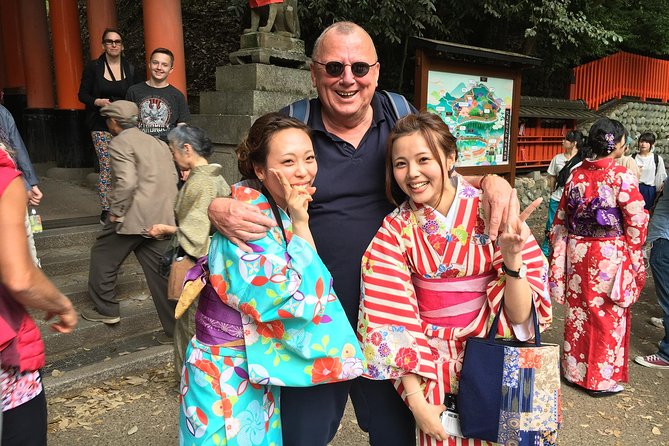
The final major stop is Fushimi Inari-taisha, one of Kyoto’s most visited attractions. Its orange torii gates climb the wooded slopes behind the shrine, and the path can be hard to navigate when crowds are heavy.
The guide chooses a route through the shrine grounds and helps you make the most of the available time. You get about 20 minutes, which is enough to see the early gates and understand the shrine’s layout, but not enough to walk the entire mountain trail. The full torii route is much longer than most visitors expect.
This is another point where the tour’s broad coverage shapes the experience. You see Fushimi Inari as part of a citywide day, not as a dedicated shrine hike. If the gates are your top priority, return independently with several hours to spare. If you want a smart first look after visiting much of Kyoto, the guided stop is efficient.
Guides make the biggest difference
The route is strong, but the guide shapes the day. Named guides connected with this experience include Karl, Jay, Juan, Paul, Indra, Quinn, and Jamie. The most praised qualities are clear storytelling, humor, route-finding, safety, and the ability to connect Kyoto’s past with present-day customs.
Karl has been praised for detailed Japanese history and for navigating small streets confidently. Jay is noted for keeping the day fun and taking group photographs. Juan is associated with an engaging history lesson and a good lunch stop. Paul is described as organized and alert to unexpected sights, including a local Shinto street ceremony.
Quinn brings more than 20 years of life in Japan, while Indra is praised for explaining both Kyoto’s past and the economics behind Fushimi Inari’s many torii gates. Jamie adds cultural details such as simple Japanese phrases, counting, and the months of the year.
Guide quality can vary on any tour. One less favorable account described the cycling as enjoyable but found the explanations unclear. That is worth keeping in mind. The tour is not only transportation between sights. You are paying in part for interpretation, so the guide has a major effect on value.
What the physical day feels like
You need moderate physical fitness and must be at least 13 years old. Most of the route is flat, and the riding is described as safe and easy to follow, with smaller streets used when possible. Still, you cycle in an urban setting, so you should be comfortable riding around traffic and other road users.
The day can run from around 9 a.m. to 6 p.m., depending on the route and group. You may sweat in warm weather, and the seat can become uncomfortable after many hours. Water is included, but you should still dress for the forecast and bring sun protection.
The tour ends back at the Cycle Kyoto meeting point. That is convenient for returning the bike, but it means you should plan your evening with a little flexibility. After a long ride and several temple walks, you may not want a tightly scheduled dinner reservation on the other side of town.
Is $119.38 a fair price?
At $119.38 per person, the tour is not the cheapest way to see Kyoto. You could visit individual sights by public transport for less. That approach, however, requires planning the route, navigating crowded buses, finding lunch, renting a bicycle, and managing a long day without a guide.
Here, the price includes the Cannondale bike, helmet, bottled water, lunch, and the guide. You also get a small group and a route linking several districts that are awkward to combine independently. For an active visitor with only a short time in Kyoto, that is solid value.
The price is less convincing if you dislike cycling, want long visits at each temple, or prefer to explore at your own pace. You are paying for coverage and structure. The tour gives you a citywide overview, not hours of quiet contemplation at one site.
Free cancellation is available up to 24 hours before the start time for a full refund. The operator may cancel for poor weather or if the minimum number of participants is not reached, offering another date or a refund.
Who should book this Kyoto bike tour?
Book it if you want to see many parts of Kyoto in one day, enjoy active sightseeing, and value a guide who can explain what you are seeing. It is especially useful for first-time visitors, families with bike-confident teenagers, and people who find city buses slow or confusing.
Skip it if you are uncomfortable riding for several hours, have limited mobility, or want a relaxed temple day. Also think twice if your main goal is a deep visit to Kinkaku-ji, Gion, or Fushimi Inari. Each receives only part of the day.
For the right person, this is a smart way to get your bearings. You see major sights, quiet streets, religious buildings, palace grounds, and neighborhood life in one long sweep. Just book it as an active overview, not an easy ride.
FAQ
How long does the Kyoto bike tour last?
The tour lasts approximately seven to eight hours. Some days may run from about 9 a.m. to 6 p.m., depending on the route and group.
What is included in the tour price?
The price includes use of a Cannondale bike, helmet, bottled water, and lunch. The guided tour and scheduled sightseeing stops are also part of the experience.
How many people are in the group?
The tour has a maximum of eight travelers. This small group size helps the guide manage the bikes and provide more personal attention.
What sights does the tour visit?
The route includes Nishi Honganji, Kitano Tenmangu Shrine, Kinkaku-ji, the grounds of the former Imperial Palace, Gion, Tofuku-ji, and Fushimi Inari-taisha Shrine.
Is the tour suitable for children?
Riders must be at least 13 years old and comfortable riding a bike. Participants should have a moderate level of physical fitness.
What happens if the weather is bad?
The experience requires good weather. If poor weather causes cancellation, you will be offered a different date or a full refund.
Just added in Kyoto
- Kyoto: Private Photoshoot Service★ 5.0 · 158 reviews
- Kyoto Rickshaw Tour★ 5.0 · 210 reviews
- Kyoto: Arashiyama Bamboo, Temple, Matcha, Monkeys & secret spots★ 5.0 · 219 reviews
- Izakaya Style Cooking Class★ 5.0 · 219 reviews
- Kyoto: Traditional Concert at Townhouse or Bathhouse★ 4.9 · 224 reviews
- Ninja 2-hour Hands-on Lesson by Japanese master in Kyoto -Medium★ 5.0 · 218 reviews
- Kyoto: Afternoon Japanese Izakaya Cooking Class★ 4.9 · 241 reviews
- Samurai Training with Modern day Musashi in Kyoto★ 5.0 · 256 reviews
Tours in Kyoto, compared.
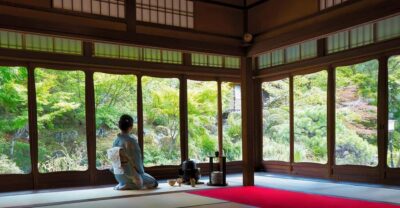
Tea Ceremony in a Traditional Tea House in Kiyomizu
Read our review →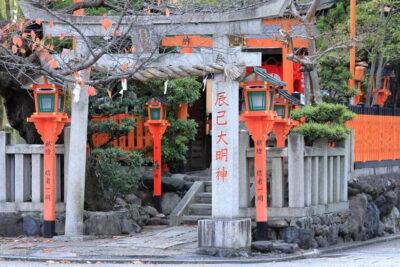
Kyoto Geisha Walking Tour: Gion District & Hidden Gems
Read our review →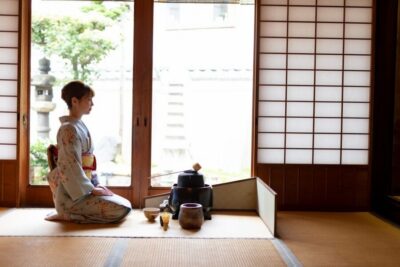
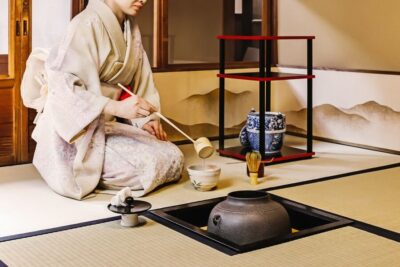
Gion Geisha District Walking Tour – Stories of Geisha
Read our review →
Best of Kyoto: Gion, Geisha, Pagodas & Cobblestones
Read our review →
Browse the lists this tour appears in