Reviewed · TOURS IN KYOTO
Private Highlights of Kyoto Tour
Kyoto’s great strength is also its problem: the city has too many worthwhile sights for one easy day. This private seven-hour tour solves that neatly by giving you a guide, public transportation, and a choice between two routes. You can focus on the bamboo groves and Zen gardens in the northwest, or the red gates, sake, and old streets of the southeast.
I like the personal guide most, especially for a first visit. Guides including Mie, Mia, Chako, Choko, and Mai have been praised for clear English, historical insight, humor, family-friendly pacing, and good restaurant advice. I also like that the tour uses buses and trains rather than keeping you sealed in a vehicle. The tradeoff is price: at $151.20 per person, it costs more than a group outing, and seven hours of temples, hills, and city walking can feel full.
Key points to know before booking
- Two very different routes: Choose Arashiyama, Ryoan-ji, Kinkaku-ji, and Nishiki Market, or Fushimi Inari, the sake museum, Kiyomizu-dera, and Gion.
- Private attention: The maximum group size is eight, so your guide can answer questions and adjust the pace.
- Public transportation included: You travel like a local and receive a one-day city bus pass to use after the tour.
- Strong guide element: Mie, Mia, Chako, Choko, and Mai are praised for history, cultural explanations, flexibility, and help with children.
- Lunch is flexible but extra: You choose and pay for lunch, with guides sometimes suggesting ramen, okonomiyaki, or other local options.
- Expect serious walking: Arashiyama, temple grounds, Kiyomizu-dera, Ninenzaka, and Sannenzaka all require time on foot.
Why this private Kyoto day works for first-time visitors
The tour starts at 9 a.m. outside Hotel Granvia Kyoto, by Kyoto Station’s central entrance. That is a practical meeting point, especially if you are staying near the station or arriving by train. Hotel pickup is not included, so you need to reach the meeting point yourself.
From there, you use public transportation with your guide. That matters in Kyoto. You get a look at ordinary city life, and your guide can help you manage the buses and trains that connect the widely scattered sights. The tour includes public transportation, along with a one-day city bus pass that you can continue using after the tour.
The private format is the main reason to consider this experience. Your guide can explain why a temple matters, answer questions about customs, help with signs, and adjust the day to your interests. Several guides are praised for making history understandable without turning the day into a lecture. One guide also helped visitors with Japanese phrases, while another kept a 12-year-old engaged.
The group limit is eight people. That is small enough for personal contact, though the word private can mean different things when booking, so check that your reservation covers only your own party if that point matters to you.
Other experiences people book in Kyoto:
- PERFECT KYOTO 1-Day Bus Tour
★ 5.0 · 13,518 reviews - Kyoto: Fushimi Inari, Kinkakuji, Bamboo Grove 1 Day Bus Tour
★ 4.8 · 4,316 reviews - Kyoto: Tea Ceremony in a Traditional Tea House in Kiyomizu
★ 4.9 · 3,519 reviews
Route one: Arashiyama bamboo, Zen gardens, and the Golden Pavilion
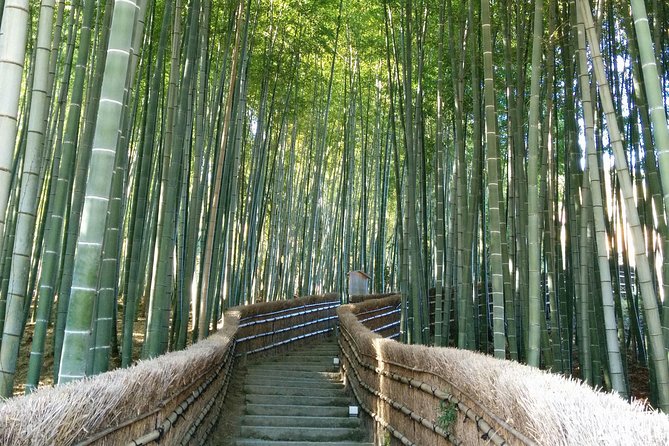
The northwest-bound route begins around Arashiyama, one of Kyoto’s most recognizable areas. The Bamboo Forest Street gives you a short walk among tall bamboo stalks, a scene often shown in guidebooks and photographs. The walk listed here lasts about 30 minutes, so think of it as a focused visit rather than a long woodland hike.
Arashiyama also includes the Togetsukyo Bridge area, known for its large wooden bridge near the bamboo forest. The district is attractive, but it can be crowded, particularly around its famous paths. A guide helps you keep the visit moving and adds context to the temples and streets beyond the most photographed spots.
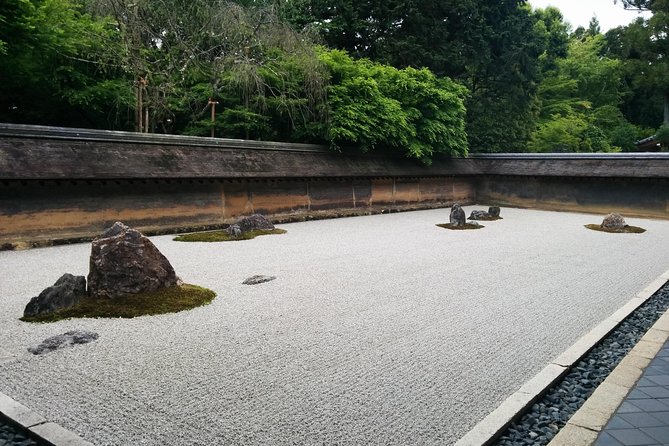
From there, the route continues to Ryoan-ji, home to one of Japan’s best-known Zen rock gardens. Fifteen stones sit within a field of gravel, but not all are visible from every angle at once. The garden rewards a quiet pause, though the 30-minute visit means you will not have unlimited time for reflection or a long tour of the wider temple grounds.
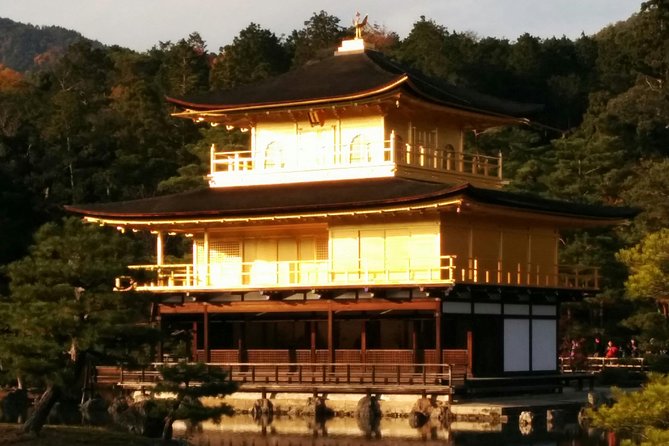
Next comes Kinkaku-ji, the Golden Pavilion. This three-story temple covered in gold leaf reflects across a pond surrounded by trees. It is one of Kyoto’s most famous sights, and the setting explains why. The visit lasts about 50 minutes, with admission included.
Kinkaku-ji is visually powerful but not intimate. You see the pavilion from a set route rather than wandering freely through it. Your guide adds value here by explaining the building’s place in Kyoto’s culture and pointing out details that can be easy to miss when you are busy taking photographs.
After lunch, you choose between Nishiki Food Market and Nijo Castle on this route. That choice is useful because the two stops offer very different experiences.
Nishiki is the better pick if you want food and everyday Kyoto flavor. It is a culinary market with local ingredients and snacks, though food and drinks are not included. You will need to pay for anything you sample or buy.
Nijo Castle is the stronger choice for architecture and political history. Built during the Tokugawa Shogunate in the early 17th century, it is known for the original living quarters of the shogun. Gold leaf and detailed paintings decorate the interior, giving you a look at the power and ceremony of the period.
The route finishes in Gion, Kyoto’s famous geisha district. The tour provides no admission ticket for Gion because it is an area to walk through rather than a single attraction. Your guide can help you understand the traditional streets and the importance of the geisha tradition, but you should not expect guaranteed geisha sightings.
Route two: red torii gates, sake, and Kiyomizu-dera
The southeast-bound route begins at the Gekkeikan Okura Sake Museum. This brewery museum covers one of Japan’s oldest sake brands and explains how the country’s famous rice wine is made. Admission is included, and the stop offers a useful change of pace from temple after temple.
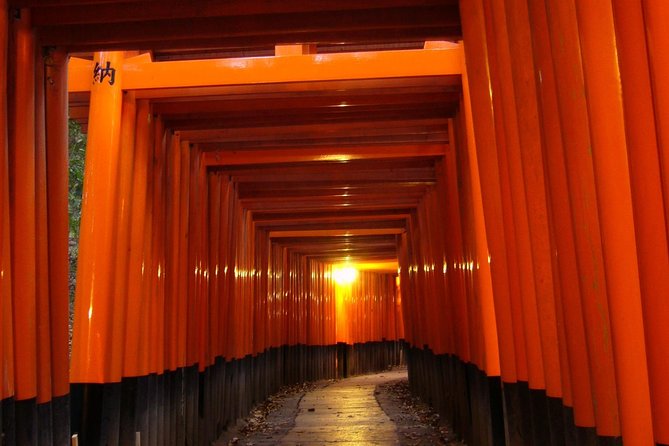
Next comes Fushimi Inari-taisha, one of Kyoto’s most memorable sights. Thousands of red torii gates run up the mountain, creating long covered paths through the shrine grounds. Stone fox figures and smaller shrines add to the atmosphere, since foxes are linked with the shrine’s traditions.
The listed visit lasts about 50 minutes. That is enough to experience the lower part of the shrine and walk through a section of the gates, but not enough for a full mountain climb. If you hope to reach the highest points, ask your guide how the timing can be handled.
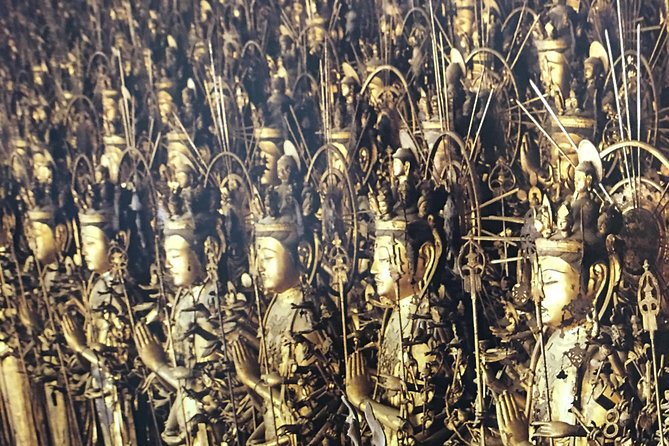
Sanjusangendo follows. Its great draw is a hall filled with 1,001 Kannon statues. The effect is striking, and the stop gives you a different kind of temple experience from the open-air gardens and hilltop views elsewhere in Kyoto. Admission is included, and the planned visit lasts about 50 minutes.
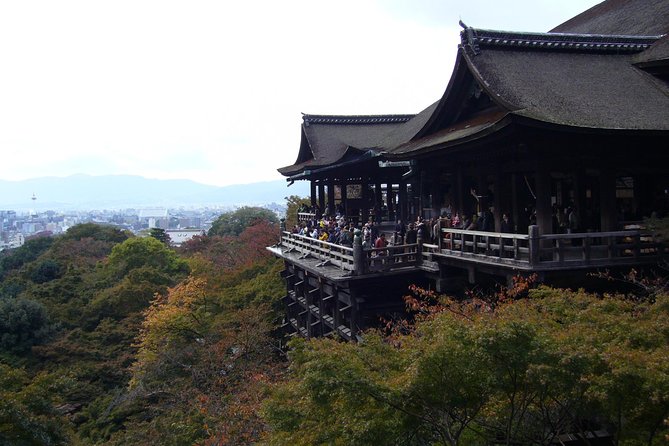
After lunch, you continue to Kiyomizu-dera, one of Kyoto’s defining landmarks. The temple dates back to the eighth century, and its balcony offers a broad view over Kyoto. That view is often used in postcards, but seeing it in person gives you a better sense of how the temple sits above the city.
The approach is part of the experience. You walk up the steep streets of Ninenzaka and Sannenzaka, traditional neighborhoods lined with shops and old-style buildings. These streets are attractive but can be tiring and crowded. Wear shoes with good support, especially if you have already spent the morning at Fushimi Inari.
The day concludes in Gion, giving you a chance to continue exploring after the formal tour ends. A separate Gion-focused evening tour is available at 6 p.m., according to the information provided, but that is not part of this booking.
Which route should you choose?
Choose the northwest route if you want the classic Kyoto postcard set: bamboo, a Zen rock garden, the Golden Pavilion, and a choice of market or castle. It offers more variety in scenery and works well for first-time visitors who want the city’s most recognizable images.
Choose the southeast route if you care more about Shinto traditions, sake, temple interiors, and old streets. Fushimi Inari is especially memorable, while Kiyomizu-dera and the Ninenzaka and Sannenzaka slopes give the day a strong sense of place.
The two routes are not interchangeable. You cannot expect to see every major sight in both directions during one seven-hour outing. The description also refers to major attractions including Nijo Castle and Kiyomizu-dera, while the detailed route choices place different stops on different courses. Confirm the exact route and any optional stop when you book.
Same base, a different sort of day:
- Kyoto Geisha Walking Tour: Gion District & Hidden Gems
★ 4.7 · 3,273 reviews - Kyoto: Tea Ceremony Ju-An at Jotokuji Temple
★ 4.9 · 3,207 reviews - Kyoto: Gion Magical Night Walking Tour with Geisha Trivia
★ 4.9 · 2,393 reviews - Kyoto: 45-Minute Tea Ceremony Lesson Experience
★ 4.3 · 2,378 reviews
The guide makes the difference
The best part of this experience is not simply the number of temples. It is the person walking beside you.
Mie receives especially strong praise for historical explanations, humor, organization, and flexibility. She has adjusted plans for couples, families, and visitors making a day trip from Tokyo. Mia is also praised for excellent English, patience, and a friendly style, including keeping a child interested during a long day.
Chako and Choko are noted for cultural knowledge, translation help, photography, and personal attention. Mai is praised for adding a Ghibli Store stop during a customized day, while also explaining the major sights. These examples show what the private format can offer when the guide is a good match: not just facts, but help shaping the day around your interests.
There is one important caution. Guide quality can vary, and one disappointed customer felt the guide mainly moved the group from place to place without enough explanation. That is a reminder to speak up early. Tell your guide if you want more history, less walking, extra photo time, or a faster pace.
The guides also appear willing to recommend lunch. Suggestions have included ramen and okonomiyaki, with one particularly praised okonomiyaki meal cooked on a grill built into the table. These meals are not included, but a local suggestion can be one of the day’s most enjoyable extras.
Walking, lunch, weather, and timing
Seven hours sounds generous, but Kyoto’s distances and crowds use time quickly. You will walk through temple grounds, along market streets, through shrine paths, and up the slopes toward Kiyomizu-dera. Most people can participate, but the day is not designed for travelers seeking a low-mobility sightseeing experience.
Lunch is at your own expense and is not fixed in the price. That gives you freedom, but it also means you should not expect a formal meal included in the schedule. Ask your guide about timing and local options once you know which route you are taking.
The tour requires good weather. If poor weather forces cancellation, you are offered another date or a full refund. Rain does not necessarily ruin the experience. One couple found the bamboo forest especially worthwhile on a rainy day, but wet temple paths and steep streets can make the walking harder.
Admission is included for Kinkaku-ji, Kiyomizu-dera, Nijo Castle, Sanjusangendo, Ryoan-ji, the Gekkeikan Okura Sake Museum, and the other paid attractions listed in the route details. Fushimi Inari, Gion, the bamboo forest, and the walking areas do not require an admission ticket for this tour.
Is $151.20 per person good value?
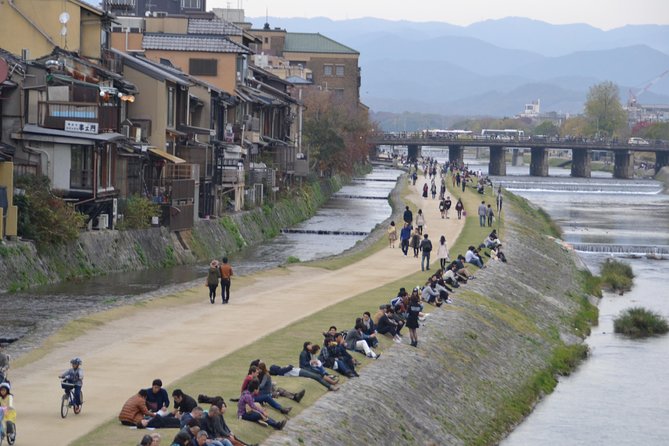
At $151.20 per person, this is not the cheapest way to see Kyoto. You are paying for a full day of private guiding, public transportation, route planning, admissions to several attractions, and the chance to ask questions throughout the day. Food and hotel transfers are extra.
The value is strongest for first-time visitors with limited time. If you tried to arrange Arashiyama or Fushimi Inari, several temples, local buses, entrance tickets, and lunch on your own, you would save money but spend more effort. The guide also helps you avoid wasting time on transport decisions.
It is a weaker value for repeat visitors who already know Kyoto’s bus system and temple layout. Independent travelers who enjoy planning may prefer to select fewer sights and spend longer at each one. This tour favors breadth and guidance over a slow, deeply focused visit.
The one-day bus pass is a useful bonus. You can use it after the tour, which may help you explore more of Kyoto on your own. Just remember that the tour itself also uses trains and other public transportation, so the pass does not cover every part of the day.
Who should book this Kyoto tour?
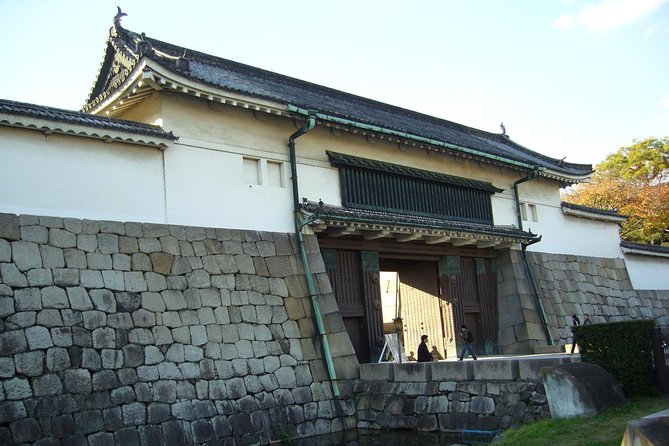
I would recommend it to first-time Kyoto visitors who want the major sights without managing every connection themselves. It is also a strong choice for couples, families, and small groups who want a guide that can answer personal questions and adjust the pace.
Families may appreciate the private setting, especially since guides have worked well with young children. Couples may like the flexibility to spend extra time at a favorite temple or ask for a local lunch suggestion.
I would hesitate if your main goal is solitude. Kyoto’s most famous sights can be crowded, and a seven-hour schedule covers a lot of ground. I would also hesitate if you dislike walking or want every minute spent inside one historic site.
Free cancellation is available up to 24 hours before the 9 a.m. start time. Confirmation is sent within 48 hours, subject to availability. Children must be accompanied by an adult, and the child rate applies only when sharing with two paying adults.
My booking recommendation
Book this tour if you want a well-organized first look at Kyoto, especially with a guide who can explain the customs, symbols, and history behind what you are seeing. Choose northwest for bamboo, Zen, the Golden Pavilion, and food or castle. Choose southeast for sake, Fushimi Inari, Kiyomizu-dera, and Gion.
Skip it if you already know Kyoto well, prefer a slow independent day, or want to avoid a full schedule. For everyone else, the combination of private attention, public transportation, included admissions, and a flexible guide makes the price easier to justify.
FAQ
Where does the tour start?
The tour starts at 9 a.m. at Hotel Granvia Kyoto, by the JR Kyoto Station central entrance in Kyoto’s Shimogyo Ward.
How long does the tour last?
The experience lasts approximately seven hours.
Are there different itinerary options?
Yes. You can choose a northwest-bound route featuring Arashiyama, the bamboo forest, Ryoan-ji, Kinkaku-ji, and either Nishiki Food Market or Nijo Castle. The southeast-bound route includes the Gekkeikan Okura Sake Museum, Fushimi Inari, Sanjusangendo, Kiyomizu-dera, Ninenzaka, Sannenzaka, and Gion.
Is transportation included?
Yes. Public transportation is included, and you receive a one-day city bus pass that can be used after the tour.
Is lunch included?
No. Lunch, food, and drinks are not included. You pay for your own meal.
Is hotel pickup included?
No. You must make your own way to the meeting point at Hotel Granvia Kyoto, and hotel drop-off is not included.
What is the cancellation policy?
You can cancel up to 24 hours before the start time for a full refund. Changes or cancellations made less than 24 hours before the start time are not accepted for a refund. If poor weather cancels the experience, you are offered another date or a full refund.
Just added in Kyoto
- Private Cooking Class Udon in Kyoto Japan★ 5.0 · 23 reviews
- Your Private Vacation Photography Session In Kyoto★ 5.0 · 110 reviews
- Kyoto: Zen Meditation at a Private Temple with a Monk★ 5.0 · 25 reviews
- Private Pewter Sake Cup Experience with a Kyoto Artisan★ 5.0 · 31 reviews
- Kyoto Wagashi(Japanese sweets) Cooking Class near Fushimiinari★ 5.0 · 60 reviews
- Private Guided Traditional Buddhist Cooking in Japan★ 5.0 · 16 reviews
- Kyoto: Gion Geisha District & Sake-in-Hand Walking Tour★ 5.0 · 37 reviews
- Kyoto:Family-Friendly Kimono & Yukata Experience at WARGO★ 5.0 · 147 reviews
Tours in Kyoto, compared.
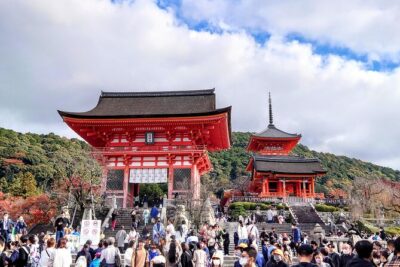
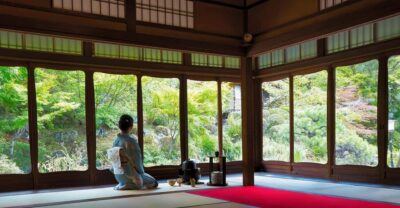
Tea Ceremony in a Traditional Tea House in Kiyomizu
Read our review →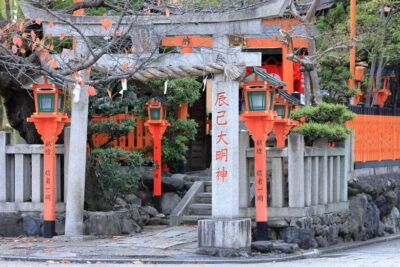
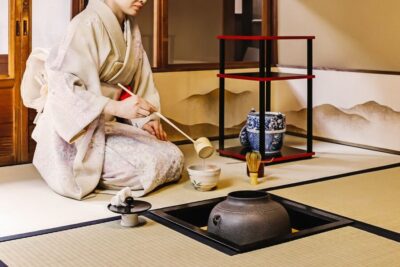
Kyoto Geisha Walking Tour: Gion District & Hidden Gems
Read our review →
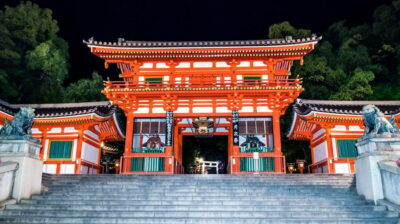
Gion Geisha District Walking Tour – Stories of Geisha
Read our review →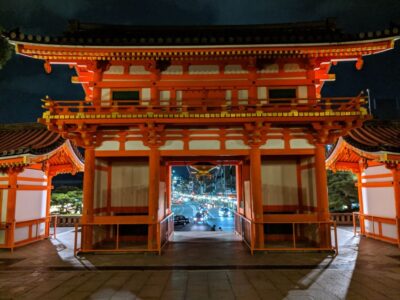
Best of Kyoto: Gion, Geisha, Pagodas & Cobblestones
Read our review →