Reviewed · TOURS IN KYOTO
Scenic Green Tea Fields of Hidden Kyoto & Local Tea Exp (Private)
The most striking part of this outing is the sudden change from Kyoto city to Wazuka’s tea-covered hills, where clipped rows of Uji tea rise in neat waves. You also get two very different sides of the region: Byodoin’s grand Phoenix Hall and small country temples tied to tea, monks, samurai, and ninjas.
I like the private transport, especially because several stops are hard to reach without a car. I also like the personal touch from Daiki, whose history and culture stories turn a scenic drive into something more meaningful. The main consideration is time: five and a half hours includes long drives, and the schedule may change with road conditions, closures, or crowds.
Key points at a glance
- Tea country beyond central Kyoto: See Wazuka and Ujitawara, two important tea-producing areas far from the city crowds.
- A real local tea stop: Taste Wazuka tea and matcha sweets, then shop for premium tea at prices described as one-half to one-third of city prices.
- Two remarkable temples: Visit Byodoin’s Phoenix Hall and Shoju-in’s famous heart-shaped window.
- Private and flexible: Your group alone rides in an air-conditioned Nissan van, with pickup and drop-off arrangements that can be adjusted.
- A guide who adds context: Daiki explains tea, Japanese history, local customs, and the role of monks, samurai, and ninjas.
- Good for photographers: The tea fields, cedar roads, temples, and convertible option give you plenty of chances for memorable pictures.
From Kyoto City to Wazuka’s Tea Hills
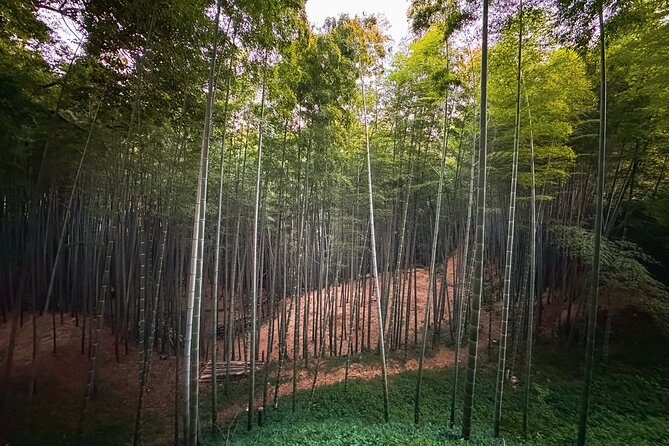
This tour begins at 1 p.m. and carries you south from Kyoto toward the tea country of Wazuka and Ujitawara. The drive matters. You are not simply being delivered to a viewpoint. You watch the city thin out, then give way to forest roads, mountain scenery, bamboo, and tall Japanese red cedars.
For two to six people, transportation is an air-conditioned Nissan van. A solo participant rides in an open-air Mini Cooper convertible, an especially appealing choice on the country roads. Fuel and highway fees are included, so you do not have to track extra road costs during the day.
The private format is a major advantage here. You can ask questions as you go, stop for photographs, and arrange a different starting and ending point. Past outings have also included restaurant drop-offs and extra shrines when timing allowed, though those additions should not be treated as guaranteed parts of the schedule.
Daiki is the named guide associated with this experience. His approach combines driving with stories about Japanese history, tea culture, and everyday life outside the main tourist centers. If you want a quiet ride with little explanation, this may feel talkative. If you like connecting places to the people and customs behind them, that is one of the tour’s strongest features.
Other experiences people book in Kyoto:
- PERFECT KYOTO 1-Day Bus Tour
★ 5.0 · 13,518 reviews - Kyoto: Fushimi Inari, Kinkakuji, Bamboo Grove 1 Day Bus Tour
★ 4.8 · 4,316 reviews - Kyoto: Tea Ceremony in a Traditional Tea House in Kiyomizu
★ 4.9 · 3,519 reviews
Byodoin Phoenix Hall and the Buddhist Pure Land
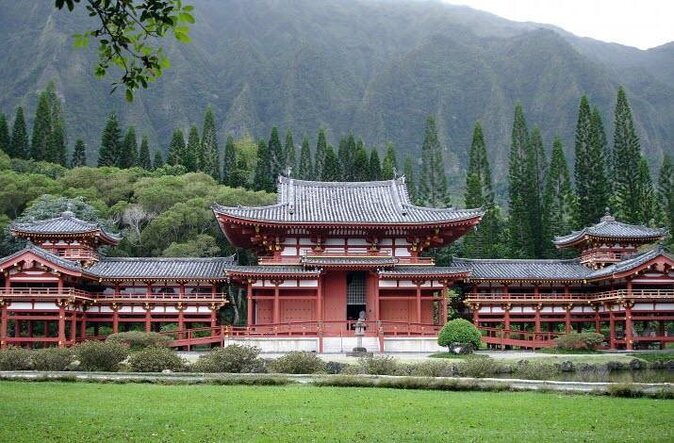
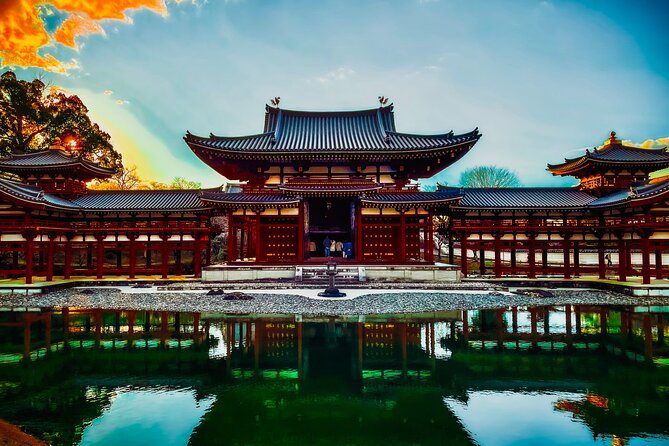
The first major stop is Byodoin Temple, with about two hours set aside. The centerpiece is Phoenix Hall, one of Japan’s most recognizable buildings. Its image appears on the Japanese 10-yen coin, so you may already know its graceful shape without realizing it.
The hall represents the Buddhist Pure Land, or paradise, on earth. That idea helps explain the building’s setting and design. This is not just a quick photo stop. The architecture, pond, and careful sense of balance give you a useful introduction to the religious ideals that shaped much of Kyoto’s art.
Admission is not included. The stated fee is ¥600 per person. You should also expect walking and some stairs during the day, so comfortable shoes are a smart choice.
Two hours gives you room to see the temple without rushing, but it also takes up a large part of a five-and-a-half-hour program. That is a fair trade if you care about temples and architecture. If tea fields are your main goal, you may wish the schedule gave them more time instead.
Byodoin also gives the day a strong opening. You begin with a famous monument, then move toward smaller religious sites and rural tea farms. The contrast makes the later stops feel less like a collection of viewpoints and more like a connected story.
A Cup of Wazuka Tea
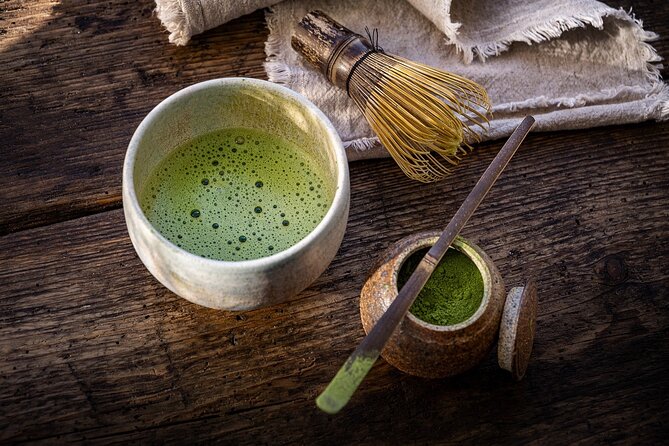
The Wazuka-cha Cafe receives about an hour. This is where the outing shifts from looking at tea to tasting it. You can sample local green tea and matcha, along with matcha desserts, and learn why Wazuka tea is prized in the Uji tea region.
The tour description presents Wazuka tea as especially pure and authentic, even when compared with the better-known Uji name. The practical point is simple: you are buying tea close to the farms that produce it, rather than only shopping in central Kyoto. Premium tea is described as costing roughly one-half to one-third of city prices, which can make this stop worthwhile even if you are not a serious tea collector.
Your own coffee or tea purchases are not included. That is easy to overlook, so budget separately for drinks, desserts, and any packets of tea you take home.
I would use this hour to ask direct questions. Find out which tea is best for everyday drinking, which works well as matcha, and how to prepare what you buy. Daiki’s explanations are particularly useful here because tea is not only a product in this region. It is tied to farming, hospitality, religion, and local identity.
The cafe also offers a welcome pause after the temple visit. You can sit, taste, and reset before heading into the fields. The stop is more valuable if you enjoy trying regional food and drink, not just photographing scenery.
Ishitera and the Tea Fields Reaching Upward
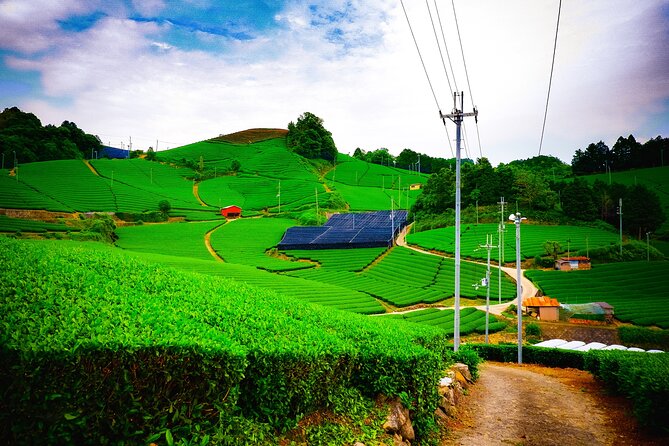
At Ishitera Tea Plantation, you get roughly 30 minutes among the famous green rows. The planting is geometric and carefully maintained, with the tea bushes following the shape of the hills. From certain angles, the rows appear to climb toward the sky.
This is likely to be the most photographed part of the day. The tea fields look vivid in spring and summer, but the tour also emphasizes their appeal in winter, when the evergreen rows still hold their color. That makes the experience less dependent on one narrow season.
Thirty minutes is enough for a walk and photographs, but it is not a long farm visit. You should not expect a detailed agricultural workshop or a full tour of tea production. The value is the setting and the chance to see the growing conditions up close.
Be respectful around working farmland. Follow the guide’s directions and stay where you are allowed to walk. The tour includes a short walk, and the fields may have uneven ground or steps, so sturdy shoes will help.
For photographers, the private vehicle is useful because you are not trying to keep up with a large group. You can spend your brief stop finding a clean angle, then return to the van when the guide signals that it is time to move on.
Same base, a different sort of day:
- Kyoto Geisha Walking Tour: Gion District & Hidden Gems
★ 4.7 · 3,273 reviews - Kyoto: Tea Ceremony Ju-An at Jotokuji Temple
★ 4.9 · 3,207 reviews - Kyoto: Gion Magical Night Walking Tour with Geisha Trivia
★ 4.9 · 2,393 reviews - Kyoto: 45-Minute Tea Ceremony Lesson Experience
★ 4.3 · 2,378 reviews
Ujitawara, Tea Origins, and a Farm Walk

The next stop is Ujitawara-cho, another well-known tea-producing area. The tour connects this part of Kyoto with the development of Japanese green tea and matcha, giving you more context for what you tasted earlier.
Here, you stop at a beautiful tea field where you can walk through one farm and take photographs. The experience is simple, but it adds an important detail: you are not only looking at distant rows from a road. You get closer to the plants and the contours of the farm.
The half-hour timing calls for realistic expectations. You will see the field, walk a little, and take pictures. You will not have time for a long rural hike or a full lesson on cultivation. The short visit works because it follows the cafe and Ishitera, creating a steady progression from tea in the cup to tea on the bush.
This is also one of the places where a local guide adds value. Without context, tea fields can look like attractive scenery and nothing more. With an explanation of the area’s role in tea production, you begin to see the care behind the tidy rows and why this countryside matters to Kyoto’s food culture.
Shoju-in and the Heart-Shaped Window
The final major stop is Shoju-in, a temple in the southern Kyoto countryside. The drive from central Kyoto can take about an hour, but the temple gives the day a different mood from Byodoin.
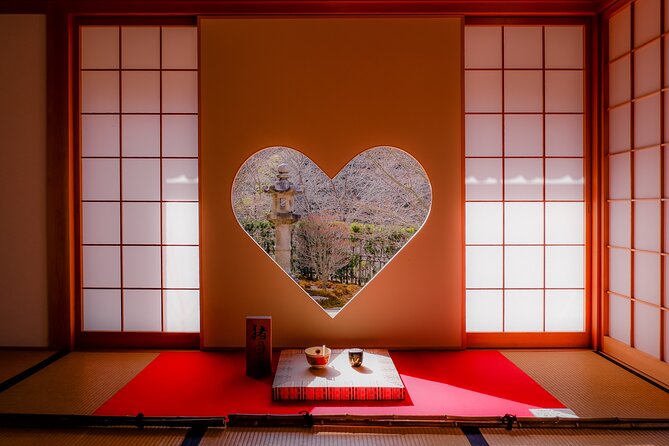
Shoju-in is known for a heart-shaped window in its tea room. The view through the window is one of the outing’s distinctive photo opportunities, but the temple is not only a picture stop. Its quiet setting and connection to the tea world make it a fitting final visit after the farms and cafe.
The scheduled time is about 90 minutes. Admission is not included and costs ¥1,000 per person. That extra fee is worth considering when comparing the total cost, particularly for families or groups of six.
The temple also sits in an area linked with stories of ninjas who lived and trained in the forest. Daiki’s explanations can bring out these less obvious connections between remote temples, mountain communities, and Japanese history. You should treat the ninja element as historical and cultural context, not as a staged performance.
Shoju-in is a good finish for people who prefer small temples and quiet surroundings to famous city sights. If your main interest is grand architecture, Byodoin will probably be the stronger temple visit. If you enjoy unusual details and peaceful places, Shoju-in may be your favorite stop.
What the Private Format Is Worth
The listed price is $250.38 per group of up to six people. That makes the cost much more attractive when shared by several people. For six, the transport portion works out to a modest per-person amount before admission, food, and drinks. For one or two people, the price is harder to justify unless you place a high value on private guiding and access to countryside sites that are awkward to reach by public transport.
The price includes the vehicle, fuel, highway fees, and pinpoint pickup and drop-off. It does not include ¥600 for Byodoin, ¥1,000 for Shoju-in, or your cafe purchases. For a group of four to six, those extra costs are manageable. For a solo participant, the convertible Mini Cooper and private attention are the features that make the outing more appealing.
The tour has a 4.9 rating from 32 reviews and a 97 percent recommendation rate. The strongest praise centers on Daiki’s patience, energy, and ability to explain history and culture while keeping the day relaxed. One particularly useful detail is his willingness, when practical, to make a restaurant drop-off or adjust the end of the outing.
Do not book this expecting a rigid, clockwork schedule. The route can change because of closures, road conditions, crowd levels, or seasonal opportunities such as blossoms and autumn color. That flexibility is useful, but you should avoid scheduling an important reservation immediately after the stated end time.
Who Will Enjoy This Day Most
I would recommend this tour to you if you want to see rural Kyoto without renting a car. It works especially well for couples, families, and small groups who want their own vehicle and the chance to ask questions throughout the day.
It also suits photographers. You get tea hills, temple details, forest roads, and a heart-shaped window, with a private guide who can help manage the timing. Solo visitors may find the convertible option fun, though the per-person cost is naturally higher.
Tea drinkers will get the most from the cafe and shopping stop. You can taste local tea, compare it with what you have tried elsewhere, and bring home supplies at prices that may beat central Kyoto shops.
The day is less suitable if you want a slow, single-site visit. Five and a half hours covers a lot of ground, and the itinerary includes several drives. People with limited mobility should also note the walking and stairs, as well as the possibility of uneven ground near tea fields.
Should You Book the Wazuka Tea Tour?
Book it if you want Kyoto beyond its famous central temples. The best part is the combination of private transport, local tea, and countryside scenery. You get a famous temple at Byodoin, a working tea region, small religious sites, and a guide who can connect them.
Think twice if you dislike driving between stops or want a full farm tour. The tea fields receive short visits, and the long ride to the southern countryside is part of the experience.
For most people, I would choose this tour over trying to piece together the same route by train and taxi. Split among a small group, the price is fair for the vehicle, flexible pickup, and access to places that are not simple city excursions. Bring comfortable shoes, leave room in your luggage for tea, and keep your schedule afterward flexible.
FAQ
How long does the tour last?
The experience lasts approximately 5 hours and 30 minutes, beginning at 1 p.m.
Where does the tour take place?
The tour starts from Kyoto and visits Byodoin Temple, Wazuka, Ishitera Tea Plantation, Ujitawara-cho, and Shoju-in in the southern Kyoto countryside.
Is hotel pickup available?
Pickup and drop-off are offered, with pinpoint arrangements available. A different starting point and ending point can be set.
What vehicle is used?
Groups of two to six ride in an air-conditioned Nissan van. A solo participant rides in an open-air convertible Mini Cooper.
Are admission fees included?
No. Byodoin admission is ¥600 per person, and Shoju-in admission is ¥1,000 per person. Your own cafe drinks and tea purchases are also separate.
Is the tour private?
Yes. Only your group participates in the activity.
Can the itinerary change?
Yes. The route may change because of unexpected closures, road conditions, crowd levels, or seasonal courses. Short walking distances and stairs are part of the experience.
Just added in Kyoto
- Your Private Vacation Photography Session In Kyoto★ 5.0 · 110 reviews
- Kyoto: Zen Meditation at a Private Temple with a Monk★ 5.0 · 25 reviews
- Private Cooking Class Udon in Kyoto Japan★ 5.0 · 23 reviews
- Private Pewter Sake Cup Experience with a Kyoto Artisan★ 5.0 · 31 reviews
- Kyoto Wagashi(Japanese sweets) Cooking Class near Fushimiinari★ 5.0 · 60 reviews
- Kyoto:Family-Friendly Kimono & Yukata Experience at WARGO★ 5.0 · 147 reviews
- Private Guided Traditional Buddhist Cooking in Japan★ 5.0 · 16 reviews
- Kyoto: Gion Geisha District & Sake-in-Hand Walking Tour★ 5.0 · 37 reviews
Tours in Kyoto, compared.
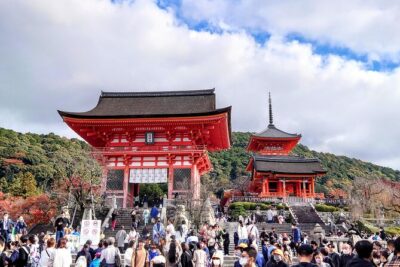

Tea Ceremony in a Traditional Tea House in Kiyomizu
Read our review →
Kyoto Geisha Walking Tour: Gion District & Hidden Gems
Read our review →


Gion Geisha District Walking Tour – Stories of Geisha
Read our review →
Best of Kyoto: Gion, Geisha, Pagodas & Cobblestones
Read our review →