
Reviewed · SAMURAI & NINJA EXPERIENCES
Kyoto Samurai Experience
Walking into a traditional Kyoto samurai house and learning how a sword is handled gives this experience more substance than a quick photo stop. You’ll hear about Bushido, change into a kimono, practice basic movements with a martial arts sword, and finish with Zen meditation.
I like the thoughtful mix of physical practice and quiet reflection. I also like the small maximum group of 14, which should give you more room to follow instructions and ask questions. The main drawback is the location, which some people find a little out of the way, and the experience may feel less personal if your session is full.
Key points to know before you book
- Historic setting: The session takes place in a traditional samurai house, not a modern activity studio.
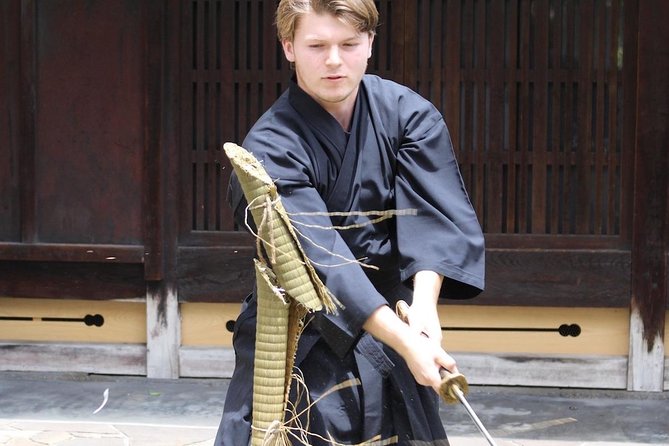
- Hands-on sword practice: You learn basic sword movements under an instructor rather than simply watching a demonstration.
- Kimono and meditation: Dressing in traditional clothing and practicing Zen meditation add cultural context beyond the sword lesson.
- Small-group format: The maximum group size is 14 people, with morning and afternoon departures.
- Family-friendly appeal: Adults and children have enjoyed it, but minors must be accompanied by an adult.
- Plan for movement: Wear comfortable clothes and suitable footwear because this is an athletic activity.
Entering a samurai house in central Kyoto
The meeting point is Kyoto Samurai Experience, at Waraku111 in Inabacho, Nakagyo Ward. The activity begins and ends at the same place, and the site is near public transportation.
The setting matters. A traditional house gives the session a physical connection to the subject. You are not just hearing about samurai customs in a hotel room or watching a staged show on a large platform. You are moving through a place that helps frame the lesson.
That said, the location is not necessarily the easiest stop to combine with every Kyoto sightseeing route. One useful piece of practical advice is to allow extra time to find the house, especially if you are coming from another part of the city. Check the exact meeting instructions before setting out, and avoid arriving at the last minute.
The program lasts about 1 hour and 45 minutes. That is long enough to include several different parts without taking half a day from your Kyoto plans. I would pair it with nearby sightseeing rather than schedule it between two distant temples.
Other swordplay and stealth sessions in Kyoto:
- Kyoto: Kendo and Samurai Experience with Uniform and Gear
★ 4.9 · 815 reviews - Kyoto: Samurai Sword Class by Experts in Traditional Arts
★ 4.9 · 657 reviews - Skip the lines Basic Ticket at SAMURAI NINJA MUSEUM KYOTO
★ 4.5 · 632 reviews
Changing into a kimono before the lesson
The session begins with an introduction to samurai life, including clothing, Bushido, and the history of the house. You then change into a traditional kimono before beginning the sword work.
This clothing change is more than a costume photo opportunity. It shifts your attention and helps you understand how movement, posture, and presentation were treated in traditional Japanese martial culture. You also get a visual record of the visit, and staff have taken photos for participants during past sessions.
You should still keep your expectations sensible. This is a short cultural activity, not a full historical reenactment or a complete martial arts course. The kimono, house, and explanation provide context, while the sword lesson gives you a safe and structured way to take part.
Wear comfortable clothing underneath and shoes suitable for movement. The activity calls for a moderate level of physical fitness, so you should be prepared to stand, follow physical instructions, and repeat basic motions.
Learning Bushido and handling a training sword
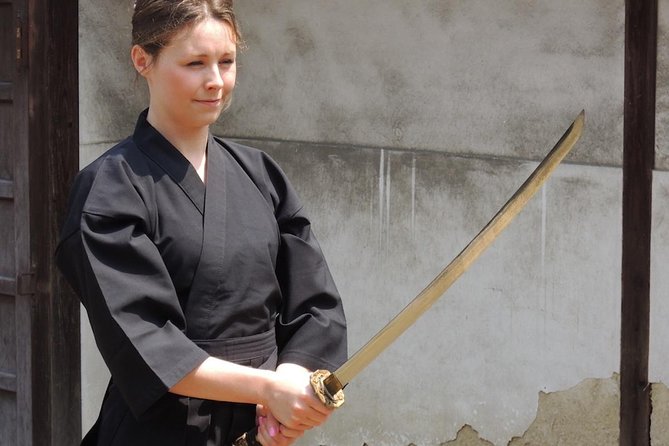
The central part of the experience is the sword instruction. An expert instructor explains how to use a martial arts training sword and leads you through basic swordsmanship movements.
The appeal is clear: you are not simply posing beside a katana. You are learning how to hold and move with a sword under supervision. Past sessions have included instruction from a master swordsman, and the teaching is described as patient, clear, and supportive.
The lesson also places the sword within the larger idea of Bushido, often translated as the Way of the Warrior. That makes the activity more useful than a string of choreographed poses. You get an introduction to discipline, focus, and conduct, along with the physical basics.
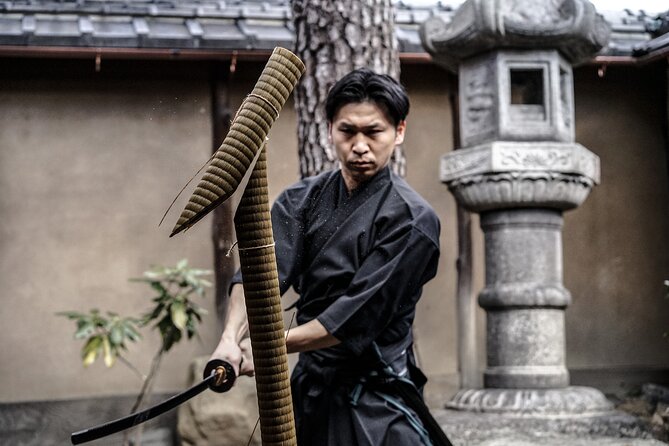
Some sessions have included cutting practice, and participants have described the chance to make a proper katana strike as one of the most memorable parts. Since the supplied tour details specifically promise swordsmanship practice with a martial arts training sword, you should treat any particular cutting activity as dependent on the session format and instructor.
Safety and close instruction are important here. Follow the instructor’s directions carefully, especially if you have never handled a sword. This is not the place to improvise a movie-style swing.
Watching skilled sword work up close
The instructors may also demonstrate Japanese sword technique. This gives you a useful reference before you try the movements yourself.
A demonstration by someone trained in the art changes the feel of the activity. You can see the difference between a theatrical swing and controlled technique, then try to copy the basic form. The program is at its best when the explanation, demonstration, and practice work together.
English support is available, and several staff members have been praised for making the information easy to follow. The instructor is Japanese and has trained in martial arts, while the wider team can assist in English and Japanese.
The group limit of 14 is helpful, but it does not mean every person receives constant one-on-one coaching. If the session is full, you may spend some time watching others take their turn. That is part of the rhythm of a group lesson, though it can matter if you are paying mainly for extended personal instruction.
Same base, a different sort of day:
- PERFECT KYOTO 1-Day Bus Tour
★ 5.0 · 13,518 reviews - Kyoto: Fushimi Inari, Kinkakuji, Bamboo Grove 1 Day Bus Tour
★ 4.8 · 4,316 reviews - Kyoto: Tea Ceremony in a Traditional Tea House in Kiyomizu
★ 4.9 · 3,519 reviews - Kyoto Geisha Walking Tour: Gion District & Hidden Gems
★ 4.7 · 3,273 reviews
Zen meditation after the sword exercises
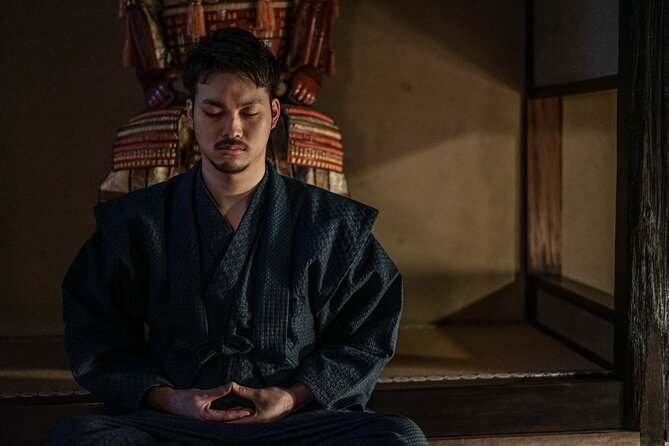
The transition from sword practice to Zen meditation is one of the smartest parts of the program. After the movement and concentration of the lesson, the quiet session gives you a chance to slow down and consider what you have learned.
You should not expect a lengthy religious retreat. This is a short introduction to meditation within a broader cultural program. Still, it gives the experience a calmer finish and helps prevent the samurai theme from becoming only costume and action.
Several sessions have also included tea and a sweet, and one account noted music on a traditional Japanese string instrument. These details may not be part of every booking, so I would regard them as possible additions rather than guaranteed features.
The meditation also makes the activity more appealing to people who are interested in Japanese customs but are not especially drawn to swordplay. You can enjoy the historical setting, clothing, and quiet practice even if the physical portion is not your main reason for booking.
How the 1 hour 45 minutes is likely to feel
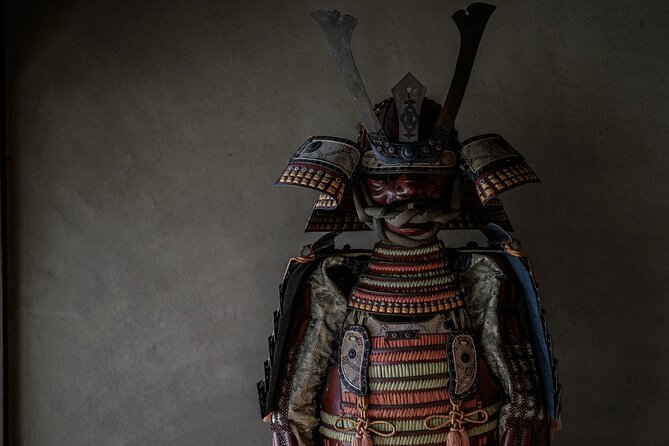
The time is divided among several elements: an introduction to the samurai house and samurai culture, changing into traditional clothing, Bushido and sword instruction, practice with the training sword, and Zen meditation.
That variety is the reason the experience feels substantial for its length. You are not spending the entire session on one repetitive drill. The program moves between listening, dressing, physical practice, watching demonstrations, and quiet reflection.
It also means the sword training is not an intensive course. If your goal is to master a formal martial arts sequence, this will be too short. If you want a well-organized introduction with genuine hands-on participation, the length is about right.
Morning and afternoon departures make it easier to fit the activity around temple visits, shopping, or a meal. I would choose the time that leaves you calm rather than rushing from another appointment. Arrive ready to take part, not in the middle of a packed sightseeing sprint.
Is $119.38 a fair price?
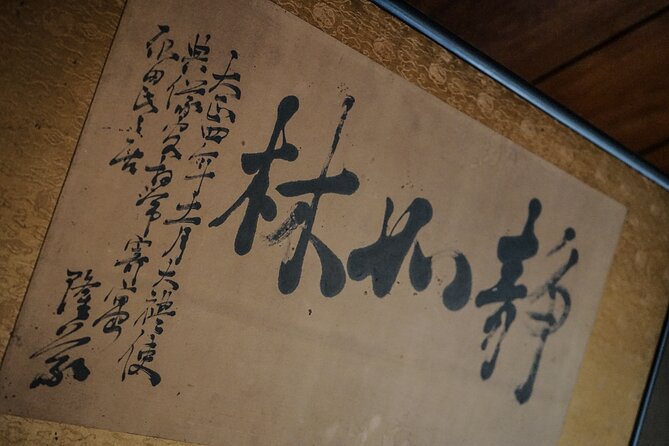
At $119.38 per person, this is not a budget attraction. The value depends on what you want from a Kyoto activity.
The price covers a guided cultural session in a traditional house, instruction from a trained sword expert, traditional clothing, sword practice, and Zen meditation. You are paying for teaching, staff support, the setting, and a carefully arranged activity rather than admission to a site that you explore on your own.
I think the price is easier to justify if you value direct participation. Kyoto has plenty of temples, gardens, and museums where you observe quietly. This gives you a chance to do something under guidance and take home a different kind of memory.
The value is less convincing if you mainly want a short photo opportunity or a theatrical show. You might find cheaper samurai-themed activities elsewhere, and one negative account raised concerns about cost and a session that did not match expectations from promotional images.
That criticism is worth taking seriously. Group size, weather, staffing, and the exact activities offered can affect the feel of the session. Read the inclusions carefully and book this for the teaching and cultural setting, not because you expect a movie-like performance from start to finish.
What families and couples should expect
The activity has worked well for families, couples, and friends. Adults and children have taken part together, and a father and son can share the lesson rather than split up for separate activities.
Minors must be accompanied by an adult. Children should also be comfortable following instructions and taking part in a moderate physical activity. The sword is not a toy, so an adult should be ready to help a child stay focused.
Couples may appreciate the contrast between the active sword lesson and the quiet meditation. It also gives you photographs in traditional clothing without requiring a full day of formal sightseeing.
For friends, the group format adds a social element. You can watch one another practice and compare your attempts. If you prefer a private lesson with a dedicated instructor, the maximum group size of 14 may feel less personal than you hope.
Weather, comfort, and practical planning
Some of the program may take place outdoors, so weather can affect comfort. Staff have provided hot tea and hand warmers on cold days, while hot-weather sessions have included water, wet cloths, and electrolyte candies.
Those small touches matter because sword practice is physical, and you may spend part of the session waiting while another participant practices. Dress for the season and bring water if the day is warm.
Wear comfortable clothes and appropriate footwear. Avoid planning this immediately after an activity that leaves you overheated, tired, or dressed for a formal restaurant.
The experience is near public transportation, and it ends back at the starting point. Accessibility questions should be sent to the provider before booking, since the available information does not specify every physical detail of the house or activity.
Cancellation and group details
Confirmation is provided when you book. Free cancellation is available if you cancel at least 24 hours before the scheduled start time.
Cancellations or changes made within 24 hours are not accepted for a refund, and rescheduling may be possible only when space is available. Cutoff times follow Kyoto local time, so check the clock carefully if your plans change.
The group can include up to 14 people. That is small enough to avoid the feel of a large bus tour, but it is not a private experience. If personal attention is your priority, ask about the expected group size before you commit.
Who should book the Kyoto Samurai Experience?
I would recommend this to you if you want more than sightseeing photos in Kyoto. It suits people interested in Japanese history, martial arts, traditional clothing, Zen practice, and activities that involve doing rather than just looking.
It is especially appealing for families with older children, couples seeking a shared activity, and first-time visitors who want a compact introduction to several aspects of samurai culture.
I would pause if you dislike group instruction, have limited mobility for standing and movement, or expect a long, advanced sword-training course. The location may also require more travel than you first expect, so check it against your daily route.
Should you book it?
Book it if the combination matters to you: a historic samurai house, kimono, Bushido, supervised sword practice, and Zen meditation in one session. The strongest part is the blend of physical participation and cultural explanation, supported by friendly staff and trained instructors.
Skip it if you are looking for the cheapest samurai-themed activity or a full theatrical show. At $119.38, you should arrive expecting a guided cultural lesson with a group, not a private masterclass.
For most visitors with room in the budget, this is a distinctive way to spend 1 hour and 45 minutes in Kyoto. Choose a time that fits your route, wear clothes you can move in, and book at least a day ahead if you want the safety of free cancellation.
FAQ
Where does the Kyoto Samurai Experience take place?
It takes place at Kyoto Samurai Experience, Waraku111, Inabacho, Nakagyo Ward, Kyoto, Japan. The activity ends back at the meeting point.
How long does the experience last?
The session lasts approximately 1 hour and 45 minutes.
What activities are included?
You learn about samurai culture, Bushido, clothing, and the history of the house. You also change into a traditional kimono, practice basic swordsmanship with a martial arts training sword, and take part in Zen meditation.
Are morning and afternoon sessions available?
Yes. You can choose between a morning or afternoon departure when booking.
How large is the group?
The activity has a maximum of 14 participants.
Can children take part?
Yes, children can take part, but minors must be accompanied by an adult.
What should I wear?
Wear comfortable clothing and appropriate footwear for an athletic activity. You should be prepared to stand and follow physical instructions.
Can I cancel for a full refund?
Yes, if you cancel at least 24 hours before the scheduled start time. Cancellations or changes made less than 24 hours before the start are not accepted for a refund.
Just added in Kyoto
- Kyoto: Private Photoshoot Service★ 5.0 · 158 reviews
- Kyoto Rickshaw Tour★ 5.0 · 210 reviews
- Kyoto: Arashiyama Bamboo, Temple, Matcha, Monkeys & secret spots★ 5.0 · 219 reviews
- Izakaya Style Cooking Class★ 5.0 · 219 reviews
- Kyoto: Traditional Concert at Townhouse or Bathhouse★ 4.9 · 224 reviews
- Ninja 2-hour Hands-on Lesson by Japanese master in Kyoto -Medium★ 5.0 · 218 reviews
- Samurai Training with Modern day Musashi in Kyoto★ 5.0 · 256 reviews
- Kyoto: Kimono Tea Ceremony with Matcha and Sweet★ 4.9 · 249 reviews
Samurai & Ninja Experiences, compared.

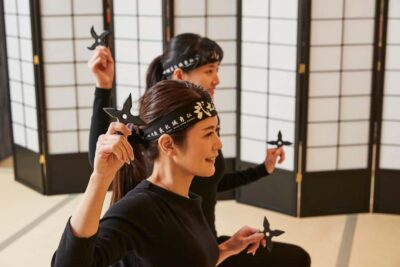
Samurai Ninja Museum Guided tour and Experience
Read our review →
Kendo and Samurai Experience with Uniform and Gear
Read our review →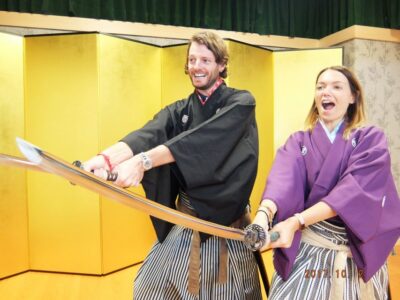
Samurai Sword Class by Experts in Traditional Arts
Read our review →
Skip the lines Basic Ticket at SAMURAI NINJA MUSEUM KYOTO
Read our review →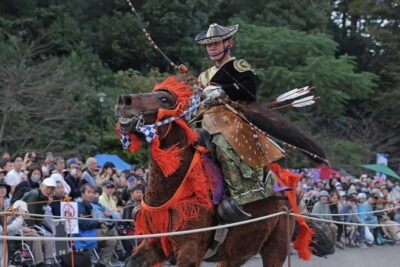
Samurai Sword & Archery Class from Samurai Descendant
Read our review →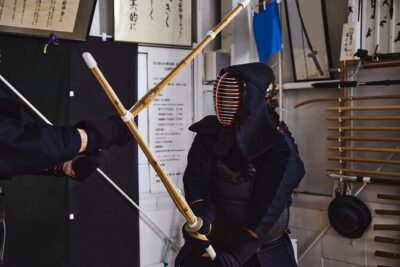
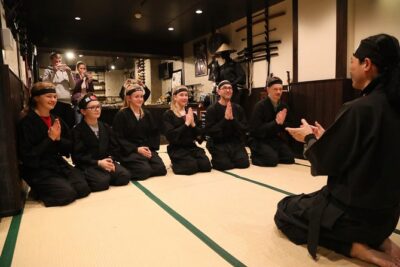
Ninja 1-hour Hands-on Lesson by Japanese master in Kyoto -Entry
Read our review →Browse the lists this tour appears in