
Reviewed · TOURS IN KYOTO
The right way to know Kyoto
Kyoto is easy to admire and surprisingly easy to mishandle. Its major sights sit far apart, buses fill quickly, and a day that looks simple on a map can become a string of wrong turns. This private tour gives you a guide who can connect the shrines, temples, customs, and trains into one workable day. The flexible itinerary is its best feature.
I like the personal format for two reasons: you can ask for the history and culture that matter to you, and you can adjust the pace as the day unfolds. Guides such as Tom, Jose, Laura, Peter, and Esteban have helped families, older visitors, teenagers, and day-trippers from Tokyo get more from Kyoto. The main caution is time. Six hours is not enough for every suggested stop, especially if you add long walks or use crowded public transport.
Key points to know before booking
- Private for up to six people: Your group gets the guide’s full attention, with no strangers added to the day.
- Four major sights are suggested: Fushimi Inari, the Bamboo Forest Trail, Kinkaku-ji, and Ginkaku-ji form the basic outline.
- The route can change: Ask for gardens, markets, quieter temples, Arashiyama, or sites that fit your family’s interests.
- Plan for a lot of walking: Past outings have included long days on foot, with public trains, buses, and local taxis used between areas.
- Entrance fees and transport cost extra: The price covers the guide, not temple tickets, meals, or getting around Kyoto.
- The group price can be good value: At $371.41 for up to six people, the per-person cost drops sharply when the group is full.
Why a private guide helps in Kyoto

Kyoto can look compact until you try to link its sights. Fushimi Inari is in the south, Arashiyama is in the west, and the Golden and Silver Pavilions sit in different parts of the northwestern and eastern city. Add shrine etiquette, temple customs, train transfers, and crowded streets, and the planning takes real effort.
I like this tour because you are not locked into a rigid group schedule. You can tell the guide what you care about at the start, then make sensible changes along the way. A family may want a lighter pace and hands-on explanations for children. A history-minded visitor may prefer fewer stops and more time at each one.
The guides have also helped with the practical side of Kyoto. Tom showed one family how to use public transportation and adjusted the pace for a 77-year-old parent. Another outing with teenage boys included manga-related conversation and nearly 28,000 steps. That gives you a useful picture of the format: this is not a passive sightseeing ride. You are walking, listening, asking questions, and moving through the city like a temporary local.
The title suggests a walking tour, and that is the right way to think of it. Transportation may be used between districts, but the sightseeing itself happens on foot. If you dislike extended walking, say so before the day begins. A guide can adjust the route, use local taxis where appropriate, or focus on fewer sites.
Other experiences people book in Kyoto:
- PERFECT KYOTO 1-Day Bus Tour
★ 5.0 · 13,518 reviews - Kyoto: Fushimi Inari, Kinkakuji, Bamboo Grove 1 Day Bus Tour
★ 4.8 · 4,316 reviews - Kyoto: Tea Ceremony in a Traditional Tea House in Kiyomizu
★ 4.9 · 3,519 reviews
Fushimi Inari and its endless orange gates
Fushimi Inari-taisha is the natural opening stop for many Kyoto days. The shrine is famous for its long corridors of orange torii gates, which climb into the wooded hills behind the main buildings. Even the first section gives you the classic Kyoto image, but walking farther brings a quieter feel and better understanding of how the shrine is arranged.
Your guide can explain Shinto customs, the meaning of offerings, and how to behave at a shrine. One guide even lent coins so visitors could take part in an offering ritual. That sort of help matters because the difference between watching a ceremony and understanding what you are doing can be small but important.
The suggested time is one hour, which works for a first look but not for a full climb through the mountain trails. You will need to decide if you want the famous gates, the shrine buildings, or a longer walk into the hills. If Fushimi Inari is a top priority, tell your guide early so the rest of the route leaves enough room.
The shrine has no admission fee, which keeps the first stop simple. Still, the crowds can be heavy, so a guide’s advice on timing and route choice is useful. Do not expect the entire complex to feel quiet, especially near the lower gates.
Arashiyama and the Bamboo Forest Trail
The Bamboo Forest Trail offers a very different setting. Tall bamboo lines the path, filtering light and creating one of Kyoto’s most recognizable walks. The suggested visit lasts about 45 minutes, enough for a look at the main path and nearby sights, but not enough for every corner of Arashiyama.
The grove itself is free, but the area around it can require patience. The path is popular, and you may find it crowded. That is one reason a private guide can help you decide how long to stay and what else deserves your time.
Past tours in Arashiyama have included Nonomiya Shrine, Togetsukyo Bridge, Okochi Sanso Garden, Horin-ji Temple, and Monkey Park. Those are not guaranteed parts of this six-hour outing, but they show how the day can be reshaped if you request an Arashiyama focus. Okochi Sanso Garden has a small entry fee and includes tea, while Monkey Park involves a climb. Both require more time than a quick bamboo-forest stop.
I like Arashiyama for visitors who want more than temple interiors. You get trees, a river setting, gardens, and a chance to see how different religious sites fit into daily Kyoto. If you want all of these additions, though, you may need a longer tour or a shorter list of other districts.
Kinkaku-ji, Kyoto’s Golden Pavilion
Kinkaku-ji is the famous Golden Pavilion, set beside a pond and framed by gardens. It is one of Kyoto’s essential sights, but the visit is more about the view and the setting than wandering through the building. The pavilion is admired from outside, so your guide’s explanation gives the stop its context.
The suggested visit lasts one hour. That should allow time to enter, see the pavilion, walk the grounds, and listen to an explanation without rushing too badly. Admission is not included, so keep money aside for the temple ticket.
This is a place where expectations matter. You will not have the same open-ended freedom as in a large park. The route through the grounds is set, and the famous view can be crowded. Still, Kinkaku-ji earns its place on a first Kyoto visit because the gold structure, pond, and garden composition are so distinctive.
A guide can also help you see beyond the photograph. Ask about the temple’s religious role, rebuilding, and the ideas expressed in the garden. The tour is strongest when you use the guide for those questions instead of treating the stop as a quick picture break.
Same base, a different sort of day:
- Kyoto Geisha Walking Tour: Gion District & Hidden Gems
★ 4.7 · 3,273 reviews - Kyoto: Tea Ceremony Ju-An at Jotokuji Temple
★ 4.9 · 3,207 reviews - Kyoto: Gion Magical Night Walking Tour with Geisha Trivia
★ 4.9 · 2,393 reviews - Kyoto: 45-Minute Tea Ceremony Lesson Experience
★ 4.3 · 2,378 reviews
Ginkaku-ji and the quieter side of Zen
Ginkaku-ji, the Silver Pavilion, offers a calmer counterpoint to Kinkaku-ji. Despite its name, the pavilion is not covered in silver. The appeal lies in its restrained design, mossy garden spaces, and Zen character rather than bright decoration.
The suggested visit is one hour, and admission is extra. That hour gives you time to follow the grounds and appreciate the contrast with the Golden Pavilion. I would choose Ginkaku-ji for anyone interested in Japanese garden design, wabi-sabi ideas, or the quieter side of Kyoto’s religious sites.
The temple also connects naturally with the eastern side of the city and the Philosopher’s Path area, though that path is not specifically listed as part of this experience. Ask your guide what can fit without turning the day into a race. The more sites you add, the less time you will have for thoughtful explanations.
How much can you really see in six hours?
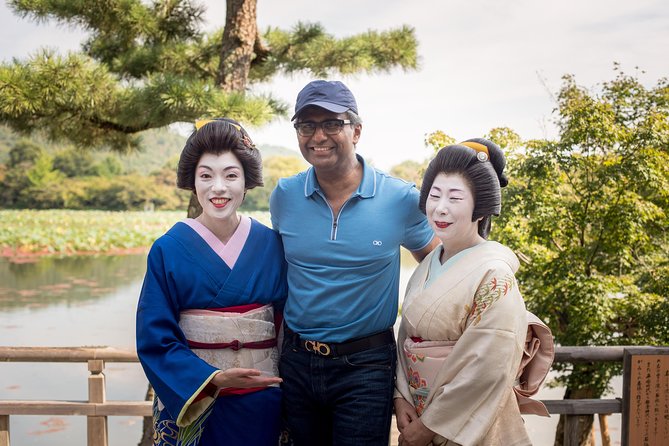
This is the most important planning question. The listed stops add up to nearly four hours before transportation, meals, waiting, entry lines, and unscheduled requests. Fushimi Inari and Arashiyama are not next door to each other, and Kinkaku-ji and Ginkaku-ji also require time to connect.
The tour can cover several major places, but you should not treat every suggested stop as guaranteed in depth. One past booking found that the time was too short for all the listed places. That is a fair warning, not a flaw unique to this tour. Kyoto rewards choosing a sensible route.
A good six-hour plan might focus on Fushimi Inari and two or three additional areas. Another option is to concentrate on Arashiyama, adding the bamboo grove, a garden, a bridge, and one temple. If you try to collect every famous name, you may spend too much of the day on trains and buses.
The strongest guides adjust the plan when conditions change. Esteban created a route for visitors arriving from Tokyo by Shinkansen and leaving Kyoto the same evening. Jose David combined requested major sights with quieter gardens. That kind of planning is valuable when your time is tight, but tell the company your limits before the day starts.
Walking, trains, buses, and the real cost
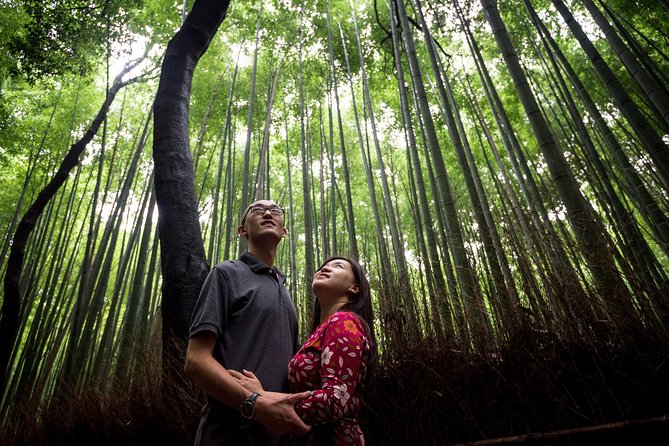
The listed price is $371.41 per group of up to six people. For six, that is about $62 per person before entrance fees and transportation. For two people, it is about $186 per person, so the value depends heavily on group size.
You are paying for private attention, route planning, cultural explanations, and help with Kyoto’s transport system. You are not paying for temple tickets, meals, or trains, buses, and taxis. Those extra costs are normal for this type of city tour, but you should include them in your budget.
The tour begins and ends at Kyoto Station according to the meeting details, while the description also says pickup is offered. Confirm the exact pickup arrangement before booking, especially if you expect the guide to meet you at your hotel. The stated operating hours are 9:00 a.m. to 3:00 p.m., and the duration is about six hours.
Wear shoes you can walk in for most of a day. You may spend much of the time standing on trains, walking temple paths, and climbing steps. A past outing covered close to 28,000 steps, although your route and pace may be different.
Which guide might suit your group?
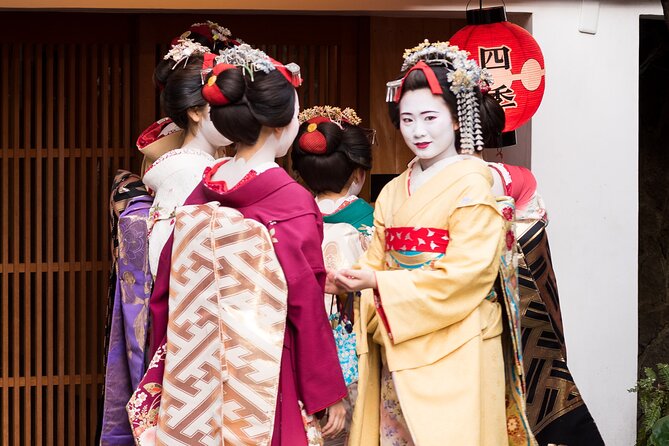
The guide is assigned by the provider, so you cannot assume you will receive a particular person unless that is arranged directly. The recorded experiences show a wide mix of guide styles.
Tom has been especially good with families and older visitors, balancing history with a pace that fits the group. He has also handled teenage interests and public transportation. Jose and Jose David have been praised for answering questions, explaining Japanese culture, and reshaping the route during the day.
Laura is a strong choice in spirit for visitors who want more history and detailed conversation. Peter has helped first-day visitors get oriented and find places beyond the obvious route. Esteban has built efficient plans for tight schedules and explained shrine customs in a personal way. Maki, a Kyoto native, has led visitors around Arashiyama with local insight.
Paco has taken groups to quieter places away from the main crowds, while Cristobal has helped visitors move through trains, take photos, and maintain a steady route. These names are useful examples, not a promise of who will lead your tour. Tell the operator your interests, walking limits, and preferred pace.
Who should book this Kyoto day?
I would choose this tour if you are visiting Kyoto for the first time and feel uneasy about linking distant sights. It also makes sense for families, groups of friends, older visitors who want a flexible pace, and people with only one day in the city.
It is a good fit if you want explanations of Shinto, Buddhism, Japanese customs, and everyday life rather than a guide who simply points at buildings. It can also help if you are arriving from Tokyo and need a tightly planned day.
I would think twice if you prefer exploring alone, dislike public transport, or want to linger at every temple. The private format helps, but it does not remove Kyoto’s crowds, walking distances, or travel time. A six-hour day has limits.
The cancellation policy is generous if your plans change: you can receive a full refund by canceling at least 24 hours before the start time. Changes or cancellations inside that window are not accepted for a refund.
Should you book it?
Book this experience if you value a private guide more than a fixed sightseeing package. The best part is not simply reaching Fushimi Inari or Kinkaku-ji. It is having someone reshape the day around your interests, explain what you are seeing, and help you move through Kyoto without spending hours planning every connection.
For a group of five or six, the price is easier to justify. For two people, compare it with hiring a guide for fewer hours or choosing one district in depth. Either way, set realistic goals, confirm pickup, ask about walking distance, and name your must-see sites before the tour begins. Do that, and this can be a practical, human way to get your bearings in Kyoto.
FAQ
How long is the Kyoto tour?
The tour lasts approximately six hours. The listed operating hours are 9:00 a.m. to 3:00 p.m., Monday through Sunday.
Is this a private tour?
Yes. Only your group participates, with a maximum group size of six people.
What sights are included in the suggested route?
The suggested stops are Fushimi Inari-taisha Shrine, the Bamboo Forest Trail, Kinkaku-ji, and Ginkaku-ji. The itinerary can be adjusted based on your interests and available time.
Are entrance tickets included?
No. Entrance tickets for Kinkaku-ji and Ginkaku-ji are not included. Transportation and meals are also excluded.
Does the tour include transportation?
No transportation cost is included, but guides may use trains, buses, or local taxis to connect Kyoto’s districts. The experience involves walking as well as public transportation.
Where does the tour start and end?
The listed meeting point is Kyoto Station. The activity ends back at the meeting point. Since pickup is also offered in the description, confirm the exact arrangement before booking.
Can I cancel for a full refund?
Yes, if you cancel at least 24 hours before the experience begins. Cancellations or changes made less than 24 hours before the start time are not eligible for a refund.
Just added in Kyoto
- Kyoto: Private Photoshoot Service★ 5.0 · 158 reviews
- Kyoto Rickshaw Tour★ 5.0 · 210 reviews
- Kyoto: Traditional Concert at Townhouse or Bathhouse★ 4.9 · 224 reviews
- Ninja 2-hour Hands-on Lesson by Japanese master in Kyoto -Medium★ 5.0 · 218 reviews
- Kyoto: Arashiyama Bamboo, Temple, Matcha, Monkeys & secret spots★ 5.0 · 219 reviews
- Izakaya Style Cooking Class★ 5.0 · 219 reviews
- Kyoto: Gion & Pontocho Food Tour with 13 Dishes★ 4.9 · 235 reviews
- Kyoto: Afternoon Japanese Izakaya Cooking Class★ 4.9 · 241 reviews
Tours in Kyoto, compared.
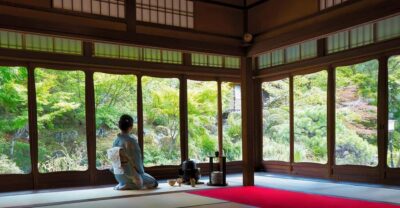
Tea Ceremony in a Traditional Tea House in Kiyomizu
Read our review →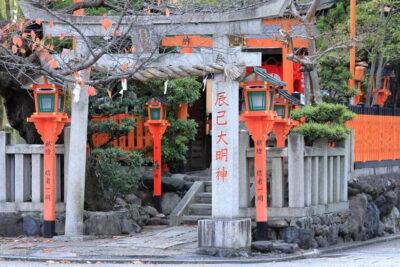
Kyoto Geisha Walking Tour: Gion District & Hidden Gems
Read our review →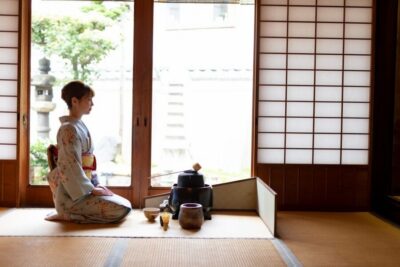
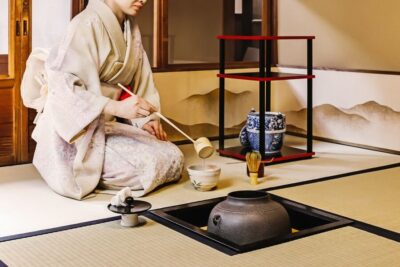
Gion Geisha District Walking Tour – Stories of Geisha
Read our review →
Best of Kyoto: Gion, Geisha, Pagodas & Cobblestones
Read our review →
Browse the lists this tour appears in