Reviewed · TOURS IN KYOTO
Traditional Japanese Music show & Experience Tour in Kyoto
A concert is one thing. Picking up a shamisen, koto, or wadaiko and trying to make music yourself is another. This Kyoto session gives you both: a 25-minute performance, 25 minutes of hands-on instruction, and 10 minutes for photos with the instruments and performers.
I like the mix of watching and doing. You first hear the instruments played properly, then get a chance to understand them through your own hands. I also like the small maximum group of 12, which should make it easier to receive help than at a large cultural show.
The main consideration is the short running time. An hour gives you a lively introduction, not a full music lesson. The 11:00 start also means you need to plan your Kyoto morning around the fixed schedule.
Key points before you book
- Three different ways to experience the music: Watch a concert, try a traditional instrument, then take photos with the performers and instruments.
- A hands-on choice of instruments: You may select from instruments including shamisen, koto, and wadaiko, with no previous skill required.
- A group capped at 12 people: The smaller setting allows for more personal guidance during the playing session.
- A changing concert program: The concert content varies by day, so the exact musical presentation is not identical every time.
- A central Kyoto meeting point: The activity starts and ends at 5f, 306 Higashidaimonjichō, Nakagyo Ward.
- A modest price for a cultural activity: At $46.24 per person, the value depends on how much you want active participation rather than a longer performance.
What the 60-minute session actually gives you
The experience is neatly divided into three parts. That structure matters because you are not asked to sit through a long concert before getting your turn with the instruments.
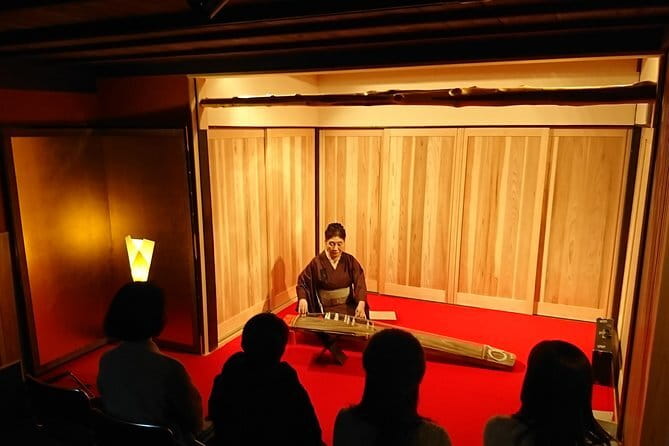
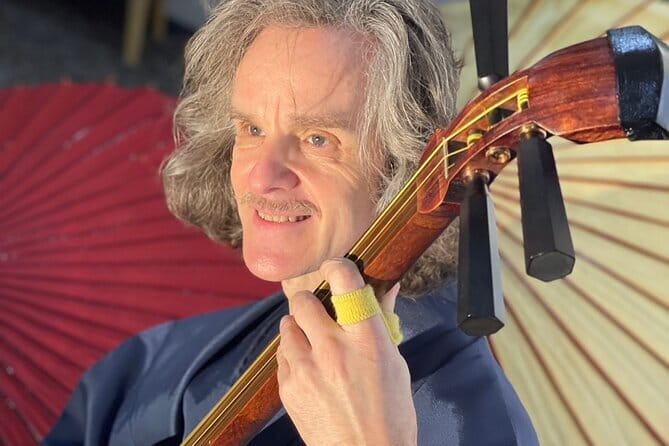
For the first 25 minutes, you watch an authentic Japanese music concert. The program can include the shamisen, a three-stringed Japanese lute; the koto, a long stringed instrument often described here as a Japanese harp; and wadaiko, the powerful Japanese drum. Other instruments may also appear.
This opening performance gives your ears a useful reference point. You hear the instruments in the hands of performers before trying one yourself. That makes the later playing session more meaningful, since you can connect your own simple attempt with the sounds and techniques you just saw.
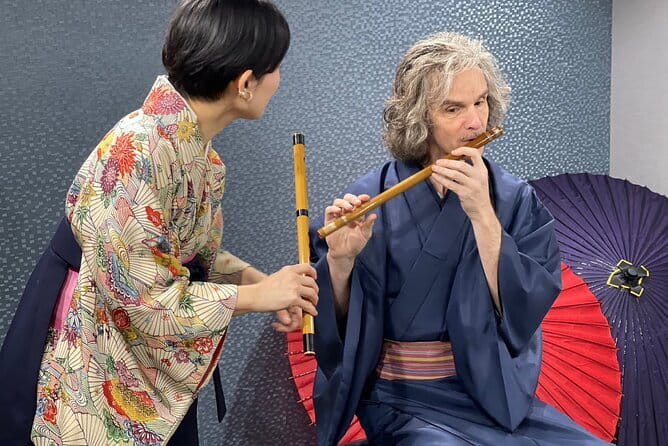
The second 25 minutes are devoted to playing. You choose an instrument that interests you and receive guidance from the organizers. No prior musical background is required, and one of the best parts of the format is that you do not need to arrive with any confidence or technical skill.
A participant who described being very unmusical still found the session enjoyable, even when the playing sounded lopsided. That is a useful warning and a reassurance at the same time. You will not leave after 25 minutes as a shamisen or koto player, but you can expect patient instruction and a chance to make the instruments produce sound.
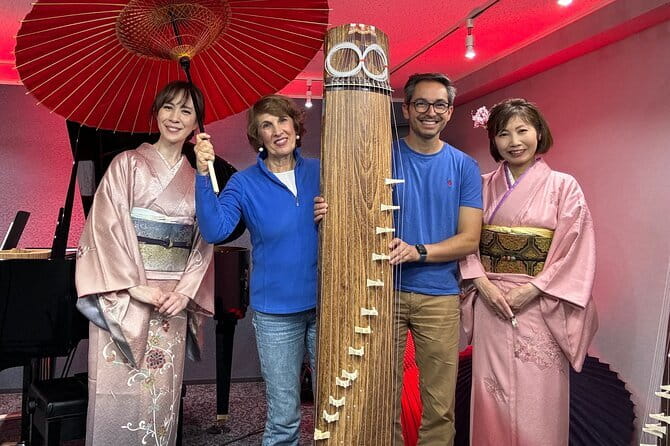
The final 10 minutes are set aside for photographs. You can take pictures with the performers and instruments, giving the experience a clear closing moment rather than ending immediately after the hands-on activity.
Other experiences people book in Kyoto:
- PERFECT KYOTO 1-Day Bus Tour
★ 5.0 · 13,518 reviews - Kyoto: Fushimi Inari, Kinkakuji, Bamboo Grove 1 Day Bus Tour
★ 4.8 · 4,316 reviews - Kyoto: Tea Ceremony in a Traditional Tea House in Kiyomizu
★ 4.9 · 3,519 reviews
Hearing shamisen, koto, and wadaiko up close
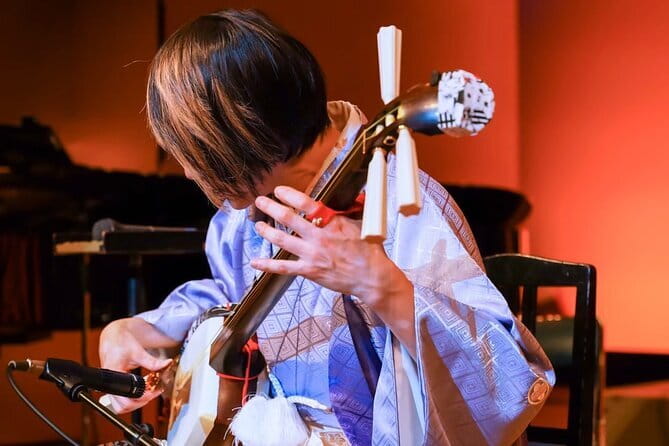
The performance section is the strongest part for anyone curious about Japanese musical culture but unsure where to begin. These instruments have very different shapes and sounds, so hearing them in one short program gives you a useful first look at several traditions.
The shamisen is played with a large plectrum and has a sharp, distinctive voice. The koto uses strings stretched across a long wooden body, while wadaiko brings a physical, percussive force that you can feel as well as hear. Seeing these instruments played in person helps you notice details that a recording can flatten.
The show is not described as a single fixed program. The concert changes depending on the day, which adds variety but also means you cannot book expecting one exact set of songs or instruments every time. If you have a particular musical interest, contact the provider before booking and ask what may be included on your date.
The performance lasts 25 minutes, so it is best to think of it as an introduction rather than a formal full-length concert. That balance is useful for families, first-time visitors, and anyone fitting the activity between other Kyoto plans.
The hands-on portion is the real reason to book
Many cultural shows stop at demonstration. This one asks you to try the instruments, which changes the mood from passive viewing to active learning.
You can select the instrument that appeals to you most from the available choices. The information specifically names shamisen, koto, and wadaiko, along with other instruments. The exact options may depend on the day and the session, so ask if you have a strong preference.
You should expect basic instruction rather than a detailed technical course. The point is to understand how the instrument is held, struck, plucked, or played, and to get a feel for the physical work involved. That brief attempt can make the concert sound different to your ears afterward.
The two organizers have been described as patient with beginners, including people who felt they had little musical ability. That makes this a friendly choice if you worry about embarrassing yourself. The format is built around trying, not performing perfectly.
I would especially recommend the hands-on section for families and couples. You can compare instruments, encourage one another, and leave with a shared activity rather than only a photograph from a show. Children should still be able to participate, but the supplied information does not give a minimum age, so confirm that directly if this affects your booking.
Why the group size matters
The maximum group size is 12 people. That is not a private lesson, but it is small enough to make personal assistance more realistic than in a large theater-style presentation.
During the concert, group size affects how close and personal the room feels. During the playing section, it matters more. Beginners may need help with posture, grip, timing, or the basic way to produce a sound. A capped group gives the organizers more room to move between participants.
The activity requires at least two participants to run. If that minimum is not reached, the provider may offer another date or experience, or give you a full refund. Keep this condition in mind if you are building a tightly timed Kyoto day around the booking.
Because the exact day can affect the concert content, a smaller session does not mean every booking follows an identical script. You get a more personal introduction, but not necessarily the same musical program each time.
Same base, a different sort of day:
- Kyoto Geisha Walking Tour: Gion District & Hidden Gems
★ 4.7 · 3,273 reviews - Kyoto: Tea Ceremony Ju-An at Jotokuji Temple
★ 4.9 · 3,207 reviews - Kyoto: Gion Magical Night Walking Tour with Geisha Trivia
★ 4.9 · 2,393 reviews - Kyoto: 45-Minute Tea Ceremony Lesson Experience
★ 4.3 · 2,378 reviews
Location and timing in central Kyoto
The meeting point is 5f, 306 Higashidaimonjichō, Nakagyo Ward, Kyoto, 604-8043, Japan. The experience starts and ends at the same place, and private transportation is not included.
The start time is 11:00 in the morning. Sessions are offered on Monday, Tuesday, Thursday, and Friday. There are no listed Wednesday, Saturday, or Sunday departures, so check the date carefully before arranging other plans.
A 60-minute activity can fit well into a day of sightseeing, but the fixed start makes punctuality important. Give yourself enough time to reach the building and find the correct fifth-floor location. The details identify the meeting point, but they do not describe a hotel pickup or transfer service.
Since the activity ends back at the meeting point, you can continue with your own Kyoto plans afterward. You will not need to arrange a separate return ride. Public transportation is nearby, and most people can participate, but you remain responsible for getting to and from the venue.
Is $46.24 fair value?
At $46.24 per person, this is priced above a simple museum entrance but below many longer guided activities. The value comes from the combination of a live concert and personal instrument time, not from duration alone.
You receive approximately 25 minutes of performance and 25 minutes of instruction. The final 10 minutes are for photographs, so the actual music-related portion takes up most of the hour. If you only want to hear Japanese music, a longer concert may offer more playing time for your money. If you want to handle the instruments, this format gives you something a standard concert cannot.
The small group also supports the price. You are not only buying a seat. You are paying for access to instruments and guidance from the organizers. That is especially useful if you have never encountered shamisen, koto, or wadaiko outside a recording or stage show.
I would see this as good value for first-time visitors who want one focused cultural activity. It is less suitable if you are seeking advanced music training, a full historical lecture, or an extended concert.
Who will enjoy this most?
This experience fits you well if you want a short activity that adds cultural context to a Kyoto visit. It works particularly well for:
- First-time visitors who want more than a photo stop
- Families looking for a participatory cultural activity
- Couples who enjoy trying something together
- Music fans curious about Japanese instruments
- People with limited time who cannot commit to a longer workshop
- Beginners who feel uncertain about their musical ability
The activity is also a good choice if you prefer direct experiences over long explanations. The supplied details focus on seeing, playing, and photographing the instruments, with expert guidance during the practical section.
It may not suit you if you want to study one instrument in depth. Twenty-five minutes of playing time is enough for a first attempt, but not enough for serious technique. You should also check the schedule if your Kyoto visit includes weekends, since the listed sessions run Monday, Tuesday, Thursday, and Friday.
Practical details that affect your day
Your confirmation is provided at booking, and a mobile ticket is available. Bring the ticket on your phone and make sure you know the meeting address before setting out.
Service animals are allowed, and the activity is near public transportation. Most people can participate, although the supplied information does not explain specific arrangements for mobility limitations. If you need a particular accommodation, contact Harmony in Japan Tour before booking.
The activity offers free cancellation if you cancel at least 24 hours before the local start time. Cancellations or changes made within 24 hours are not refunded or accepted. That policy is fairly flexible, but the minimum-participant condition means the provider can also cancel if too few people book, offering another date, another experience, or a full refund.
The activity ends at the meeting point, with no private transportation included. Plan your route both ways, even though public transportation is nearby.
Should you book this Kyoto music experience?
Book it if you want a short, friendly, hands-on introduction to Japanese musical culture. The combination of a live performance, beginner instruction, and photographs makes better use of an hour than a concert alone, especially for families and first-time visitors.
Think twice if you want a long performance or serious musical training. The program is compact, the concert varies by day, and the playing portion is designed for a first try rather than mastery.
For $46.24, I think the experience earns its place in a Kyoto schedule when you value participation. Check the weekday schedule, confirm any instrument preference in advance, and allow enough time to reach the fifth-floor meeting point. If you do that, you are buying a clear, manageable introduction to shamisen, koto, wadaiko, and the people who play them.
FAQ
How long does the traditional Japanese music experience last?
The total duration is approximately 60 minutes. It includes a 25-minute concert, 25 minutes of trying traditional instruments, and 10 minutes for photographs.
What instruments can I try?
The experience includes instruments such as shamisen, koto, and wadaiko, along with other traditional Japanese instruments. The available choices may vary by session.
Do I need musical experience?
No. Previous experience is not required, and expert guidance is provided during the hands-on portion.
When does the activity start?
The listed start time is 11:00 am. Sessions are offered on Monday, Tuesday, Thursday, and Friday.
Where does the activity take place?
It starts at 5f, 306 Higashidaimonjichō, Nakagyo Ward, Kyoto, 604-8043, Japan. The activity ends back at the same meeting point.
How many people can join?
The maximum group size is 12 travelers, and at least two participants are required for the activity to operate.
Can I cancel for a full refund?
Yes. You can cancel for a full refund up to 24 hours before the experience start time. Cancellations or changes made less than 24 hours in advance are not refunded or accepted.
Just added in Kyoto
- Private Cooking Class Udon in Kyoto Japan★ 5.0 · 23 reviews
- Your Private Vacation Photography Session In Kyoto★ 5.0 · 110 reviews
- Kyoto: Zen Meditation at a Private Temple with a Monk★ 5.0 · 25 reviews
- Private Pewter Sake Cup Experience with a Kyoto Artisan★ 5.0 · 31 reviews
- Kyoto Wagashi(Japanese sweets) Cooking Class near Fushimiinari★ 5.0 · 60 reviews
- Kyoto:Family-Friendly Kimono & Yukata Experience at WARGO★ 5.0 · 147 reviews
- Private Guided Traditional Buddhist Cooking in Japan★ 5.0 · 16 reviews
- Kyoto: Gion Geisha District & Sake-in-Hand Walking Tour★ 5.0 · 37 reviews
Tours in Kyoto, compared.

Tea Ceremony in a Traditional Tea House in Kiyomizu
Read our review →
Kyoto Geisha Walking Tour: Gion District & Hidden Gems
Read our review →


Gion Geisha District Walking Tour – Stories of Geisha
Read our review →
Best of Kyoto: Gion, Geisha, Pagodas & Cobblestones
Read our review →