
Reviewed · SUMO EXPERIENCES
Sumo Tournament Experience in Nagoya
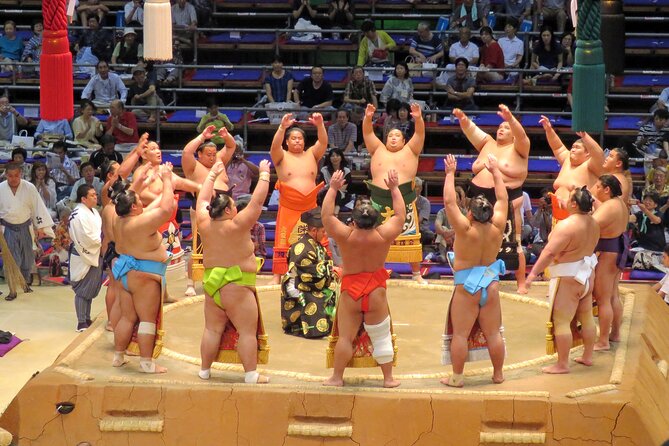
Nagoya’s July basho gives you a rare look at Japan’s most formal sport while the action is happening right in front of you. You’ll learn why wrestlers scatter salt, how the rankings work, and what to watch for as the athletes enter the gymnasium. The English-speaking guide helps turn a complex event into something you can follow.
I like the close look at sumo rituals, and I like that the group may cheer for and greet famous wrestlers before the matches. The optional chanko hot pot dinner adds a tasty link to wrestlers’ daily life. The main drawback is the firm cancellation policy, plus the possibility that the tour will be canceled if fewer than 15 people book.
Key points to know before you book
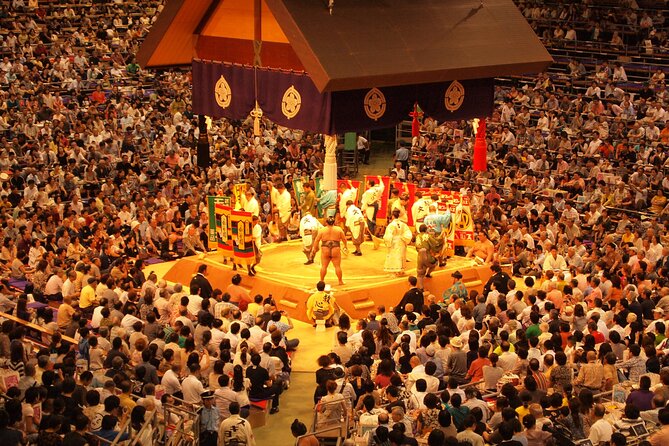
- Nagoya hosts sumo only in July: This four-hour experience is tied to the city’s annual 15-day Grand Sumo Tournament.
- A guide makes the rules easier to follow: You’ll receive explanations through an audio headset, along with a sumo pamphlet and ranking sheet.
- You may see wrestlers arrive: The group can cheer and greet well-known wrestlers as they enter the stadium.
- Seats depend on the package: Options include A or S-class reserved seats, while the standard premium-seat group sits on the second floor in A-class chair seats.
- Dinner is optional: Add chanko nabe, the hearty hot pot associated with sumo stables. Ask for a vegetarian version at least one week ahead.
- Book early and arrive early: Group tickets may not be released until four to seven weeks before the event, but the operator recommends booking around three months ahead.
Why Nagoya’s July basho is worth planning around
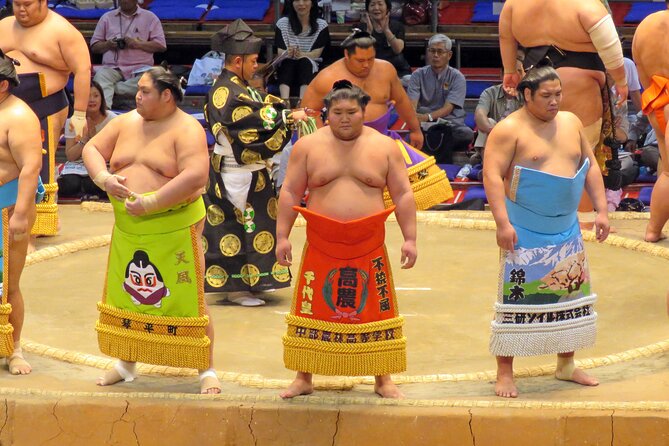
Japan holds six official sumo tournaments each year, but each city gets only one. Nagoya’s tournament takes place in July, so this is not a regular attraction you can fit into any afternoon. You need to shape part of your Japan trip around the dates.
Each basho lasts 15 days, with the opening and closing dates falling on Sundays. The other tournaments take place in Tokyo in January, May, and September, Osaka in March, and Fukuoka in November. If you are in Nagoya during July, this experience gives you access to a major national event rather than a staged demonstration.
I like the way sumo rewards attention. At first, you may see two large wrestlers pushing and shoving. Then the guide points out the rituals, the rankings, the footwork, the timing, and the strict rules. The sport starts to make more sense.
Sumo also offers a direct look at old customs that remain part of modern Japanese life. Wrestlers live in communal heya, or training stables, where meals, clothing, and daily routines are closely controlled. The ceremonies are not decoration added for tourists. They are part of how the sport works.
Other ways to see sumo in Nagoya:
- Nagoya: Grand Sumo Tournament Tour
★ 4.8 · 44 reviews - Tokyo: Sumo Show Experience with Chicken Hot Pot and a Photo
★ 4.8 · 6,678 reviews - Tokyo: Sumo Show and Dining Experience
★ 4.8 · 2,742 reviews
Meeting at 2 pm and getting ready for the arena
The experience begins at 2 pm, with the exact meeting point sent by email at least one week before the date. You should arrive at least 10 minutes early. This is a join-in group tour, so the guide may not be able to wait for late arrivals, and no refund is given if you miss the group.
The party usually numbers around 15 to 20 people, with a stated maximum of 24 for the tournament portion. A minimum of 15 is required for the tour to operate. That group size gives you company without turning the event into a huge guided crowd, though the gymnasium itself can still be busy.
Hotel pickup is not included. The meeting point is near public transportation, so you’ll need to make your own way there. Confirmation is provided at booking, but keep checking the later tour email for the final meeting details.
Your guide is a local sumo specialist who explains the sport in English. Two guides praised in past tour experiences were Kazou and Yoko. Kazou was noted for explaining the tournament and its wrestlers, while Yoko was described as especially passionate and engaging with children. Guide assignments can change, so treat those names as examples, not a promise.
Learning the rituals before the matches
Before settling into your seat, you’ll learn about the customs that give sumo its special rhythm. One easy detail to spot is the use of salt. Wrestlers scatter it into the ring as a purification ritual before competing.
You’ll also receive a sumo information pamphlet and a banzuke-hyo, the official table of rankings. The ranking sheet is useful because it helps you identify the level and status of the wrestlers you are watching. Without it, the names and rank titles can blur together quickly.
The audio headset matters. A live tournament is not a quiet classroom, and the crowd noise rises as the more important matches approach. With the headset, you can listen to the guide’s explanations while still watching the action and supporting the wrestlers.
The guide may cover famous wrestlers from the past and present, the rules of the ring, and the organization of the sport. This is especially helpful if your sumo knowledge begins and ends with the words big men in a circle. The presentation is designed for both committed sumo fans and first-time viewers.
Watching wrestler arrivals at Aichi Prefectural Gymnasium
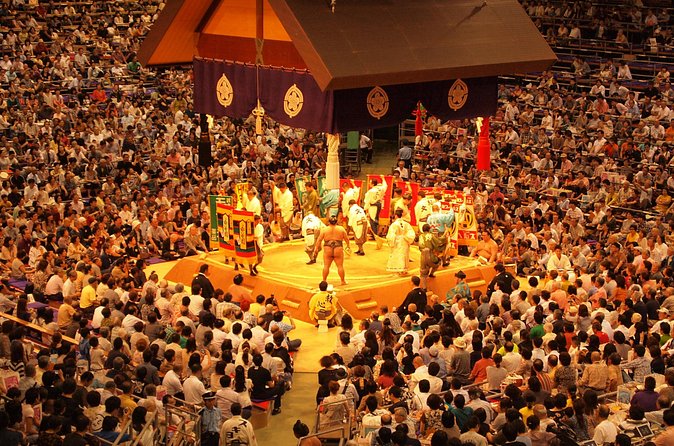
One appealing part of the outing comes before the main viewing session. You may have a chance to cheer on and greet famous wrestlers as they enter the Aichi Prefectural Gymnasium for their matches.
This moment can feel more immediate than watching from a seat. You see the athletes arrive as working professionals preparing for a serious contest, not as distant figures on a screen. Your guide helps you understand who is arriving and why certain names matter.
The exact access and timing depend on the day’s tournament flow. The event is live, so the schedule cannot be treated like a museum visit. Expect some waiting and crowd movement, particularly around popular wrestlers and public areas.
The Sumo Museum can also become crowded. If walking through it as a full group is difficult, your guide may ask you to visit on your own. That is a practical choice, not a failure of the tour, but you should be ready to spend part of that section independently.
Same base, a different sort of day:
- From Nagoya: Gujo, Hida Takayama, and Shirakawa-go Day Tour
★ 4.4 · 398 reviews - Ghibli Park 1-Day Bus Tour from Nagoya
★ 4.5 · 277 reviews - From Nagoya: Hida Takayama & Shirakawa-go Tour w/Opt. Lunch
★ 4.5 · 256 reviews - Hiking the Historic Nakasendo Trail [1 Day Tour from Nagoya]
★ 5.0 · 104 reviews
Choosing your reserved seat
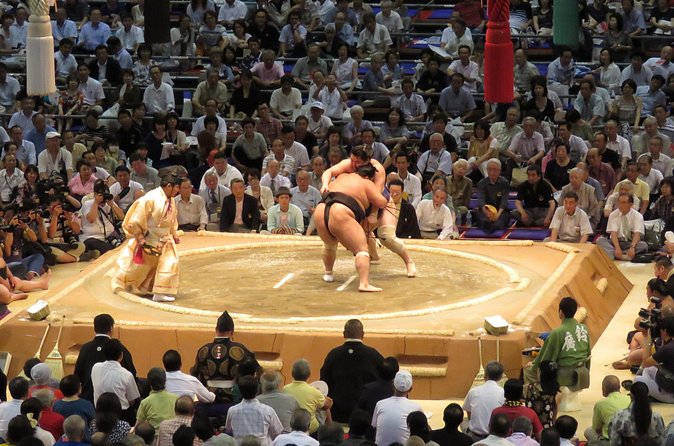
The seating details need careful attention when you book. The information for this experience refers to several seat categories, including S-class and A-class reserved seats, while the standard tour is described as using A-class seats. Another note places the standard premium-seat group on the second floor in A chair seats.
An earlier itinerary description also refers to B or C-class reserved chair seats. Because the wording covers more than one package, check the exact seat category attached to the option you select. Do not assume that every ticket has the same view or floor location.
The useful point is that you receive a reserved chair seat rather than standing or searching for a place. You’ll sit with the group and English-speaking guide, with the standard premium-seat option limited to about 20 people in the same area.
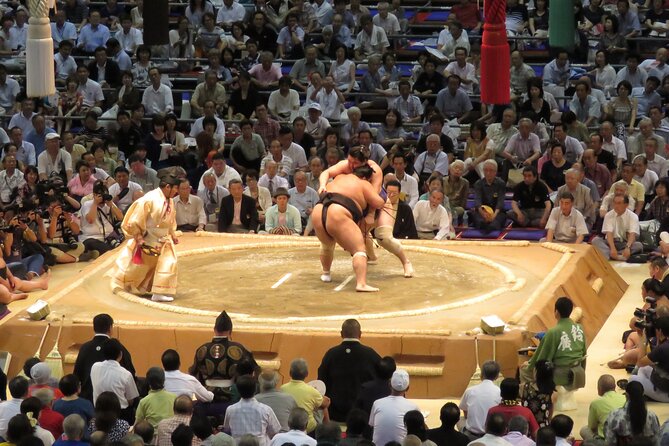
Once seated, you can follow the bouts while listening to commentary through the headset. The matches are often short, so the explanation between bouts helps you notice the buildup, ring ceremony, wrestler rankings, and changing pace of the day.
No outside food or drinks are allowed in the arena. Vendors inside sell food, so you do not need to go hungry during the event. Meals and drinks are not included in the basic tour price.
Understanding the $228.62 price
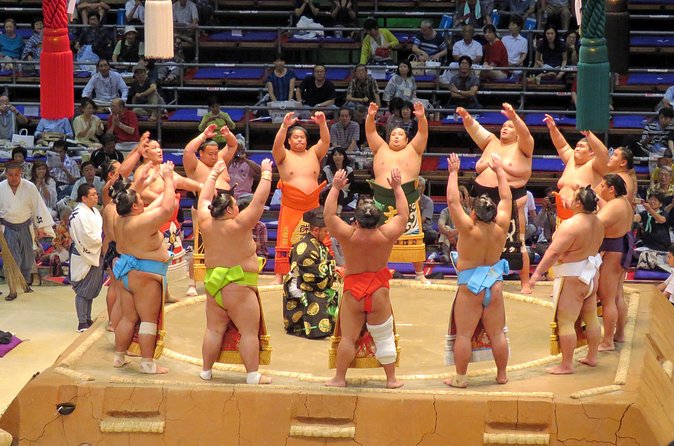
At $228.62 per person, this is not a cheap add-on. I see the value mainly in the combination of an official tournament ticket, reserved seating, an English-speaking sumo guide, audio equipment, printed information, and ticket-handling service.
Buying a ticket alone would not give you the same introduction to the sport. You would still see the wrestlers, but you might miss the meaning of the purification ritual, the ranking system, and the small details that make the bouts easier to read.
The price makes more sense for a visitor who wants one well-organized sumo day rather than someone simply curious about seeing a match for a few minutes. The optional chanko dinner costs extra, so include that in your budget if the meal is part of your plan.
Group discounts are available, which may improve the value for families or larger parties. Children can enjoy the experience too. One past family outing included children aged 9 and 11, who had a good time with the event and guide.
Adding a chanko dinner after the tournament
Chanko nabe is the meal linked most closely with sumo wrestlers. It is a Japanese hot pot, usually made with chicken stock, vegetables, and other ingredients. The practical appeal is clear: one large pot can feed many hungry people at once, which suits the daily life of a sumo stable.
You can select the dinner option when booking. The default is chanko hot pot without drinks. Traditional broth usually contains pork or chicken, but the restaurant may be able to substitute a vegetarian broth.
Make a vegetarian request, or note another dietary need, at least one week in advance. Once the dinner request has been accepted, changes cannot be made during the week before the tour. The meal is an optional add-on, not part of the standard price.
I think dinner is worthwhile if you want the day to connect the tournament with the wrestlers’ routine. It also gives you a chance to discuss the event after the final match. If you already have a dinner reservation or prefer to choose your own restaurant, skip the add-on.
Timing, crowds, and the parts that require patience
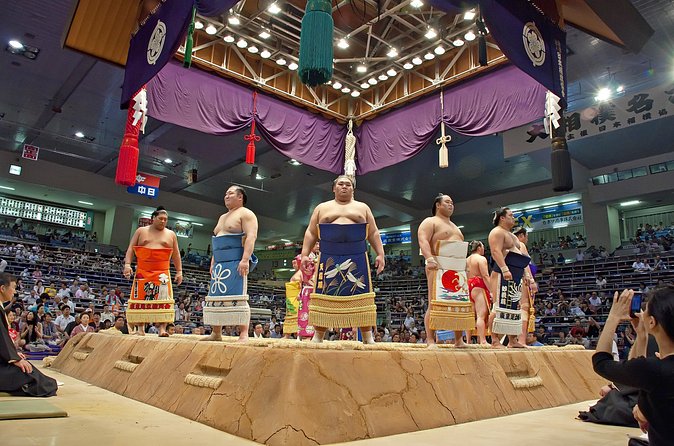
The full experience lasts about four to five hours, but the timing may not feel perfectly even. There may be a wait before seating because the group must wait for all scheduled matches to end before entering a particular area.
That detail matters if you are expecting a continuous four-hour show. Some of the time is spent meeting the guide, learning the customs, watching arrivals, moving through the venue, and waiting for the right moment to enter or sit.
Crowding can also affect the museum visit and indoor movement. Large groups are hard to move through tight spaces, especially during a major tournament. Keep your expectations flexible and listen for instructions from the guide.
The event is near public transportation, and most people can participate. Hotel transportation is not supplied, so allow extra time to reach the meeting point. The safest plan is simple: arrive early, keep the meeting email handy, and do not count on the group waiting.
Booking rules and the risk of cancellation
Book as early as you can. The operator suggests roughly three months before your travel date, or at least one month ahead. The tour is often booked about 35 days in advance, which gives you a useful idea of demand.
Group tickets are released by the Sumo Association about four to seven weeks before the tournament date. If tickets cannot be obtained, you should be notified within four weeks of the tour, with an alternative date or a full refund offered.
The tour can also be canceled if fewer than 15 people book. In that case, you receive the choice of another date or experience, or a full refund.
Your own cancellation is different. The experience is non-refundable and cannot be changed for any reason. Once planning begins, the operator may also have arranged guides, tickets, or restaurant reservations. Read that policy carefully before paying.
Who should book this sumo experience
I would choose this tour if you are a serious sumo fan, but I would also recommend it to a first-time viewer who wants help understanding what is happening. The guide’s explanations are the main reason to choose this over attending alone.
It suits families, provided children can manage a several-hour sporting event and the group schedule. The example of children aged 9 and 11 enjoying the outing suggests that younger school-age children can have fun, especially when they get interested in the wrestlers and rituals.
It is less suitable if you want a private, flexible afternoon. This is a join-in group experience with a fixed start time, shared seating, possible waits, and a firm no-refund policy. It also may not suit someone who dislikes crowded public events or wants complete control over dinner.
Should you book the Nagoya Sumo Tournament Experience?
Book it if your Japan trip falls during the July tournament and you want more than a ticket. The English-speaking guide, audio headset, ranking sheet, and explanation of rituals give you a better chance of understanding the sport rather than simply watching two wrestlers collide.
The strongest reasons to go are the live atmosphere, the chance to see famous wrestlers arrive, and the guides’ ability to make the event approachable. Kazou and Yoko received especially warm praise for their explanations and energy, although no particular guide is guaranteed.
Before booking, confirm the exact seat class, decide if you want chanko dinner, and make sure the fixed cancellation terms work for you. If those details fit your plans, this is a solid way to experience Nagoya’s one annual basho.
FAQ
When does the Nagoya sumo tournament take place?
The official Nagoya tournament takes place once a year in July. Each official tournament lasts 15 days, with the start and end dates falling on Sundays.
What time does the experience start?
The stated start time is 2 pm. You should arrive at least 10 minutes before the designated meeting time because the group may leave without late arrivals.
How long does the experience last?
The experience lasts approximately four to five hours. Some time may be spent waiting before seating or moving through crowded areas.
Where is the tournament held?
The experience takes place at Aichi Prefectural Gymnasium in Nagoya.
Is hotel pickup included?
No. Hotel pickup is not included. The meeting location is near public transportation, and the final meeting point is sent by email at least one week before the tour.
What kind of seats are included?
The options refer to S-class or A-class reserved seats, with the standard tour described as using A-class seats. The standard premium-seat group sits in second-floor A chair seats. Check the exact package because the seat category can vary.
Is the tour private?
No. It is a join-in group experience. The group generally has about 15 to 20 people, with a maximum of 24 stated for the tournament portion.
Is food included?
Food and drinks are not included in the standard experience. Food can be purchased from vendors inside the arena, but outside food and drinks are not allowed.
What is the chanko dinner option?
Chanko nabe is a Japanese hot pot associated with sumo wrestlers. It usually includes chicken stock and vegetables, and the optional dinner does not include drinks.
Can I request a vegetarian dinner?
Yes. You must request the vegetarian option at least one week before the tour. Traditional broth usually contains pork or chicken, but the restaurant may substitute the broth.
What happens if the tour does not reach 15 bookings?
The tour may be canceled if the minimum of 15 people is not reached. You will then be offered another date or experience, or receive a full refund.
Can I cancel for a refund?
No. The experience is non-refundable and cannot be changed for any reason. If the operator cancels because of insufficient bookings or an inability to obtain tickets, a different date or experience, or a full refund, will be offered.
Just added in Nagoya
- Nagoya Endoji Food and Cultural Tour★ 5.0 · 12 reviews
- Nagoya Street Food Walking Tour of Osu★ 5.0 · 28 reviews
- Walking Small-Group Nagoya City Tour★ 5.0 · 13 reviews
- Private Full-day Nagoya City Tour★ 5.0 · 22 reviews
- Specialties of Nagoya Food Tour★ 5.0 · 12 reviews
- Nagoya: 2026 Hida Takayama Shirakawa-go Light-up Winter Tour★ 3.5 · 16 reviews
- Pub Crawl in Nagoya★ 5.0 · 15 reviews
- Nagoya Samurai & Toyota Tour guided by a friendly local★ 5.0 · 24 reviews
Sumo Experiences, compared.
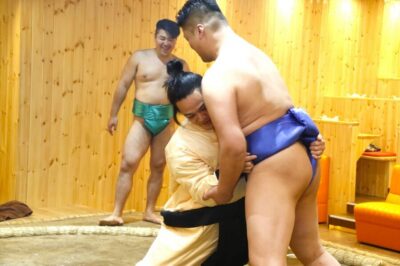
Sumo Show Experience with Chicken Hot Pot and a Photo
Read our review →
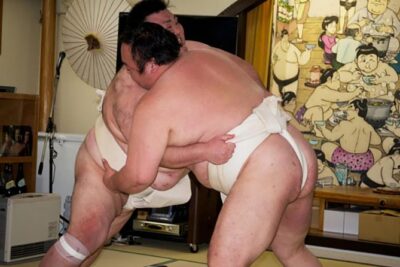
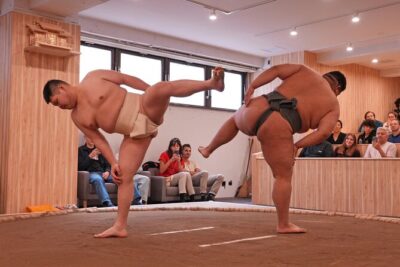
Tokyo Shinjuku Sumo Show & Experience with Photo
Read our review →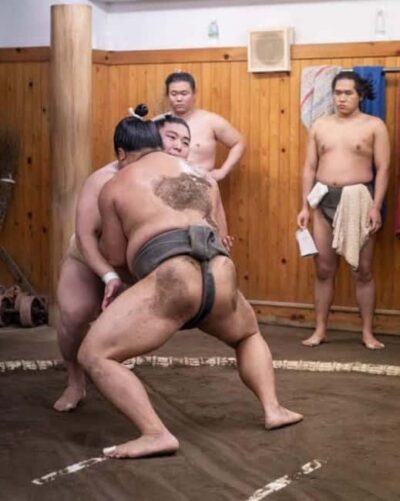
Sumo Show & Experience w/ Optional Kimono & Hot Pot
Read our review →
Authentic Sumo Experience in Tokyo: Enter the Sanctuary
Read our review →Browse the lists this tour appears in