
Reviewed · SAMURAI & NINJA EXPERIENCES
Samurai Training Experience KENDO in Osaka
Walking into a real dojo and learning kendo in full protective armor is far more engaging than a quick samurai photo session. Toshi leads the training, while Kumiko helps with explanations and translation, taking you from basic stance and footwork to a controlled match with a bamboo sword.
I like the small class size, capped at 12, because you get useful correction instead of simply copying a demonstration. I also like the photos and videos included afterward, since they capture the armor, practice, and sparring without requiring you to hand your phone to a stranger.
The main consideration is physical effort. This is beginner-friendly, but you will move, strike, wear armor, and possibly spar at a pace adjusted to your comfort. At $131.32 per person, it is not a cheap two-hour activity, but the instruction, equipment, cultural background, one-on-one attention when available, and digital keepsakes make it a strong choice for a special Osaka afternoon.
Key points to know before you book
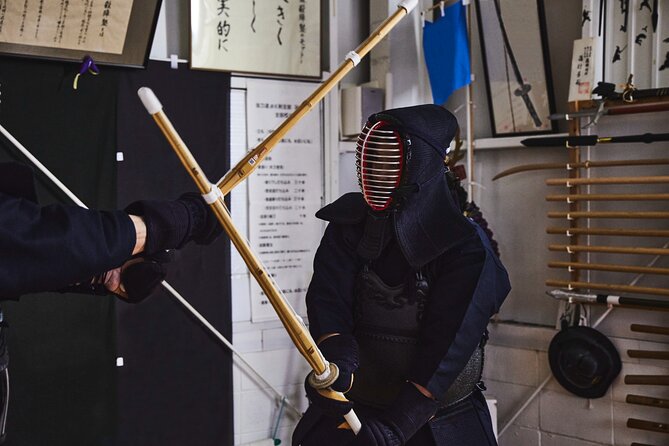
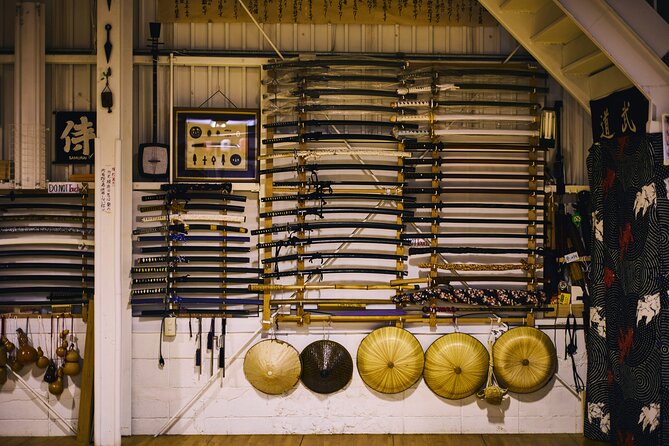
- Real dojo setting: Train in a working kendo space that also displays samurai artifacts and memorabilia.
- Toshi and Kumiko lead the class: Expect English instruction, cultural explanations, patient coaching, and plenty of encouragement.
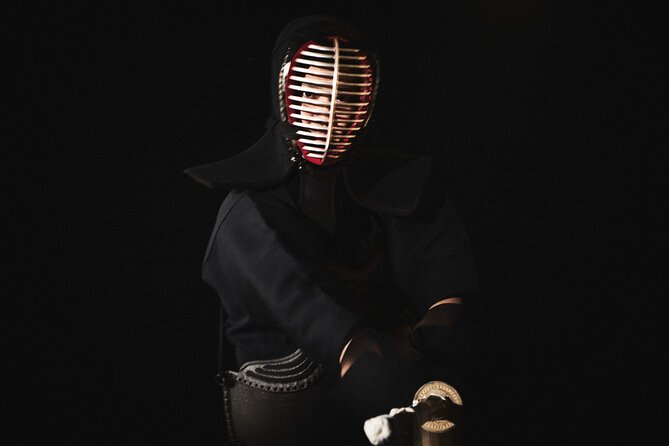
- You wear the full kit: Change into a kendo uniform, protective armor, and use a shinai, the traditional bamboo sword.
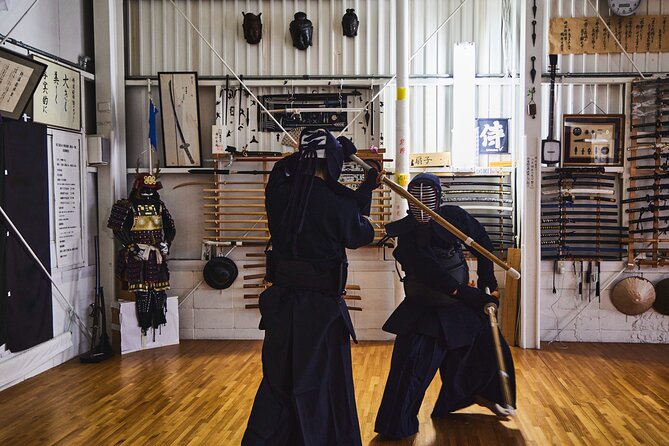
- The class builds toward sparring: You first learn stance, movement, strikes, combinations, and manners before a supervised match.
- Photos and videos are included: The instructors record much of the session and send digital files afterward.
- Comfort matters here: The facility has changing rooms, showers, heating, and air conditioning.
A real Osaka dojo, not just a costume photo
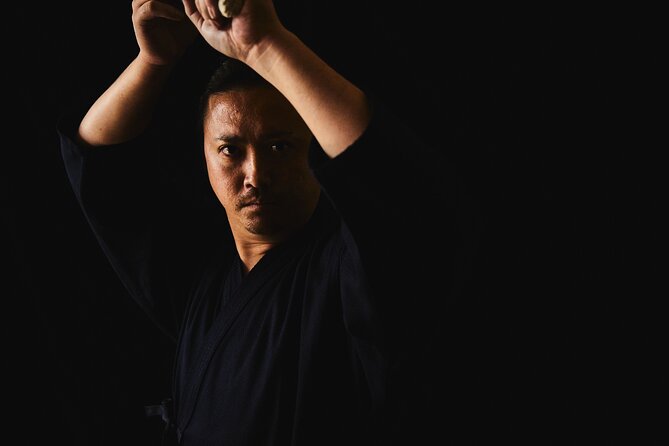
The appeal of this activity is simple: you do not merely pose beside a sword. You take part in a short, structured introduction to kendo, a martial art descended from older samurai fighting methods.
The setting helps. The dojo is maintained as both a training space and a small museum, with samurai artifacts and related memorabilia on display. That gives the opening history talk something to point toward. Instead of hearing a detached lecture, you can connect the ideas of discipline, manners, and Bushidō with the equipment around you.
Toshi and Kumiko run the session as a friendly husband-and-wife team. Their manner is warm and playful, but the instruction still has structure. That balance matters if you are new to martial arts. You can ask questions, make mistakes, and laugh at your own footwork without feeling that the class has become a staged performance.
The class is conducted in English. The explanations cover both the samurai background and the meaning behind kendo practice, so this suits you if you want more than a physical activity. It also works well for families, couples, solo visitors, and small groups of friends.
Other samurai and ninja experiences in Osaka people book:
- OSAKA NIGHT FUSION Japanese Taiko Kabuki Samurai Dance Show
★ 4.8 · 155 reviews - Osaka: Samurai Training Experience KENDO in Osaka
★ 5.0 · 111 reviews - Osaka: A Modern Samurai, Kabuki, Taiko, & Dance Show
★ 4.5 · 66 reviews
The first lesson: history, manners, and basic form
The session begins with an introduction to samurai culture, Bushidō, and kendo. This part is brief enough to keep the two-hour class moving, but useful enough to give context to what follows.
You will also learn that kendo is not simply a matter of swinging a bamboo sword. Proper form, focus, footwork, distance, and respect are all part of the practice. The instructors explain the basic manners before asking you to put the techniques into action.
For me, this is an important part of the value. Without it, the armor and sparring could feel like a theme-park activity. With it, you get a clearer sense of why the movements are performed in a particular way and why the class places attention on control and conduct.
Do not expect a full kendo qualification or a deep technical course in two hours. You are learning a practical beginner’s foundation. The goal is to understand the basics, experience the discipline of the art, and enjoy a safe introduction.
Changing into kendo uniform and armor
After the introduction, you change in the dojo’s changing room and put on authentic kendo clothing and protective equipment. This is when the activity begins to feel more substantial.
The armor is not just for appearance. It lets you practice strikes and controlled sparring with more confidence. You also get a better sense of the weight, restriction, and preparation involved in kendo. Moving in full gear takes more effort than practicing in ordinary clothes.
The facility has air conditioning and heating, which is useful because protective armor can become warm during active practice. Showers are available too. You may not need one after a gentle session, but the option is welcome if your class includes more energetic drills or a lively match.
Allow yourself time to adjust to the equipment. You might feel awkward at first, especially when taking your first steps or raising the shinai. That is normal. Toshi and Kumiko guide you through the process rather than assuming you already know how to stand or hold the sword.
Learning strikes, footwork, and combinations
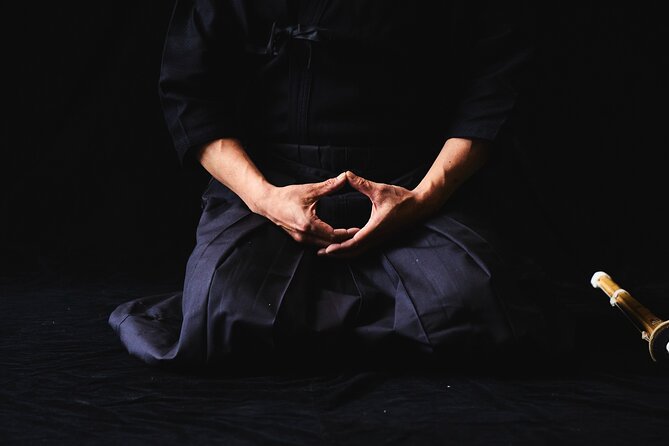
The practical lesson starts with the building blocks. You learn how to center yourself, take the basic stance, move correctly, and perform foundational strikes with the shinai.
The instruction then develops into combinations and counters. This gives the class a useful rhythm. You are not asked to jump straight into a duel before understanding what your feet and hands should do.
The pace can be adjusted. If you want a relaxed cultural activity, the instructors can keep the training gentle. If you are fit, curious, or already familiar with martial arts, you can work harder and take on more demanding drills. That flexibility is one reason the experience suits mixed groups, where one person may be keen on combat sports and another may simply want to try something new in Japan.
You should still expect to concentrate. Kendo uses the whole body, and repeated strikes and footwork can become tiring. Comfortable shoes and casual clothing for the start of the session make sense, though you will change into the provided uniform and equipment.
Other martial arts sessions in Osaka:
- Kyoto: Kendo and Samurai Experience with Uniform and Gear
★ 4.9 · 815 reviews - Tokyo: Samurai Sword & Archery Class from Samurai Descendant
★ 5.0 · 603 reviews - Japanesel Archery Experience HIROSHIMA CASTLE SHARAKU
★ 5.0 · 387 reviews - Hiroshima: Traditional Japanese Archery Experience
★ 4.8 · 351 reviews
The supervised match is the payoff
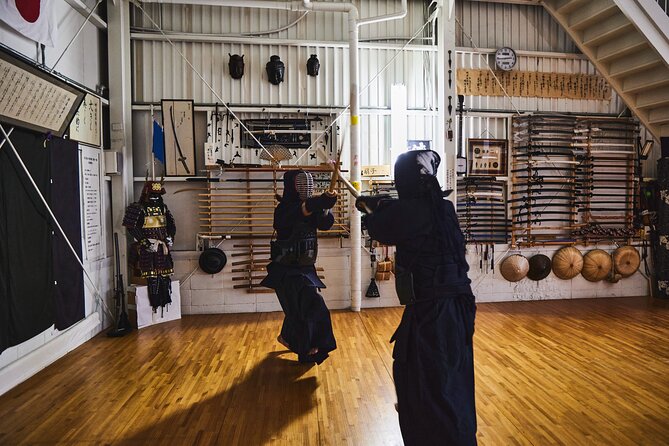
Once you have practiced the essential movements, the class moves toward a match-style session. You may spar with a friend, family member, or another person in the group, depending on the class arrangement.
This is not presented as a serious competition. The instructors guide the match so that it remains safe, manageable, and fun. You learn how to approach the other person, use the techniques from the lesson, and keep the proper manners of kendo in mind.
The sparring is where the earlier instruction becomes useful. A simple strike feels different when another person is moving in front of you. You have to watch distance, timing, and footwork rather than repeat a drill in isolation.
Some participants choose to challenge Toshi after practicing with each other. The instructors can adjust the pace, and the match can remain relaxed or become more demanding. You should not assume you are about to enter a full-contact fight, but you should be ready for a lively final section.
For children, the instructors take age into account. Children aged 3 to 5 focus on wearing the uniform and armor and taking photos safely rather than completing the full training in the same way as older participants.
Photos and videos that preserve the day
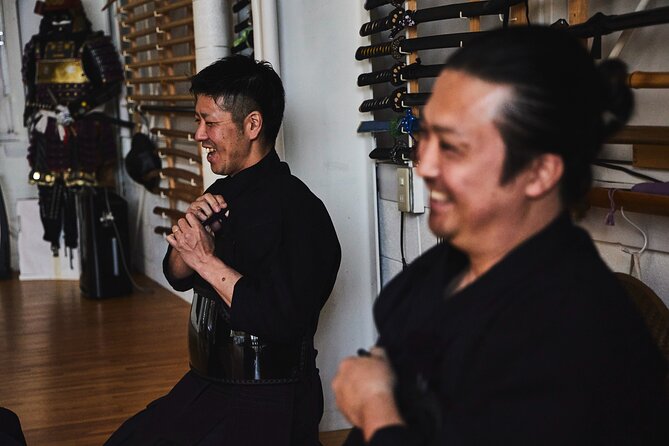
The instructors take photos and videos during the class and send the digital files afterward. This is more useful than it may sound. Your hands are occupied during training, and you cannot easily document yourself in armor while learning footwork or sparring.
The photos also give you a record of the full progression: the dojo, uniform, armor, practice, and final match. The files are sent digitally, with some participants receiving them within about 24 hours.
This feature makes the class especially appealing for families and couples. You can focus on the lesson instead of asking one person to sit out and act as photographer. It also adds value for solo visitors, who might otherwise leave with only a few hurried phone pictures.
Keep your expectations sensible. This is a training session with photos, not a dedicated professional photo shoot. The main purpose is learning kendo. The pictures are a welcome extra.
How the $131.32 price holds up
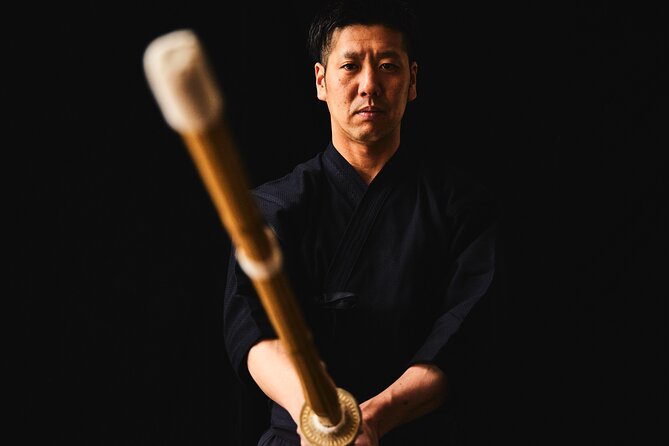
At $131.32 per person, this class costs more than a short museum visit or a basic costume rental. The comparison is not quite fair, though, because you are paying for instruction, equipment, use of the dojo, cultural explanation, supervised practice, and digital photos and videos.
The small-group limit of 12 is important. A maximum of 12 does not guarantee a private class, but it keeps the group from becoming unwieldy. Some sessions may be much smaller. Solo visitors have even received one-on-one instruction when no one else was booked.
That can make the price feel much better, especially if you are looking for a single memorable activity rather than a cheap way to fill two hours. The class is also more than a photo opportunity. You spend most of the time learning and moving.
I would recommend it more readily to someone interested in Japanese culture, martial arts, family activities, or unusual hands-on experiences. If you only want a quick samurai picture and have no interest in instruction, you may find the price harder to justify.
Who will enjoy this kendo class most
This is a good fit for first-time visitors to Japan because no prior kendo experience is required. You receive step-by-step instruction, and the English-speaking team can explain both the physical techniques and the cultural background.
Families are well served, especially with children old enough to follow instructions and take part in a supervised match. The class has also worked well as a birthday activity. Younger children can still enjoy the uniforms, armor, and photos, but the youngest participants should not expect the same training format as older children and adults.
Martial arts fans will appreciate the chance to learn from a professional rather than simply watch a demonstration. History-minded visitors will like the samurai artifacts and the explanation of the tradition behind modern kendo.
It also suits solo visitors. The small-group format means you do not need to arrive with a partner. If you happen to be the only participant, you may receive particularly close instruction.
You should think twice if you have an injury or condition that makes wearing armor, moving, or striking uncomfortable. The information says most people can participate, but this remains an active class rather than a seated cultural talk.
Getting there and planning your two hours
The meeting point is at 1-chōme-18-2 Honjōhigashi, Kita Ward, Osaka, 531-0074. It is near public transportation, and the activity ends at the same location.
Build your Osaka plans around the dojo rather than treating this as a quick stop between distant sights. The class lasts about two hours, and changing clothes, putting on armor, learning the techniques, and completing the match all take time.
A mobile ticket keeps entry simple. You receive confirmation at booking, and free cancellation is available if you cancel at least 24 hours before the local start time. A cancellation made later, or changes made within that window, are not accepted for a refund.
Service animals are allowed. The class is described as suitable for most participants, but the active nature of kendo means you should consider your own comfort before booking.
What I like, and what I would improve
The strongest part is the combination of serious instruction and a relaxed tone. Toshi and Kumiko explain the art clearly, correct beginners patiently, and keep the room welcoming. You get enough structure to feel that you learned something, without the pressure of a formal martial arts examination.
I also like the way the class builds toward a result. History comes first, then clothing and armor, then basic technique, and finally sparring. That order makes the final match feel earned rather than tacked on.
The facility’s cleanliness and comfort are practical advantages. A clean dojo, changing room, showers, heating, and air conditioning matter when you are wearing protective equipment and sharing a physical space with others.
The limitations are mostly about time and cost. Two hours only allows a beginner’s introduction, not a full understanding of kendo. The price is reasonable for the amount of personal instruction and equipment involved, but it may feel high if your main goal is a photo in samurai clothing.
Should you book Samurai Training Experience KENDO in Osaka?
Book it if you want to take part in Japanese tradition rather than only look at it. The real dojo, full uniform and armor, careful coaching, cultural explanation, supervised sparring, and digital photos create a well-rounded two-hour activity.
I would especially choose it for a family, a couple, a solo visitor interested in martial arts, or anyone looking for a memorable break from Osaka’s usual food, shopping, and sightseeing circuit. You do not need prior experience, and the pace can be adapted.
Skip it if you want a quiet museum visit, dislike physical activity, or are mainly searching for the lowest-cost samurai photo session. For everyone else, the combination of hands-on practice and friendly English instruction makes this one of the stronger cultural activities available in Osaka.
FAQ
How long does the kendo experience last?
The activity lasts approximately two hours, including the introduction, changing, instruction, armor practice, and supervised sparring.
Where does the experience take place?
It takes place at a dojo at 1-chōme-18-2 Honjōhigashi, Kita Ward, Osaka, 531-0074, Japan. The activity ends back at the meeting point.
Is the class taught in English?
Yes. The experience is beginner-friendly and conducted in English, with an instructor and assistant providing explanations and translation.
Do I need previous kendo experience?
No. The class is designed for beginners and teaches basic stance, movement, strikes, and match-style practice from the start.
Will I wear real kendo armor?
Yes. You change into an authentic kendo uniform and protective armor before practicing with a bamboo sword called a shinai.
Will there be sparring?
Yes. After learning the basic techniques, you take part in a safe, supervised match-style session. The pace can be adjusted to your preference and ability.
Are photos and videos included?
Yes. Digital photos and videos of the experience are provided as a souvenir. Some participants have received the files within 24 hours.
Can children join the experience?
Yes. Children can participate, with the format adjusted to age. For children aged 3 to 5, the focus is on safely wearing the uniform and armor and taking photos.
Does the dojo have changing rooms and showers?
Yes. The facility includes changing rooms and showers, along with air conditioning and heating.
What is the cancellation policy?
You can cancel for a full refund if you do so at least 24 hours before the experience’s local start time. Cancellations and changes made less than 24 hours in advance are not accepted for a refund.
More samurai and ninja experiences elsewhere in Japan
- Tokyo: Samurai Restaurant Show Ticket with 2 Drinks
★ 4.5 · 1,307 reviews - Kyoto Samurai Experience
★ 5.0 · 1,294 reviews - Tokyo: Samurai Ninja Museum Guided tour and Experience
★ 4.6 · 1,010 reviews - Kyoto: Samurai Sword Class by Experts in Traditional Arts
★ 4.9 · 657 reviews
Just added in Osaka
- Osaka Temple Cool Foot Bath & Matcha Experience〈45min〉★ 4.9 · 82 reviews
- Osaka: Mind & Spirit Balance Temple Reiki Healing★ 5.0 · 41 reviews
- Osaka: Samurai Training Experience KENDO in Osaka★ 5.0 · 111 reviews
- Full Day Kyoto Tour : Bamboo Forest, Golden Temple, Fushimi Inari★ 5.0 · 84 reviews
- Osaka: Minoh, Katsuoji Temple, & Minoh Falls Full-day Tour★ 4.9 · 172 reviews
- OSAKA NIGHT FUSION Japanese Taiko Kabuki Samurai Dance Show★ 4.8 · 155 reviews
- Ramen and Gyoza Cooking Class in Osaka★ 5.0 · 202 reviews
- Osaka: A Modern Samurai, Kabuki, Taiko, & Dance Show★ 4.5 · 66 reviews
Samurai & Ninja Experiences, compared.
Samurai Ninja Museum Guided tour and Experience
Read our review →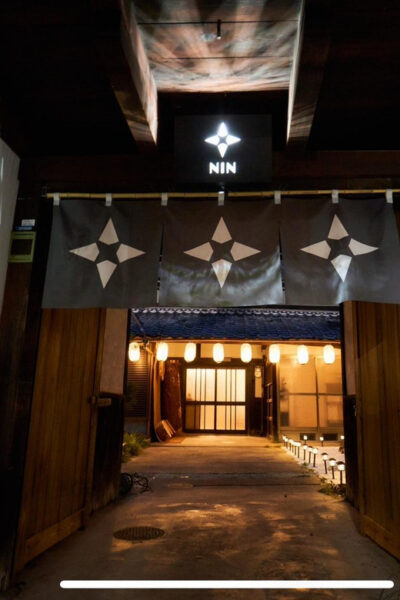
Kendo and Samurai Experience with Uniform and Gear
Read our review →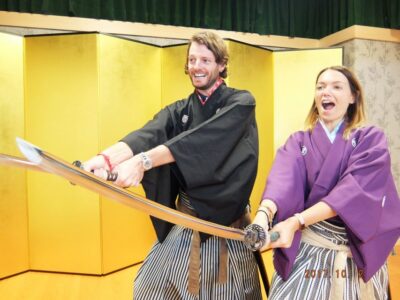
Samurai Sword Class by Experts in Traditional Arts
Read our review →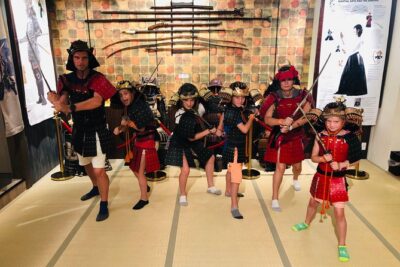
Skip the lines Basic Ticket at SAMURAI NINJA MUSEUM KYOTO
Read our review →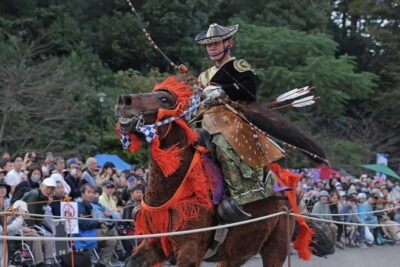
Samurai Sword & Archery Class from Samurai Descendant
Read our review →
Ninja 1-hour Hands-on Lesson by Japanese master in Kyoto -Entry
Read our review →Browse the lists this tour appears in