
Reviewed · ARASHIYAMA & BAMBOO GROVE TOURS
Kyoto: Arashiyama Bamboo, Togetsukyo bridge, Sanso, and more
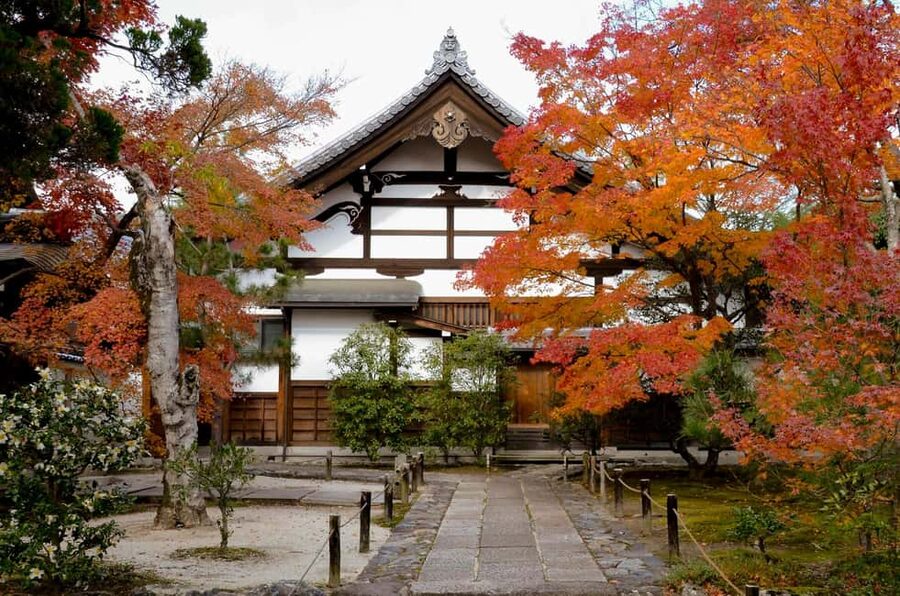
Arashiyama’s famous bamboo path is only the beginning of this compact Kyoto walk. The route links Sagano Bamboo Forest with Tenryuji Temple, Okochi Sanso Villa, Togetsukyo Bridge, and the colorful Kimono Forest, so you get nature, temple gardens, and modern design in one outing. I like the small group size and the way a guide helps you find the right lanes between sights.
I also like that guides such as Alex, Yuko, Vincent, and Gus have earned praise for explaining local culture clearly and helping with photos and questions. The main catch is that this is a proper walking tour, with some rocky uphill and downhill paths. If your mobility is limited, or if you want a slow, unhurried temple visit, this short three-hour route may feel demanding.
At a glance
- Bamboo, gardens, temples, and art in three hours: The route covers Arashiyama’s best-known sights without requiring a full day.
- Small groups of up to nine: The format allows more conversation than a large coach tour, and a low turnout may feel nearly private.
- A guide makes the route easier: Arashiyama’s attractions look close together on a map, but the connecting lanes are not always obvious.
- Okochi Sanso includes a possible tea stop: You can buy traditional matcha and a sweet at the villa’s tea house.
- Expect extra entrance costs: Tenryuji and Okochi Sanso admission are not included in the $26 price.
- A good fit for active sightseers: Comfortable shoes, modest clothing, water, a camera, and some cash will make the outing easier.
Why this Arashiyama walk works well
Arashiyama is one of Kyoto’s easiest areas to admire and one of the easiest to misjudge. A map can make the bamboo grove, temple, villa, river bridge, and train station look like a tidy cluster. In practice, the paths, side lanes, temple entrances, and garden approaches take some finding.
That is where this tour earns its keep. For $26 per person, you get three hours with an English-speaking guide and a group capped at nine people. The price is fair if you want help with orientation and cultural context, especially on a first visit to Kyoto. It is less of a bargain if you already know Arashiyama and plan to see only the free bamboo path and bridge.
The route begins at Tully’s Coffee beside Randen Arashiyama Station and returns there. That simple start and finish are useful if you are building a busy Kyoto day around train or tram connections. Hotel pickup is not provided, so you need to reach the meeting point yourself and arrive at least 10 minutes early. The guide waits only 10 minutes, which makes punctuality important.
Other mornings on the western edge of Kyoto:
- Kyoto: Fushimi Inari, Kinkakuji, Bamboo Grove 1 Day Bus Tour
★ 4.8 · 4,316 reviews - Osaka/Kyoto:Kinkakuji,Arashiyama,FushimiInariShrine,NaraPark
★ 4.1 · 1,596 reviews - Kyoto/Osaka: Nara, Fushimi Inari Taisha, Arashiyama Bus Tour
★ 4.7 · 1,275 reviews
Starting at Randen Arashiyama Station
Meet your guide at Tully’s Coffee at Randen Arashiyama Station. Look for a guide wearing a shirt with the local partner’s name. This is a clear meeting point, but give yourself time to locate the station and café rather than arriving at the last second.
The tour operates in English. The group can include up to nine people, though a smaller turnout is possible. One solo participant, for example, found the outing felt like a private tour, with the guide able to adjust the timing and take photos. You should not count on having the route to yourself, but the group limit keeps it personal compared with a large sightseeing bus.
The guide’s role matters here. Alex was praised for helping an older participant manage rocky uphill and downhill sections, while Yuko made the gardens and scenery easier to understand. Mya, Micah, Boris, and Damien were also singled out for clear explanations and friendly company. Guides change, but the pattern is useful: this experience is built around human guidance, not just a walk from one photo stop to the next.
Walking through Sagano Bamboo Forest
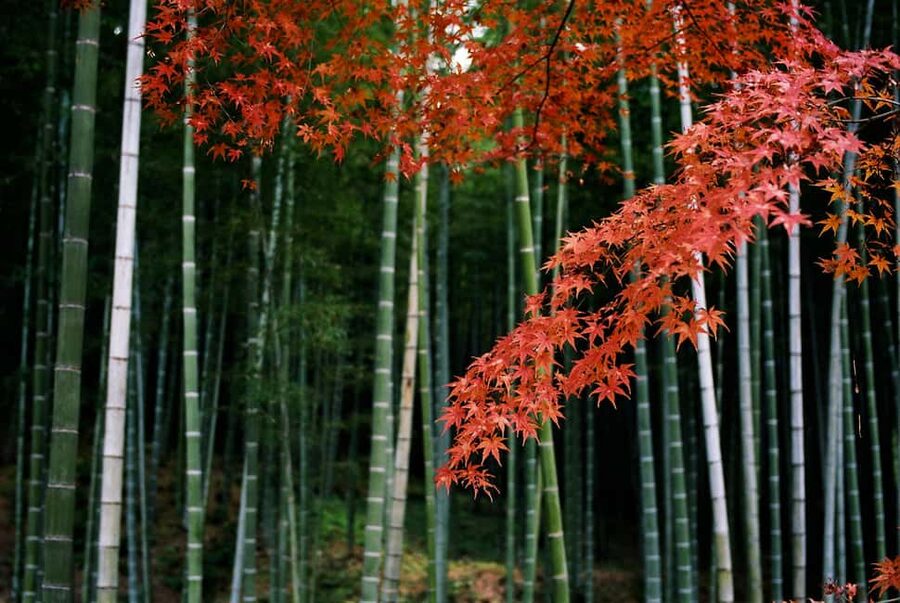
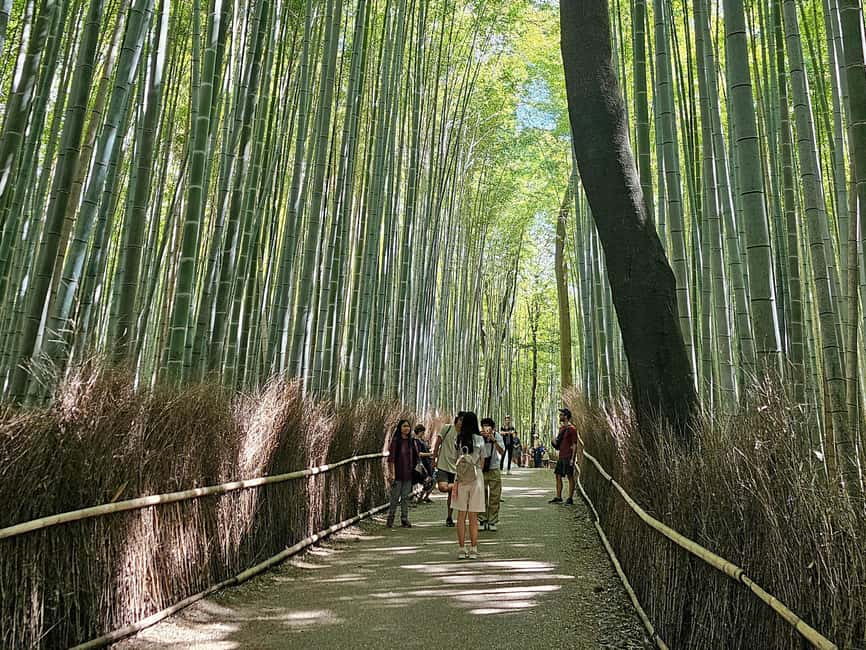
The bamboo grove is the tour’s headline stop, and it deserves its fame. Tall green stalks rise on both sides of the path, creating a narrow corridor that feels very different from Kyoto’s busy central streets. The grove is striking in photographs, but it is even more useful to have a guide point out how the paths connect and where the most scenic sections lie.
Keep your expectations practical. This is one of Kyoto’s most popular sights, so the experience is not guaranteed to be quiet or empty. The guided format helps you enjoy the setting without spending your limited time studying a map or wandering down the wrong lane, but it cannot remove the crowds that make Arashiyama popular.
Bring a camera, but also leave room to look up from it. The best part of the grove is the changing pattern of light between the stalks. A guide can add context about the area and its cultural setting, which turns a quick photo stop into a more useful visit.
Wear shoes with good support. The route is not described as accessible for people with mobility impairments, and the rocky slopes matter. If you have heart or respiratory problems, this activity is also not considered suitable. That warning should be taken seriously rather than treated as standard booking language.
Tenryuji Temple and its Zen garden
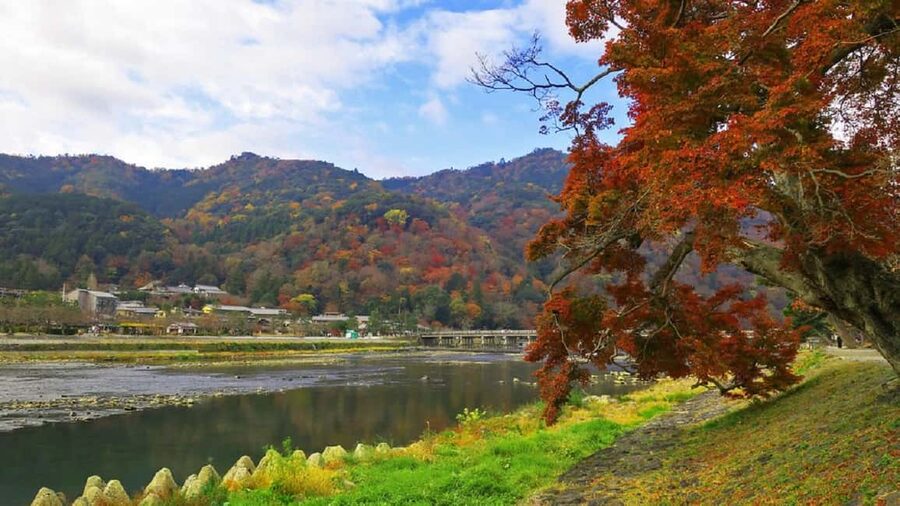
Tenryuji adds the architectural and spiritual side of Arashiyama. Its temple grounds and Zen garden offer a calmer change from the narrow bamboo path, with carefully arranged elements designed to be viewed slowly rather than rushed through.
The tour gives you a guided introduction, which is useful if you want to understand what you are seeing instead of treating the temple as a backdrop. Guides have been praised for answering questions about the temples, culture, language, and local area. That kind of explanation can make a short visit feel more substantial.
Tenryuji admission is extra, so carry cash. The $26 tour price covers the guide and walking tour, not temple entry, meals, or drinks. The exact entrance cost is not supplied here, so check the current fee when you book or arrive.
Dress with respect. Shorts or tank tops are discouraged on the temple grounds, and modest clothing is the safer choice. You do not need formal clothing, but beachwear and very casual revealing outfits are poor choices for this part of the route.
Same base, a different sort of day:
- PERFECT KYOTO 1-Day Bus Tour
★ 5.0 · 13,518 reviews - Kyoto: Tea Ceremony in a Traditional Tea House in Kiyomizu
★ 4.9 · 3,519 reviews - Kyoto Geisha Walking Tour: Gion District & Hidden Gems
★ 4.7 · 3,273 reviews - Kyoto: Tea Ceremony Ju-An at Jotokuji Temple
★ 4.9 · 3,207 reviews
Okochi Sanso Villa and the optional matcha
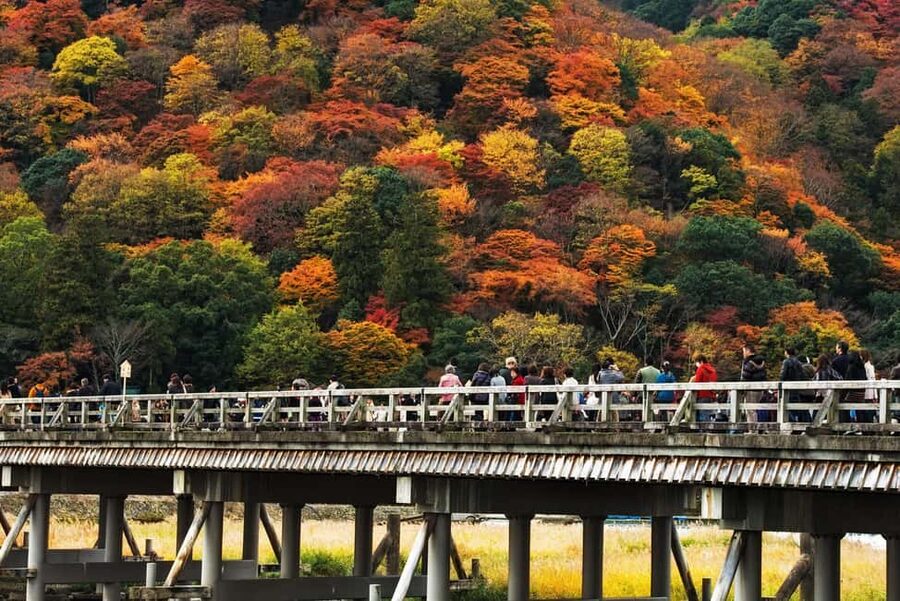
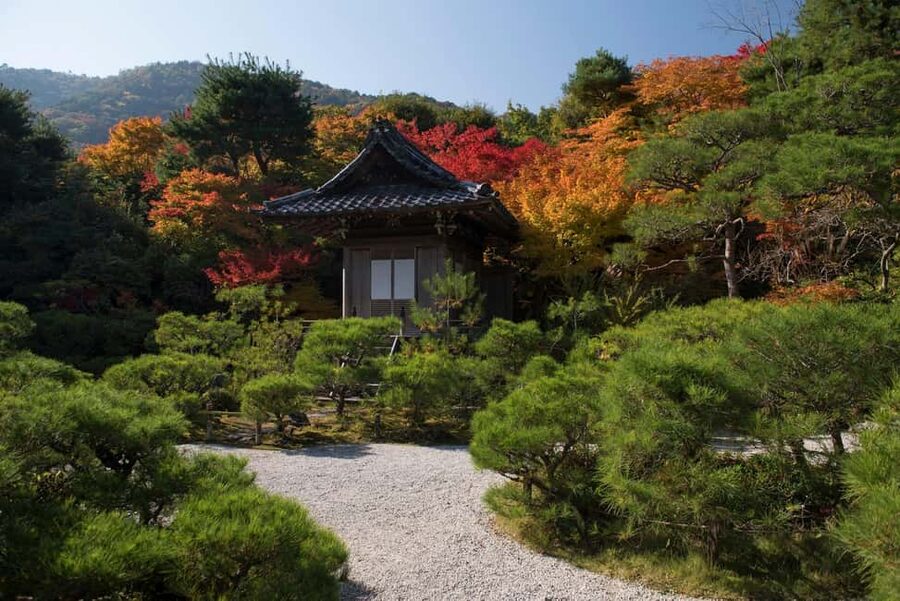
Okochi Sanso Villa is a welcome change of pace. Its appeal lies in the garden walk and the sense of quiet created by carefully arranged paths and views. After the bamboo grove and temple, this stop gives you space to notice details in the plants, buildings, and surrounding hills.
Entry to Okochi Sanso is not included, so budget for another extra fee. You should also bring cash, since personal expenses and food are outside the tour price.
At the villa’s tea house, you can buy traditional matcha and a sweet at your own expense. This is optional, not a required part of the tour. I like that choice: you can stop for a small cultural treat if the timing and your budget suit you, or keep moving if you would rather spend the full three hours walking.
The villa may be the most peaceful stop on the route, but it also adds walking and some uneven ground. If you have trouble with slopes or need frequent breaks, tell the guide at the start. Alex’s help with a senior participant shows why a small group and an attentive guide can matter, but the tour is still not designed for limited mobility.
Togetsukyo Bridge and mountain views
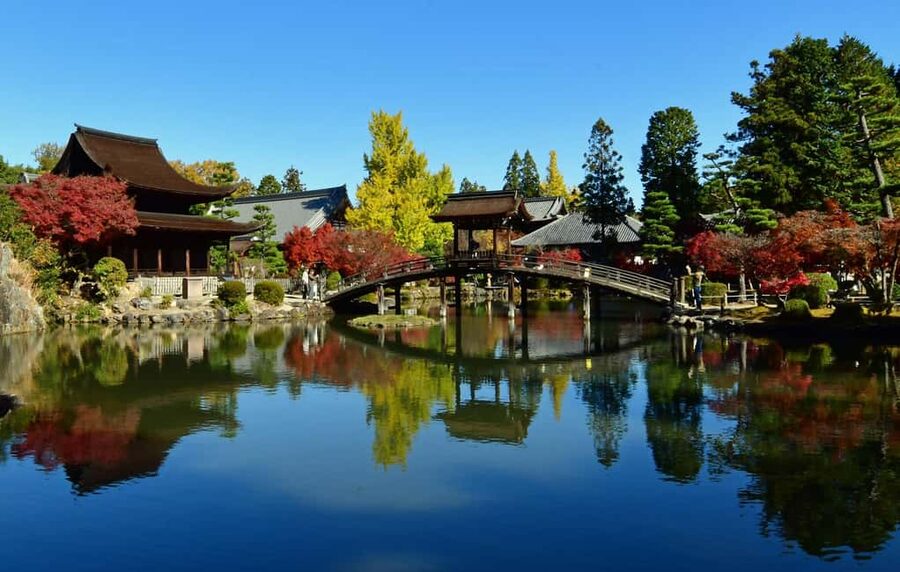
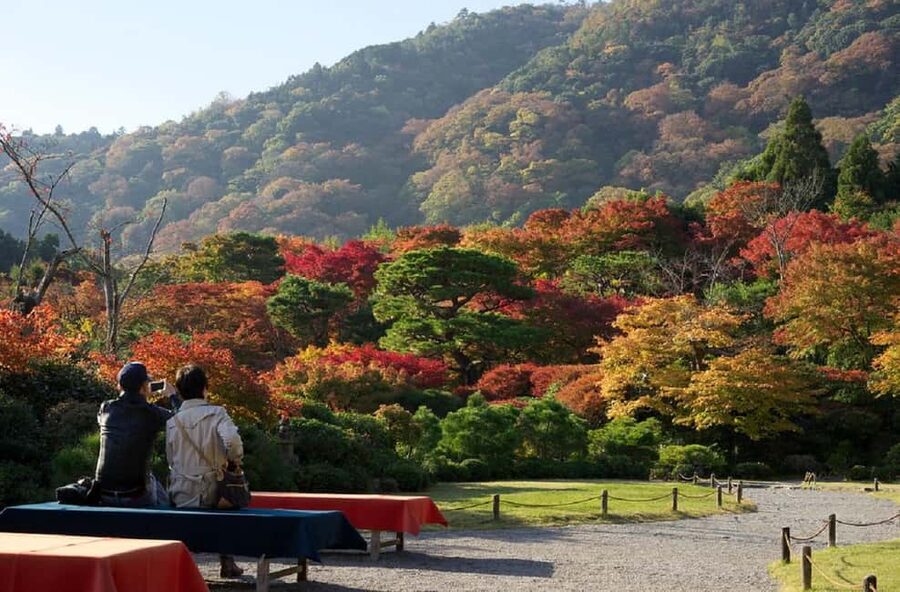
Togetsukyo Bridge gives the tour an open view after the enclosed bamboo grove and garden paths. The bridge crosses the river with mountains behind it, making it one of Arashiyama’s best places for a broad photograph.
The stop is simple but valuable. You get a sense of how the district is arranged around the river, rather than seeing only temple walls and bamboo. It is also a natural moment to slow down, take pictures, and ask your guide about the area.
Weather will affect this stop. On a cloudy winter day, the views may feel subdued, but the scenery still has appeal. In other seasons, the trees and hills provide a stronger frame around the bridge. The tour does not promise a particular season or weather condition, so think of this as a scenic viewpoint rather than a guaranteed postcard scene.
Kimono Forest: a modern finish
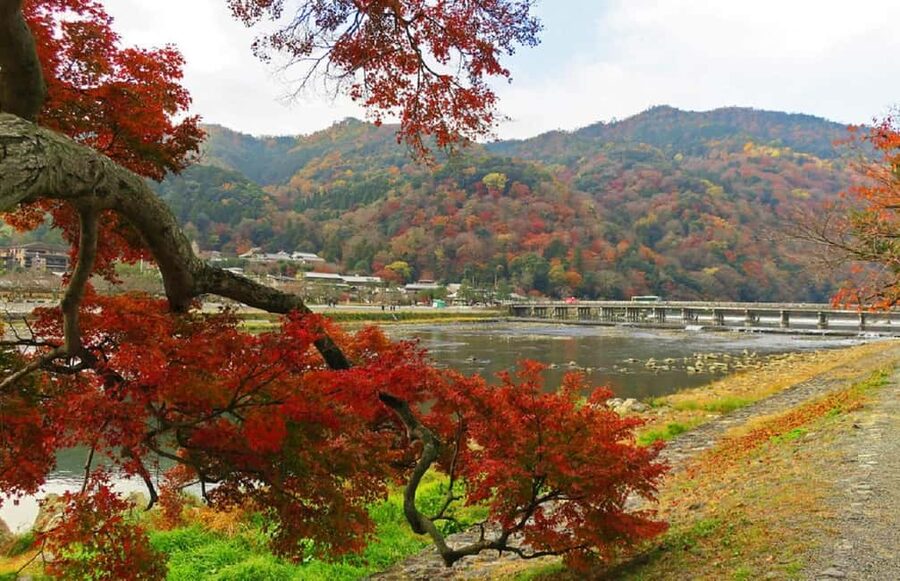
The Kimono Forest brings the route back toward the station and offers a sharp contrast to the older temples and gardens. This art installation uses colorful patterned pillars to create a decorative corridor near the Randen station area.
It is a clever final stop because it shows another side of Kyoto. After bamboo, Zen garden design, and a traditional villa, you see a modern public artwork shaped by textile patterns. The visit is brief but photogenic, and it gives the tour a more varied ending than another temple would.
The installation also works well as a final orientation point. Since the tour returns to Tully’s Coffee at Randen Arashiyama Station, you finish close to where you started. That makes it easier to continue exploring on your own or leave the district after the walk.
What the $26 price really covers
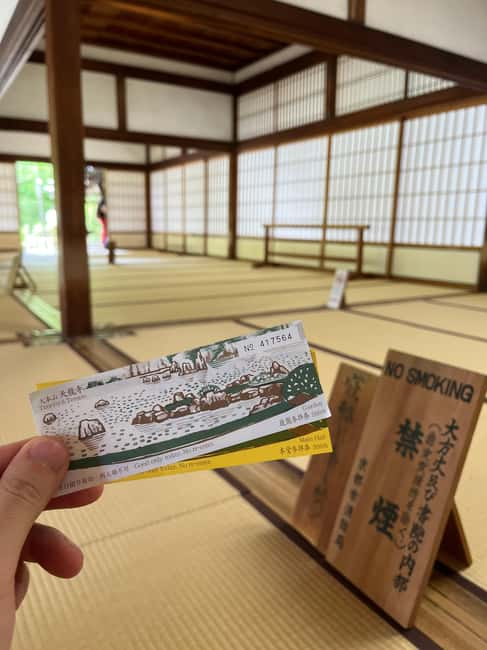
The $26 cost is mainly paying for guidance and route planning. You receive an English-speaking guide and three hours of walking, but entrance fees, food, drinks, hotel transfers, and personal spending are separate.
I see the value in three areas:
- Navigation: Arashiyama’s routes are less obvious than they appear on a map.
- Context: A good guide can explain temple grounds, gardens, local culture, and the meaning behind what you see.
- Efficiency: You can cover several major stops in a short visit instead of working out the order yourself.
The value drops if you want a long, quiet stay at each location. Three hours is enough for an introduction, not a slow study of every garden and building. You will need to keep moving to cover the bamboo forest, Tenryuji, Okochi Sanso, Togetsukyo Bridge, and Kimono Forest.
The optional matcha and sweet are a nice extra, but they are not part of the listed price. Bring cash for those purchases and for the separate admissions.
Who should book this walk
I would choose this tour if you have limited time in Kyoto and want Arashiyama’s main sights arranged into one manageable outing. It is also a good pick for solo visitors who want company, first-time visitors who prefer local explanations, and anyone who finds Japanese station areas and side streets confusing.
The small group format suits people who like to ask questions. Past guides such as Alex, Vincent, Gus, Boris, and Yuko were praised for being friendly, clear, and helpful. The experience appears strongest when you engage with the guide rather than treating the outing as a simple escorted walk.
You should think twice if you dislike group schedules or want to linger at one location. You should also skip it if uneven paths, hills, or three hours on foot will be a problem. The activity is specifically not suitable for people with mobility impairments, heart problems, or respiratory issues.
Practical tips for a smoother visit
Arrive at Tully’s Coffee at least 10 minutes before the stated start time. The guide waits a maximum of 10 minutes, so a late arrival can mean missing the group.
Wear comfortable shoes with secure soles. The route includes rocky uphill and downhill sections, and even a scenic walk can become tiring when you are moving between several sites.
Dress modestly for Tenryuji. Avoid shorts and tank tops, and choose clothing that is respectful on temple grounds.
Carry cash for temple and villa admissions, the optional matcha and sweet, and other personal expenses. Meals and drinks are not included.
Keep your camera ready, but do not forget the small details. The bamboo, gardens, bridge, and Kimono Forest each offer a different kind of photograph, and the guide may help with pictures, as Ai did for one solo participant.
Free cancellation is available up to 24 hours before the tour for a full refund. You can also reserve now and pay later, which helps if your Kyoto schedule is still changing.
Should you book the Arashiyama tour?
Book it if you want a well-organized three-hour introduction to Arashiyama rather than a do-it-yourself route. The combination of bamboo, Tenryuji, Okochi Sanso, Togetsukyo Bridge, and Kimono Forest gives you a broad taste of the district, while the small group and English-speaking guide add useful local detail.
The strongest reason to book is route help. Arashiyama looks easy on a map, but the connections are not always obvious. The main reasons to pass are the extra admission costs, the walking demands, and the limited time at each sight.
For $26, it is a sensible choice for a first visit or a tight Kyoto schedule. Bring cash, wear proper shoes, arrive early, and treat the outing as an active sampler rather than a leisurely day at one temple.
FAQ
Where does the Arashiyama tour start?
The meeting point is Tully’s Coffee at Randen Arashiyama Station. The guide will be wearing a shirt with the local partner’s name.
Where does the tour finish?
The tour returns to Tully’s Coffee at Randen Arashiyama Station.
How long does the experience last?
The walking tour lasts three hours.
What language is the tour conducted in?
The tour is conducted in English by a live English-speaking guide.
How many people can join the group?
The group is limited to nine participants.
Are Tenryuji and Okochi Sanso admission fees included?
No. Entrance fees for Tenryuji and Okochi Sanso are not included in the tour price.
Is matcha included?
No. You have the option to buy traditional matcha and a sweet at Okochi Sanso’s tea house at your own expense.
What should I bring?
Bring comfortable shoes, a camera, and cash. You should also arrive at the meeting point at least 10 minutes early.
Is the tour suitable for people with mobility, heart, or respiratory problems?
No. The activity is not suitable for people with mobility impairments, heart problems, or respiratory issues.
Just added in Kyoto
- Private Cooking Class Udon in Kyoto Japan★ 5.0 · 23 reviews
- Your Private Vacation Photography Session In Kyoto★ 5.0 · 110 reviews
- Kyoto: Zen Meditation at a Private Temple with a Monk★ 5.0 · 25 reviews
- Private Pewter Sake Cup Experience with a Kyoto Artisan★ 5.0 · 31 reviews
- Kyoto Wagashi(Japanese sweets) Cooking Class near Fushimiinari★ 5.0 · 60 reviews
- Kyoto:Family-Friendly Kimono & Yukata Experience at WARGO★ 5.0 · 147 reviews
- Private Guided Traditional Buddhist Cooking in Japan★ 5.0 · 16 reviews
- Kyoto: Gion Geisha District & Sake-in-Hand Walking Tour★ 5.0 · 37 reviews
Arashiyama & Bamboo Grove Tours, compared.
Osaka/Kyoto:Kinkakuji,Arashiyama,FushimiInariShrine,NaraPark
Read our review →
Kyoto/Osaka: Nara, Fushimi Inari Taisha, Arashiyama Bus Tour
Read our review →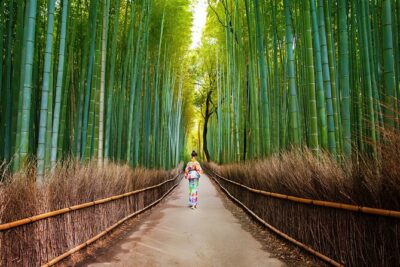
Kyoto Arashiyama Walking Tour: Bamboo, Monkeys, Gardens & Secrets
Read our review →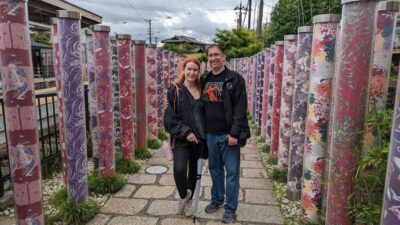
Arashiyama Bamboo, Temple, Monkeys, or Secret Sake Brewery
Read our review →
Arashiyama Bamboo Forest, Monkeys, Matcha & Temple Tour
Read our review →
Osaka/Kyoto: Arashiyama, Nara & Fushimi Inari Shrine w/Lunch
Read our review →
Nijo, Kinkaku-ji, Arashiyama, Kiyomizu & Fushimi Inari
Read our review →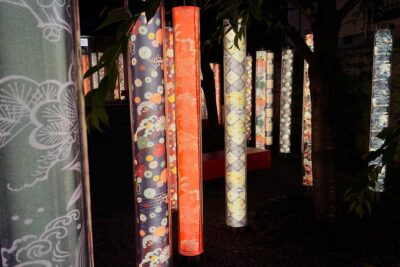
Kyoto Ghost Tour: Dark Tales, Urban Legends, Bamboo Forest Night
Read our review →Browse the lists this tour appears in