
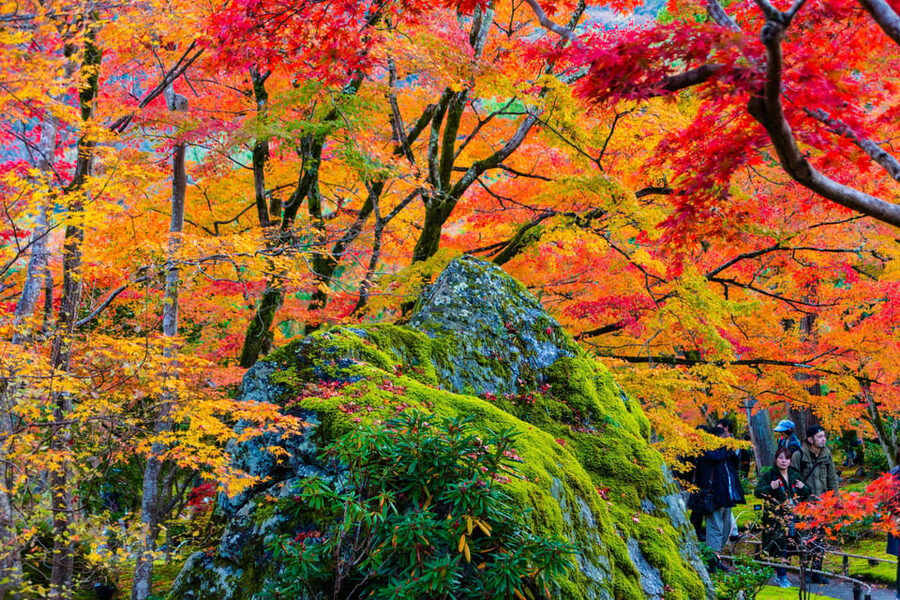
Reviewed · ARASHIYAMA & BAMBOO GROVE TOURS
Kyoto: Arashiyama Tour with optional Sagano Romantic Train
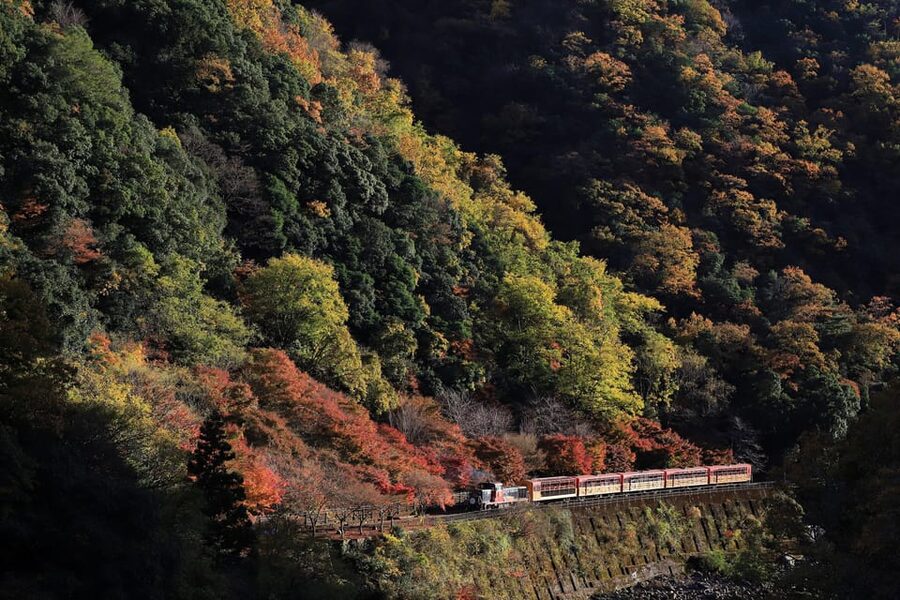
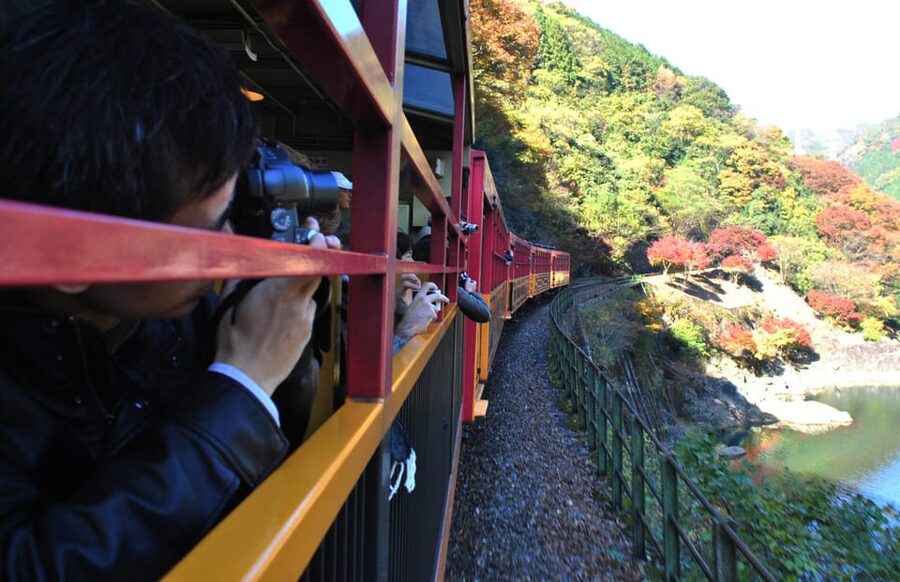
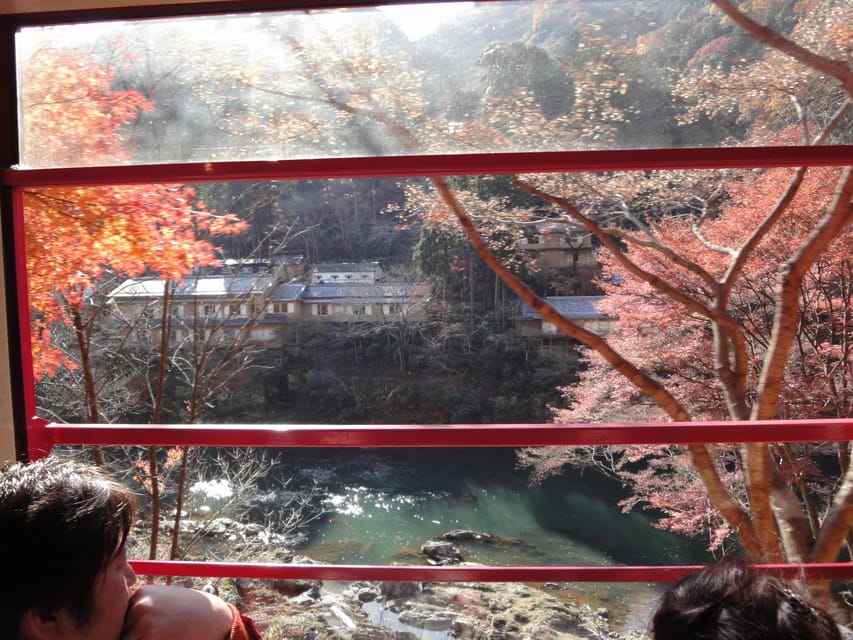
The Sagano Romantic Train is the clever hook here. The 30-minute ride carries you through Kyoto’s countryside before you walk into Arashiyama’s famous bamboo groves, temples, river views, and food stalls. In maple season, the train route becomes especially colorful.
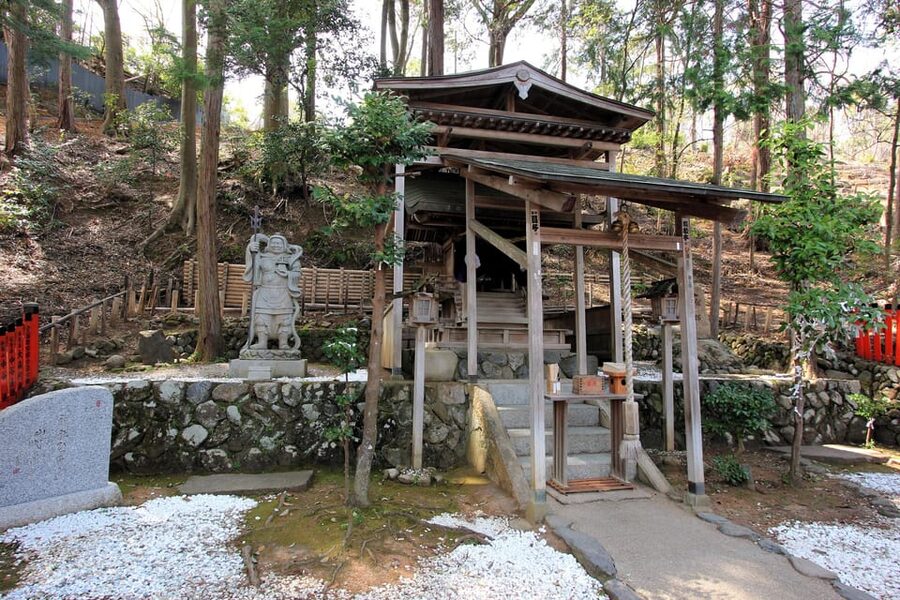
I like the way this tour combines Kyoto’s big sights with smaller details, such as Mikami Shrine, dedicated to the God of Hair. I also like the small group size, capped at nine, which gives guides such as Shingo and Eloise room to help with photos, questions, and rest breaks.
The main catch is that the train costs extra unless you choose the train option, and Arashiyama involves plenty of walking. Food is also not included, so your $105 covers the guide and Tenryu Temple entrance, not the snacks you will want to try along the way.
Key points at a glance
- The optional train takes 30 minutes: Choose the Sagano Romantic Train for a scenic ride between the Kyoto area and Arashiyama.
- Mikami Shrine adds an unusual stop: This small shrine honors the God of Hair, giving the tour a more specific cultural angle than a simple bamboo-forest walk.
- Tenryu Temple is the cultural center: Your entrance fee includes this UNESCO World Heritage site and its Zen gardens.
- The group stays small: With no more than nine participants, you get a more personal walk than on a large coach tour.
- Street food is part of the route: You can sample Kyoto snacks at a local café or food stop, but you pay for what you eat.
- The walk ends near Arashiyama Station: The route brings together the bamboo forest, bridge, park, temple, and local food in one compact outing.
Why the train option changes the day
Arashiyama is one of Kyoto’s most popular areas, but it is not only a bamboo grove. The district brings together wooded hills, a major Buddhist temple, a broad river crossing, small shrines, food shops, and walking paths. This tour works because it links those pieces instead of treating the bamboo forest as the whole show.
If you select the train package, you meet at JR Umahori Station. From there, the Sagano Romantic Train takes about 30 minutes toward Torokko Arashiyama Station. The ride is the scenic opening act, giving you a view of Kyoto’s countryside before the tour shifts into walking mode.
The train is most appealing during maple season, when red leaves frame the route. The supplied details specifically call out the autumn scenery, so this option makes the most sense if seasonal color matters to you. It is less essential if your main goal is a guided visit to the temple and bamboo forest.
There is also an option to start at Torokko Arashiyama Station. Since the meeting point depends on the package you book, check the selected option carefully before you leave for the tour. This matters in Kyoto, where a small mistake at a railway station can cost more time than expected.
Other mornings on the western edge of Kyoto:
- Kyoto: Fushimi Inari, Kinkakuji, Bamboo Grove 1 Day Bus Tour
★ 4.8 · 4,316 reviews - Osaka/Kyoto:Kinkakuji,Arashiyama,FushimiInariShrine,NaraPark
★ 4.1 · 1,596 reviews - Kyoto/Osaka: Nara, Fushimi Inari Taisha, Arashiyama Bus Tour
★ 4.7 · 1,275 reviews
Mikami Shrine and the God of Hair
The first major stop is Mikami Shrine, where you spend about 15 minutes with the guide. The shrine is dedicated to the God of Hair, an unusual focus that gives the walk a memorable detail right away.
I like stops such as this because they break up the usual Kyoto checklist. You are not simply moving from one famous photo spot to the next. The shrine gives your guide a chance to explain Japanese religious beliefs and the difference between Shinto and Buddhist places, a subject that one guide, Arsushi, handled especially well for visitors on this route.
Fifteen minutes is not enough for a long visit, and that is the point. You get a concise introduction without using up the time needed for the bamboo forest and Tenryu Temple. If you prefer slow temple visits with extended quiet time, the schedule may feel brisk.
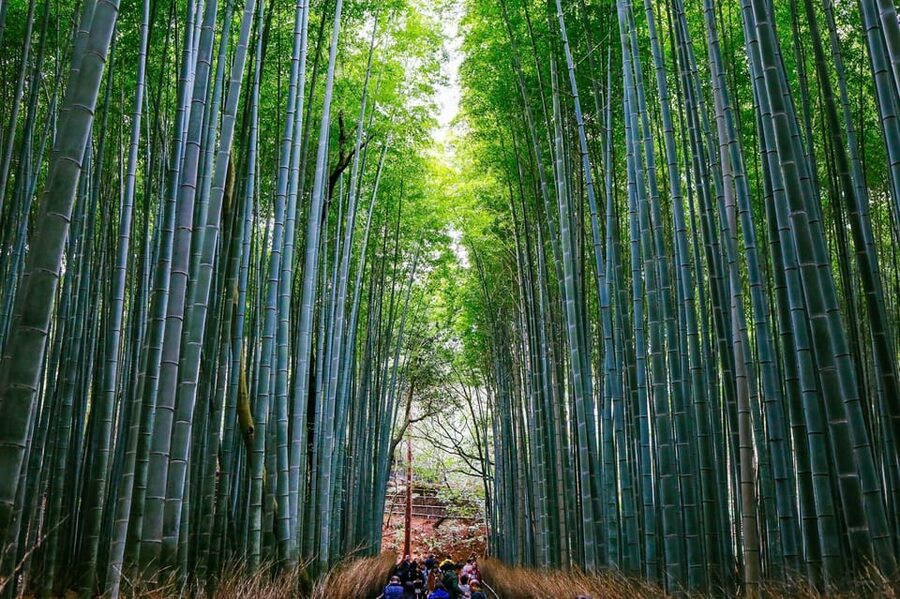
Walking through the Arashiyama Bamboo Forest
The bamboo forest receives about 45 minutes, making it one of the longest stops. Your guide leads you through the paths and helps you find good places for photographs rather than leaving you to guess where to go.
The famous image is simple: tall bamboo rising on both sides of a narrow path, with filtered light between the stalks. The experience depends heavily on timing and crowd levels, neither of which the tour can fully control. Still, a guide can help you use the available time well and keep the visit from becoming a quick walk in, photo, walk out.
Comfortable shoes matter here. The route includes a fair amount of walking, and the bamboo forest is only one part of the day. I would not wear new shoes, thin sandals, or anything that makes walking difficult.
The small group limit is useful in this setting. A guide can keep nine people together more easily than a large party, and you have a better chance of asking questions or getting help with a photo. Eloise is noted for directing people toward strong photo spots, while Shingo was especially attentive about stopping for rest.
Tenryu Temple and its Zen gardens
Tenryu Temple gets about 20 minutes, and the entrance fee is included. This is an important value point because you are not paying separately at the gate during the tour.
Tenryu Temple is a UNESCO World Heritage site and one of the main cultural anchors of the route. The temple’s Zen gardens offer a calmer change of pace after the bamboo paths. Rather than rushing through a series of unrelated attractions, you get a place where the guide can explain Buddhist ideas, temple design, and the role of gardens in Japanese religious spaces.
Twenty minutes is enough for an introduction, a look at the gardens, and a few photographs. It is not enough for a very detailed temple visit. If Tenryu Temple is high on your personal list, you may want to return on your own and spend more time there after the tour.
The guide’s role makes a difference. Comments from the tours show that historical explanations are a major strength, with Eloise and Leo both praised for making the area’s history and culture easier to understand. You should expect interpretation rather than a silent sightseeing walk.
Same base, a different sort of day:
- PERFECT KYOTO 1-Day Bus Tour
★ 5.0 · 13,518 reviews - Kyoto: Tea Ceremony in a Traditional Tea House in Kiyomizu
★ 4.9 · 3,519 reviews - Kyoto Geisha Walking Tour: Gion District & Hidden Gems
★ 4.7 · 3,273 reviews - Kyoto: Tea Ceremony Ju-An at Jotokuji Temple
★ 4.9 · 3,207 reviews
A street food stop with room for local advice
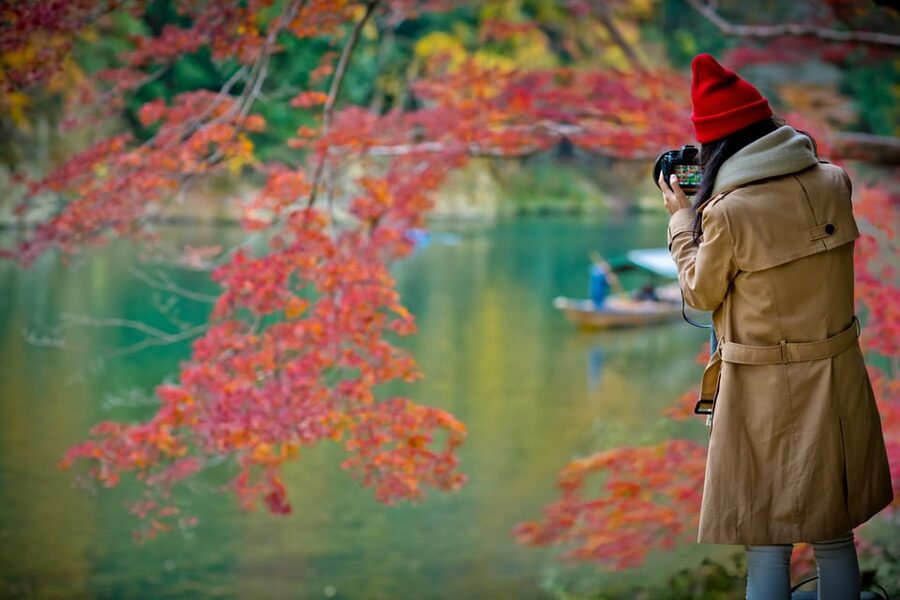
The schedule allows about 30 minutes at a local café or food stop. This is where the tour shifts from sights to flavor. You can try Kyoto snacks and ask your guide what is worth ordering in the area.
Food and drinks are not included in the $105 price, so bring cash. That arrangement gives you control over what you buy, but you should budget a little extra if tasting local food is part of your plan.
I like this pause because it keeps the tour from feeling like a race. After the shrine, forest, and temple, a snack gives you a chance to sit or slow down. It also creates space for useful local advice. Eloise is specifically noted for helping with restaurant recommendations, eating, and shopping in Arashiyama.
Do not expect a full meal unless you choose to buy one. The supplied schedule calls this a local snack stop, not lunch. If you need a proper meal, plan for it before or after the tour.
Togetsukyo Bridge and Arashiyama Park
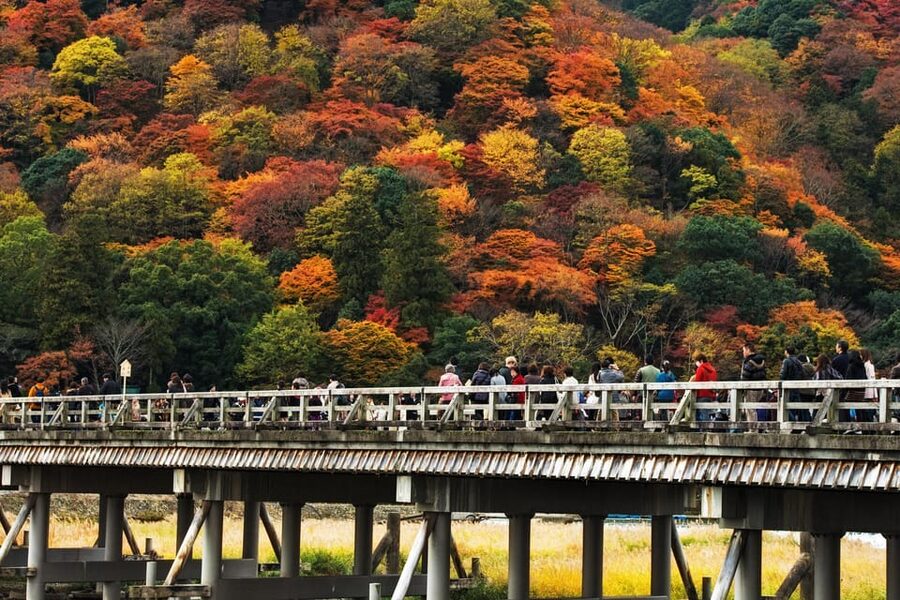
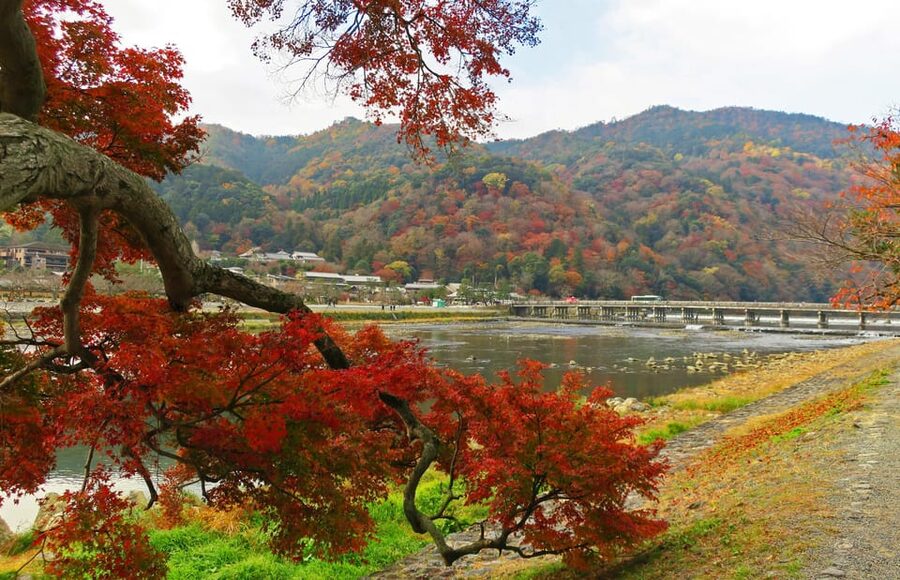
The later part of the walk brings you to Togetsukyo Bridge and Arashiyama Park. The bridge is one of the area’s most recognizable photo points, while the park gives you a place to relax after the denser parts of the route.
At Togetsukyo, the appeal is the open view. After the enclosed bamboo paths, the bridge gives you a broader sense of the river and surrounding hills. It is a good spot to ask your guide about the best angle for a photograph, especially if you have only a few minutes.
The park is a gentler finish. The schedule allows about 30 minutes in Arashiyama, with another guided visit of around 20 minutes listed before that. Since the exact description of one intermediate stop is not specified, you should think of this section as a guided walk through the district rather than a single fixed attraction.
The tour finishes at Arashiyama Station. That is handy if you want to continue sightseeing in the district, catch transport, or find a meal afterward. It also means you are not returned to your original starting station, so plan your onward route before the walk ends.
What the guides add to the experience
The strongest part of this tour is not simply getting from one sight to another. It is having someone connect the places. The guides named in the supplied feedback include Shingo, Eloise, Leo, and Arsushi, and the recurring strengths are history, religious context, photo help, food suggestions, and personal care.
Shingo is described as attentive about rest breaks and photo locations. That matters on a walking tour, especially for anyone who wants a slower rhythm. Eloise is especially useful if you want help with photographs, restaurants, and shopping after the tour.
Leo is described as friendly and passionate about Japanese history and culture, with an ability to point out less obvious places along the route. Arsushi is noted for explaining both Buddhist and Shinto traditions, as well as Japanese history.
Guide quality can vary from one departure to the next, but the format helps. A group of up to nine is small enough for conversation, and the English-speaking guide can adjust explanations to the group’s questions. You should book this for context and company, not only transportation.
Is $105 a fair price?
At $105 per person, the value depends on the option you choose and how much guidance you want. The included guide, Tenryu Temple entrance, and small group make the price reasonable for someone who wants a structured half-day in Arashiyama.
The train option strengthens the value because the 30-minute Sagano Romantic Train ride is included when selected. You get transportation as part of the experience, plus a scenic approach to the walking portion. If you choose the version without the train, the tour still covers the main sights, but the price is paying mainly for the guide and organized route.
Food is extra, as are personal expenses. That is normal for a street food walk, but you should not mistake the listed price for an all-inclusive meal package. Bring cash and keep some flexibility for snacks.
The tour lasts 3 to 4 hours. That is long enough to see several key places without giving up an entire day in Kyoto. It is also short enough to combine with another activity, though the walking may leave you ready for a slower afternoon.
Who should book this Arashiyama walk?
I would choose this tour if you have limited time in Kyoto and want a clear introduction to Arashiyama. It suits first-time visitors who want the famous bamboo forest and bridge, but also want temple context and help understanding what they are seeing.
It is also a good fit if you like photography. The guides can point out photo locations, and the route includes several different settings: bamboo, temple gardens, river views, shrine details, and park paths.
Food lovers should consider it, with one warning: the tasting element is informal and self-funded. You get a chance to sample local snacks and ask for recommendations, but this is not a dedicated food tour.
The tour is less suitable if you want a slow, private temple visit or dislike walking with a schedule. It is not suitable for pregnant women, people with mobility impairments, or people with heart or respiratory problems according to the activity information. Comfortable shoes are essential.
Practical details before you reserve
There are two starting location options: Torokko Arashiyama Station and Umahori Station. The Umahori option is tied to the train ride, while the exact meeting point depends on the package you select. Check the meeting instructions rather than assuming every departure begins in the same place.
The live tour is in English, and the group is limited to nine people. The listed duration is 3 to 4 hours, with start times available according to the date you check.
You can cancel up to 24 hours in advance for a full refund, and the reserve-now, pay-later option lets you keep your plans flexible. These policies are useful in Kyoto, where weather and transport plans can change quickly.
Bring comfortable shoes, a camera, and cash. The train ticket is included only with the selected train package, Tenryu Temple admission is included, and food and drinks are not.
Should you book it?
Book this tour if you want a compact, guided introduction to Arashiyama that joins the bamboo forest, Tenryu Temple, local snacks, Togetsukyo Bridge, and Arashiyama Park. The optional train ride is a strong bonus during maple season, and the small group gives the experience a friendly, personal feel.
Skip it if you prefer exploring at your own pace or want to spend hours inside Tenryu Temple. For everyone else, especially first-time visitors who value clear history, good photo stops, and practical food advice, this is a well-balanced way to see one of Kyoto’s most visited districts.
FAQ
How long does the Arashiyama tour last?
The tour lasts approximately 3 to 4 hours. The Sagano Romantic Train ride itself takes about 30 minutes when that option is selected.
Where does the tour start?
There are two possible starting locations: Torokko Arashiyama Station or Umahori Station. The meeting point depends on the package you book.
Is the Sagano Romantic Train included?
The train ride is included only if you select the package with the train option. The train journey takes about 30 minutes.
What is included in the tour price?
The price includes an English-speaking guide and entrance to Tenryu Temple. The Sagano Romantic Train ride is included with the train package.
Are food and drinks included?
No. Food, drinks, and personal expenses are not included. Bring cash if you want to buy street food or snacks.
Is the tour conducted in English?
Yes. The tour includes a live English-speaking guide.
How large is the group?
The tour is limited to nine participants, making it a small-group experience.
Just added in Kyoto
- Private Cooking Class Udon in Kyoto Japan★ 5.0 · 23 reviews
- Your Private Vacation Photography Session In Kyoto★ 5.0 · 110 reviews
- Kyoto: Zen Meditation at a Private Temple with a Monk★ 5.0 · 25 reviews
- Private Pewter Sake Cup Experience with a Kyoto Artisan★ 5.0 · 31 reviews
- Kyoto Wagashi(Japanese sweets) Cooking Class near Fushimiinari★ 5.0 · 60 reviews
- Kyoto:Family-Friendly Kimono & Yukata Experience at WARGO★ 5.0 · 147 reviews
- Private Guided Traditional Buddhist Cooking in Japan★ 5.0 · 16 reviews
- Kyoto: Gion Geisha District & Sake-in-Hand Walking Tour★ 5.0 · 37 reviews
Arashiyama & Bamboo Grove Tours, compared.
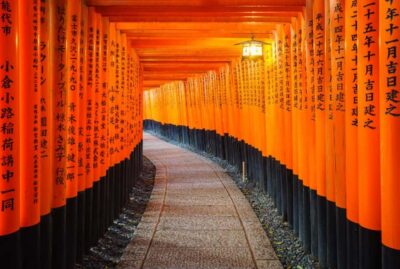
Osaka/Kyoto:Kinkakuji,Arashiyama,FushimiInariShrine,NaraPark
Read our review →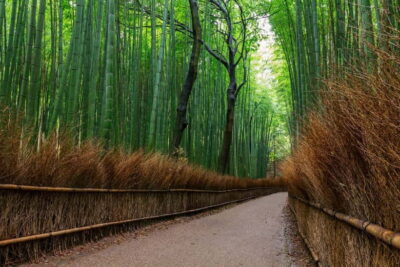
Kyoto/Osaka: Nara, Fushimi Inari Taisha, Arashiyama Bus Tour
Read our review →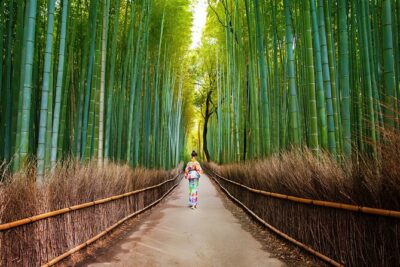
Kyoto Arashiyama Walking Tour: Bamboo, Monkeys, Gardens & Secrets
Read our review →
Arashiyama Bamboo, Temple, Monkeys, or Secret Sake Brewery
Read our review →
Arashiyama Bamboo Forest, Monkeys, Matcha & Temple Tour
Read our review →
Osaka/Kyoto: Arashiyama, Nara & Fushimi Inari Shrine w/Lunch
Read our review →
Nijo, Kinkaku-ji, Arashiyama, Kiyomizu & Fushimi Inari
Read our review →
Kyoto Ghost Tour: Dark Tales, Urban Legends, Bamboo Forest Night
Read our review →Browse the lists this tour appears in