
Reviewed · IMPERIAL PALACE & HISTORIC SITES
Kyoto: Discover Every Bit of Kyoto Imperial Palace
Kyoto Imperial Palace gives you a close look at the former home of Japan’s imperial family, from the grand Shishinden hall to the quieter spaces tied to daily court life. The palace sits inside Gyoen National Garden, so the visit combines formal architecture with peaceful paths and carefully tended gardens.
I like the way this tour puts imperial ceremonies and ordinary court life side by side. I also like the small-group or private format, especially if you want to ask questions rather than simply walk through with a crowd. The main caution is guide quality. Yoshi received warm praise for his history and sharp eye for details, but one unhappy booking described a guide who offered almost no useful information.
Key points to know before booking
- Shishinden is the star attraction: This majestic hall was used for important imperial ceremonies.
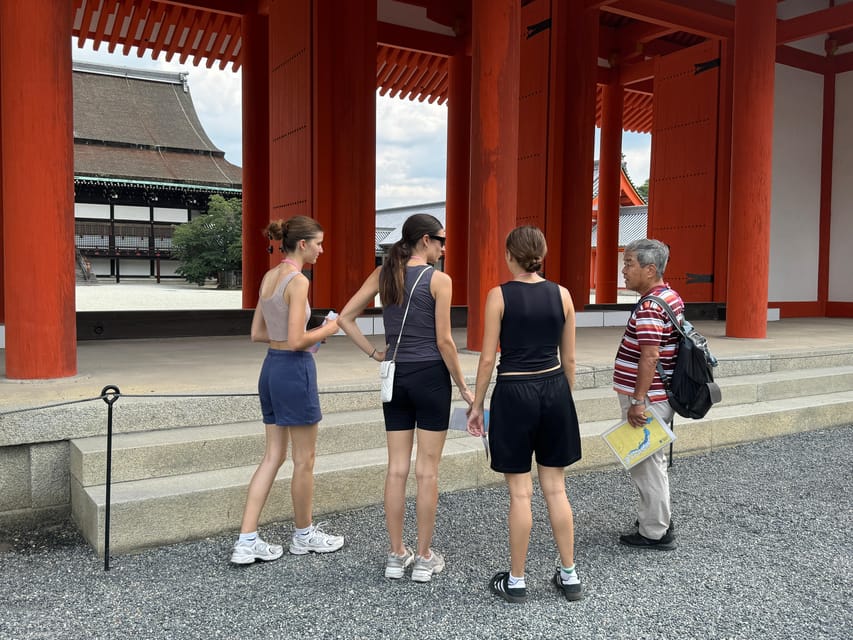
- The tour begins at Hamaguri Gate: Your guide waits in front of the gate with a yellow DeepExperience sign.
- The palace tells two stories: You’ll learn about formal state events and the emperor’s personal residence.
- The visit includes gardens as well as buildings: The interior garden received especially strong praise for its beauty.
- The advertised timing needs checking: The activity is described as one hour in one place and a 1.5-hour guided visit elsewhere.
- The price is $38 per person: That is reasonable if your guide adds real historical context, but less attractive if the visit becomes a simple walk around the grounds.
Why Kyoto Imperial Palace matters
Kyoto was Japan’s imperial capital until 1869, when the capital moved to Tokyo. The palace therefore gives you a direct connection to the period when the imperial household lived and conducted official business in Kyoto.
I find the setting useful because it shows how power was presented in traditional Japan. Large halls were built for ceremony and public importance, while more private areas reveal the routines of court life. You are not simply looking at old buildings. You are seeing the spaces arranged for rank, ritual, reception, and residence.
The palace is located inside Kyoto Gyoen National Garden, a broad green area in the center of the city. That location makes the visit feel calmer than many central Kyoto sights. The garden paths also give you a gentle transition from modern Kyoto into the world of the imperial court.
The experience focuses on explanation rather than on a long list of separate attractions. Your guide is expected to connect the buildings, gardens, and ceremonies into one story. That matters here because traditional architecture can look beautiful while remaining hard to interpret on your own.
Other historic grounds in Kyoto:
- Kyoto: Imperial Palace & Nijo Castle Guided Walking Tour
★ 4.7 · 453 reviews - Kyoto Imperial Palace & Nijo Castle Guided Walking Tour – 3 Hours
★ 4.5 · 106 reviews - Kyoto: Nijo Castle and Kyoto Imperial Palace Guided Tour
★ 4.6 · 98 reviews
Meeting at Hamaguri Gate
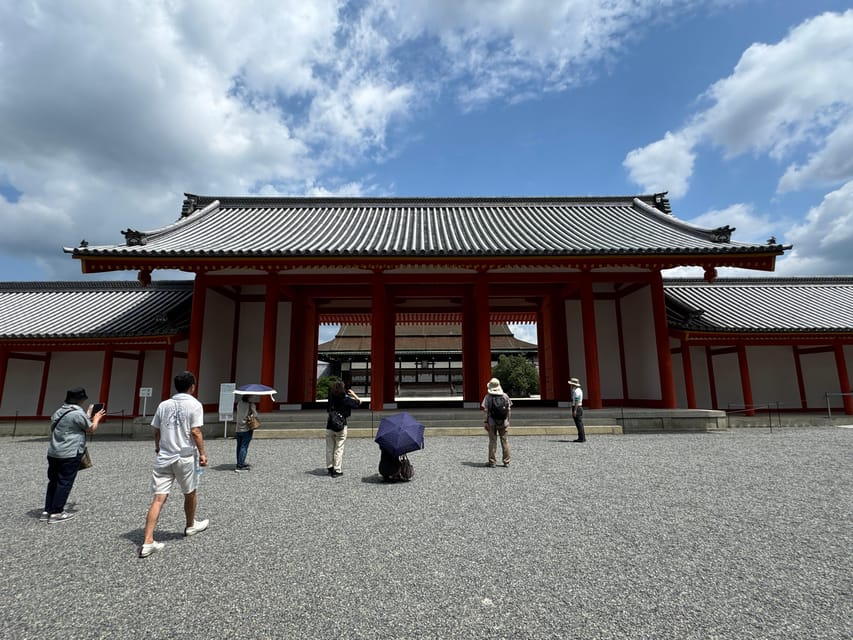
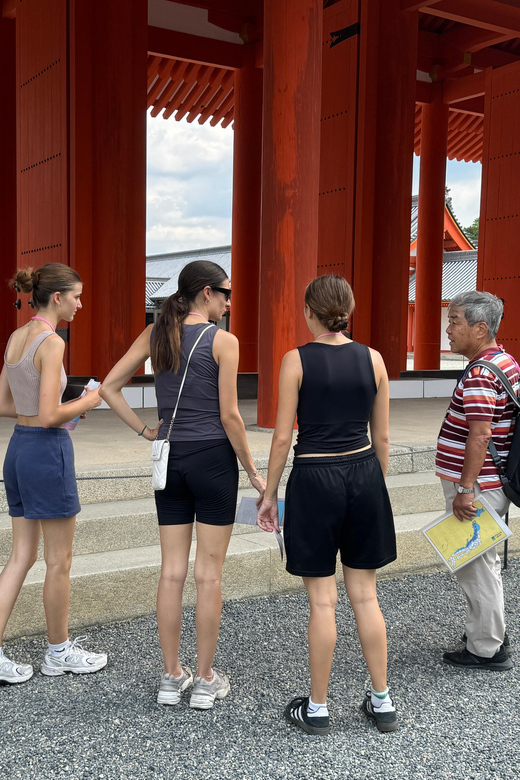
The tour starts at the Hamaguri Gomon Gate, also called Hamaguri Gate, one of the recognizable entrances to the palace grounds. You should look for the guide in front of the gate and check for the yellow sign marked DeepExperience.
This meeting point is specific, which is helpful, but you still need to allow enough time to find the correct gate within Kyoto Gyoen National Garden. Do not assume that arriving somewhere near the palace is enough. Use the supplied map and confirm that you are standing at Hamaguri Gate before the start time.
The guide leads the group back to this same point at the end. That makes the outing easy to combine with other sightseeing in the central Kyoto area. You are not being taken to a separate neighborhood or left at an unfamiliar finish point.
English is the stated tour language. Private and small-group options are available, so the experience may suit you better than a large scheduled walk if you prefer conversation and questions.
Shishinden and the grand ceremony spaces
The most impressive part of the palace is likely to be Shishinden, the main hall used for important imperial ceremonies. Its scale and formal design help explain the role of ceremony in Japan’s imperial tradition.
A good guide can make the hall more meaningful by showing you how its arrangement supported royal occasions. Instead of seeing only a handsome wooden structure, you can consider who entered, where important figures stood, and why the hall was built with such a strong sense of order.
This is also the point where guide quality matters most. The architecture carries visual power on its own, but the historical value comes from understanding its purpose. Yoshi was praised for knowing Japanese history and for pointing out details around the palace grounds. That kind of explanation can turn a short stop into the clearest part of your Kyoto sightseeing day.
Do not expect the palace to feel like a European royal residence filled with furniture and paintings. The appeal is more restrained. The buildings, open spaces, gardens, and ceremonial layout do much of the work.
Seeing the private side of imperial life
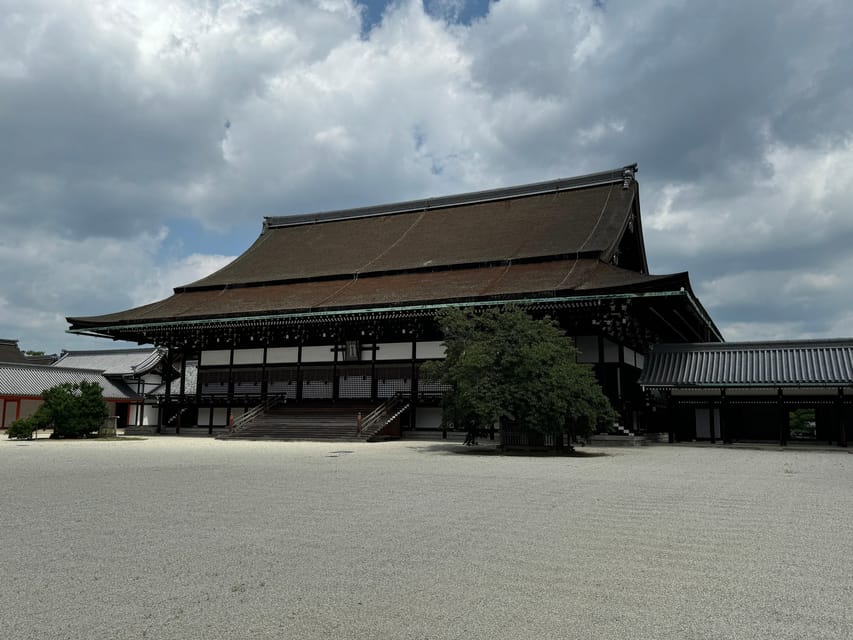
The palace is not only about grand occasions. Part of the route focuses on the emperor’s personal residence and the daily life of the imperial court.
I like this contrast. Ceremonial halls tell you how the imperial family appeared to the public. Residential spaces suggest how the household functioned away from formal events. Together, they give you a more rounded picture of the palace than a visit focused only on the largest hall.
The available information does not promise access to every interior room, so you should think of this as a guided look at the palace complex rather than a full inspection of every building. Your guide’s explanation is especially important in these quieter areas. A plain building can become interesting when you understand its role, while a poorly explained stop may feel like little more than a photo opportunity.
One booking described a guide who mainly walked alongside the group and took pictures without offering useful history. That is the clearest reason to keep expectations realistic. The tour depends heavily on the person leading it.
Same base, a different sort of day:
- PERFECT KYOTO 1-Day Bus Tour
★ 5.0 · 13,518 reviews - Kyoto: Fushimi Inari, Kinkakuji, Bamboo Grove 1 Day Bus Tour
★ 4.8 · 4,316 reviews - Kyoto: Tea Ceremony in a Traditional Tea House in Kiyomizu
★ 4.9 · 3,519 reviews - Kyoto Geisha Walking Tour: Gion District & Hidden Gems
★ 4.7 · 3,273 reviews
Gardens that slow the pace
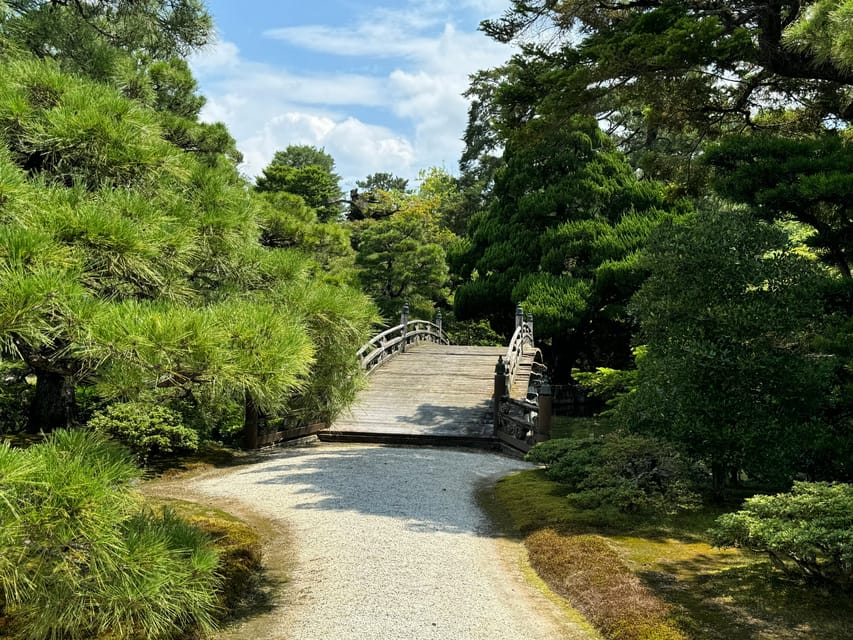
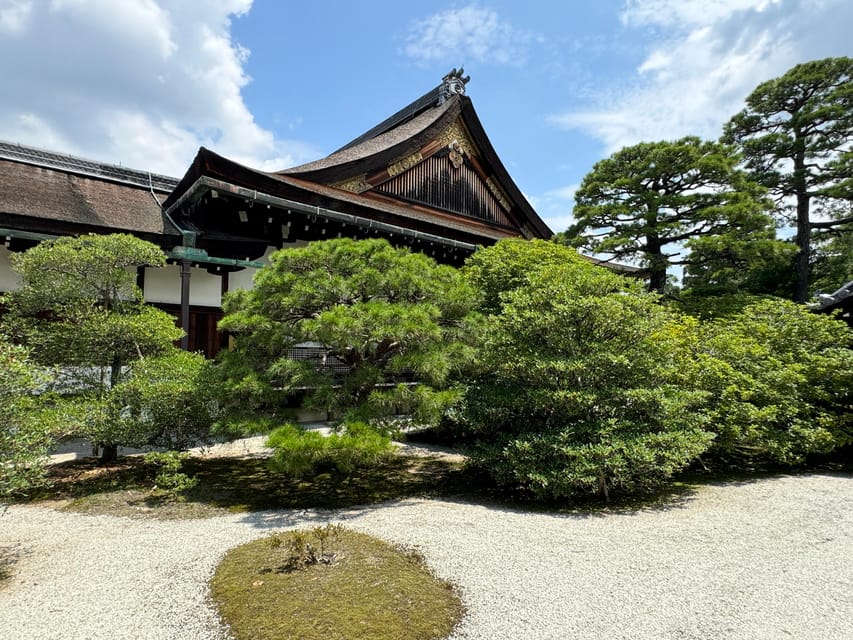
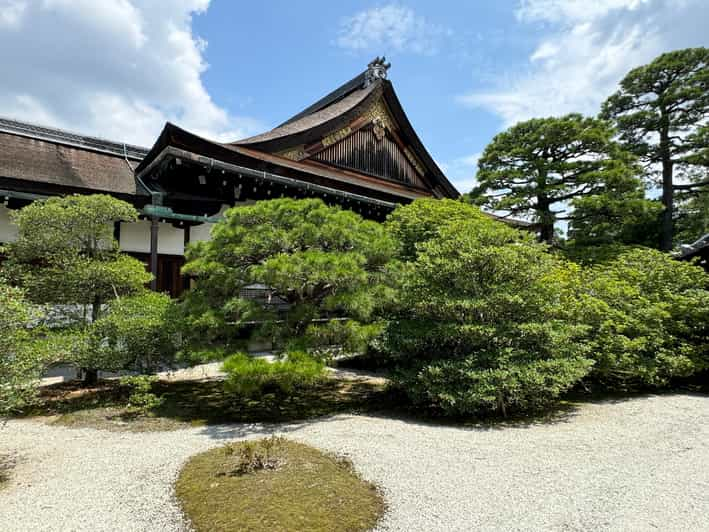
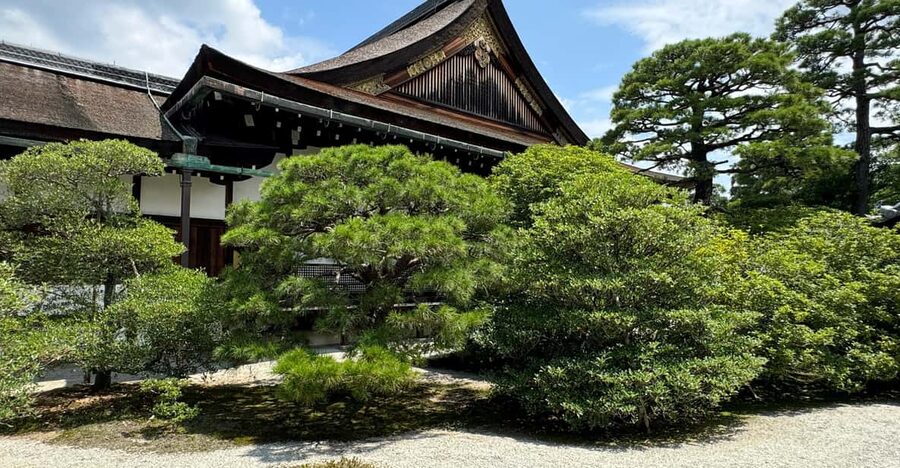
The palace grounds include carefully arranged Japanese gardens, and the interior garden drew particularly strong praise for its beauty. This is a welcome part of the visit because the palace buildings can feel formal and serious.
The gardens give you space to notice smaller details and take photographs. They also provide a pause between discussions of ceremonies, rank, and imperial tradition. I would not rush this section. Look at how the paths, plantings, and open views frame the buildings around them.
At the same time, the garden portion is not presented as a separate garden tour. Its value comes from the way it completes the palace visit. You are seeing the setting in which the imperial buildings were placed, not simply checking off another garden attraction.
One strong response to the experience described the interior garden as jaw-droppingly beautiful. That enthusiasm makes sense, but your enjoyment will depend on the season, weather, and your own interest in Japanese garden design. The safe expectation is a serene setting that adds visual variety to the historical tour.
What the guide can add
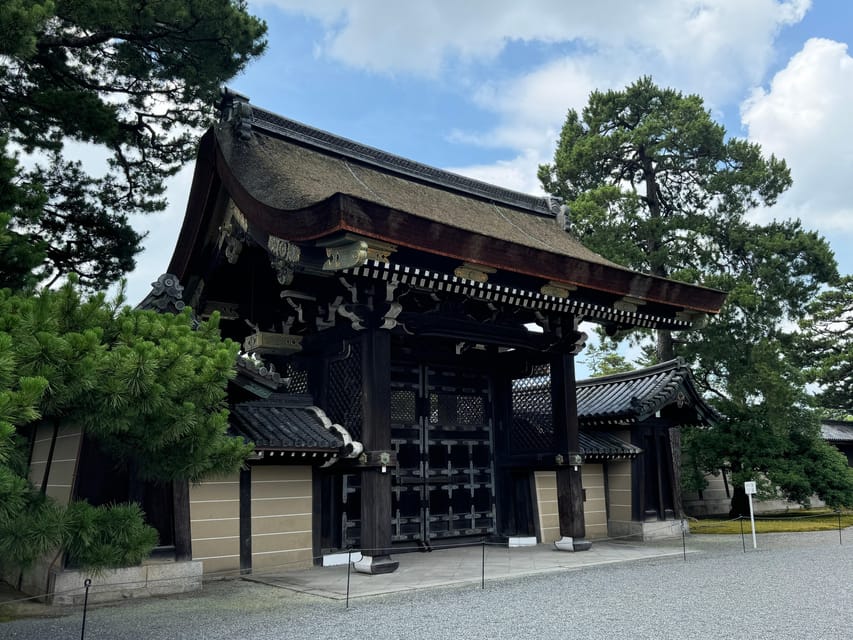
This experience succeeds or fails on interpretation. The palace grounds are free to enter, so the $38 price is paying mainly for the guide’s time and explanation rather than for an admission ticket.
A strong guide should help you understand:
- Why Kyoto served as the imperial capital before 1869
- How Shishinden was used for major ceremonies
- How official buildings differed from private residences
- What the palace layout says about rank and court life
- Which architectural details are easy to miss without assistance
Yoshi received especially positive attention for his knowledge of Japanese history and for showing interesting details within the grounds. A French-speaking booking also praised a dynamic, cultured guide who answered many questions in a friendly and considerate way, though no name was provided.
The feedback is not uniformly positive. A German booking called the guide friendly and hard-working but felt the accessible areas could have been seen without paying for a guide. Another gave the lowest possible score because the guide supplied almost no information. That range tells you exactly how to judge the value: book for a strong human explanation, not merely for access.
If you are already comfortable reading palace information on your own, the added cost may not feel worthwhile. If you want someone to explain why each space matters, the fee can be fair.
Timing, group size, and pace
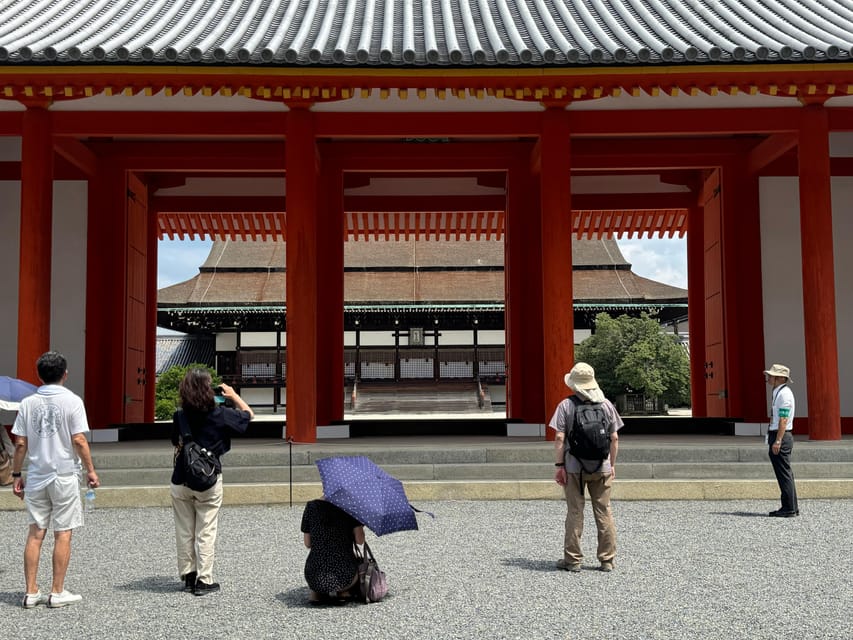
The stated duration is inconsistent. The summary gives one hour, while the detailed route describes a 1.5-hour guided visit. Check the available start time and current duration before you pay, especially if you have a train reservation, restaurant booking, or another Kyoto attraction scheduled afterward.
Either way, this is a short experience. It is not designed to occupy a full morning or afternoon. That makes it easy to fit between other central Kyoto plans, but it also means the guide must use time well.
A private or small-group format should make it easier to ask about details that interest you. It may also help if you want a slower look at the gardens or need an explanation repeated. The exact group size is not specified, so do not assume that every departure will feel fully private.
The route begins and ends at Hamaguri Gate. Since there is no separate transportation included, you are responsible for reaching the meeting point.
Is $38 a fair price?
At $38 per person, this is a moderate price for a short guided cultural experience in Kyoto. Entry to Kyoto Imperial Palace is free, so the value rests almost entirely on the quality of the English-speaking guide.
I would call it good value for three kinds of visitors. First, it suits anyone who wants clear historical context without spending hours in a museum. Second, it works for people who enjoy asking questions about architecture, ceremony, and the imperial household. Third, it can be useful for first-time visitors who want a structured introduction to the palace.
The value is weaker if you mainly want to wander through the grounds, take photographs, and read signs at your own pace. You can see the accessible areas without paying for a guide, according to one critical assessment. In that case, the $38 is buying convenience and interpretation you may not need.
The free cancellation policy, allowing a full refund up to 24 hours before the activity, reduces some booking risk. You can also reserve now and pay later, which helps if your Kyoto schedule is still changing.
Who should book this palace walk?
I would recommend this tour to you if you enjoy history but do not want a dry lecture. The best version of the experience combines the visual drama of Shishinden, the quieter appeal of the residential areas, and the gardens that connect them.
It is also a good match for visitors who value a small-group or private setting. You can ask about details that a large group might pass without stopping for.
Families and first-time Kyoto visitors may appreciate the one-stop introduction to the imperial household. The short duration keeps the outing manageable, though the precise timing should be confirmed before booking.
I would hesitate if you are mainly seeking guaranteed expert commentary. The mixed guide feedback means the experience is not equally strong every time. If you book, arrive ready to ask questions. That may help you get more from the visit, particularly if the guide is less forthcoming.
My verdict on the Kyoto Imperial Palace experience
Book this tour if you want the palace’s buildings to make sense, not just look attractive. The strongest reasons to go are Shishinden, the chance to connect ceremonial spaces with private court life, and the calm gardens inside Kyoto Gyoen National Garden.
The $38 price is justified when your guide explains the history clearly and points out details you would otherwise miss. Yoshi’s praised approach shows what the tour can offer at its best. But because guide quality appears uneven, this is not a risk-free purchase.
For an independent visitor who only wants access, skip the guide and explore the free grounds. For a curious visitor who wants context, questions, and a compact look at Japan’s imperial past, this is a sensible addition to a Kyoto itinerary.
FAQ
Where does the tour meet?
Meet in front of the Hamaguri Gate, also called Hamagurigomon, at Kyoto Imperial Palace.
How will I recognize the guide?
The guide will be waiting with a yellow sign marked DeepExperience.
Where does the tour finish?
The tour returns to the Hamaguri Gate meeting point.
How much does the experience cost?
The listed price is $38 per person.
Is entry to Kyoto Imperial Palace included?
Entry to Kyoto Imperial Palace is included and is listed as free.
How long does the tour last?
The activity information gives a duration of one hour, while the detailed route describes a 1.5-hour guided visit. Check the current timing when selecting your start time.
What language is the tour conducted in?
The live tour guide speaks English.
Is this a private tour?
Private or small-group options are available. The exact group size depends on the option you choose.
Can I cancel for a refund?
Yes. You can cancel up to 24 hours in advance for a full refund.
Do I have to pay when I book?
No. The reserve now and pay later option lets you hold a place without paying immediately.
Just added in Kyoto
- Private Cooking Class Udon in Kyoto Japan★ 5.0 · 23 reviews
- Your Private Vacation Photography Session In Kyoto★ 5.0 · 110 reviews
- Kyoto: Zen Meditation at a Private Temple with a Monk★ 5.0 · 25 reviews
- Private Pewter Sake Cup Experience with a Kyoto Artisan★ 5.0 · 31 reviews
- Kyoto Wagashi(Japanese sweets) Cooking Class near Fushimiinari★ 5.0 · 60 reviews
- Kyoto:Family-Friendly Kimono & Yukata Experience at WARGO★ 5.0 · 147 reviews
- Private Guided Traditional Buddhist Cooking in Japan★ 5.0 · 16 reviews
- Kyoto: Gion Geisha District & Sake-in-Hand Walking Tour★ 5.0 · 37 reviews
Imperial Palace & Historic Sites, compared.
Imperial Palace and Shogun Historical Walking Tour
Read our review →
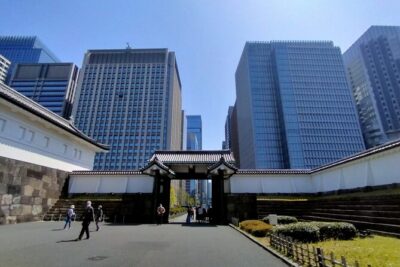
Imperial Palace East Garden and Edo Castle Walking Tour in Tokyo
Read our review →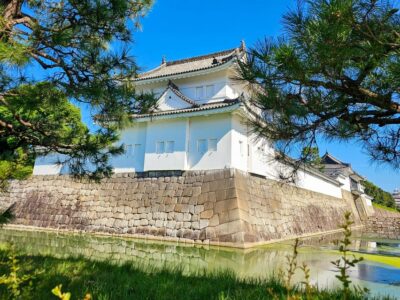
Imperial Palace & Nijo Castle Guided Walking Tour
Read our review →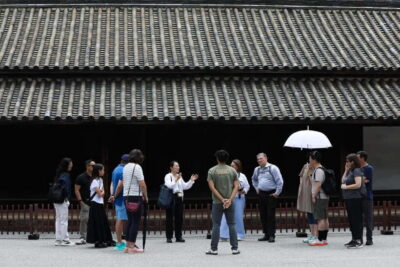
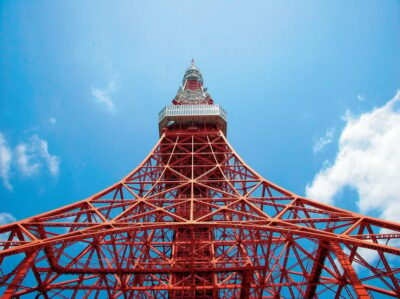
Imperial Palace, Sensō-ji Temple, & Tokyo Tower Tour
Read our review →
Tokyo Castle, Imperial Palace, Shogun & Garden Walking Tour
Read our review →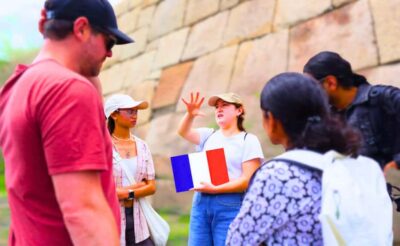
Imperial Palace, the history of Japan (ENGLISH GUIDE)
Read our review →Browse the lists this tour appears in