Reviewed · TOURS IN KYOTO
Kyoto Highlights 7-Hour Private Guided Tour
Kyoto packs centuries of temples, gardens, shrines, markets, and old streets into a city that can feel hard to sort out on your own. This seven-hour private tour gives you one guide, one route, and four major stops, with enough time to ask questions and adjust the day’s pace.
I especially like the one-on-one cultural context and the smart use of public transportation. Guides such as Mie, Choco, Choca, and Mei have helped visitors understand what they are seeing, not simply point at buildings. The trade-off is that you must choose one side of Kyoto, unless you book both routes, and some days will involve plenty of walking.
Key points at a glance
- Two distinct routes: Choose bamboo groves, gardens, Kinkakuji, and a castle in the northwest, or sake, shrines, temples, and old lanes in the southeast.
- A genuinely private experience: Your guide can answer questions directly and help you handle local transportation.
- Strong cultural explanation: Guides add context about Japanese customs, temples, shrines, gardens, and the Edo period.
- Transport and temple admission included: You also receive a one-day bus pass to use after the tour.
- A full but manageable day: The tour runs from 9:00 to 16:00, ending near Gion according to the tour details.
- Best for first-time Kyoto visitors: You see major sights efficiently without having to plan every train, bus, and walking connection yourself.
One Kyoto day, two very different choices
The biggest decision comes before you meet your guide. The northwest route and southeast route show different sides of Kyoto, and neither is a poor choice.
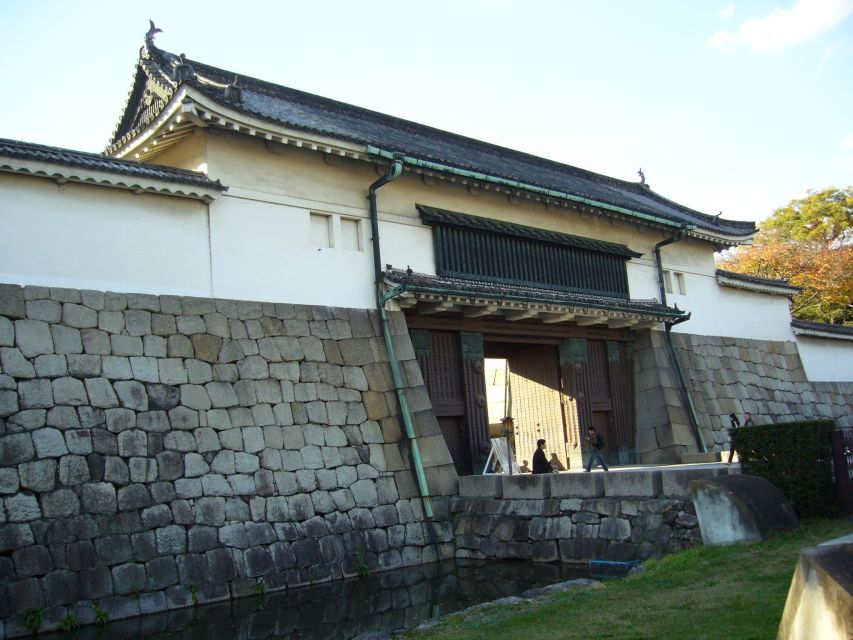
The northwest route combines the Bamboo Grove, Ryoanji Temple’s Rock Garden, the Golden Pavilion, and either Nijo Castle or Nishiki Market. It has a strong mix of nature, temple design, Japanese gardens, and political history.
The southeast route includes a sake brewery, Fushimi Inari Taisha, Sanjusangendo Temple, Kiyomizudera Temple, and either the Ninenzaka or Sannenzaka slope. It is a good pick if you want shrine gates, traditional streets, religious art, and a taste of Kyoto’s sake culture.
The stated plan centers on four major attractions, but each route includes alternatives and several linked areas. Ask exactly which four stops are planned when you book. The route may include more than four named places, but time and local conditions can affect how long you spend at each one.
Other experiences people book in Kyoto:
- PERFECT KYOTO 1-Day Bus Tour
★ 5.0 · 13,518 reviews - Kyoto: Fushimi Inari, Kinkakuji, Bamboo Grove 1 Day Bus Tour
★ 4.8 · 4,316 reviews - Kyoto: Tea Ceremony in a Traditional Tea House in Kiyomizu
★ 4.9 · 3,519 reviews
Starting at Hotel Granvia Kyoto
The tour begins at 9:00 from Hotel Granvia Kyoto, inside the JR Kyoto Station building. This is a practical meeting point because Kyoto Station is the city’s main transport hub, though you do not receive hotel pickup or hotel drop-off.
Your guide meets you at a centrally located point, with the exact meeting location possibly changing according to the route you book. Arrive early enough to find the correct spot inside the large station complex. If you are staying elsewhere in Kyoto, allow time to reach the station before the 9:00 start.
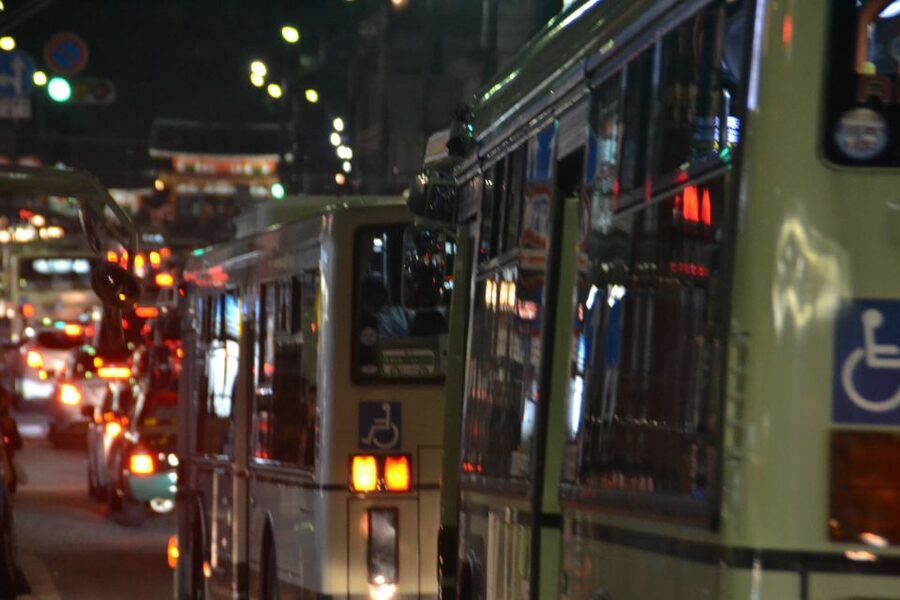
A private guide matters here. Kyoto’s transport system is manageable, but the city’s attractions are spread out. Several short transfers and walks can eat into a day if you are unsure where to go. Guides have helped visitors move between local transportation systems and avoid wasting time.
The northwest route: bamboo, gardens, gold, and a castle
Bamboo Grove
The Bamboo Grove gives the northwest route its most instantly recognizable opening. Tall bamboo creates a narrow green corridor, and the setting feels very different from Kyoto’s temple grounds and city streets.
This is a beautiful place, but do not expect solitude. The appeal comes from the bamboo itself and the quick change of scene from urban Kyoto. Your guide can help put the area into context and keep the visit connected to the rest of the route rather than treating it as a quick photo stop.
The grove also brings a practical point: comfortable shoes matter. The day includes several temple visits, gardens, and transportation changes, so this is not a tour for dress shoes or difficult footwear.
Same base, a different sort of day:
- Kyoto Geisha Walking Tour: Gion District & Hidden Gems
★ 4.7 · 3,273 reviews - Kyoto: Tea Ceremony Ju-An at Jotokuji Temple
★ 4.9 · 3,207 reviews - Kyoto: Gion Magical Night Walking Tour with Geisha Trivia
★ 4.9 · 2,393 reviews - Kyoto: 45-Minute Tea Ceremony Lesson Experience
★ 4.3 · 2,378 reviews
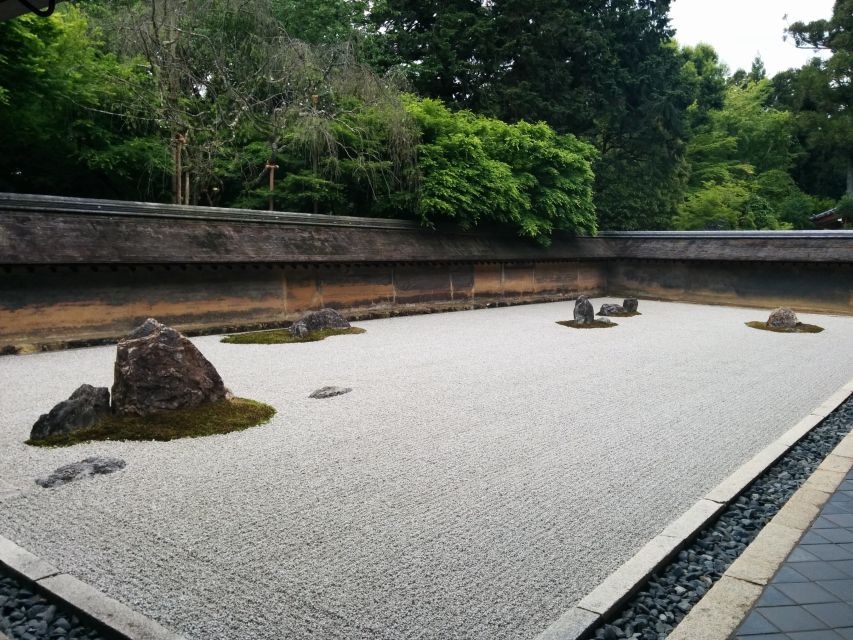
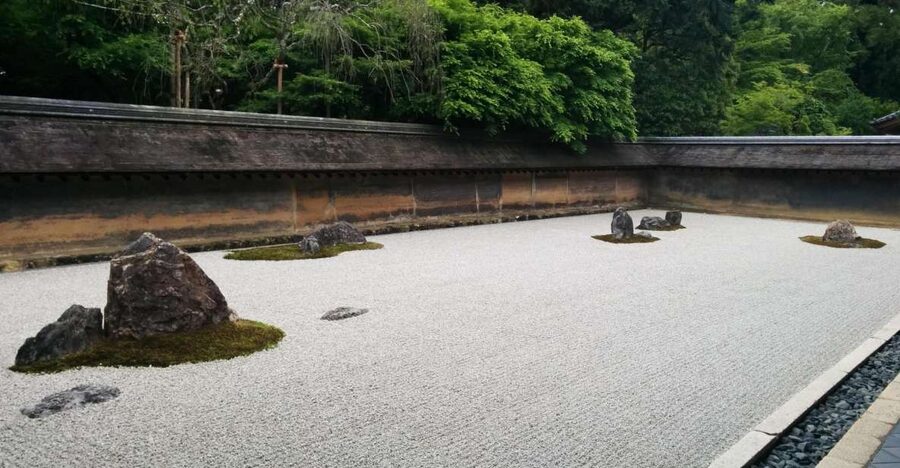
Ryoanji Temple and the Rock Garden
Ryoanji is home to Kyoto’s famous Rock Garden, a spare arrangement that rewards quiet attention. The garden is not about a long list of objects or displays. Its appeal comes from the way empty space, stones, and carefully maintained surroundings make you slow down.
A guide adds real value here. Without some explanation, you may simply see rocks in a rectangular garden and move on. With context about Japanese garden design and temple life, the visit becomes easier to appreciate.
The tour also includes beautiful garden settings beyond the Rock Garden. One benefit of a private guide is that you can ask what to notice, how the space is used, and why the setting matters. The pace is described as leisurely, but four major stops still make this a full day.
Kinkakuji, the Golden Pavilion
Kinkakuji is one of Kyoto’s best-known sights, with its gold-covered pavilion beside a pond. It is a high-demand stop for good reason, but its fame also means it can feel less intimate than a smaller temple.
I would treat this as a visual highlight rather than a quiet spiritual visit. You will want time to look at the pavilion, its reflection, and the surrounding grounds, but the overall experience depends on how crowded the area is that day.
This is another stop where the guide’s explanation helps. The building is not just a pretty golden landmark. Its place in Kyoto’s religious and cultural story gives the visit more weight than a photograph alone.
Nijo Castle or Nishiki Market
The final choice on the northwest route changes the mood of the day.
Nijo Castle offers a look at political power and the Edo period. It pairs well with the gardens and temples because it adds a different side of Kyoto: the city as a seat of authority, not only a religious center.
Nishiki Market brings you closer to food, shops, and everyday commercial life. Food and drinks are not included, but the market can add welcome variety after several temples. It may be the better fit if you want a more active street experience, though the day’s schedule may limit how long you browse or eat.
If you have a strong preference, say so before the tour begins. The choice between castle and market is not a small detail. It changes the balance of the route.
The southeast route: sake, shrine gates, and old Kyoto streets
A Kyoto sake brewery
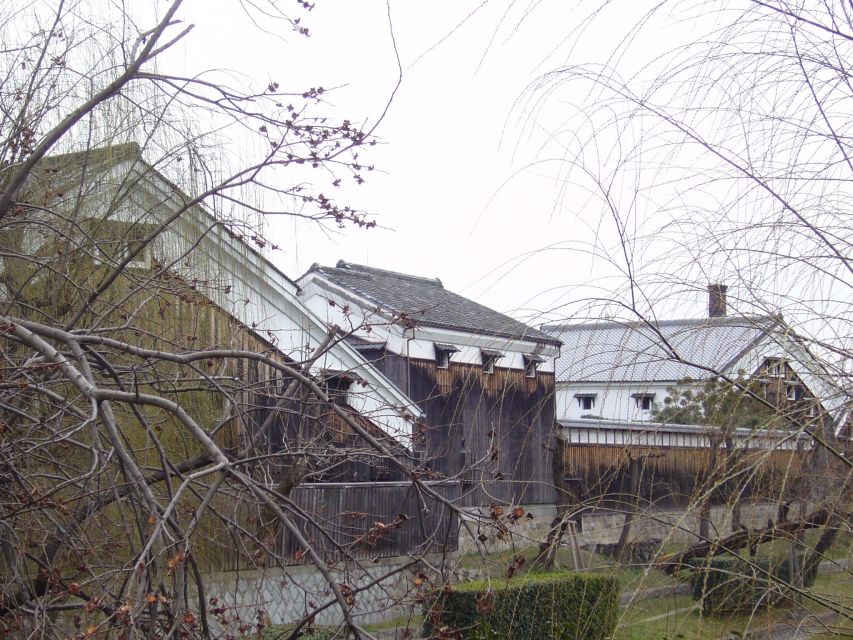
The southeast route begins with a sake brewery, giving the day a local industry angle that the northwest route does not offer. Sake is closely tied to Japanese food and ceremony, and a brewery visit helps explain why Kyoto is more than temples and old wooden streets.
The available details do not specify tastings or food, so do not assume either is included. Food and drinks are excluded from the tour price. Still, the stop gives you a useful introduction to sake production and Kyoto’s brewing tradition before moving on to major religious sites.
Fushimi Inari Taisha
Fushimi Inari Taisha is known for its long runs of red torii gates. The shrine is one of the southeast route’s defining sights, and it gives you a very different visual experience from Kinkakuji or Ryoanji.
The grounds extend uphill, so the amount of walking can vary. The tour does not promise a full climb, and the guide can help shape the visit around the day’s schedule. If you want to spend a long time going deep into the torii-lined paths, ask how that fits with the remaining stops.
A guide is useful at a shrine because the customs are not always obvious to first-time visitors. One-on-one help can prevent small mistakes and explain what you are seeing without making the visit feel like a lecture.
Sanjusangendo Temple
Sanjusangendo brings impressive temple art and architecture into the southeast itinerary. It is a welcome contrast to the open paths at Fushimi Inari and the outdoor streets around Kiyomizudera.
The temple is known for its long interior hall and rows of Buddhist figures. The provided tour details do not list every display, so your guide will be the best person to explain what is being shown during your visit and how the temple fits Kyoto’s religious culture.
This stop also gives you an indoor change of pace. After walking through shrine grounds and city streets, a temple hall can make the day feel more varied.
Kiyomizudera Temple
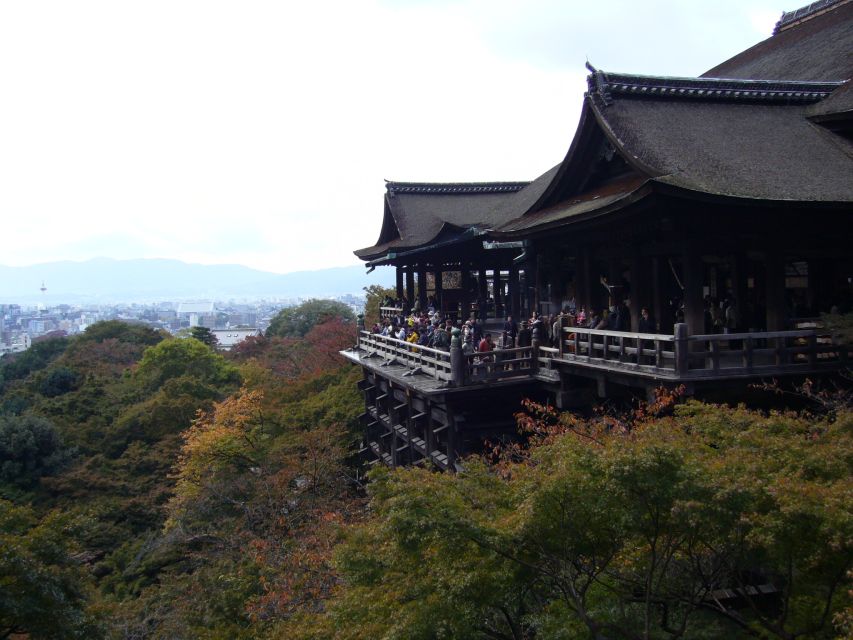
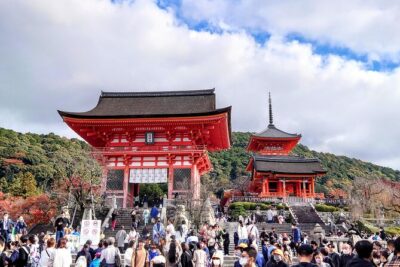
Kiyomizudera is one of Kyoto’s major temple destinations, set above the city and associated with some of its best-known views. It is a popular place, so expect a major attraction rather than a quiet neighborhood temple.
The value of visiting with a private guide is strongest here. You can ask about the temple’s buildings, religious practices, and the meaning of what you see instead of moving through the site with only a camera and a map.
The surrounding streets also make this part of the route feel distinctly Kyoto. Allow for walking and crowds. If you want plenty of time at Kiyomizudera and the old lanes, mention that preference when discussing the route.
Ninenzaka or Sannenzaka
The Ninenzaka and Sannenzaka slopes connect the temple area with old Kyoto streets, shops, and traditional-looking buildings. These lanes provide a more informal finish than a single temple compound.
They are also uneven and sloped, so comfortable shoes are important. The tour details do not promise shopping time or specific food stops, and meals are not included. You can still use the walk to get a feel for Kyoto’s older street pattern and perhaps note places to return to later.
What a private guide adds
The strongest feature of this tour is not simply the number of sights. It is the chance to ask questions as they come up.
Visitors who have taken the tour have worked with guides including Mie, Choco, Choca, and Mei. The consistent strengths are clear: friendly conversation, strong English, useful historical context, and help with local transportation. Choca has also guided visitors to a local ramen place for lunch, but that is not a guaranteed inclusion, so plan to pay for your own meal.
A private setting is especially helpful if you are new to Japan. You can ask how to behave at a shrine, what details matter in a garden, or why two temples feel so different. One guide can also adjust explanations for adults, families, or people who want more cultural background.
The experience is not a small-group tour where you simply follow a flag. That privacy usually means a higher price, but it also reduces the chance that your questions go unanswered.
Is $215 per person good value?
At $215 per person, this is not the cheapest way to see Kyoto. The price is easier to justify if you value a private English-speaking guide, temple admission, transportation, and a full day built around major sights.
The included transportation matters because Kyoto’s attractions are spread across different parts of the city. The included one-day bus pass can also be used after the tour, giving you extra value if you plan to continue sightseeing independently.
The tour does not include food or drinks, and you must arrange your own hotel transport. Those costs are modest compared with the tour price, but they belong in your daily budget.
For a solo visitor, $215 may feel steep. For a couple, family, or two pairs of friends sharing a private guide, the cost can make more sense. The strongest reason to pay is the time saved and the cultural explanation, not simply the admission tickets.
Timing, walking, and the end of the day
The scheduled day runs from 9:00 to 16:00. That is long enough to see a substantial part of Kyoto without committing to a late evening.
You will walk through temple grounds, gardens, shrine areas, slopes, and market or castle spaces. The pace is intended to be relaxed, but the number of stops means you should be ready for a full day on your feet.
The tour information says the day ends near Gion, Kyoto’s geisha district, and recommends a separate evening walk there. Another meeting-point note says the activity ends back at the meeting point, so confirm the exact end location for your selected option.
A one-day bus pass is included for use after the tour as well. That is a handy bonus if you want to continue exploring after 16:00.
Booking details worth checking
The tour is offered in English, with a private licensed guide. You select the northwest or southeast itinerary when booking, so think about your priorities first.
The tour offers reserve and pay later, allowing you to hold a place without paying immediately. Cancellation information should be checked carefully because the supplied conditions are inconsistent: one section says cancellation up to 24 hours in advance receives a full refund, while another says two days before costs 50 percent and one day before or the same day costs 100 percent. Confirm the rule that applies to your booking before you rely on it.
Who should book this Kyoto tour?
I would choose this tour if you have one main day in Kyoto and want help fitting major sights together. It suits first-time visitors, couples, families, and anyone who prefers questions and explanations over independent route planning.
Choose the northwest route if bamboo, Japanese gardens, Kinkakuji, and Nijo Castle appeal most. Choose the southeast route if sake, Fushimi Inari, Sanjusangendo, Kiyomizudera, and old Kyoto streets are higher on your list.
If you already know Kyoto well, or prefer lingering at one temple for hours, the fixed seven-hour route may feel too structured. If you want to see both sides, booking both routes is the clearest option, allowing eight locations at a more relaxed pace.
FAQ
How long does the Kyoto Highlights tour last?
The tour runs for seven hours, from 9:00 to 16:00.
Where does the tour begin?
The standard starting point is Hotel Granvia Kyoto in the JR Kyoto Station building. The exact meeting point may vary by the option booked.
Where does the tour end?
The tour details say it ends near Gion, the geisha district of Kyoto. Another meeting-point note says the activity ends back at the meeting point, so confirm the final location for your selected itinerary.
Which routes can I choose?
You can choose a northwest-bound route or a southeast-bound route when booking.
What is included on the northwest route?
The northwest route visits the Bamboo Grove, Ryoanji Temple’s Rock Garden, the Golden Pavilion, and either Nijo Castle or Nishiki Market.
What is included on the southeast route?
The southeast route visits a sake brewery, Fushimi Inari Taisha, Sanjusangendo Temple, Kiyomizudera Temple, and either Ninenzaka or Sannenzaka.
Is transportation included?
Yes. Transportation during the tour and a one-day bus pass are included. The bus pass can also be used after the tour.
Are meals and drinks included?
No. Food and drinks are not included in the tour price.
Is hotel pickup available?
No. Hotel pickup and drop-off are not included. You meet the guide at a centrally located meeting point.
Should you book it?
Book this tour if you want Kyoto’s major sights explained by a private guide and you would rather spend your day seeing places than working out routes. The private format, included transportation, temple admission, and one-day bus pass make the $215 price easier to defend for small groups.
Choose your route carefully. The northwest option gives you the best blend of bamboo, gardens, temples, and a castle or market. The southeast option offers sake, shrine gates, major temples, and old streets. If you want both, book both routes.
Just added in Kyoto
- Private Cooking Class Udon in Kyoto Japan★ 5.0 · 23 reviews
- Your Private Vacation Photography Session In Kyoto★ 5.0 · 110 reviews
- Kyoto: Zen Meditation at a Private Temple with a Monk★ 5.0 · 25 reviews
- Private Pewter Sake Cup Experience with a Kyoto Artisan★ 5.0 · 31 reviews
- Kyoto Wagashi(Japanese sweets) Cooking Class near Fushimiinari★ 5.0 · 60 reviews
- Kyoto:Family-Friendly Kimono & Yukata Experience at WARGO★ 5.0 · 147 reviews
- Private Guided Traditional Buddhist Cooking in Japan★ 5.0 · 16 reviews
- Kyoto: Gion Geisha District & Sake-in-Hand Walking Tour★ 5.0 · 37 reviews
Tours in Kyoto, compared.
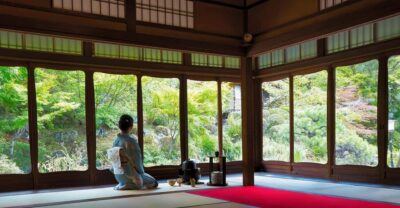
Tea Ceremony in a Traditional Tea House in Kiyomizu
Read our review →
Kyoto Geisha Walking Tour: Gion District & Hidden Gems
Read our review →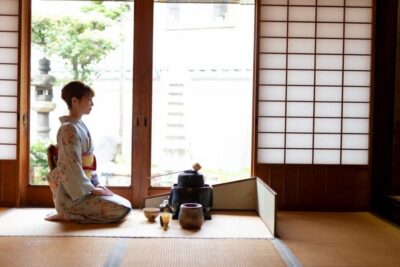
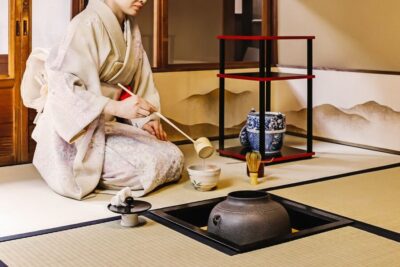

Gion Geisha District Walking Tour – Stories of Geisha
Read our review →
Best of Kyoto: Gion, Geisha, Pagodas & Cobblestones
Read our review →