
Reviewed · JAPANESE GARDEN TOURS
Kyoto: Japanese Gardens Private Customizable Tour
Kyoto’s gardens reward slow looking, and this private six-hour tour gives you something a standard sightseeing route cannot: a guide who can shape the day around your interests. You may focus on dry Zen gardens, seasonal plants, imperial villas, or a mix of famous temples and quieter sites. Guides such as Shoji, Kazu, and Yuka have led visitors through these places with clear explanations and a relaxed pace.
I like the custom itinerary, since Kyoto’s garden list is long and the sites are spread across the city. I also like having a local guide explain why rocks, moss, water, plants, and empty space appear where they do, rather than leaving you to guess at the meaning.
The main catch is cost. At $151 per person, this is best value for a small private group that wants help making choices. Entrance fees, meals, and transportation during the tour are extra, so your final cost depends on the route you choose.
Key Points to Know Before Booking
- Choose the route yourself: Request famous gardens such as Ryoanji, Ginkakuji, Kinkakuji, or Nanzenji, or allow your guide to plan the day.
- Expect six hours on the move: Pickup is on foot from your hotel or a train station, with public transportation or taxis used during the tour.
- Garden design is the focus: Your guide explains the use of rocks, plants, water, space, and temple settings.
- English or Japanese guidance: The tour is offered with a live guide in either language.
- Private means flexible: You can ask for special requests and adjust the day more easily than on a fixed group excursion.
- Budget for extras: Admission fees, food, drinks, and transportation costs are not included.
Why a Private Garden Tour Works Well in Kyoto
Kyoto has no shortage of famous gardens. The problem is deciding which ones belong in your day.
A private guide can help you avoid building an awkward route that zigzags across the city. You can name the gardens that matter most to you, then ask the guide to arrange the rest. Or you can arrive with no firm plan and let the guide select a sensible combination.
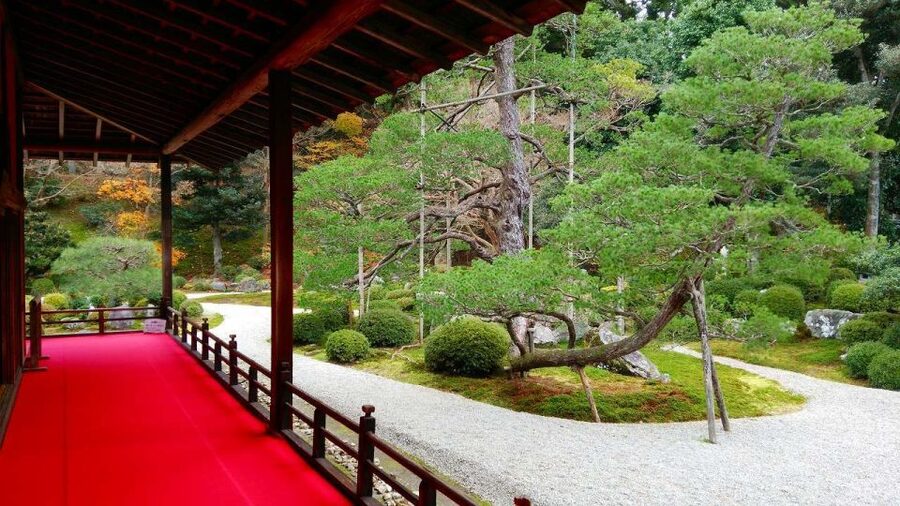
That freedom matters because Kyoto’s gardens are not all trying to do the same thing. A dry Zen garden uses rocks, gravel, and carefully limited planting. A strolling garden may lead you through changing views, ponds, bridges, and seasonal growth. Temple gardens can feel spare and controlled, while an imperial villa may show a broader idea of beauty tied to architecture and changing scenery.
I would use this tour to ask questions that signs rarely answer. Why are certain stones placed together? Why does a garden leave part of its ground empty? What does a raked gravel pattern suggest? Your guide can connect those choices to Zen practice, Japanese taste, temple life, and local customs.
The strongest guide experience depends on the person assigned to your booking. Shoji has been described as easy to spend time with and good at giving the right amount of information. Kazu planned a full day covering Kyoto, Japanese culture, and local customs. Yuka was praised for being thoughtful and well informed. These details matter because a six-hour private tour gives you plenty of time for conversation, not just a list of facts.
Other gardens to walk in Kyoto:
- Kyoto Arashiyama Walking Tour: Bamboo, Monkeys, Gardens & Secrets
★ 5.0 · 1,216 reviews - Kyoto Zen Meditation & Garden Tour at a Zen Temple with Lunch
★ 5.0 · 441 reviews - Kyoto Arashiyama Bamboo forest & Garden Half-Day Walking Tour
★ 5.0 · 413 reviews
Ryoanji and the Meaning of a Dry Garden
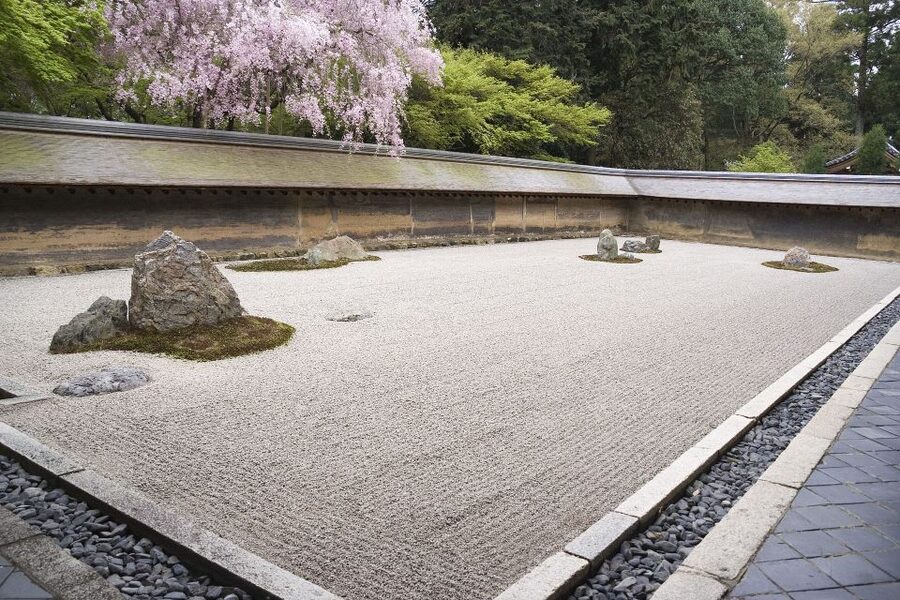
Ryoanji is the clearest choice if your main interest is Zen garden design. Its famous dry garden uses rocks set within a field of pale gravel, with very little plant material competing for attention.
The appeal is not a long checklist of objects. It is the act of looking slowly and noticing proportion, spacing, texture, and the way the garden changes from different positions. Your guide can give you cultural context, then leave room for you to form your own response.
Ryoanji is also one of the most recognizable stops on the possible route, so it can be a sensible priority if this is your first visit to Kyoto. The drawback is that a famous site may attract many other people. A private guide cannot control the crowd, but can help you understand what you are seeing and decide how much time to give it.
If you want several Zen gardens in one day, tell your guide clearly. A route built around Ryoanji, Daitokuji, and another temple will feel quite different from a day centered on imperial residences and botanical collections.
Ginkakuji and Kinkakuji, Two Very Different Temple Settings
Ginkakuji and Kinkakuji are often paired in Kyoto sightseeing plans, but they offer contrasting experiences.
Kinkakuji, the Golden Pavilion, is famous for its shining exterior and pond setting. It is the image-driven stop: you go partly for the view and partly to see how a building, water, trees, and reflections are arranged together. Your guide can help you look beyond the pavilion itself and notice the setting that makes the view work.
Ginkakuji, often called the Silver Pavilion, is better suited to a discussion of restraint and garden composition. Its grounds include both a dry garden and planted areas, offering a useful comparison with Kinkakuji. The two sites can help you see that Japanese garden design is not one fixed style.
These temples are popular, so allow your guide to advise on timing and the order of stops. Exact crowd levels and travel times are not guaranteed, and transportation costs are extra. If you want a quiet day with little movement, asking for both may make the schedule feel rushed.
Nanzenji, Honen-in, and Tofukuji for a Temple-Centered Day
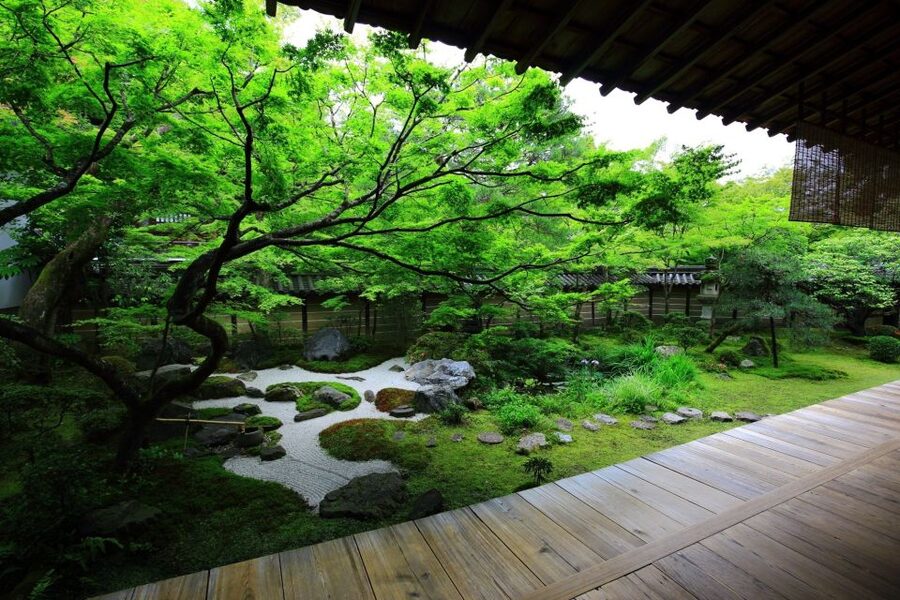
Nanzenji gives your guide another strong setting for explaining temple grounds, garden composition, and Kyoto’s religious traditions. It can work well in a route with Honen-in, especially if you want temple gardens that feel different from the best-known tourist images.
Tofukuji is another possible stop, and it gives you a chance to compare garden styles within a major temple setting. The value of visiting several temples is not simply collecting names. It is learning to spot repeated ideas, then seeing how each designer used them differently.
Honen-in may appeal to you if you prefer a quieter, more reflective stop, though the exact pace and site selection depend on your guide and the route you request. Ask for a temple-focused itinerary if you want the day to stay centered on gardens rather than adding imperial sites or the bamboo forest.
A private tour is especially useful here because you can tell the guide when you have had enough of formal explanation. Some people want detailed cultural background. Others prefer a few useful points, then time to look. The best part of the format is that you can say which style suits you.
Same base, a different sort of day:
- PERFECT KYOTO 1-Day Bus Tour
★ 5.0 · 13,518 reviews - Kyoto: Fushimi Inari, Kinkakuji, Bamboo Grove 1 Day Bus Tour
★ 4.8 · 4,316 reviews - Kyoto: Tea Ceremony in a Traditional Tea House in Kiyomizu
★ 4.9 · 3,519 reviews - Kyoto Geisha Walking Tour: Gion District & Hidden Gems
★ 4.7 · 3,273 reviews
Arashiyama Bamboo Forest and the Wider Western Hills
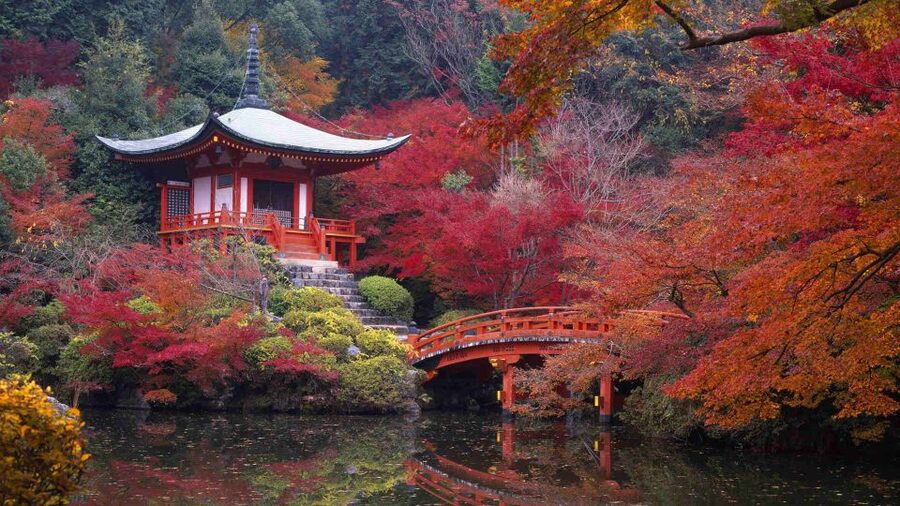
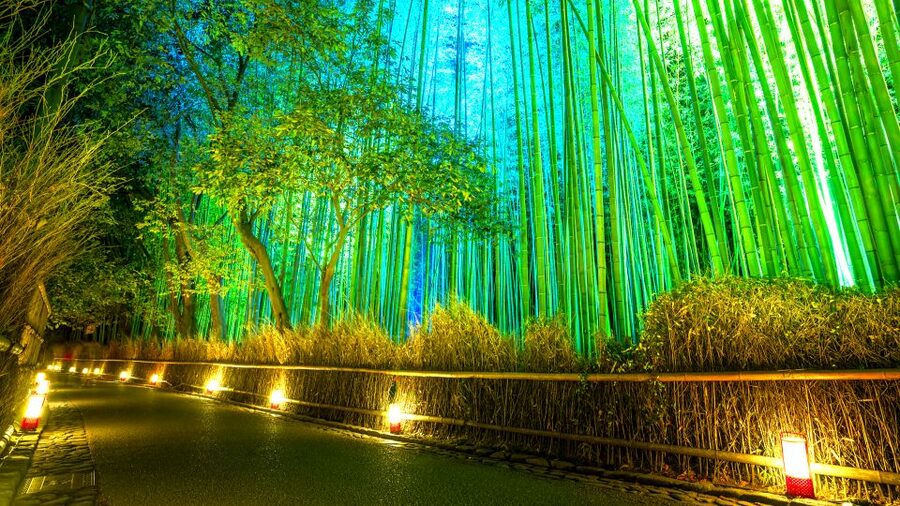
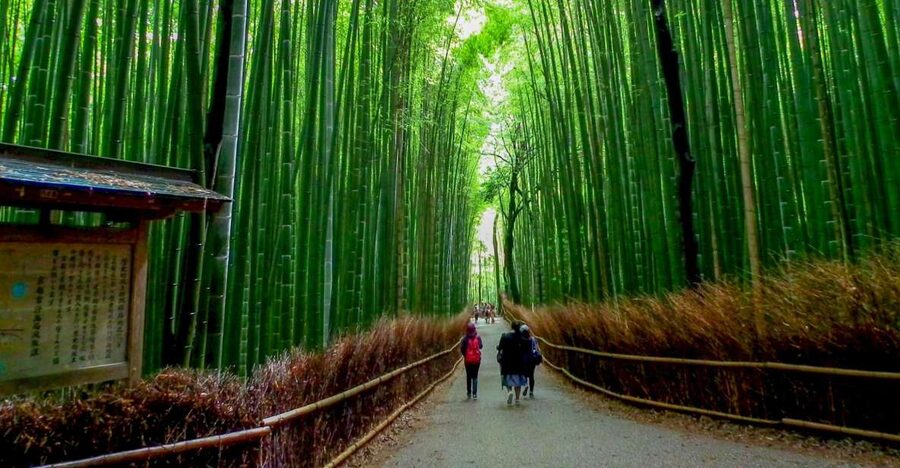
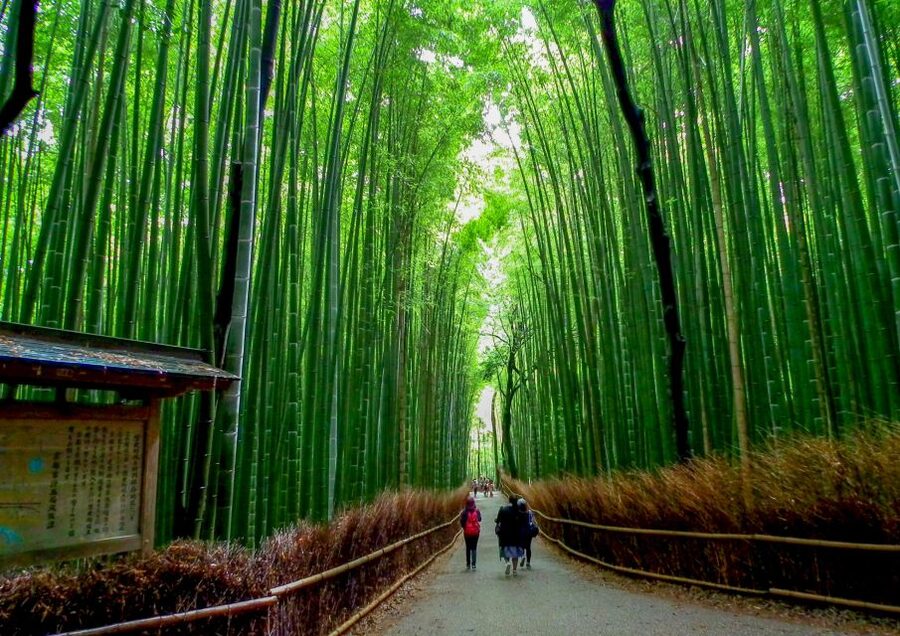
Arashiyama Bamboo Forest can be added if you want a well-known Kyoto setting that is not a traditional temple garden. Bamboo changes the feeling of the day, with tall stems, filtered light, and a narrow route through the grove.
It is a good visual contrast to Ryoanji or Ginkakuji. Instead of studying a composed arrangement of rocks and gravel, you experience plants as the dominant material. Your guide can place that visit within a larger discussion of how Japanese designers use vegetation, space, and movement.
The practical issue is distance. Arashiyama is not a natural fit with every eastern Kyoto garden, and the route may require more public transportation or a taxi. Transportation is not included, so ask about the likely cost before setting off.
You can also request Katsura Imperial Villa or Kokedera Suzumusidera, sometimes known as the Moss Temple. These choices may suit someone with a strong interest in formal garden design, but availability, routing, and admission arrangements are important questions to raise with the provider. The supplied information does not promise admission to every named site, so do not assume the entire list can fit into one six-hour outing.
Imperial Villas and Botanical Kyoto
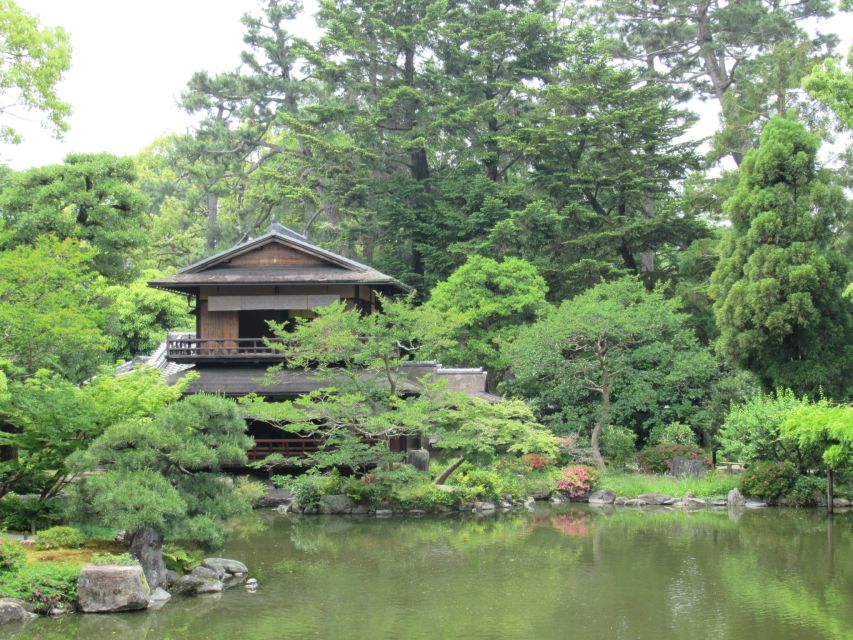
The Kyoto Imperial Palace, Shugakuin Imperial Villa, and Katsura Imperial Villa offer a different view of Japanese garden planning. These settings connect gardens with architecture, court culture, paths, views, and carefully framed scenes.
They are useful choices if you want more than the familiar Zen garden image. Ask your guide to explain how a strolling garden differs from a dry temple garden, and you will gain a clearer sense of why Kyoto has so many distinct garden traditions.
The Kyoto Botanical Garden can also be requested. It changes the emphasis from temple symbolism to plants and seasonal displays. This may be a good fit if you care about flowers, trees, and plant identification, or if you want a break from temple grounds.
The tradeoff is that the tour covers only six hours. A route combining an imperial villa, a temple, and the botanical garden may involve longer transfers and fewer stops. I would choose one main theme rather than trying to include every famous name.
What Six Hours Really Gives You
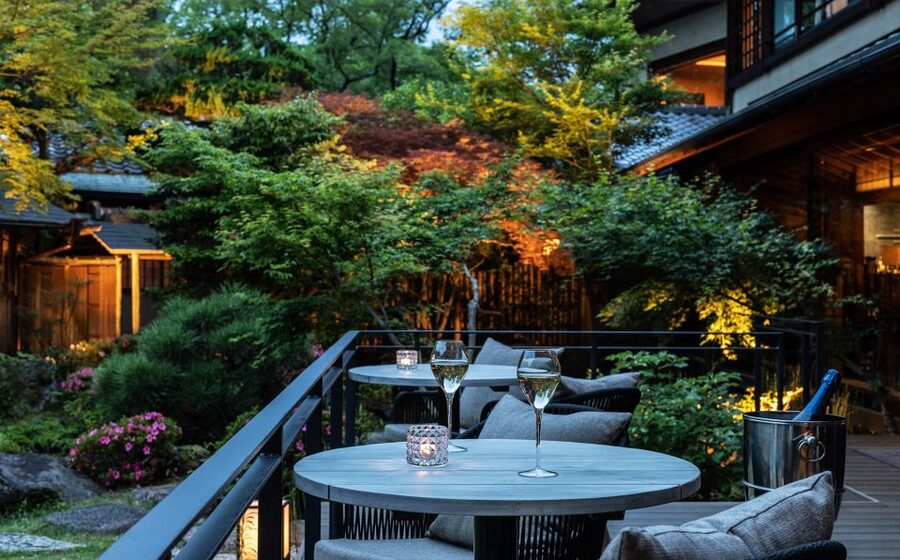
Six hours sounds generous, but Kyoto is spread out and the possible stops cover several parts of the city. You will not see all thirteen listed destinations in one day at a sensible pace.
Think in terms of two or three main stops, depending on location, walking speed, entrance procedures, and how much time you spend talking with the guide. If you want a careful look at Ryoanji, Ginkakuji, and Nanzenji, say so. If you want a broad city day with Kinkakuji, Arashiyama, and one garden in between, accept that transportation will take a larger share of the time.
Your guide can meet you in your hotel lobby or at a train station and will arrange pickup on foot. Be ready 10 minutes before the scheduled time. The tour uses public transportation or taxis according to your preference, and you can discuss the best option and its cost at the beginning.
That arrangement keeps the tour flexible, but it also means you should not expect a private vehicle included for the whole day. Wear comfortable shoes and plan for walking, stairs, temple paths, and outdoor conditions. The tour operates rain or shine, so a wet-weather plan is sensible.
What the $151 Price Includes
The $151 per-person price covers a private tour and a licensed guide for six hours. It also includes pickup from your accommodation or a train station on foot.
The price does not cover entrance fees, food, drinks, transportation to or from the meeting point, or transportation during the tour. Those extras can make the day cost more than the advertised figure, especially if you choose a spread-out route and use taxis.
Still, private guiding can be good value if you are traveling with several people who want the same garden-focused day. You are paying for route planning, language help, cultural explanation, and the ability to change emphasis as you go. For one person or a couple on a tight budget, the cost is harder to justify unless garden design is a major reason for visiting Kyoto.
A useful way to judge the price is to ask yourself how much planning you want to do. If you already know the temples, understand the transit system, and prefer to explore alone, you may not need this service. If you want to compare several garden styles without spending days researching routes, the guide can save time and prevent poor combinations.
Who Will Enjoy This Tour Most
I would recommend it most to first-time Kyoto visitors who want a structured day without joining a large group. It also suits returning visitors who have seen the major temples and want a more focused look at gardens.
Art, architecture, Japanese culture, photography, and horticulture enthusiasts should find plenty to discuss. Families and mixed-age groups may also like the private format because the guide can adjust the pace and explanation level.
The tour is wheelchair accessible, which is useful information for planning. Still, the exact ease of each garden can vary, and the supplied details do not describe the accessibility of every path or entrance. Ask the guide or provider about your requested sites before finalizing the route.
You should think twice if your priority is a fixed set of admissions, a private car, or a guaranteed visit to every famous garden listed. Those things are not included. This is a flexible guided day, not a prearranged all-inclusive transport package.
Booking Details Worth Noting
The booking is not considered confirmed until the guide contacts you. Most guides make contact within seven days, but the provider continues searching if a guide has not accepted the tour, including updates up to 24 hours before the scheduled date.
That uncertainty is worth considering if your Kyoto schedule is very tight. Keep an eye on email, since the provider uses it to confirm the day’s logistics.
The activity can be canceled up to 24 hours in advance for a full refund, and you can reserve now and pay later. The live guide speaks English or Japanese. These terms make the tour easier to fit into a changing Japan itinerary, though they do not remove the need to confirm your route and guide.
Should You Book the Kyoto Garden Tour?
Book it if you want garden design explained in plain language, prefer a private day, and are happy to pay entrance and transport costs separately. The ability to request Ryoanji, Kinkakuji, Ginkakuji, Nanzenji, Arashiyama, or an imperial site is the main strength.
Before booking, decide on your top two or three priorities. Tell the guide whether you prefer Zen gardens, seasonal plants, imperial villas, famous temples, or a quiet route. That small bit of planning will make the six hours far more useful.
Skip it if you want the cheapest way to see Kyoto, need a private vehicle included, or prefer to set your own pace without a guide. For everyone else, especially visitors who want cultural context rather than quick snapshots, this is a practical way to make Kyoto’s gardens easier to read.
FAQ
How long does the tour last?
The tour lasts six hours.
Is the tour private?
Yes. It is offered as a private group tour.
What languages are available?
The live guide is available in English or Japanese.
Can I customize the itinerary?
Yes. You can make special requests and ask the guide to tailor the route. You can also let the guide plan the itinerary.
Which Kyoto sites can I request?
Possible sites include Arashiyama Bamboo Forest, Kinkakuji Temple, Ginkakuji Temple, Ryoanji Temple, Honen-in, Nanzenji Temple, Tofukuji Temple, Kyoto Imperial Palace, Shugakuin Imperial Villa, Daitokuji Temple, Kokedera Suzumusidera, Katsura Imperial Villa, and Kyoto Botanical Garden.
Where does pickup take place?
Pickup is on foot from your accommodation or a train station. You should meet the guide in the hotel lobby or at the station and be ready 10 minutes before pickup.
Is transportation included?
Transportation to and from the meeting point is not included. Transportation during the tour is also extra. The tour uses public transportation or taxis, depending on your preference.
Are entrance fees included?
No. Entrance fees must be paid separately.
Does the tour operate in bad weather?
Yes. The activity takes place rain or shine.
Is the tour wheelchair accessible?
Yes, the activity is described as wheelchair accessible. Since individual gardens may have different paths and entrances, ask about your chosen sites when planning the route.
Just added in Kyoto
- Private Cooking Class Udon in Kyoto Japan★ 5.0 · 23 reviews
- Your Private Vacation Photography Session In Kyoto★ 5.0 · 110 reviews
- Kyoto: Zen Meditation at a Private Temple with a Monk★ 5.0 · 25 reviews
- Private Pewter Sake Cup Experience with a Kyoto Artisan★ 5.0 · 31 reviews
- Kyoto Wagashi(Japanese sweets) Cooking Class near Fushimiinari★ 5.0 · 60 reviews
- Kyoto: Gion Geisha District & Sake-in-Hand Walking Tour★ 5.0 · 37 reviews
- Kyoto:Family-Friendly Kimono & Yukata Experience at WARGO★ 5.0 · 147 reviews
- Private Guided Traditional Buddhist Cooking in Japan★ 5.0 · 16 reviews
Japanese Garden Tours, compared.
Kyoto Arashiyama Walking Tour: Bamboo, Monkeys, Gardens & Secrets
Read our review →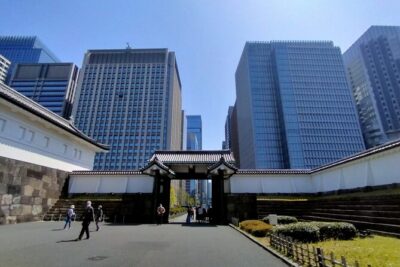
Imperial Palace East Garden and Edo Castle Walking Tour in Tokyo
Read our review →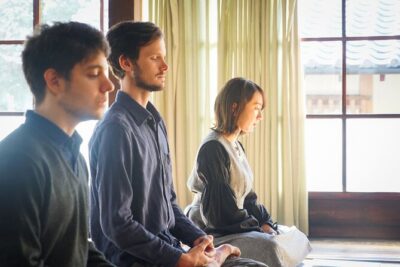
Kyoto Zen Meditation & Garden Tour at a Zen Temple with Lunch
Read our review →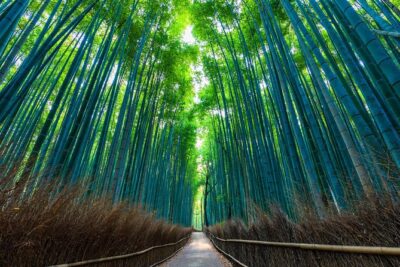
Kyoto Arashiyama Bamboo forest & Garden Half-Day Walking Tour
Read our review →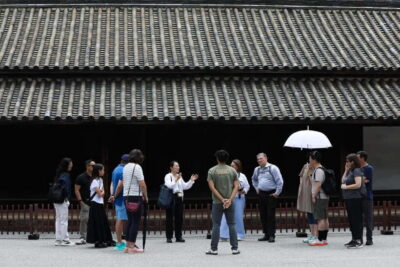

Tokyo Castle, Imperial Palace, Shogun & Garden Walking Tour
Read our review →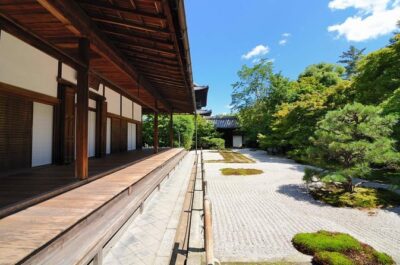
Browse the lists this tour appears in