Reviewed · TOURS IN KYOTO
Kyoto: Personalized Guided Private Tour
Kyoto’s best moments often happen between the famous sights: a quiet temple courtyard, a narrow lane of wooden machiya houses, or a guide explaining why a simple ritual matters. This six-hour private tour gives you a local companion and lets you shape the day around three or four places, rather than following a fixed script. I especially like the chance to pair major sights such as Fushimi Inari and Kiyomizu-dera with quieter stops, and the way guides such as Taeko, Keiko, Yoko, and Toshi-san have adjusted outings to suit individual interests. The main drawback is cost: at $459 per group up to one person, it is a serious splurge, and entrance fees, your transportation, and lunch are extra.
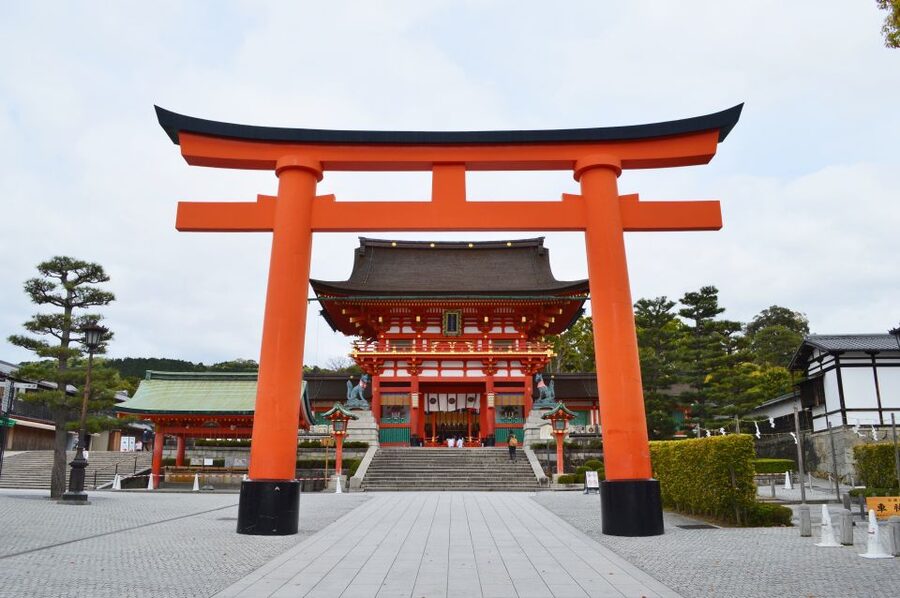
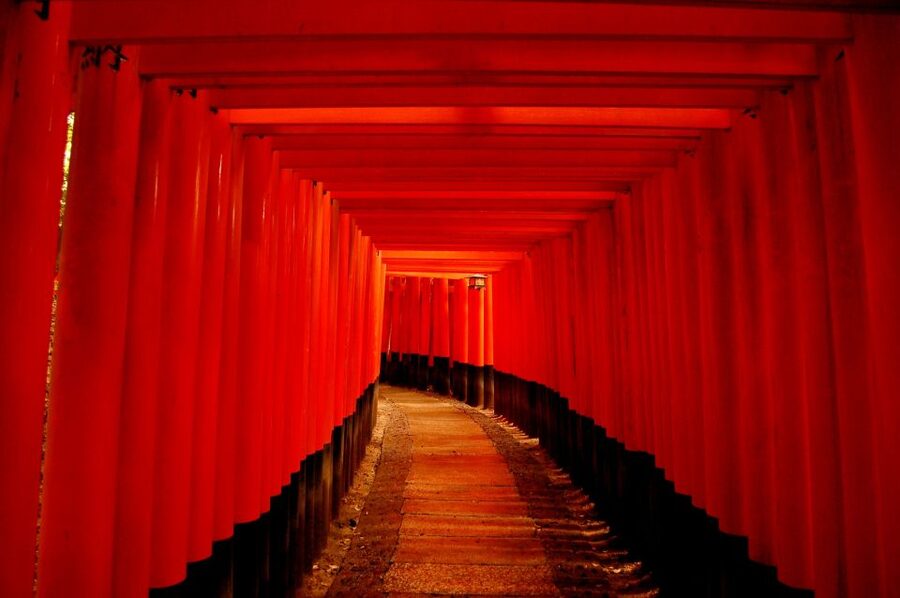
- Thousands of red torii at Fushimi Inari: Walk beneath Kyoto’s famous vermilion gates and decide with your guide how far you want to go.
- Kiyomizu-dera views: See Kyoto from the temple’s large mountainside veranda, one of the city’s essential viewpoints.
- Gion beyond the postcard: Explore narrow lanes, traditional wooden merchant houses, and Kyoto’s best-known geisha district.
- A flexible three or four stop plan: Your guide can slow down for explanation or cover more ground at a brisker pace.
- Public transportation with local help: You walk and ride trains or buses together, avoiding the stress of working out every connection alone.
- Optional cultural touches: Depending on your interests and available time, add green tea, a Washoku restaurant, calligraphy, a miniature garden, or a quieter temple.
A six-hour Kyoto day built around your interests
This is not a fixed tour with every minute decided in advance. You meet your guide in your hotel lobby, discuss what matters most to you, and build a plan for the day. The stated program suggests three or four attractions, but the real number depends on your pace, transportation, and how long you spend at each place.
I like this format for a first day in Kyoto. You can ask for the famous sights, then use the remaining time for context and local details. If you already know Fushimi Inari is a priority but have little interest in shopping, your guide can shape the day around that. If you want a slower cultural visit, you can request a quieter temple or time for tea and hands-on activities.
The flexibility also means you should arrive with a short wish list rather than expecting to see all of Kyoto. Fushimi Inari, Kinkaku-ji, Kiyomizu-dera, and Gion are not next door to one another. A six-hour day can cover several, but trying to force every major sight into one route may leave you rushing through each one.
Fushimi Inari and its thousands of red torii
Fushimi Inari Shrine is one of Kyoto’s most recognizable places. Its long runs of red-orange torii gates climb the wooded slopes behind the shrine, creating the visual experience many people associate with Japan.
Your guide can help you decide whether to make a short visit or walk farther uphill. That choice matters. The lower approach is the easiest place to see the tightly packed gates, while a longer walk changes the pace and demands more energy. The tour description does not promise a particular distance, so tell your guide early if you want a brief photo stop or a more substantial walk.
This is also a place where a guide adds useful order to what might otherwise be a quick look and a few photographs. You can ask about shrine customs, the meaning of the gates, and how to behave respectfully at a religious site. The walk is outdoors and includes slopes, so comfortable shoes are essential.
If Fushimi Inari is your top choice, say so when you meet your guide. It is better to give this stop proper time than to squeeze it in at the end of a packed route.
Other experiences people book in Kyoto:
- PERFECT KYOTO 1-Day Bus Tour
★ 5.0 · 13,518 reviews - Kyoto: Fushimi Inari, Kinkakuji, Bamboo Grove 1 Day Bus Tour
★ 4.8 · 4,316 reviews - Kyoto: Tea Ceremony in a Traditional Tea House in Kiyomizu
★ 4.9 · 3,519 reviews
Kinkaku-ji, Kyoto’s Golden Pavilion
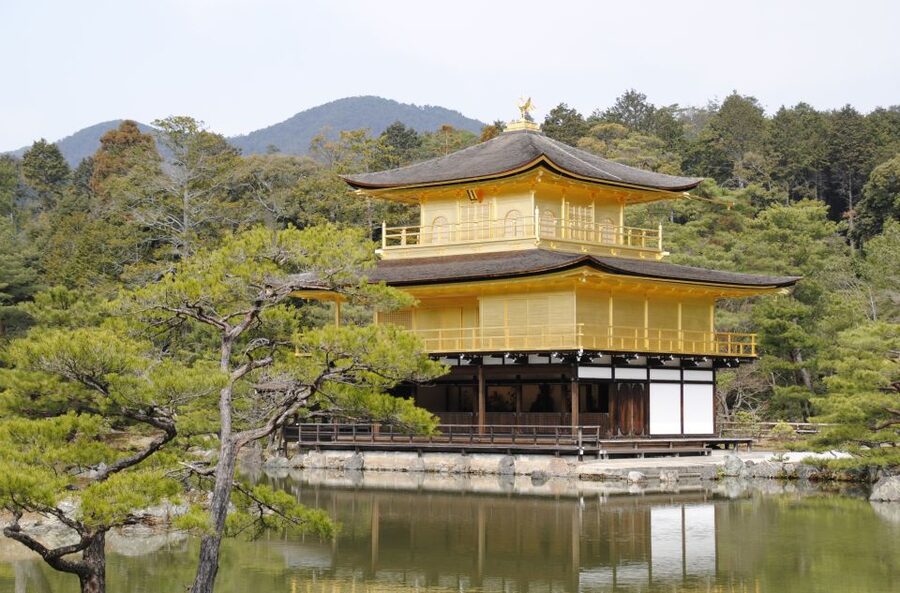
Kinkaku-ji, commonly called the Golden Pavilion, is another classic Kyoto sight included among the possible stops. The bright temple reflected beside its pond is instantly recognizable, and it gives you a sharp contrast with the red gates of Fushimi Inari.
The visit is more about the setting and the view than about entering the building. You follow the sightseeing route around the grounds, taking in the pavilion, water, gardens, and surrounding temple setting. A guide can give the scene context and point out details you might otherwise pass without noticing.
There is a practical tradeoff here. Kinkaku-ji is a major attraction, so adding it to the day uses travel time and can make the schedule more ambitious. If you want extensive time at Fushimi Inari, Kiyomizu-dera, and Gion, you may need to choose between Kinkaku-ji and another stop. The private format helps, but it cannot change Kyoto’s distances or the six-hour limit.
Kiyomizu-dera and the view over Kyoto
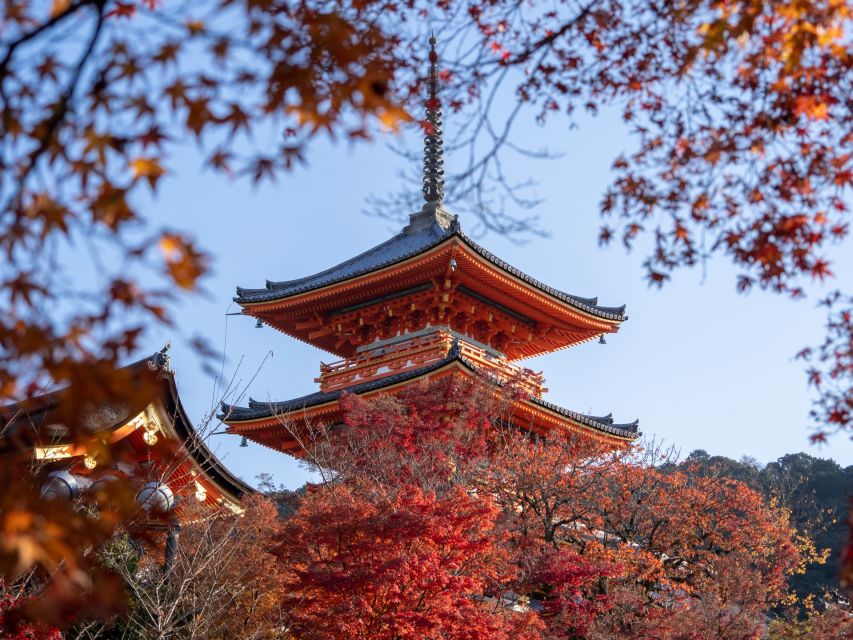
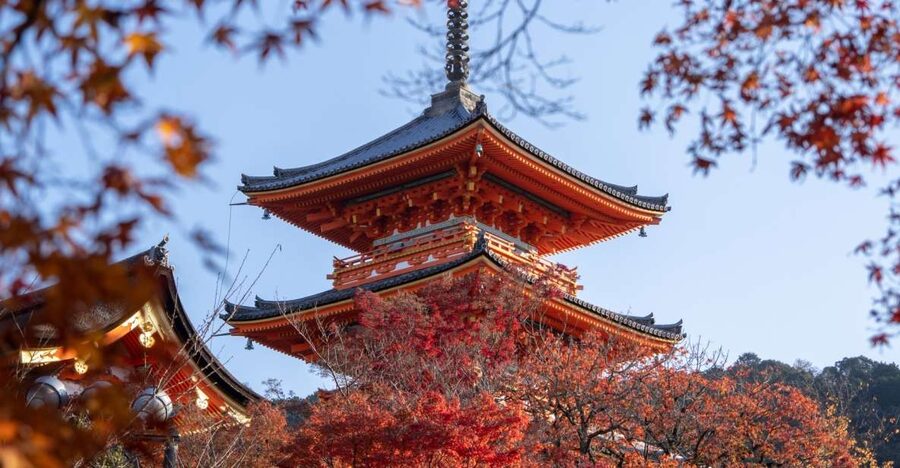
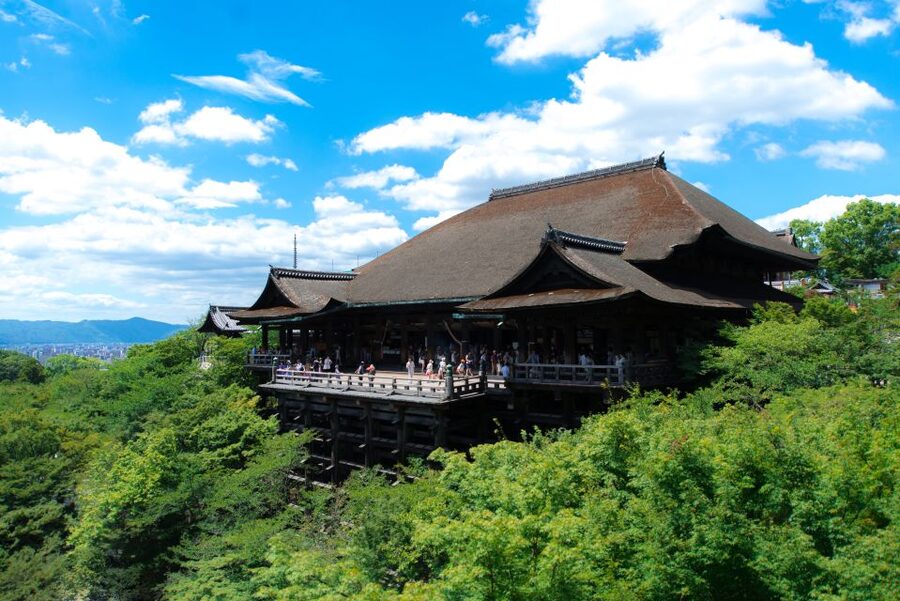
Kiyomizu-dera is one of Kyoto’s UNESCO World Heritage sites and one of the strongest reasons to choose this tour. Its large wooden veranda sits on the mountainside, giving you a broad view over Kyoto and a memorable sense of how the city meets the surrounding hills.
This stop combines architecture, religious tradition, and scenery in one visit. You can admire the dramatic construction, look out over the city, and walk through the surrounding temple area. Your guide can explain the important features as you go, which is helpful when the site feels crowded or visually busy.
The approach to Kiyomizu-dera also takes you through streets lined with shops and traditional-style buildings. Your guide can help you keep moving toward the temple or pause when something catches your interest. Since the tour involves walking and public transportation, expect a full day on your feet, not a coach ride from one entrance to another.
For many people, Kiyomizu-dera is the best place to ask for a little breathing room. A rushed visit may give you the photograph but not much sense of the setting. If the view matters to you, make that clear when planning the route.
Gion, machiya houses, and Kyoto’s old streets
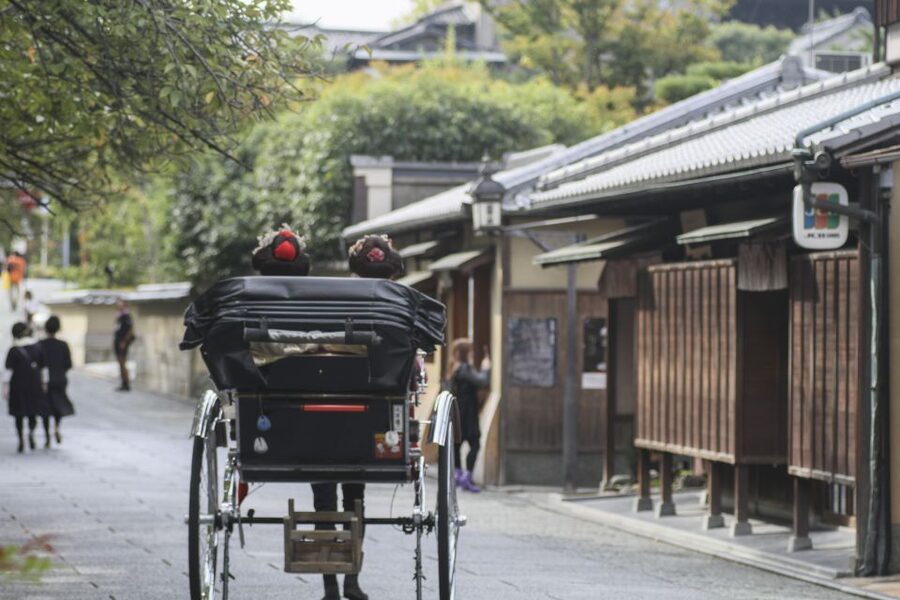
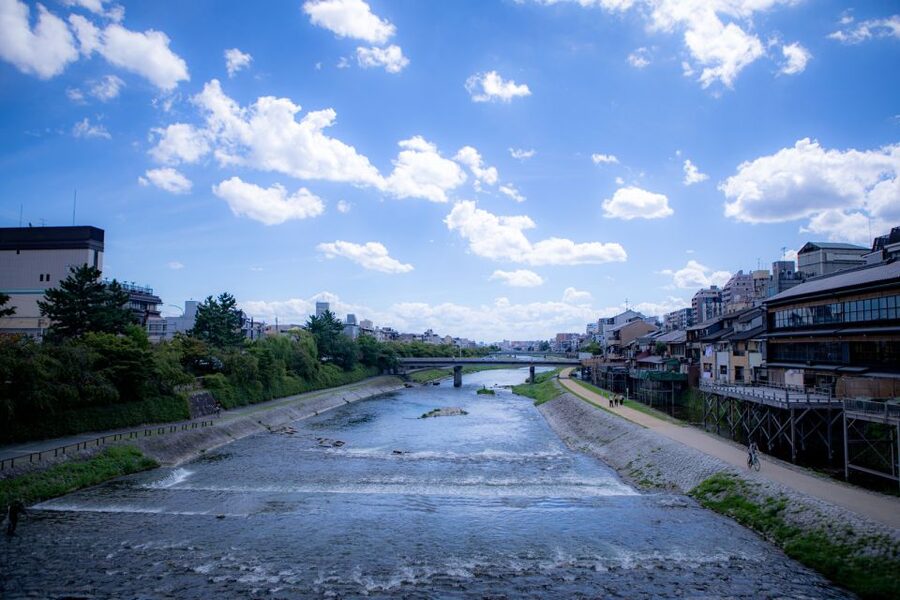
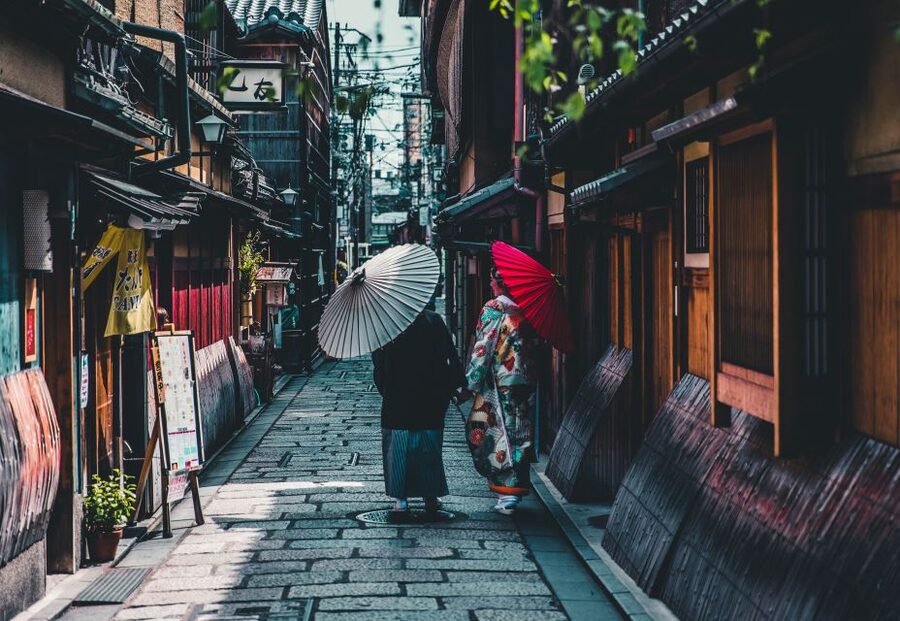
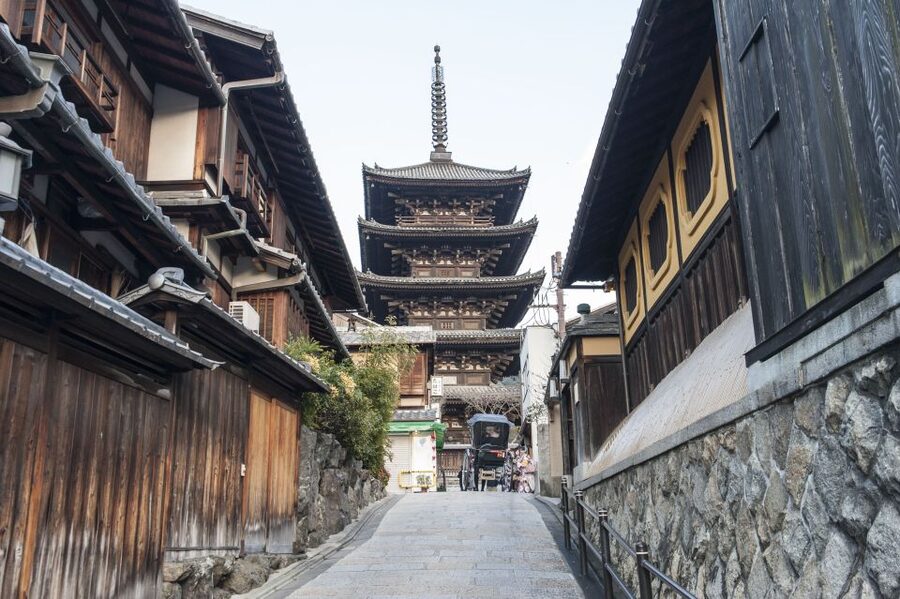
Gion is Kyoto’s most famous geisha district, but it is more than a place to search for a glimpse of a performer. Its narrow streets and traditional wooden machiya merchant houses offer a look at an older form of city life, where homes, shops, and workspaces once occupied the same compact buildings.
A private guide is particularly useful here because the area rewards observation. You might notice wooden facades, subdued signs, small entrances, and lanes that are easy to miss when you are focused on the main street. The tour highlights the narrow backstreets, so you are not limited to the most photographed road.
Keep your expectations sensible. This is an active neighborhood, not a stage set. You should move respectfully, avoid blocking lanes, and follow your guide’s advice around private homes and working establishments. The point is not to chase a sighting, but to understand the character of the district.
Gion also makes a good late stop because it can connect naturally with food or tea. If you want to try a Washoku Japanese restaurant or sample green tea, tell your guide in advance of the day’s timing. These options are described as possibilities, not included meals or guaranteed reservations.
Same base, a different sort of day:
- Kyoto Geisha Walking Tour: Gion District & Hidden Gems
★ 4.7 · 3,273 reviews - Kyoto: Tea Ceremony Ju-An at Jotokuji Temple
★ 4.9 · 3,207 reviews - Kyoto: Gion Magical Night Walking Tour with Geisha Trivia
★ 4.9 · 2,393 reviews - Kyoto: 45-Minute Tea Ceremony Lesson Experience
★ 4.3 · 2,378 reviews
The value of a guide who listens
The strongest feature of this experience is the guide relationship. The most useful guides do more than lead you from one entrance to the next. They adjust the plan, answer questions, explain customs, and help you choose where to spend your limited hours.
Taeko has been praised for fitting the main sights into six hours, adapting to requests, and even ending the day at Kyoto Station. Patricia’s outing with Taeko included a quieter temple, time for peaceful contemplation, calligraphy, and creating a miniature garden. Those details show what the private format can offer when you explain your interests clearly.
Keiko has also handled a difficult route across opposite sides of town while adding context along the way. That is important in Kyoto, where a good plan can save time and a poorly ordered plan can leave you waiting for transport or cutting short a temple visit.
Toshi-san is another guide named for his strong cultural explanations, while Yoko has been described as offering useful information at each stop. Guide availability depends on the date and language, so you should not assume you will receive a particular person. English, French, Spanish, and German are offered, but during the busy periods from March through May and September through November, non-English guide availability may be limited.
There is also a useful warning in the feedback. One outing felt more like an escort service than a fully explained private tour because the guide gave only brief information. That is a fair concern with any private tour. At the start, tell your guide how much history, religion, architecture, and daily-life detail you want. If you prefer fewer sites with longer explanations, say so plainly.
Walking, trains, buses, and the real cost
The tour includes hotel pickup and the guide’s public transportation fee. You pay your own transportation costs, entrance fees, and lunch, as well as the guide’s entrance fee when required. Most tourist sights are free for guides, but you should still budget for admission costs rather than treating the $459 price as the complete day’s expense.
The listed price is $459 per group up to one person, which makes this a premium choice. The value improves if the booking arrangement allows the quoted group rate to cover more than one member of your party, but the supplied pricing should be checked carefully before you reserve. In any case, this is not the economical way to see Kyoto.
What you are paying for is time, planning, language support, and personal attention. If you are nervous about public transportation, want help with cultural etiquette, or have only one day in Kyoto, those benefits may justify the cost. If you are comfortable reading maps and researching temples, you can visit many of these places independently for far less.
Transportation is part of the experience, not a minor footnote. You will walk and use public transportation together. Some stations have few elevators or escalators, so tell the guide if stairs are difficult for you. Wear comfortable shoes, and plan for rain because the tour operates in wet weather as well as clear weather.
Who will get the most from this private tour
I would choose this experience if you want a personal introduction to Kyoto and do not want to spend your first day solving every train, bus, and temple question yourself. It is especially useful for first-time visitors, families with children old enough for a full walking day, and anyone who wants to combine famous sights with a quieter cultural activity.
Children under five can participate free of charge. Still, the six-hour length, walking, stairs, and public transportation may make the day tiring for very young children. Ask for a slower pace and mention any mobility needs before the route is set.
This tour also suits people with a clear personal interest. You might request traditional food, gardens, calligraphy, tea, architecture, religious customs, or the daily life of Kyoto. The more specific you are, the more useful the private format becomes.
It is less suitable if you want a fixed luxury vehicle, a completely effortless day, or guaranteed long explanations at every location. It is also not the best match for someone who wants to see every headline attraction in Kyoto in six hours. The tour gives you flexibility, but the city still requires choices.
What to know before you book
The tour lasts six hours and starts at an available time shown during booking. Hotel pickup is included, and you should wait in the lobby at the scheduled time.
Cancellation is free up to 24 hours before the start, and you can reserve now and pay later. Travel insurance is recommended, since the guide is not responsible for illness, injury, theft, loss, or related damage during the service.
Book early if you want French, Spanish, or German. Those languages may be harder to arrange during the busy spring and autumn periods. If your schedule is flexible, ask the provider about language and guide availability before you build your sightseeing plan around a particular person.
Should you book the Kyoto private tour?
Book it if you value personal planning more than a low price. The best version of this day pairs two or three major sights with a quieter temple, a thoughtful walk through Gion, or a cultural activity such as calligraphy or tea. Tell your guide what you want to learn, not just what you want to photograph.
Skip it if you prefer independent travel and are happy to pay your own admissions, manage public transportation, and research Kyoto’s temples yourself. At $459 before several extra costs, this tour needs to solve a real problem for you.
For a first Kyoto visit, a private guide can make the city feel less confusing and more human. Just keep the route realistic, wear good shoes, and leave enough time for the places you care about most.
FAQ
How long does the private Kyoto tour last?
The tour lasts six hours. Starting times depend on availability.
Which Kyoto sights can I visit?
Possible sights include Fushimi Inari Shrine, Kinkaku-ji or the Golden Pavilion, Kiyomizu-dera, and Gion. You can generally visit three or four attractions, depending on your pace and chosen route.
Is hotel pickup included?
Yes. You should wait in your hotel lobby at the scheduled pickup time.
Which languages are available?
Live guiding is offered in English, French, Spanish, and German. During busy periods from March through May and September through November, guides in French, Spanish, German, and other non-English languages may be limited.
Are transportation and entrance fees included?
The guide’s public transportation fee is included. Your transportation, lunch, and entrance fees for you and the guide are not included.
Can young children join the tour?
Children under five can participate free of charge. The tour includes walking and public transportation, so tell your guide about any preference for elevators or escalators instead of stairs.
Just added in Kyoto
- Private Cooking Class Udon in Kyoto Japan★ 5.0 · 23 reviews
- Your Private Vacation Photography Session In Kyoto★ 5.0 · 110 reviews
- Kyoto: Zen Meditation at a Private Temple with a Monk★ 5.0 · 25 reviews
- Private Pewter Sake Cup Experience with a Kyoto Artisan★ 5.0 · 31 reviews
- Kyoto Wagashi(Japanese sweets) Cooking Class near Fushimiinari★ 5.0 · 60 reviews
- Kyoto: Gion Geisha District & Sake-in-Hand Walking Tour★ 5.0 · 37 reviews
- Kyoto:Family-Friendly Kimono & Yukata Experience at WARGO★ 5.0 · 147 reviews
- Private Guided Traditional Buddhist Cooking in Japan★ 5.0 · 16 reviews
Tours in Kyoto, compared.

Tea Ceremony in a Traditional Tea House in Kiyomizu
Read our review →
Kyoto Geisha Walking Tour: Gion District & Hidden Gems
Read our review →


Gion Geisha District Walking Tour – Stories of Geisha
Read our review →
Best of Kyoto: Gion, Geisha, Pagodas & Cobblestones
Read our review →