
Reviewed · TEA CEREMONY EXPERIENCES
Kyoto: Tea Ceremony in 100-year-old Kyo-Machiya Townhouse
Kyoto’s tea ceremony is not just about drinking matcha. It is a lesson in manners, design, patience, and the quiet art of making a visitor feel welcome. Here, that lesson takes place inside a 100-year-old Kyo-Machiya townhouse, with a tea master demonstrating each step before you prepare your own cup.
I like two things especially: the clear explanation of why each gesture matters, and the chance to practice instead of sitting as a passive observer. The kimono option also adds real value if you want photographs and time walking around Kyoto afterward. The main drawback is the group format, which can include up to 20 people, and the kimono plan requires you to manage travel between the rental shop and the tea house.
Key points
- A 50-minute guided ceremony: Learn how to bow, eat the sweet, hold the bowl, and drink the matcha.
- You make your own tea: The master supervises your first attempt, so you leave with a practical feel for the ritual.
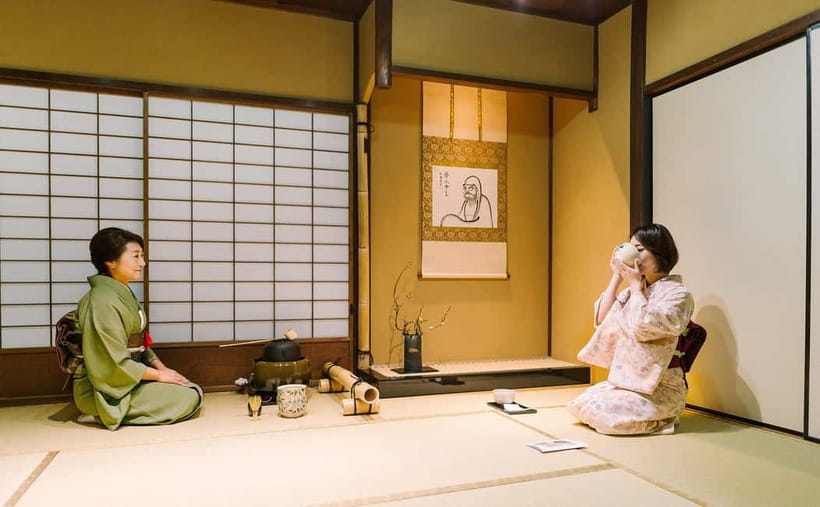
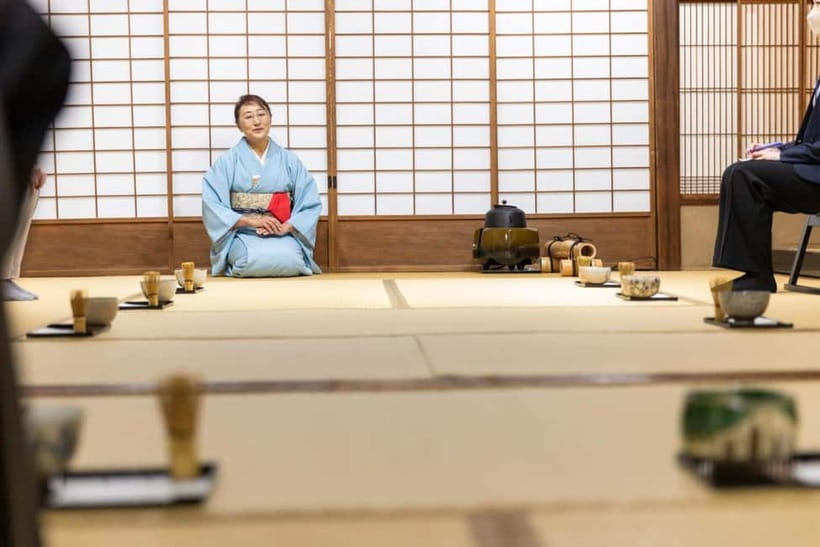
- A historic machiya setting: Tatami, paper screens, wooden details, and a calm tea room frame the ceremony.
- Optional kimono outing: Choose a casual kimono, then stroll around Kyoto before returning it by 5:30 PM.
- Optional townhouse tour: Add 30 minutes of architecture, cultural background, and time for photographs.
- Accessible instruction: English and Japanese are offered, with an interpreter helping explain the ceremony.
Inside Kyoto’s 100-year-old tea house
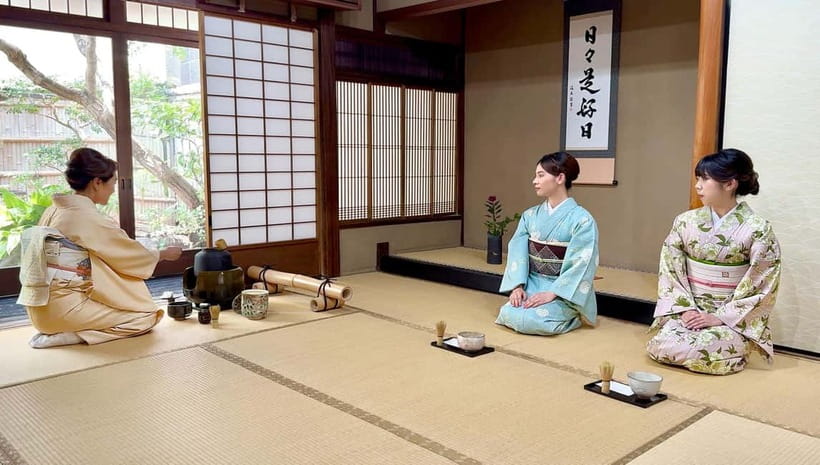
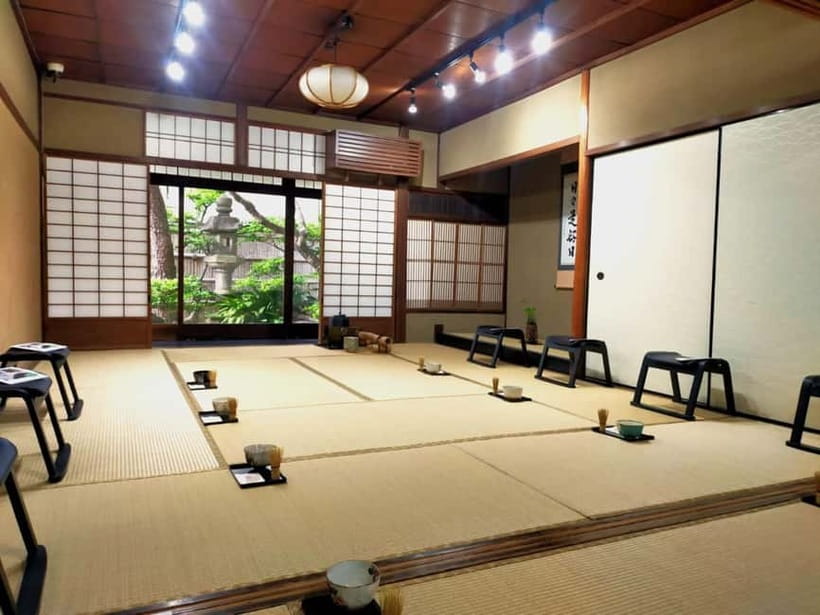
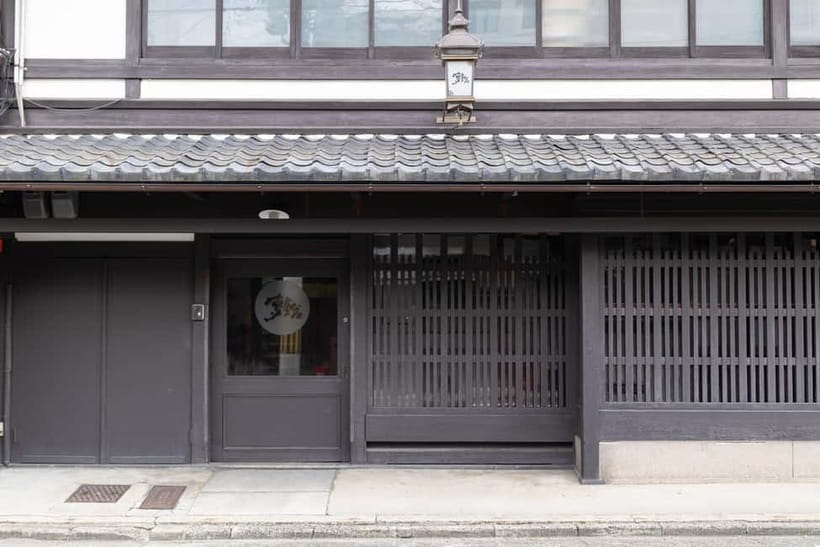
The setting does much of the teaching before the tea master even begins. You enter a traditional machiya, a narrow Kyoto townhouse built around a practical urban layout. Inside, the tatami floor, wooden structure, paper screens, and restrained decoration create the quiet mood needed for tea.
This is more than a convenient room dressed up for tourists. The house gives you a useful sense of the spaces in which Japanese hospitality developed. The tea room is close to Kyoto Gosho, the Imperial Palace area, and near the former residence of Nijō Yoshimoto, a high court noble from the 14th century.
The location connects the activity to an older Kyoto world of imperial gatherings, poetry, art, and formal hospitality. You do not need a long lecture on court life to enjoy the tea, but this background helps explain why the ceremony pays such close attention to placement, posture, seasonal objects, and the way one person serves another.
Room size can vary with the number of people booked for your session. The group limit is 20, so do not expect a private lesson every time. Still, the format is designed for first-time visitors, and the master demonstrates the ritual closely enough for you to follow.
Other tea ceremonies in Kyoto people book:
- Kyoto: Tea Ceremony in a Traditional Tea House in Kiyomizu
★ 4.9 · 3,519 reviews - Kyoto: Tea Ceremony Ju-An at Jotokuji Temple
★ 4.9 · 3,207 reviews - Kyoto: 45-Minute Tea Ceremony Lesson Experience
★ 4.3 · 2,378 reviews
What happens during the 50-minute ceremony
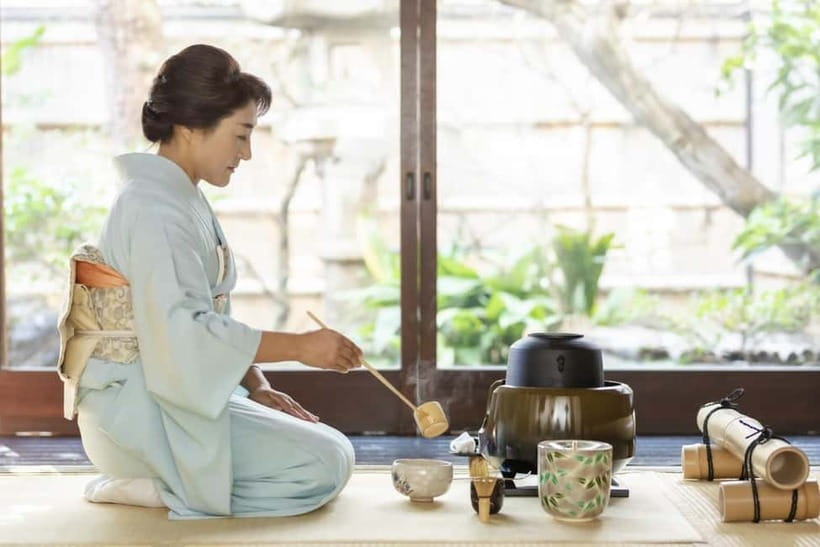
The tea-only option is the simplest choice. Arrive at the townhouse 5 to 10 minutes before the time on your voucher. You may sit on the floor in traditional fashion, or use a small chair if floor sitting is uncomfortable.
The session begins with an explanation of tea ceremony history, including the arrival of tea in Japan from China roughly 1,200 years ago and the development of the Japanese Way of Tea. This is useful context, not filler. Without it, the ceremony can look like a string of mysterious hand movements. With it, you begin to see the gestures as a form of welcome and respect.
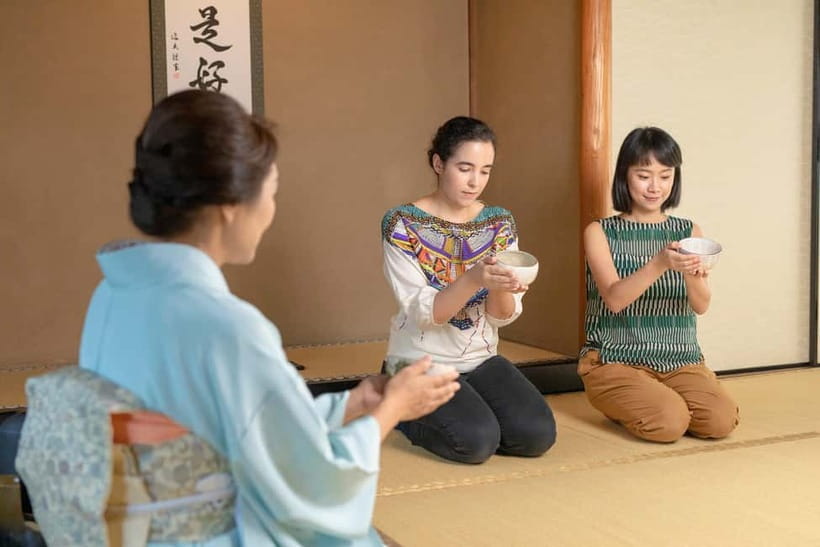
You learn how to bow, which greetings to use, how to receive the sweet, how to drink the tea, and how to look at the tea bowl. The bowl is not merely a cup. Its shape, decoration, and handling are part of the experience, and the master shows you how to appreciate it without rushing.
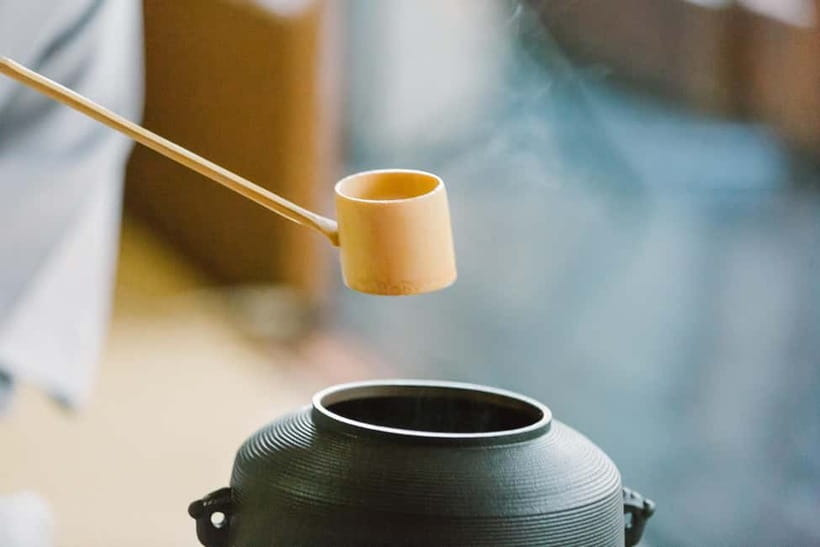
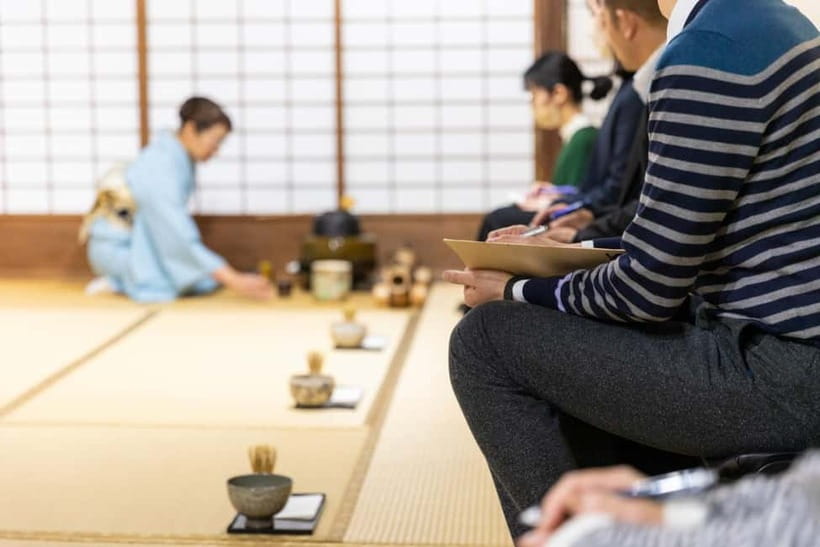
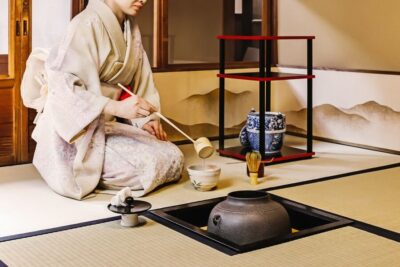
The tea master then brings in the tools and prepares the first bowl for a guest. This demonstration is the calm center of the session. Watch the order of the movements, the way the utensils are handled, and the attention given to each small action.
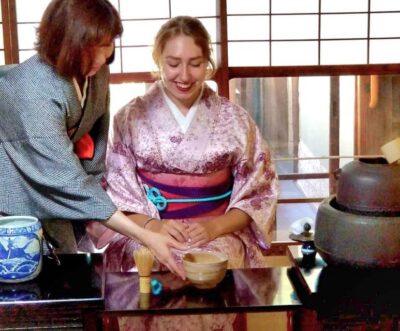
After that, you prepare matcha yourself under supervision. You are not expected to know what you are doing. The instructions are clear, and the point is to try the process while understanding why it is performed in that order.
A traditional Japanese sweet is served with the tea. Its sweetness balances the sharp, grassy taste of matcha and gives you a better sense of how the two are meant to work together. The tea is not presented as a novelty drink. It is treated as part of a carefully arranged act of hospitality.
The ceremony closes after your preparation and tasting. Time is provided for questions, which is valuable because many visitors want to ask about the bowl, the whisk, the etiquette, or the role of tea in Japanese culture. The English support is generally helpful, though the quality of spoken English may vary by session. An interpreter is included, and this makes the Japanese demonstration much easier to follow.
Why making your own matcha matters
A short demonstration can be pleasant, but making the tea changes the experience. You handle the whisk, follow the instructions, and see how much care goes into a drink that may otherwise seem simple.
I like this part because it removes some of the distance between you and the tradition. You are not trying to become a tea master in one afternoon. You are learning the basic rhythm of the preparation and gaining respect for the precision involved.
The process also gives the session a good balance. The master provides the formal demonstration, then you get a relaxed chance to participate. Some people may find their first bowl too bitter or may not create the right foam. That is fine. The lesson is in the attempt, not in producing a perfect cup.
Several hosts have been praised for being patient and clear. Names noted during different sessions include Maki, Lim, and Ling, though the person leading your ceremony can vary. The strongest part of the teaching is the way the guides explain the meaning behind the movements rather than asking you to copy them blindly.
Choosing the kimono plan
The kimono option changes the outing from a short cultural lesson into a longer Kyoto activity. You first go to the Yumeyakata Gojo Shop at the starting time shown on your voucher and choose from available colors, patterns, and sizes.
The tea ceremony begins two hours after that selected starting time. If you book an 11:00 AM start, for example, you pick up the kimono at 11:00 AM and attend the ceremony at 1:00 PM. This gap matters. You must make your own way from the Gojo shop to Yumeyakata Oike Bettei, and transportation between the two locations is not included.
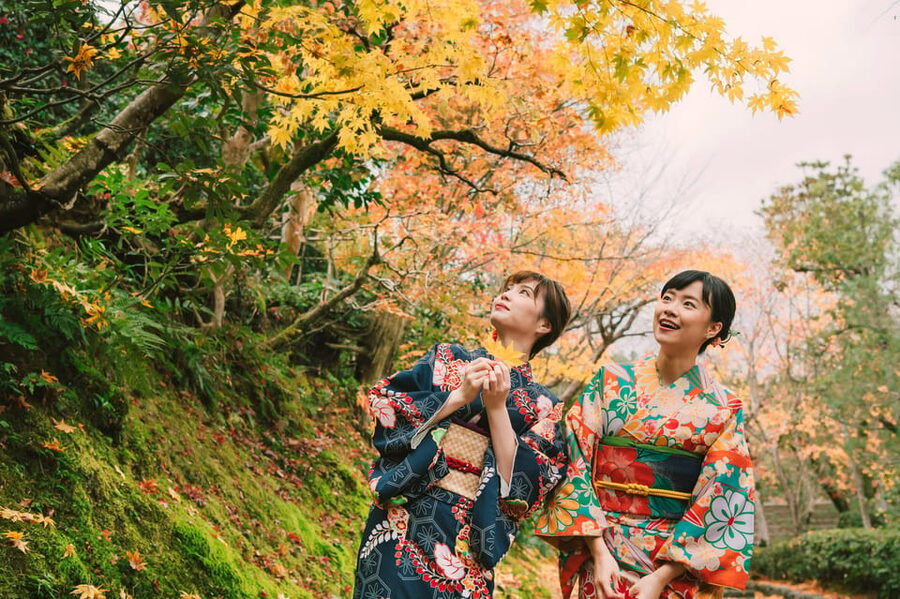
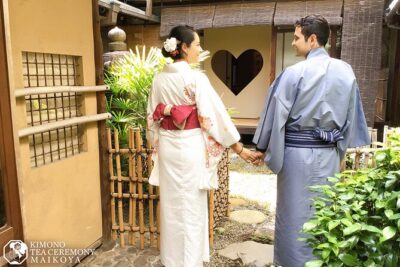
After the ceremony, you may wear the kimono while walking around Kyoto. The kimono must be returned to the Gojo shop by 5:30 PM on the same day. Plan your route carefully, especially if you want time for photographs or additional sightseeing.
The standard option is a casual kimono. Women can add hairstyling, makeup, a hair accessory, and an upgrade to a formal Houmongi kimono. These extras cost more, but they may suit you if photographs are a major reason for booking.
The rental staff are described as efficient and helpful, which matters when several people are choosing clothes and being dressed on a schedule. The process can be part of the fun, but remember that traditional clothing includes several layers and can feel restrictive in warm weather. One practical point is easy to miss: walking in a kimono may be uncomfortable on a hot day.
Wear socks. Sandals and flip-flops are not allowed, and socks are also suitable for the tatami room. The clothing rules are not meant to be fussy. They protect the traditional floor and help maintain the room’s quiet atmosphere.
Other tea rooms and ceremonies in Kyoto:
- Kyoto: Table-Style Tea Ceremony at a Kyo-Machiya
★ 4.9 · 1,211 reviews - Kimono Tea Ceremony at Kyoto Maikoya, NISHIKI
★ 5.0 · 911 reviews - Kyoto: Arashiyama Bamboo Forest, Monkeys, Matcha & Temple Tour
★ 5.0 · 759 reviews - Kyoto: Tea Museum Tickets and Matcha Grinding Experience
★ 4.9 · 739 reviews
Adding the 30-minute machiya tour
If you choose the machiya add-on, stay for another 30 minutes after the tea ceremony. The add-on includes about 20 minutes of guided explanation and 10 minutes for photographs.
The tour looks at the townhouse’s architecture, history, cultural role, and less obvious functions. This is a good choice if you are curious about how traditional Kyoto homes worked, rather than wanting only a costumed photo stop.
The extra photography time can be appealing. Some sessions include opportunities to pose with items such as a katana and an umbrella in the garden area. Professional photos and videos are not included, so you will need to use your own phone or camera.
I would choose this add-on if you have already seen Kyoto’s major temples and want a closer look at domestic architecture. I would skip it if your schedule is tight or if your main goal is simply to learn the tea ceremony and taste matcha.
How authentic and formal is the experience?
The ceremony is traditional in structure, but it is taught for first-time visitors. That is the right balance for most people. You learn the etiquette without needing prior knowledge, and you are allowed to sit on a small chair rather than on the floor.
The atmosphere must remain quiet. No flash photography, food, drinks, smoking indoors, or loud behavior is allowed. You can take photographs in suitable moments, but this is not a casual photo studio where you can talk through the entire session.
The group format also affects the mood. With up to 20 people, the experience may feel less intimate than a private tea lesson. The room changes depending on group size, and the master has to keep the session moving. On the other hand, a group can make the experience less intimidating, especially if you are nervous about making a mistake.
Children must be at least 10 years old. The quiet setting and formal gestures are best suited to older children and adults who can follow instructions. Anyone who becomes disruptive may be asked to leave.
Price and overall value at $31
At $31 per person, the tea-only experience is fairly priced for a guided cultural activity in central Kyoto. You receive the ceremony, matcha, a traditional sweet, an explanatory leaflet, and instruction from a tea master with interpretation.
The best value comes from the hands-on teaching and the townhouse setting. You could drink matcha at a café for less, but that would not explain the etiquette, show the preparation, or let you make the tea under supervision.
The kimono plan offers more, but it also requires more time and planning. You are paying not only for the clothing but for the chance to walk around Kyoto dressed for the occasion. The value depends on your priorities. If you want photographs and a strong visual connection to the day, the kimono is worthwhile. If you prefer a focused cultural lesson, choose tea ceremony only.
Hair, makeup, the formal Houmongi upgrade, and the machiya tour are optional additions. I would not automatically add every extra. Pick the ones that match your interests and schedule.
Practical details before you book
The total duration ranges from about 50 minutes to three hours, depending on the option. The tea-only ceremony lasts about 50 minutes. Kimono rental adds the selection and dressing time, travel between locations, the ceremony, and time to walk around Kyoto before the 5:30 PM return deadline.
Check the meeting point carefully because it varies by option. For tea only, go directly to Oike Bettei 5 to 10 minutes before your scheduled time. For the kimono plan, start at the Gojo Shop at the time printed on your voucher.
Late arrivals may still join, but the session will not be extended. I would avoid booking this immediately before a timed temple visit or train. The ceremony works best when you arrive calm and unhurried.
The activity is offered in English and Japanese. Bring socks, avoid sandals, and leave food and drinks outside. Wheelchair users, pregnant women, babies under one year, people over 200 centimeters or 95 kilograms, and visually impaired people may not be suited to this activity according to the stated restrictions.
Free cancellation is available up to 24 hours before the experience for a full refund, and you can reserve now and pay later. Those terms help if your Kyoto schedule is still taking shape.
Who should book this Kyoto tea ceremony?
I recommend the tea-only option for anyone who wants a compact, well-explained introduction to Japanese culture. It suits first-time visitors, couples, solo travelers, and older children who can respect a quiet room.
Choose the kimono plan if you want the activity to become part of your Kyoto sightseeing day. It is especially good for photographs and for anyone who wants to walk through the city in traditional clothing. Just allow time for changing, transport, heat, and the 5:30 PM return.
I would not choose it for a rushed itinerary, a very young family, or anyone who dislikes sitting quietly and following formal instructions. This is not a show you watch from the sidelines. You are expected to listen, observe, and take part.
Should you book it?
Yes, if you want more than a cup of matcha and a quick photograph. The strongest reasons to book are the 100-year-old machiya, the clear explanation of each gesture, and the chance to prepare your own tea under the master’s supervision.
For the best balance of time and value, book the tea ceremony without extras. Add the kimono if you want a full-day cultural outing and photographs. Add the machiya tour if traditional Kyoto architecture interests you. The setting, teaching, and calm pace make this one of the more useful short activities for understanding why Japanese tea ceremony remains such a careful and meaningful art.
FAQ
How long does the tea ceremony last?
The tea-only ceremony lasts about 50 minutes. The full activity can take up to three hours when kimono rental, travel between locations, and optional additions are included.
Where does the tea ceremony take place?
It takes place at Yumeyakata Oike Bettei, a traditional 100-year-old machiya townhouse near Kyoto Gosho, the Kyoto Imperial Palace area.
Do I need to sit on the floor?
No. You may sit on the floor or use a small chair. The chair is useful if sitting on tatami for an extended period is uncomfortable.
Can I make my own matcha?
Yes. The tea master first demonstrates the preparation, then supervises you while you prepare your own tea.
Is the experience offered in English?
Yes. Instruction is available in English and Japanese, with a tea master and interpreter included.
What is included in the $31 price?
The listed price includes the tea ceremony in a traditional townhouse, matcha, traditional Japanese sweets, an explanatory leaflet, and the tea master and interpreter. Kimono rental and other additions depend on the plan selected.
Can I wear a kimono after the ceremony?
Yes, if you choose the kimono plan. You may walk around Kyoto in the rented kimono, but it must be returned to the Yumeyakata Gojo Shop by 5:30 PM on the same day.
What should I bring?
Bring socks. Sandals and flip-flops are not allowed, and the activity does not permit food, drinks, smoking indoors, or flash photography.
Is the experience suitable for children?
The activity is suitable for people aged 10 and above. Children under 10 are not accepted, and disruptive behavior may result in removal from the session.
Just added in Kyoto
- Kyoto: Private Photoshoot Service★ 5.0 · 158 reviews
- Kyoto Rickshaw Tour★ 5.0 · 210 reviews
- Kyoto: Arashiyama Bamboo, Temple, Matcha, Monkeys & secret spots★ 5.0 · 219 reviews
- Izakaya Style Cooking Class★ 5.0 · 219 reviews
- Kyoto: Traditional Concert at Townhouse or Bathhouse★ 4.9 · 224 reviews
- Ninja 2-hour Hands-on Lesson by Japanese master in Kyoto -Medium★ 5.0 · 218 reviews
- Kyoto: Gion & Pontocho Food Tour with 13 Dishes★ 4.9 · 235 reviews
- Kyoto: Afternoon Japanese Izakaya Cooking Class★ 4.9 · 241 reviews
Tea Ceremony Experiences, compared.
Tea Ceremony in a Traditional Tea House in Kiyomizu
Read our review →
World Heritage Kyoto & Nara Uji Authentic Matcha Experience
Read our review →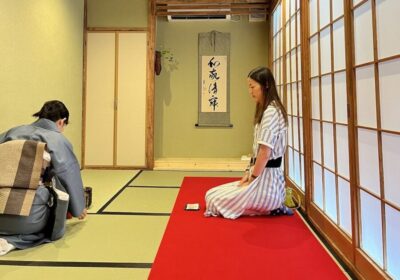
Arashiyama Bamboo Forest, Monkeys, Matcha & Temple Tour
Read our review →Browse the lists this tour appears in