Reviewed · TOURS IN KYOTO
Kyoto: Traditional Yuzen Dyeing Experience
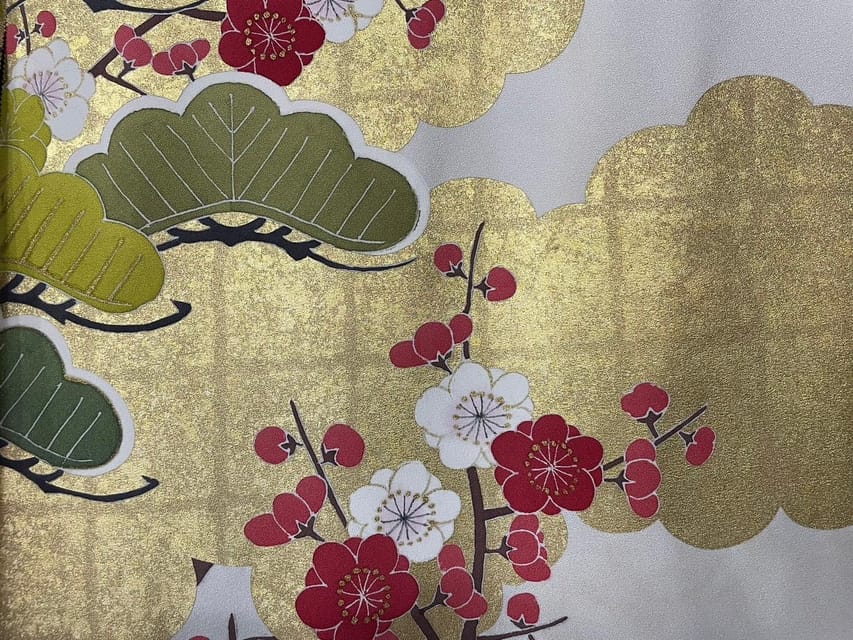
Kyoto Yuzen dyeing is not a quick craft-shop exercise. You sit in an artisan’s traditional Nishijin townhouse, watch a master mix colors to suit your taste, and paint a silk design already outlined for you. I like the private-home setting and the chance to work directly with an experienced artisan. I also like that you leave with real silk artwork, not a disposable souvenir.
The main thing to consider is the price, $161 per person for two hours. It is a serious cost for a short activity, and you may spend much of the session seated at a low work area or on the floor. Still, the small group size, interpreter, personal color guidance, and finished silk piece give it more substance than a standard tourist craft class.
Key Points to Know Before Booking
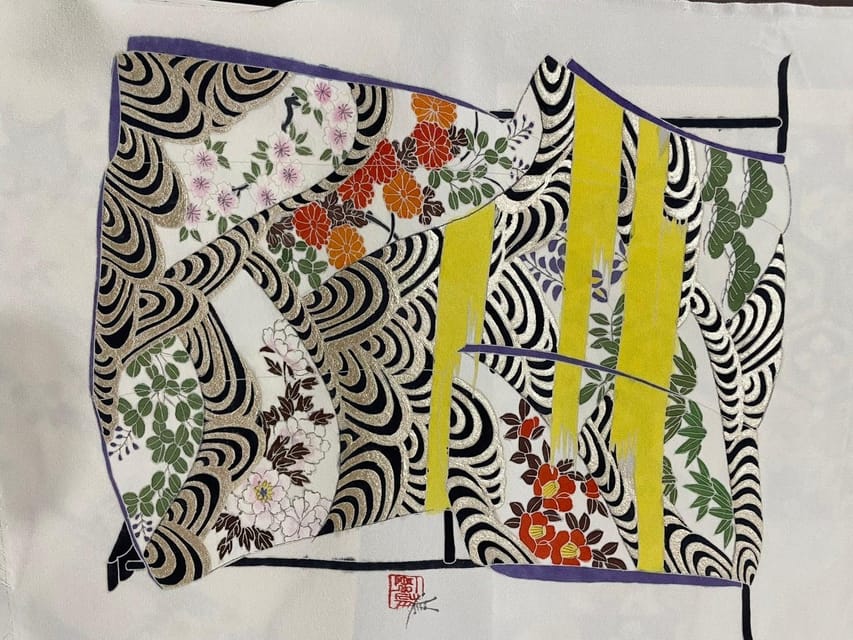
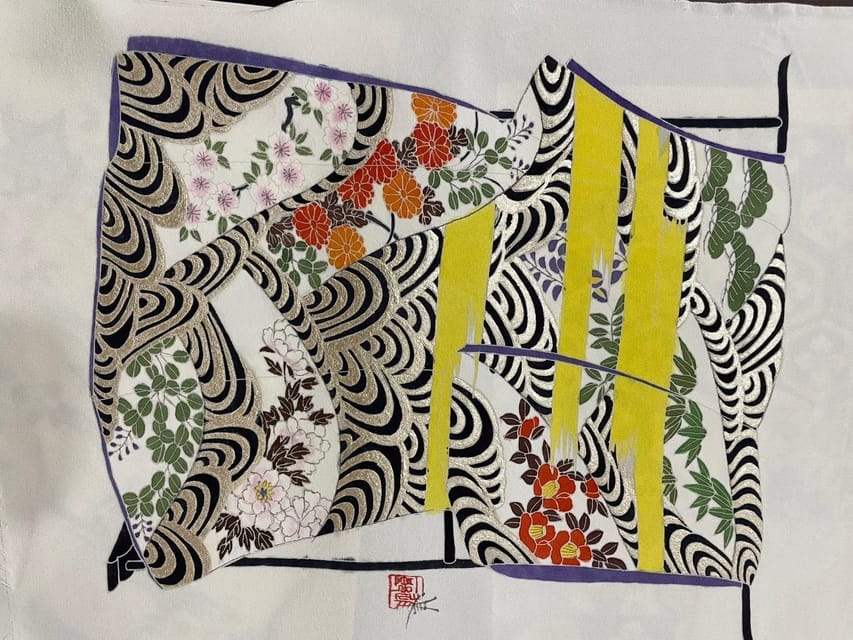
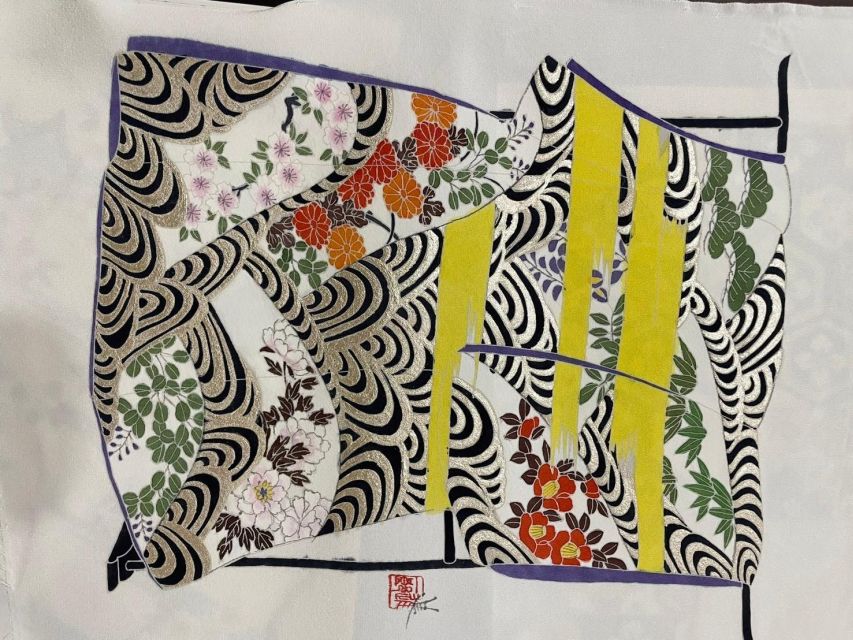
- You paint on silk using prepared designs: Choose from motifs such as phoenixes, cranes, and fans, with the artwork outlined before you begin.
- The artisan mixes the colors: You choose one or two colors you like, then the master suggests and prepares a balanced palette.
- The setting is part of the experience: The lesson takes place inside a traditional machiya in Kyoto’s Nishijin district, with Yuzen works on display.
- Small groups keep the lesson personal: The maximum is six participants, and some sessions may feel almost private.
- An interpreter bridges the language gap: English and Chinese support is available, and the interpreter helps explain each stage.
- Dress for the work: Wear comfortable clothes that you do not mind getting dye on, and mention allergies or sensitivities in advance.
Entering a Nishijin Machiya for a Hands-On Craft Lesson
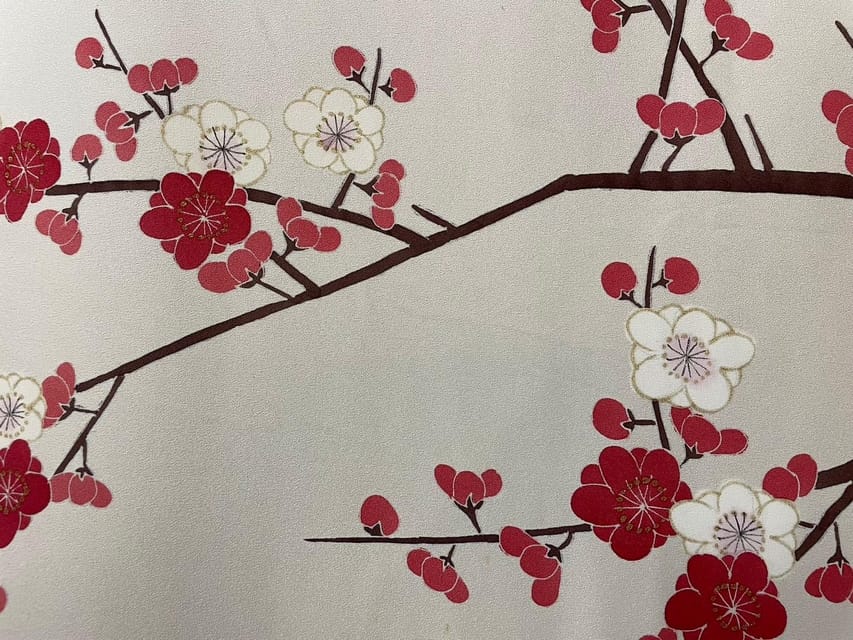
The first pleasure is simply crossing the threshold of a traditional Kyoto townhouse. This experience takes place in the artisan’s own home in Nishijin, an area long associated with Kyoto’s textile work. You are not viewing Yuzen behind glass in a museum. You are sitting in a working home studio, surrounded by the tools, materials, and finished pieces connected to the craft.
The atmosphere is quiet and personal. One session described a studio overlooking a small Zen garden, while other accounts noted the calm of the old house. Details can vary by appointment, but the basic setting remains the same: a traditional residence where the artisan can explain the work at close range.
You also get time to look at completed Kyoto Yuzen pieces. This matters because your own work will be a beginner’s piece, even with careful guidance. Seeing the master’s finished art helps you understand the control, color sense, and patience behind the craft before you pick up a brush.
The group limit is six. That is small enough for the artisan and interpreter to watch what you are doing, answer questions, and adjust the lesson to your pace. If only two or three people book your time, the session can feel especially personal. One participant even had a solo morning session, though you should not count on having the room to yourself.
Other experiences people book in Kyoto:
- PERFECT KYOTO 1-Day Bus Tour
★ 5.0 · 13,518 reviews - Kyoto: Fushimi Inari, Kinkakuji, Bamboo Grove 1 Day Bus Tour
★ 4.8 · 4,316 reviews - Kyoto: Tea Ceremony in a Traditional Tea House in Kiyomizu
★ 4.9 · 3,519 reviews
Choosing a Phoenix, Crane, or Fan Design
You begin by choosing the design for your silk piece. The available motifs have included phoenixes, cranes, fans, and other traditional images. The exact selection is limited, so this is not the place to expect dozens of patterns or a fully blank canvas.
Several people chose a phoenix set against a crescent moon. Other designs included cranes and fans. The outlines are already prepared on the fabric, using stamped or silk-screened golden lines. This is a helpful arrangement for beginners. You can focus on color and brush control instead of trying to draw a complex image from scratch.
Take a sensible amount of time with this choice, but do not spend half the session debating. You need the remaining time for painting. If you are booking with family or friends, choosing different images can make the final collection more interesting. If you prefer a coordinated display at home, everyone can choose the same design and vary the colors.
The limited design range is one of the few clear restrictions. If you want total artistic freedom, this may feel structured. If you would rather have a beautiful starting point and clear instructions, the prepared designs take away much of the stress.
Letting the Artisan Build Your Color Palette
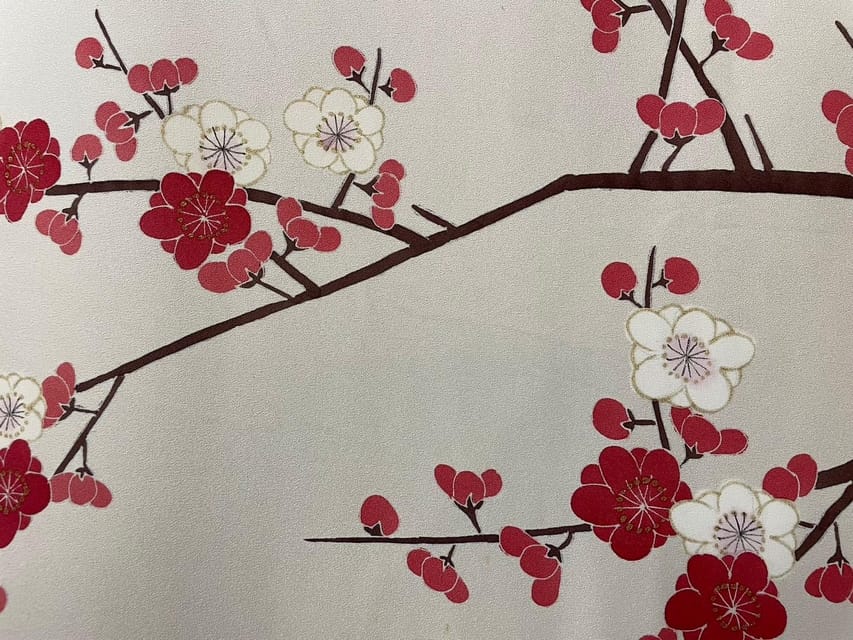
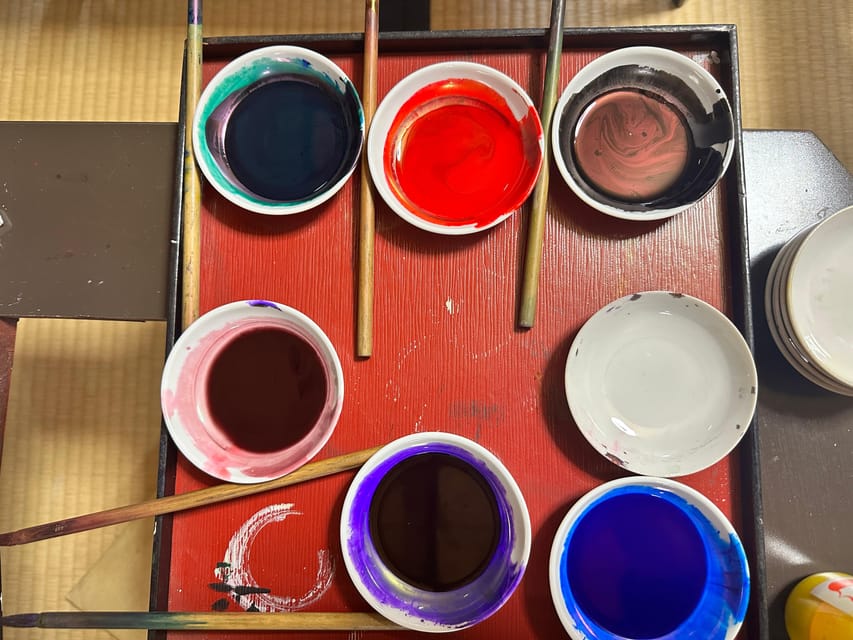
After choosing your design, you select one or two colors that appeal to you. The artisan then helps complete the palette, mixing tones and suggesting combinations that will work well together. This is where the class becomes more than simply painting inside lines.
The master understands how dye, water, and concentration affect the final shade. One account specifically noted that the artisan could show an example of how a color would appear on the fabric, then mix a shade that produced the expected result. That sort of practical control is difficult to get from a self-guided craft kit.
You still make meaningful choices. You can express a preference for a background color or a certain mood, while the artisan handles the technical balance. If you like strong color, say so. If you prefer softer tones, say that instead. The most satisfying result comes from treating the work as a collaboration rather than trying to direct every shade yourself.
This guidance is especially useful if you are worried about making a bad choice. The palette is not picked at random. It is adjusted to keep the finished piece harmonious, while still reflecting your taste.
Painting Silk Without Rushing the Details
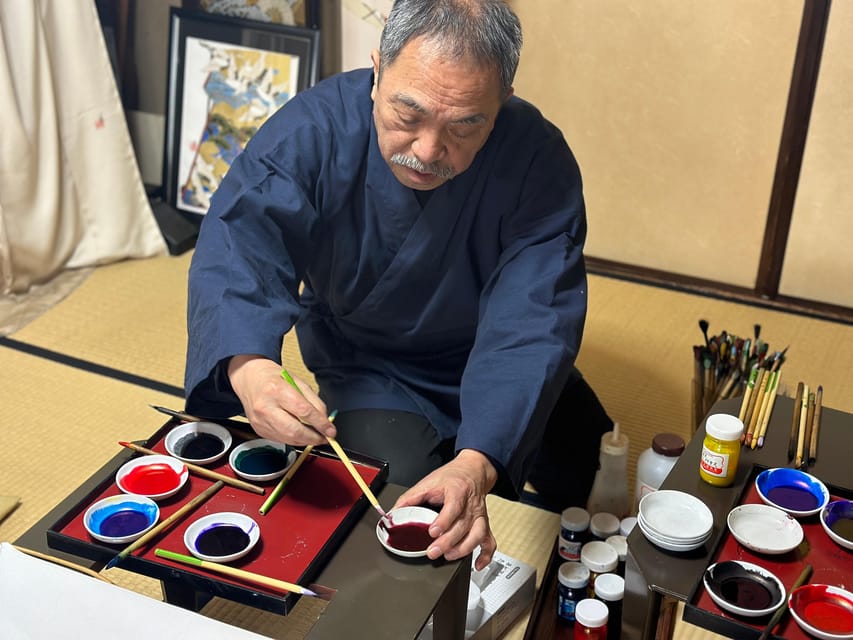
Once the dyes are ready, you paint the prepared design. The method is closer to controlled painting with dye than to the familiar American T-shirt tie-dye activity. You work within the outlined sections, adding color carefully while the artisan watches and offers corrections.
A light touch matters. One helpful tip is not to overload the brush, since too much dye can bleed beyond the lines. You do not need advanced art skills, but you do need patience. The process rewards small, steady brushstrokes more than speed.
The interpreter helps explain the instructions and keeps the exchange flowing. English and Chinese language support is offered, and individual sessions have included an interpreter named Ha. In accounts of sessions with Master Shin’Ichiro, Ha also helped with photographs and translated the artisan’s suggestions clearly.
The language arrangement is part of the experience, not a minor detail. Yuzen involves small choices about color and technique, so a translated explanation gives you more than a simple demonstration. You can ask why a shade is being changed, how much dye to use, or what the artisan is trying to achieve.
Plan on two hours, but keep your schedule slightly open if possible. Some sessions have run beyond the planned end time because participants were still finishing their work. That extra time was not guaranteed, but the artisan has sometimes allowed people to complete their pieces rather than stopping abruptly.
Same base, a different sort of day:
- Kyoto Geisha Walking Tour: Gion District & Hidden Gems
★ 4.7 · 3,273 reviews - Kyoto: Tea Ceremony Ju-An at Jotokuji Temple
★ 4.9 · 3,207 reviews - Kyoto: Gion Magical Night Walking Tour with Geisha Trivia
★ 4.9 · 2,393 reviews - Kyoto: 45-Minute Tea Ceremony Lesson Experience
★ 4.3 · 2,378 reviews
What Makes the Finished Silk Piece Special
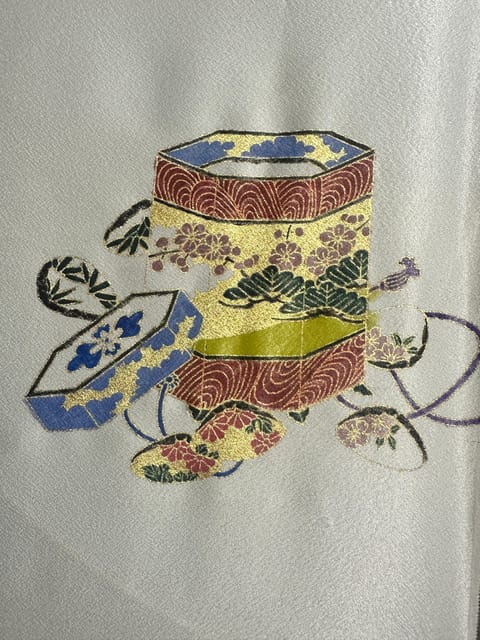
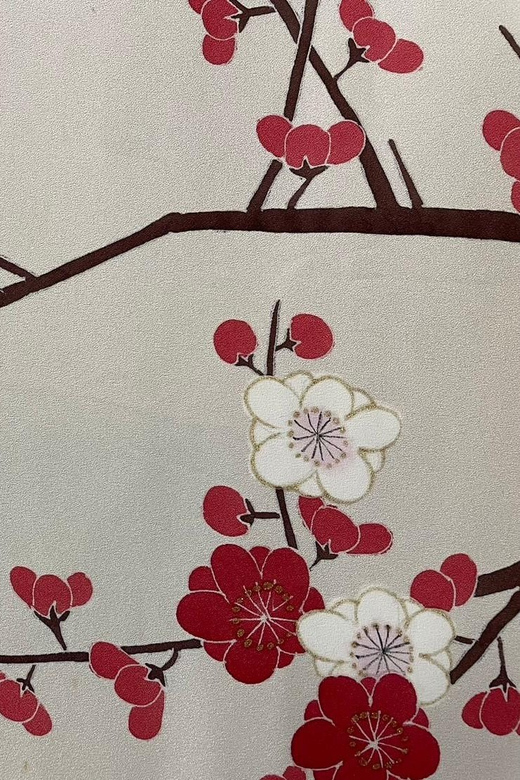
At the end, you take home the Yuzen-dyed silk work you painted. The artisan may iron it to help ensure it is dry before you leave. Your piece will not look exactly like a master’s work, and that is part of its appeal. It records your choices, your careful moments, and the guidance you received.
This is a better souvenir for people who value making something than for shoppers seeking a flawless luxury textile. You are not simply buying a finished item from a Kyoto store. You are taking home a small work created in collaboration with an artisan.
The finished piece can serve as wall art or a travel keepsake. One family used the class to create souvenirs together, and a multigenerational group ranging from age 12 to 55 enjoyed producing pieces suitable for display. That makes the activity a good option for older children and adults who can stay focused through a two-hour lesson.
The craft also gives more meaning to the object. Long after the trip, you may remember the color you chose, the brush that held too much dye, or the artisan adjusting a shade beside you. That personal connection is the strongest argument for paying the higher fee.
Is $161 a Fair Price for Two Hours?
At $161 per person, this is not a budget activity. You are paying for two hours, instruction from an artisan, an interpreter, access to a traditional home studio, the viewing of Kyoto Yuzen works, and your own silk piece to take home.
The value depends on what you want from Kyoto. If you are mainly looking for a low-cost activity, the price will seem high. You could spend less on a short souvenir-making class or simply buy a small textile. But those options would not include the same private-home setting or direct guidance on color mixing from a working artisan.
The small group size helps justify the cost. A class capped at six gives the artisan time to watch each person’s technique. Several sessions have felt almost private because only one or two people attended. That level of attention is useful when you are working with dye, where a heavy brush or wrong color can change the result.
I would see this as a special-occasion activity rather than a casual filler between temples. It suits a couple, a small family, an art lover, or anyone who wants a quieter side of Kyoto. If you are already spending heavily on cultural experiences, this offers a tangible result rather than only photographs and memories.
Practical Comfort, Clothing, and Accessibility
Wear comfortable clothes that you do not mind getting dye on. The work is hands-on, and even a careful painter can have a small spill. Avoid anything precious or difficult to move in.
One account specifically warned that you may need to sit on the floor for the full two hours. The activity is listed as wheelchair accessible, but seating and working height can matter just as much as entry access. If you need a chair, table, or another arrangement, ask in advance so the provider can confirm what is possible.
Children under 10 are not suitable for the activity, and babies under 1 are not permitted. Older children can take part if they can manage the concentration and seated work. A 12-year-old participated successfully in one mixed-age group, but the class is still better for children who enjoy careful crafts rather than fast entertainment.
Do not arrive after drinking, and alcohol and drugs are not allowed. Party groups are also not suitable. The tone is calm and focused, with the artisan’s home and work deserving a respectful setting.
Tell the provider ahead of time about allergies or chemical sensitivities. The process may involve chemicals, and this is worth addressing before you arrive rather than after the lesson begins.
Planning the Experience Around Your Kyoto Day
Transportation to and from the meeting point is not included, so allow time to reach Nishijin on your own. The activity lasts two hours, and starting times vary by availability. I would avoid placing it immediately before a train, flight, or timed ticket.
Nishijin is a good area for this kind of appointment because the textile connection is part of the setting. You can pair the class with other Kyoto sightseeing, but do not expect to rush through the painting and then dash across town. The artisan may take extra time to help you finish, and your own concentration will make the session more enjoyable if you are not watching the clock.
Cancellation is free when made at least three days in advance. That gives you some flexibility, but the small group limit means you should still treat the booking as a fixed appointment once your plans are settled.
Who Will Enjoy This Yuzen Experience Most?
I would recommend it to anyone who prefers making over merely seeing. It works especially well for:
- Couples looking for a quiet shared activity
- Families with children aged 10 and older
- People interested in Japanese textile traditions
- Art lovers who enjoy guidance rather than a blank canvas
- Visitors who want a personal souvenir from Kyoto
- Anyone curious about entering a traditional machiya
It may not suit you if you dislike seated crafts, want a large choice of designs, or expect a fast and casual activity. It also demands some patience. The reward comes from watching the silk take shape slowly, not from finishing in a hurry.
Should You Book It?
Book this experience if you want an intimate Kyoto memory built around an actual artisan, a traditional home, and a finished piece of silk art. The strongest features are the master’s careful color advice, the interpreter’s support, and the chance to see professional Yuzen work before making your own.
Skip it if $161 feels too high for a two-hour class or if floor seating and careful brushwork sound uncomfortable. For everyone else, especially art-minded visitors and families with older children, it offers a thoughtful break from crowded sightseeing and a souvenir with a story attached.
FAQ
Where does the Yuzen dyeing experience take place?
It takes place in a traditional machiya townhouse in Kyoto’s historic Nishijin district, inside the artisan’s home.
How long does the activity last?
The scheduled duration is two hours. Some sessions may run longer if participants need additional time to finish their work.
What languages are available?
Live guidance is available in English and Chinese through an interpreter.
How many people can join the group?
The group is limited to six participants.
What will I make during the class?
You will create a Yuzen-dyed silk fabric piece using a prepared design. You take the finished piece home with you.
Can I choose my own colors?
Yes. You choose one or two colors you like, and the artisan selects or mixes additional tones to create a balanced design.
What designs can I choose from?
Available designs have included phoenixes, cranes, and fans. The exact range may be limited.
What should I wear?
Wear comfortable clothing that you do not mind getting dye on.
Are there any age or health restrictions?
Children under 10 and babies under 1 are not suitable. The activity may involve chemicals, so you should report allergies or sensitivities in advance.
Just added in Kyoto
- Private Cooking Class Udon in Kyoto Japan★ 5.0 · 23 reviews
- Your Private Vacation Photography Session In Kyoto★ 5.0 · 110 reviews
- Kyoto: Zen Meditation at a Private Temple with a Monk★ 5.0 · 25 reviews
- Private Pewter Sake Cup Experience with a Kyoto Artisan★ 5.0 · 31 reviews
- Kyoto Wagashi(Japanese sweets) Cooking Class near Fushimiinari★ 5.0 · 60 reviews
- Kyoto:Family-Friendly Kimono & Yukata Experience at WARGO★ 5.0 · 147 reviews
- Private Guided Traditional Buddhist Cooking in Japan★ 5.0 · 16 reviews
- Kyoto: Gion Geisha District & Sake-in-Hand Walking Tour★ 5.0 · 37 reviews
Tours in Kyoto, compared.

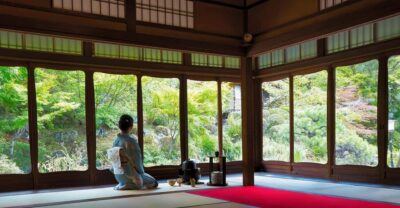
Tea Ceremony in a Traditional Tea House in Kiyomizu
Read our review →
Kyoto Geisha Walking Tour: Gion District & Hidden Gems
Read our review →

Gion Geisha District Walking Tour – Stories of Geisha
Read our review →
Best of Kyoto: Gion, Geisha, Pagodas & Cobblestones
Read our review →