
Reviewed · TEA CEREMONY EXPERIENCES
Kyoto: Wazuma Magic Show & Tea Ceremony
Kyoto has plenty of temples, gardens, and food tours. This is something quite different: Wazuma magic, an old Japanese performance art with fewer than ten remaining masters. You sit just a few feet from the action in a traditional Gion tea room, with no large crowd between you and the performer.
I like the private six-seat setting and the clean split between a lively magic show and a quiet matcha session. The magic is interactive, theatrical, and close enough to make you question your own eyes. The main drawback is the short one-hour format. If you want a full tea ceremony with a long explanation of every utensil and gesture, this is not that.
Key points to know before you book
- A rare Japanese art: Wazuma is presented as a roughly 1,000-year-old illusion tradition and is recognized in Japan as intangible cultural heritage.
- Only six seats: Your group has the tea room to itself, creating a close, salon-like performance rather than a stage show.
- Two very different halves: The first 30 minutes bring fast, playful magic. The final 30 minutes slow down over fragrant Uji matcha.
- English guidance: You can follow the show and tea portion without needing Japanese.
- A small personal touch: A souvenir or memento may be given at the end of the performance.
- Easy to fit into a Kyoto day: The entire activity lasts one hour, but you need to arrange your own transport to Gion.
Wazuma magic in a six-seat Gion tea room
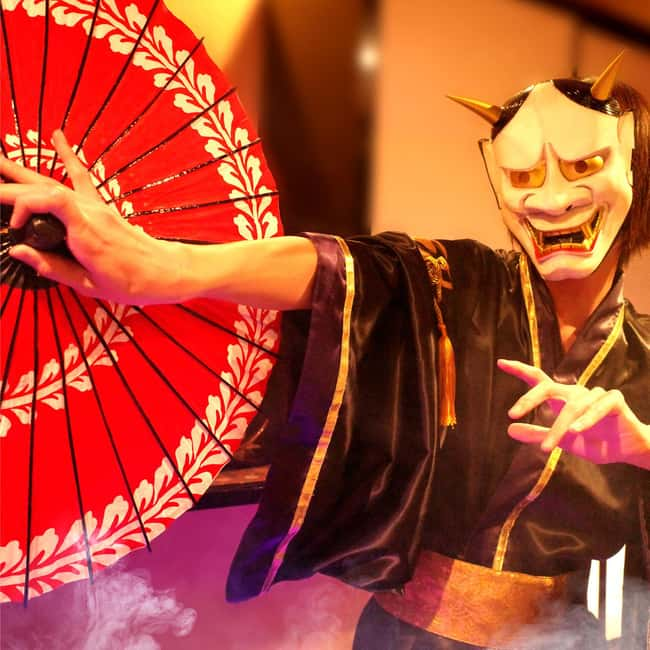
The unusual heart of this activity is Wazuma, a form of Japanese illusion art described as about 1,000 years old. It is not simply a modern magician performing familiar tricks in front of a Japanese backdrop. The point is the traditional style, the controlled gestures, and the close relationship between performer and audience.
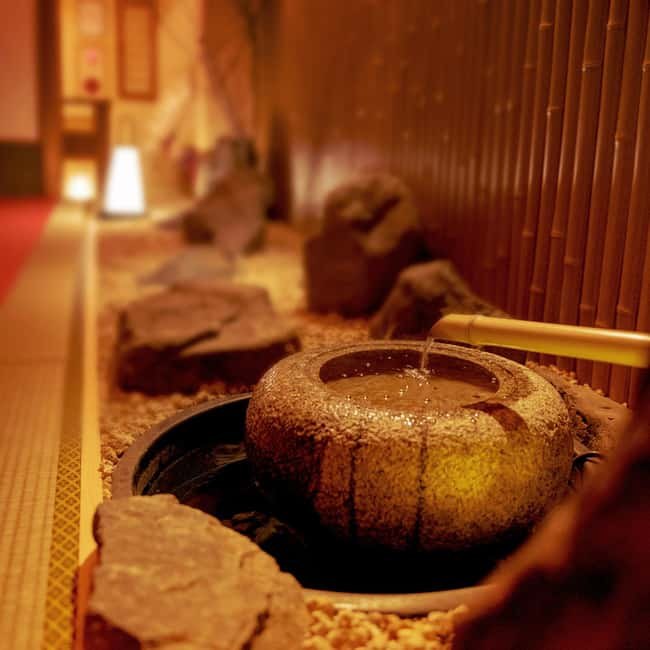
You enter a quiet tea room in Gion, one of Kyoto’s best-known historic districts. The setting matters here. A theater with hundreds of seats would make the magic feel like a show. A small tea room makes it feel personal, almost like you have been invited into a private salon.
The group limit is six people, and the booking is private. That means the room is reserved for your party rather than shared with unrelated visitors. For a couple, family, or small group of friends, this changes the mood at once. You are not craning your neck or trying to hear over a crowd.
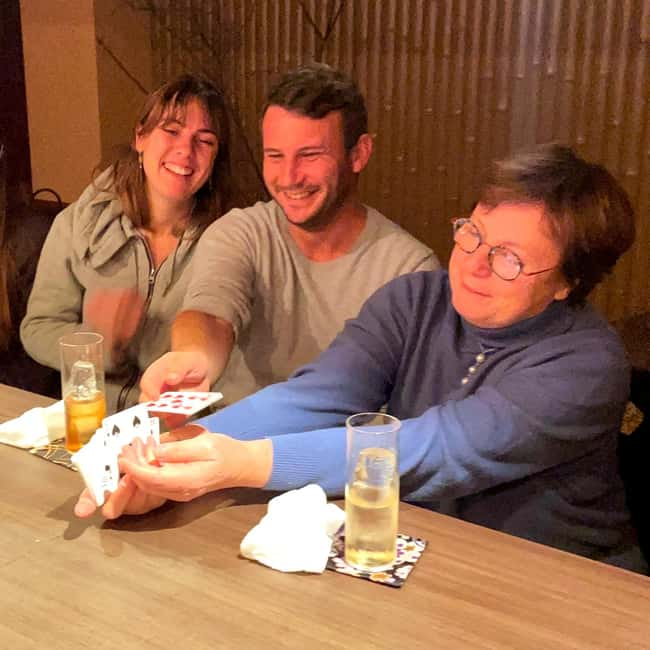
The performance is close-up. Your attention goes to the performer’s hands, objects, and expressions. Several people who experienced the show found the tricks difficult to explain even when they were performed right in front of them. That is a useful expectation to set: the appeal is not only the surprise, but also the precision and personality of the presentation.
Other tea ceremonies in Kyoto people book:
- Kyoto: Tea Ceremony in a Traditional Tea House in Kiyomizu
★ 4.9 · 3,519 reviews - Kyoto: Tea Ceremony Ju-An at Jotokuji Temple
★ 4.9 · 3,207 reviews - Kyoto: 45-Minute Tea Ceremony Lesson Experience
★ 4.3 · 2,378 reviews
What the 30-minute performance feels like
The first half is the energetic part of the hour. The magic is described as interactive and theatrical, and you may be brought into the action rather than left as a distant observer. The small room allows the performer to work directly with the people seated nearby.
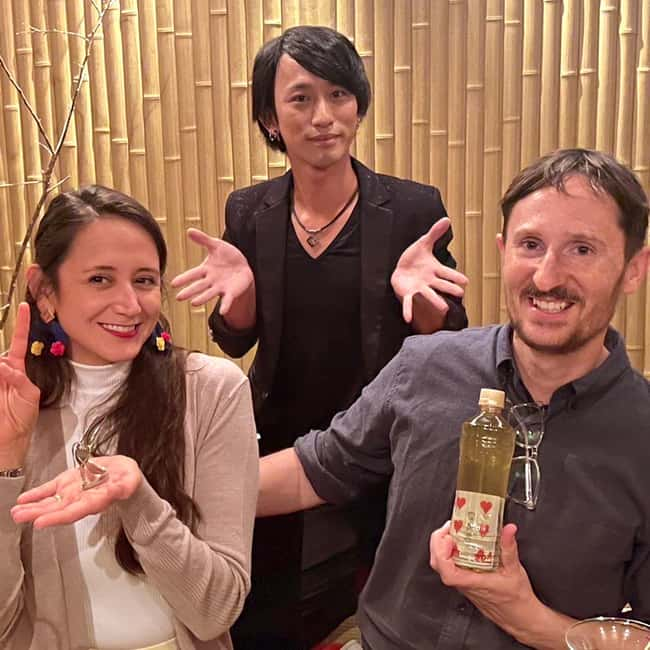
Masaya is named in the experience feedback as one of the performers, and Tamaki is also mentioned as part of the team. The performance has a strong personal element, with friendliness and humor helping to carry the traditional material. You are not just watching a sequence of tricks. You are watching a cultural art form presented by a small number of specialists.
The best feature is the distance. At a big magic show, your brain can blame the lighting, the props, or the distance from the stage. Here, the action happens close enough that you can see the details, yet the method remains hard to spot. That makes the show especially good for people who enjoy sleight of hand and live performance.
A souvenir or small memento may be given at the end. It is a modest detail, but it gives the experience a physical reminder beyond photographs. Flash photography is not allowed during the performance, so put your phone away and pay attention. This is one of those activities where trying to record everything would weaken the best part.
The show is by reservation only. Arrive five minutes early, as requested, and look for a staff member in front of the building. Since the venue is in Gion and transportation is not included, allow enough time to reach the meeting point. The activity itself is only one hour, so arriving late can take a real bite out of your booking.
From lively illusion to quiet Uji matcha
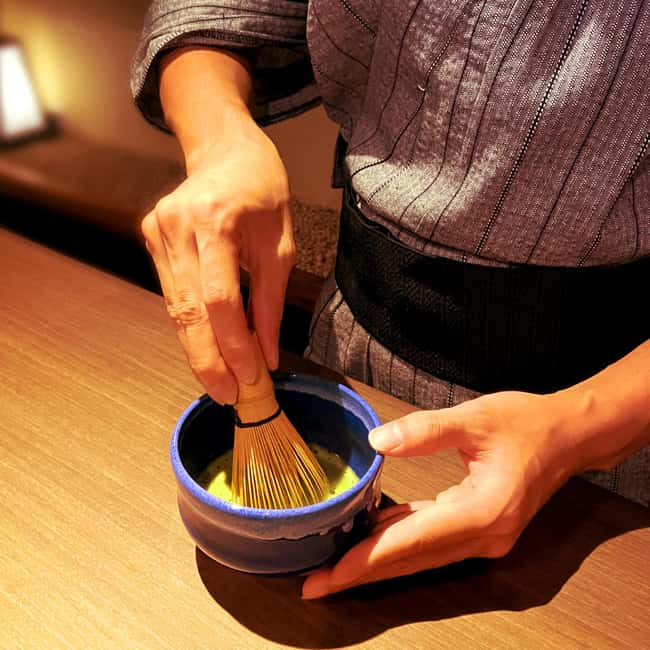
After the magic, the tone changes. You receive a hand-whisked bowl of Uji matcha, with English guidance explaining what you are drinking and how the tea fits into the setting.
This is a 30-minute tea time rather than a long formal tea ceremony. That distinction matters. You get the calm, ritual feel of matcha and a chance to appreciate the room, but the schedule stays compact. If your Kyoto plans are packed with temples and meals, this shorter format is practical.
Uji, south of Kyoto, is one of Japan’s most respected tea-producing areas. The experience specifically uses Uji matcha, described as fragrant and high quality. The tea is not just a drink added at the end. It gives the second half a slower rhythm and creates a clear contrast with the quick hands and surprises of the magic show.
I like that the activity does not force the two parts into the same mood. First, you are alert and amused, watching for hidden methods. Then you sit with a bowl of tea and let the pace settle. That contrast makes the one-hour visit feel more varied than its length suggests.
The tea room itself is part of the appeal. It provides a traditional setting without requiring you to commit to a full formal ceremony. You can expect English assistance, which is helpful if you have never tried matcha in a ceremonial context.
Why the private format changes the value
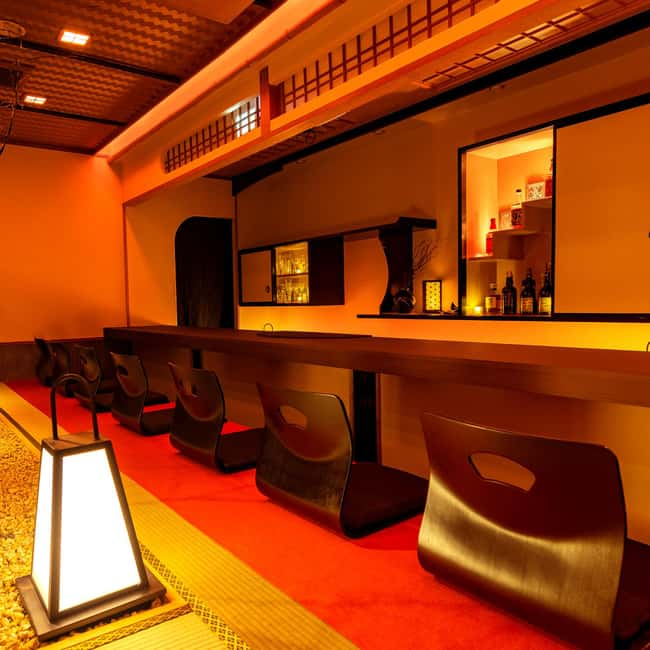
At $77 per person, this is not a bargain basement attraction. You are paying for a small, reservation-only cultural performance rather than a general admission show. The price includes the 30-minute Wazuma presentation and the 30-minute matcha portion, with the room reserved for one group.
For two people, the total cost is significant. I would judge the value by what you want from Kyoto. If you are looking for the lowest-cost cup of tea or a standard magic show, you can spend less elsewhere. If you want a rare tradition, personal attention, an English-supported tea experience, and a private room in Gion, the price is easier to justify.
The six-seat limit is the strongest reason for the premium. You are buying intimacy as much as entertainment. A private group also suits people who prefer not to participate in front of strangers. You can laugh, ask questions, and react naturally with your own group.
The short length helps the value too. You do not need to surrender half a day. The activity can fit between sightseeing stops, dinner, or an evening walk through Gion. Just remember that the listed price does not include transport or personal expenses.
Other tea rooms and ceremonies in Kyoto:
- Kyoto: Table-Style Tea Ceremony at a Kyo-Machiya
★ 4.9 · 1,211 reviews - Kimono Tea Ceremony at Kyoto Maikoya, NISHIKI
★ 5.0 · 911 reviews - Kyoto: Arashiyama Bamboo Forest, Monkeys, Matcha & Temple Tour
★ 5.0 · 759 reviews - Kyoto: Tea Museum Tickets and Matcha Grinding Experience
★ 4.9 · 739 reviews
Who will enjoy this most
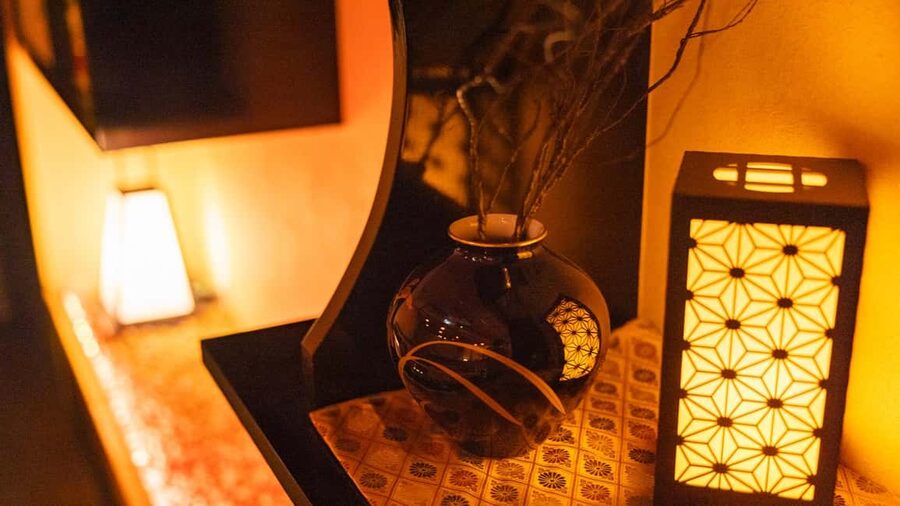
This is a strong choice for first-time visitors who want a cultural activity beyond the standard temple circuit. You get a traditional setting, an old Japanese art form, and matcha in one compact booking.
It also suits repeat visitors to Kyoto. If you have already seen several temples and gardens, Wazuma offers a different side of Japanese culture. It is less about viewing a famous building and more about watching a living performance tradition.
Couples and small groups are especially well matched to the private format. The experience can feel like a special evening appointment rather than a scheduled attraction. Families may enjoy the visual magic, though the supplied information does not give a minimum age or specific child policy, so check those details before booking.
Magic fans should pay attention to the close-up format. The performance is not presented as a broad stage spectacle. Its strength is the tension between seeing the hands clearly and still not working out the method.
It is also a good fit for visitors who want English guidance. The host or greeter speaks English, and the matcha portion includes clear English support. You do not need to understand Japanese to follow the main experience.
Who should think twice
The experience is not suitable for wheelchair users, so accessibility should be checked carefully before booking. The venue is a traditional tea room, and the information provided does not promise step-free access or adapted facilities.
You should also think twice if you want a long, highly formal tea ceremony. The matcha portion lasts 30 minutes and follows a magic performance. It offers a refined tea-room pause, but it is not designed as an extended study of tea ceremony etiquette.
People who dislike close audience participation may prefer a conventional theater show. The private room and interactive style are major strengths, but they mean you are part of the atmosphere rather than an anonymous face in a crowd.
Finally, do not book this expecting an entire evening of entertainment. The one-hour duration is convenient, but it also limits the depth of both sections. You receive a concentrated sample of Wazuma and matcha, not an all-day cultural program.
Practical timing and arrival advice
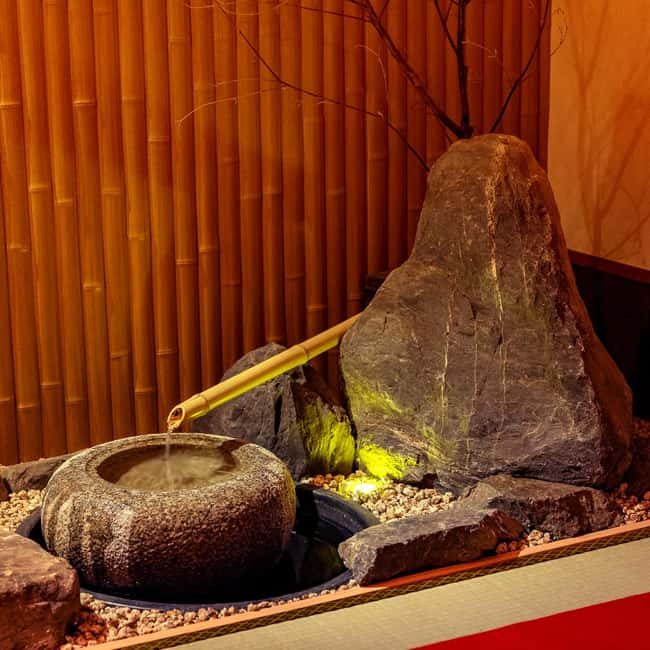
The activity is one hour total:
- The first 30 minutes are the traditional Japanese magic show.
- The next 30 minutes are Uji matcha tea time with English guidance.
A staff member waits in front of the building five minutes before the scheduled start. Arrive on time. One late booking received help from the guide, but you should not plan around that courtesy. In a private, tightly timed activity, late arrival can affect the performance and the tea portion.
The meeting point is in Kyoto’s Gion area, but transportation to and from the venue is not included. Plan your route before leaving your hotel or previous stop. Gion can be easy to reach in broad terms, yet small lanes and traditional buildings can slow you down when you are searching for one particular entrance.
Photography is restricted during the performance: flash photography is not allowed. The rule protects the atmosphere and keeps bright light from distracting the performer. Take a few pictures outside or after the show, then give the performance your full attention.
The booking offers free cancellation up to 24 hours before the start time, and you can reserve now while paying later. That flexibility is useful if your Kyoto schedule depends on weather, train plans, or uncertain arrival times.
The atmosphere and personal service
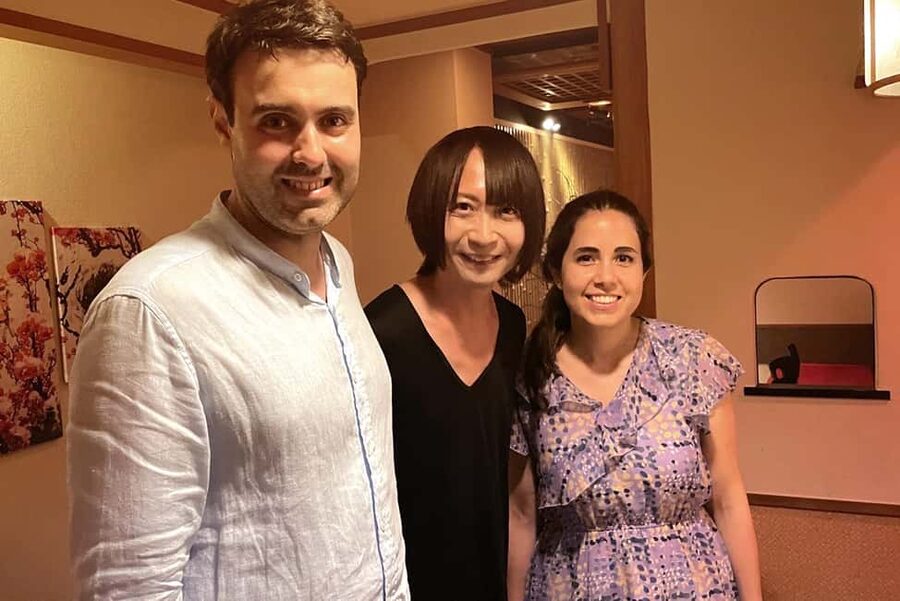
The room is described as beautiful, and the small setup gives the activity a polished feel. You are not entering a large commercial attraction with a stream of groups moving through. The private arrangement lets the staff focus on your party.
The performers are also part of the experience. Masaya is specifically praised for close-up magic, while Tamaki is named alongside him in the presentation. The staff are described as friendly and attentive, and one late-arriving party received help adjusting the visit.
That does not mean every moment will feel identical. A traditional performance depends on the performer, the size and mood of your group, and your comfort with interaction. Still, the format gives the team room to respond to the people in front of them, which is difficult in a crowded show.
The most consistent strengths are the intimate room, the direct magic, the unusual Japanese roots, and the gentle finish with matcha. Those are the details I would use to separate this from an ordinary tourist entertainment stop.
Should you book the Kyoto Wazuma experience?
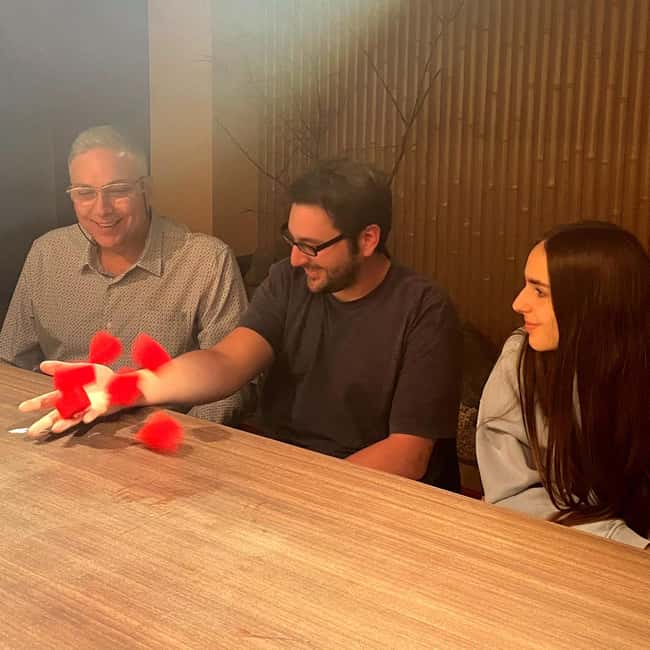
Book it if you want something rare, small-scale, and distinctly Japanese. The combination of Wazuma magic and Uji matcha is unusual, and the private six-seat room gives the hour a personal feel that a large show cannot match.
I would especially recommend it to couples, small groups, magic fans, and visitors who have already covered Kyoto’s major sights. At $77 per person, the value comes from the private setting and unusual tradition, not from the length alone.
Skip it if you need wheelchair access, want a full formal tea ceremony, or are seeking the cheapest possible cultural activity. For everyone else, this is a smart one-hour addition to a Kyoto itinerary, provided you arrive on time and reserve in advance.
FAQ
How long does the Kyoto Wazuma magic and tea experience last?
The activity lasts one hour. It includes a 30-minute traditional Japanese magic show and 30 minutes of Uji matcha tea time.
How much does the experience cost?
The listed price is $77 per person.
Is the magic show private?
Yes. It is offered as a private group activity, with only six seats available in the traditional tea room.
Where does the experience take place?
It takes place in a traditional tea room in Kyoto’s Gion area.
Is the activity available in English?
Yes. The host or greeter speaks English, and English guidance is provided during the matcha portion.
What is included in the booking?
The booking includes the 30-minute traditional Japanese magic show and the 30-minute Uji matcha tea time.
Is transportation included?
No. Transportation to and from the activity location is not included.
How early should I arrive?
You should arrive five minutes before the show starts. A staff member will be in front of the building at that time.
Is photography allowed during the show?
Flash photography is not allowed during the performance.
Can wheelchair users take part?
The activity is not suitable for wheelchair users.
Can I cancel the booking?
You can cancel up to 24 hours in advance for a full refund. The booking also offers a reserve-now, pay-later option.
Just added in Kyoto
- Your Private Vacation Photography Session In Kyoto★ 5.0 · 110 reviews
- Kyoto: Zen Meditation at a Private Temple with a Monk★ 5.0 · 25 reviews
- Private Cooking Class Udon in Kyoto Japan★ 5.0 · 23 reviews
- Private Pewter Sake Cup Experience with a Kyoto Artisan★ 5.0 · 31 reviews
- Kyoto Wagashi(Japanese sweets) Cooking Class near Fushimiinari★ 5.0 · 60 reviews
- Kyoto:Family-Friendly Kimono & Yukata Experience at WARGO★ 5.0 · 147 reviews
- Private Guided Traditional Buddhist Cooking in Japan★ 5.0 · 16 reviews
- Kyoto: Gion Geisha District & Sake-in-Hand Walking Tour★ 5.0 · 37 reviews
Tea Ceremony Experiences, compared.
Tea Ceremony in a Traditional Tea House in Kiyomizu
Read our review →
World Heritage Kyoto & Nara Uji Authentic Matcha Experience
Read our review →
Arashiyama Bamboo Forest, Monkeys, Matcha & Temple Tour
Read our review →Browse the lists this tour appears in