
Reviewed · TOURS IN KYOTO
Kyoto: Private Highlights Tour with Guide and Luxury Vehicle
Kyoto’s biggest challenge is not finding beautiful places. It is fitting them together. This private tour tackles that problem with a car, a flexible route, and a guide who can adjust the day when crowds, weather, or tired feet get in the way. In 10 hours, you can connect far-flung sights that would take much longer by bus and train.
I like the hotel pickup from Kyoto, Osaka, or Nara, especially if you are making a one-day visit from another city. I also like the freedom to change the plan, a real help during cherry blossom season, New Year, or rainy weather. The catch is simple: this is an ambitious day, and the temples, lanes, and shrine paths still require plenty of walking.
Key points at a glance
- A private vehicle for up to six people: The $383 group price becomes much better value when shared by a family or small group.
- A route built around your priorities: You can spend longer in Arashiyama, skip a temple, or add a preferred stop if time allows.
- Wide coverage in one day: The route can include Arashiyama, Kinkaku-ji, Fushimi Inari, Kiyomizu-dera, Gion, Nishiki Market, and more.
- Pickup beyond Kyoto: Collection and return are available in Kyoto, Osaka, and Nara, useful for a day trip.
- Comfort during long transfers: The air-conditioned vehicle has onboard Wi-Fi, and many guides are praised for safe driving and clean vans.
- Bring cash and good shoes: Temple admissions are not included, and some sites may not accept cards.
Why this private Kyoto tour works
Kyoto spreads its major sights across several distinct areas. Arashiyama lies in the west, Fushimi Inari in the south, and Kinkaku-ji and Ginkaku-ji sit in different northern parts of the city. Add Gion, Kiyomizu-dera, and Nishiki Market, and a standard public transport day can become a puzzle of buses, trains, walking, and waiting.
A private car does not remove Kyoto’s crowds, but it cuts out much of the connecting work. You can leave the vehicle near a sightseeing area, walk through the site, then return for the next transfer. Your guide can also change the order when traffic or crowd levels make the original plan less useful.
The group limit is six people, so this suits families and friends better than solo visitors seeking the cheapest option. At $383 per group, six people pay about $64 each before entrance tickets and meals. For two people, the per-person price is much higher, but you are paying for privacy, door-to-door transport, and time saved.
The day is not a slow, scholarly temple tour. It is a broad survey of Kyoto’s famous sights. If you want to linger in one garden, attend a tea ceremony, or spend hours in a single neighborhood, you will need to trim the route.
Other experiences people book in Kyoto:
- PERFECT KYOTO 1-Day Bus Tour
★ 5.0 · 13,518 reviews - Kyoto: Fushimi Inari, Kinkakuji, Bamboo Grove 1 Day Bus Tour
★ 4.8 · 4,316 reviews - Kyoto: Tea Ceremony in a Traditional Tea House in Kiyomizu
★ 4.9 · 3,519 reviews
Arashiyama starts the day with bamboo, gardens, and a hillside climb
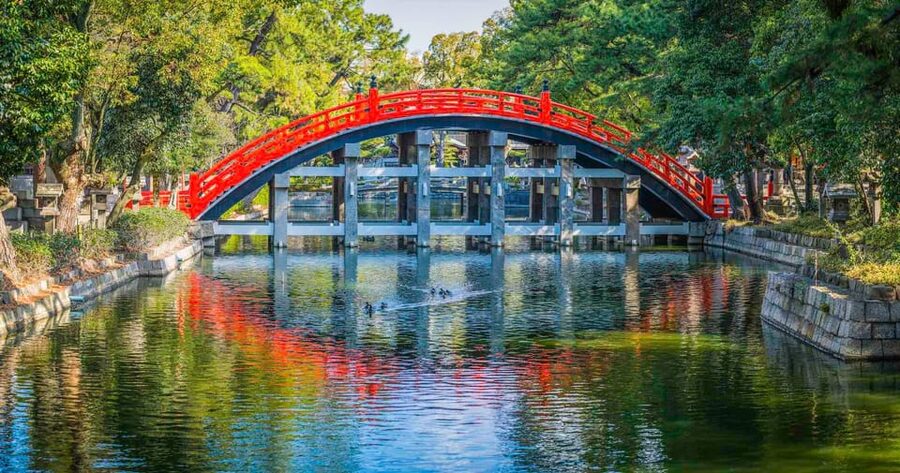
Arashiyama gives you several different Kyoto experiences close together. The area includes the famous Sagano Bamboo Forest, Tenryu-ji Temple and its garden, Togetsu-kyo Bridge, Monkey Park Iwatayama, and the Kimono Forest near the station area.
The bamboo grove is photogenic, but it is also one of Kyoto’s most crowded stops. A 40-minute photo stop gives you time to walk among the tall stalks and take pictures, though not enough for a slow exploration of every nearby lane. Go in expecting a scenic introduction, not a private forest walk.
Tenryu-ji adds more substance. Its temple buildings and garden show how Buddhist spaces use water, trees, stone, and borrowed mountain views. The Togetsu-kyo Bridge offers a broad river view and a useful pause between temple grounds and the busier walking routes.
Monkey Park Iwatayama requires a hillside walk, so it is not a casual roadside photo stop. You should allow for steps and an uphill approach. The reward is a high view over Kyoto and the chance to see the park’s resident monkeys. If walking is difficult, tell your guide early so the route can be adjusted.
The Kimono Forest is a quick but appealing stop. Colorful fabric-covered pillars line the area near Arashiyama Station, creating an easy photo opportunity without another long temple visit. It works well as a short addition, but it should not replace Tenryu-ji or the bamboo grove if this is your first Kyoto visit.
Kinkaku-ji brings the classic Kyoto picture
Kinkaku-ji, the Golden Pavilion, is one of the city’s most recognizable sights. The gold-covered upper stories reflect in a pond, with carefully arranged gardens around the walking path. You do not enter the pavilion, and the visit follows a set route, but the view is memorable.
One hour is a sensible allocation for the grounds and photographs. The approach can be crowded, and the main viewing area may feel hurried when many people stop at once. Your guide’s value here is less about leading an extended walk and more about explaining the temple’s role, design, and setting while keeping the day moving.
Entrance tickets are not included. Bring cash, since some temple ticket counters may not accept cards. This small preparation matters because the tour price covers transportation and guiding, not admissions.
Fushimi Inari requires choices about how far to walk
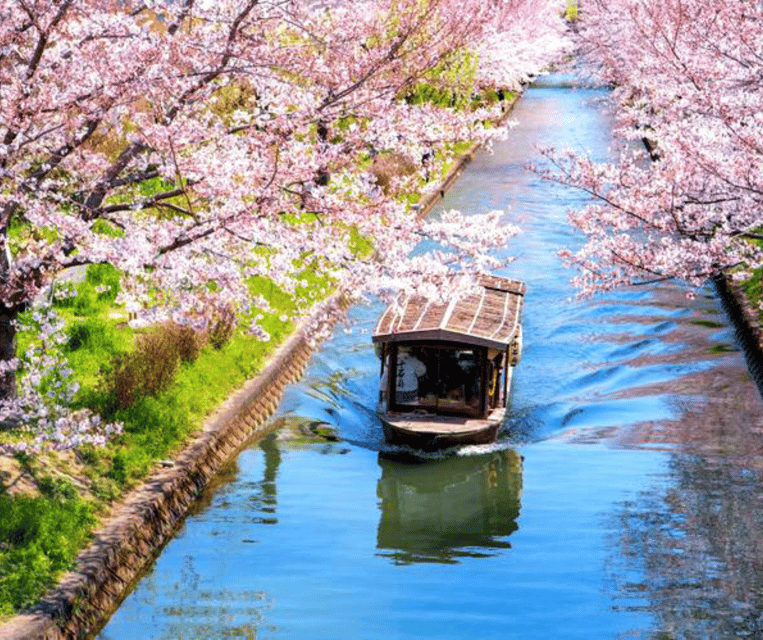
Fushimi Inari Taisha is known for its thousands of red torii gates, which climb the wooded slopes behind the main shrine. The lower section is the easiest part to visit in a packed day, with the densest run of gates and the most familiar photographs.
The full mountain route takes much longer than the one-hour stop listed here. You should decide before arrival whether you want a quick look at the lower gates or a longer uphill walk. A private tour lets you discuss that choice instead of being tied to a fixed group schedule, but the clock still matters.
The shrine is free to enter, though donations and other small expenses may arise. Wear shoes with a good grip, particularly if the path is wet. Fushimi Inari is one of the tour’s strongest photo stops, but it can also be one of the most physically demanding if you try to walk deep into the hills.
Same base, a different sort of day:
- Kyoto Geisha Walking Tour: Gion District & Hidden Gems
★ 4.7 · 3,273 reviews - Kyoto: Tea Ceremony Ju-An at Jotokuji Temple
★ 4.9 · 3,207 reviews - Kyoto: Gion Magical Night Walking Tour with Geisha Trivia
★ 4.9 · 2,393 reviews - Kyoto: 45-Minute Tea Ceremony Lesson Experience
★ 4.3 · 2,378 reviews
Ginkaku-ji and Sanjusangen-do add quieter temple time
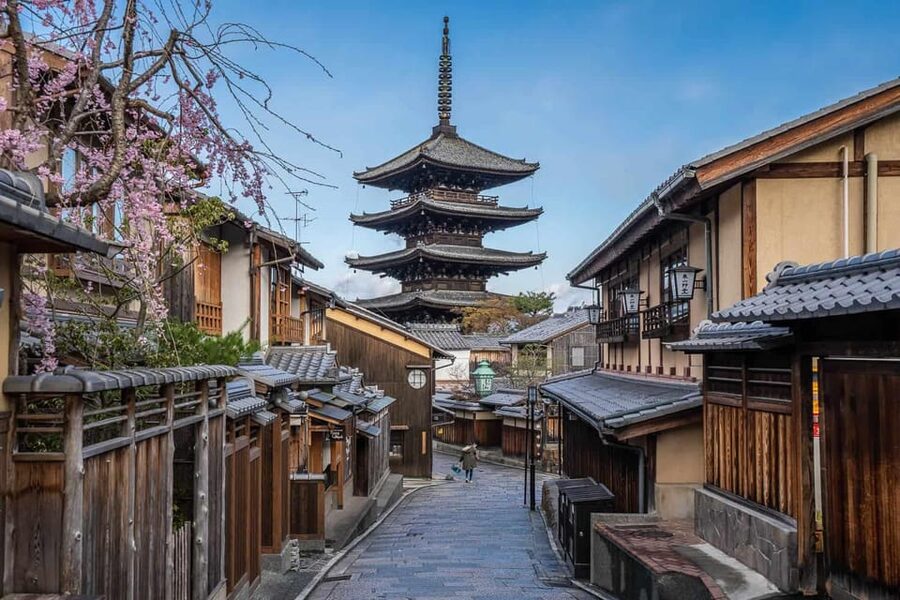
The itinerary can include Ginkaku-ji, the Silver Pavilion, and Sanjusangen-do. These stops offer a useful counterpoint to Kinkaku-ji and Fushimi Inari.
Ginkaku-ji is not silver-plated. Its appeal comes from the understated temple buildings, mossy grounds, clipped trees, and distinctive sand garden. It provides a calmer look at Japanese aesthetics than the glittering Golden Pavilion, though the walking route and crowds still require time.
Sanjusangen-do is known for its long wooden hall and rows of Buddhist statues. It is an indoor cultural stop, which can be especially welcome on a rainy or cold day. The experience is less about sweeping outdoor views and more about the scale, order, and detail inside the hall.
Including both temples in the same day makes the schedule very full. I would ask your guide to rank the stops rather than assume every listed location can receive equal attention. The advertised route is flexible, not a promise that every place will get a leisurely hour.
Kiyomizu-dera leads into Kyoto’s old lanes
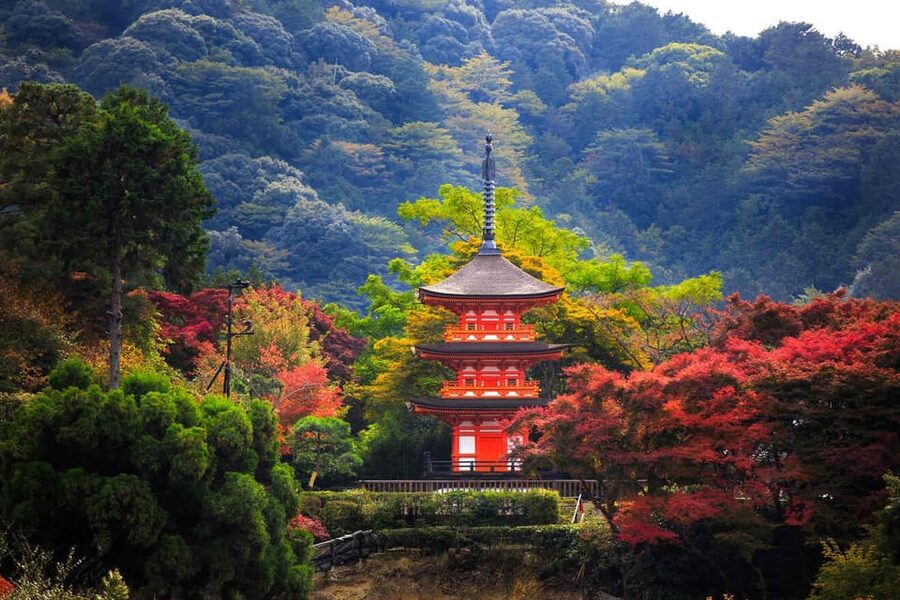
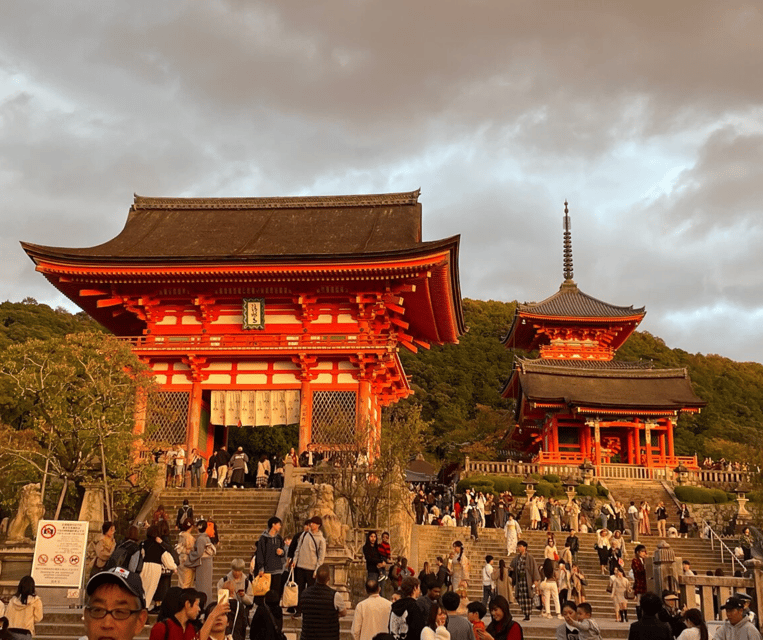
Kiyomizu-dera sits on a hillside and is famous for its large wooden stage, which looks over Kyoto. The temple complex includes several halls, gates, and views, so even a one-hour visit can feel brisk.
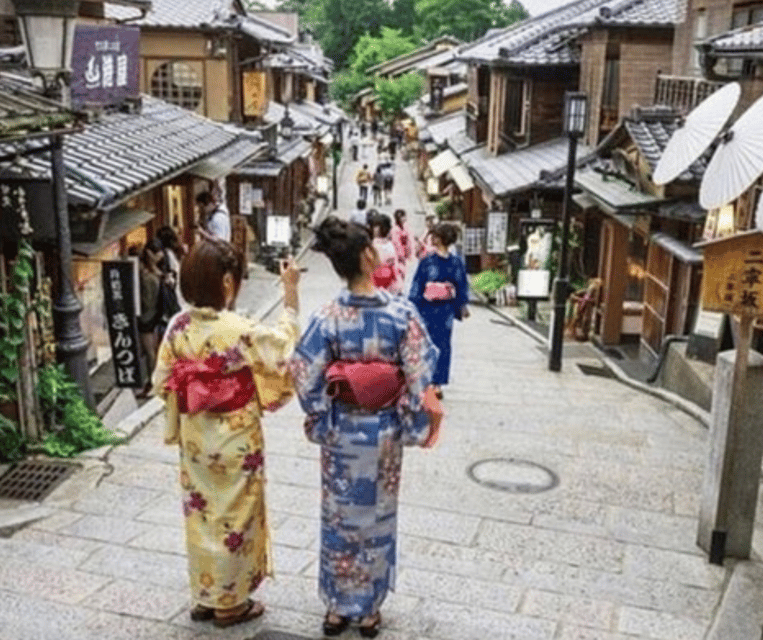
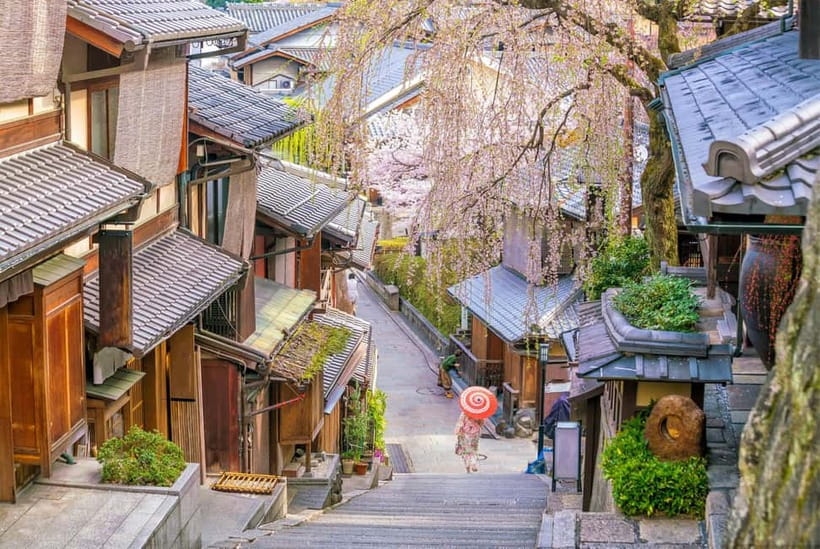
From the temple, the route continues through Ninenzaka and Sannenzaka. These sloping lanes are lined with traditional-style buildings, souvenir shops, tea houses, and food stalls. They are among the most atmospheric places in the city, but they are also crowded and uneven underfoot.
This is where a private vehicle has limits. Cars cannot carry you through the pedestrian lanes, so you still need to walk from the drop-off point and through the district. One traveler with limited mobility found the day tiring for exactly this reason. A private car reduces transfers, not the walking at the sights themselves.
If you need regular rests, say so at the start. A later departure can also help families, and one family found that a flexible start made the day easier during the busy New Year period. Just remember that a later start also reduces the time available for distant stops.
Gion offers atmosphere, not guaranteed geisha sightings
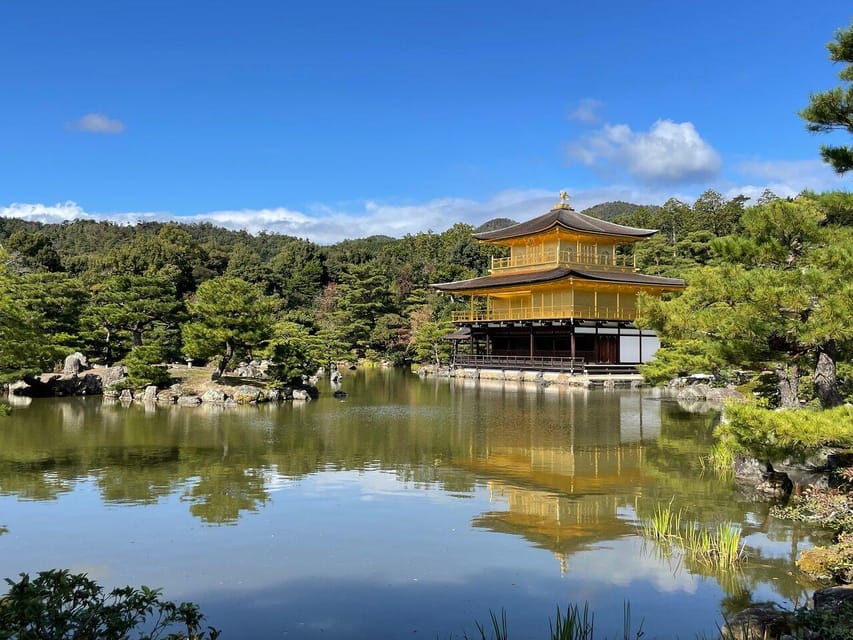
Gion is Kyoto’s famous district of wooden townhouses, traditional teahouses, and narrow streets. It is a place to walk slowly, look at the architecture, and observe the difference between a working neighborhood and a theme park version of old Japan.
The tour can introduce you to the area and explain its connection to geisha culture. Do not treat it as a guaranteed performance or a photo opportunity with a geisha. Respectful behavior matters here, particularly on private lanes and near residents’ homes.
Gion pairs naturally with Kiyomizu-dera and the Higashiyama streets, but the walking adds up. Comfortable shoes are not a formality on this tour. They are essential.
Nishiki Market is your best lunch wildcard
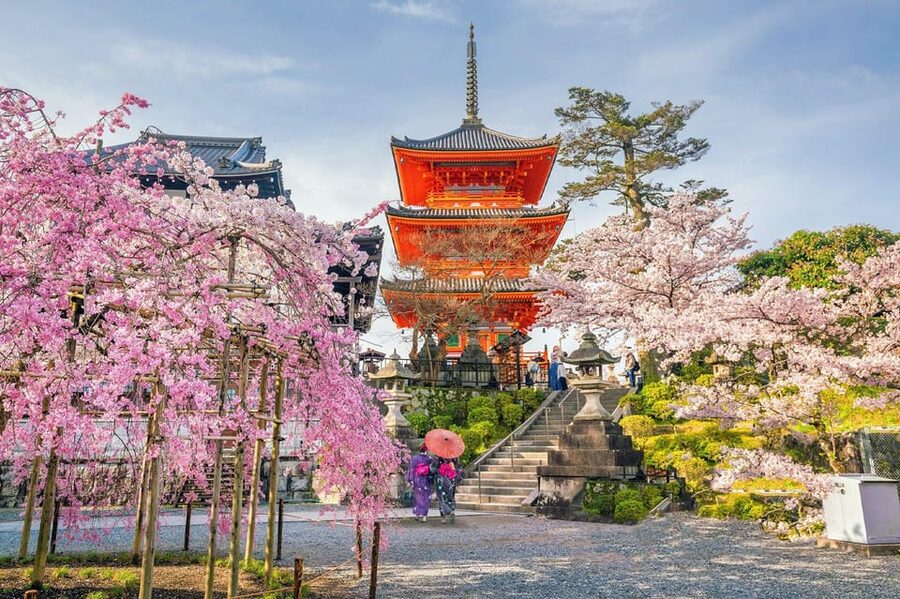
Lunch can take place at a restaurant you choose or around Nishiki Market. The market offers local specialties and international food, so it gives your group more choice than a fixed restaurant booking.
I like this arrangement for families and mixed groups because not everyone wants the same meal. You can ask your guide for help with a restaurant, and guides have assisted with reservations and found suitable options, including vegan food. Food and drinks cost extra.
Nishiki Market is more than a quick eating stop. It is a covered shopping street where you can see Kyoto ingredients, snacks, pickles, sweets, and prepared foods up close. It can be crowded, and the narrow space is not ideal for a rushed group, so agree on a meeting point and keep an eye on the time.
Your guide matters more than the vehicle
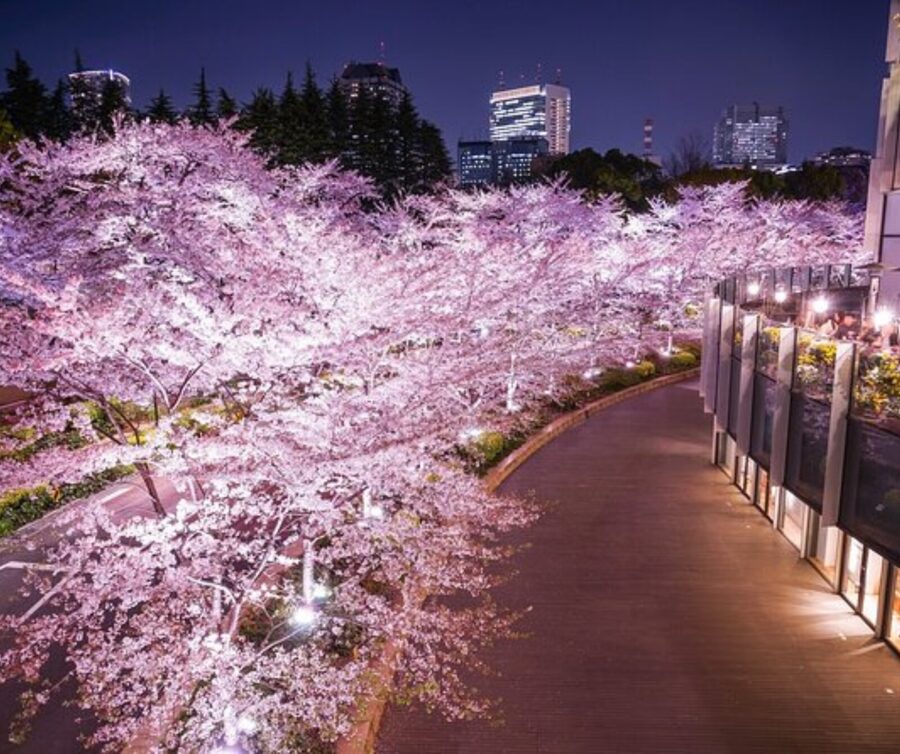
The assigned guide makes a noticeable difference. Guides named in recent bookings include Sam, Yash, Hashan, Isuru, Malik, Sunny, Ali, and Narayan, among others. You cannot select a particular person from the information provided, but the guiding team speaks English, Japanese, Hindi, and Urdu.
The strongest pattern is practical help. Guides have adjusted routes around traffic, weather, crowd levels, children’s energy, and changing priorities. Several have also taken photographs, suggested lunch, helped with restaurant calls, and explained sites in simple historical and cultural terms.
There is a difference between a guide who walks every site with you and a driver who mainly gives directions and background. The experience can vary by assigned guide. If detailed interpretation is important to you, confirm how much guided walking and explanation you want at the start of the day.
The vehicle is air-conditioned, private, and described as clean and comfortable. Onboard Wi-Fi is included. Do not expect a fully stocked luxury service, though. One useful practical note is that bottled water and extra amenities may not be provided, so bring your own drinks.
The 10-hour schedule needs honest expectations
The listed day gives roughly an hour to many stops, but the total also includes driving, parking, drop-offs, meals, and walking between vehicle access points and monuments. A route from Arashiyama to Fushimi Inari already crosses much of Kyoto.
You can see many headline sights in one day, especially if you are in Kyoto only briefly. You cannot experience every place slowly. I would choose three priorities, three secondary stops, and one flexible slot. That gives your guide a clear idea of what should survive if traffic or crowds eat up time.
The tour can begin from Kyoto, Osaka, or Nara and return to one of those areas. Pickup and drop-off at your hotel, accommodation, or Airbnb are included. Starting outside Kyoto makes the day longer in practical terms because of the extra driving, but it can be a smart option if you have only one day for Kyoto.
The vehicle is wheelchair accessible according to the activity details, but the actual temple paths, hillside approaches, and old streets vary. Ask specific questions about the walking portions if mobility is a concern.
Who gets the best value from $383
This tour makes the most financial sense for a group of four to six people. A family with children can use the car as a base, change pace when legs get tired, and avoid repeated transfers. Friends can divide the cost while keeping control of the route.
It is also useful for a short stay, a port-style day visit, or a first day in Kyoto when you want to learn the city’s layout. The private format is valuable during busy periods because your guide can reorder the stops rather than follow a fixed coach route.
For a solo visitor or couple on a tight budget, public transport will cost less. For a traveler who wants quiet time, long meals, or a single neighborhood explored in detail, this schedule may feel too compressed.
Cancellation is free up to 24 hours before the start, and you can reserve now and pay later. That flexibility helps when weather or transport plans remain uncertain, but the important costs on the day are still temple admissions, lunch, snacks, and drinks.
Should you book this Kyoto highlights tour?
Book it if you have one day, want to cover distant sights, and value a private car more than the lowest possible price. It is particularly strong for families, small groups, and visitors staying in Osaka or Nara who want door-to-door service.
Book with a clear priority list, comfortable shoes, cash for admissions, and realistic expectations about walking. Ask your guide to protect your top three stops, schedule a proper lunch break, and cut lesser priorities if the day starts to feel rushed.
Skip it if your ideal Kyoto visit means lingering in one temple garden, using trains and buses as part of the experience, or keeping the budget very low. For everyone else, this is a practical way to cover a remarkable amount of Kyoto without spending the day solving its transport puzzle.
FAQ
How long is the private Kyoto tour?
The tour lasts 10 hours. Starting times depend on availability.
How many people can join the private group?
The price of $383 covers a private group of up to six people.
Where can pickup and drop-off take place?
Pickup and drop-off are available in Kyoto, Osaka, and Nara. Collection can be arranged from your accommodation, hotel, or Airbnb.
Is transportation included?
Yes. Private transportation in an air-conditioned vehicle, hotel pickup and drop-off, and onboard Wi-Fi are included.
Is an English-speaking guide included?
Yes. An English-speaking guide is included. Live guiding is also available in Japanese, Hindi, and Urdu.
Are meals and temple admission tickets included?
No. Food, drinks, and entry tickets are not included.
Can the itinerary be changed?
Yes. You can customize the tour around your preferences, and additional sites may be added if time permits.
Does the tour visit Fushimi Inari Taisha?
Yes. Fushimi Inari Taisha is included, with time to see its famous red torii gates.
What should I bring?
Wear comfortable shoes. If rain is expected, bring an umbrella, and carry some cash because certain temple ticket counters may not accept cards.
Can I cancel the booking?
You can cancel up to 24 hours in advance for a full refund. The reserve now and pay later option lets you book without paying immediately.
Just added in Kyoto
- Kyoto: Private Photoshoot Service★ 5.0 · 158 reviews
- Kyoto Rickshaw Tour★ 5.0 · 210 reviews
- Izakaya Style Cooking Class★ 5.0 · 219 reviews
- Ninja 2-hour Hands-on Lesson by Japanese master in Kyoto -Medium★ 5.0 · 218 reviews
- Kyoto: Traditional Concert at Townhouse or Bathhouse★ 4.9 · 224 reviews
- Kyoto: Arashiyama Bamboo, Temple, Matcha, Monkeys & secret spots★ 5.0 · 219 reviews
- Kyoto Geisha District Walking Tour in Gion★ 5.0 · 232 reviews
- The right way to know Kyoto★ 5.0 · 257 reviews
Tours in Kyoto, compared.
Tea Ceremony in a Traditional Tea House in Kiyomizu
Read our review →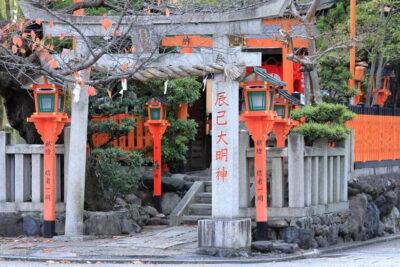
Kyoto Geisha Walking Tour: Gion District & Hidden Gems
Read our review →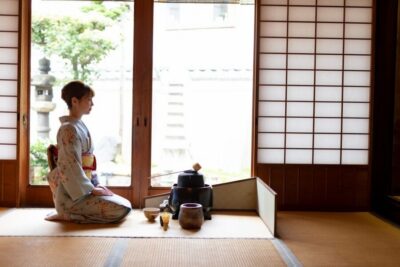
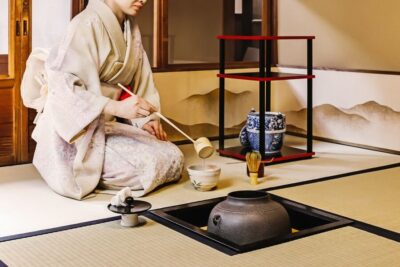
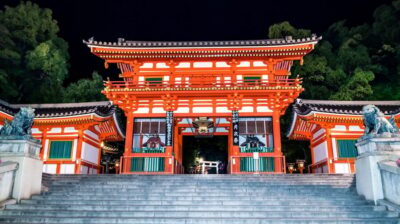
Gion Geisha District Walking Tour – Stories of Geisha
Read our review →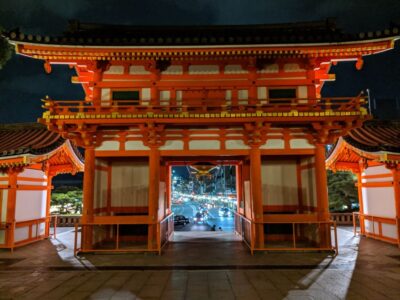
Best of Kyoto: Gion, Geisha, Pagodas & Cobblestones
Read our review →
Browse the lists this tour appears in