Reviewed · TOURS IN KYOTO
Let’s make only one original onigawara in the world!!
A lump of clay becomes a small guardian for your home in this hands-on onigawara workshop. These demon-faced roof tiles have protected Japanese buildings from evil and rainwater for about 1,400 years. Here, you follow a carefully developed method to shape your own version, then wait for the kiln to turn it into a traditional silver-colored tile.
I like two things right away. Yuya teaches patiently, breaking the work into manageable stages, so you do not need to be a sculptor. I also like the small-group setting, limited to five people, which gives the workshop a calm, personal feel.
The main drawback is the wait. You do not leave with the finished silver tile. It must dry and be fired first, then shipped to your home after about one to two months. Shipping costs extra, and clay can make a mess of good holiday clothes.
Key Points Before You Book
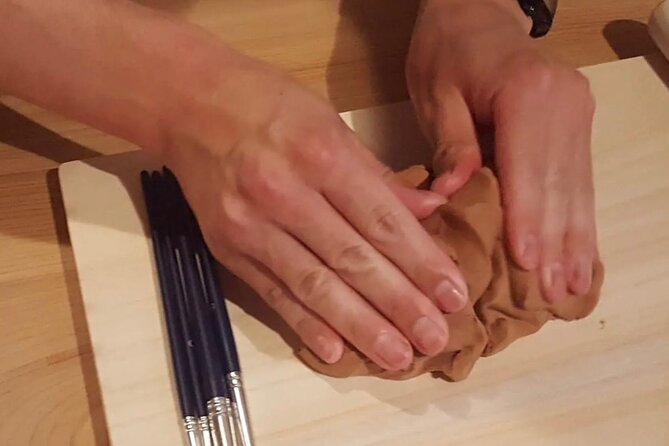
- Make a traditional demon-faced roof tile: Shape a small onigawara by hand using clay and a beginner-friendly process.
- Learn from Yuya: English and Japanese support is available, with patient step-by-step instruction.
- Expect a small class: The group is limited to five participants, though some sessions may have only two people.
- Plan for a delayed souvenir: Your tile is kiln-fired, changes to a traditional silver color, and arrives by parcel after one to two months.
- Wear practical clothes: The activity uses soil, so choose clothing that can get dirty.
- Budget for postage: The $90 activity price does not include shipping, which you pay separately on the day.
Why Onigawara Still Matter on Japanese Roofs
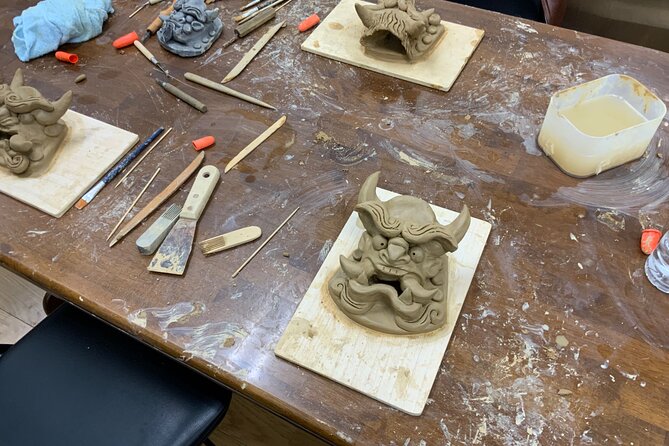
Look up at the ends of traditional Japanese roofs and you may see fierce faces, curling ornaments, or mythical creatures. These are onigawara, roof tiles shaped like ogres. Their job was practical as well as symbolic: they helped protect the roof from rainwater and were believed to guard buildings from evil.
That gives this workshop more weight than a standard craft class. You are not simply pressing clay into a decorative shape. You are working with an object connected to roughly 1,400 years of Japanese building culture.
The finished tile is small and simple enough for a first attempt, but it carries an old idea: a protective face watching over a home. You can think of it as a souvenir with a purpose, even if you eventually display it indoors rather than placing it on a roof.
I especially like that the workshop lets you take part in a living tradition without requiring advanced artistic skill. The modern process has made tile production more efficient, but this activity gives you time to handle the material and build the face yourself.
Other experiences people book in Kyoto:
- PERFECT KYOTO 1-Day Bus Tour
★ 5.0 · 13,518 reviews - Kyoto: Fushimi Inari, Kinkakuji, Bamboo Grove 1 Day Bus Tour
★ 4.8 · 4,316 reviews - Kyoto: Tea Ceremony in a Traditional Tea House in Kiyomizu
★ 4.9 · 3,519 reviews
Arriving at Kawarakoubouyouya
The meeting point is Kawarakoubouyouya, the host’s own workshop. You should search for KAWARAKOUBOUYOUYA on Google Maps before setting out and check the location carefully.
One useful warning comes from the directions: the Google Maps pin may be about 40 meters off. If you arrive at the marked point and cannot find the shop, continue roughly 40 meters east. That small correction could save you from starting the class flustered and covered in unnecessary navigation sweat.
The location information supplied for the activity places it on Honshu and connects the cultural setting with Kyoto. The exact meeting point is the workshop itself, not a large sightseeing attraction or hotel lobby. Allow enough time to locate the shop, especially if you are unfamiliar with the surrounding streets.
The host provides support in English and Japanese. That does not mean every part of the class will be conducted in English, but it does make the activity workable for English-speaking visitors.
The First Two Hours: Clay, Pieces, and Patient Instructions
The session lasts about two hours. You begin with clay and a prepared work station, then follow the process step by step.
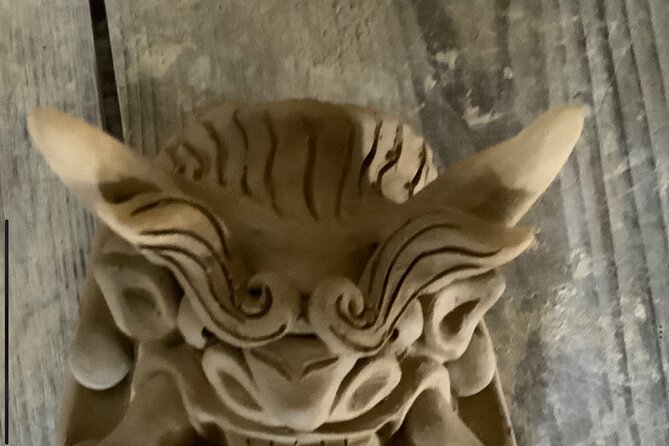
You will shape a small onigawara with a demon face. The face is assembled from separate parts, and the work calls for careful handling rather than free-form sculpting. You manipulate the clay, craft the different elements, and join them together in stages.
That step-by-step structure is important. Traditional onigawara can be difficult to make, particularly if you have never worked with clay. Yuya developed a procedure intended to make the task possible for children and people who describe themselves as clumsy. You still need to pay attention, but the activity is not built around artistic perfection.
The pace is another strong point. Participants have described enough time to focus on each piece and fit everything together without feeling hurried. A class with only two people can feel especially relaxed, while the five-person limit keeps the group from becoming unwieldy.
This is not a quick demonstration where you watch someone else make the object and then take a souvenir home. Your hands do the work. That makes the final piece personal, including its small quirks and uneven spots.
What Yuya Adds to the Experience
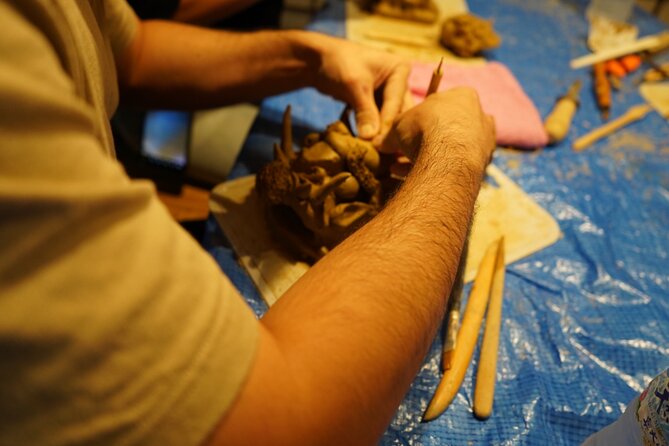
Yuya’s role is central. He guides you through the construction, explains how to manipulate the clay, and offers corrections as the face takes shape. The teaching style is patient and gentle, which matters when a small clay piece refuses to sit exactly where you want it.
The workshop also includes background on the meaning and history of onigawara. You learn why these roof ornaments use fierce faces and how they relate to protection. The cultural explanation stays tied to the object in front of you, rather than becoming a long lecture detached from the activity.
I would choose this workshop if you value direct contact with the maker. You are in the host’s shop, working with the material under his guidance. The setting sounds friendly and conversational, with room for questions and casual conversation during the careful parts of the craft.
That personal contact is useful for families, too. Children can take part, and the process was specifically designed so that beginners can produce a complete figure. Do not expect a museum-quality sculpture from every first attempt. The point is to make your own guardian and understand how it comes together.
Same base, a different sort of day:
- Kyoto Geisha Walking Tour: Gion District & Hidden Gems
★ 4.7 · 3,273 reviews - Kyoto: Tea Ceremony Ju-An at Jotokuji Temple
★ 4.9 · 3,207 reviews - Kyoto: Gion Magical Night Walking Tour with Geisha Trivia
★ 4.9 · 2,393 reviews - Kyoto: 45-Minute Tea Ceremony Lesson Experience
★ 4.3 · 2,378 reviews
The Finished Tile Takes Time
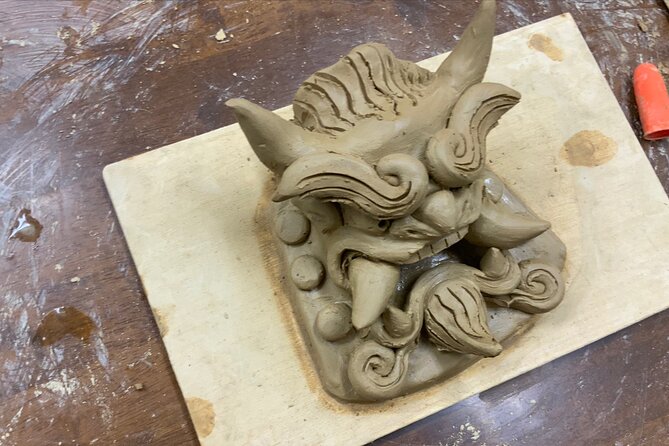
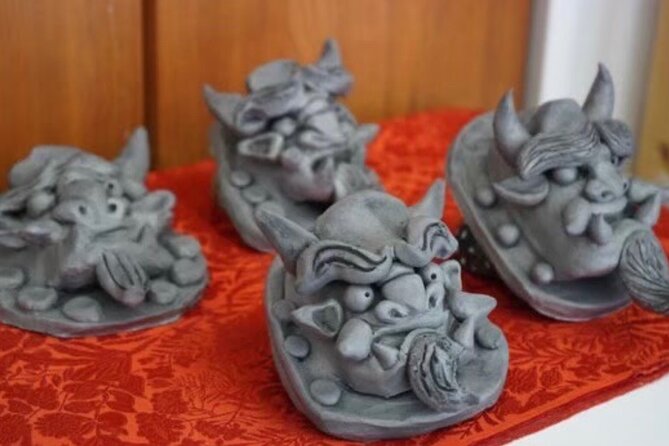
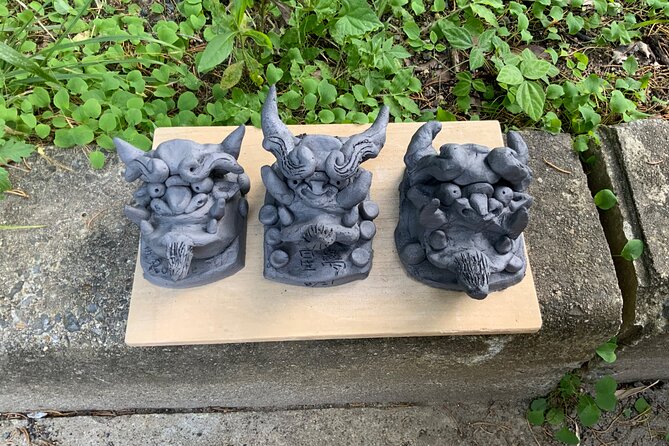
At the end of the class, your onigawara is not yet in its final form. It must dry and then be fired in a kiln at the factory. After firing, it changes to the familiar traditional silver color.
The finished piece is sent to your home after about one to two months. Shipping is not included in the $90 price, so you pay the postage separately on the day. The separate fee is worth keeping in mind when comparing the total cost with other craft activities.
This delayed delivery has both a drawback and a charm. You cannot immediately pack the completed tile into your suitcase, and the wait may extend beyond the rest of your trip. On the other hand, the parcel becomes a second reminder of Japan when it arrives at home weeks later.
Make sure the host has your correct shipping details. The supplied information says the fired onigawara will be sent to your home, but it does not specify a shipping price or delivery range beyond the one-to-two-month firing and delivery period. Ask about the current postage fee if that affects your budget.
Is $90 a Fair Price?
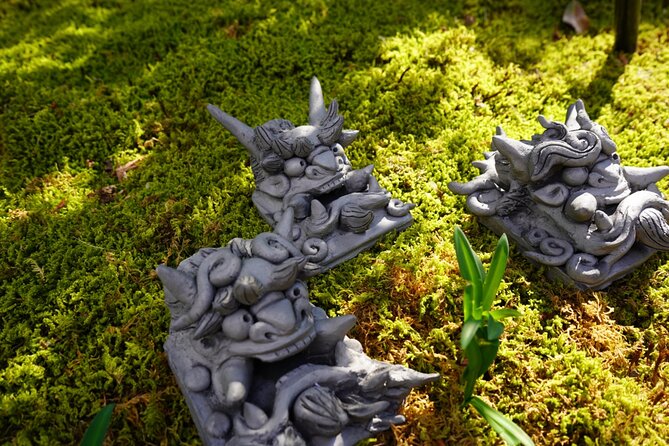
At $90 per person, this is not the cheapest small craft activity in Japan. The value comes from several parts working together: direct instruction, the cultural background, the small group, kiln firing, and delivery of a finished object.
You are also paying for a souvenir that you help create rather than select from a shop shelf. That difference matters. A factory-made ornament may cost less, but it will not carry the memory of shaping the face, fitting the pieces, and waiting for the silver finish.
The five-person limit helps justify the price. Yuya can watch your technique and give individual guidance. If your group is small, you get more space to work and more time for conversation.
Still, check the extra postage before booking if you are counting every dollar. The workshop fee covers the activity, but shipping comes separately. You should also be comfortable with delayed delivery rather than instant possession.
Who Will Enjoy This Workshop Most?
This is a good choice for you if you want a quieter Kyoto activity with a clear result. It suits:
- Families looking for a child-friendly cultural activity
- Couples or friends who enjoy making something together
- Solo visitors who prefer a small, guided class
- People interested in Japanese architecture and folk tradition
- Anyone who wants a handmade souvenir with a story
- Beginners who are nervous about their artistic ability
The class also suits visitors who need wheelchair access, since the activity is listed as wheelchair accessible. You should still confirm any personal access needs before booking, since the available information does not describe the workshop layout in detail.
You do not need previous sculpture experience. The process is designed for ordinary beginners, including children and people with clumsy hands. Patience matters more than artistic confidence.
This may not be the best choice if you need a finished souvenir before leaving Japan, dislike handling soil, or want a fast activity with little instruction. It also may not suit you if you prefer visiting a historic site rather than making an object connected to that history.
What to Wear and Bring
Wear clothes that may get dirty. The activity uses soil, and even careful work can leave clay on sleeves, trousers, or hands.
You do not need to bring specialist tools. The work station and clay are prepared for you. Since the finished piece is shipped later, you also do not need to make room for a fragile fired tile in your luggage.
Bring the address or map pin with you, and remember the possible 40-meter error in Google Maps. A little preparation is useful because the meeting point is the workshop, and arriving late could cut into your hands-on time.
The class is limited to five participants, so book ahead if your schedule is fixed. The activity offers free cancellation up to 24 hours before the start time, and you can reserve now and pay later. These terms give you some flexibility while planning a Kyoto itinerary.
How This Fits into a Kyoto Day
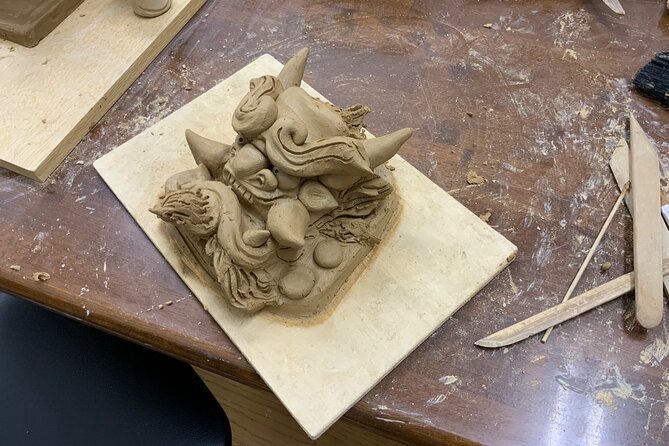
The two-hour length makes the workshop easy to place between other plans. You should allow extra time to reach Kawarakoubouyouya and find the entrance, especially because the map location may need a small adjustment.
The activity gives you a change of pace from temples, gardens, and crowded sightseeing streets. Instead of moving from one display to the next, you sit down and concentrate on one object. That slower rhythm is part of the appeal.
You also leave with a better reason to look at Japanese roofs afterward. Once you know what onigawara are meant to do, you may notice their faces and ornaments more clearly around Kyoto and elsewhere in Japan. The craft class can sharpen your eye for details that are easy to miss while walking past a building.
Final Decision: Should You Book It?
Book this workshop if you want to make a personal souvenir, learn about an old Japanese roof tradition, and spend two focused hours with a patient instructor. The small groups, English and Japanese support, and beginner-friendly method make it approachable.
I would be especially inclined to book it for families, couples, and visitors who have already seen plenty of temples and want a more active cultural experience. The main points to accept are the extra shipping fee, the dirty clothes, and the one-to-two-month wait for the fired silver tile.
If those details work for you, this is a thoughtful way to take home a piece of Japanese craft culture. You shape the guardian yourself, then let the kiln finish the job.
FAQ
How long does the onigawara workshop last?
The activity lasts about two hours.
How much does the experience cost?
The listed price is $90 per person. Shipping for the fired onigawara is not included and must be paid separately on the day.
When will my finished onigawara arrive?
After firing, the onigawara is sent to your home. The full process takes about one to two months.
What language is the workshop offered in?
The host or greeter can provide support in English and Japanese.
Do I need previous sculpting experience?
No. The process was developed so that children, beginners, and people with clumsy hands can make an onigawara.
What should I wear?
Wear clothes that may get dirty because the activity uses soil.
Where do I meet the host?
You meet at KAWARAKOUBOUYOUYA, the host’s workshop. Search for the shop on Google Maps, but note that the map indication may be about 40 meters off. Continue roughly 40 meters east if needed.
Just added in Kyoto
- Private Cooking Class Udon in Kyoto Japan★ 5.0 · 23 reviews
- Your Private Vacation Photography Session In Kyoto★ 5.0 · 110 reviews
- Kyoto: Zen Meditation at a Private Temple with a Monk★ 5.0 · 25 reviews
- Private Pewter Sake Cup Experience with a Kyoto Artisan★ 5.0 · 31 reviews
- Kyoto Wagashi(Japanese sweets) Cooking Class near Fushimiinari★ 5.0 · 60 reviews
- Kyoto:Family-Friendly Kimono & Yukata Experience at WARGO★ 5.0 · 147 reviews
- Private Guided Traditional Buddhist Cooking in Japan★ 5.0 · 16 reviews
- Kyoto: Gion Geisha District & Sake-in-Hand Walking Tour★ 5.0 · 37 reviews
Tours in Kyoto, compared.


Tea Ceremony in a Traditional Tea House in Kiyomizu
Read our review →
Kyoto Geisha Walking Tour: Gion District & Hidden Gems
Read our review →


Gion Geisha District Walking Tour – Stories of Geisha
Read our review →
Best of Kyoto: Gion, Geisha, Pagodas & Cobblestones
Read our review →