
Reviewed · TEA CEREMONY EXPERIENCES
Authentic Kyoto Tea Ceremony: Camellia Flower Teahouse
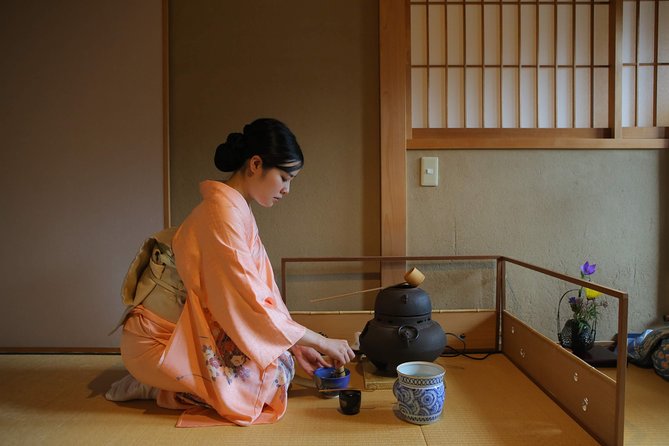
Kyoto’s tea ceremony is not simply a lesson in making green tea. It is a carefully ordered welcome, where the bowl, scoop, whisk, room, decorations, and movements all have a purpose. At Camellia Flower Teahouse, you watch an English-speaking tea master perform the ritual, then make your own frothy matcha.
I like the small groups of no more than eight, which leave room for questions and personal help. I also like the practical finish: you do not only watch, you whisk your own tea with the supplied bowl, scoop, and whisk. The main consideration is that the 45-minute session is a clear introduction, not a full study of tea ceremony, and the room may feel plain or small to some people.
Key points to know before booking
- You make your own matcha: The session ends with hands-on whisking, so you learn by doing rather than only observing.
- The setting is Higashiyama: The teahouse is at 349-13 Masuyacho, close to public transportation and Kyoto’s historic sightseeing area.
- English instruction is provided: Instructors speak English fluently and come from one of Kyoto’s three main schools of tea ceremony.
- Chairs are available: You may sit on the floor in the usual style, or request chairs and tables.
- Kimono rental is optional: You can request it by message for an additional charge, and dressing assistance may be available.
- The booking is short and focused: Allow about 45 minutes, with a maximum of eight people in each group.
What the 45-minute Kyoto tea ceremony actually involves
The session begins with a welcome and a short introduction to matcha. This opening matters because Japanese tea ceremony can look mysterious if you do not know what you are seeing. The instructor explains the basic order of the ritual, then points out the utensils and the importance of the room’s arrangement and decoration.
You will see a tea bowl, tea scoop, and bamboo whisk used in a precise sequence. The movements are not hurried. That slower pace is part of the lesson. Tea ceremony places value on attention, respect, cleanliness, and the moment shared between host and guest.
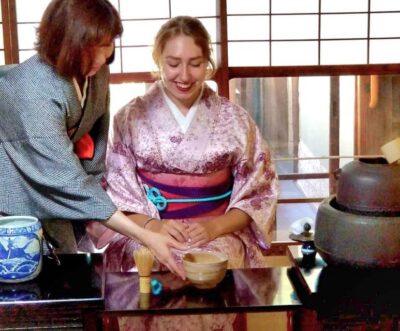
The instructor then performs an authentic tea ceremony for the group. You watch the preparation and learn why actions such as cleansing with water and handling the utensils are treated with care. The explanations connect the ritual to Japanese culture, the history of tea, and the design of traditional tea rooms.
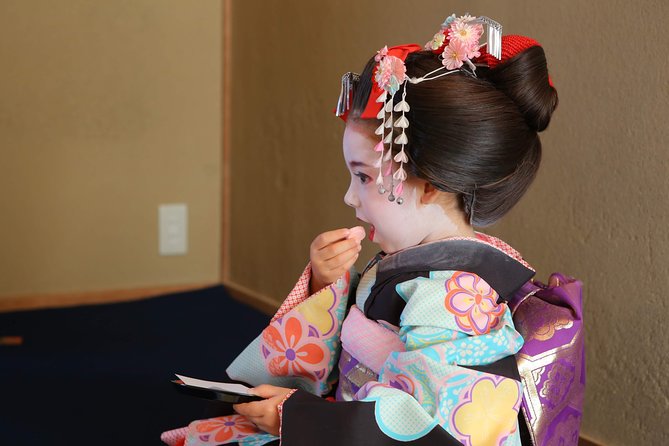
You also receive matcha and a seasonal sweet. The sweet is not just a snack before the tea. Its sweetness balances the grassy, slightly bitter taste of matcha, making the drink easier to appreciate. This is a useful detail for first-time tea drinkers, especially if you normally take tea with milk or sugar.
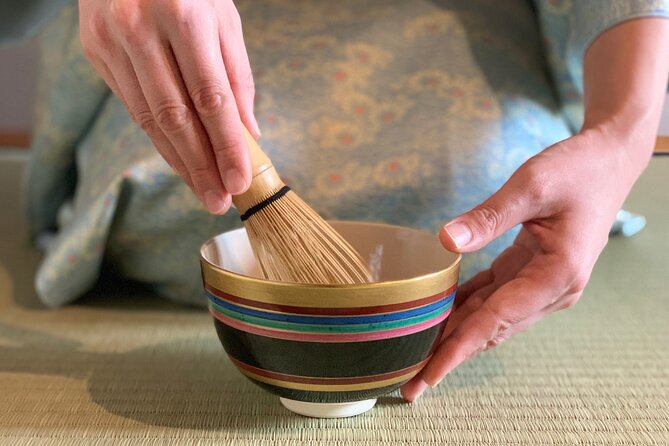
The final part is the most hands-on. Each person receives the tools needed to prepare a bowl of matcha. Your instructor shows you how to use the whisk, and you practice making the foamy surface yourself.
This is where the skill of the tea master becomes clear. The basic motions are easy to copy, but making a smooth, pleasant bowl takes more control than it first appears. You leave with a better sense of why the ceremony requires training and repetition.
Other tea ceremonies in Kyoto people book:
- Kyoto: Tea Ceremony in a Traditional Tea House in Kiyomizu
★ 4.9 · 3,519 reviews - Kyoto: Tea Ceremony Ju-An at Jotokuji Temple
★ 4.9 · 3,207 reviews - Kyoto: 45-Minute Tea Ceremony Lesson Experience
★ 4.3 · 2,378 reviews
Why the explanation matters more than the tea itself
A cup of matcha is easy to buy in Kyoto. What you are paying for here is the meaning around it.
The tea ceremony reflects several ideas that are central to Japanese hospitality. The host prepares the tea with care, the guest receives it with respect, and every part of the exchange is considered. The room, utensils, seasonal sweet, and movements work together to create a calm setting.
You do not need prior knowledge of Japanese customs. The instructor explains the ceremony in English and welcomes questions throughout the session. That makes this a good choice if you want cultural context without signing up for a long lecture.
The explanations also help you notice details you might otherwise miss. A tea bowl is not simply a cup. A scoop is not handled like an ordinary spoon. The way an object is presented and cleaned tells you something about the relationship between host and guest.
This attention to small actions is one reason the experience feels more meaningful than a quick demonstration. You are shown what to look for, then given a chance to try it yourself.
A calm break in a busy Kyoto day
The Higashiyama location makes this easy to add to a sightseeing schedule. The meeting point is Tea Ceremony Camellia FLOWER at 349-13 Masuyacho in Kyoto’s Higashiyama Ward. It is near public transportation and in an area with plenty to see before or after the session.
The ceremony itself offers a change of pace from walking through Kyoto’s busy streets. Several people describe it as calming after a day of sightseeing, and the format supports that feeling. You sit, listen, watch the careful preparation, drink tea, and focus on a few simple movements.
I would plan this for the middle or later part of a sightseeing day rather than treating it as a rushed first stop. You need to arrive at the meeting point, and the quiet nature of the session works best when you are not watching the clock every few minutes.
The activity returns to the same meeting point. There is no hotel pickup or drop-off, so you handle your own transportation. The mobile ticket is useful for keeping the booking on your phone as you move around Kyoto.
Floor seating, chairs, and accessibility details
Traditional tea ceremony usually involves sitting on the floor. Camellia also provides chairs and tables if you prefer not to sit that way, so you should request that option when arranging the experience.
The activity is not wheelchair accessible. Service animals are allowed, and the location is near public transportation. These details matter because the setting is a traditional tea room rather than a fully adapted modern venue.
Children under six cannot join. The experience is open to older children and adults, and the small group limit of eight helps keep the instruction manageable. Families with children aged seven or eight have found the ceremony engaging, especially because the final matcha-making step gives children something active to do.
Still, the format requires quiet attention and respect for the ceremony. A child who enjoys learning by watching and copying will likely get more from it than one who needs constant movement.
Other tea rooms and ceremonies in Kyoto:
- Kyoto: Table-Style Tea Ceremony at a Kyo-Machiya
★ 4.9 · 1,211 reviews - Kimono Tea Ceremony at Kyoto Maikoya, NISHIKI
★ 5.0 · 911 reviews - Kyoto: Arashiyama Bamboo Forest, Monkeys, Matcha & Temple Tour
★ 5.0 · 759 reviews - Kyoto: Tea Museum Tickets and Matcha Grinding Experience
★ 4.9 · 739 reviews
The value of the $36.48 price
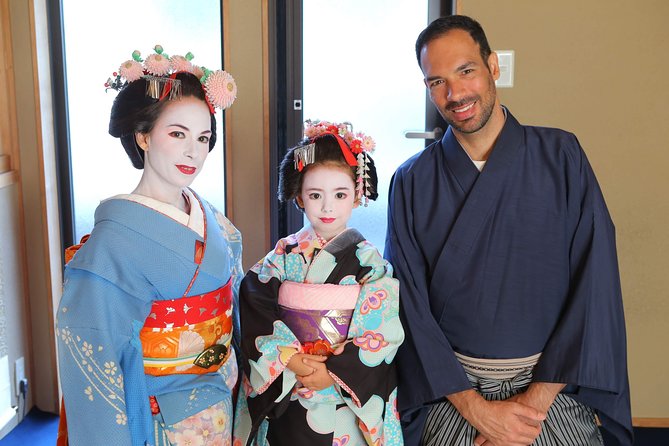
At $36.48 per person, this is a reasonably priced cultural activity in Kyoto, particularly because the fee includes the tea, seasonal sweet, instruction, and use of the tea utensils. You are not paying only for a drink. You receive a guided introduction to a formal Japanese tradition and a chance to prepare matcha yourself.
The session lasts about 45 minutes, so the price works best for someone who wants a focused cultural stop rather than a half-day class. The short format also makes it easy to fit between visits to temples, gardens, and shops in Higashiyama.
The value drops if you expect a long, private ceremony in an elaborate room. This is a group activity, with as many as eight people, and some sessions may feel simple in their physical setting. One account describes the room as very small and plain, with the atmosphere depending more on the instructor than on grand decoration.
That is a fair warning. The strongest part of the experience is the teaching and participation, not a lavish stage set. If you want a highly private or extended ceremony, ask about a private option before booking. A group discount may also be available.
Should you rent a kimono?
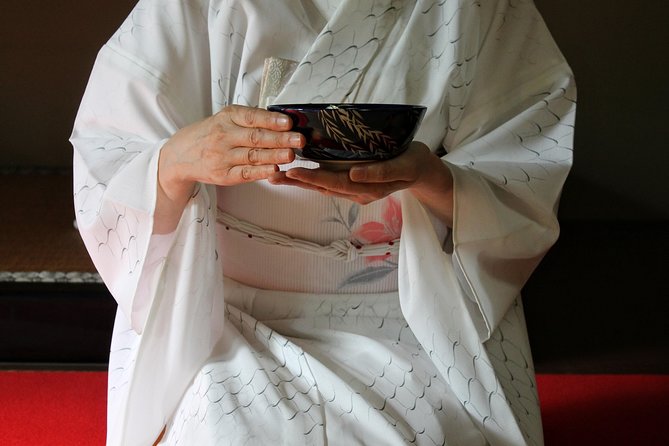
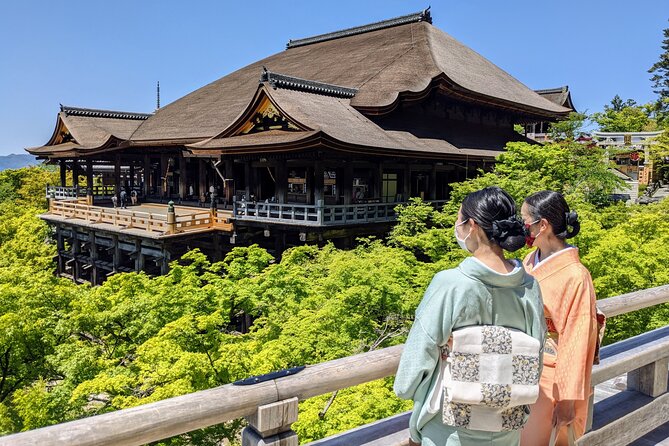
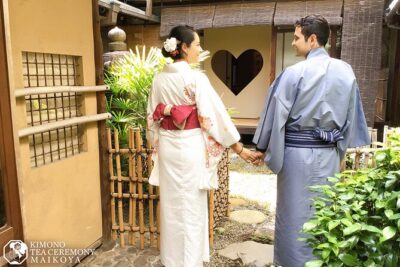
Kimono rental is not included, but you can request it by message for an additional charge. Several people who chose this option felt it added to the sense of occasion, and dressing assistance and a quick updo may be available with the rental service.
A kimono is not needed to understand the ceremony. You will receive the same explanation and hands-on practice without one. It does, however, make the visit feel more ceremonial and gives you a traditional way to mark the occasion.
I would consider the extra cost if you are taking photographs, celebrating a special day, or want the ceremony to feel like a complete cultural outing. If you are mainly interested in the history and matcha technique, the standard booking is enough.
What makes the instructors important
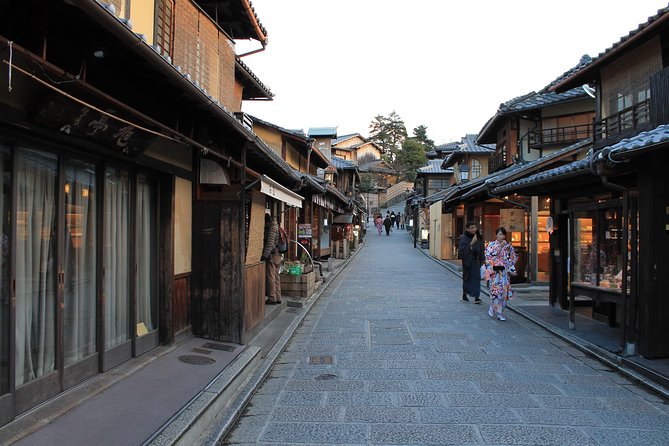
Camellia’s instructors speak English fluently and come from one of Kyoto’s three main tea ceremony schools. That background gives the lesson a firm traditional base while keeping the language accessible.
The best teaching moments come through the simple explanations: how to hold the bowl, why the utensils are cleaned, what the host is communicating, and how to whisk the tea properly. The instructors are also encouraged to answer questions, so do not hold back if you want to ask about matcha, tea ceremony schools, room design, or Japanese manners.
The tone is generally welcoming and patient. The ceremony is formal, but the instruction does not require you to already understand the etiquette. You can watch first, then participate when you feel ready.
Because no individual instructor names are provided in the booking information, you should not expect a guaranteed particular tea master. The experience is built around the school tradition and the teaching method rather than one named personality.
The room and atmosphere: simple, not theatrical
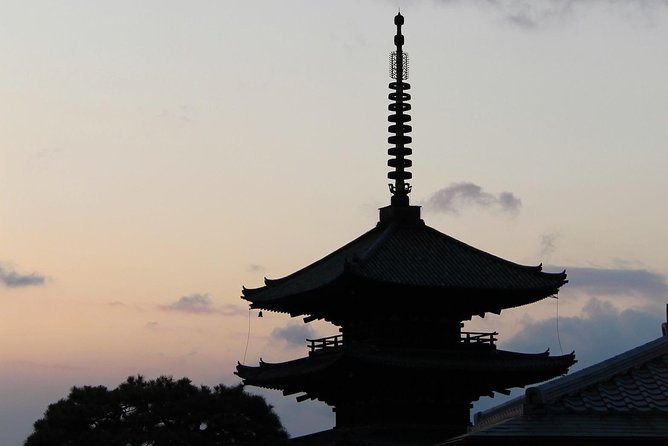
The room’s layout and decoration form part of the lesson. The instructor explains why those elements matter, so you are not left guessing about the purpose of a flower arrangement or the placement of objects.
At the same time, the physical space may be modest. You might find the room small and plain rather than grand or heavily decorated. That is not necessarily a flaw, but it is worth understanding before you book.
The ceremony’s atmosphere comes from the ordered movements, the quiet attention, and the direct exchange between host and guest. If you want a polished show with dramatic staging, this may feel understated. If you want to see how a traditional ritual works at close range, the simplicity helps keep your attention on the ceremony.
Photos and short videos are permitted. Be considerate during the formal demonstration, since raising a phone at every step can distract from the experience and from the people sharing the room with you.
Who will enjoy Camellia Flower Teahouse most?
I would recommend this experience to first-time visitors who want a clear introduction to Japanese tea ceremony. You receive enough background to understand the ritual, but the session does not demand a full day or prior study.
It also suits families with children over six, couples looking for a quiet cultural activity, and solo visitors who want an easy way to ask questions. The hands-on matcha preparation gives the session a practical finish, rather than leaving you as a passive observer.
It is a good fit after a busy morning of sightseeing, especially if you appreciate calm, careful instruction. It also works well for anyone curious about Japanese manners, hospitality, and traditional arts.
You may want another option if you require wheelchair access, dislike floor-based cultural settings even with chairs available, or want a long private ceremony. You should also keep your expectations realistic about the room. This is a compact introduction, not an elaborate performance.
Booking, cancellation, and practical planning
The price is $36.48 per person, and group discounts may be available. Confirmation is provided at booking, and you can use a mobile ticket.
Free cancellation is available up to 24 hours before the local start time. Changes or cancellations made less than 24 hours before the session are not accepted for a refund. The activity may also be canceled because of poor weather, in which case you are offered another date or a full refund.
Since there is no pickup, allow time to reach 349-13 Masuyacho in Higashiyama. The ceremony ends where it begins, making it simple to continue sightseeing in the same part of Kyoto.
Should you book this Kyoto tea ceremony?
Book it if you want a short, well-explained introduction to matcha and Japanese tea ritual, with a real chance to prepare your own bowl. The combination of English instruction, seasonal sweet, small groups, and hands-on whisking gives the $36.48 fee solid value.
I would choose the standard session if you want cultural understanding without spending much time. Add the kimono option if photographs and ceremony atmosphere matter to you. Skip it if you need wheelchair access or expect a grand room and a long private performance.
For most visitors, the best reason to book is simple: you watch the ritual, learn what the movements mean, and then discover that making good matcha is harder than it looks. That small lesson stays with you after the tea is gone.
FAQ
How long does the Camellia tea ceremony last?
The ceremony lasts approximately 45 minutes.
Where does the tea ceremony take place?
It takes place at Tea Ceremony Camellia FLOWER, 349-13 Masuyacho, Higashiyama Ward, Kyoto, 605-0826, Japan.
Is transportation included?
No. Pickup and drop-off are not included, so you make your own way to the meeting point. The location is near public transportation.
How many people can join each group?
The activity has a maximum of eight people per group.
Can children join the tea ceremony?
Children can join if they are at least six years old. Children under six cannot participate.
Are chairs available?
Yes. Although guests usually sit on the floor, chairs and tables are available if preferred.
Is kimono rental included?
No. Kimono rental costs extra and can be requested by message.
Can I cancel for a refund?
Yes. You can cancel at least 24 hours before the local start time for a full refund. Cancellations or changes made less than 24 hours before the start time are not refunded or accepted.
Just added in Kyoto
- Kyoto: Private Photoshoot Service★ 5.0 · 158 reviews
- Kyoto Rickshaw Tour★ 5.0 · 210 reviews
- Kyoto: Arashiyama Bamboo, Temple, Matcha, Monkeys & secret spots★ 5.0 · 219 reviews
- Izakaya Style Cooking Class★ 5.0 · 219 reviews
- Ninja 2-hour Hands-on Lesson by Japanese master in Kyoto -Medium★ 5.0 · 218 reviews
- Kyoto: Traditional Concert at Townhouse or Bathhouse★ 4.9 · 224 reviews
- Kyoto: Afternoon Japanese Izakaya Cooking Class★ 4.9 · 241 reviews
- Samurai Training with Modern day Musashi in Kyoto★ 5.0 · 256 reviews
Tea Ceremony Experiences, compared.
Tea Ceremony in a Traditional Tea House in Kiyomizu
Read our review →
World Heritage Kyoto & Nara Uji Authentic Matcha Experience
Read our review →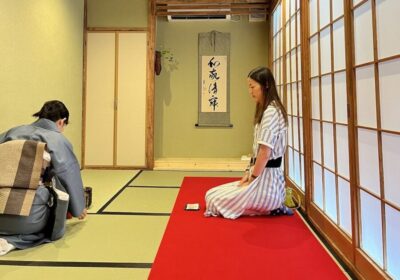
Arashiyama Bamboo Forest, Monkeys, Matcha & Temple Tour
Read our review →Browse the lists this tour appears in