
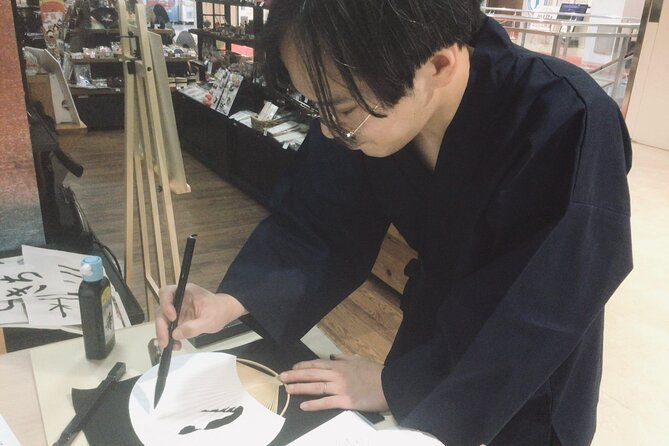
Reviewed · HIROSHIMA & MIYAJIMA DAY TRIPS
Calligraphy Workshop at Traditional Folk Craft Shop in Hiroshima
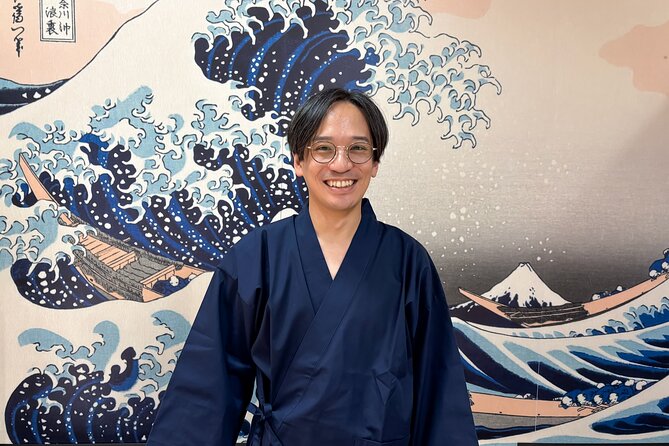
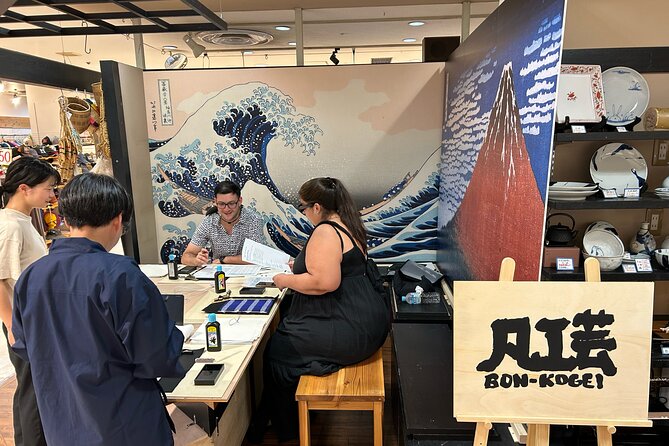
The most appealing part of this Hiroshima activity is its setting. You practice Japanese calligraphy inside Takumi, a 50-year-old folk craft shop with ukiyo-e prints on one wall and traditional goods from across Japan on display. It feels connected to local craft, not like a temporary tourist classroom.
I like two things in particular: Kumano brushes, made in Hiroshima’s famous brush-making town, and the calm, patient teaching style of Ryosei. You get simple guidance rather than a lecture, then leave with your own fan or shikishi artwork. The main consideration is time. At about 45 minutes, this is a focused introduction, not a long lesson in calligraphy.
Key points at a glance
- Use handmade Kumano brushes: These tools come from Kumano, Hiroshima, one of Japan’s leading brush-making areas.
- Practice before making art: You work on dots, lines, sweeps, hiragana, and kanji before creating a final piece.
- Create a useful souvenir: Your finished calligraphy goes on a traditional hand fan or shikishi board.
- Meet at a central craft shop: Takumi is five minutes from the Atomic Bomb Dome and three minutes from Hiroden Hondori Station.
- Enjoy a private session: Only your own group takes part, with all materials and venue use included.
- Plan for a short, calm activity: The workshop lasts about 45 minutes and works well between sightseeing stops.
Why this Hiroshima calligraphy class feels different
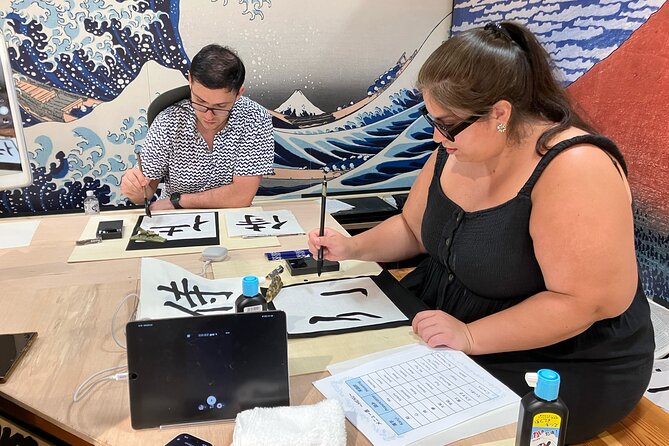
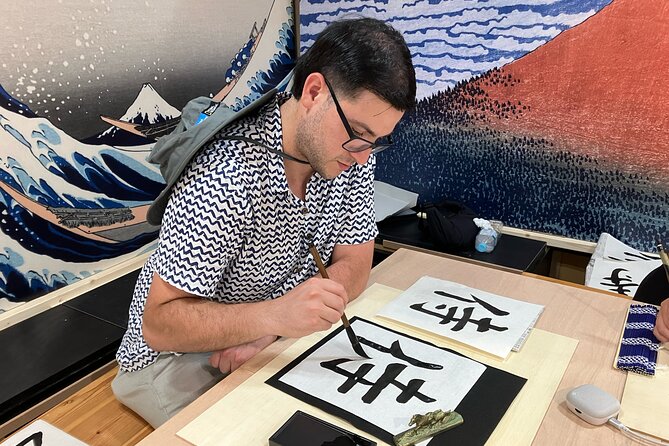
Many visitors encounter Japanese calligraphy as something to admire behind glass. Here, you actually hold the brush, load it with ink, and make the marks yourself. That simple change gives the art more meaning. You begin to notice how pressure, speed, and the angle of the brush affect each stroke.
The workshop also connects the activity to Hiroshima. Kumano, a town in Hiroshima Prefecture, is known throughout Japan for brush making. Using a handmade Kumano brush gives you a direct link to a local craft tradition, even though the writing itself belongs to Japanese culture as a whole.
The setting helps, too. Takumi is not just a rented room. It has operated as a folk craft shop for 50 years and carries traditional products from different parts of Japan. The ukiyo-e inspired wall adds a visual touch without turning the class into a staged museum display.
I would not book this expecting a full study of Japanese calligraphy. You will not have time for advanced composition, a long cultural lecture, or several finished pieces. Instead, think of it as a calm, well-structured first encounter with brush writing and a handmade keepsake.
Other long days west of Hiroshima:
- Peaceful Hiroshima & Miyajima UNESCO 1 Day Bus Tour
★ 5.0 · 5,309 reviews - Hiroshima: Hiroshima and Miyajima UNESCO Sites 1-Day Tour
★ 4.9 · 2,330 reviews - Hiroshima / Miyajima Full-day Private Tour with Government Licensed Guide
★ 5.0 · 1,298 reviews
Finding Takumi near the Atomic Bomb Dome
The meeting point is Bonkogei Takumi, at 2-chōme-2-18 Kamiyachō in Hiroshima’s Naka Ward. The shop is on the fifth floor of Sanmall Mall. UNIQLO is on the second floor, which gives you a useful landmark when you enter the building.
The location is practical for a sightseeing day. It is about a five-minute walk from the Atomic Bomb Dome and roughly three minutes from Hiroden Hondori Station. You can pair the class with the Peace Memorial Park, shopping in the central arcade, or a stop at the dome without setting aside half a day for transport.
I like this kind of placement because it keeps the activity easy to fit into a busy Hiroshima schedule. You do not need private transport, and parking fees are not included, so public transportation and walking make the most sense.
Allow yourself enough time to find the fifth floor. A shopping center can be less obvious than a stand-alone studio, especially if you are arriving from the street. Look for the Sanmall Mall building and use the shop landmarks rather than expecting a large workshop sign at street level.
Starting with the tools and basic strokes
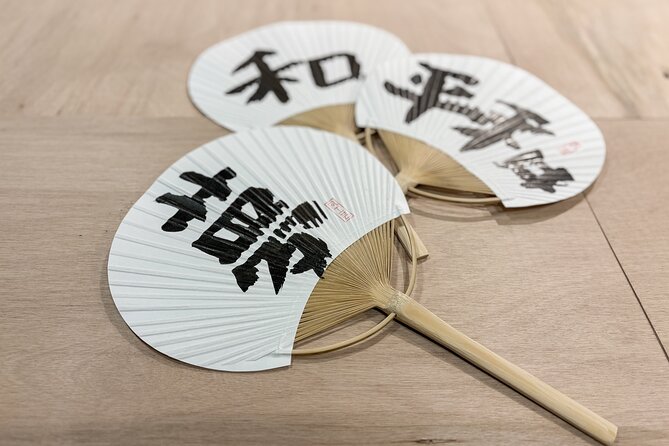
The session begins with an introduction to the tools. You receive the brush, ink, paper, and other materials needed for the lesson, so you do not need to pack anything special. This is helpful if you are fitting the class into a larger day of sightseeing.
Ryosei introduces the brush and shows you how calligraphy depends on controlled movement. The early practice covers basic marks such as dots, lines, and sweeping strokes. These exercises may look simple, but they give you a feel for how the brush behaves before you attempt a character.
This is where the instructor’s manner matters. Ryosei is described as patient and calm, with a gentle, hands-on teaching style. For a first-timer, that can make the difference between worrying about mistakes and enjoying the act of writing.
Calligraphy is often described as a form of meditation, and the short format gives you a taste of that idea. You slow down, pay attention to the brush, and focus on one mark at a time. The room’s craft-shop setting and ukiyo-e artwork support that quiet mood.
You should still expect ink, paper, and a little uncertainty. Your first strokes may not look polished, and that is part of the point. The class gives you room to practice before asking you to make the final piece.
Moving from hiragana to kanji
After the basic marks, you try hiragana and kanji. Hiragana offers a more flowing form of Japanese writing, while kanji can look bolder and more graphic. The instructor guides you through the process, so you do not need prior knowledge of Japanese characters.
You can choose a word for the final artwork. The supplied information does not list a fixed menu of words, so the best approach is to think ahead about a short word or idea that has personal meaning. If you are unsure, ask Ryosei for help choosing something appropriate.
This choice gives the workshop more personal value than copying a standard character and walking away. Your finished work can reflect a name, a feeling, a hope, or a simple idea connected to your time in Hiroshima. The writing may not be technically perfect, but it will be yours.
The class is also useful for people who are curious about the difference between Japanese writing systems. You will not become a calligrapher in 45 minutes, but you will see that the characters are not merely decorative symbols. Each stroke has shape, direction, and rhythm.
Other things to make with your hands in Hiroshima:
- An Amazing set of Cultural experience: Kimono, Tea Ceremony and Calligraphy
★ 5.0 · 69 reviews - Cultural Activities :Kimono, tea ceremony, Calligraphy and Amulet
★ 5.0 · 44 reviews - Kimono and Calligraphy Experience in Miyajima
★ 5.0 · 16 reviews - Private Hiroshima Calligraphy: Create Your Own Kanji Art Souvenir
★ 5.0 · 12 reviews
Making the final fan or shikishi board
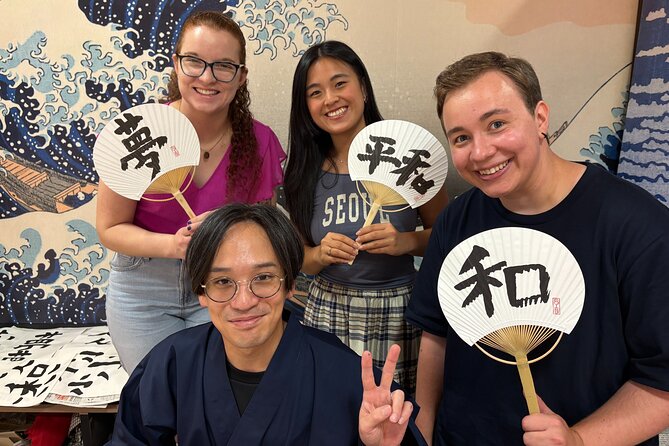
The final stage is the part you will likely remember best. You write your chosen word on either a traditional Japanese hand fan, called an uchiwa, or a calligraphy board known as shikishi.
The fan is the more immediately practical souvenir. It is light, easy to carry, and clearly connected to Japanese design. A shikishi board gives the artwork a more formal presentation, with a flat surface that can be displayed at home.
The description of the experience presents both options, while the included items specifically identify an original calligraphy fan souvenir. If you have your heart set on a shikishi board, confirm the available choice when booking or at the start of the session. That small check avoids confusion.
Take your time with the final writing. The practice sheets are not wasted material. They let you test the character, adjust your brush pressure, and decide how large you want the design to be before putting ink on the final surface.
You can also take photos during the session. The provider offers an optional photo service and can send the images to you digitally afterward at no extra charge. This is useful if you want a record of the process, not only the finished souvenir.
What the $32.81 price includes
At $32.81 per person, the workshop is priced as a short cultural activity rather than a full-day class. The cost includes the calligraphy tools, paper, ink, venue use, and the original fan souvenir. You are paying for instruction and materials, not simply access to a room.
The value is strongest if you want three things in one stop: a guided cultural activity, a local craft connection, and a small piece of art to take home. Buying brushes and materials separately would not give you the same hands-on instruction, especially if you have never used a calligraphy brush.
The price may feel less appealing if you only want a quick photo or a ready-made souvenir. Takumi sells traditional craft items, so you can browse those without taking the workshop. Book the class when you want to make something yourself.
Because the session is private to your group, the price also buys a more personal format. The supplied details do not state the maximum group size, so I would not assume this means one-on-one instruction. It does mean your group is not combined with unrelated participants.
Who will enjoy this 45-minute activity
This class fits first-time visitors to Japan, people interested in Japanese culture, and anyone who likes hands-on souvenirs more than mass-produced ones. You do not need preparation, previous calligraphy experience, or Japanese language skills.
It also suits couples, families, and small private groups looking for a quiet break from Hiroshima’s heavier historical sights. After visiting the Atomic Bomb Dome and Peace Memorial Park, a focused creative activity can change the pace of the day without taking up an entire afternoon.
I would recommend it to anyone who enjoys making things with their hands. The final artwork is not just a purchase. You create it through a sequence of practice strokes, character work, and a final composition.
It may be less suitable if you want an advanced lesson or a long workshop with several finished pieces. The 45-minute length is a strength for scheduling, but it limits how much technique Ryosei can cover.
Timing the workshop with Hiroshima sightseeing
The central location makes planning simple. You can visit the Atomic Bomb Dome first, walk to Takumi, and then continue toward Hondori or other central areas. The activity ends back at the meeting point, so there is no separate drop-off to arrange.
The class is short enough to place between larger plans. Still, do not treat the 45 minutes as the whole time commitment. You need time to reach the fifth floor, settle in, and decide what you want to write. If you are making a connection with another timed activity, leave a cushion.
Mobile ticketing makes entry easier, since you can keep the booking on your phone. Confirmation is sent within 48 hours, subject to availability, so do not wait until the last minute if your Hiroshima schedule is tight.
Public transportation is the sensible choice. Hiroden Hondori Station is only about three minutes away, and private transport adds parking costs that are not part of the activity.
The calm mood and the practical limits
The strongest reason to book is the mood. The activity asks you to slow down, listen to instruction, and let the brush make the mark. Ryosei’s calm, patient approach is especially useful for people who might otherwise feel self-conscious about writing unfamiliar characters.
The artistic room helps create that feeling. The ukiyo-e prints provide a traditional visual backdrop, while the surrounding craft shop reminds you that Japanese design is not limited to calligraphy alone.
Still, keep your expectations sensible. This is not a silent retreat, a formal religious ceremony, or a master class. It is a guided introduction designed to help you produce a finished item in a short time.
The private format is another positive, though the exact group size is not provided. If you are traveling with friends or family, you can share the experience without being placed with an unrelated group. If you are alone, confirm how the private booking is handled before you reserve.
Cancellation and booking details worth noting
You can cancel for a full refund up to 24 hours before the start time. Cancellations made less than 24 hours ahead are not refunded, and changes inside that period are not accepted. The cut-off follows Hiroshima local time.
Most people can participate, and the venue is near public transportation. The activity provider describes it as a private tour, with only your group taking part. All tools are supplied, so you only need to bring yourself and a willingness to try.
Should you book the Takumi calligraphy workshop?
Book this experience if you want a short, central, beginner-friendly activity that gives you something personal to carry home. The Kumano brushes, the 50-year-old Takumi craft shop, and Ryosei’s calm instruction make it more meaningful than a quick souvenir-making stop.
I would especially choose it after visiting the Atomic Bomb Dome, when you want a quieter activity that still connects you with Japanese culture. At $32.81, the combination of instruction, materials, private participation, and finished artwork offers solid value.
Skip it if you want advanced calligraphy training, a long class, or several finished designs. For everyone else, this is an easy-to-fit Hiroshima experience with a clear result: you learn the basics, make your own artwork, and leave with a souvenir that carries your handwriting.
FAQ
How long does the calligraphy workshop last?
The workshop lasts approximately 45 minutes.
Where does the activity take place?
It takes place at Bonkogei Takumi, a traditional folk craft shop on the fifth floor of Sanmall Mall at 2-chōme-2-18 Kamiyachō, Naka Ward, Hiroshima.
How close is the venue to the Atomic Bomb Dome?
The shop is about a five-minute walk from the Atomic Bomb Dome.
How close is the venue to public transportation?
Takumi is about a three-minute walk from Hiroden Hondori Station.
Are calligraphy materials included?
Yes. The workshop provides the brush, ink, paper, and other calligraphy tools needed for the activity.
What do I take home?
You create an original calligraphy artwork on either a traditional hand fan or a shikishi board. The included items specifically list an original calligraphy fan souvenir, so confirm the available format if you prefer the board.
Can I cancel for a refund?
Yes. You can receive a full refund if you cancel at least 24 hours before the experience begins. Cancellations or changes made less than 24 hours before the start time are not accepted for a refund.
Just added in Hiroshima
- Iya Valley BROMPTON Slow Cycling Tour★ 5.0 · 28 reviews
- Iya Valley All Must-Sees Private Chauffeur Full-day Tour with a Driver★ 5.0 · 20 reviews
- Shore Excursion from Hiroshima Port : Private Tour in Hiroshima★ 5.0 · 17 reviews
- Hiroshima & Miyajima All-Inclusive Tour w/Licensed guide Pancho★ 5.0 · 54 reviews
- Okunoshima Rabbit Island Cycling Tour with Local Guide★ 4.5 · 17 reviews
- The Peace Memorial to Miyajima : Icons of Peace and Beauty★ 4.5 · 31 reviews
- Private Full Day Hiroshima Tour★ 4.5 · 29 reviews
- Hiroshima Saijo Sake Tasting Tour with visit to 7 Breweries★ 5.0 · 104 reviews
Hiroshima & Miyajima Day Trips, compared.
Peaceful Hiroshima & Miyajima UNESCO 1 Day Bus Tour
Read our review →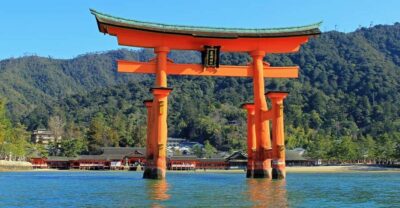
Hiroshima and Miyajima UNESCO Sites 1-Day Tour
Read our review →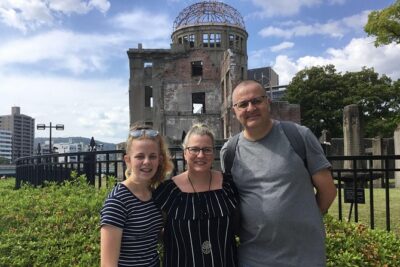
Hiroshima / Miyajima Full-day Private Tour with Government Licensed Guide
Read our review →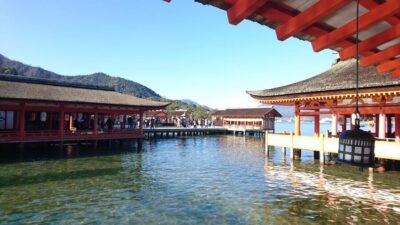
Osaka/Kyoto: Hiroshima Miyajima Bus Tour & Shinkansen Ticket
Read our review →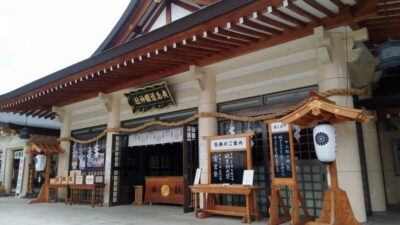
Hiroshima Historical Walking Tour – Why A-Bomb was Dropped
Read our review →
Hiroshima Peace (Heiwa) Walking Tour at World Heritage Sites
Read our review →
Hiroshima in a Nutshell: Morning Bike Adventure
Read our review →
Hiroshima City 4hr Private Walking Tour with Licensed Guide
Read our review →Browse the lists this tour appears in