Reviewed · TOURS IN KYOTO
Fish Cutting workshop in Kyoto Japan
Kyoto has plenty of places to eat sashimi. This workshop lets you learn what happens before it reaches the plate. At a historic fishmonger with a 400-year history, you will handle three types of fish, cut each into pieces, arrange the sashimi, and eat the lunch you prepared.
I like the patient, step-by-step teaching, especially for anyone new to fish preparation. I also like the small group limit of six, which gives you room to ask about knives, fish, and Japanese food culture. The main consideration is simple: you must be comfortable handling a knife and raw fish, and children under eight are not accepted.
Key points at a glance
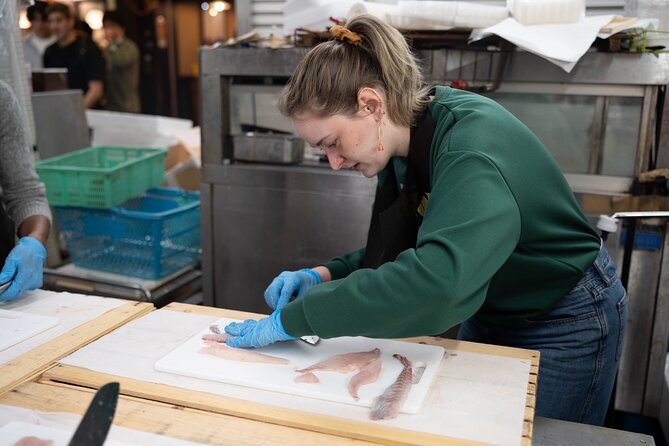
- Three fish to process: You cut the fish into three pieces yourself, then eat your work as sashimi.
- A 400-year-old fishmonger: The class takes place at Kimura Fresh Fish in a historic market building.
- Close instruction: A maximum of six people keeps the lesson personal and makes it easier to get help with each cut.
- Lunch is included: The fish you prepare becomes the meal, so you do not leave hungry.
- About two and a half hours: The pace allows time for demonstrations, hands-on work, questions, and conversation.
- Best for food-minded adults: You will get the most from it if you enjoy cooking, want better knife skills, or are curious about sashimi.
Why this Kyoto fish workshop is different
Many Japanese food activities ask you to roll sushi, season rice, or follow a recipe. This one begins earlier in the process. You work with whole fish and learn how it is handled before it becomes sashimi.
That difference matters. Sashimi can look simple on a plate, but clean cutting takes control, patience, and a good sense of the fish. The instructors first show you how to handle it, then supervise your turn closely. You are not simply watching a professional work. You are expected to make the cuts yourself.
The setting adds another layer. Kimura Fresh Fish is described as a historic fishmonger with four centuries of history, and the lesson takes place in a market building. That gives the experience a stronger connection to Kyoto’s food trade than a standard cooking studio. You are learning in a place associated with fish selling and preparation, not only in a classroom designed for tourists.
The class also keeps its scale under control. Six is a useful maximum for a knife lesson. You can watch the demonstration without standing far back, and you can ask questions as you work. If you are nervous about cutting correctly, that direct attention is worth more than a large group and a cheaper price.
Other experiences people book in Kyoto:
- PERFECT KYOTO 1-Day Bus Tour
★ 5.0 · 13,518 reviews - Kyoto: Fushimi Inari, Kinkakuji, Bamboo Grove 1 Day Bus Tour
★ 4.8 · 4,316 reviews - Kyoto: Tea Ceremony in a Traditional Tea House in Kiyomizu
★ 4.9 · 3,519 reviews
Meeting at Kimura Fresh Fish at 10:00
You meet at Kimura Fresh Fish, at 483 Nakauoyacho in Nakagyo Ward. The address is near public transportation, and the activity begins at 10:00 in the morning. The experience returns to the same meeting point when it ends.
The central location makes this an easy activity to pair with a day in central Kyoto. Still, allow time to find the shop and arrive ready to begin. The supplied information does not include private transportation, hotel pickup, or drop-off, so you make your own way there.
The meeting point is part of the appeal. You are not being taken to a distant attraction for a staged demonstration. You arrive at an operating fish shop with a long connection to the local trade. That setting helps explain why the lesson focuses on handling fish properly rather than treating sashimi as a decorative food.
You should also plan your morning around the two-and-a-half-hour duration. A 10:00 start means lunch comes toward the end of the session, not at the beginning. If you are hungry early, eat something light beforehand, but leave enough appetite for the sashimi you prepare.
The first lesson: handling fish safely
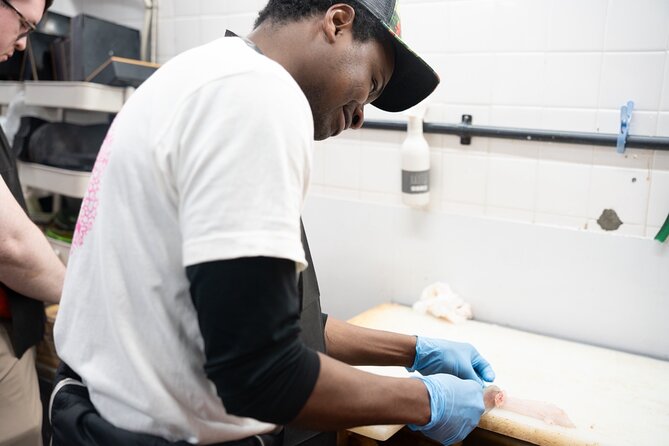
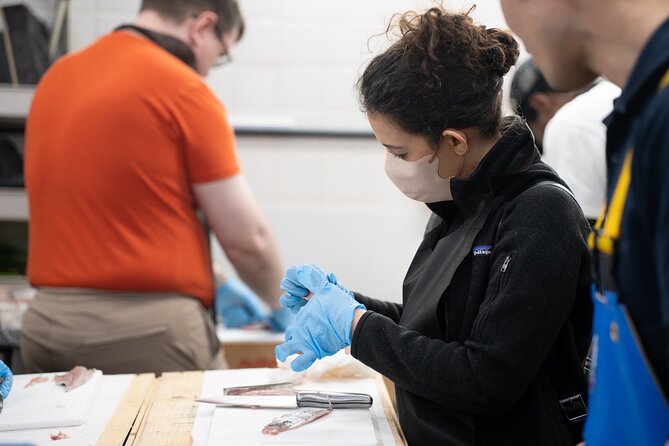
The instructors begin by explaining how to handle the fish. This is important for first-time participants. You are not expected to know how to grip the fish, where to place your knife, or how much pressure to use.
The instruction is practical and closely watched. The teacher demonstrates the process step by step, then guides you as you repeat it. The careful supervision is useful because fish cutting is not a skill you can learn well from a quick verbal explanation.
One of the most useful parts of the class is the chance to ask questions while the fish is in front of you. You can ask about the fish itself, the cutting method, or concerns about fish preparation. The instructors aim to answer questions immediately, which keeps the lesson connected to what you are doing at that moment.
The workshop is also suitable for people who are interested in more than sashimi. One person who enjoyed the class found the fish filleting lesson valuable even apart from the final dish. That is a fair way to look at it. You do not need to dream of becoming a sushi chef to get something from learning how a fish is broken down.
Cutting three fish yourself
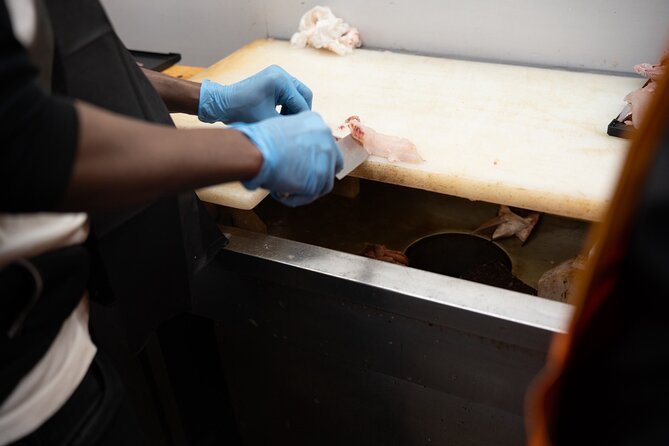
The heart of the experience is the hands-on cutting. You will cut the fish into three pieces yourself, with the teacher showing you the correct method before your turn.
The lesson uses three types of fish. Working with more than one type gives you a better sense of how fish preparation can vary. You are not repeating one simple motion on a single specimen, then leaving. You are processing several fish and seeing how the work changes.
This is where the class becomes more demanding than a casual food demonstration. Knife skills take attention. You need to follow the instructor’s directions, make controlled cuts, and accept that your first attempt may not look like the teacher’s. The point is not to produce a perfect restaurant portion on your first try. The point is to understand the method and gain confidence.
If you enjoy cooking, this part should be the main reason to book. It offers a real skill rather than a souvenir or a quick tasting. The lesson can also help you appreciate the effort behind a clean sashimi presentation. Thin, neat pieces do not happen by accident.
The class is not suited to every food preference. You will handle raw fish and later eat it as sashimi. If that sounds unpleasant, there is no need to force the issue. The workshop is built around fish preparation from start to finish.
Same base, a different sort of day:
- Kyoto Geisha Walking Tour: Gion District & Hidden Gems
★ 4.7 · 3,273 reviews - Kyoto: Tea Ceremony Ju-An at Jotokuji Temple
★ 4.9 · 3,207 reviews - Kyoto: Gion Magical Night Walking Tour with Geisha Trivia
★ 4.9 · 2,393 reviews - Kyoto: 45-Minute Tea Ceremony Lesson Experience
★ 4.3 · 2,378 reviews
Turning your work into a sashimi lunch
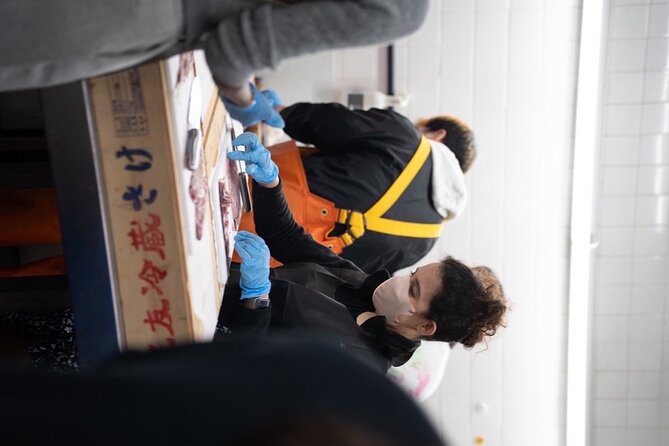
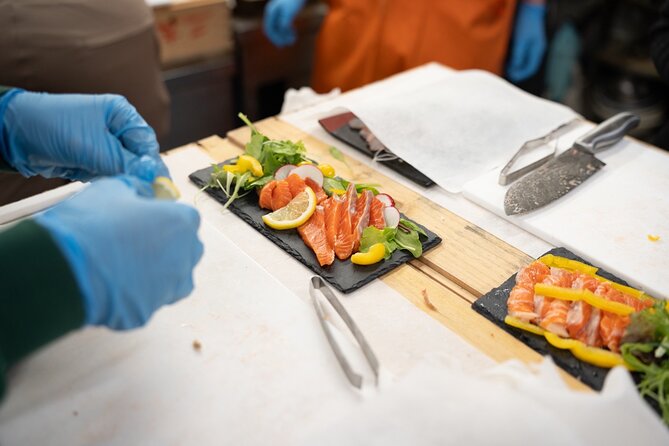
After the cutting is finished, you arrange the fish and sit down to eat it. Lunch is included, and the fish you process becomes the meal.
This makes the final course more satisfying than a separate restaurant lunch. You can connect the finished dish to the work you just did. You have seen the fish, handled it, made the cuts, and prepared the pieces yourself.
The food quality matters here. The experience uses fresh, high-quality fish, and the three varieties give you several textures and flavors to compare. You should come ready to eat, since one of the pleasures of the class is enjoying a generous sashimi lunch after the practical work.
The meal also gives the lesson a natural finish. Rather than ending as soon as the knife work is done, the workshop lets you see the full path from fish to plate. For me, that makes the price easier to assess. You are paying for instruction, food, and access to a specialist setting, not only for a sample of sashimi.
Conversation about fish, knives, and Kyoto
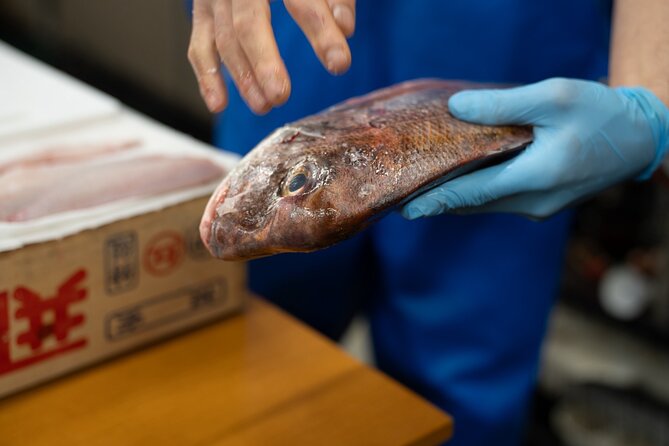
The time at the table is not only about eating. The instructors talk with participants about fish, knives, Japanese food, and Kyoto. The small group makes this exchange more personal than a large scheduled class.
That informal conversation is a useful bonus, particularly if you want to understand Japanese food culture beyond a restaurant menu. You can ask questions that come to mind during the lesson, including questions about fish preparation and the local food tradition.
The teaching team has many years of experience with fish work, and the activity description specifically points to specialist skills passed down through generations. You should not expect a lecture on Kyoto history. Instead, the cultural value comes through the work itself: the tools, the fish, the cutting methods, and the way the meal is prepared.
The workshop can also be a good place to speak with people from different countries. The class has a social side, but it remains focused on fish preparation. If you want a quiet private meal, this is not the right format. If you enjoy learning a skill while talking with your hosts and fellow participants, the setting should suit you well.
Is the $98.53 price good value?
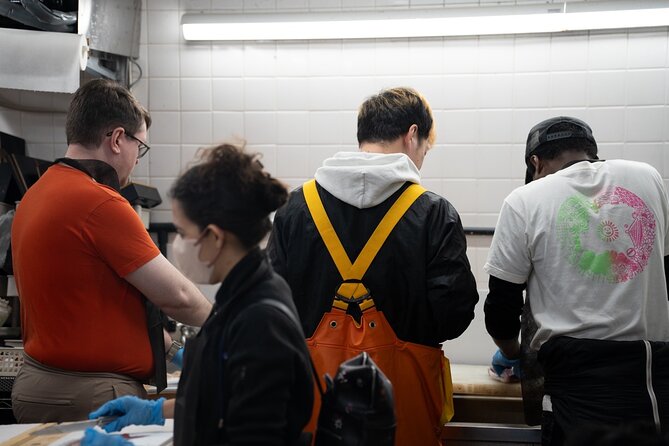
At $98.53 per person, this is not the cheapest food activity in Kyoto. You can buy sashimi for much less than that, and a regular meal will not require a two-and-a-half-hour commitment.
The value comes from what is included. You receive hands-on instruction, lunch, access to a historic fishmonger, and close supervision in a group of no more than six. You also leave with a better understanding of how raw fish is prepared. For someone who enjoys cooking, that combination makes the price reasonable.
I would be less quick to recommend it to someone who only wants to eat. The class requires participation, concentration, and comfort with raw fish. You are paying for the work as much as for the meal.
The experience is booked, on average, 48 days ahead. That suggests you should reserve early if it fits a fixed Kyoto schedule. Confirmation arrives at booking, and a mobile ticket is provided, which keeps the admission side simple.
Who should book this experience?
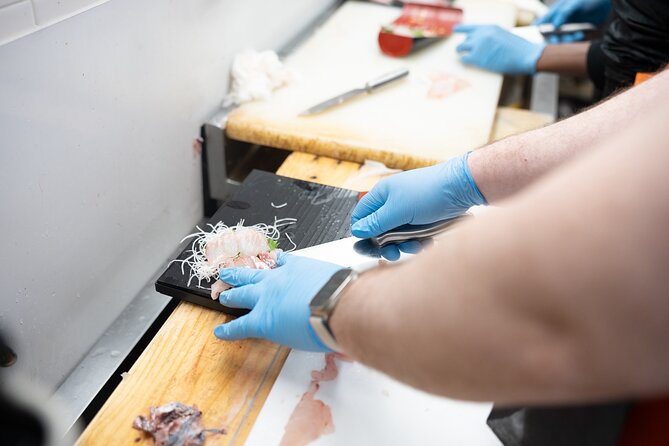
This workshop suits you best if you fit one or more of these descriptions:
- You enjoy cooking and want to improve your knife skills.
- You are curious about how sashimi is prepared.
- You want a small food class rather than a large group demonstration.
- You like meeting local specialists in a working food setting.
- You are comfortable handling raw fish and eating it afterward.
- You want a lunch that connects directly to the activity.
It is also a good choice for someone who has already tried sushi in Japan and wants to understand more about the preparation. The class takes a familiar dish and shows you the work behind it.
You should think twice if you dislike raw fish, have no interest in using a knife, or want an activity with no physical participation. The instructors provide careful help, but they do not simply prepare everything for you.
Children under eight should not attend because knives are used. The supplied information does not give a detailed accessibility statement, so anyone with mobility or other access needs should confirm arrangements before booking.
Practical details before you reserve
The activity starts at 10:00 and lasts about two hours and 30 minutes. It begins and ends at Kimura Fresh Fish, so you do not need to arrange a separate ride between the lesson and lunch.
Wear something you can work comfortably in, though no clothing rules are provided. Most important, arrive ready to listen carefully and work with a knife. The teachers demonstrate each step and watch your cuts, but your attention still matters.
The maximum group size is six. That is one of the strongest practical features because fish cutting benefits from immediate correction. If you are unsure about a cut or have a question about the fish, you can ask while the task is still in front of you.
Free cancellation is available up to 24 hours before the start time for a full refund. Cancellations or changes made less than 24 hours before the activity are not accepted for a refund, and the cut-off follows Kyoto local time.
Should you book the fish cutting workshop?
Book it if you want to do more than eat sashimi in Kyoto. The strongest parts are the small group, the careful supervision, the historic fishmonger setting, and the fact that you eat the fish you prepare. Those details give the workshop a clear purpose and make it more than a standard cooking class.
At $98.53, it is best seen as a specialist food lesson with lunch included. I would choose it for a food-focused morning, especially if you cook at home or want a closer look at Japanese fish preparation. I would skip it if you want a relaxed tasting with no knife work.
For the right person, this is a memorable way to connect a Kyoto meal with the craft behind it. Reserve ahead, arrive hungry but focused, and expect to leave with both sashimi in your stomach and a better sense of how it reached the plate.
FAQ
Where does the fish cutting workshop meet?
The workshop meets at Kimura Fresh Fish, 483 Nakauyocho, Nakagyo Ward, Kyoto, 604-8125, Japan.
What time does the activity start?
The activity starts at 10:00 am.
How long does the workshop last?
The experience lasts approximately two hours and 30 minutes.
How many people can join the workshop?
The maximum group size is six participants.
What will I learn during the class?
You will learn basic Japanese fish processing techniques, including how to handle fish and cut it into sashimi. You will cut the fish into three pieces yourself.
Is lunch included?
Yes. Lunch is included, and you eat the fish you prepared as sashimi.
Are children allowed to join?
Children under eight years old should not attend because participants handle knives.
Can I cancel for a full refund?
Yes. You can cancel at least 24 hours before the experience start time for a full refund. Cancellations and changes made less than 24 hours before the start time are not accepted for a refund.
Just added in Kyoto
- Kyoto: Zen Meditation at a Private Temple with a Monk★ 5.0 · 25 reviews
- Private Cooking Class Udon in Kyoto Japan★ 5.0 · 23 reviews
- Your Private Vacation Photography Session In Kyoto★ 5.0 · 110 reviews
- Private Pewter Sake Cup Experience with a Kyoto Artisan★ 5.0 · 31 reviews
- Kyoto Wagashi(Japanese sweets) Cooking Class near Fushimiinari★ 5.0 · 60 reviews
- Kyoto:Family-Friendly Kimono & Yukata Experience at WARGO★ 5.0 · 147 reviews
- Private Guided Traditional Buddhist Cooking in Japan★ 5.0 · 16 reviews
- Kyoto: Gion Geisha District & Sake-in-Hand Walking Tour★ 5.0 · 37 reviews
Tours in Kyoto, compared.
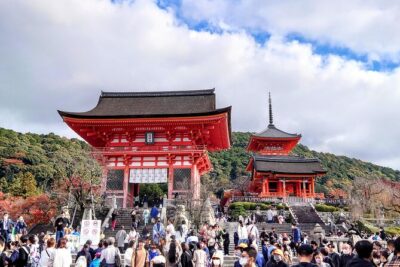
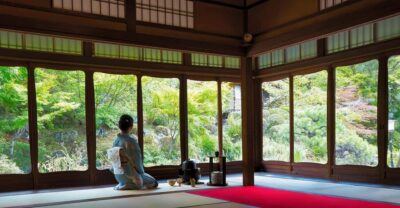
Tea Ceremony in a Traditional Tea House in Kiyomizu
Read our review →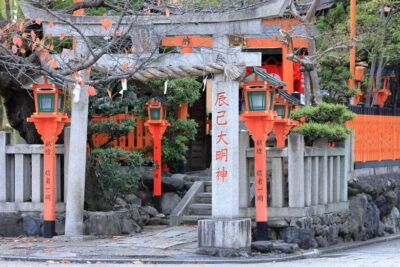
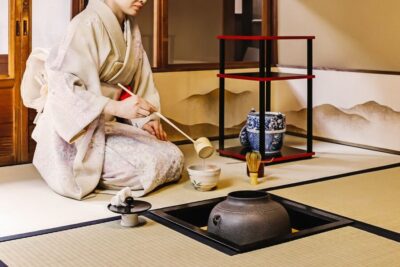
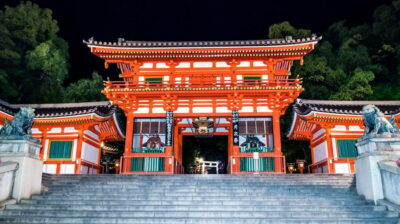
Kyoto Geisha Walking Tour: Gion District & Hidden Gems
Read our review →
Gion Geisha District Walking Tour – Stories of Geisha
Read our review →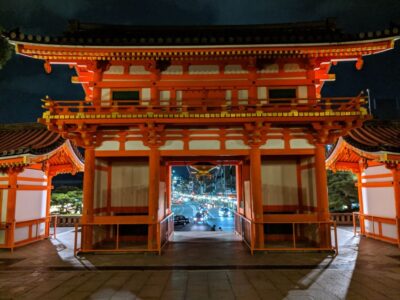
Best of Kyoto: Gion, Geisha, Pagodas & Cobblestones
Read our review →