
Reviewed · ARASHIYAMA & BAMBOO GROVE TOURS
Full day Kyoto Walk in Fushimi, Arashiyama, Monkey, and Kinkakuji
Kyoto packs some of Japan’s most famous sights into this ambitious day out. You begin under the red torii gates of Fushimi Inari, cross Arashiyama’s Togetsukyo Bridge, meet macaques above the river, and finish at the Golden Pavilion. It is a smart way to cover a lot when you have only one full day.
I like the small-group format, which makes train changes, short walks, and questions easier than they are with a large coach tour. I also like the guide-led context at places that can otherwise feel like a photo stop, especially with guides such as Remi and Tom, who are praised for their stories and easygoing style.
The catch is simple: this is a long walking day on public transport, not a bus tour. You pay $97.87 per person, then still cover your own trains, buses, lunch, and drinks. The Monkey Park climb is steep, and the schedule can run about 30 minutes shorter or longer than eight hours.
Key points to know before booking
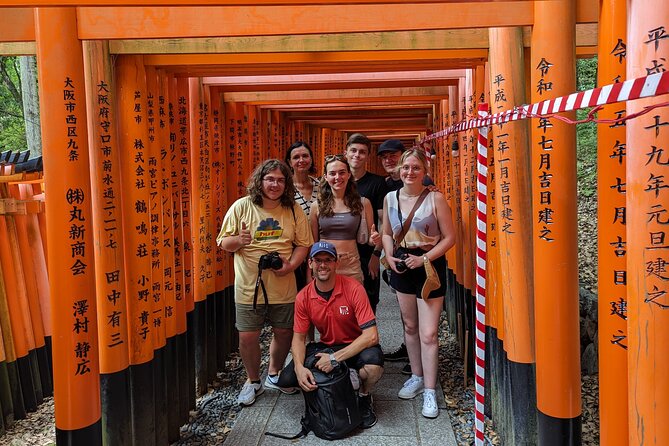
- Four major Kyoto sights in one day: Fushimi Inari, Arashiyama Bamboo Forest, Monkey Park Iwatayama, and Kinkakuji.
- A real walking tour: Trains and buses connect the districts, but transportation is not included.
- The Monkey Park requires effort: Allow for a steep 15 to 20 minute hike to reach the macaques.
- Tenryu-ji admission is included: You also get entry to Monkey Park and Kinkakuji.
- Guides make a big difference: Remi and Tom receive especially strong praise for stories, local customs, and navigation.
- Plan your food: Lunch is not included, though you can choose guided restaurant time in Arashiyama or explore independently.
A fast but thoughtful way to see Kyoto
This tour is built around contrast. Fushimi Inari gives you a mountain shrine and endless vermilion gates. Arashiyama brings bamboo, a Zen temple, a river crossing, and macaques. Kinkakuji supplies the polished final image: a gold-covered pavilion mirrored in a pond.
That variety is the main reason to consider it. You are not spending all day in one temple district, and you do not need to work out the train routes between southern Kyoto, western Kyoto, and the Golden Pavilion. Your guide handles the route while you concentrate on the sights.
The pace is brisk. The listed stops add up to most of the day, and the tour returns to Kyoto Station at the end, unless you leave after Kinkakuji. You will get a strong first look at Kyoto, but not the slow, lingering pace of a private sightseeing day.
The group is shared, not private. The information describes a maximum of 10 people in one place and says the group can reach 12 elsewhere, so expect a small group rather than a one-to-one outing. That difference matters when crossing busy streets, boarding trains, or waiting for everyone at a meeting point.
Other mornings on the western edge of Kyoto:
- Kyoto: Fushimi Inari, Kinkakuji, Bamboo Grove 1 Day Bus Tour
★ 4.8 · 4,316 reviews - Osaka/Kyoto:Kinkakuji,Arashiyama,FushimiInariShrine,NaraPark
★ 4.1 · 1,596 reviews - Kyoto/Osaka: Nara, Fushimi Inari Taisha, Arashiyama Bus Tour
★ 4.7 · 1,275 reviews
Starting beneath the fox at Fushimi Inari
The meeting point is the fox statue in front of JR Inari Station, near the entrance to Fushimi Inari Taisha. Look for the guide wearing a Japan Tour Adventure uniform, and arrive 15 minutes early. The guide contacts late arrivals through WhatsApp, but late joining is not accepted, so this is not a morning to cut things close.
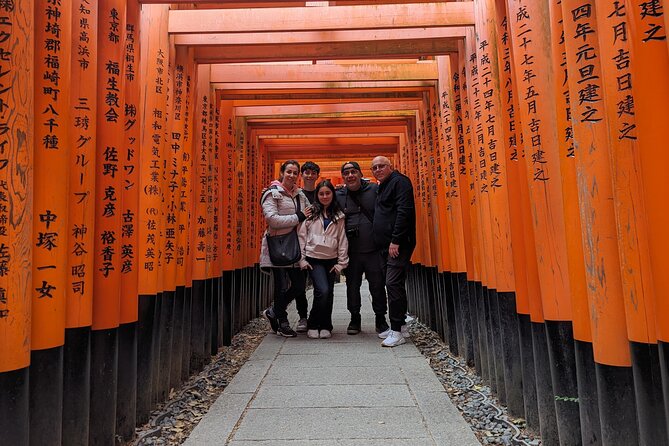
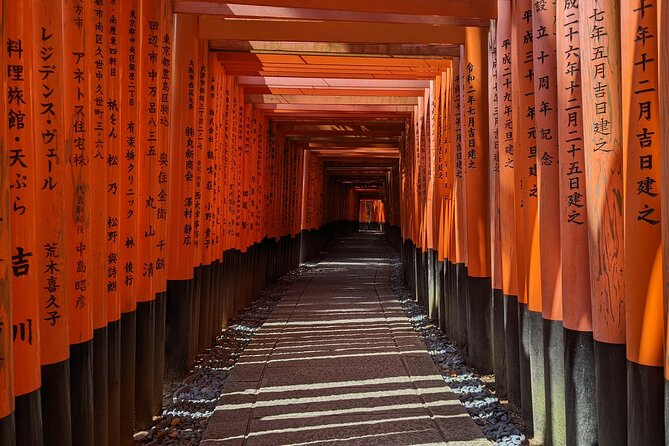
Fushimi Inari is a strong opening stop. The shrine is dedicated to Inari, associated with rice, business, and prosperity, and its famous torii gates climb Mount Inari in long, vivid rows. The first section is the most photographed, so the guide’s timing and route can help you get your bearings before the crowds thicken.
You have about 90 minutes here. That is enough to walk through the main torii corridor and gain a sense of the mountain shrine, but not enough to explore every trail on Mount Inari. The tour is best for seeing the character of the place rather than completing a full hike.
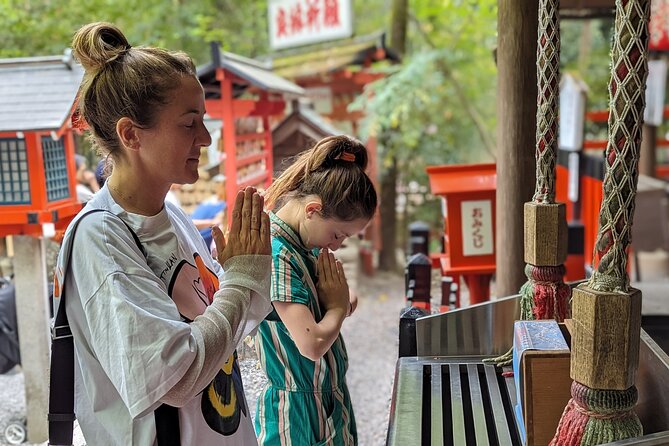
Pay attention to the fox statues. Foxes are treated as messengers of Inari, and you will see them around the shrine grounds in different poses. Small details like this are where a good guide adds value, since the gates alone can become one long red tunnel without explanation.
Fushimi Inari admission is free. That helps the tour move quickly, since there is no ticket line at the start.
Bamboo, Zen gardens, and river views in Arashiyama
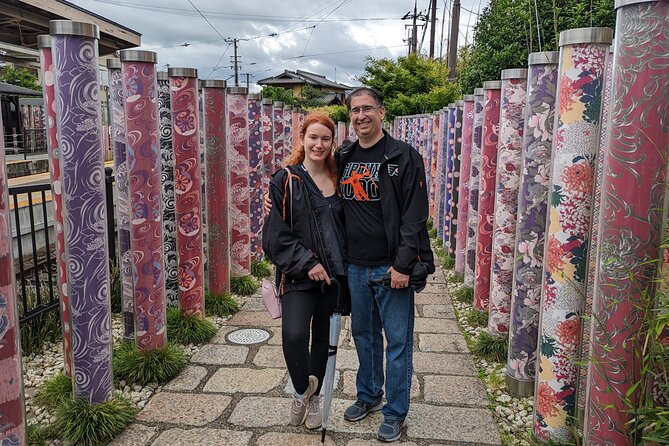
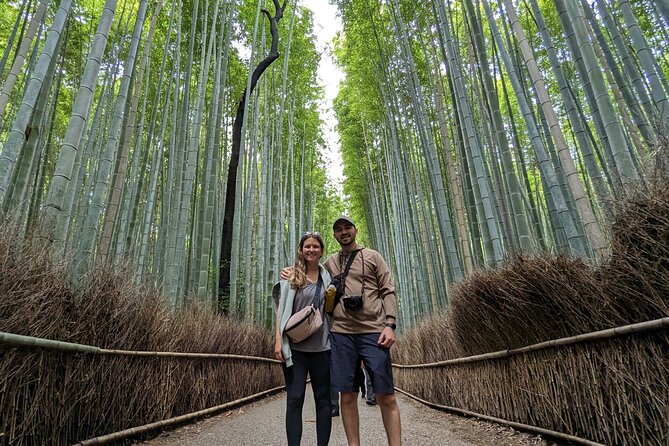
The group then heads to western Kyoto for Arashiyama Bamboo Forest. You get about 80 minutes for the grove, a generous block compared with a quick photo stop. Tall bamboo creates a narrow green corridor, and the path feels very different from Fushimi Inari’s red gates.
The grove is famous for good reason, but it is also one of Kyoto’s busiest sights. Do not expect solitude simply because bamboo surrounds you. The practical advantage of being with a guide is that you can move directly through the area instead of losing time trying to locate the correct entrance or connect it with Tenryu-ji.
The bamboo path is not the whole Arashiyama experience. You also visit Tenryu-ji, the major Zen temple beside the grove. Its garden is the real prize here, with carefully arranged ponds, rocks, trees, and borrowed views toward the hills. The tour allows 40 minutes and includes admission.
That time is enough to appreciate the garden and hear why Tenryu-ji matters, though it may feel short if you want to inspect every building. If gardens are your main reason for visiting Arashiyama, you may wish you had more time. For a broad Kyoto sampler, the balance works.
The guide’s commentary matters most at a place like Tenryu-ji. You are not simply looking at a handsome garden. You are seeing a Zen setting designed for framed views, controlled movement, and quiet observation. A good explanation helps you notice how the garden changes as you walk.
Arashiyama free time and the Togetsukyo Bridge
After the temple, you get about 45 minutes around central Arashiyama. You can explore on your own, shop, find a snack, or join the guide for a proper lunch at a restaurant. The guide may help you skip a line, but lunch itself is not included.
This is useful flexibility. You can choose a quick meal and keep the day moving, or take a short break before the Monkey Park climb. You should still budget carefully, because food, drinks, shopping, and souvenirs all come out of your pocket.
The route crosses Togetsukyo Bridge, one of Arashiyama’s best-known views. The bridge spans the Katsura River, with hills and open water replacing the enclosed feel of the bamboo grove. It is a pleasant change of pace and a good place to understand why Arashiyama became such a popular recreation area.
Do not treat this break as unlimited free time. The group has a meeting plan for the next stop, and the day runs on a shared schedule. If you wander too far or sit down for a long meal, you risk making the rest of the group wait.
Same base, a different sort of day:
- PERFECT KYOTO 1-Day Bus Tour
★ 5.0 · 13,518 reviews - Kyoto: Tea Ceremony in a Traditional Tea House in Kiyomizu
★ 4.9 · 3,519 reviews - Kyoto Geisha Walking Tour: Gion District & Hidden Gems
★ 4.7 · 3,273 reviews - Kyoto: Tea Ceremony Ju-An at Jotokuji Temple
★ 4.9 · 3,207 reviews
Monkey Park Iwatayama and the uphill tradeoff
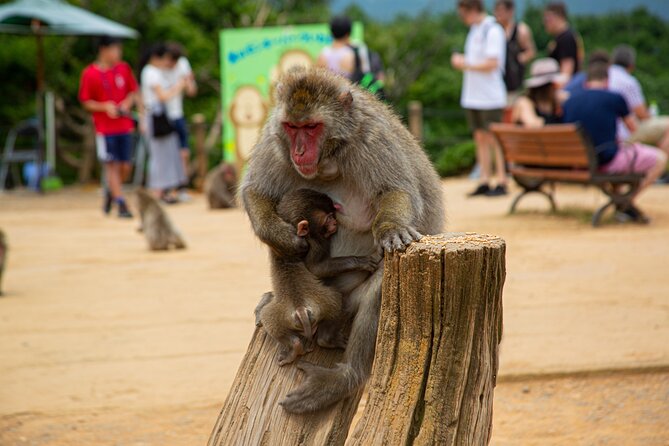
Monkey Park is the most physically demanding part of the day. From the Arashiyama area, you walk uphill for roughly 15 to 20 minutes on a steep path. Comfortable shoes are essential, and the tour is not recommended for people with leg or knee problems.
The reward is a hilltop setting with Japanese macaques and wide views over Kyoto. The macaques are wild animals, not pets, so you should follow the guide’s instructions and treat the encounter with care. The included admission covers the park, and the stop lasts about 70 minutes.
This is a memorable change from temples and gardens. You are outside, moving your body, and watching the animals in a natural setting. The view from above also gives you a useful sense of Kyoto’s size and layout.
Still, you should be honest about your fitness. The climb is short, but steep. It comes after Fushimi Inari, the bamboo grove, Tenryu-ji, and considerable walking, so tired legs will feel it. If you do not want to make the climb, the tour provides free time around central Arashiyama while the rest of the group visits the park. You will need to meet the group at the agreed location and time.
That alternative makes the itinerary more flexible than it first appears. Someone who dislikes steep paths can still join the day, though they will miss the macaques and the high view.
Kinkakuji, the Golden Pavilion finale
The final major stop is Kinkakuji, also called the Golden Pavilion. You have about two hours here, the longest scheduled visit of the day, and admission is included.
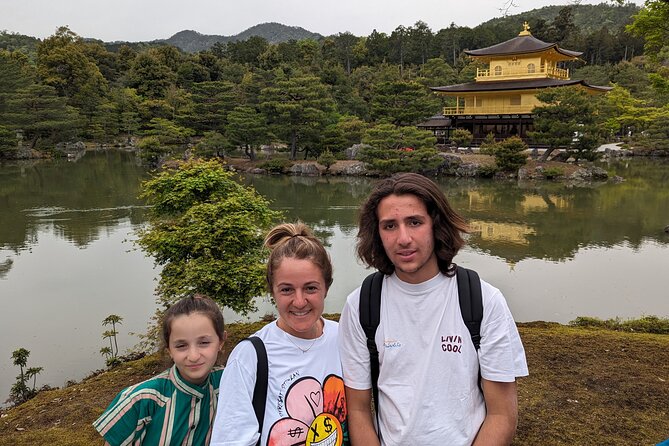
Kinkakuji is famous for its top two floors covered in gold leaf, set beside a pond that reflects the building. The view is carefully arranged and very photogenic, especially when the light is good. You follow the visitor route around the grounds rather than entering the pavilion itself.
Two hours may sound generous, but it includes walking through the temple grounds, stopping at the pond, seeing the surrounding gardens, and dealing with the site’s popularity. The pavilion is the obvious focus, yet the grounds provide useful breathing room after the crowded bamboo path and the Monkey Park climb.
A guide can also give the building some context beyond its appearance. Kinkakuji began as a villa before becoming a Zen temple, and its gold surface is part of a larger story about power, display, and religious use. The tour’s value here is not just getting you to the photo point. It is helping you read the place.
The day ends at Kinkakuji or with the group returning to Kyoto Station. If you want to continue your evening from the Golden Pavilion, you can leave directly after the last stop. Confirm the departure plan with your guide before splitting off.
What the $97.87 price really covers
At $97.87 per person, this is not a bargain if you only count entrance tickets. Fushimi Inari and the bamboo grove are free, and public transportation is extra. The price makes more sense if you value a full day of route planning, live commentary, group coordination, and included admission to Tenryu-ji, Monkey Park, and Kinkakuji.
You also receive downloadable souvenir photos through a private drive. That is a pleasant extra, though I would treat it as a bonus rather than a reason to book.
The biggest saving is time and mental effort. These sights are spread across Kyoto, and arranging them independently means checking train routes, bus connections, opening details, ticket needs, meal timing, and walking distances. The tour compresses that work into one organized day.
You should still buy or load an ICOCA or Suica card before starting. Transportation is not included, and an IC card makes trains and buses much easier than buying separate tickets at every stage. Bring cash or another payment method for lunch, drinks, and small purchases.
Guides, group size, and the human factor
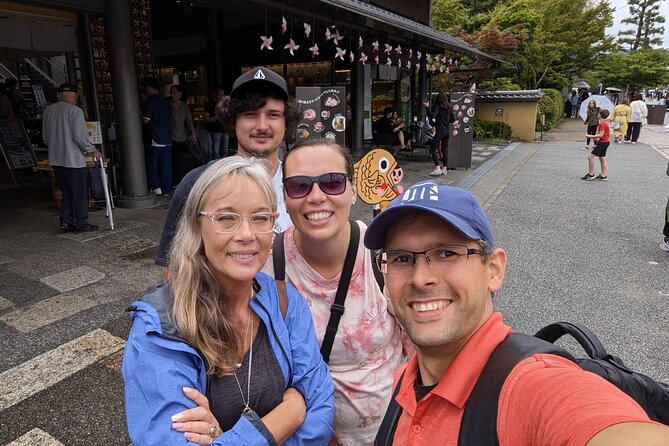
The guide can make or break a packed Kyoto day. Remi receives praise for combining useful history with an entertaining manner and for helping the group avoid the worst crowd pinch points. Tom is also singled out for friendly guiding, clear stories, and practical help during the day.
No specific guide is guaranteed unless you confirm availability before booking. The regular tour language is English, with Japanese support, and French, German, or Spanish may be available depending on the guide. Contact the operator before booking if another language is important to you.
The small group is a meaningful advantage. You can ask questions, hear explanations, and move through stations without the sluggish feel of a large coach party. But it remains a shared tour, so the pace and breaks must suit several people.
There is also a two-person minimum for the tour to operate. Solo visitors can book, but the session may be canceled if the minimum is not met. In that case, you are offered another date or experience, or a full refund.
Who should book this Kyoto day?
I would choose this tour if you have one open day in Kyoto and want the major sights without designing a complicated route. It works especially well for first-time visitors who want shrine gates, bamboo, a Zen temple, macaques, and the Golden Pavilion in one sweep.
It also suits people who like active sightseeing. You will walk, climb, board public transport, and keep moving. Comfortable shoes matter more than stylish ones.
I would hesitate if you want long meals, quiet temple time, or a relaxed photographic day. You may also prefer a slower plan if your knees are not happy on steep paths or if you want to spend half a day exploring Arashiyama alone.
The strongest reason to book is the combination of wide coverage and guide support. The strongest reason to skip it is the pace. Kyoto rewards wandering, but this tour is designed for seeing a lot, not doing little.
Should you book the Fushimi, Arashiyama, Monkey Park, and Kinkakuji tour?
Book it if you want an efficient first look at Kyoto’s headline sights and are comfortable paying extra for organization. The route is varied, the key admissions are covered, and guides such as Remi or Tom can add the stories and local customs that turn a busy day into a useful introduction.
Skip it if you dislike group schedules, steep walking, or public transport. You can visit these places independently, but you will need more planning and probably more than one day to enjoy them without rushing.
For most active first-time visitors, this is a demanding but rewarding use of one Kyoto day. Arrive early, load an IC card, bring water and comfortable shoes, and leave room in your evening for a well-earned rest.
FAQ
How long does the tour last?
The tour lasts approximately eight hours. The actual finish can vary by about 30 minutes before or after the estimated time.
Is transportation included?
No. This is a walking tour that uses public trains and buses. An ICOCA or Suica card is recommended, and you pay your own transportation costs.
What admissions are included?
Admission to Tenryu-ji Temple, Monkey Park Iwatayama, and Kinkakuji Temple is included. Fushimi Inari and Arashiyama Bamboo Forest do not require included admission tickets.
Is lunch included?
No. Lunch, food, and drinks are not included. You can use free time in Arashiyama to eat independently or join the guide for a restaurant meal.
How difficult is the Monkey Park visit?
The route to the top takes about 15 to 20 minutes on a steep path. Comfortable shoes and reasonable physical condition are recommended, and the tour is not recommended for people with leg or knee problems.
Is this a private tour?
No. It is a shared group tour, not a private experience. The information gives a group size of roughly 10 to 12 people, depending on the stated limit.
Just added in Kyoto
- Private Cooking Class Udon in Kyoto Japan★ 5.0 · 23 reviews
- Your Private Vacation Photography Session In Kyoto★ 5.0 · 110 reviews
- Kyoto: Zen Meditation at a Private Temple with a Monk★ 5.0 · 25 reviews
- Private Pewter Sake Cup Experience with a Kyoto Artisan★ 5.0 · 31 reviews
- Kyoto Wagashi(Japanese sweets) Cooking Class near Fushimiinari★ 5.0 · 60 reviews
- Private Guided Traditional Buddhist Cooking in Japan★ 5.0 · 16 reviews
- Kyoto: Gion Geisha District & Sake-in-Hand Walking Tour★ 5.0 · 37 reviews
- Kyoto:Family-Friendly Kimono & Yukata Experience at WARGO★ 5.0 · 147 reviews
Arashiyama & Bamboo Grove Tours, compared.
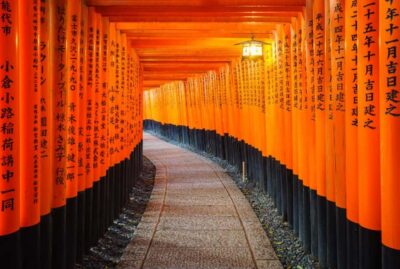
Osaka/Kyoto:Kinkakuji,Arashiyama,FushimiInariShrine,NaraPark
Read our review →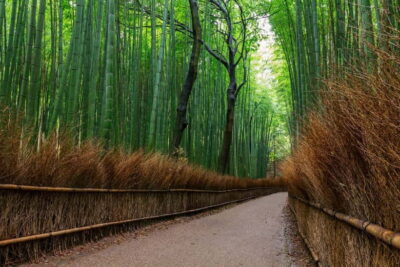
Kyoto/Osaka: Nara, Fushimi Inari Taisha, Arashiyama Bus Tour
Read our review →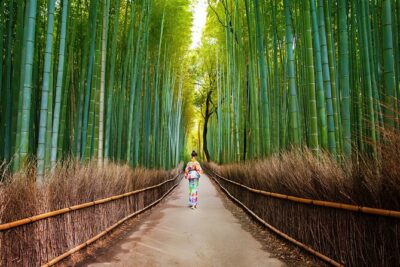
Kyoto Arashiyama Walking Tour: Bamboo, Monkeys, Gardens & Secrets
Read our review →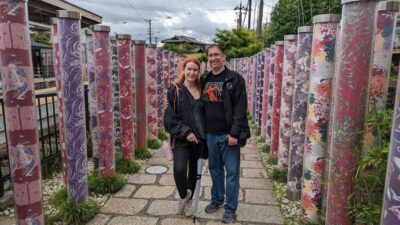
Arashiyama Bamboo, Temple, Monkeys, or Secret Sake Brewery
Read our review →
Arashiyama Bamboo Forest, Monkeys, Matcha & Temple Tour
Read our review →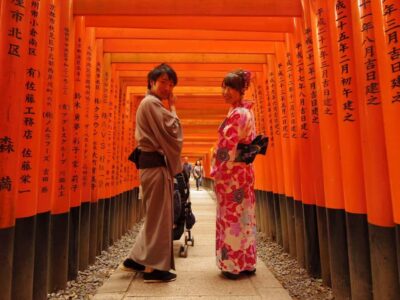
Osaka/Kyoto: Arashiyama, Nara & Fushimi Inari Shrine w/Lunch
Read our review →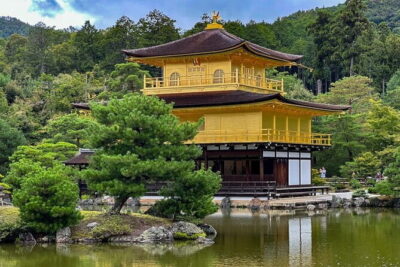
Nijo, Kinkaku-ji, Arashiyama, Kiyomizu & Fushimi Inari
Read our review →
Kyoto Ghost Tour: Dark Tales, Urban Legends, Bamboo Forest Night
Read our review →Browse the lists this tour appears in