
Reviewed · TOURS IN KYOTO
Hidden Kyoto E-Biking tour
Kyoto’s best surprise here is not just the Golden Pavilion. It is the quiet ride between famous sites, along backstreets and temple lanes that most visitors never reach on foot. With an e-bike, you can cover northern Kyoto without turning the day into a sweaty workout.
I like the small maximum group of eight, which keeps the ride friendly and makes it easier to hear guides such as Yuta, Michael, Sean, Henry, and Shizuka. I also like the mix of major sights and quieter Zen sites, plus the charming tea stop described by several participants. The main consideration is that this is still a bike tour: you need to arrive ready to ride, handle streets and hills, and accept that long guide talks may leave less time for wandering.
Key points about the Hidden Kyoto E-Biking tour
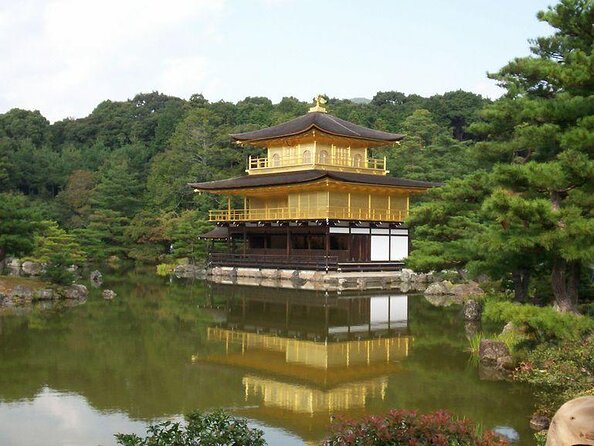
- Kinkakuji and Kitano Tenmangu: See two of northern Kyoto’s best-known religious sights in one morning or afternoon.
- Quiet temple route: Ride through side streets, peaceful neighborhoods, and lesser-known temple grounds away from the main crowds.
- Easy e-bike assistance: The bikes help with hills and make the 7 to 8-kilometer route manageable for most people age 13 and older.
- Strong cultural storytelling: Guides explain Zen Buddhism, Shinto, geisha and maiko customs, samurai-era Japan, and temple etiquette.
- Small group format: A maximum of eight people gives the outing a personal feel.
- Useful local advice: Guides have shared restaurant, shopping, and Kyoto sightseeing suggestions at the end of the ride.
Why a bike is the right tool for northern Kyoto
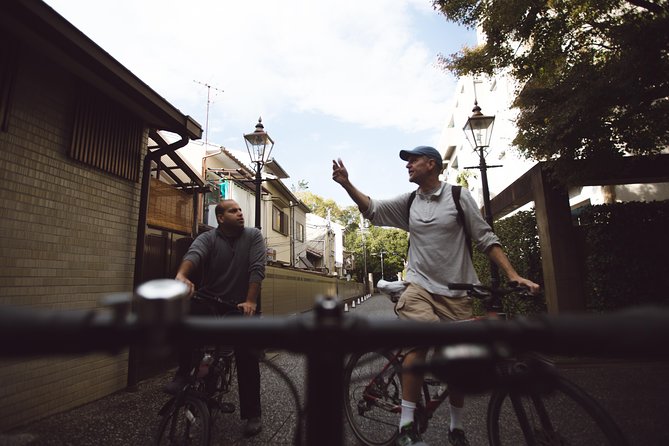
Northern Kyoto can be awkward to explore on foot. The temples are spread out, buses can be crowded, and a taxi ride between every stop quickly adds up. This route links several important places by bicycle, so you spend less time waiting and more time seeing the city change around you.
The ride is listed at roughly 7 kilometers in one description and 8 kilometers in another. Either way, it is a modest half-day distance, not an athletic cycling challenge. The stated duration is about 3 hours and 45 minutes, which includes stops, explanations, and the time needed to get fitted with a bike and helmet.
The e-bikes matter most on hills and warm days. Several participants specifically appreciated the electric assistance on steep sections, while older riders and people who had not cycled for years found the bikes manageable. You still need basic balance and control, though. An e-bike reduces effort, but it does not remove the need to watch traffic, steer, brake, and ride safely.
The bikes are foldable rental models, with helmets and water included. You do not need to arrange a separate rental, and the guide gives you time to learn the controls before setting off. The minimum age is 13.
Other experiences people book in Kyoto:
- PERFECT KYOTO 1-Day Bus Tour
★ 5.0 · 13,518 reviews - Kyoto: Fushimi Inari, Kinkakuji, Bamboo Grove 1 Day Bus Tour
★ 4.8 · 4,316 reviews - Kyoto: Tea Ceremony in a Traditional Tea House in Kiyomizu
★ 4.9 · 3,519 reviews
Starting at NORU Kyoto Bike Tours
The tour begins at NORU Kyoto Bike Tours, at 429-22 Takigahanachō in Kamigyo Ward. You should arrive at least 15 minutes before departure. Scheduled starts are 8:30 a.m., 9 a.m., 12:30 p.m., and 1 p.m.
That early arrival matters. The guide needs to fit your bike, provide a helmet, and make sure you understand the electric assist. Do not treat the start time casually. If you arrive late and miss the group, there is no refund.
The shop is near public transportation, but the supplied information does not give a precise station or walking time. Check the route from your accommodation before the day of the ride, especially if you choose the early departure. The activity finishes back at the same meeting point, so you do not need to arrange a separate ride from the final temple.
The group limit of eight is one of the tour’s best practical features. A small group can stop on a narrow lane without creating a traffic jam, and you can ask questions without competing with a busload of people. It also means the tour may feel social if you are riding with people you have just met.
Kinkakuji, Kyoto’s famous golden opening act
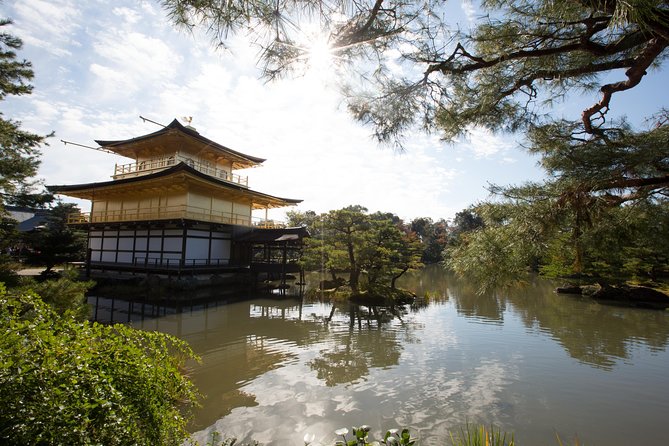
Kinkakuji, the Golden Pavilion, gives the route an immediate dose of classic Kyoto. The pavilion is one of the city’s most recognizable sights, and its gold-covered upper levels reflect dramatically in the pond when conditions are right.
This is the stop most closely tied to a first visit to Kyoto. It gives you the iconic photograph, but the bike tour’s value is that Kinkakuji is only one piece of the day rather than the entire point of the outing.
Expect a structured visit rather than unlimited wandering. The route has several more stops, and the guide needs to keep the group moving. If Kinkakuji is at the top of your Kyoto wish list, you may want to return another day for a slower look.
The temple can attract crowds, especially at popular times. That makes the transition afterward particularly welcome. Once you leave the main sight, the ride shifts toward quieter streets and smaller religious sites.
Daitokuji and the quieter side of temple Kyoto
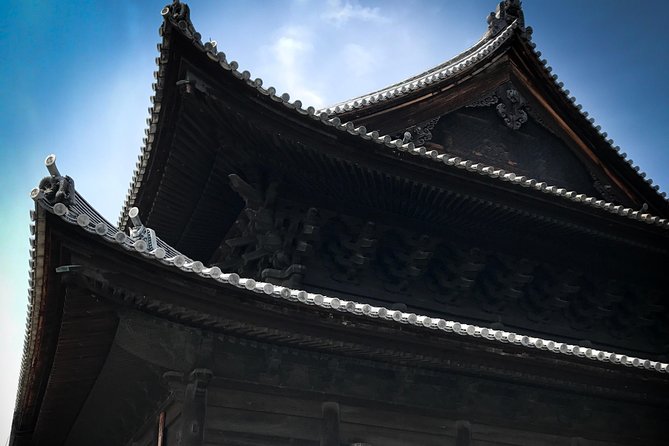
Daitokuji is a large temple complex with a strong Zen connection. Instead of one single showpiece, it offers a collection of temple spaces and gardens, each with its own atmosphere and design.
This is where the tour begins to feel different from a standard highlights route. Your guide can explain how Buddhist and Shinto traditions differ, how Zen practice shaped temple spaces, and how to behave respectfully at religious sites. Guides such as Yuta have also explained the meaning behind customs rather than simply listing dates and names.
The exact amount of time at each part of the complex depends on the group and the route that day. Do not expect a long private meditation session. You are moving through several sites by bike, so the experience is more about context, visual detail, and the connection between the temples than about sitting for an extended period.
Some participants felt the guide explanations were lengthy, particularly during a short tour. That is useful to know if you prefer quick facts and lots of independent time. If you enjoy cultural interpretation, the longer talks may be one of the best parts of the outing.
Same base, a different sort of day:
- Kyoto Geisha Walking Tour: Gion District & Hidden Gems
★ 4.7 · 3,273 reviews - Kyoto: Tea Ceremony Ju-An at Jotokuji Temple
★ 4.9 · 3,207 reviews - Kyoto: Gion Magical Night Walking Tour with Geisha Trivia
★ 4.9 · 2,393 reviews - Kyoto: 45-Minute Tea Ceremony Lesson Experience
★ 4.3 · 2,378 reviews
Kitano Tenmangu and local religious life
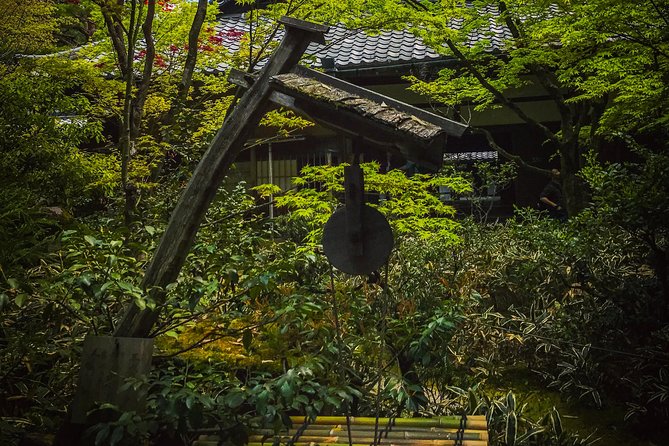
Kitano Tenmangu is a major Shinto shrine dedicated to Sugawara no Michizane, a scholar and political figure associated with learning. It is an important contrast to the Buddhist temples on the route.
The shift from temple to shrine gives the tour a clear cultural rhythm. You can see that Kyoto’s religious life is not one single tradition. Shinto and Buddhism have different spaces, symbols, and practices, and the guides use the stops to explain those differences in plain terms.
This is also a good place to pay attention to etiquette. Your guide can show you how to approach a shrine, where to bow, and how to behave around worshippers. Those small instructions help you visit later sites with more confidence and less guesswork.
Kitano Tenmangu is well known, so it may not feel secluded. The quieter part comes from the route between the stops and from the lesser-visited places that follow.
Koto-in and the beauty of a slower stop
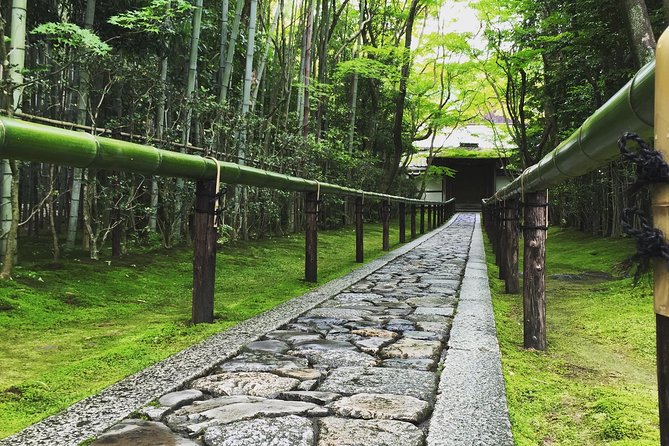
Koto-in is associated with Daitokuji and is especially appealing for its calm setting and carefully framed garden views. It is the kind of place where the design encourages you to slow down and notice the relationship between the path, the temple buildings, and the garden.
The stop gives the tour a softer pace after the larger sights. You are not simply collecting temple names. You are seeing how smaller spaces create a different mood from Kyoto’s headline attractions.
Garden visits can be highly seasonal, and the experience may change with weather, foliage, and light. The supplied information does not promise a particular seasonal display, so book this for the setting and cultural context rather than one specific photograph.
Zuihoin and the Zen finish
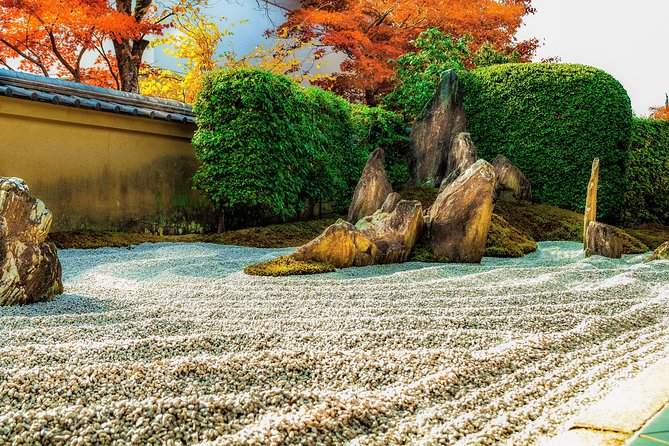
Zuihoin is another Daitokuji subtemple, known for its Zen garden. It adds a final layer to the route, especially if your guide connects the garden’s design with Zen ideas and Japanese aesthetics.
This is one of the places where a good guide makes a clear difference. The stones, gravel, and empty space may look simple at first. Context helps you understand why the garden is arranged as it is and why the absence of plants or ornament can be part of the design.
The tour does not promise a formal Zen lesson, but the guide may include a short Zen-focused explanation or reflection. Yuta has been especially appreciated for bringing Zen Buddhism into the day in a way that feels connected to the places you are visiting.
The ride between the temples
The spaces between the stops are not dead time. They are the part that lets you see Kyoto as a lived-in city rather than a line of attractions.
You ride through quiet side streets and residential areas, with the route designed to avoid the main tourist flow where possible. The pace is described as easy and laid-back, but you should still expect turns, traffic awareness, and some hills. One account specifically noted steep descents, while several people valued the electric assistance on uphill sections.
Weather can change the character of the outing. A rainy ride may be less comfortable, but it can also mean cooler streets and a different mood. The tour may be canceled for poor weather, in which case you are offered another date or a full refund. If the forecast calls for rain and the tour is running, bring your own rain jacket or poncho and weatherproof gloves if you have them. Guides may have some rain gear, but you should not rely on that for your entire outfit.
The route is not designed for people who cannot ride a bicycle. If you choose not to participate or cannot ride, the activity fee is not refunded. That rule makes a basic self-check worthwhile: if you have not cycled in many years, consider practicing before booking rather than assuming the motor will do everything.
Guides who add more than directions
The guide is central to this experience. You are not just following a leader from one gate to another.
Yuta has been praised for clear English and for explaining Zen Buddhism, Shinto, geisha and maiko traditions, temple etiquette, and Japanese customs. Michael is described as a strong storyteller with a background in Japanese history. Sean has been noted for helping with rain and cooler weather, answering questions, and giving food recommendations. Henry brings long experience living in Japan, while Shizuka has led small groups through temples, gardens, backstreets, and hillier sections.
Guide assignments can change, so you should not book on the assumption that one particular person will lead your departure. Still, the range of guide strengths gives you a good sense of the tour’s character: history and culture are a major part of the experience.
The one fair criticism is pacing. If your ideal tour means a brief explanation followed by quiet exploration, you may find some talks too long. If you want Kyoto’s sights explained through Buddhism, Shinto, feudal Japan, and local customs, the storytelling adds real value.
Tea, food tips, and the local touches
A tea stop is mentioned in the experience feedback, including a charming place with a long family history. The exact stop may vary, and food and drinks are not included unless specifically stated, so budget separately for anything you purchase.
That pause matters because it breaks up the riding and gives you a chance to experience a traditional setting at a slower pace. It also adds a human scale to a route otherwise filled with temples and shrines.
Guides may recommend ramen, udon, restaurants, or shopping areas after the ride. Those suggestions can be useful because you finish in northern Kyoto, away from some of the most obvious dining streets. Treat the advice as a bonus rather than a promised part of the tour.
Is $116 a good value?
At $116 per person, this is not the cheapest way to see Kyoto. You are paying more than the cost of renting a bicycle and visiting a few sites on your own.
The value comes from the package. You receive the bike, helmet, water, route planning, a small group, and an English-speaking coordinator. Most important, you get the connections between the sites: how Buddhist and Shinto spaces differ, how Zen gardens work, and how to move around the city without wasting time figuring out the route.
I consider the price reasonable for a first Kyoto visit if you want a guided cultural overview and do not want to manage transport between scattered temples. It is less compelling for confident cyclists who already know northern Kyoto and prefer to set their own pace.
The tour is also a useful early-trip choice. It can help you understand the city’s geography and give you ideas for later meals, temples, and neighborhoods. Returning visitors may appreciate it even more because the route goes beyond the standard first-day checklist.
Who should book this ride?
I would recommend it to active families with teenagers, couples, solo visitors who enjoy small groups, and anyone who wants more than a bus ride between famous sights. The minimum age is 13, and the easy route plus electric assistance makes it approachable for many moderate cyclists.
It suits people who want stories as much as photographs. You will get more from the tour if you are curious about temple behavior, Zen ideas, Shinto practice, geisha and maiko history, and the customs behind what you are seeing.
I would hesitate to recommend it to anyone with serious cycling concerns, a strong dislike of hills, or no interest in guided explanations. It also may not suit you if you need a fully flexible schedule, since the group has to stay together and the departure time cannot be changed within 24 hours.
Should you book the Hidden Kyoto E-Biking tour?
Book it if you want a calm, active way to connect major Kyoto sights with quieter temples and backstreets. The e-bike removes much of the strain, the eight-person limit keeps the experience personal, and the guides add cultural context that is hard to get from a map.
Skip it if you cannot ride, need lots of unstructured time, or would rather visit each temple independently. For everyone else, this is a strong half-day choice, especially near the beginning of a Kyoto stay. It gives you the Golden Pavilion, Daitokuji, Kitano Tenmangu, Koto-in, and Zuihoin, but the real reward is seeing how these places fit into the quieter northern side of the city.
FAQ
How long is the Hidden Kyoto E-Biking tour?
The tour lasts approximately 3 hours and 45 minutes.
How far do you cycle?
The route is described as approximately 7 to 8 kilometers, or about 4.3 to 4.9 miles.
What sights are included?
The route includes Kinkakuji Temple, Daitokuji Temple, Kitano Tenmangu Shrine, Koto-in, and Zuihoin.
Is the bike included?
Yes. A rental bike, helmet, and water are included.
What is the minimum age?
The minimum age is 13.
How many people can join the tour?
The maximum group size is eight people.
Where does the tour start and finish?
It starts at NORU Kyoto Bike Tours, 429-22 Takigahanachō, Kamigyo Ward, Kyoto. The activity ends back at the same meeting point.
What departure times are available?
Listed departure times are 8:30 a.m., 9 a.m., 12:30 p.m., and 1 p.m. You must arrive 15 minutes before departure.
What happens if the weather is poor?
If the tour is canceled because of poor weather, you are offered another date or a full refund. You can also cancel for a full refund if you do so at least 24 hours before the start time.
Just added in Kyoto
- Kyoto Rickshaw Tour★ 5.0 · 210 reviews
- Kyoto: Private Photoshoot Service★ 5.0 · 158 reviews
- Izakaya Style Cooking Class★ 5.0 · 219 reviews
- Kyoto: Traditional Concert at Townhouse or Bathhouse★ 4.9 · 224 reviews
- Ninja 2-hour Hands-on Lesson by Japanese master in Kyoto -Medium★ 5.0 · 218 reviews
- Kyoto: Arashiyama Bamboo, Temple, Matcha, Monkeys & secret spots★ 5.0 · 219 reviews
- Kyoto: Kimono Tea Ceremony with Matcha and Sweet★ 4.9 · 249 reviews
- South Kyoto in a Nutshell: Gentle Backstreet Bike Tour!★ 5.0 · 225 reviews
Tours in Kyoto, compared.
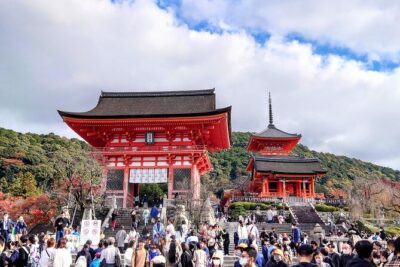
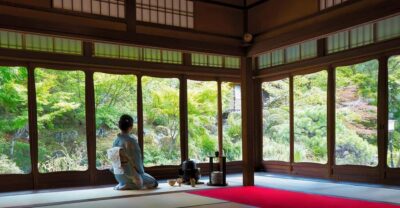
Tea Ceremony in a Traditional Tea House in Kiyomizu
Read our review →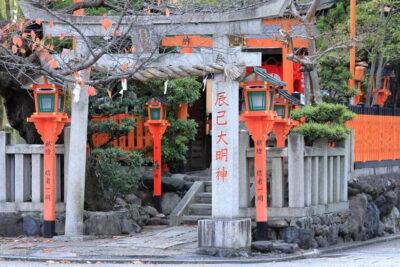
Kyoto Geisha Walking Tour: Gion District & Hidden Gems
Read our review →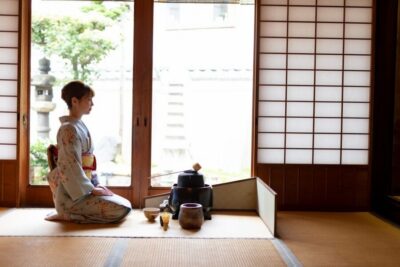
Gion Geisha District Walking Tour – Stories of Geisha
Read our review →
Best of Kyoto: Gion, Geisha, Pagodas & Cobblestones
Read our review →
Browse the lists this tour appears in