Reviewed · TOURS IN KYOTO
Kyoto: Amanohashidate Ine Funaya Tour
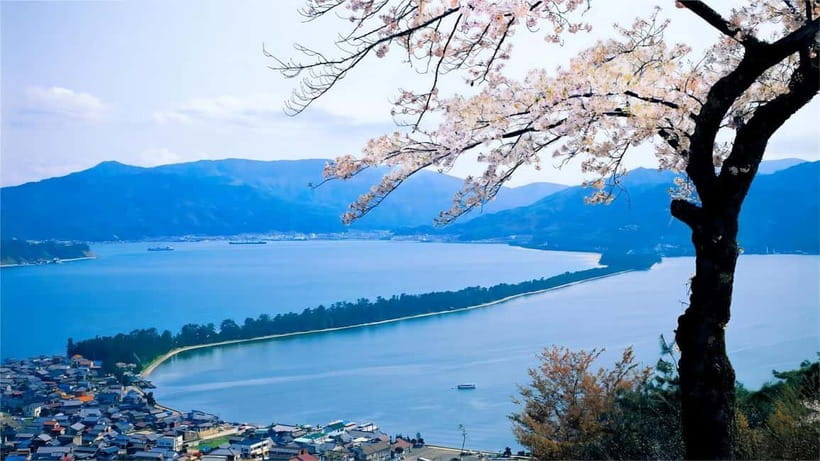
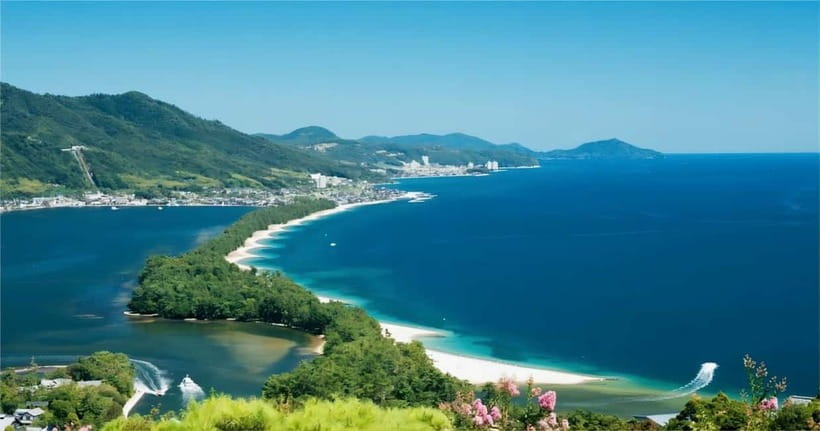
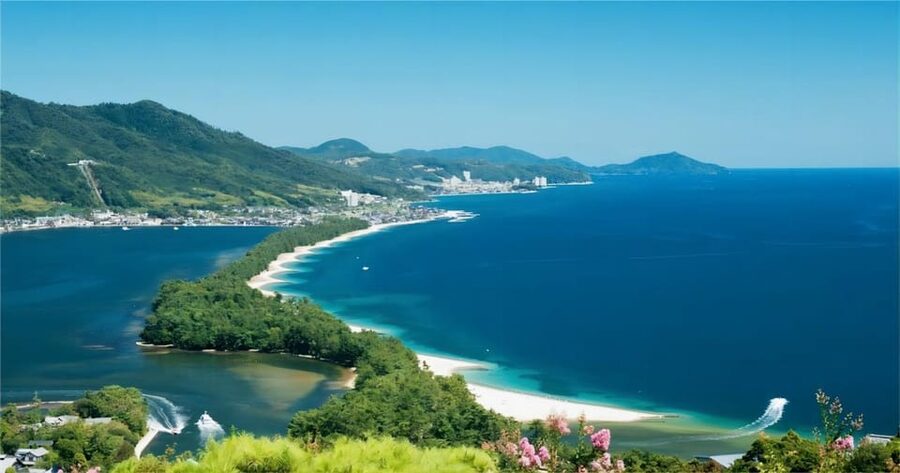
Amanohashidate is the star here: a long, pine-covered sandbar stretching across Miyazu Bay, with white beaches on one side and the Aso Sea and Sea of Japan in view. You get two things I particularly like: a rare coastal escape from Osaka and time in Ine’s unusual boat-house village, where fishing homes open directly onto the water.
The tradeoff is the long coach ride. About 2.5 hours each way leaves only a few hours at the sites, and some guides may offer limited historical detail. Bring cash, too. Food and entry costs are not included, and one visitor could not buy lunch after finding that card payment was unavailable.
Key points before you book
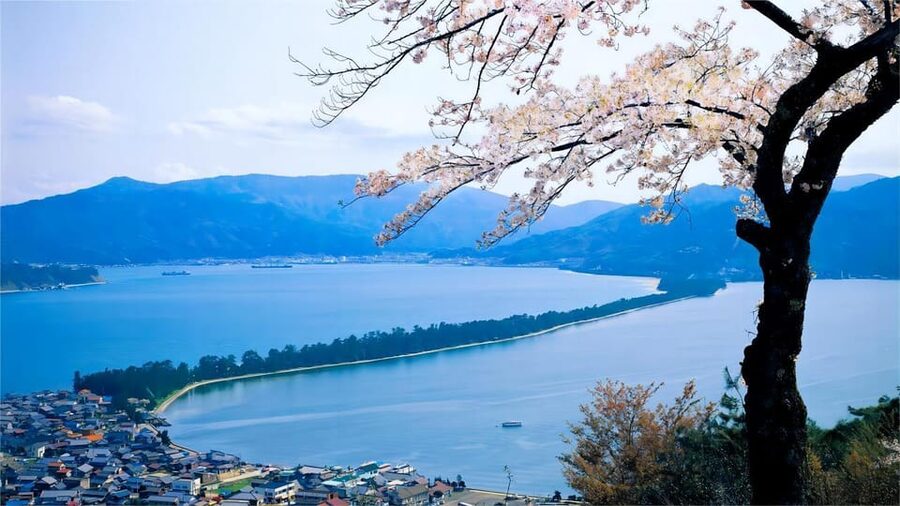
- Amanohashidate is a full coastal change of scene: Expect pine trees, white sand, bay views, and a broad open shore rather than a city attraction.
- Chion-ji Temple adds a cultural stop: Students visit to seek blessings from Manjushri, the Buddhist god of wisdom.
- Ine is the most distinctive village visit: Its boat houses sit right along the waterfront, making the town feel closely tied to fishing life.
- The coach saves a difficult day of connections: Public transport would make these far-flung stops hard to combine in one day.
- The bay cruise costs extra: If you choose the boat ride, you can feed seagulls and look back at the waterfront from the water.
- The day is guide-dependent: Jay and Fred received especially warm praise, while other visitors found explanations thin or hard to understand.
Why Amanohashidate is worth the long ride
From Osaka, this is not a quick hop to a nearby sight. You spend roughly 2.5 hours on the bus before reaching northern Kyoto Prefecture, but that distance is exactly why the day feels different from a standard city tour.
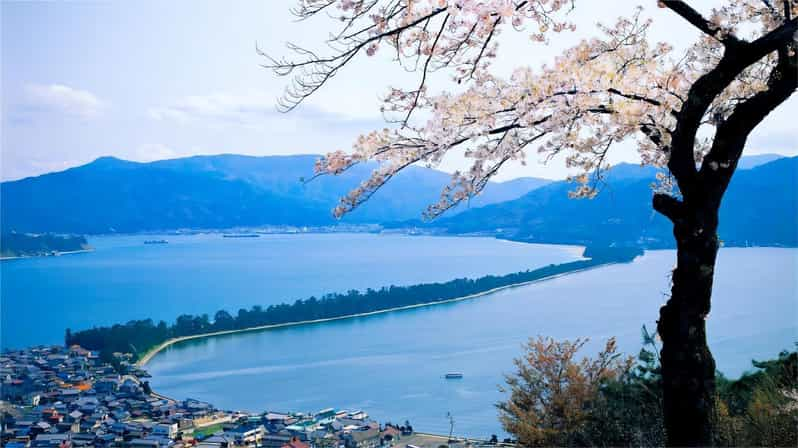
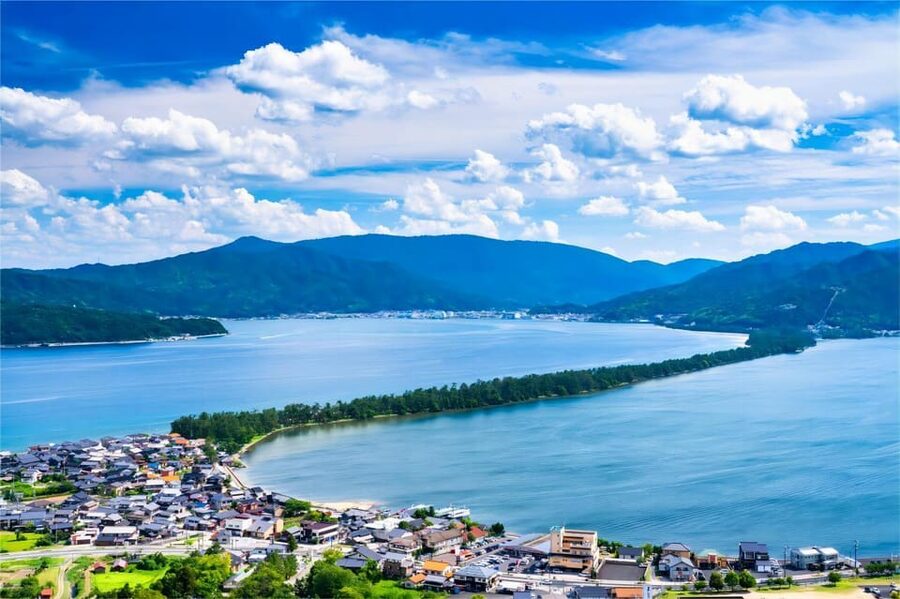
Amanohashidate means Bridge to Heaven. The name suits the long sandbar that crosses Miyazu Bay, though it is a natural strip of land rather than a built bridge. Pine trees run along the sandbar, while pale beaches border the water. You’ll have time for photos, a walk, and a guided visit lasting about two hours.
I like this stop because it gives you space and sea air after Osaka’s dense streets. You can look across the Aso Sea and toward the Sea of Japan, then focus on the contrast between green pines, white sand, and blue water. The site is also counted among Japan’s Three Views, so it carries more weight than a pleasant beach walk alone.
The schedule does not appear to include a long, leisurely exploration of every part of the sandbar. Think of it as a well-planned introduction. You’ll get a taste of the setting, hear about its importance, and have time to walk and take pictures before moving on.
Pack shoes that are comfortable for walking. The program includes sightseeing and walking at Amanohashidate, and the shore is best enjoyed at an unhurried pace rather than from the bus window. The weather can shape this stop quite a bit. Rain did not prevent one July departure from being enjoyable, but poor weather will affect beach views and photographs.
Other experiences people book in Kyoto:
- PERFECT KYOTO 1-Day Bus Tour
★ 5.0 · 13,518 reviews - Kyoto: Fushimi Inari, Kinkakuji, Bamboo Grove 1 Day Bus Tour
★ 4.8 · 4,316 reviews - Kyoto: Tea Ceremony in a Traditional Tea House in Kiyomizu
★ 4.9 · 3,519 reviews
Chion-ji Temple and the symbols of study
Chion-ji Temple sits at the southern end of Amanohashidate, so it fits naturally into the same stop rather than requiring another long transfer. You’ll have about 30 minutes here for a guided visit, photographs, and a walk through the temple grounds.
The temple is dedicated to Manjushri, the Buddhist god of wisdom. Students come to ask for help with success in their studies, giving the temple a clear connection to education and good fortune. That detail makes the visit easier to understand, especially if you are seeing the temple as part of a packed sightseeing day.
Look for the ancient gate as you enter and a fan-shaped signed poem. The fan shape is linked with progress and improvement, a fitting symbol at a temple associated with learning. You may not have enough time for a slow, quiet temple visit, but the stop adds a useful layer of meaning to the natural scenery outside.
This is also the part of the day where the guide matters most. A strong guide can explain why the temple attracts students and point out the symbols before your short visit ends. Jay was praised for answering questions, helping with directions, and even sharing a video of the boat departure afterward. Fred was also described as clear, upbeat, and good at explaining the day’s plan.
Still, I would keep expectations measured. Some English-speaking visitors found the explanations limited, and one found the guide’s English difficult to follow. If temple history is your main reason for booking, this may feel lighter than a specialist cultural tour.
Ine’s boat houses bring the day to life
After Amanohashidate and Chion-ji, the coach continues to Ine, a fishing town known for its waterfront boat houses. This is the most unusual stop on the route. The homes are built directly along the water, with boat storage on the lower level and living space above.
You can walk around the town, look at the buildings from the waterfront, visit shops, and find something to eat. The program allows about an hour in the Ine area, although the exact rhythm depends on the day’s transport and optional activities.
Ine is valuable because it feels tied to working life rather than designed only for sightseeing. The boat houses show how local homes and fishing boats share the same narrow edge of the bay. You are not simply looking at an old building or a temple artifact. You are seeing a settlement shaped by the water.
The main planning question is how you want to use that hour. One Italian visitor found the stop especially beautiful and wished more time had been given to Ine, while another hour elsewhere felt longer than necessary. If you are most interested in the boat houses, use your free time efficiently. Walk the waterfront first, then shop or eat if time remains.
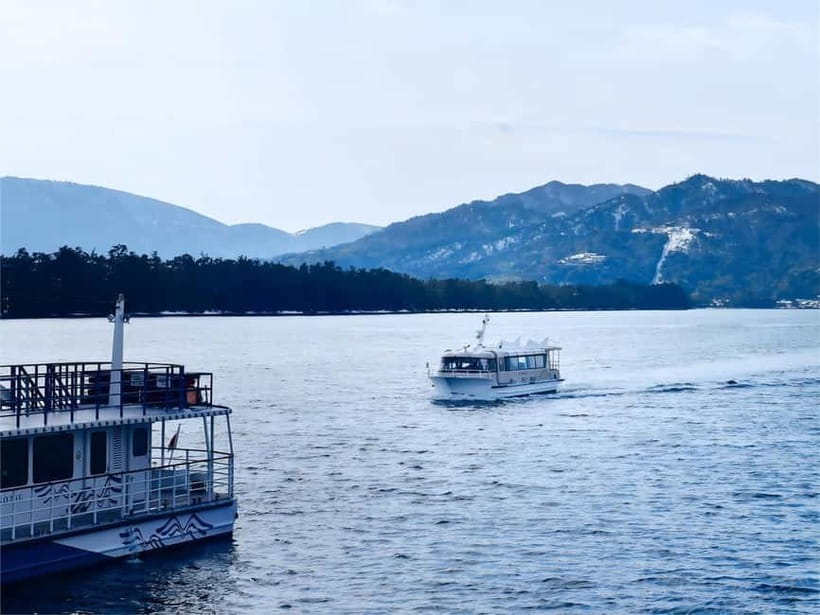
A boat ride may be available for an additional fee. It is not included in the tour price, but it can be a fun way to view the boat houses from the bay. The trip also gives you the chance to feed seagulls. One account described the bird-feeding experience as involving eagles and seagulls, so keep your food and hands under control around the boat. The cruise is a playful change of pace after the more reflective temple stop.
Because the boat ride is an optional extra, you should not assume it is covered by the $76 price. Ask about the current cost when you arrive and carry enough Japanese yen. That advice matters here, since entry fees, food, drinks, and optional activities are separate from the booking price.
What the $76 price really buys you
At $76 per person, this is best judged as a transport-and-accessibility purchase, not as an all-inclusive day tour. You are paying to connect Osaka with Amanohashidate and Ine in one organized outing, with a coach, a guide, and return transport.
That route would be awkward to cover independently in one day. The stops are far from Osaka, and public transport would require careful timing and several connections. The coach lets you sit back during the long transfer and arrive with the main sightseeing already arranged.
The price does not include meals, drinks, entrance fees, or the optional boat ride. Those costs can change the day’s total, so do not arrive with only the tour fee in cash. One visitor had the exact amount needed for the planned extras, then could not buy lunch when card payment was not accepted.
I see the value in this trip if your priority is seeing several northern Kyoto sights without building your own transport plan. It is less convincing if you want a slow visit, a specialist guide, or plenty of time in each village. The schedule covers a lot of ground, and the long coach ride is part of the bargain.
Same base, a different sort of day:
- Kyoto Geisha Walking Tour: Gion District & Hidden Gems
★ 4.7 · 3,273 reviews - Kyoto: Tea Ceremony Ju-An at Jotokuji Temple
★ 4.9 · 3,207 reviews - Kyoto: Gion Magical Night Walking Tour with Geisha Trivia
★ 4.9 · 2,393 reviews - Kyoto: 45-Minute Tea Ceremony Lesson Experience
★ 4.3 · 2,378 reviews
The bus ride and the day’s practical rhythm
The activity lasts about 10 hours. You select a starting point when booking, with options listed at Nippombashi Station and the Kyoto-Hachijoguchi Bus Loading Area. The exact meeting details can vary by option, so check the message sent the day before for the pickup point, guide contact details, and bus license plate number.
The transport is by air-conditioned coach, which is useful during hot weather and welcome after walking along the shore. The return is to the listed drop-off points, and the experience information also describes return hotel transfer. Because arrangements can vary, use the final pickup instructions you receive rather than relying only on the general meeting-point name.
Traffic is the biggest threat to the schedule. Holidays can lengthen the drive, and weather, crowds, and road conditions can cause changes. The operator does not offer refunds for delays or cancellations caused by these uncontrollable conditions, so avoid placing an important evening reservation too close to the advertised return time.
You may bring one piece of luggage free of charge. An extra piece larger than 20 inches costs $16, so this is not the day to arrive with several large bags unless you have confirmed the charge and handling details.
How the guiding affects your experience
The guide is not just there to point toward the next stop. With a route this spread out, the guide helps the day run on time, explains what you are seeing, and tells you how to use short blocks of free time.
The strongest feedback centered on Jay and Fred. Jay was praised for being efficient, answering questions, helping through WhatsApp, and sending a timely video of the boat departure. Fred was described as bubbly and clear, even on a rainy day. Those details suggest the best version of this experience is friendly and well managed.
But the guiding quality may not be consistent. Some visitors found the historical explanations too light, while one had trouble understanding the guide’s English. The tour is offered in English and Japanese, so confirm the language you need when booking. If you want detailed interpretation of Japanese religion, coastal history, or local architecture, you may need to do some reading before or after the trip.
The overall rating of 4.4 from 19 ratings points to a generally positive day with some variation. I would treat that as a sign that logistics and scenery are the reliable strengths, while the depth of commentary depends more on the person leading your bus.
Who should book this northern Kyoto day trip?
I would recommend it to you if you are staying in Osaka or Kyoto and want to see places that are difficult to reach on your own. It suits first-time visitors who prefer a fixed plan, families who value direct transport, and anyone drawn to coastal scenery, temple symbols, and unusual local architecture.
It also works for people who want variety in one day. You get a beach and pine-covered sandbar, a Buddhist temple, a fishing town, and an optional boat ride. The changing scenery keeps the day from feeling like a string of similar attractions.
I would hesitate if you dislike long bus journeys or need lots of unscheduled time. The coach ride takes a major share of the day, and Ine may feel rushed if you choose the boat ride. You should also think twice if your main goal is detailed cultural explanation, since the quality and clarity of guiding can vary.
Rain will not automatically ruin the experience, but it can reduce the visual appeal of Amanohashidate. The trip still offers temples, boat houses, and indoor stops around town, yet the beaches and bay views are weather-sensitive.
Should you book the Amanohashidate and Ine tour?
Book it if you want an efficient way to combine two remote northern Kyoto sights with a temple visit, and you accept a long day on the road. The best reasons are the pine-lined sandbar at Amanohashidate, the distinctive boat houses of Ine, and the convenience of reaching both by coach for $76.
Skip it if you want a relaxed coastal stay or a guide with guaranteed specialist-level history. Bring cash for food and optional costs, check the next-day pickup email, and leave room in your evening schedule for traffic.
For many people, the day’s real prize will be Ine. Amanohashidate gives you the grand view, Chion-ji gives you cultural context, and Ine offers the close-up look at how a fishing community lives beside the water. That combination is hard to arrange neatly by yourself.
FAQ
How long does the Amanohashidate and Ine tour last?
The experience lasts 10 hours, including the coach travel between Osaka and the northern Kyoto stops.
Where can I meet the tour?
The listed starting options are Nippombashi Station and the Kyoto-Hachijoguchi Bus Loading Area. Your exact meeting point may depend on the option booked, so check the email sent the day before.
Which languages are available?
The tour offers live guiding in English and Japanese.
Is transportation included?
Yes. Transportation to the sightseeing sites and return transport are included. The experience uses a bus or coach.
Are meals and entry tickets included?
No. Food, drinks, and entry tickets are not included in the listed price.
Is the boat ride in Ine included?
No. The boat ride is an optional activity that you can pay for separately if available. It offers bay views and the chance to feed seagulls.
Can I cancel for a full refund?
You can cancel up to four days in advance for a full refund.
Just added in Kyoto
- Private Cooking Class Udon in Kyoto Japan★ 5.0 · 23 reviews
- Your Private Vacation Photography Session In Kyoto★ 5.0 · 110 reviews
- Kyoto: Zen Meditation at a Private Temple with a Monk★ 5.0 · 25 reviews
- Private Pewter Sake Cup Experience with a Kyoto Artisan★ 5.0 · 31 reviews
- Kyoto Wagashi(Japanese sweets) Cooking Class near Fushimiinari★ 5.0 · 60 reviews
- Kyoto:Family-Friendly Kimono & Yukata Experience at WARGO★ 5.0 · 147 reviews
- Private Guided Traditional Buddhist Cooking in Japan★ 5.0 · 16 reviews
- Kyoto: Gion Geisha District & Sake-in-Hand Walking Tour★ 5.0 · 37 reviews
Tours in Kyoto, compared.
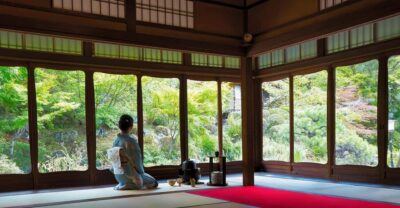
Tea Ceremony in a Traditional Tea House in Kiyomizu
Read our review →
Kyoto Geisha Walking Tour: Gion District & Hidden Gems
Read our review →
Gion Geisha District Walking Tour – Stories of Geisha
Read our review →
Best of Kyoto: Gion, Geisha, Pagodas & Cobblestones
Read our review →