
Reviewed · FUSHIMI INARI TOURS
Kyoto: Kiyomizu-dera, Fushimi Inari & Gion Geisha District
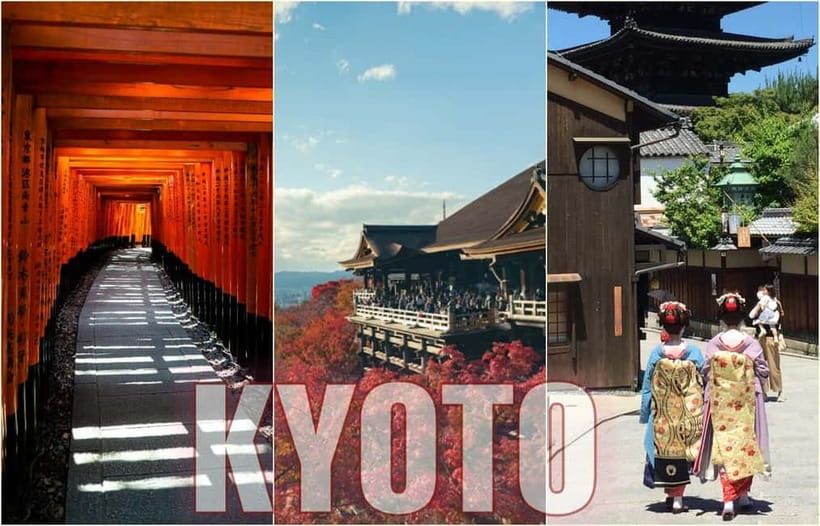
Fushimi Inari’s orange torii gates are Kyoto’s great visual hook, but the real value here is having Roberto, a Kyoto City Certified Tourist Guide, explain what you are seeing rather than simply walking through a famous photo spot. The route also links Kiyomizu-dera, Kyoto’s old merchant streets, and Gion in one well-packed morning or afternoon.
I like the private format and the practical help. Roberto uses images on an iPad, takes as many photos as you like, and offers advice on getting around. I also like the clear focus on Shinto, Buddhism, maiko, and geisha culture. The main drawback is the pace: four hours covers a lot of ground, with trains, walking, steps, and crowds. Kiyomizu-dera admission and public transport are extra, too.
Key points at a glance
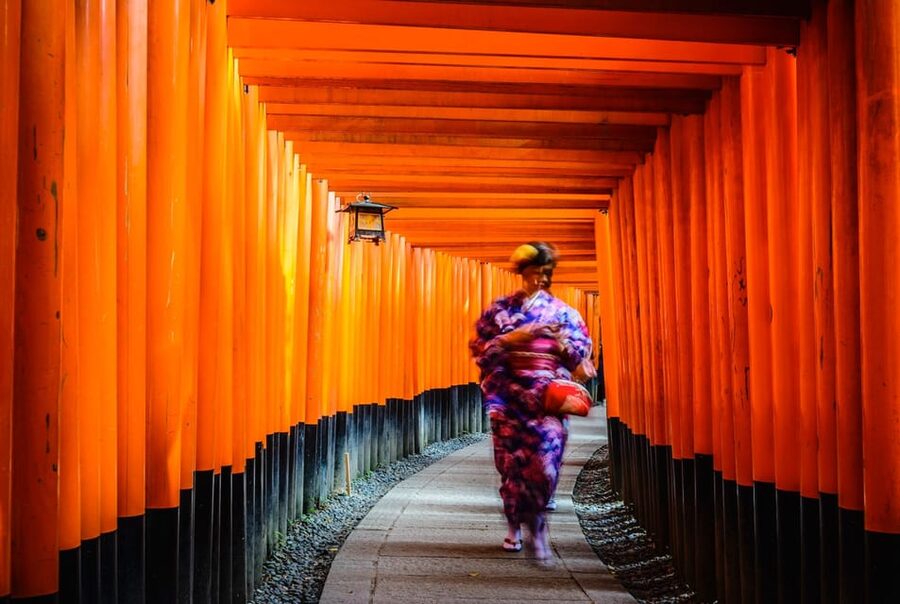
- Fushimi Inari in 75 minutes: Walk beneath a long run of vermilion torii and learn why the shrine is linked to Inari and Shinto worship.
- Kiyomizu-dera in 80 minutes: Visit one of Kyoto’s best-known temples and its prayer sites connected with love, long life, and academic success.
- Old Kyoto streets: Ninenzaka and Sannenzaka bring wooden buildings and traditional shops into the route.
- Gion explained properly: Learn how geisha and maiko work, and how ochaya teahouses fit into Kyoto culture.
- Private guidance in English or Spanish: The tour can be adapted to the group, with Roberto using an iPad for visual explanations and taking photographs.
- A walking tour with real exertion: Wear good shoes, carry water, and expect public transport, slopes, and steps.
Why this four-hour route works
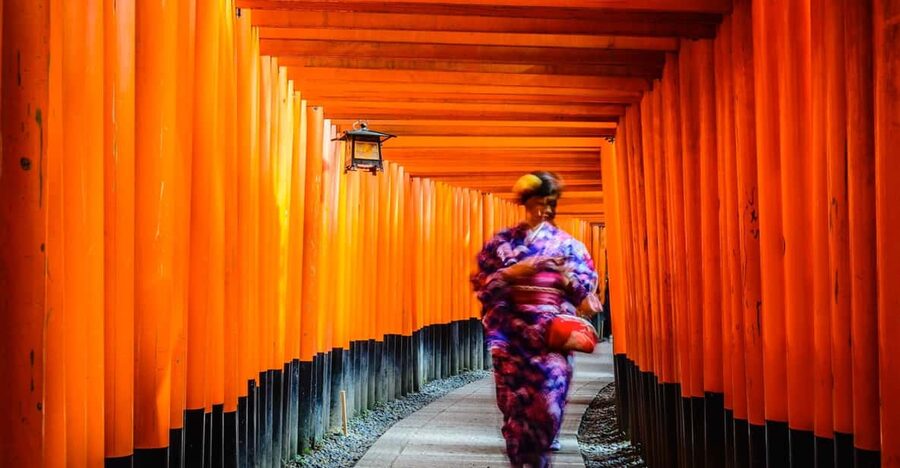
This tour gathers four very different sides of Kyoto into one compact outing. You get a Shinto shrine, a Buddhist temple, old streets lined with shops, and Gion’s traditional entertainment quarter.
That mix is useful if you have limited time in Kyoto. It gives you several strong first impressions without asking you to plan separate train routes and meeting points. The tradeoff is that none of the stops receives the leisurely attention it would get on a full-day visit. You are here to see the essentials and make sense of them, not to linger for hours at one temple.
The private-group setup matters. Roberto can adjust his explanations to your interests and answer questions as they come up. One especially useful feature is the iPad, which lets him show images while explaining cultural details that may be hard to understand from the buildings alone. He also takes photos and videos during the visit, which is a practical bonus for couples and families who do not want to rely on passing strangers.
The meeting point is easy to identify: the door of the 7-Eleven in the JR Kyoto Station building, on the Kyoto Tower side of the station. Roberto carries an iPad and a red card marked RBRT. That simple system should save you from wandering around the station, which can feel like a small city in itself.
Other shrine walks around Kyoto:
- Kyoto: Fushimi Inari, Kinkakuji, Bamboo Grove 1 Day Bus Tour
★ 4.8 · 4,316 reviews - Fushimi Inari Hidden Hiking Tour (Private Option Available)
★ 5.0 · 1,750 reviews - Kyoto/Osaka: Nara, Fushimi Inari Taisha, Arashiyama Bus Tour
★ 4.7 · 1,275 reviews
Fushimi Inari and the walk beneath 1,000 torii
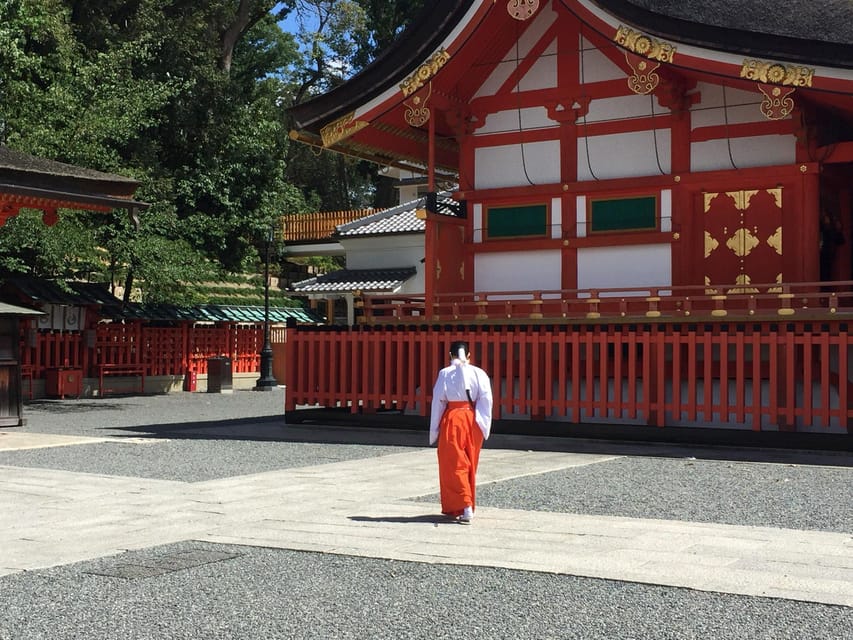
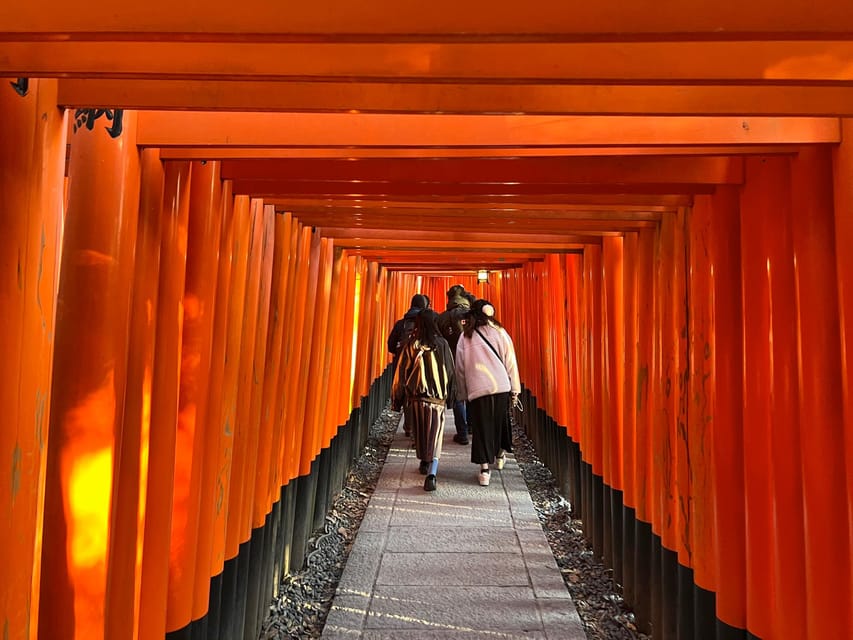
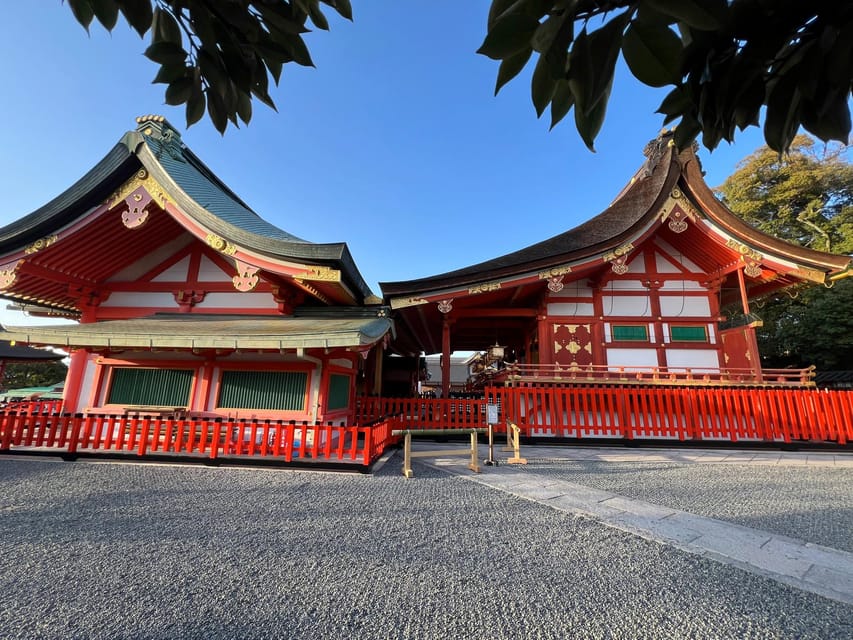
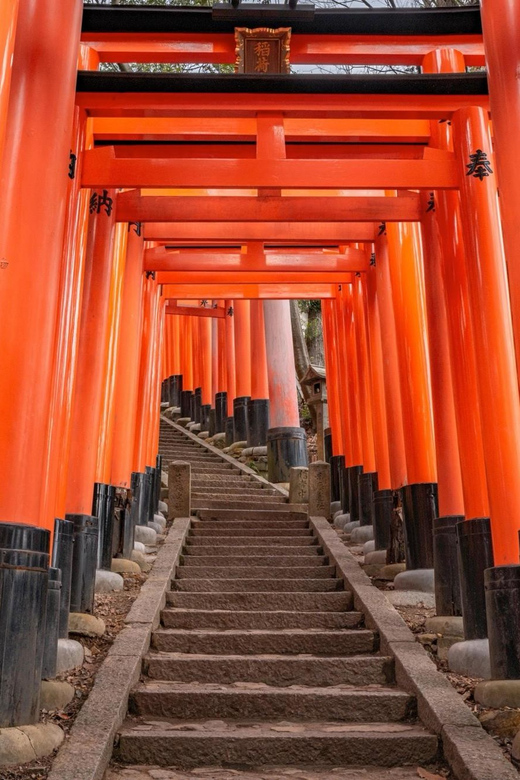
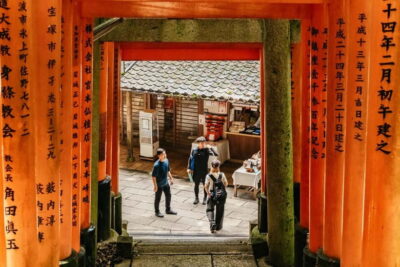
The tour begins with a train ride of about 10 minutes from Kyoto Station to Fushimi Inari Taisha. The shrine is one of Kyoto’s most recognizable sights, thanks to its long trail of vermilion torii gates.
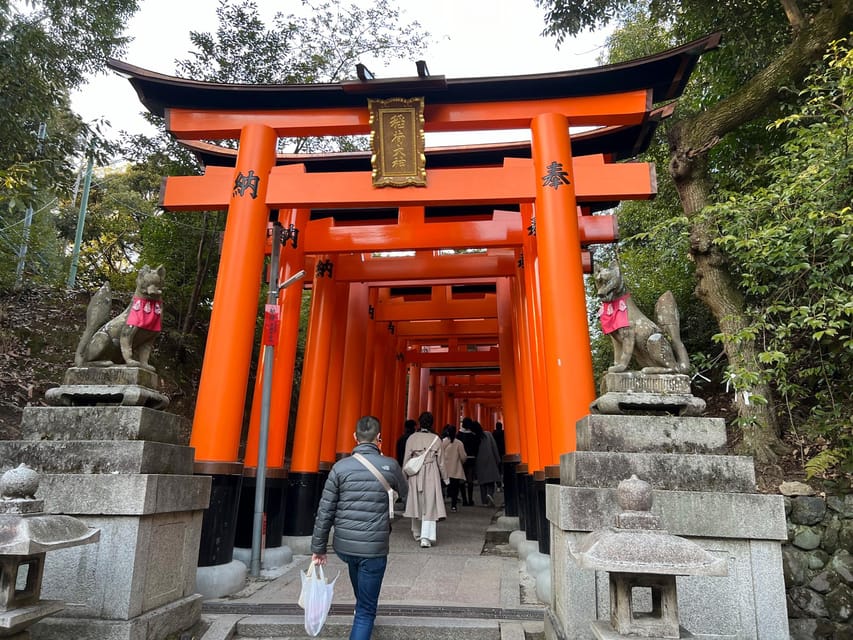
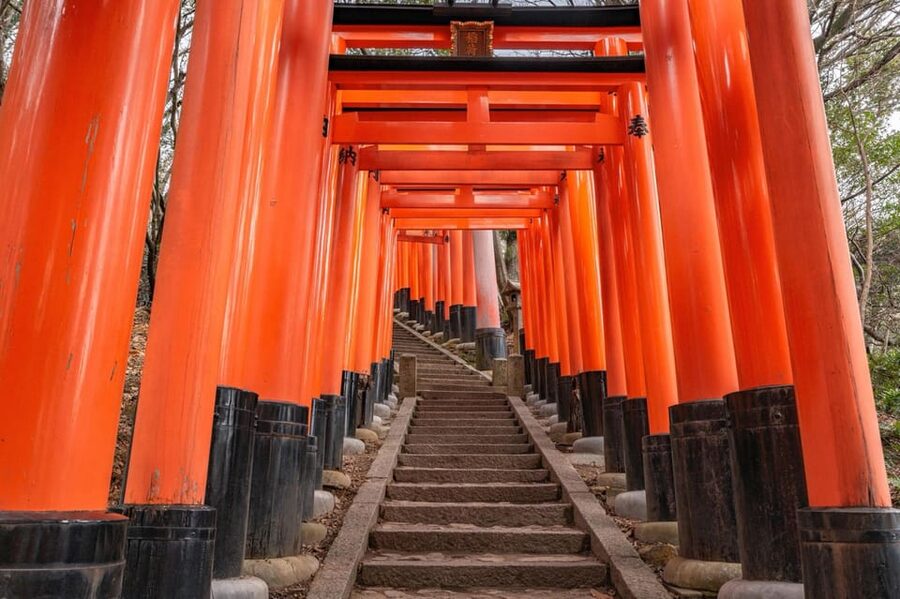
A torii marks the boundary between ordinary space and a Shinto sacred area. At Fushimi Inari, businesses and individuals donate gates, creating a continuous orange passage up the wooded mountainside. The shrine’s ancient origins are tied to Inari, a Shinto deity associated with rice, agriculture, prosperity, and business success. Fox figures appear around the grounds because foxes are regarded as messengers of Inari.
You will spend about 75 minutes here. That is enough time for a meaningful walk through the gates and a guided explanation of Shinto customs, but it is not enough for an extended climb through every section of the mountain trail. The famous lower gates are the busiest and most photographed. As you move farther along the path, the setting can feel quieter, but the route becomes more demanding.
I like this stop because the gates are more than a pretty tunnel. Their presence reflects a living tradition of worship and gratitude. Roberto’s explanations can help you notice the shrine’s symbols, offerings, and religious layout instead of treating the place as a simple photo backdrop.
Wear shoes with a good grip. The route includes walking and some uphill sections, and the stone paths can be tiring. Bring water, especially in warm weather. Smoking is not allowed, and large bags or luggage should not be brought on the tour.
Kiyomizu-dera and Kyoto’s famous power spots
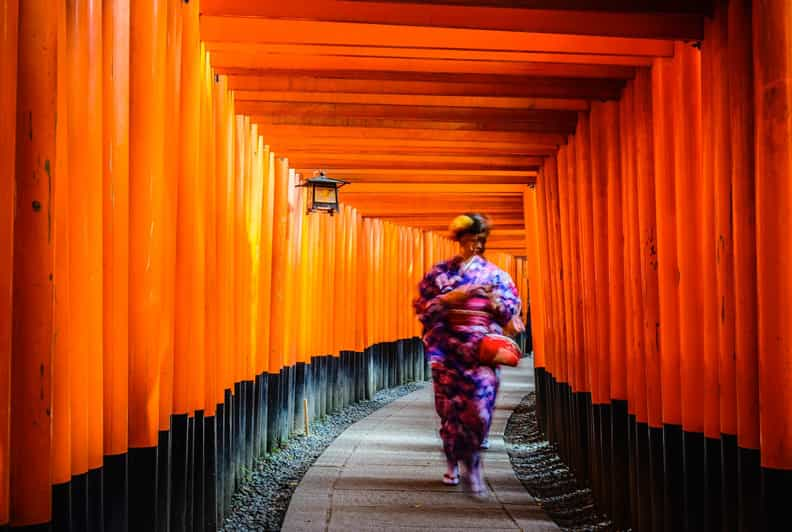
After Fushimi Inari, the group takes another train journey of about 30 minutes to the Kiyomizu-dera area. The temple visit lasts around 80 minutes, making it the longest stop of the day.
Kiyomizu-dera is known for its broad wooden stage and hillside setting, but this tour places particular attention on its power spots. These are places where visitors pray for specific kinds of good fortune, including love, longevity, and academic success.
That focus gives the visit a practical cultural angle. You are not only looking at an impressive temple complex. You are learning how people connect particular sacred sites with everyday hopes. Roberto can explain the meaning behind the practices and show supporting images on his iPad, which is helpful when the temple grounds are crowded or when a detail is easy to miss.
Admission to Kiyomizu-dera is not included and costs 500 yen, about US$3.10. That is a small extra cost, but you should carry cash because the tour information specifically advises bringing it. Public transport is also extra, and the guide’s own entrance fees and transportation do not need to be covered by you.
Kiyomizu-dera is not a low-effort stop. The approach includes an uphill street and temple steps, followed by more walking through the historic district. The experience is not suitable for wheelchair users, people with mobility impairments, people with serious back problems, or those with a low level of fitness. The stated guidance also says it is not suitable for people over 75 or for people with visual impairments.
Ninenzaka and Sannenzaka, Kyoto’s old streets
After the temple, the route continues on foot through Sannenzaka for about 10 minutes and Ninenzaka for another 10 minutes. These streets are among the most atmospheric parts of the tour.
Wooden buildings, traditional merchant houses, souvenir shops, and small food businesses line the route. The streets give you a sense of Kyoto’s old capital, though they are also popular and can be crowded. You should expect a sightseeing district rather than an untouched neighborhood.
The short walking sections connect the temple to Gion, which makes the route feel more natural than a series of isolated stops. They also offer time to browse if the pace allows, but shopping is not the main purpose of the tour. Four hours goes quickly, so you should not count on long stops in individual stores.
I like this part because it adds scale and texture after the grand temple grounds. You see how religious sites connect with ordinary city life, shops, food, and old homes. It is also one of the best sections for photographs, although narrow streets and crowds can make group pictures tricky.
Other evenings in the old entertainment quarters of Kyoto:
- Kyoto Geisha Walking Tour: Gion District & Hidden Gems
★ 4.7 · 3,273 reviews - Kyoto: Gion Magical Night Walking Tour with Geisha Trivia
★ 4.9 · 2,393 reviews - Kyoto: Gion Geisha District Walking Tour – Stories of Geisha
★ 4.7 · 2,187 reviews - Best of Kyoto: Gion, Geisha, Pagodas & Cobblestones
★ 4.9 · 2,058 reviews
Gion, geisha culture, and what to expect
From Ninenzaka, you walk for about 12 minutes before reaching Gion. The guided walk through Gion lasts around 15 minutes, and the tour finishes here.
Gion is Kyoto’s best-known geisha district. Its traditional wooden machiya houses, shops, restaurants, and ochaya teahouses give the area its distinctive character. Ochaya are venues where geisha and maiko provide entertainment through conversation, music, dance, and other traditional arts.
The guide’s role here is especially useful because geisha culture is often reduced to costumes and quick photographs. Roberto explains the difference between geisha and maiko and helps you understand the setting in which they work. A maiko is an apprentice geisha, so the clothing, hairstyles, and stage of training can differ.
This is a district where respectful behavior matters. The supplied tour information does not promise a geisha or maiko encounter, and you should not book this experience expecting a performance. The value is the cultural explanation and the walk through the district’s traditional streets.
The tour ends in Gion rather than returning you to Kyoto Station. From there, you can take a city bus or taxi to your hotel. That is convenient if you plan to continue sightseeing in central Kyoto, but you should leave time and money for your onward journey.
What makes Roberto’s guiding style useful
The strongest feature of this experience is the guide rather than any single monument. Roberto speaks English and Spanish and is identified as an official Kyoto City Certified Guide. That local qualification matters on a route where religious customs, historic buildings, and geisha culture can be difficult to interpret without context.
His use of an iPad is a practical touch. A photograph or diagram can clarify what you are looking at when a temple detail is small, a shrine symbol is unfamiliar, or the area is too crowded for a long explanation in one place.
The photography help is also unusually useful. Roberto can take as many pictures as you wish, including photos and videos during the visit. That makes the tour a good fit for couples, families, and solo visitors who want more than self-timer snapshots.
The personal approach can also help with pacing. One direct account describes the tour as adapted for two people, with detailed explanations that did not feel heavy. That is the advantage of a private group: you can ask about Buddhism, Shinto, Japanese customs, transport, or the places you will visit next.
Is $90 per person good value?
At $90 per person, this is not the cheapest way to see Fushimi Inari and Kiyomizu-dera. You still pay your own train and bus fares, and Kiyomizu-dera admission costs 500 yen. Food and drinks are also excluded.
The price makes more sense if you value a private guide and want several major sights connected for you. You are paying for four hours of focused attention, cultural explanations in your chosen language, photo help, and route planning. A private format can be especially worthwhile for a first visit or for a small group that wants to ask plenty of questions.
If you are comfortable reading about Shinto and Buddhism on your own, navigating Kyoto’s trains, and handling your own photos, you could visit these places for much less. Fushimi Inari itself has no stated admission charge in the tour details, and the extra costs on this experience are mainly transport and Kiyomizu-dera.
The value is therefore personal. I would consider it a fair choice for a couple or family that wants convenience and interpretation. I would skip it if your main goal is a slow temple visit, extensive shopping, or a long hike through the entire Fushimi Inari mountain trail.
Timing, fitness, and what to bring
Plan on four active hours. The schedule includes two train journeys, temple grounds, shrine paths, old streets, and a final walk through Gion. Comfortable walking shoes are essential, and comfortable clothing will make the day easier.
Bring water and cash. You will need cash for the 500-yen Kiyomizu-dera admission and may want it for transport or small purchases. Do not bring luggage or large bags, and smoking is not allowed.
The tour is not suitable for people with back problems, mobility impairments, visual impairments, or low fitness. The information also excludes wheelchair users and people over 75. These limits are important because the route includes uneven paths, steps, slopes, and a fair amount of walking.
You can cancel up to 24 hours in advance for a full refund, and the reserve-now, pay-later option keeps payment flexible. Availability depends on the chosen start time, so check the schedule before building other Kyoto plans around it.
Who should book this Kyoto tour?
I would recommend this tour to first-time visitors who want Kyoto’s most famous eastern sights explained in one private outing. It is also a good match for English or Spanish speakers who want a local guide, help with photographs, and a clear introduction to Shinto, Buddhism, and geisha culture.
The tour suits couples and small private groups that prefer questions and conversation over a large fixed group. It is less suitable for anyone who wants a gentle, accessible route, a full mountain hike at Fushimi Inari, or a guaranteed geisha sighting.
Book it if you want context, structure, and a guide who can connect the sights. Skip it if you prefer independent wandering and do not mind arranging transport and explanations yourself. The route is busy, active, and tightly timed, but it gives you a strong first look at Kyoto’s temples, old streets, and traditional culture in four hours.
FAQ
How long does the tour last?
The tour lasts four hours.
Where does the tour begin?
It begins in front of the 7-Eleven at the JR Kyoto Station building, 1st floor, using the Kyoto Tower side exit.
How will I identify the guide?
Roberto will hold an iPad and a red card marked RBRT.
Which languages are available?
The tour is available in English and Spanish.
Is this a private tour?
Yes. It is offered for a private group.
Is transportation included?
No. The tour uses public transportation, including trains and city buses, but your transportation costs are not included.
Is Kiyomizu-dera admission included?
No. Admission costs 500 yen, approximately US$3.10.
Does the tour include food or drinks?
No. Food and drinks are not included.
Where does the tour finish?
The tour finishes in Gion. From there, you can take a city bus or taxi to your hotel.
What should I bring?
Bring comfortable shoes, water, comfortable clothing, and cash. Large bags and luggage are not allowed.
Just added in Kyoto
- Private Cooking Class Udon in Kyoto Japan★ 5.0 · 23 reviews
- Your Private Vacation Photography Session In Kyoto★ 5.0 · 110 reviews
- Kyoto: Zen Meditation at a Private Temple with a Monk★ 5.0 · 25 reviews
- Private Pewter Sake Cup Experience with a Kyoto Artisan★ 5.0 · 31 reviews
- Kyoto Wagashi(Japanese sweets) Cooking Class near Fushimiinari★ 5.0 · 60 reviews
- Kyoto:Family-Friendly Kimono & Yukata Experience at WARGO★ 5.0 · 147 reviews
- Private Guided Traditional Buddhist Cooking in Japan★ 5.0 · 16 reviews
- Kyoto: Gion Geisha District & Sake-in-Hand Walking Tour★ 5.0 · 37 reviews
Fushimi Inari Tours, compared.
Fushimi Inari Hidden Hiking Tour (Private Option Available)
Read our review →
Kyoto/Osaka: Nara, Fushimi Inari Taisha, Arashiyama Bus Tour
Read our review →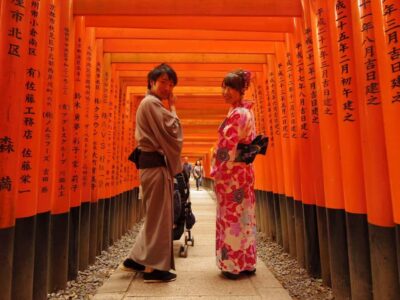
Osaka/Kyoto: Arashiyama, Nara & Fushimi Inari Shrine w/Lunch
Read our review →
Nijo Castle, Kiyomizu & Fushimi Inari Guided Tour
Read our review →
Nijo, Kinkaku-ji, Arashiyama, Kiyomizu & Fushimi Inari
Read our review →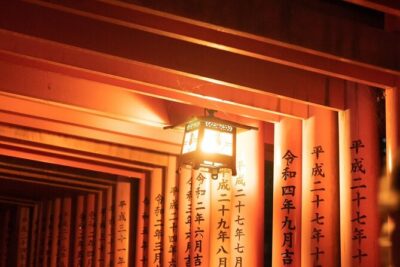
Kyoto Early Bird English Tour: Fushimi-Inari and Arashiyama
Read our review →Browse the lists this tour appears in