Reviewed · TOURS IN KYOTO
Kyoto: Kiyomizudera, Higashiyama and Yasaka Discovery Tour
Kyoto’s eastern hills give you a concentrated look at the city’s great sights, from the wooden stage of Kiyomizudera to the lanterns of Yasaka Shrine. This 3-hour walk links major temples, old lanes, gardens, and a park without wasting time on transport between them.
I like the small group of no more than nine, which makes it easier to ask questions and keep pace with your guide. I also like the mix of famous sights and everyday streets, including Sannenzaka, Ninenzaka, and Nene no Michi. The main drawback is the amount of walking on busy, uneven streets, so this is not a good fit if you have mobility, heart, respiratory, or pregnancy-related concerns.
Key points
- Kiyomizudera begins the tour with broad Kyoto views, temple stories, and an introduction to Kannon and the sacred blue dragon.
- Sannenzaka, Ninenzaka, and Nene no Michi connect the major sights through traditional shophouses and narrow lanes.
- Kodaiji combines temple history with gardens, and was built in memory of Toyotomi Hideyoshi’s wife.
- Yasaka Shrine offers a clear introduction to Shinto customs, with Maruyama Park just beyond its eastern exit.
- Guides including Nobumasa Miyake, CC, Yuko, Jasmine, and Alex have been praised for clear explanations, humor, and useful Kyoto tips.
- The $54 price includes two temple admissions and snacks, but not meals, drinks, transport, or hotel pickup.
Why this eastern Kyoto walk works so well
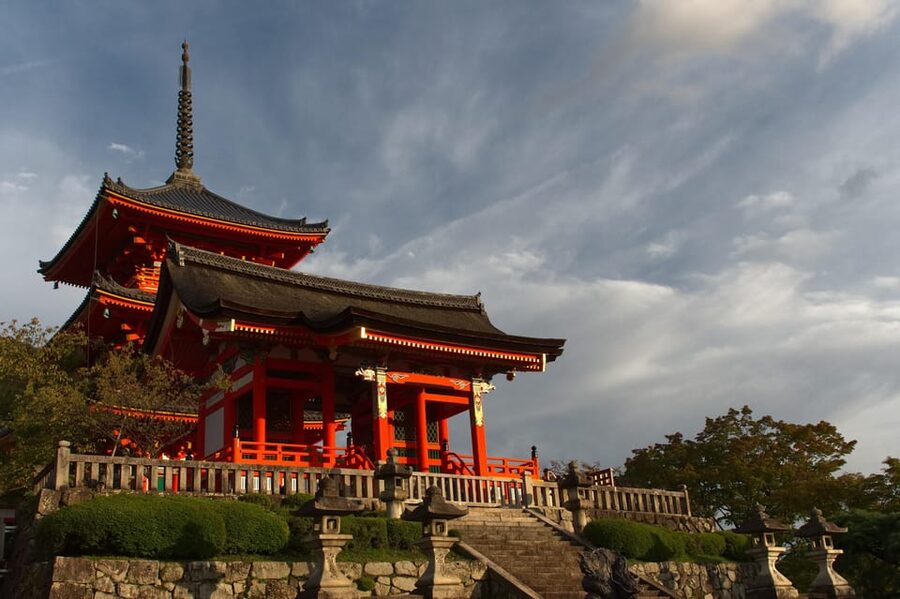
If you have only a short time in Kyoto, this route gives you a useful first look at the city’s eastern historic quarter. You move from one major sight to the next on foot, with the streets themselves becoming part of the experience.
The route also crosses two religious traditions. Kiyomizudera and Kodaiji introduce you to Japanese Buddhism, while Yasaka Shrine gives you a look at Shinto practice. A good guide can make the difference here, since the buildings alone do not always explain what you are seeing or why people pause, bow, pray, or make offerings.
You meet at the 7-Eleven at 112 Tatsumicho. Look for a guide wearing a TripGuru shirt or holding a TripGuru sign. The tour finishes at Gion-Shijo Station, a useful endpoint if you plan to continue around Gion or take the train elsewhere in Kyoto.
At $54 per person, the value is fair if you want context and company rather than simply walking between the sights with a guidebook. The entrance fees for Kiyomizudera and Kodaiji are included, along with snacks. You still need to pay for your own meals, drinks, shopping, and transport to the meeting point.
Other experiences people book in Kyoto:
- PERFECT KYOTO 1-Day Bus Tour
★ 5.0 · 13,518 reviews - Kyoto: Fushimi Inari, Kinkakuji, Bamboo Grove 1 Day Bus Tour
★ 4.8 · 4,316 reviews - Kyoto: Tea Ceremony in a Traditional Tea House in Kiyomizu
★ 4.9 · 3,519 reviews
Kiyomizudera: a strong opening above Kyoto
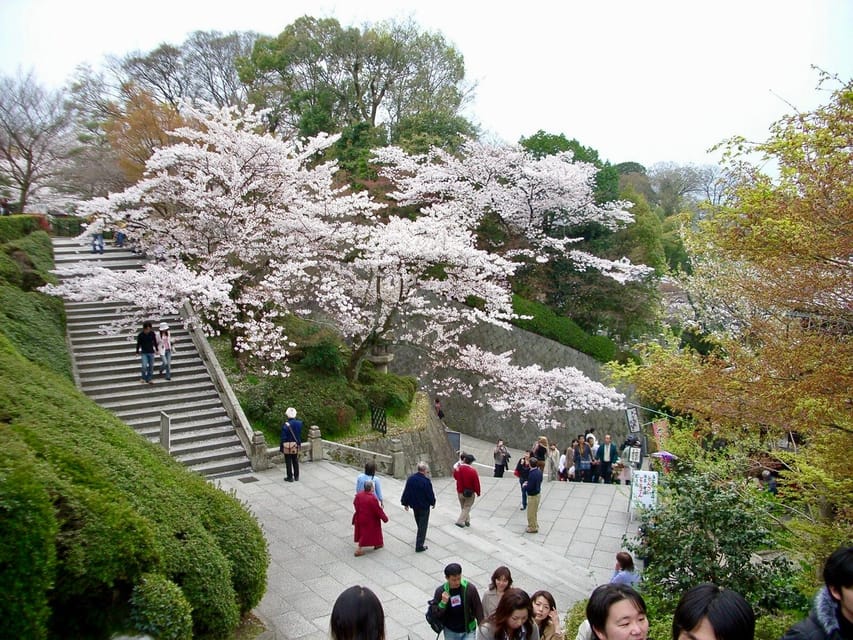
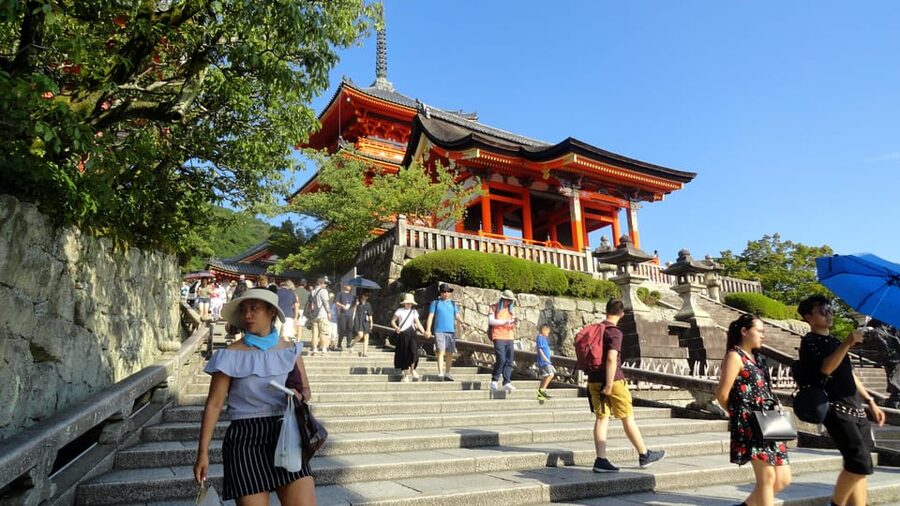
Kiyomizudera is the headline stop, and placing it first gives the tour a dramatic start. The temple is one of Kyoto’s best-known landmarks and a UNESCO World Heritage Site. Its elevated position provides wide views across Kyoto, so have your camera ready.
The guided portion here lasts about an hour. That is enough time to see the main areas and hear the stories behind the temple without trying to cover every corner of the complex. Your guide explains Kannon, the deity associated with peace and mercy, and the sacred blue dragon, known as seiryuu.
These details matter because Kiyomizudera is more than an old wooden building with a famous view. The visit becomes easier to understand when you know what the temple represents and how its religious traditions continue to shape the way people use the site.
Expect crowds, particularly around the best viewpoints and photo spots. The tour gives you structure, but it cannot remove the popularity of Kiyomizudera. Stay close to your guide and listen for meeting instructions before moving through the busiest sections.
The ground can be uneven, and the route includes walking and changes in level. Comfortable shoes are essential. You should also carry cash, since personal expenses and food beyond the included snacks are not covered.
Sannenzaka and Ninenzaka: Kyoto between the monuments
After Kiyomizudera, the route leaves the temple grounds for the old lanes of Sannenzaka, Ninenzaka, and Nene no Michi. This is one of the most enjoyable parts of the experience because it shows you Kyoto at street level.
Traditional shophouses line the route, with narrow fronts, tiled roofs, and a distinctly old-fashioned feel. You might find tea, sweets, souvenirs, and small craft shops along the way. The tour allows some room for quick matcha or shopping breaks, though the exact amount of free time depends on the guide and the group’s pace.
The official guided time around Sannenzaka is about 30 minutes. That is enough for an introduction and a few photographs, but not a long shopping session. If you want to browse every shop, return later on your own.
This section can be crowded and is not always easy to walk. The lanes are popular, and you may need to slow down or keep to one side. That is part of the trade-off: you get some of Kyoto’s most appealing old streets, but you do not get them in solitude.
I like this transition because it keeps the tour from becoming a string of formal temple visits. You see how the historic district connects its religious sites with shops, homes, and small lanes. It also gives your guide a chance to point out photo locations and offer suggestions for the rest of your Kyoto stay.
Kodaiji Temple: gardens and a personal story
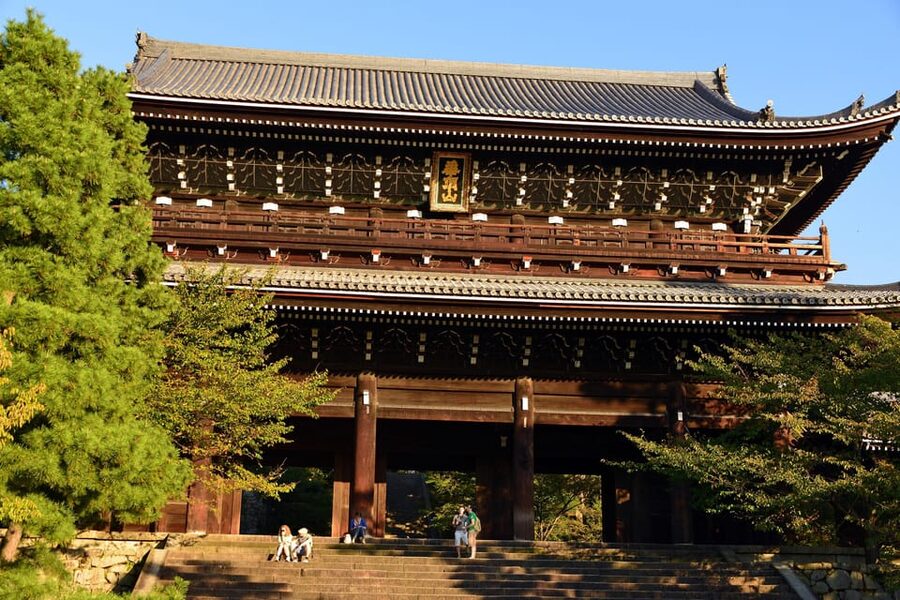
Kodaiji receives about 30 minutes of guided attention. The temple was built in memory of Toyotomi Hideyoshi’s wife, giving the site a more personal story than a simple date-and-name explanation.
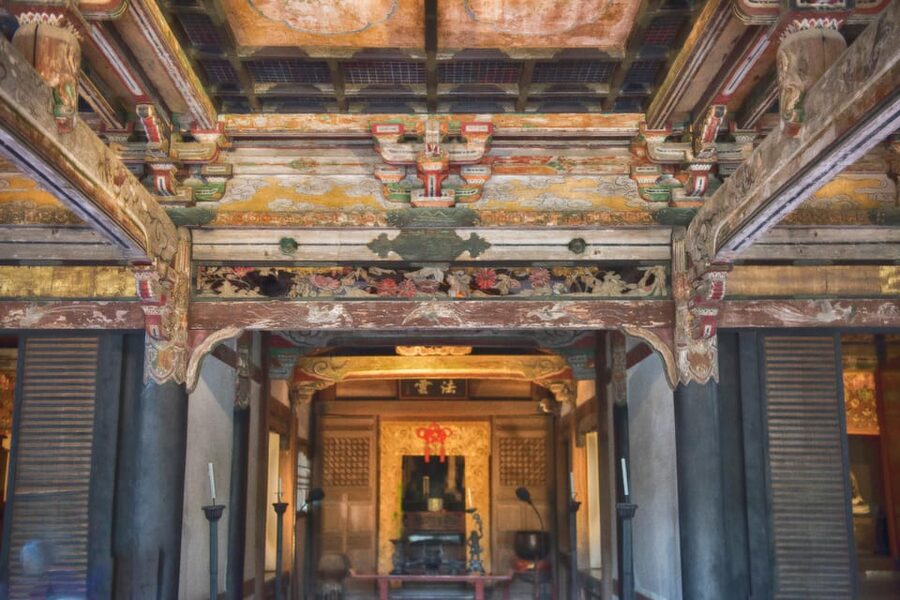
The temple is known for Zen gardens and lavish interiors. The contrast with the narrow streets outside is striking. After the movement and noise around Kiyomizudera and Sannenzaka, Kodaiji offers a calmer setting where you can focus on design, space, and religious architecture.
A guide is especially useful here because the gardens and interiors reward a slower look. You can ask about the temple’s connection to Hideyoshi’s wife, the meaning of the garden layout, and the role of Zen in Japanese culture.
Admission to Kodaiji is included, which improves the value of the tour. If you visited on your own, you would need to plan the temple stop, pay separately, and decide how much time to spend there. The group format handles those choices for you, though the fixed 30-minute visit may feel short if gardens are a major interest.
The guide may also help you find a good angle for photographs. Several guides, including Nobumasa Miyake, have been singled out for pointing out attractive photo spots and explaining details that are easy to miss.
Same base, a different sort of day:
- Kyoto Geisha Walking Tour: Gion District & Hidden Gems
★ 4.7 · 3,273 reviews - Kyoto: Tea Ceremony Ju-An at Jotokuji Temple
★ 4.9 · 3,207 reviews - Kyoto: Gion Magical Night Walking Tour with Geisha Trivia
★ 4.9 · 2,393 reviews - Kyoto: 45-Minute Tea Ceremony Lesson Experience
★ 4.3 · 2,378 reviews
Yasaka Shrine: a practical introduction to Shinto
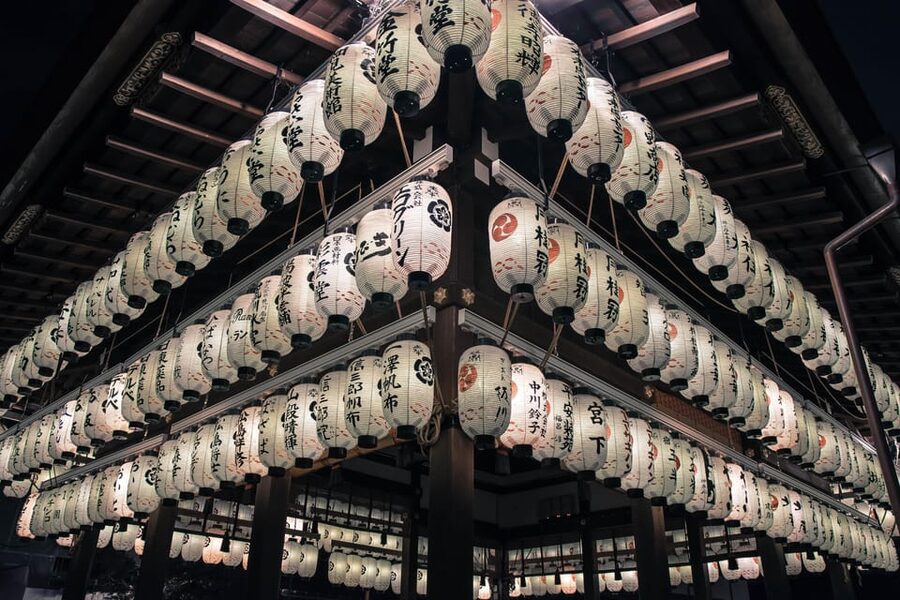
Yasaka Shrine is the final major religious stop. The guided visit lasts about 30 minutes and shifts the focus from Buddhist temples to Shinto history, culture, and practice.
This is a good place to ask basic questions. Your guide can explain how a shrine differs from a temple, what people do when they approach a Shinto site, and why the shrine remains important in Kyoto life. You do not need prior knowledge to follow along.
Yasaka is also easy to combine with the rest of the city. The tour exits through the east side and continues into Maruyama Park. From there, you finish at Gion-Shijo Station, so you are not left at an isolated temple entrance with no clear next step.
The shrine area can be busy, and the tour’s short stop means you should not expect a long, quiet examination of every structure. Still, the visit works well as a final teaching stop because it rounds out the religious side of the day.
Maruyama Park and the walk to Gion-Shijo Station
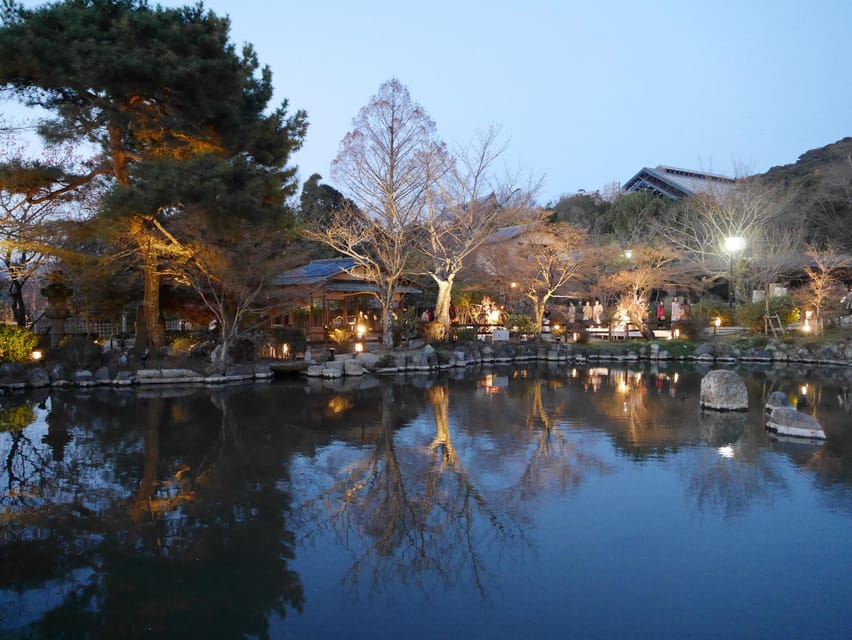
Maruyama Park is a pleasant finish after the temples and shrine. It is especially popular during cherry blossom season, when people gather beneath the flowering trees. The park gives you a little breathing room before the final walk to Gion-Shijo Station.
The park itself is not listed as a separate 30-minute guided stop, so think of it as part of the route rather than a major scheduled visit. You will have a chance to take in the setting, ask final questions, and get suggestions for nearby areas.
This ending is practical. Gion-Shijo Station gives you a clear transport point, and you can continue exploring Kyoto from there. Guides such as Yuko have also provided tips about seasonal sights, including places to find plum blossoms. Those small recommendations can be useful if you are building the rest of your Kyoto schedule as you go.
The guides are a major part of the value
The tour uses different English-speaking guides, so your exact experience depends on who leads your group. Names associated with the tour include Nobumasa Miyake, CC, Jasmine, Alex, Yuko, Rafael, and Katz.
The strongest pattern is clear explanation paired with an easy personal style. CC is described as relaxed, funny, and willing to make short detours for matcha or shopping while still covering the main sights. Miyake is praised for explaining Kiyomizudera, Japanese culture, religion, and good photo locations.
Jasmine is described as energetic and humorous, while Alex is praised for explaining Japanese culture. Yuko has been noted for starting promptly, covering the temples and gardens efficiently, and offering useful seasonal advice. Rafael has adapted the route to the interests of a family group.
That flexibility is one reason a small group matters. With up to nine people, the guide can usually answer questions without turning the walk into a private tour. In one reported case, a family was the only group present, allowing for a more customized outing. You should not count on having a private tour, but a smaller booking can create that possibility.
Timing, comfort, and who should book
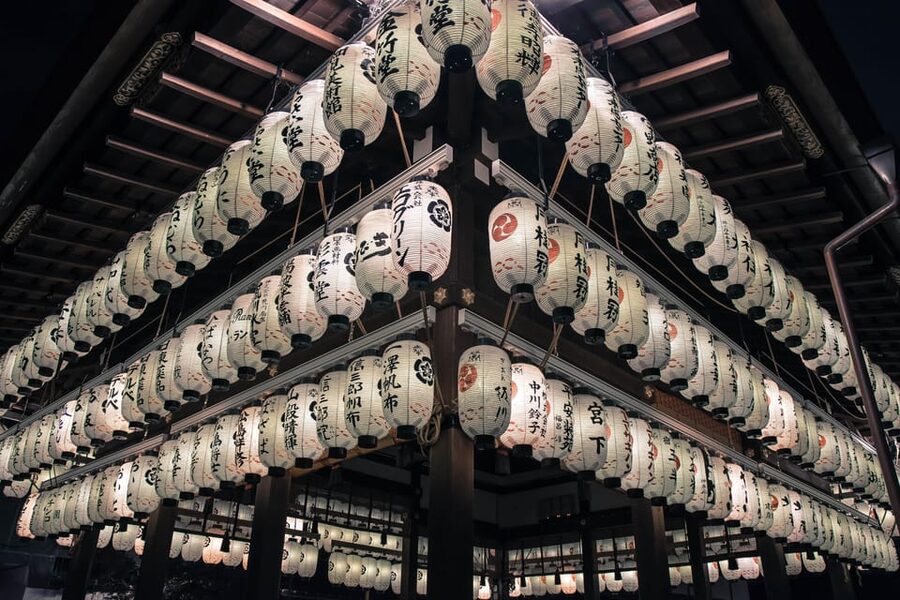
Three hours is a good length for a first look, but it is not enough for a slow, detailed study of every temple. You will spend roughly one hour at Kiyomizudera and about 30 minutes each around Sannenzaka, Kodaiji, and Yasaka Shrine, with walking between them and the finish at Gion-Shijo Station.
You should wear comfortable shoes and bring a camera. Carry cash for personal purchases and food. Snacks are included, but meals and other drinks are not, so do not treat the snacks as a substitute for lunch.
The tour suits you best if you want an organized introduction to Kyoto’s eastern sights, prefer a small group, and enjoy asking questions as you walk. It also works well early in a Kyoto visit, since the guides can offer ideas for other temples, seasonal flowers, shopping areas, and the Gion district.
This is not the right choice if you need a slow pace, step-free access, or frequent rest periods. The experience is not suitable for pregnant women or people with mobility impairments, heart problems, or respiratory issues. The combination of distance, uneven streets, crowds, and temple access points requires reasonable walking ability.
Is the $54 price fair?
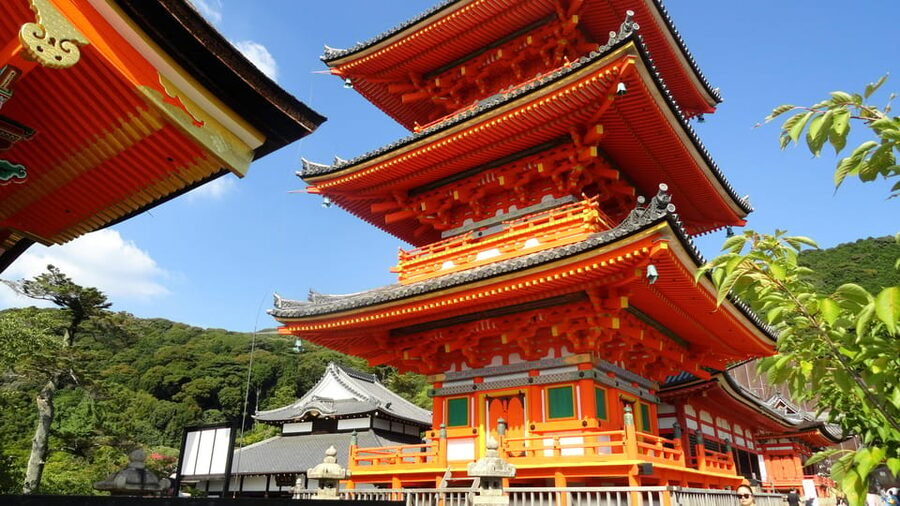
For $54, you are paying for a live English-speaking guide, a small group, admission to Kiyomizudera and Kodaiji, and snacks. You are not paying for hotel pickup, meals, drinks, or personal expenses.
I consider that a sensible price if you value interpretation. You can walk through these areas independently, but it takes time to work out the route and understand the religious details. The tour also saves you from arranging separate visits to Kiyomizudera, Kodaiji, and Yasaka Shrine.
The value is weaker if you already know Kyoto well or prefer to spend an hour browsing shops at your own pace. The schedule is compact, and the group must keep moving. For a first visit, though, the route covers a lot without requiring a full day.
Free cancellation is available up to 24 hours before the start, and you can reserve now and pay later. That gives you some flexibility when building a busy Kyoto schedule.
Should you book this Kyoto tour?
Book it if you want a well-organized introduction to eastern Kyoto, especially if you are curious about the difference between Buddhist temples and Shinto shrines. The combination of Kiyomizudera’s views, Kodaiji’s gardens, Yasaka Shrine, old lanes, and Maruyama Park gives you a strong first taste of the city.
I would also choose it for families and first-time visitors who want a guide that can answer questions and adjust small parts of the walk. Guides such as CC, Miyake, Yuko, Jasmine, Alex, and Rafael have shown the sort of friendly, flexible approach that makes a short tour more useful.
Skip it if you need a gentle, accessible outing or want long, unhurried time inside each temple. For everyone else, $54 is a reasonable way to put Kyoto’s eastern quarter into focus in three hours.
FAQ
How long is the Kiyomizudera, Higashiyama, and Yasaka tour?
The tour lasts 3 hours. It begins at 112 Tatsumicho and finishes at Gion-Shijo Station.
What sights are included?
The route includes Kiyomizudera Temple, Sannenzaka, Ninenzaka, Nene no Michi, Kodaiji Temple, Yasaka Shrine, and Maruyama Park.
Are entrance fees included?
Entrance fees for Kiyomizudera and Kodaiji Temple are included. Meals, drinks other than the included snacks, transport, hotel pickup, hotel drop-off, and personal expenses are not included.
What language is the tour conducted in?
The tour is conducted in English by a live English-speaking guide.
How large is the group?
The group is limited to 9 participants.
What should I bring?
Bring comfortable shoes, a camera, and cash. You should also plan to pay separately for meals, drinks, shopping, and other personal expenses.
Just added in Kyoto
- Private Cooking Class Udon in Kyoto Japan★ 5.0 · 23 reviews
- Your Private Vacation Photography Session In Kyoto★ 5.0 · 110 reviews
- Kyoto: Zen Meditation at a Private Temple with a Monk★ 5.0 · 25 reviews
- Private Pewter Sake Cup Experience with a Kyoto Artisan★ 5.0 · 31 reviews
- Kyoto Wagashi(Japanese sweets) Cooking Class near Fushimiinari★ 5.0 · 60 reviews
- Kyoto:Family-Friendly Kimono & Yukata Experience at WARGO★ 5.0 · 147 reviews
- Private Guided Traditional Buddhist Cooking in Japan★ 5.0 · 16 reviews
- Kyoto: Gion Geisha District & Sake-in-Hand Walking Tour★ 5.0 · 37 reviews
Tours in Kyoto, compared.

Tea Ceremony in a Traditional Tea House in Kiyomizu
Read our review →
Kyoto Geisha Walking Tour: Gion District & Hidden Gems
Read our review →


Gion Geisha District Walking Tour – Stories of Geisha
Read our review →
Best of Kyoto: Gion, Geisha, Pagodas & Cobblestones
Read our review →