
Reviewed · TEA CEREMONY EXPERIENCES
Kyoto Matcha Green Tea Tour
Uji is where Kyoto’s tea story becomes real. On this three-hour walk, you visit Byodoin Temple, a historic shrine, local tea shops, and food stops before grinding tea and whisking your own matcha. I like the mix of culture and eating, and I like the small group, capped at eight people. The main catch is the price: at $173 per person, you need to value the guide and included tastings.
I also like that guides such as Karim, Miki, Jamelah, Sanae, Thomas, and Raquel have adapted the outing to different interests and family needs. You get a gentle pace, useful explanations, and time to shop. Just be careful with the meeting point: it is at Keihan Uji Station, not JR Uji Station, and the guide waits only five extra minutes.
Key points to know before you book
- Uji is the heart of matcha: You learn how tea shapes the town’s food, shops, customs, and daily life.
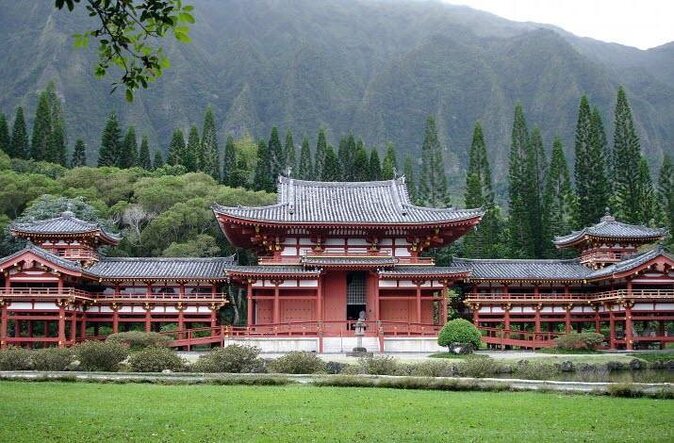
- Byodoin Temple anchors the visit: This World Heritage site gives the tour a strong historical focus, not just a tasting session.
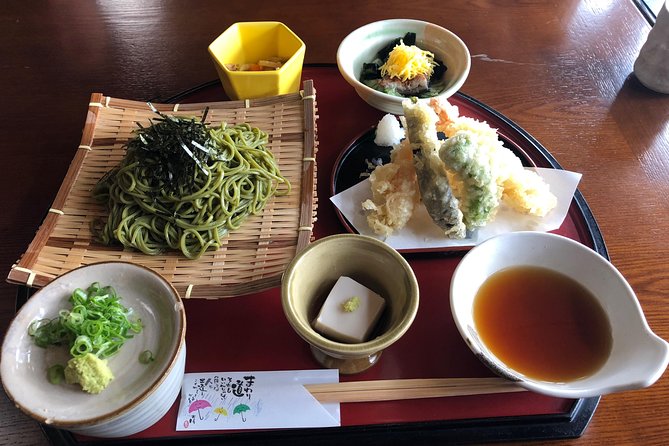
- The food is part of the experience: Expect several food stops, with examples including matcha soba, wagashi sweets, and matcha ice cream.
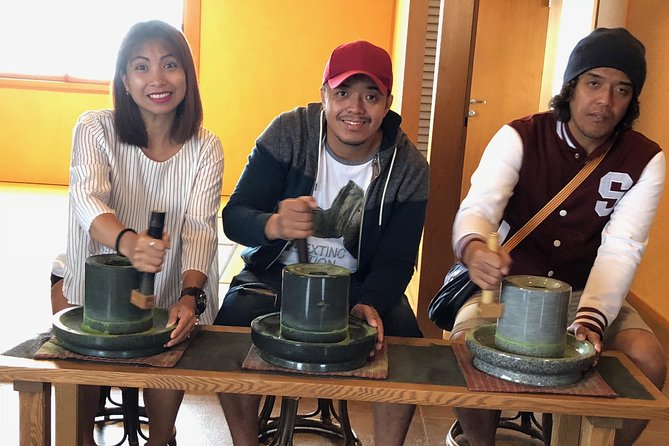
- You make your own matcha: Tea grinding and whisking turn a simple drink into a hands-on cultural lesson.
- Small groups keep the pace personal: The group is limited to eight, and guides can adjust the visit to questions and interests.
- The station detail matters: Meet at the entrance of Keihan Uji Station, about 40 minutes from Kyoto City, not JR Uji Station.
Why Uji makes a better tea stop than a quick Kyoto tasting
Many Kyoto tea activities happen indoors, with a cup placed in front of you and a short explanation of the powder. This tour gives you the setting behind the drink. You walk through Uji, hear stories about its past, and see how tea shops, temples, food, and riverfront streets fit together.
Uji was once a retreat for Kyoto’s noble families. That old connection helps explain why the town feels different from central Kyoto. You are not only tasting matcha. You are walking through a place shaped by court culture, religious buildings, tea production, and local cooking.
The three-hour format works well if you are staying in Kyoto and want a focused side trip. Uji is about 40 minutes from Kyoto City, so the outing takes a useful half day once you allow for transport. You should not expect a full survey of every temple and tea field. Instead, you get a compact introduction with food and tea built into the route.
Other tea ceremonies in Kyoto people book:
- Kyoto: Tea Ceremony in a Traditional Tea House in Kiyomizu
★ 4.9 · 3,519 reviews - Kyoto: Tea Ceremony Ju-An at Jotokuji Temple
★ 4.9 · 3,207 reviews - Kyoto: 45-Minute Tea Ceremony Lesson Experience
★ 4.3 · 2,378 reviews
Meeting at Keihan Uji Station
The tour begins at the entrance of Keihan Uji Station, written as 宇治駅, at Otsukata Uji, Kyoto 611-0021. This is not JR Uji Station. That distinction is the most important practical detail in the entire booking information.
Your guide holds a sign, but the waiting window is very short. The guide can wait only five extra minutes after the scheduled start. Once the group leaves, the guide cannot give directions or make phone contact, partly because the visit involves reservations and restaurant timing.
I would build in extra time for the journey and check your route before leaving Kyoto. Do not assume that arriving at Uji means you are at the right station. If you use the wrong Uji station, a short walk may not solve the problem quickly enough.
Walking through Uji’s old streets and river setting
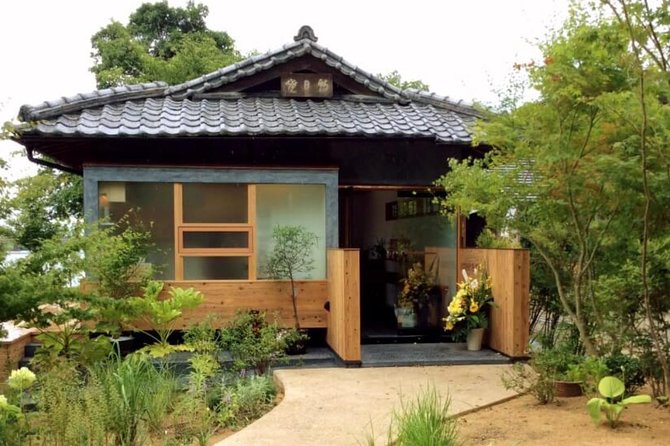
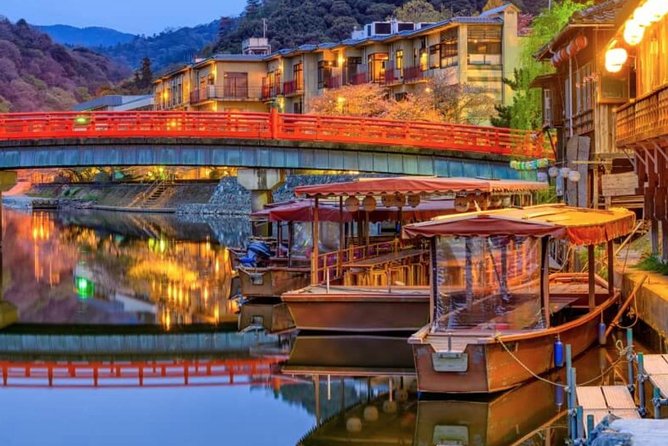
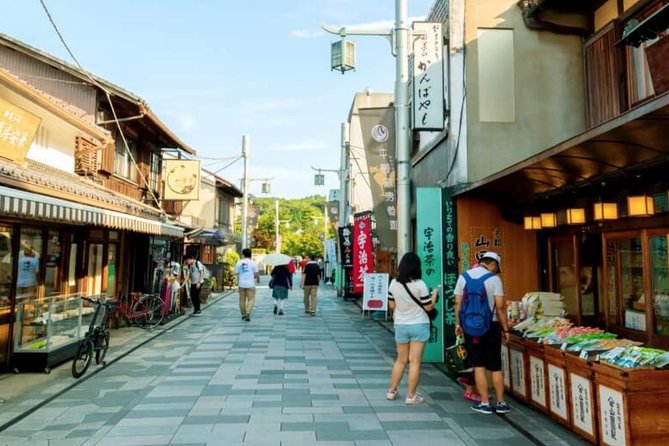
The first part of the outing introduces Uji as a town, not just a tea brand. You stroll through local streets, pass tea shops, and hear stories about the people and events that shaped the area. The pace is relaxed, which gives you room to ask questions and notice details you might otherwise pass.
The Uji River is part of the mood. Its flowing water adds a quiet break between temple visits and food stops. You may also walk near tea fields, depending on the route and conditions. The point is not a long rural hike. It is a chance to connect the drink in your cup with the place where Uji tea has its roots.
Your guide also explains local customs. One useful example from the tour format is learning how to pray at a shrine. That kind of explanation can prevent the usual awkward pause in front of a religious site, when you are not sure what to do or why the building matters.
Byodoin Temple and Uji’s religious landmarks
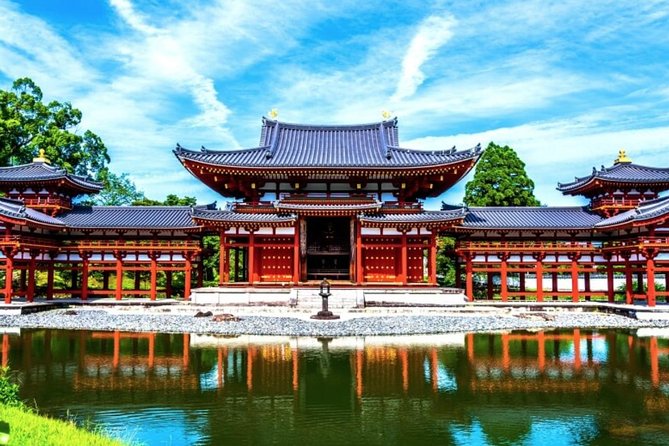
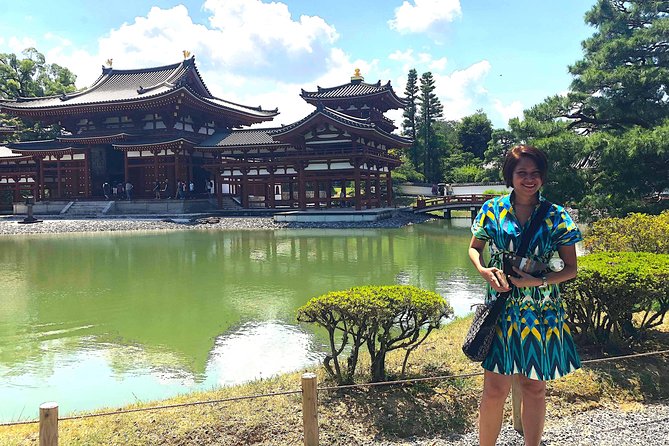
Byodoin Temple is likely to be the visual high point. It is one of Uji’s World Heritage sites, and its famous Phoenix Hall gives the tour a strong sense of place. The temple is not simply a backdrop for photographs. It helps you understand the old connection between Uji, Kyoto’s aristocratic world, and Buddhist ideas of paradise.
The outing also includes a historic shrine, described by the tour details as one of the oldest in the area. Your guide explains the meaning of the site and how to behave there. This pairing works well: one stop gives you a major temple experience, while the shrine adds a different side of Japanese religious life.
Allow your guide to set the pace here. A short tour cannot provide an exhaustive temple visit, and the group still has food and tea stops ahead. The value comes from receiving context without spending the whole day in one complex.
If you collect goshuin, bring your book. One guide made a special stop so a participant could collect a stamp, which shows the kind of small adjustment that can make the day more useful to you. Still, you should mention this interest early, since the tour has a fixed length.
Other tea rooms and ceremonies in Kyoto:
- Kyoto: Table-Style Tea Ceremony at a Kyo-Machiya
★ 4.9 · 1,211 reviews - Kimono Tea Ceremony at Kyoto Maikoya, NISHIKI
★ 5.0 · 911 reviews - Kyoto: Arashiyama Bamboo Forest, Monkeys, Matcha & Temple Tour
★ 5.0 · 759 reviews - Kyoto: Tea Museum Tickets and Matcha Grinding Experience
★ 4.9 · 739 reviews
Matcha beyond the green cup
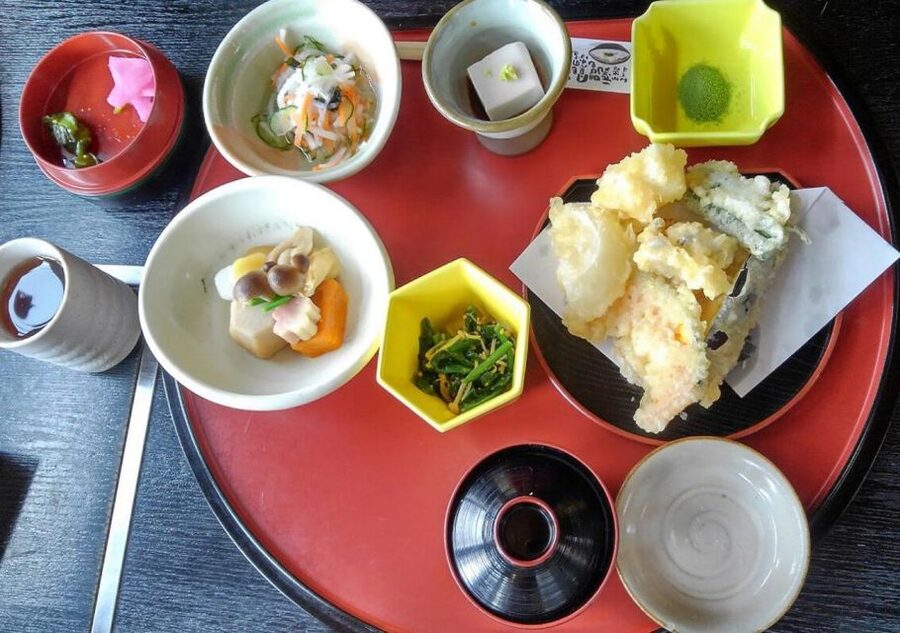
The tea portion is more varied than a standard tasting. You may try matcha in drinks, sweets, noodles, and ice cream. The included food stops can feature matcha soba, wagashi sweets, and matcha ice cream, along with other local dishes.
This variety matters because matcha is not one single flavor experience. Powdered tea can taste grassy, bitter, creamy, sweet, or pleasantly sharp depending on how it is prepared and what accompanies it. Trying it in several forms helps you work out what you actually enjoy.
The food also gives you a useful view of modern Uji. Tea is part of the town’s identity, but it is not limited to a formal bowl in a tea room. Local shops use it in everyday treats and meals, making the subject easier to understand and more fun to taste.
The exact food selection can vary, so do not treat the examples as a guaranteed menu for every departure. Additional food or drinks may be purchased at your own cost. If you have dietary needs, tell the supplier when you book rather than waiting until the first stop.
Grinding tea and making your own matcha
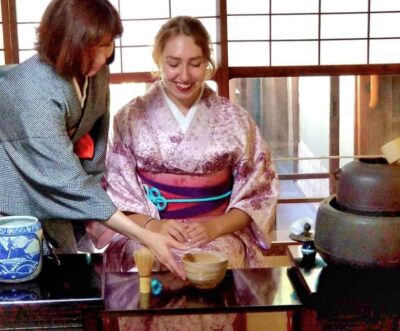
The hands-on tea activity is the tour’s most memorable feature for many people. You grind tea leaves and make your own matcha, then taste the result. This turns preparation into something physical. You see the powder, handle the tools, and learn why the final drink has its particular texture.
A guide can explain the different kinds of tea and how matcha differs from other forms. That background makes the tasting more useful than simply being told that one cup is good and another is better.
The final cup is described as an intimate tea tasting, with a smooth texture and strong flavor. Expect a traditional-feeling pause after the more active walking and eating. It is a fitting end because you finish by preparing the drink yourself rather than only buying a packaged souvenir.
If you do not usually like green tea, this is still worthwhile, but you should not assume the flavor will suddenly become sweet. Matcha has a clear vegetal bitterness, and the experience is about understanding it as much as enjoying it.
The guides make the small group worthwhile
The guide is a major part of the value. The tour is offered in English, with groups limited to eight people. That size gives you more room to ask about temples, tea, food, or local customs than you would have on a large bus outing.
Karim has led the visit at a relaxed pace, explaining the sights and making sure the group was comfortable. Miki has adjusted the route around individual interests and answered questions in English, Spanish, and some Tagalog. Other named guides include Jamelah, Sanae, Thomas, and Raquel.
These details matter because the experience is not built around a fixed performance. One guide translated when communication became difficult and made time for a goshuin stop. Raquel adapted the outing for a couple traveling with an infant and kept the child involved. You should still tell the supplier about your needs in advance, but the guide format allows more flexibility than a large group.
The guide quality also explains why the price is higher than a simple temple admission or tea tasting. You are paying for interpretation, coordination, food stops, and a personal introduction to Uji. If you prefer to move alone and read signs at your own pace, $173 may feel steep. If you want help connecting the pieces, the cost is easier to defend.
How much food is included
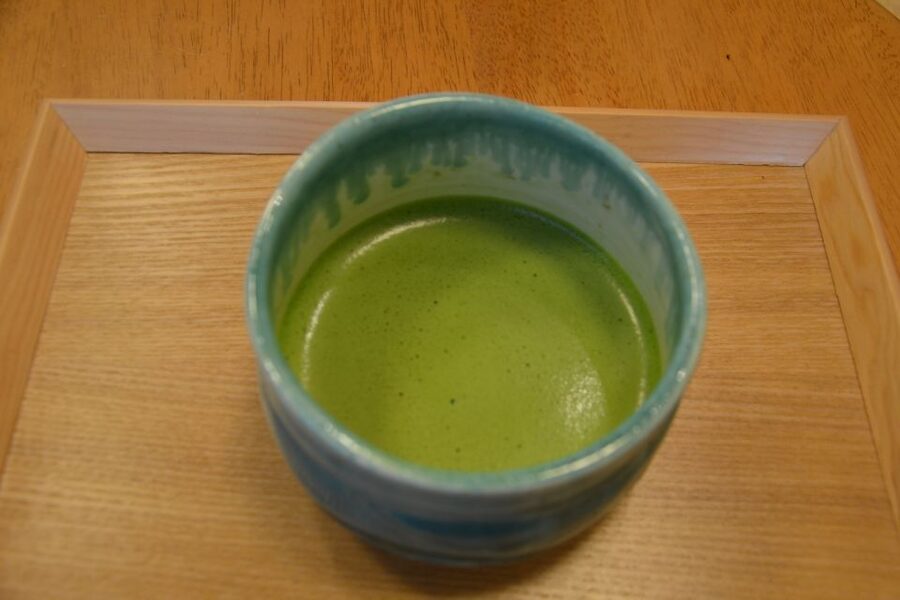
The tour includes a variety of dishes at multiple food stops, plus matcha tasting, matcha making, wagashi sweets, and matcha ice cream. Past food experiences have included matcha soba and a lunch stop near the river.
This is close to an all-inclusive tasting walk, but the phrase should not be read too broadly. Extra drinks and food are not included, though you can buy them yourself. The included dishes should be enough to make the tour feel substantial, but you may still want to budget for tea, sweets, or souvenirs from the shops.
Food timing can affect how you plan the rest of your day. You do not need to arrange a separate lunch during the three-hour visit if the food stops follow the usual pattern. Still, exact dishes can change, and dietary requirements must be sent to the supplier at booking.
Shopping in Uji after the main stops
Shopping time is included, which is useful because Uji’s tea shops offer more than loose tea. You can look for matcha powder, sweets, tea tools, and packaged gifts, depending on what each shop carries.
The guide can help you understand what you are seeing, rather than leaving you to compare tins without context. If you plan to buy tea, ask about how to use it and how long it keeps. A small purchase can be more meaningful after you have made and tasted matcha yourself.
You also have time at the end to roam around town. One practical advantage is that the tour can finish early enough for you to return to your accommodation in Kyoto or continue exploring Uji on your own. Do not pack the rest of your day too tightly, though. The tour’s fixed duration is three hours, and small changes at food or temple stops can affect the finish.
Is $173 a fair price?
At $173 per person, this is not a budget walk. A self-guided trip to Uji will cost less, especially if you only want to see the temple and buy a tea dessert. You would also have more control over timing.
The tour becomes better value when you count its parts together: a guide, several food stops, matcha tasting, tea grinding, matcha making, sweets, ice cream, historic sites, and shopping time. Transport is not included, so add the cost of reaching Keihan Uji Station from Kyoto City.
I would book it for a first visit to Uji when you want the town explained in English and prefer not to plan each stop yourself. I would skip it if your main aim is a quiet temple visit, a long tea ceremony, or a low-cost day out.
Who should book this Uji matcha tour?
This experience suits you if you want food and culture in equal measure. It is particularly good for first-time visitors to Uji, couples, families with an adult accompanying children, and anyone curious about how matcha is made and used.
The group limit of eight helps solo participants and small parties avoid a crowded feel. Families should note that children must be accompanied by an adult, and unaccompanied minors are not allowed. The minimum drinking age is 21, although the supplied details do not explain whether this affects any specific tasting item.
It also suits people who enjoy guided history but do not want a long, formal lecture. The best parts are practical: how to pray at a shrine, how tea differs by type, what Uji’s food culture looks like, and how to prepare matcha.
It is less suited to anyone with very limited time in Kyoto. You need to reach the correct station, and the outing takes three hours before you count the journey from Kyoto City. It may also disappoint you if you expect a long walk through tea fields, since the focus is divided among temples, food, shops, and tea preparation.
Booking details worth checking
You can cancel up to 24 hours before the activity for a full refund. The reserve-now, pay-later option lets you hold a place without paying today, which helps if your Kyoto schedule is still shifting.
A minimum of two people per booking is required. The tour runs with an English-speaking live guide, and starting times depend on availability. Check the selected time carefully, then plan to arrive early at Keihan Uji Station.
The most important preparation is simple: confirm the station, tell the supplier about dietary requirements, and leave spare time for the journey. Bring room in your day for shopping and a little extra food if you see something tempting.
Should you book it?
Book this tour if you want Uji explained through its temples, river streets, local dishes, and tea traditions rather than reduced to a quick matcha dessert. The best combination is the visit to Byodoin Temple, the shrine explanations, the relaxed guiding, and the chance to grind and whisk your own tea.
The price is high, and transport is extra. Still, the small group and wide mix of included activities make it a sensible choice for a first Uji visit, especially if you value a guide who can adjust to your questions and interests. Just meet at Keihan Uji Station, arrive early, and do not confuse it with JR Uji Station.
FAQ
Where does the Kyoto Matcha Green Tea Tour meet?
It meets at the entrance of Keihan Uji Station, written as 宇治駅, in Uji, Kyoto 611-0021. It does not meet at JR Uji Station.
How long does the tour last?
The tour lasts three hours. Starting times depend on availability when you book.
How far is Uji from Kyoto City?
Uji is about 40 minutes from Kyoto City. Transportation costs are not included in the tour price.
What food and tea activities are included?
The tour includes food at multiple stops, matcha tasting, matcha making, wagashi sweets, and matcha ice cream. Matcha soba and a riverfront lunch stop have also been part of the food experience.
How many people can join the tour?
The tour is a small-group experience limited to eight participants. A minimum of two people per booking is required.
Can children join the tour?
Children can join if accompanied by an adult. Unaccompanied minors are not allowed.
Just added in Kyoto
- Private Cooking Class Udon in Kyoto Japan★ 5.0 · 23 reviews
- Your Private Vacation Photography Session In Kyoto★ 5.0 · 110 reviews
- Kyoto: Zen Meditation at a Private Temple with a Monk★ 5.0 · 25 reviews
- Private Pewter Sake Cup Experience with a Kyoto Artisan★ 5.0 · 31 reviews
- Kyoto Wagashi(Japanese sweets) Cooking Class near Fushimiinari★ 5.0 · 60 reviews
- Kyoto:Family-Friendly Kimono & Yukata Experience at WARGO★ 5.0 · 147 reviews
- Private Guided Traditional Buddhist Cooking in Japan★ 5.0 · 16 reviews
- Kyoto: Gion Geisha District & Sake-in-Hand Walking Tour★ 5.0 · 37 reviews
Tea Ceremony Experiences, compared.

Tea Ceremony in a Traditional Tea House in Kiyomizu
Read our review →

World Heritage Kyoto & Nara Uji Authentic Matcha Experience
Read our review →
Arashiyama Bamboo Forest, Monkeys, Matcha & Temple Tour
Read our review →Browse the lists this tour appears in