Reviewed · TOURS IN KYOTO
Kyoto Morning Tour with English Speaking Guide
Fushimi Inari’s thousands of red torii gates and Arashiyama’s tall bamboo are two of Kyoto’s biggest sights, and this three-hour tour puts both on the same morning schedule. A local English-speaking guide adds the meaning behind the shrines, customs, and old buildings instead of leaving you with a string of pretty photographs.
I like the small maximum group of 15 and the helpful, personal guiding style reported from Ryu and Liu. I also like the price: $50 covers the guide and listed entries, a fair deal if you want a quick introduction to Kyoto’s eastern and western highlights. The catch is a lot of walking, limited time, and some uncertainty about the listed Arashiyama Monkey Park inclusion.
Key points to know before booking
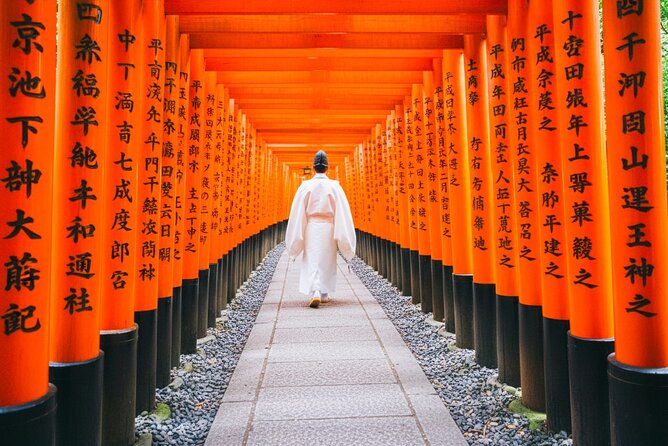
- Two major Kyoto sights in one morning: Visit Fushimi Inari and Arashiyama without giving up a full day.
- Fushimi Inari gets the longest stop: You have about 90 minutes for the torii gates and mountain shrine grounds.
- A guide adds cultural context: Expect explanations of Shinto customs, local traditions, and the meaning of the sites.
- Arashiyama is more than bamboo: The route also includes Nonomiya Shrine, a small Shinto site with a black torii gate.
- Be ready to walk: A moderate fitness level is requested, and the schedule may involve rail transfers.
- Check the Monkey Park detail: It is listed as included, but the timed route does not clearly allocate a separate visit.
Why this compact Kyoto tour works
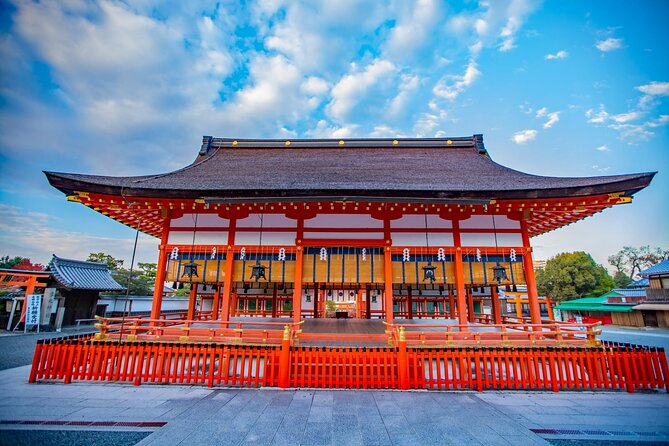
Kyoto is spread out, and its best-known sights sit in different parts of the city. Fushimi Inari is south of central Kyoto, while Arashiyama lies to the west. Seeing both in three hours is ambitious, but it gives you a useful first look at two very different sides of the city.
At Fushimi Inari, you get Kyoto’s most recognizable shrine setting: a path lined with thousands of orange-red torii gates. At Arashiyama, the mood changes to bamboo, wooded paths, and old religious sites. The contrast is the point. One stop feels bold and visually striking; the other is quieter and more natural.
You meet at 9:00 am outside the McDonald’s at the JR Kyoto Station Hachijo Entrance. The tour returns to that same meeting point. That arrangement is practical if you are staying near Kyoto Station or need to continue by train afterward, but it also means the morning ends where it began rather than near Arashiyama.
The group can include up to 15 people. That is small enough for a guide to keep the group together and answer questions, though it is not a private tour. If you want a highly flexible pace or long photo stops, a private outing would suit you better.
Other experiences people book in Kyoto:
- PERFECT KYOTO 1-Day Bus Tour
★ 5.0 · 13,518 reviews - Kyoto: Fushimi Inari, Kinkakuji, Bamboo Grove 1 Day Bus Tour
★ 4.8 · 4,316 reviews - Kyoto: Tea Ceremony in a Traditional Tea House in Kiyomizu
★ 4.9 · 3,519 reviews
Walking beneath the torii at Fushimi Inari
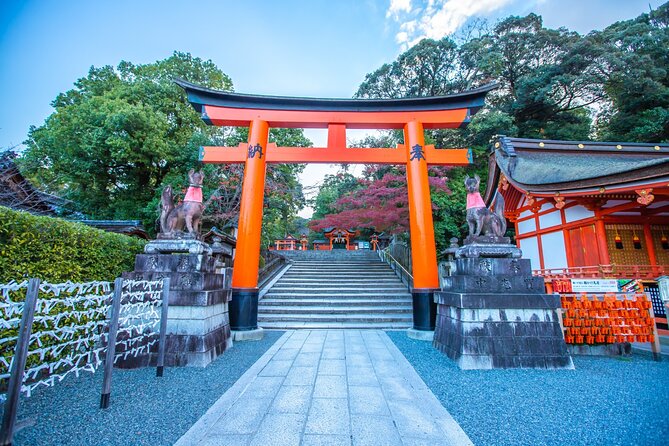
The first stop receives about 90 minutes, the longest portion of the morning. That is sensible. Fushimi Inari is not just a gate-lined photo stop. The torii path climbs toward the forested mountain, and even a short visit can involve steady walking.
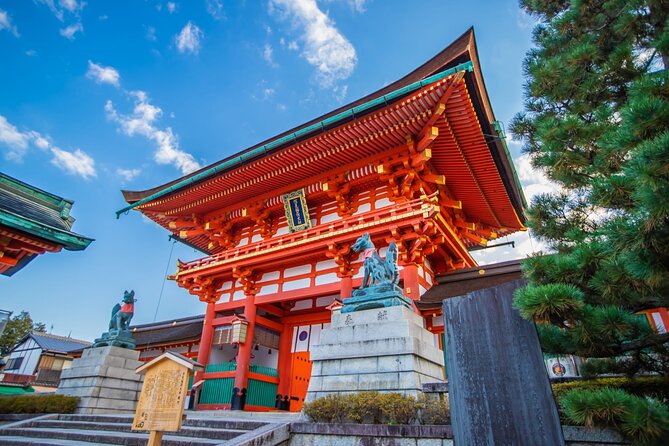
The gates are striking because they form long, repeated corridors of color. As you move through them, the city noise fades and the path becomes more wooded. You can take photographs, but the guide’s explanation gives the scene more meaning. Fushimi Inari is a major Shinto shrine dedicated to Inari, a deity linked with rice, prosperity, and commerce. The tour description specifically promises context about the shrine’s spiritual role, which is useful when the setting can otherwise feel like a giant photo backdrop.
You should not expect to reach every part of the mountain in 90 minutes. The schedule gives you enough time to walk through a strong section of the torii gates and understand the site, not to complete a long mountain hike. Wear shoes with good support, and keep your pace comfortable. The tour asks for a moderate level of fitness, so this is not the best choice if you need a flat, slow route.
One advantage of starting here is the morning timing. The tour does not promise an empty shrine, and Fushimi Inari is a famous place, but an early start gives you a better chance of enjoying the first part of the route before the day becomes busier. Keep your camera ready, but listen for the quieter details too: the change from built-up shrine grounds to forest, the repeated gates, and the different feel as the path rises.
Arashiyama Bamboo Forest and the limits of a one-hour visit
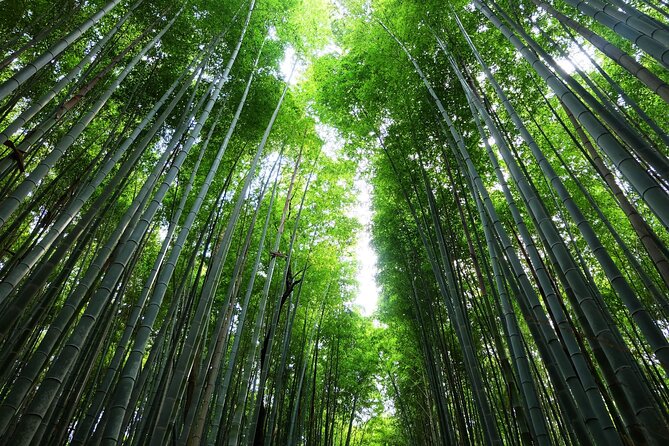
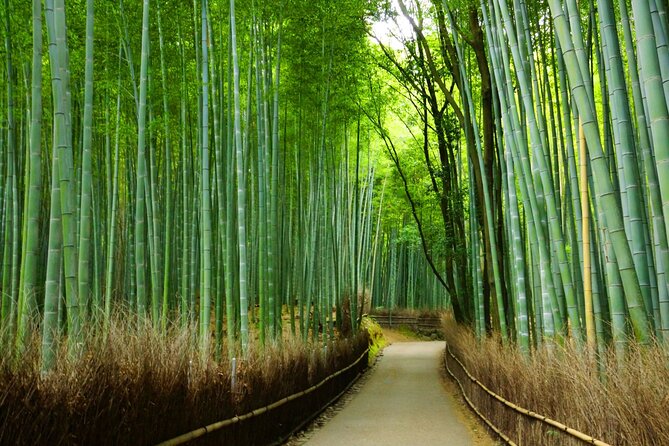
The tour then moves to Arashiyama for about an hour. The bamboo path is one of Kyoto’s most photographed sights, with tall green stalks rising on both sides and light filtering through the leaves. It is an easy place to understand why Arashiyama has become a fixture on first-time Kyoto itineraries.
The bamboo grove is not a long hike by itself, but the path can feel crowded and the route is not designed for lingering at every turn. With one hour assigned to Arashiyama, you will need to keep moving. I like this timing for a first orientation, but I would not book the tour expecting a slow, meditative morning with unlimited photography.
The guide can help you make sense of the area rather than simply point out the bamboo. The overall tour connects nature, Shinto worship, and Zen architecture, so Arashiyama becomes part of a wider picture of Kyoto. You see how the city’s famous beauty is tied to religious places and carefully maintained paths.
A key practical point: the supplied information lists entry to Arashiyama Bamboo Grove, though the grove itself is generally experienced as a public walking route rather than a conventional ticketed attraction. The important value here is the guided visit and the time saved getting your bearings, not a special ticket alone.
Nonomiya Shrine, the quieter Arashiyama stop
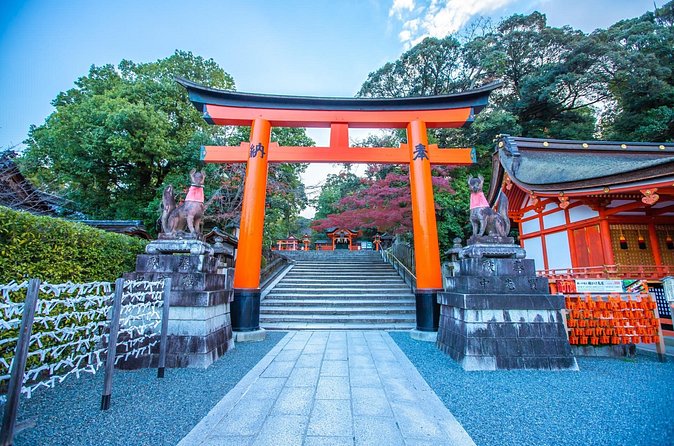
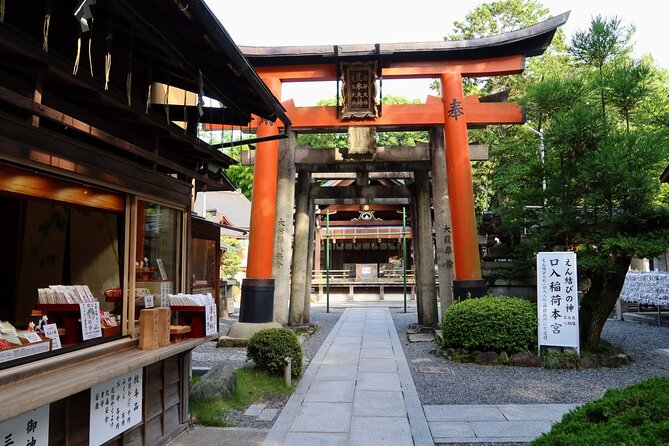
Nonomiya Shrine receives about 30 minutes. It is smaller and less showy than Fushimi Inari, but that is exactly why it adds balance to the morning. The shrine is surrounded by bamboo and is known for its black torii gate and connection with imperial princesses.
This is the sort of stop that can slip past you when you visit Arashiyama independently. The larger bamboo path draws most of the attention, while Nonomiya offers a more focused look at Shinto space and tradition. The guide is expected to explain local customs, and that context matters more here than a long list of dates.
Thirty minutes is enough for a short visit and explanation. It is not enough for an extended temple-and-garden tour, so keep your expectations in line with the schedule. You are getting a compact cultural stop, not a full afternoon in the Arashiyama district.
The tour description also refers to a historic Zen temple with landscaped gardens and old architecture, but the timed itinerary names Fushimi Inari, Arashiyama Bamboo Forest, and Nonomiya Shrine. Since the exact Zen temple is not identified, you should confirm the final route if that visit is important to you.
Same base, a different sort of day:
- Kyoto Geisha Walking Tour: Gion District & Hidden Gems
★ 4.7 · 3,273 reviews - Kyoto: Tea Ceremony Ju-An at Jotokuji Temple
★ 4.9 · 3,207 reviews - Kyoto: Gion Magical Night Walking Tour with Geisha Trivia
★ 4.9 · 2,393 reviews - Kyoto: 45-Minute Tea Ceremony Lesson Experience
★ 4.3 · 2,378 reviews
What the English-speaking guide adds
The strongest reason to book this rather than simply follow a map is the guide. The tour is designed to explain history, customs, and traditions while handling the movement between sites. That can make a major difference on a short morning.
Ryu is described as well versed in Kyoto’s history and culture, with a willingness to help and take photographs. Liu is also described as friendly, well informed, and a source of useful local recommendations. Those names give you a sense of the guiding style to expect, though the assigned guide can vary by date.
The practical help matters as much as the commentary. Rail transfers may be part of the movement between locations, and a guide can make those changes less stressful, especially if Kyoto is new to you. You are not simply paying for narration. You are paying for a person who can keep a small group moving through a complicated city morning.
The guide may also be able to suggest places to eat or visit later in your trip. Food and drinks are not included, so bring money or plan to eat afterward. Since the tour returns to Kyoto Station, that is a convenient point for finding your next meal or continuing by train.
The $50 price and what it really buys
At $50 per person, the tour sits in a reasonable range for a three-hour guided outing. The price includes a local guide, entry to Fushimi Inari Taisha, entry to the Arashiyama Bamboo Grove as listed, and entry to Arashiyama Monkey Park, also listed as Iwatayama.
The value is strongest if you want structure. You get two major areas in one morning, cultural explanations in English, and help with the route. If you were already comfortable navigating Kyoto by rail and preferred to spend as long as you liked at each place, independent visits would give you more control.
The Monkey Park detail deserves attention. It is included in the list of admissions, but the timed itinerary does not give it a separate stop. The three named stops total about three hours, and there is no stated time for climbing to the park or seeing the monkeys. Ask for clarification before booking if that admission is a deciding factor.
There is also no food or drink included. That is easy to manage, but the short schedule means you should not count on a planned meal break. Have breakfast first and carry water.
The main drawbacks to consider
The pace is the biggest issue. Fushimi Inari alone can fill a morning if you want to climb far up the mountain. Arashiyama can also take several hours when you add temples, river views, and nearby streets. This tour gives you a sample of both areas, not a complete visit.
Walking and transfers are another consideration. The information asks for moderate physical fitness, and the Fushimi Inari route may include slopes or steps. A guide can help with directions, but cannot turn this into a low-effort sightseeing trip.
There was also one serious service failure in the available feedback: one booking involved the guide not showing up. That is not the normal experience suggested by the other comments, and the overall rating is 4.7 from 12 ratings, with 92 percent recommending the activity. Still, it is wise to keep your confirmation details and meeting instructions handy, and to arrive early at the stated meeting point.
The small group limit helps, but the tour is still shared. You may need to match the group’s pace and wait while others take photographs. That tradeoff is normal for a $50 group tour.
Who should book this Kyoto morning tour
I would choose this tour if you are visiting Kyoto for the first time and want a quick, guided introduction to the city’s most famous eastern and western sights. It is especially useful if you have only a short stay, want cultural explanations in English, or feel unsure about handling rail transfers on your own.
It also suits you if you like a clear schedule and prefer a local guide to explain what you are seeing. The comments about Ryu and Liu suggest that the best part of the experience is likely to be the human touch: help with customs, practical recommendations, and photographs.
I would choose a different plan if you want a slow morning, a serious Fushimi Inari hike, or several hours in Arashiyama. Families with very young children, people with limited mobility, and anyone who dislikes walking should study the route carefully before booking.
The experience is booked an average of 21 days ahead, so early planning makes sense if your Kyoto dates are fixed. Confirmation is provided at booking, and cancellation is free up to 24 hours before the start time. Changes or cancellations inside that window are not accepted for a refund.
Should you book it?
Book this tour for efficient first-day orientation, not for an exhaustive visit. The $50 price is fair when you value a local English-speaking guide, cultural context, group organization, and access to two widely separated Kyoto areas in one morning.
Before paying, confirm two points: how the transport between sites is handled and whether Arashiyama Monkey Park is actually visited during the three-hour route. If those details work for you, this is a practical introduction with strong visual appeal and useful local guidance. If you want time to linger, plan Fushimi Inari and Arashiyama as separate outings instead.
FAQ
Where does the Kyoto morning tour start?
The tour starts at 9:00 am at McDonald’s near the JR Kyoto Station Hachijo Entrance, at 8-3 Higashishiokōji Takakurachō, Shimogyo Ward, Kyoto 600-8214, Japan.
Where does the tour end?
The activity ends back at the same meeting point near Kyoto Station.
How long does the tour last?
The tour lasts approximately three hours.
What places are included in the route?
The timed route includes Fushimi Inari Taisha Shrine for about 90 minutes, Arashiyama Bamboo Forest for about one hour, and Nonomiya Shrine for about 30 minutes.
Is food included?
No. Food and drinks are not included in the tour price.
How far in advance can I cancel?
You can cancel up to 24 hours before the start time for a full refund. Cancellations or changes made less than 24 hours before the start time are not accepted for a refund.
Just added in Kyoto
- Private Cooking Class Udon in Kyoto Japan★ 5.0 · 23 reviews
- Your Private Vacation Photography Session In Kyoto★ 5.0 · 110 reviews
- Kyoto: Zen Meditation at a Private Temple with a Monk★ 5.0 · 25 reviews
- Private Pewter Sake Cup Experience with a Kyoto Artisan★ 5.0 · 31 reviews
- Kyoto Wagashi(Japanese sweets) Cooking Class near Fushimiinari★ 5.0 · 60 reviews
- Kyoto:Family-Friendly Kimono & Yukata Experience at WARGO★ 5.0 · 147 reviews
- Private Guided Traditional Buddhist Cooking in Japan★ 5.0 · 16 reviews
- Kyoto: Gion Geisha District & Sake-in-Hand Walking Tour★ 5.0 · 37 reviews
Tours in Kyoto, compared.

Tea Ceremony in a Traditional Tea House in Kiyomizu
Read our review →
Kyoto Geisha Walking Tour: Gion District & Hidden Gems
Read our review →


Gion Geisha District Walking Tour – Stories of Geisha
Read our review →
Best of Kyoto: Gion, Geisha, Pagodas & Cobblestones
Read our review →