Reviewed · TOURS IN KYOTO
Kyoto Nishiki Market Tour
Nishiki Market is where Kyoto’s food culture gets practical: narrow lanes, old family shops, seafood counters, pickles, tea, tofu, and enough samples to make lunch feel like a second job. A guide turns this 400-year-old market from a noisy maze into a readable food story.
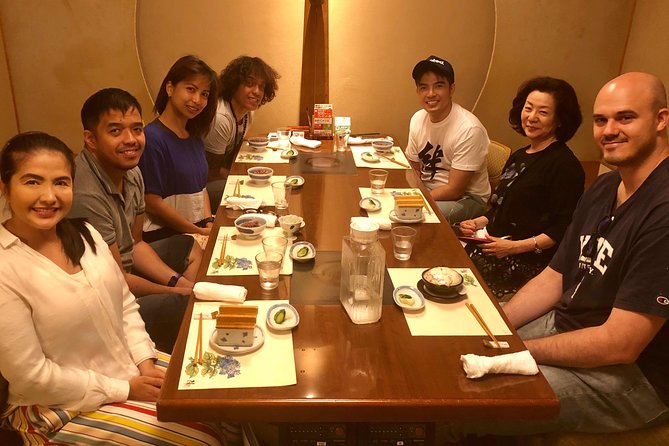
I like the chance to taste at roughly 10 to 12 family-owned shops, including long-running businesses, and I like that lunch, tea, and the listed tastings are included. The main drawback is the setting itself: Nishiki can be loud and packed, so it may be hard to hear your guide or gather around a stall without blocking the lane.
Key points to know before booking
- A guided route through Kyoto’s food market: Meet at 10:00 near the Lacoste Kyoto store and walk toward the Karasuma area.
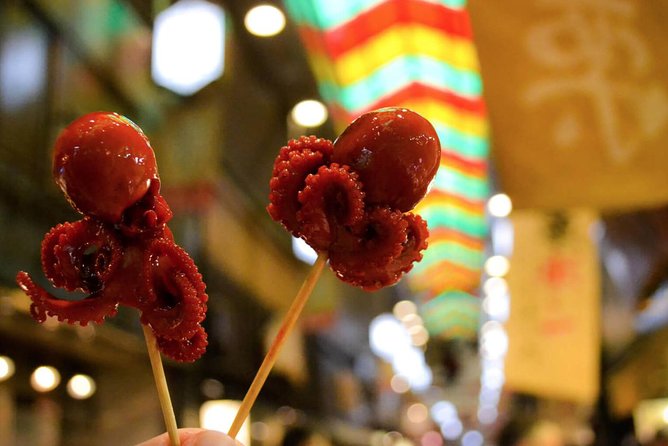
- About 10 to 12 tasting stops: Expect Kyoto specialties such as pickled vegetables, tofu skin, sashimi, dashi, tamagoyaki, seafood, matcha, tea, and sake.
- Seasonal lunch is included: This is more than a string of bites, with a proper regional lunch built into the three-hour outing.
- Small groups help: The maximum is 10 people, and guides have adjusted the pace for older family members.
- Vegetarian and pescatarian options are available: Tell the operator in advance so suitable substitutions can be arranged.
- Good for curious eaters: You learn how food is harvested, produced, sold, and preserved, not just what it tastes like.
Why Nishiki Market works best with a guide
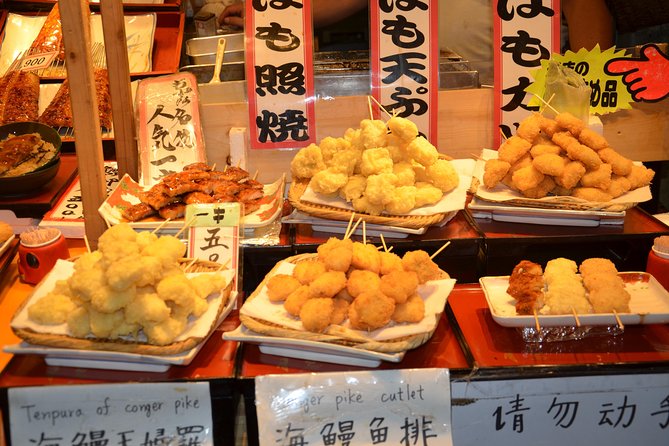
Nishiki Market is known locally as the Kitchen of Kyoto. That name makes sense once you see the range of food packed into its covered shopping street. The market sells ingredients for home cooking, prepared snacks, sweets, seafood, pickles, tea, and specialty products. It is not arranged like a museum, with tidy signs explaining every item. You see food first, then figure out what it is.
That is where this tour earns its keep. Your guide provides the link between the counter and the plate. You learn what you are tasting, where it comes from, and how it fits into Kyoto cooking. A piece of tofu, a spoonful of dashi, or a small serving of preserved vegetables becomes part of a bigger food tradition instead of a random bite.
The group size matters here. With a maximum of 10 people, the guide has a fair chance of explaining each stop without losing everyone in the crowd. Smaller groups have also been possible, including one outing with only two participants. That makes it easier to ask questions and adjust the pace.
Still, keep your expectations realistic. Nishiki is a working market and a narrow one. Noise from shoppers and vendors can make explanations difficult. You may need to stay close, listen carefully, and accept that the group cannot linger in the middle of the lane.
Other experiences people book in Kyoto:
- PERFECT KYOTO 1-Day Bus Tour
★ 5.0 · 13,518 reviews - Kyoto: Fushimi Inari, Kinkakuji, Bamboo Grove 1 Day Bus Tour
★ 4.8 · 4,316 reviews - Kyoto: Tea Ceremony in a Traditional Tea House in Kiyomizu
★ 4.9 · 3,519 reviews
Meeting near the Lacoste store at 10:00
The tour begins at 376 Naramonochō, near the Lacoste Kyoto store, at 10:00 in the morning. This central meeting point puts you close to the market and avoids the fuss of a hotel pickup. You will need to make your own way there, and transportation is not included.
Arrive with comfortable shoes and an empty stomach. Three hours of walking and tasting is not strenuous in the hiking sense, but the market requires steady movement, standing, and careful attention in a crowded space. The operator recommends a moderate level of fitness.
The start time is useful for a food tour. You get into the market before spending the rest of the day sightseeing, and a substantial breakfast would work against the whole idea. I would keep breakfast light and save room for the many small servings ahead.
The tour ends around Karasuma Station at Naginatabokochō, in the Karasuma area. That makes it easy to continue exploring central Kyoto after lunch, though you should not count on being returned to your hotel.
The first tastings: pickles, tofu, and Kyoto’s mountain flavors
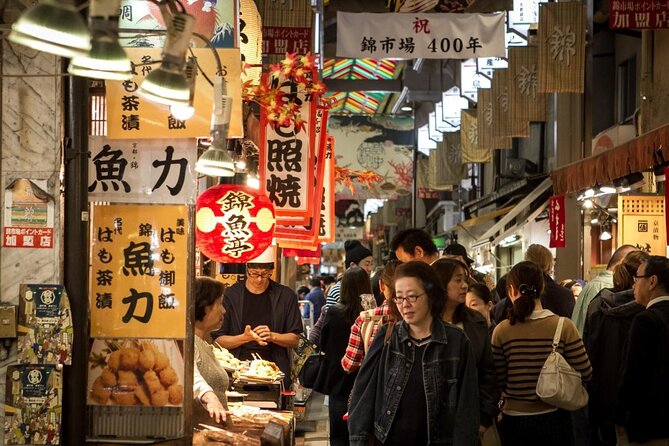
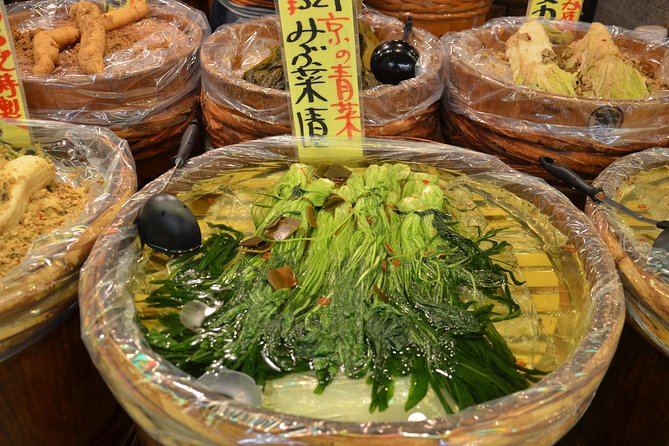
One of the most useful parts of this experience is the introduction to foods that may not be obvious to a first-time visitor. Tsukemono, or Japanese pickled vegetables, is a good example. These pickles come from the surrounding mountains and show how preservation has long shaped Kyoto’s cooking.
You may also taste yuuba, the delicate skin that forms on the surface of heated soy milk. The description compares it to sashimi tofu and points to the use of mountain water. It is a subtle food, not a bold snack, so the guide’s explanation helps you understand what to notice.
These early samples are valuable because they show that Kyoto food is not only about famous dishes served in restaurants. It also depends on small portions, careful preparation, seasonal ingredients, and methods that help food last. You get a better sense of local eating by trying the supporting ingredients, not just the headline dish.
The market’s family-run shops add another layer. Some have operated for hundreds of years, and the route visits businesses with deep ties to the area. You are not simply walking past storefronts while a guide recites facts. The aim is to connect the food with the people who make and sell it.
Seafood, sashimi, dashi, and tamagoyaki
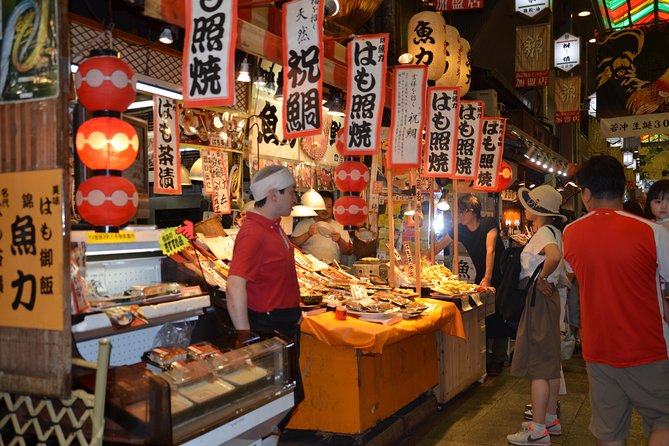
The tour includes a broad range of tastes, including fresh seafood and sashimi. The experience description highlights especially smooth sashimi, though the exact selection can change. Market stock, restaurant schedules, public holidays, weather, and other conditions may affect the route and the foods available.
That flexibility is worth understanding before you book. A market tour cannot promise the same tray every day. The upside is that you see food at its freshest and follow the day’s actual supply. If a regular restaurant or stop is unavailable, an equal-quality substitute may be used.
Dashi gives you a taste of one of the quiet foundations of Japanese cooking. This stock appears in many dishes, but it can be easy to overlook when it is used as a background flavor. Tasting it directly, then hearing about production and preservation, helps explain why a simple broth can matter so much.
Tamagoyaki, the rolled Japanese omelet, offers a different lesson. It is familiar enough to enjoy right away, but its texture and preparation can show the care behind a seemingly simple food. Add seafood, tofu, and market snacks, and the route becomes a useful introduction to the range of Japanese flavors.
Same base, a different sort of day:
- Kyoto Geisha Walking Tour: Gion District & Hidden Gems
★ 4.7 · 3,273 reviews - Kyoto: Tea Ceremony Ju-An at Jotokuji Temple
★ 4.9 · 3,207 reviews - Kyoto: Gion Magical Night Walking Tour with Geisha Trivia
★ 4.9 · 2,393 reviews - Kyoto: 45-Minute Tea Ceremony Lesson Experience
★ 4.3 · 2,378 reviews
Tea, matcha, and sake from the tap
Japanese tea is included, and matcha is one of the listed tastes. This is a good pause in the middle of a food-heavy morning. Tea gives you a chance to reset your palate and consider the role of drinks in Kyoto’s food culture.
Sparkling sake straight from the tap is also part of the stated tasting experience. The minimum drinking age is 21, so younger participants should not expect to sample it. If you do not drink, confirm how the tasting will be handled when booking, since the provided details specifically identify vegetarian and pescatarian arrangements but do not spell out a nonalcoholic substitute.
The guide can answer questions about Nishiki, Kyoto food, and the production process. That matters more than a long list of samples. A market visit can easily become a hunt for snacks, but the explanations give the food some shape: harvest, processing, selling, cooking, and preservation.
Seasonal lunch makes the price easier to judge
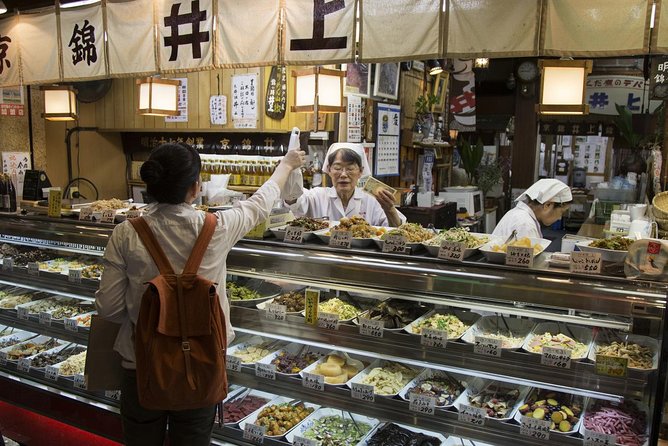
At $221 per person, this is not a cheap way to browse a market. You should judge the cost against what is included and how much help you want. The tour includes market tastings, Japanese tea, and a seasonal regional lunch. It also provides a guide for three hours and covers several family-owned shops.
That package can offer fair value if you want a structured introduction to Kyoto cuisine and would otherwise spend time guessing what to buy. It is less appealing if you enjoy exploring markets alone, can read Japanese menus comfortably, or mainly want one quick snack.
The lunch is important. Without it, the outing would be an expensive series of samples. With it, you get a fuller food experience and a proper regional meal. The exact lunch can change, and an equal-quality substitute may be offered if the usual restaurant is unavailable.
One detail needs attention: the tour information refers to visits to 10 market vendors in one place and about 12 family-owned shops in another. I would treat that as a flexible range rather than a fixed promise. The point is the variety of stops, not hitting a precise number.
What the guide adds to the experience
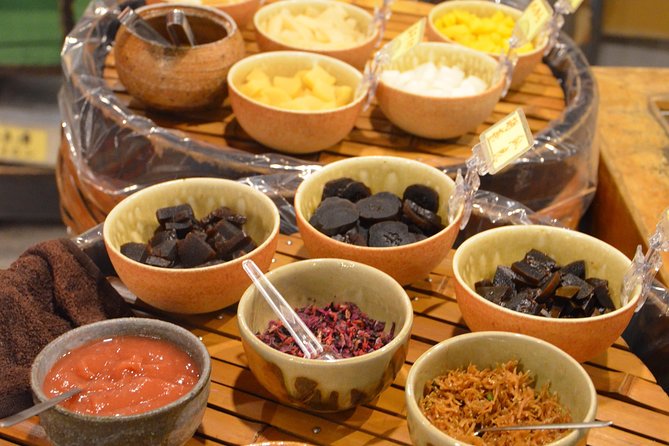
The strongest praise centers on the guides. Chie has been especially effective at introducing guests to stall owners, explaining each sample, and answering a long list of questions. She also adjusted the pace so two older parents, including a 66-year-old participant, could keep up.
Rosali has led a smaller outing that included a mother and daughter. That visit included a satisfying Japanese lunch with beef, plus rice crackers that made good souvenirs. These details suggest a personal style rather than a rushed script, but guide assignments can change.
Clear English is an important part of the value. The market is full of unfamiliar food names and quick interactions. A guide who can explain the difference between ingredients, cooking methods, and preservation techniques makes the visit easier to follow.
The best use of your guide is to ask questions. Ask about anything you see but cannot identify. Ask which foods are seasonal. Ask how locals use an ingredient at home. You will get more from the tour if you treat it as a conversation, not just a tasting line.
Crowds, walking, and practical comfort
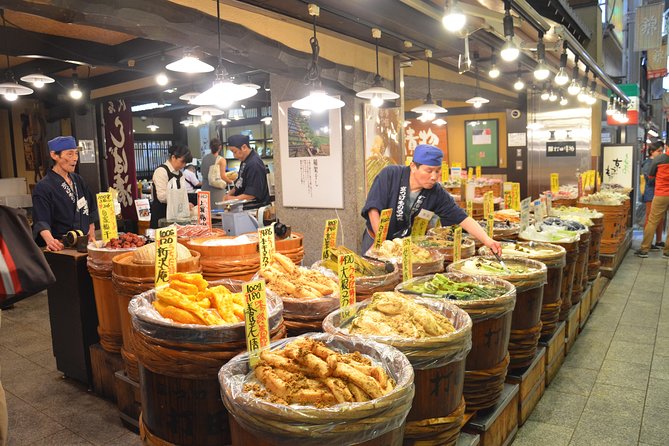
Nishiki Market’s popularity is both its appeal and its chief nuisance. The narrow street can become crowded and loud. At times, it may be hard to hear the guide, and stopping in a group can interfere with people trying to shop.
Wear shoes that are comfortable for a few hours of walking and standing. Keep your belongings close and stay aware of the group. This is not a quiet food seminar. You are moving through an active shopping district where vendors and shoppers have their own business to handle.
The tour is described as family-friendly, but children must be accompanied by an adult. A copy of passport information is required for children age 10 and above. The maximum group size of 10 helps, though very young children may find the walking and repeated pauses less appealing than older children.
Vegetarian and pescatarian participants can be accommodated. Since the route and restaurant stops may change, contact the operator with dietary needs before the tour rather than waiting until the morning of the visit.
Solo participants are asked to email the operator. Same-day booking is available, but this is an experience that averages booking about 28 days ahead, so planning early is sensible if your Kyoto dates are fixed.
Who should book this Nishiki Market walk
I would choose this tour for a first visit to Kyoto, especially if you want food context but do not know where to start. It suits people who enjoy trying small portions, asking questions, and learning how everyday ingredients connect to local cooking.
It also works well for families with older children, couples, and multigenerational groups. The guide’s ability to slow the pace is useful for older relatives, while the range of foods keeps the morning interesting for people with different tastes.
You may want to skip it if you dislike crowds, have serious food restrictions that are not covered by vegetarian or pescatarian arrangements, or prefer an unplanned market visit. The price also demands that you value the guide and included meal, not just the food itself.
Should you book it?
Book it if you want Nishiki Market explained as well as tasted. The combination of family-run shops, seasonal lunch, tea, market samples, and a guide who can handle questions gives you more than a simple walk through food stalls.
Before paying, confirm your dietary needs, prepare for noise, and leave room in your morning schedule. If the $221 price fits your budget and you want a focused introduction to Kyoto cuisine, this is a strong choice. If you are comfortable exploring on your own, you can spend far less by wandering Nishiki independently, but you will give up the introductions, explanations, and organized meal.
FAQ
Where does the Kyoto Nishiki Market Tour start?
The tour starts at 376 Naramonochō, Shimogyo Ward, Kyoto, near the Lacoste Kyoto store. The start time is 10:00 am.
Where does the tour end?
The tour ends near Karasuma Station in the Karasuma area, at Naginatabokochō, Shimogyo Ward, Kyoto.
How long does the tour last?
The food walk lasts approximately 3 hours and 5 minutes. The main Nishiki Market portion is listed as about 3 hours.
What food and drinks are included?
The experience includes tastings from market vendors, Japanese tea, and a seasonal regional lunch. Listed foods include tofu, sashimi, matcha, dashi, tamagoyaki, fresh seafood, pickled vegetables, and sake.
Is the tour suitable for vegetarians and pescatarians?
Yes. The tour is described as vegetarian-friendly and pescatarian-friendly. Since substitutions may be needed, contact the operator about your requirements before the tour.
Can I cancel for a refund?
You can cancel at least 24 hours before the local start time for a full refund. Cancellations or changes made less than 24 hours before the start time are not accepted for a refund. Poor weather or failure to meet the minimum group size may result in a different date, another experience, or a full refund.
Just added in Kyoto
- Your Private Vacation Photography Session In Kyoto★ 5.0 · 110 reviews
- Kyoto: Zen Meditation at a Private Temple with a Monk★ 5.0 · 25 reviews
- Private Cooking Class Udon in Kyoto Japan★ 5.0 · 23 reviews
- Private Pewter Sake Cup Experience with a Kyoto Artisan★ 5.0 · 31 reviews
- Kyoto Wagashi(Japanese sweets) Cooking Class near Fushimiinari★ 5.0 · 60 reviews
- Kyoto:Family-Friendly Kimono & Yukata Experience at WARGO★ 5.0 · 147 reviews
- Private Guided Traditional Buddhist Cooking in Japan★ 5.0 · 16 reviews
- Kyoto: Gion Geisha District & Sake-in-Hand Walking Tour★ 5.0 · 37 reviews
Tours in Kyoto, compared.
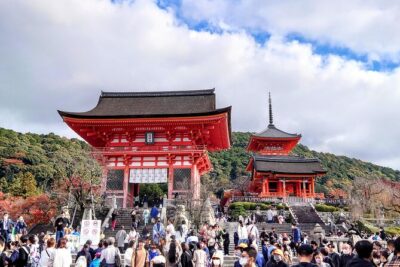
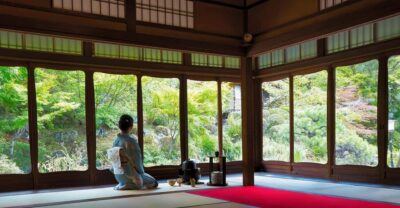
Tea Ceremony in a Traditional Tea House in Kiyomizu
Read our review →
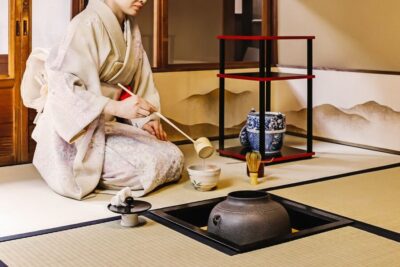
Kyoto Geisha Walking Tour: Gion District & Hidden Gems
Read our review →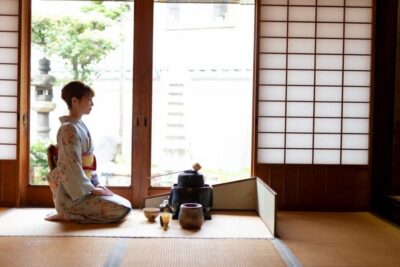

Gion Geisha District Walking Tour – Stories of Geisha
Read our review →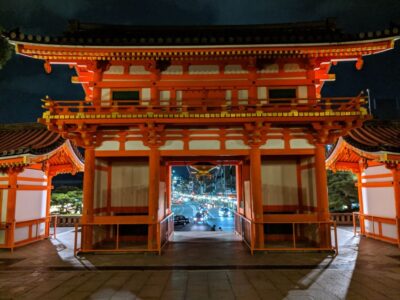
Best of Kyoto: Gion, Geisha, Pagodas & Cobblestones
Read our review →