
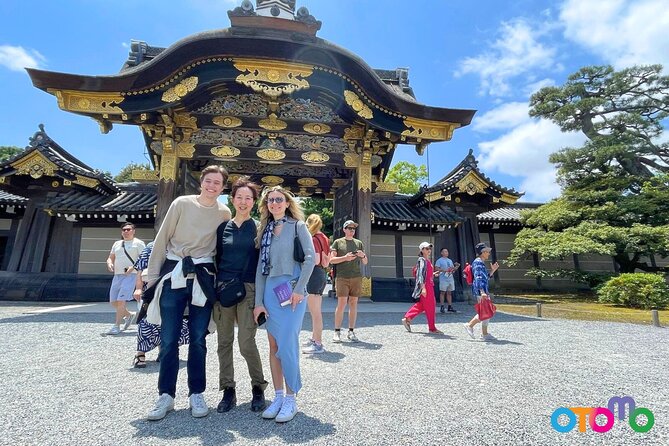
Reviewed · TOURS IN KYOTO
Kyoto Private Day Trip – Enjoy Your First-Time Visit to Kyoto!
Kyoto’s biggest challenge is not finding beautiful places. It is fitting them together without spending half your day studying train lines and bus routes. This private tour links Fushimi Inari, Kiyomizu-dera, Nijo Castle, and Kinkakuji in about seven hours, with a guide who can explain what you are seeing and adjust the pace for your group. I like the efficient route and the chance to ask questions instead of simply collecting photographs. I also like the flexibility: guides such as Kei, Fumi, Jun, Kai, and Tetsu have shaped days around lunch stops, children, mobility needs, and specific interests.
The trade-off is cost and pace. At $99.10 per person, you still pay for transport, entrances, lunch, and personal expenses, and six stops in seven hours leaves limited time at each major sight. The standard plan is a strong first look, not a slow, meditative tour of Kyoto.
Key points at a glance
- Four major Kyoto sights in one day: See Fushimi Inari, Kiyomizu-dera, Nijo Castle, and Kinkakuji, plus Sanneizaka and Hanamikoji Street.
- Private guiding: Only your group takes part, so you can ask questions and request adjustments.
- Useful for a first Kyoto day: The itinerary gives you a broad introduction to shrines, temples, castle architecture, old streets, and Gion.
- Custom planning is available: Contact the guide two weeks ahead if you choose the customizable option.
- Expect extra costs: Transport, admission fees, food, and drinks are not included in the base price.
- Walking is part of the deal: Wear comfortable shoes and clothing, especially around Fushimi Inari and Kiyomizu-dera.
Why this private Kyoto day works for first-time visitors
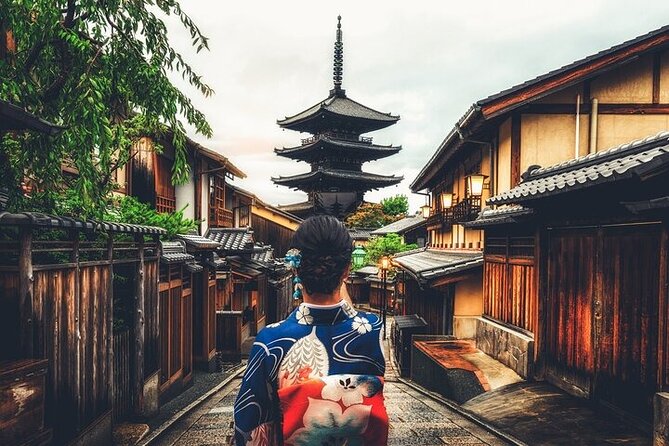
I like this tour because it tackles Kyoto’s scale in a practical way. The city’s major sights are spread across different areas, and a first-time visitor can easily lose hours making connections or guessing how long each stop deserves. A private guide gives you a person to handle the flow and explain the context along the way.
The schedule also gives you a useful cross-section of Kyoto. Fushimi Inari offers the famous orange torii gates. Kiyomizu-dera and the streets below it show old Kyoto at its most photogenic. Nijo Castle brings in political history and grand interiors. Kinkakuji finishes with the city’s most recognizable golden building.
This is not a quiet temple retreat. The itinerary is full, and the most famous places are busy throughout the year. You are paying for organization, language help, local suggestions, and a private format, not for empty paths or long periods of silence.
Other experiences people book in Kyoto:
- PERFECT KYOTO 1-Day Bus Tour
★ 5.0 · 13,518 reviews - Kyoto: Fushimi Inari, Kinkakuji, Bamboo Grove 1 Day Bus Tour
★ 4.8 · 4,316 reviews - Kyoto: Tea Ceremony in a Traditional Tea House in Kiyomizu
★ 4.9 · 3,519 reviews
Starting at Kyoto Station
The meeting point is the Bus Ticket Centre and Information Centre at 902 Higashishiokoji-cho in Kyoto Station’s Shimogyo Ward. This is a sensible place to begin because it is near public transportation, but Kyoto Station is large enough that you should allow time to find the exact meeting spot.
The tour ends back at the same meeting point. That makes the day easier to plan if you are staying near the station or catching a train later. If you have a hotel in Kyoto city, the customizable option may allow a hotel meeting point, but designated hotels must be within Kyoto city.
Transportation is not included. You are responsible for fares during the day, and the same applies to entrance tickets and lunch. A taxi preference is available, but every taxi fare for you and your guide is your responsibility. Ask yourself what you value more: the lower cost of public transportation or the simpler door-to-door movement of taxis.
Fushimi Inari and the thousand torii gates
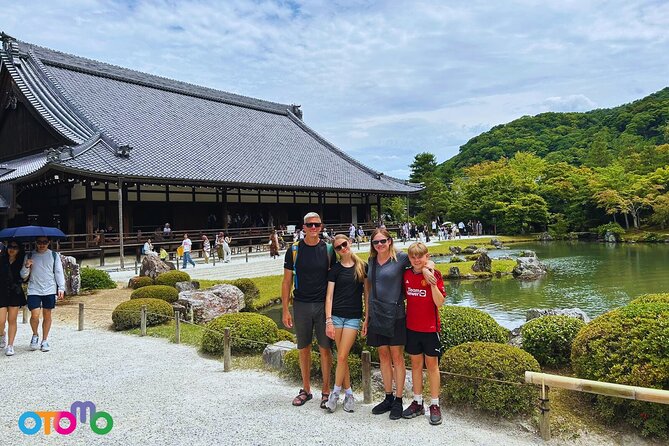
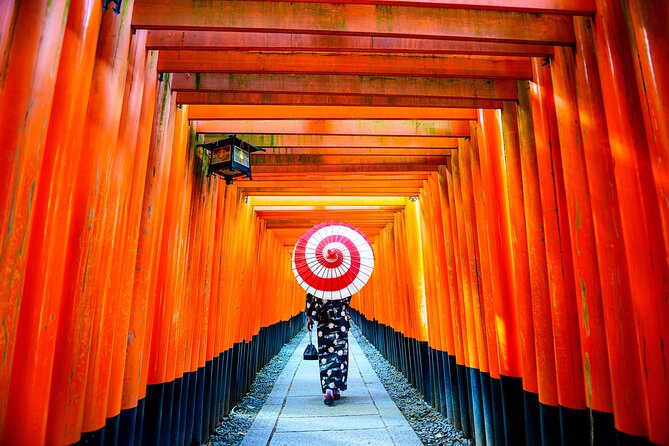
Fushimi Inari Taisha is the first listed stop, with about 32 minutes there. The shrine is known for the Senbon-torii, the long rows of orange gates that climb through the wooded grounds. Each gate represents a prayer or offering connected with the shrine.
Thirty-two minutes gives you enough time to enter the shrine grounds, walk through part of the torii corridor, and take in the strange, almost theatrical effect of the repeated gates. It is not enough time for a full climb through every section, so you should think of this as a focused introduction rather than a complete hike.
This is one place where a private guide adds value. The visual appeal is obvious, but a guide can explain what the gates mean and help you decide how far to walk before the schedule moves on. The route includes plenty of walking and some uphill sections, so tell your guide early if anyone in your party needs a gentler pace. One guide was specifically praised for adjusting the day around a family member’s abilities, which is the kind of flexibility a private tour can provide.
Kiyomizu-dera and the streets below
Kiyomizu-dera receives about 45 minutes, followed by one hour around Sanneizaka. That division is sensible. The temple gives you the main architectural and religious experience, while the old streets below provide time to stroll, browse, and take photographs.
Kiyomizu-dera is one of Kyoto’s best-known temples and a World Heritage site. Its wooden stage looks out across Kyoto, giving you the view that has made the temple a standard stop on first visits. The temple is associated with Kannon, and your guide can help explain the religious meaning behind the buildings rather than leaving you with only the famous viewpoint.
Admission is extra. The supplied pricing information lists an estimated standard cost of 5,370 yen per traveler, while also listing Kiyomizu-dera admission separately, so confirm the current breakdown before booking. The important point is simple: the $99.10 tour price is not an all-in ticket.
Sanneizaka is the more atmospheric part of this section. The slope is part of the approach to Kiyomizu-dera and is designated as an Important Preservation District for Groups of Traditional Buildings, along with Ninen-zaka. The traditional architecture makes this a pleasant place to slow down, though it can feel crowded and the sloping streets call for sensible shoes.
This is also a good place to ask your guide for shopping or snack suggestions. Several guides have helped arrange lunch or recommended places to eat, but the meal itself is not included. Keep an eye on time. Old streets are easy to enjoy slowly, but a full hour can disappear quickly if you stop often.
Same base, a different sort of day:
- Kyoto Geisha Walking Tour: Gion District & Hidden Gems
★ 4.7 · 3,273 reviews - Kyoto: Tea Ceremony Ju-An at Jotokuji Temple
★ 4.9 · 3,207 reviews - Kyoto: Gion Magical Night Walking Tour with Geisha Trivia
★ 4.9 · 2,393 reviews - Kyoto: 45-Minute Tea Ceremony Lesson Experience
★ 4.3 · 2,378 reviews
Hanamikoji Street and Gion’s old Kyoto atmosphere

The stop at Hanamikoji Street is brief, about 10 minutes. That may sound short, but it works as a quick look at one of Gion’s best-known streets rather than a full neighborhood visit.
Hanamikoji is lined with Kyoto-style buildings, and the surrounding area includes Buddhist temples and Shinto shrines. The point here is to see the architecture and get a sense of Gion before moving on. If Gion is a personal priority, choose the customizable option and discuss adding time there well before the tour date.
A short stop also helps explain the character of this itinerary. You will see many highlights, but you will not explore every district at length. The tour favors range over depth.
Nijo Castle and the Tokugawa story
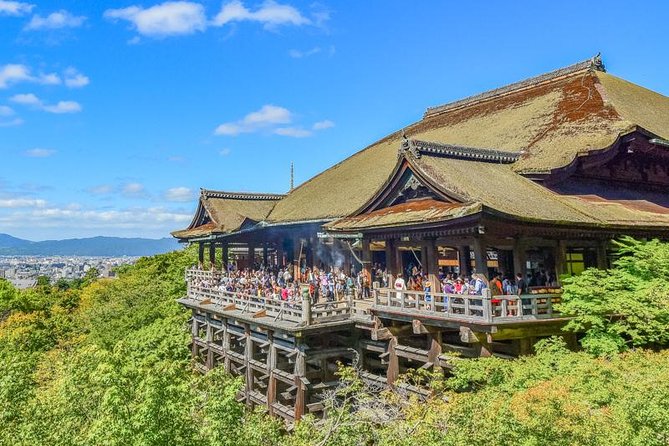
Nijo Castle receives about 55 minutes. This is the day’s strongest change of mood. After shrine gates, temple views, and traditional streets, the castle brings you into the world of the Tokugawa shogunate.
Nijo Castle is tied to the rise and fall of the Tokugawa regime. Its value is not only in the grounds but in the sense of political power built into the complex. The architecture is more formal and imposing than the narrow streets around Kiyomizu-dera, and the gardens offer a welcome pause after the morning’s walking.
Admission is extra, and you should budget for it along with the other paid sites. The tour description says you can sit in the garden and take a short break here. That matters on a compact day, especially for families or anyone who does not want seven straight hours of movement.
The amount of time is enough for a useful overview, but not a leisurely study of every room and garden. Your guide can help you focus on the parts that best match your interests, especially if you choose a customized route.
Kinkakuji, Kyoto’s golden finish
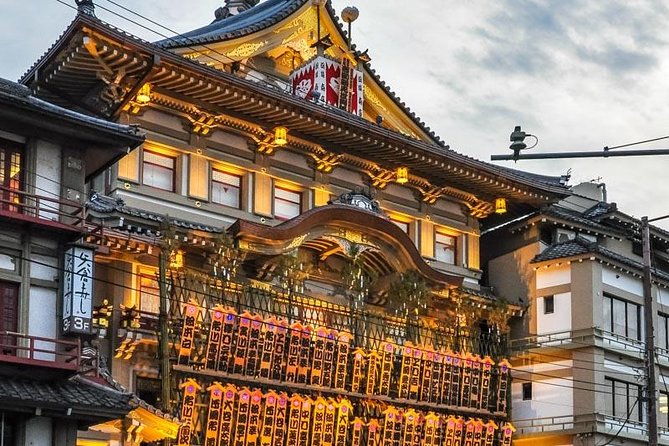
Kinkakuji, or the Golden Pavilion, is allotted about 40 minutes. The building’s gold exterior reflected in the water is one of Kyoto’s signature sights, and it makes a strong final stop because it is instantly recognizable and visually different from everything earlier in the day.
The pavilion is busy all year. Forty minutes should let you reach the main viewing area, take photographs, and walk part of the surrounding route. It is not a long visit, but the central view is what most people come to see.
Admission is not included. Like the other major sights, Kinkakuji is best approached with realistic expectations. You will share the site with many other people, and your visit may feel more like a carefully timed viewing than a private encounter with a quiet temple.
Still, this stop earns its place. If you have only one day in Kyoto, seeing the Golden Pavilion gives you one of the city’s defining images. Your guide can also help you make the most of the limited time and point out details you might otherwise miss.
What the private guide adds
The guide is the heart of this experience. The strongest accounts of the day describe guides who listened carefully, explained history and cultural differences clearly, adjusted the schedule, and offered practical help beyond the formal stops.
Kei has been praised for timing the schedule around heavy crowds, recommending shopping areas, choosing a lunch restaurant, and giving extra suggestions for the rest of a Kyoto visit. Jun was able to meet a group at the station and organize an efficient day covering the main sights. Fumi shaped an itinerary around the best parts of Kyoto and adjusted it when a place was closed or had already been visited.
Other guides have brought different strengths. Kai helped with a specialized itinerary and language differences. Tetsu built a time-efficient first day around the group’s wishes. Osamu was praised for sharing many facts, while Kazu found an excellent okonomiyaki restaurant. These examples show why the private format can be worth considering if you care about conversation, food advice, or a schedule built around your group.
Guide assignments can vary, so do not book expecting a specific person unless the provider confirms it. What you can reasonably expect is a private guide who can help with language, history, directions, photographs, and day-to-day decisions.
Custom itinerary or standard route?
The standard itinerary is best if you want the classic Kyoto checklist. It includes the main sights and gives you a firm structure, which is useful when you are short on time or visiting Kyoto for the first time.
The customizable option is better if you already know what matters most. You can contact the guide two weeks in advance to discuss a personalized plan. If you do not respond, the standard itinerary will be used, so do not assume the custom route happens automatically.
Customization may be especially useful if you want more time in Gion, need a slower pace, have already seen one of the temples, or want a specific lunch stop. The guide may also adjust the plan for a family member’s capabilities or account for a closure. The exact changes depend on timing, distance, and the day’s practical limits.
Remember that customization can affect the cost. Entrance fees and other necessary expenses for the guide are listed as the customer’s responsibility under the custom option.
The real cost and the walking commitment
The advertised price is $99.10 per person, with group discounts available. For a private seven-hour tour, that can be fair if you are traveling with several people and want personal attention. A small group also makes it easier to ask questions and change the pace.
You should budget beyond the headline price:
- Transportation during the tour
- Entrance fees at Kiyomizu-dera, Nijo Castle, and Kinkakuji
- Food and drinks
- Personal expenses
- Taxi fares for you and the guide if you choose taxi travel
The estimated standard additional cost is listed as 5,370 yen per traveler, though the fee details should be checked carefully because individual admission charges are also listed. Ask for clarification if the final cost matters to your budget.
This is a walking-heavy day. Comfortable clothing is specifically advised, and that is not a throwaway note. Fushimi Inari involves walking through the torii gates, Kiyomizu-dera sits above the old streets, and Sanneizaka is sloped. Most people can participate, but the pace may feel demanding if you prefer long breaks.
Who should book this Kyoto tour?
I would choose this tour for a first visit when I wanted to see Kyoto’s essential sights without managing every connection myself. It is also a good fit for families, couples, and small groups who value a private guide and want to ask questions throughout the day.
The tour suits you particularly well if:
- You have only one open day in Kyoto
- You want a broad first look rather than one temple in depth
- You appreciate help with language and local customs
- You want lunch or shopping suggestions
- Someone in your group needs the pace adjusted
- You want to replace or reorder stops through advance planning
I would hesitate if you prefer slow temple visits, dislike busy attractions, or want transportation and admission bundled into one simple price. The day is full, the famous sights are crowded, and several costs come later.
Free cancellation is available up to 24 hours before the start time for a full refund. Changes or cancellations inside that window are not accepted, so keep that deadline in mind when your plans are still shifting.
Should you book it?
Book this private Kyoto day if you want an efficient first introduction and value a guide who can make practical decisions with you. The combination of Fushimi Inari, Kiyomizu-dera, Gion, Nijo Castle, and Kinkakuji covers a lot of ground and gives you a clear feel for Kyoto’s religious, political, and architectural sides.
Choose the customizable option only if you will contact the guide in advance with clear priorities. Otherwise, the standard plan is the sensible choice. Just budget for transport, tickets, and lunch, and arrive ready to walk. If you want Kyoto’s essential sights in one organized day, this is a useful, personal way to begin.
FAQ
How long is the Kyoto private day trip?
The tour lasts approximately seven hours.
Where does the tour start?
It starts at the Bus Ticket Centre and Information Centre at 902 Higashishiokoji-cho, Shimogyo Ward, Kyoto.
Where does the tour end?
The activity ends back at the meeting point.
Which Kyoto sights are included?
The route includes Fushimi Inari Taisha, Kiyomizu-dera, Sanneizaka, Hanamikoji Street, Nijo Castle, and Kinkakuji.
Are admission fees included?
No. Entrance fees are not included. Kiyomizu-dera, Nijo Castle, and Kinkakuji are listed with additional admission costs.
Is transportation included?
No. Transportation fees are paid by the customer.
Is lunch included?
No. Lunch, food, drinks, and other personal expenses are not included.
Can I request a customized itinerary?
Yes. Choose the customizable option and contact the guide two weeks in advance to plan a personalized itinerary.
Can my hotel be used as the meeting point?
A hotel meeting point may be designated for the customizable option if the hotel is located within Kyoto city.
Is this a private tour?
Yes. Only your group participates in the activity.
What should I wear?
Wear comfortable clothing and shoes because the tour involves substantial walking.
What happens if I choose the taxi preference?
You are responsible for all taxi fares incurred during the tour, including the guide’s taxi fare.
What is the cancellation policy?
You can cancel at least 24 hours before the start time for a full refund. Cancellations or changes made less than 24 hours before the start time are not accepted.
Just added in Kyoto
- Private Cooking Class Udon in Kyoto Japan★ 5.0 · 23 reviews
- Your Private Vacation Photography Session In Kyoto★ 5.0 · 110 reviews
- Kyoto: Zen Meditation at a Private Temple with a Monk★ 5.0 · 25 reviews
- Kyoto Wagashi(Japanese sweets) Cooking Class near Fushimiinari★ 5.0 · 60 reviews
- Private Pewter Sake Cup Experience with a Kyoto Artisan★ 5.0 · 31 reviews
- Kyoto:Family-Friendly Kimono & Yukata Experience at WARGO★ 5.0 · 147 reviews
- Private Guided Traditional Buddhist Cooking in Japan★ 5.0 · 16 reviews
- Kyoto: Gion Geisha District & Sake-in-Hand Walking Tour★ 5.0 · 37 reviews
Tours in Kyoto, compared.

Tea Ceremony in a Traditional Tea House in Kiyomizu
Read our review →
Kyoto Geisha Walking Tour: Gion District & Hidden Gems
Read our review →


Gion Geisha District Walking Tour – Stories of Geisha
Read our review →
Best of Kyoto: Gion, Geisha, Pagodas & Cobblestones
Read our review →
Browse the lists this tour appears in