
Reviewed · TEA CEREMONY EXPERIENCES
Kyoto Private Tea Ceremony with Tea Master at Home
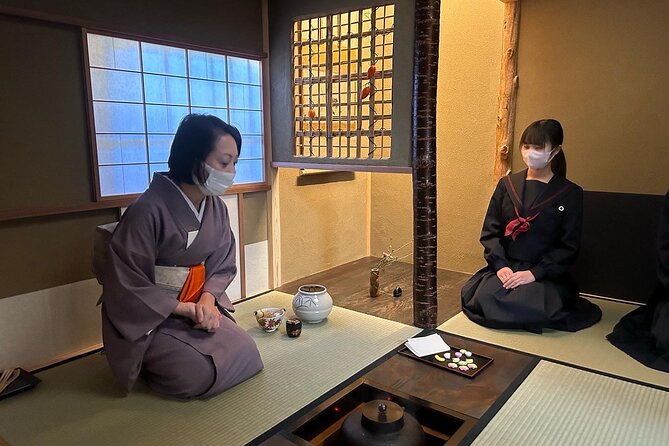
The special thing here is the setting: you enter a private Kyoto home, not a large cultural center built for crowds. Tea master Aya Ito leads you through the ceremony in a traditional tea room, explaining the gestures, tools, sweets, and ideas behind each step.
I like the hands-on format, which lets you whisk matcha yourself, and I like the three seasonal wagashi from a long-established Kyoto confectioner. The main consideration is the strict etiquette: you need socks, suitable clothing, no perfume, and on-time arrival. Kimono rental is not included.
Key points to know before booking
- Tea master Aya Ito leads the session: She teaches in clear English and guides you through both the formal demonstration and your own tea preparation.
- Two bowls of Uji matcha are included: One is prepared for you, and you also make matcha yourself.
- Three seasonal wagashi accompany the tea: The sweets are handmade by a long-established Kyoto confectioner and are gluten-free and vegan.
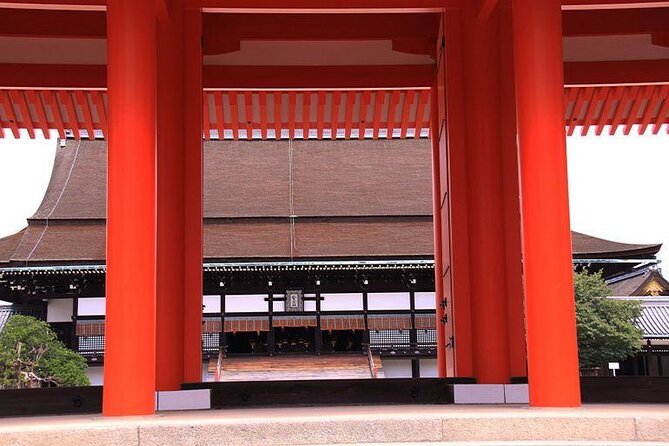
- The home is near Nijo Castle: The activity starts and ends at Sakura Experience Japanese Culture Nijo Home in Nakagyo Ward.
- The setting is private and quiet: Only your group takes part, making this a better choice than a large public demonstration.
- Plan your clothes carefully: Wear socks, long pants or a long skirt, and a top with sleeves. Bare feet, shorts, mini skirts, and sleeveless tops are not allowed.
A tea ceremony in a real Kyoto home
Many Kyoto tea experiences take place in hotels, shops, or purpose-built cultural venues. This one takes you into Sakura Experience Japanese Culture, a private home near Nijo Castle. That change of setting matters.
You remove yourself from the sightseeing rush and enter a room designed for calm attention. The tea room is not simply a backdrop. The room, bowls, sweets, tools, and movements all form part of the lesson. You are shown how Japanese tea ceremony treats a meeting between host and guest as a carefully prepared occasion.
Aya Ito teaches the session as a licensed instructor and tea master. Her approach is formal enough to respect the tradition, but open enough for first-time visitors. You do not need prior knowledge of tea ceremony. The experience is built for people who want to understand what they are seeing rather than merely watch a costumed presentation.
The setting also keeps the group small by design. This is a private activity, so only your own party participates. That gives you room to ask questions and repeat a movement without feeling you are holding up a large class.
Other tea ceremonies in Kyoto people book:
- Kyoto: Tea Ceremony in a Traditional Tea House in Kiyomizu
★ 4.9 · 3,519 reviews - Kyoto: Tea Ceremony Ju-An at Jotokuji Temple
★ 4.9 · 3,207 reviews - Kyoto: 45-Minute Tea Ceremony Lesson Experience
★ 4.3 · 2,378 reviews
What happens during the one-hour session
The experience lasts about one hour, so you should think of it as a focused introduction rather than a full course in tea ceremony. The time is used well, with a clear mix of explanation, demonstration, tasting, and practice.
Aya first helps you understand the basic spirit and etiquette of the ceremony. Tea ceremony has many small actions, and the order matters. The way utensils are handled, the way tea is prepared, and the way sweets are received all carry meaning. You will not be expected to memorize every rule, but you will begin to see why the ritual moves at a measured pace.
Next comes the formal demonstration. Watch the preparation closely. The appeal is not only the final bowl of green tea, but also the controlled movements that lead to it. Water, matcha, bowl, bamboo whisk, and serving gestures are brought together in a sequence that rewards attention.
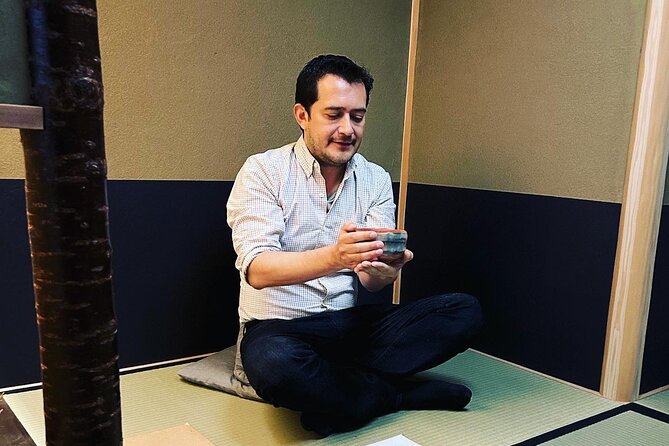
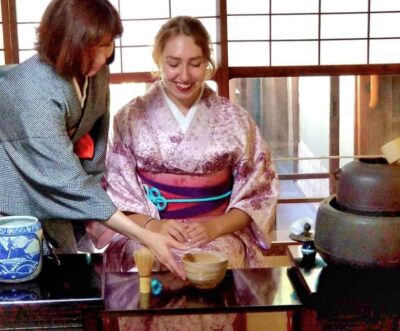
You then prepare matcha yourself. Aya explains how to use the bamboo whisk and guides your hands through the process. This practical part keeps the session from becoming a lecture. You learn that making matcha is more than stirring powder into water, and you get a better feel for the care required to produce a smooth bowl.
Two bowls of matcha are included. One is prepared with the experience, and the second gives you a chance to take part directly in the process. The matcha is an original blend sourced from Uji, the tea-producing area near Kyoto. That connection gives the tasting a clear local identity.
The sweets are part of the lesson
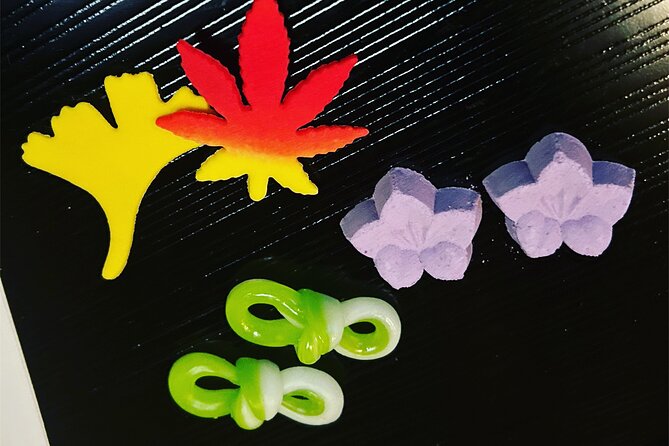
The wagashi are not an afterthought. Three seasonal types of handmade Japanese sweets are served during the session, each selected from a long-established Kyoto confectioner.
Japanese sweets are traditionally paired with matcha because their sweetness balances the tea’s grassy, slightly bitter taste. You will notice how the sweets change the way the tea tastes. This pairing also introduces an important part of Kyoto food culture without adding another stop to your day.
The sweets are gluten-free and vegan, which makes this activity easier for many people with dietary restrictions. You should still communicate any serious allergy or concern when booking, since the supplied information confirms the dietary style but does not promise an allergy-free kitchen.
Seasonality is another nice touch. The sweets are not described as a fixed menu, so what you receive can change with the time of year. That makes the tea ceremony feel linked to the calendar, one of the central ideas in Japanese traditional arts.
Why the tea room and utensils matter
One of the most interesting elements is the attention given to the objects used in the room. The experience includes custom-made tea bowls commissioned from Kiyomizu and Raku potters, two Kyoto pottery traditions with strong ties to tea culture.
A tea bowl is not just a cup. Its shape, glaze, weight, and texture affect how you hold it and how you see the tea. Aya’s collection gives you a chance to notice this personal quality. You may find yourself paying attention to details that would be easy to miss in a quick public demonstration.
The tea room also includes the Koma and Hiroma rooms, spaces used for experiences in tea ceremony, flower arranging, and calligraphy. The supplied details do not promise that every visitor will use both rooms, so treat them as part of the home’s cultural setting rather than a guaranteed stop on the hour-long session.
This is a good experience for anyone who enjoys craft. You are not only learning how to make matcha. You are seeing how pottery, sweets, architecture, etiquette, and hospitality work together.
Other tea rooms and ceremonies in Kyoto:
- Kyoto: Table-Style Tea Ceremony at a Kyo-Machiya
★ 4.9 · 1,211 reviews - Kimono Tea Ceremony at Kyoto Maikoya, NISHIKI
★ 5.0 · 911 reviews - Kyoto: Arashiyama Bamboo Forest, Monkeys, Matcha & Temple Tour
★ 5.0 · 759 reviews - Kyoto: Tea Museum Tickets and Matcha Grinding Experience
★ 4.9 · 739 reviews
A private format that suits curious first-timers
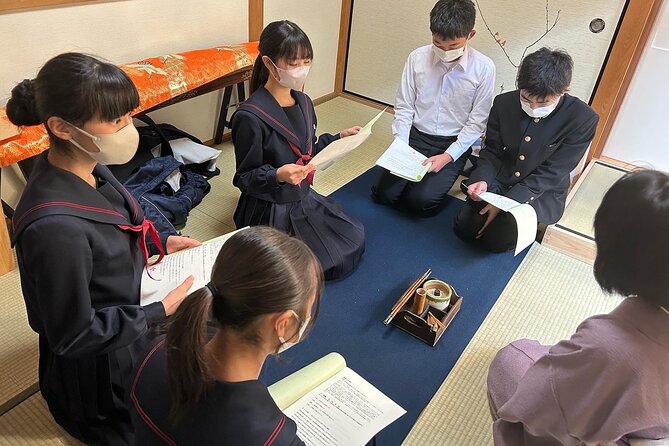
The private format is one of the strongest reasons to choose this activity. A large group can show you the broad outline of tea ceremony, but a private session gives you more freedom to ask why something is done and how to do it properly.
That personal attention is especially useful if you are visiting Japan for the first time. The rules can seem intimidating at first, but Aya’s role is to explain them in a friendly way. The experience is quiet and respectful, not stiff or theatrical.
Families with older children may also appreciate the format, but there is an important age limit. Children aged 13 and under cannot attend. If you arrive with a younger child without prior notice, you will not be allowed to join and no refund will be given.
The experience works particularly well for couples, small family groups with teenagers, and friends who want a cultural activity that does not require a full day. It is less suited to anyone looking for a lively, casual show or a photo session built around wearing traditional dress.
What the experience does not include
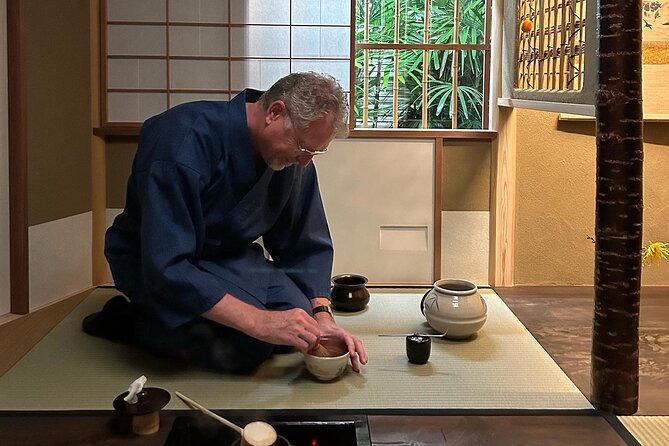
Kimono rental is not included. One person expected kimono from the original booking description and found the ceremony itself excellent, but the provider now focuses on tea culture rather than dressing visitors.
That distinction is worth making before you pay. If wearing kimono is the main reason you want a tea ceremony, choose another activity. If you care more about learning the ritual in a traditional home, the lack of costume may actually be a benefit. You can focus on the tea, the room, and the etiquette instead of treating the session as a dress-up event.
The activity also does not include a full meal. You receive three sweets and two bowls of matcha, enough to make the session satisfying, but you should not book it as a substitute for lunch.
A tea ceremony can look simple on the surface, yet the short format leaves out some of the wider study of the art. You will gain a meaningful introduction, not professional-level training. For most visitors, that balance is sensible because Kyoto offers far more to see after the class.
Location near Nijo Castle and getting there
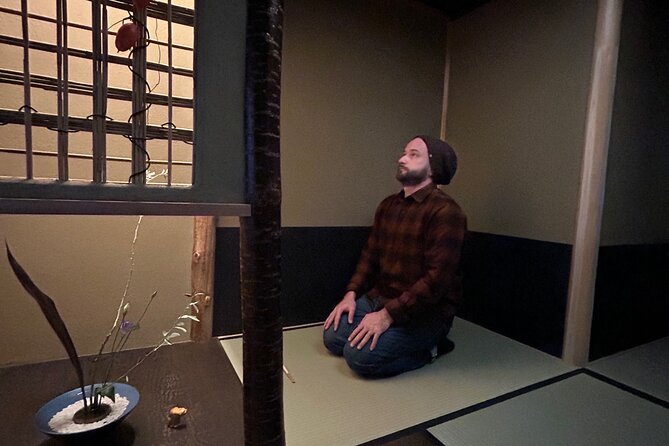
The meeting point is Sakura Experience Japanese Culture Nijo Home at 660 Izumicho, Nakagyo Ward, Kyoto. It is near public transportation and close to Nijo Castle.
The location makes this easy to pair with sightseeing. You can schedule the tea ceremony before or after visiting the castle, though you should leave enough time to arrive without rushing. One booking party found the home about a six-minute walk from Hotel Mitsui, but your walking time will depend on your exact starting point.
The activity returns to the same meeting point. There is no drop-off at another Kyoto attraction, so plan your next stop from the Nijo Castle area.
Use the address carefully rather than assuming the home will look like a shop or museum. This is a private residence and cultural classroom. Clear directions are provided, and previous visitors found communication through WhatsApp useful before arrival.
Dress, seating, and arrival rules
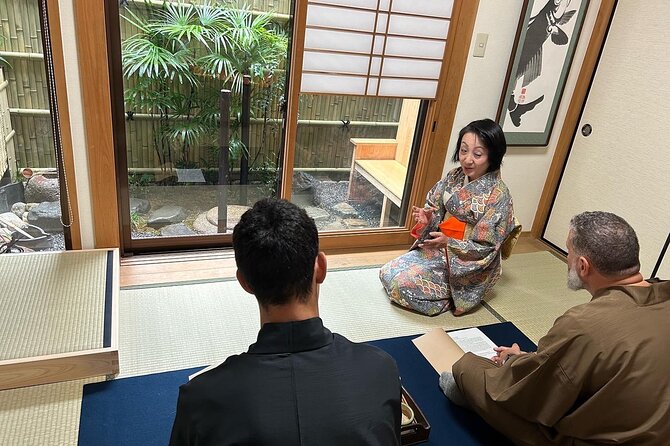
The clothing rules are practical and strict. Wear long pants or a long skirt, plus a top with sleeves. Shorts, mini skirts, and sleeveless tops are not allowed.
You must wear socks on the tatami. Bare feet are not permitted for hygiene and to protect the mats. If you forget, socks can be purchased at the site, but it is easier to pack a clean pair in your day bag.
Skip perfume, including musk-based scents. Fragrance can affect the atmosphere of the tea room and interfere with the smell of matcha and sweets. You may be asked to remove strong fragrance before entering.
Arrive on time. Anyone more than 15 minutes late cannot participate and will not receive a refund. This is reasonable for a private ceremony because the sequence begins at a set time and cannot easily absorb late arrivals.
Small chairs are available for people who need them. Tell the provider in advance so the room can be prepared. Sitting on tatami may otherwise require kneeling or sitting with legs folded, depending on the instruction.
The booklet and memories you take home
You receive an original tea ceremony booklet, described as a concise guide to the spirit and etiquette of tea. It is a useful souvenir because the session moves quickly. You may understand the general idea in the room but forget the names or order of the steps later.
The booklet lets you revisit the experience at home and try making matcha again. One person who attended found the class inspiring enough to create a personal matcha ritual, which is a good sign of the activity’s practical value.
Photography has also been part of some sessions. Aya’s husband has taken photos for visitors and sent them during the experience, allowing them to stay focused rather than constantly use their own phones. This is not listed as a formal inclusion, so do not book on the assumption that a photographer is guaranteed. Still, it is worth asking about when you arrive.
The experience also offers a chance to buy a beautiful tea cup, according to one past participant. Shopping is not included, but the possibility may appeal if you want a lasting object connected to the ceremony.
Is $99.08 a fair price?
At $99.08 per person, this is not the cheapest matcha lesson in Kyoto. The value comes from what is bundled into the hour: private instruction, two bowls of Uji matcha, three seasonal wagashi, access to a traditional home tea room, a hands-on lesson, and a booklet.
A group discount may lower the per-person cost if you are booking with several people. Since the class is private, the price also buys a more personal setting than a standard group demonstration.
I would consider the price fair if you want a serious introduction to tea ceremony and have limited time in Kyoto. You are paying for teaching and setting, not simply for a cup of matcha. If you mainly want to taste green tea or take photos in a kimono, cheaper or more theatrical options may suit you better.
The activity is commonly booked well ahead, with an average lead time of about 48 days. That does not guarantee every date will sell out, but it tells you to reserve early if your Kyoto schedule is fixed.
Who should book this Kyoto tea ceremony?
I would choose this experience if you want:
- A quiet cultural activity near Nijo Castle
- Direct instruction from tea master Aya Ito
- A private setting for your own group
- A hands-on way to prepare matcha
- Seasonal sweets with vegan and gluten-free ingredients
- A deeper look at etiquette, pottery, and Japanese hospitality
- A one-hour activity that fits into a busy Kyoto day
I would look elsewhere if you need a child-friendly class for children aged 13 or under, want to wear kimono, dislike sitting in a traditional tea room, or prefer a large and lively group event.
The current rating is 5 out of 5 from 58 ratings, with 100 percent recommending the experience. The most consistent strengths are Aya’s warmth, clear English, patience, careful teaching, and the sense that the ceremony is treated as a serious art rather than a quick tourist show.
Should you book it?
Yes, if you value quiet instruction and genuine contact with a local cultural practice. Aya Ito’s private home, handmade wagashi, Uji matcha, and traditional tea bowls give this short activity more substance than a simple matcha tasting.
Book it early, read the clothing rules, bring socks, avoid perfume, and arrive before the 15-minute cutoff. If you do those things, this is a strong choice for anyone who wants one thoughtful hour of Kyoto culture, with enough hands-on practice to keep the lesson with you after you leave.
FAQ
How long does the tea ceremony last?
The experience lasts approximately one hour.
Where does the tea ceremony take place?
It takes place at Sakura Experience Japanese Culture Nijo Home at 660 Izumicho, Nakagyo Ward, Kyoto, near Nijo Castle.
Who leads the tea ceremony?
Tea master and licensed instructor Aya Ito leads the session.
What is included in the price?
The experience includes three seasonal types of handmade wagashi, an original tea ceremony booklet, a demonstration, hands-on matcha preparation, and two bowls of matcha made with an original Uji blend.
Are the Japanese sweets suitable for vegan and gluten-free diets?
The three sweets are described as gluten-free and vegan.
Can children join the class?
Children aged 13 and under are not permitted to participate.
What should I wear?
Wear socks, long pants or a long skirt, and a top with sleeves. Shorts, mini skirts, sleeveless tops, and bare feet are not permitted.
Is kimono rental included?
No. Kimono rental is not included in the experience.
What happens if I arrive late?
If you arrive more than 15 minutes after the start time, you cannot participate and no refund is provided.
Can I cancel for a full refund?
You can cancel for a full refund up to 24 hours before the experience starts. Cancellations and changes made less than 24 hours before the start time are not accepted for a refund.
Just added in Kyoto
- Private Cooking Class Udon in Kyoto Japan★ 5.0 · 23 reviews
- Your Private Vacation Photography Session In Kyoto★ 5.0 · 110 reviews
- Kyoto: Zen Meditation at a Private Temple with a Monk★ 5.0 · 25 reviews
- Private Pewter Sake Cup Experience with a Kyoto Artisan★ 5.0 · 31 reviews
- Kyoto Wagashi(Japanese sweets) Cooking Class near Fushimiinari★ 5.0 · 60 reviews
- Kyoto:Family-Friendly Kimono & Yukata Experience at WARGO★ 5.0 · 147 reviews
- Private Guided Traditional Buddhist Cooking in Japan★ 5.0 · 16 reviews
- Kyoto: Gion Geisha District & Sake-in-Hand Walking Tour★ 5.0 · 37 reviews
Tea Ceremony Experiences, compared.
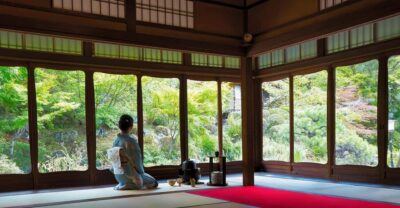
Tea Ceremony in a Traditional Tea House in Kiyomizu
Read our review →
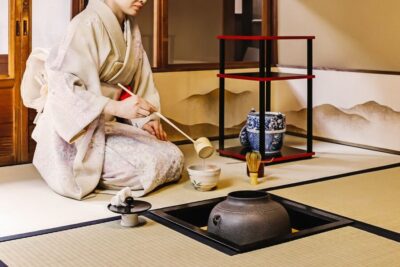
World Heritage Kyoto & Nara Uji Authentic Matcha Experience
Read our review →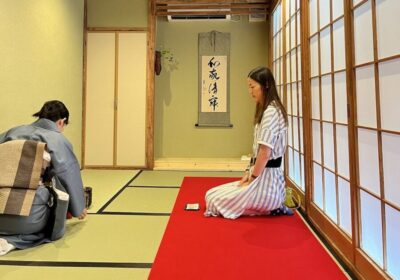
Arashiyama Bamboo Forest, Monkeys, Matcha & Temple Tour
Read our review →Browse the lists this tour appears in