
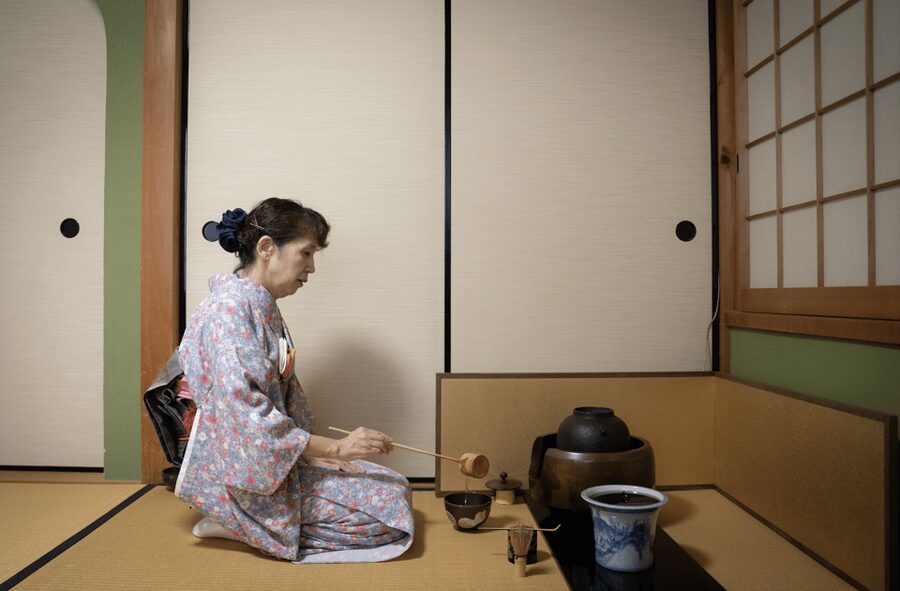
Reviewed · TEA CEREMONY EXPERIENCES
Kyoto: Tea Ceremony Experience in a Small Tea Room
Kyoto’s tea ceremony can seem formal and mysterious. This small-room session makes it friendly and clear. A teacher with 30 years of experience explains the gestures, the tea, and the ideas behind them, then guides you through preparing your own matcha if you wish. I like the six-person limit, which keeps the lesson personal, and the calm setting near Kamogawa Delta. I also like that English instruction is built in, so you can ask questions instead of simply watching.
The main consideration is time. One hour gives you a focused introduction, not a full study of chanoyu, the Japanese tea tradition. You will need to walk about 15 minutes from Demachiyanagi Station or Kamogawa Delta, and the meeting point requires you to look for a Japanese house marked Tisato.
Key points at a glance
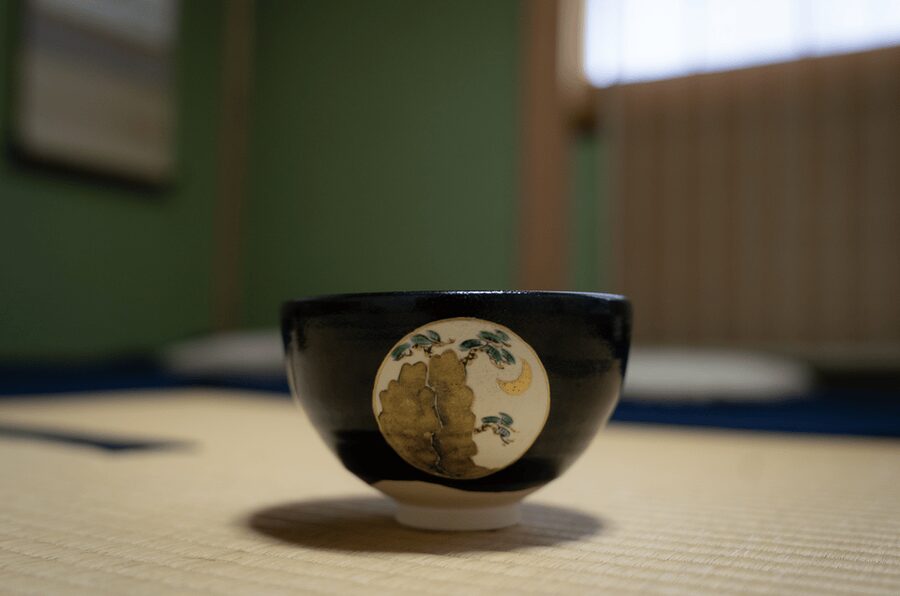
- Thirty years of tea experience: Learn from a seasoned teacher who can explain both the movements and their meaning.
- A six-person small group: The limited size gives you a better chance to follow the matcha preparation and ask questions.
- Your own bowl of matcha: You may whisk the powdered tea yourself under close guidance.
- Traditional sweets included: Matcha is served with dried sweets, an important part of the tea setting.
- A useful Kyoto location: The tea room is about 15 minutes from Kamogawa Delta and Demachiyanagi Station.
- A gentle first tea ceremony: English instruction and a welcoming approach make this suitable for beginners.
Entering a small Kyoto tea room near Kamogawa Delta
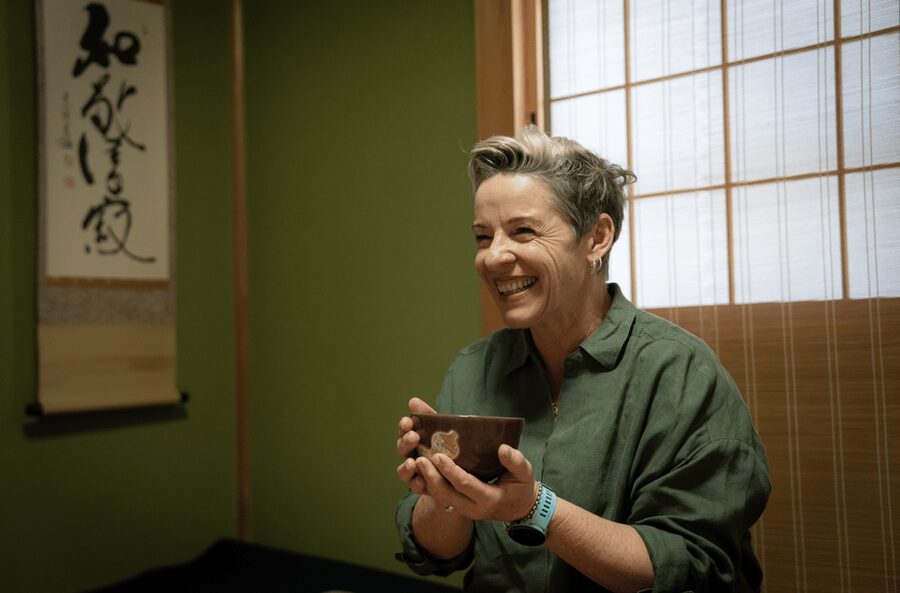
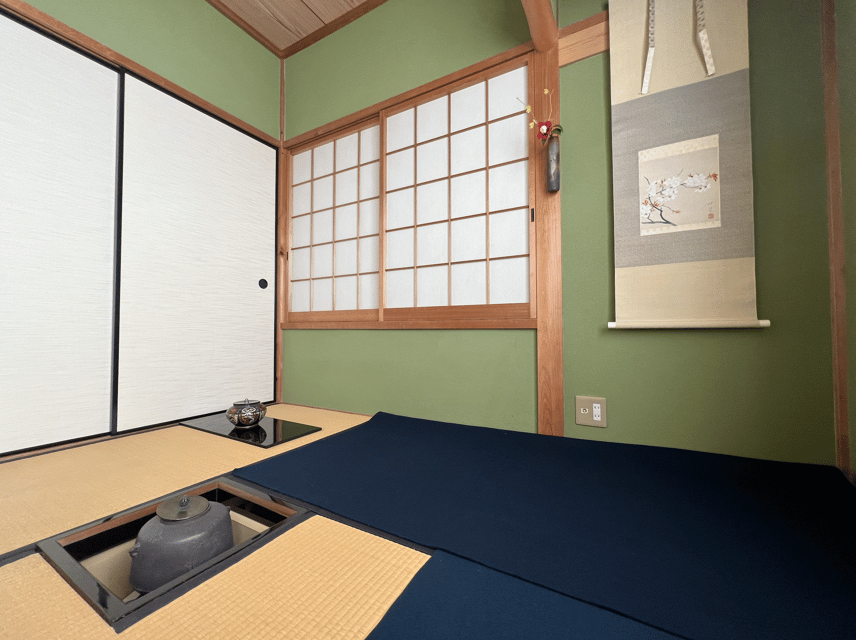
The first appeal is the setting. You are not being sent across the city for a long formal program. The tea room is close to two useful Kyoto reference points: Kamogawa Delta and Demachiyanagi Station, each about a 15-minute walk away.
At the meeting point, look for the Japanese house and the sign marked Tisato. That instruction matters because small residential-style locations can be easy to pass if you are expecting a large venue or a prominent tourist attraction. I would allow a little extra time to find the entrance, especially if you are navigating Kyoto for the first time.
Kamogawa Delta is a pleasant place to pair with the ceremony. The riverside area is known for quiet scenery and local life, making it a good place to slow down before or after your hour in the tea room. Demachiyanagi Station also gives you a practical base for continuing toward Kibune Shrine or Rurikou Temple.
The location does not promise a grand temple hall or sweeping garden. That is part of the appeal. You are entering a smaller, more intimate setting where the focus stays on the teacher, the tea, and the careful actions in front of you.
Other tea ceremonies in Kyoto people book:
- Kyoto: Tea Ceremony in a Traditional Tea House in Kiyomizu
★ 4.9 · 3,519 reviews - Kyoto: Tea Ceremony Ju-An at Jotokuji Temple
★ 4.9 · 3,207 reviews - Kyoto: 45-Minute Tea Ceremony Lesson Experience
★ 4.3 · 2,378 reviews
What the one-hour ceremony actually teaches you
This is not simply a cup of matcha served in a quiet room. The teacher introduces the tea ceremony as a practice shaped by order, care, and attention. You learn why the preparation follows precise movements, and how those movements create a sense of calm.
The exact sequence may feel unfamiliar at first. That is normal. The point is not to perform perfectly on your first attempt. The teacher’s job is to show you how the powdered tea is handled, how the whisk is used, and how the preparation reflects the spirit of Japanese tea culture.
The instruction is in English, which makes a major difference. You can understand what you are doing rather than copying a series of gestures with no context. The session is designed for people with no previous experience, while still offering useful background if you have attended a ceremony before.
You should expect a balance of explanation and participation. The teacher talks you through the tradition, then gives you the chance to prepare tea yourself. It is a hands-on lesson, but not a rushed workshop. The small group helps keep the pace manageable.
Making matcha yourself, one careful step at a time
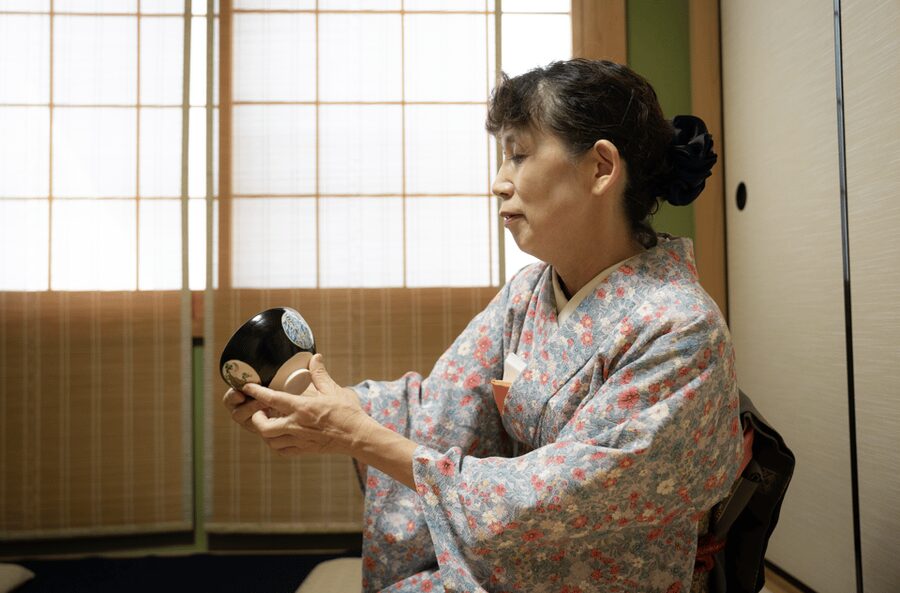
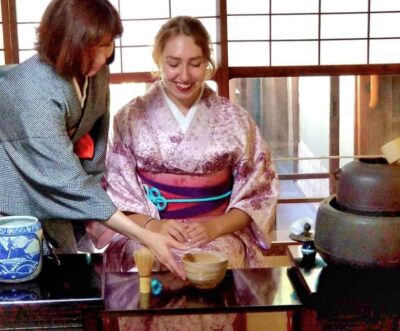
The most memorable part for many people will be preparing their own tea. Matcha is powdered green tea, and it is whisked rather than steeped like ordinary loose-leaf tea. Under the teacher’s direction, you learn the basic actions needed to turn the powder and water into a smooth drink.
This is where the six-person limit earns its keep. In a large class, you might struggle to see the demonstration or hesitate to ask for help. With no more than six participants, the teacher can keep an eye on the process and correct small mistakes without making you feel self-conscious.
The activity is not presented as a test. The aim is to help you understand the care built into the ceremony. The whisking, the measured movements, and the quiet pace all ask you to pay attention to the moment instead of hurrying toward the finished drink.
You can choose to make your own tea. That flexibility suits different personalities. Some people want to take part at once, while others prefer to watch the first demonstration before trying. If you are traveling with children or someone who feels unsure about formal customs, the welcoming tone should make the session easier to approach.
Matcha and traditional dried sweets
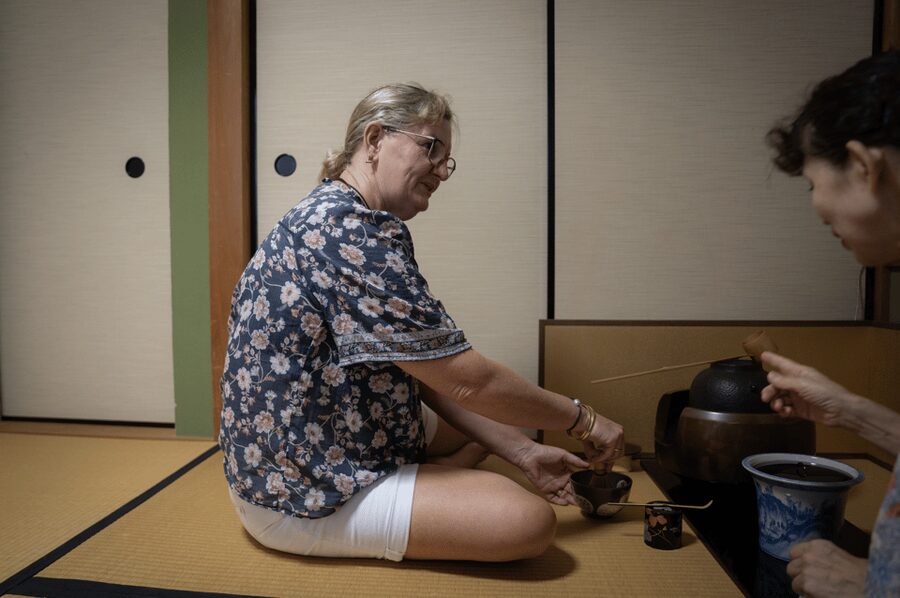
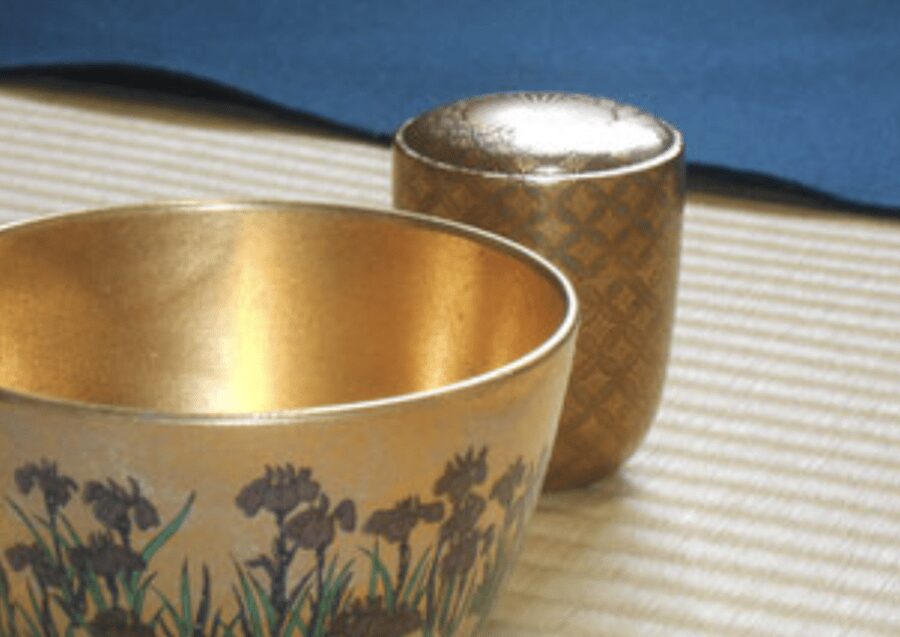
The tea is served with traditional dried sweets. These are not just a snack added to the booking. In a tea ceremony, the sweet helps balance the bitter, grassy taste of matcha and prepares your palate for the tea.
The pairing also gives the session a simple rhythm. You receive the sweet, learn about the tea, and take part in the preparation. The food element is modest, but it helps make the ceremony more understandable as a complete custom rather than a demonstration of one drink.
The tea and sweets have earned especially warm praise for their taste. You should come expecting a traditional Japanese refreshment, not a full meal. If you need lunch or an afternoon snack, plan that separately around the one-hour session.
Other tea rooms and ceremonies in Kyoto:
- Kyoto: Table-Style Tea Ceremony at a Kyo-Machiya
★ 4.9 · 1,211 reviews - Kimono Tea Ceremony at Kyoto Maikoya, NISHIKI
★ 5.0 · 911 reviews - Kyoto: Arashiyama Bamboo Forest, Monkeys, Matcha & Temple Tour
★ 5.0 · 759 reviews - Kyoto: Tea Museum Tickets and Matcha Grinding Experience
★ 4.9 · 739 reviews
Why the teacher matters here
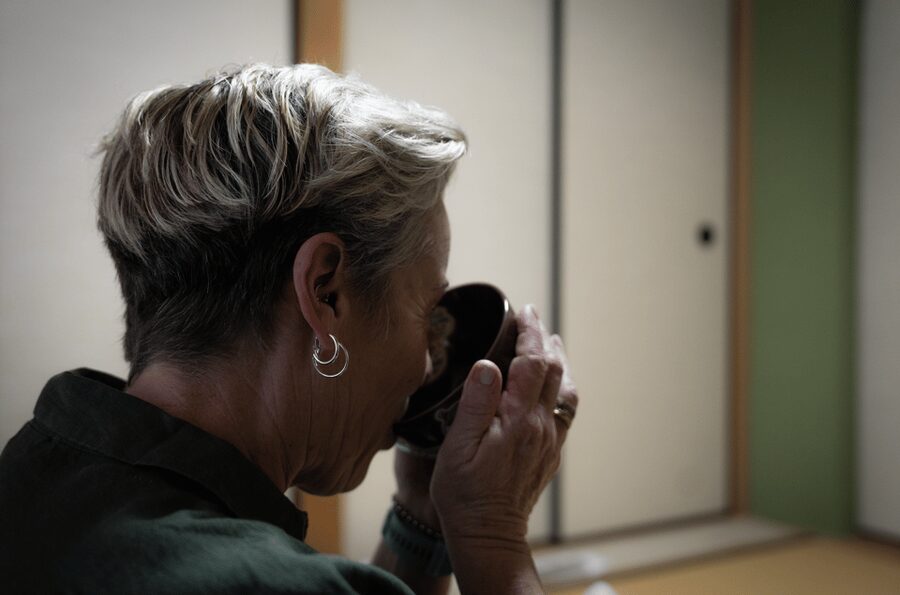
A tea ceremony depends on more than attractive utensils and quiet music. The teacher’s explanations shape the whole experience. Here, the instructor has more than 30 years of expertise, which gives the lesson a strong foundation.
Ms. Yamazaki is specifically noted as a kind and patient teacher. Those qualities matter in a ceremony where the gestures can feel exacting. A patient instructor lets you ask why something is done, repeat a movement, and enjoy the process without worrying about getting every detail right.
The strongest praise centers on clear explanations, patience, and an authentic feel. That combination is useful for a first visit to Japan because the ceremony can otherwise seem closed off to outsiders. You get help with the actions, but also a sense of the values behind them.
Do not expect a lecture on every school of Japanese tea. The hour is an introduction. Its value lies in giving you a clear, human entry point into a tradition that can look complicated from the outside.
A calm pause in a busy Kyoto schedule
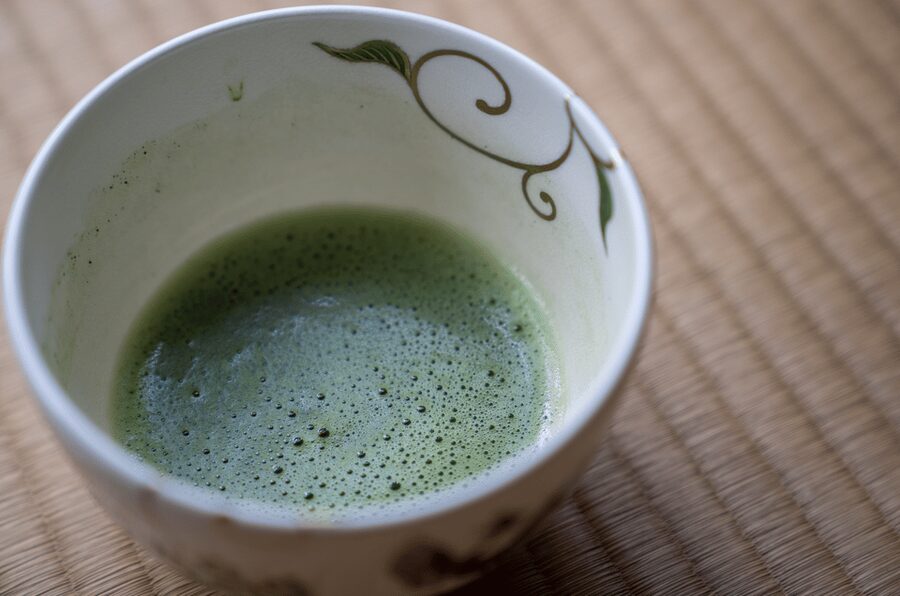
Kyoto rewards slow travel, but its famous sights can make that difficult. A tea ceremony gives you one hour with a fixed purpose and a quiet pace. You sit, listen, prepare matcha, and notice small details.
That makes this experience useful between larger sightseeing stops. You could combine it with time at Kamogawa Delta, then walk to the tea room. Afterward, Demachiyanagi Station puts you in a good position for the route toward Kibune Shrine or Rurikou Temple.
The nearby sites are not included in the ceremony, so you should treat them as planning options rather than part of the one-hour activity. The benefit is flexibility. You can make the tea session one calm stop in a day built around the northern and eastern parts of Kyoto.
The location also gives you a chance to see a quieter side of the city. You are not only moving between headline attractions. You are using a local neighborhood setting as the backdrop for a cultural lesson.
Who will get the most from this experience
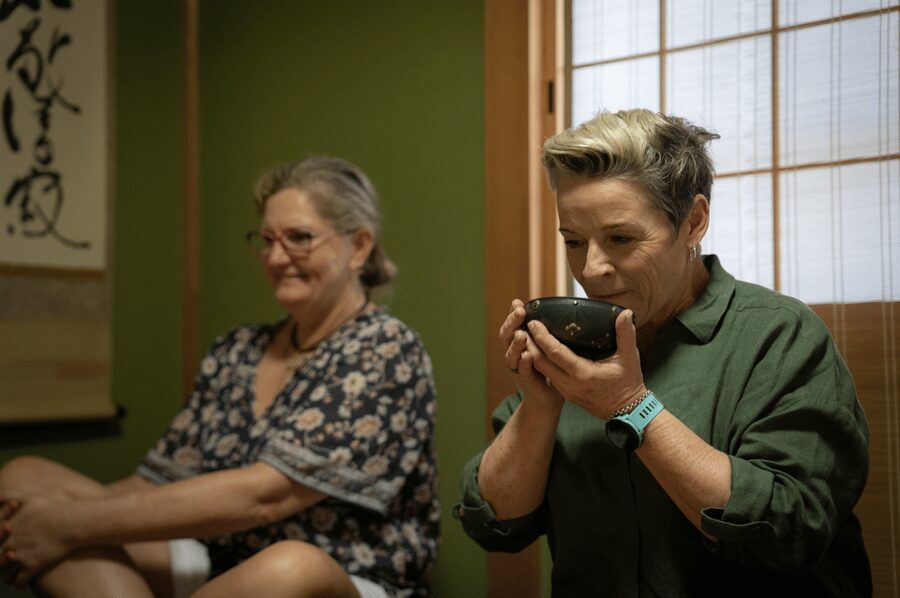
This session suits first-time visitors who want a cultural activity that is easy to understand. You do not need previous knowledge of Japanese tea ceremonies, and the English-speaking teacher removes a major barrier.
It also works well for solo visitors and couples who prefer a small group. With only six participants, the experience should feel more personal than a large demonstration. You will have a better chance to participate and ask questions.
Families and mixed-age groups may appreciate the relaxed approach, though the supplied details do not specify age requirements. If your group includes someone who is nervous about formal etiquette, the teacher’s patience and beginner-friendly structure are useful advantages.
This is less suitable if you want a long, elaborate ceremony with several hours of ritual. The program lasts one hour and is best understood as a focused introduction. It gives you a taste of the tradition and the chance to make matcha, rather than an advanced course in tea practice.
Is $38 a fair price for one hour?
At $38 per person, the cost is reasonable if you value instruction and personal attention. You are paying for more than matcha and sweets. The price includes the ceremony, English guidance from an experienced teacher, and the chance to prepare tea yourself.
The small group adds value. A cheaper, larger demonstration might show you the basic actions but leave little room for questions or personal guidance. Here, the group is capped at six, so the teacher can keep the session interactive.
The value is strongest for visitors who want cultural context. If you only want to taste matcha, you can find less expensive ways to drink tea in Kyoto. If you want to understand the customs and take part in the preparation, this hour gives you a more complete experience.
The short duration also helps with scheduling. You do not need to give up half a day, and the nearby Kamogawa Delta and Demachiyanagi area make it easy to add another stop before or after.
Practical planning for your visit
Book with the meeting point in mind. You need to find a Japanese house with the Tisato sign, and the venue is about a 15-minute walk from both Kamogawa Delta and Demachiyanagi Station.
Check the available starting times before planning the rest of your day. The activity lasts one hour, but your walking time and any time spent finding the house need to fit around it.
The session is conducted in English. Matcha tea and traditional dried sweets are included, while the provided details do not list other food or drinks.
You can cancel up to 24 hours in advance for a full refund. A reserve-now, pay-later option is also available, which helps if your Kyoto plans are still shifting.
Should you book the Kyoto tea ceremony?
Book it if you want a short, personal introduction to Japanese tea culture, especially if you are new to the ceremony. The combination of a teacher with 30 years of experience, clear English instruction, a six-person limit, and hands-on matcha preparation gives the hour real substance.
I would especially recommend it as part of a day around Kamogawa Delta and Demachiyanagi. You can enjoy the riverside setting, attend the tea session, and then continue toward nearby cultural sites.
Skip it if you want a grand temple setting, a long formal ritual, or a full meal. For everyone else, $38 is a fair price for a calm, well-guided cultural stop that lets you do more than watch.
FAQ
How long does the tea ceremony last?
The tea ceremony lasts one hour.
How much does the experience cost?
The price is $38 per person.
Is the instruction given in English?
Yes. The instructor provides English guidance.
How many people can join the group?
The group is limited to six participants.
Can I make my own matcha?
Yes. You may prepare your own tea under the teacher’s guidance if you wish.
What is included with the tea ceremony?
The experience includes the tea ceremony, instruction from an experienced teacher, matcha tea, and traditional dried sweets.
How far is the tea room from Kamogawa Delta and Demachiyanagi Station?
The tea room is about a 15-minute walk from Kamogawa Delta and about a 15-minute walk from Demachiyanagi Station.
Just added in Kyoto
- Kyoto: Zen Meditation at a Private Temple with a Monk★ 5.0 · 25 reviews
- Private Cooking Class Udon in Kyoto Japan★ 5.0 · 23 reviews
- Your Private Vacation Photography Session In Kyoto★ 5.0 · 110 reviews
- Private Pewter Sake Cup Experience with a Kyoto Artisan★ 5.0 · 31 reviews
- Kyoto Wagashi(Japanese sweets) Cooking Class near Fushimiinari★ 5.0 · 60 reviews
- Kyoto:Family-Friendly Kimono & Yukata Experience at WARGO★ 5.0 · 147 reviews
- Private Guided Traditional Buddhist Cooking in Japan★ 5.0 · 16 reviews
- Kyoto: Gion Geisha District & Sake-in-Hand Walking Tour★ 5.0 · 37 reviews
Tea Ceremony Experiences, compared.

Tea Ceremony in a Traditional Tea House in Kiyomizu
Read our review →

World Heritage Kyoto & Nara Uji Authentic Matcha Experience
Read our review →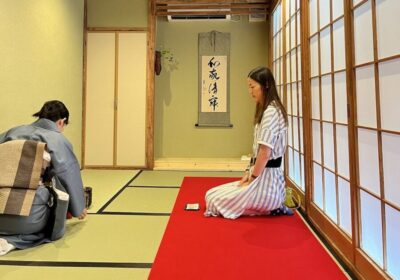
Arashiyama Bamboo Forest, Monkeys, Matcha & Temple Tour
Read our review →Browse the lists this tour appears in