Reviewed · TOURS IN KYOTO
Let’s make only one original onigawara in the world
Kyoto has no shortage of souvenirs, but few begin as a lump of clay under your hands. In this workshop, artisan Yuya shows you how to shape an onigawara, the fierce-faced roof ornament made to protect Japanese buildings from evil and rainwater. Your finished piece is fired in a kiln and sent home later.
I like two things here. First, the step-by-step method makes a difficult craft manageable, even if you have never touched clay. Second, each oni ends up different, shaped by your own hands rather than pulled from a shop shelf. The main catch is practical: shipping costs extra, and the finished tile may take several weeks, or around two months, to arrive.
Key points to know
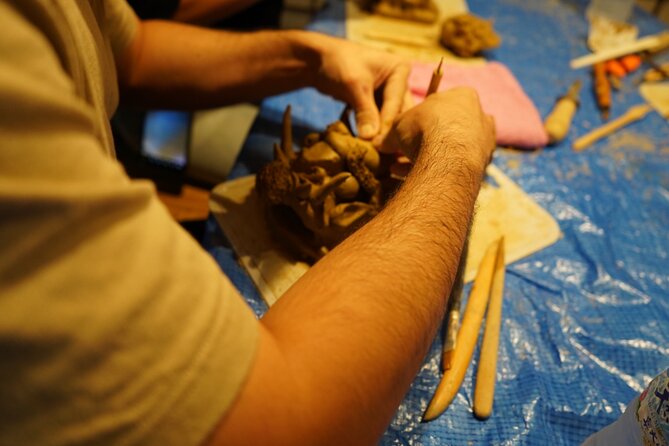
- Make a real clay guardian: Build a small demon-faced onigawara from the ground up rather than painting a ready-made object.
- Yuya teaches beginners patiently: His clear instructions work for first-time clay workers, teenagers, and children.
- Small classes mean useful help: The usual maximum is five people, though larger groups can be arranged at another location.
- Your piece is fired after class: The clay must dry and be kiln-fired before it can be shipped.
- Allow more than the advertised two hours: Several sessions have taken close to three hours, especially for careful beginners.
- Bring clothes that can get dirty and cash for shipping: An apron is not included, and delivery is paid separately.
Why an onigawara makes such a good Kyoto souvenir
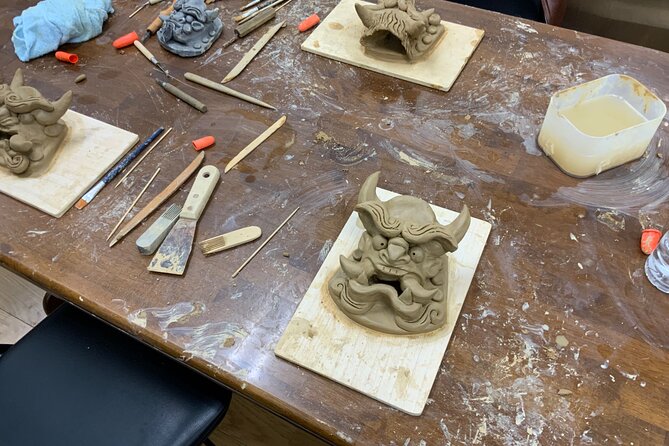
An onigawara is not simply a small sculpture with an angry face. These tiles traditionally sit at the ends of the main roof ridge, where their carved demon faces serve as protective ornaments. They also help shield the roof from rainwater.
As you walk around Kyoto, you will see related roof decorations on temples and older buildings. The faces can look fierce, comic, stern, or almost animal-like. That makes your own piece more interesting after the class, since you can compare your handmade oni with the roof guardians around the city.
I like the meaning behind the object. A purchased souvenir may remind you that you visited Kyoto. An onigawara also reminds you of the time spent shaping it, making mistakes, correcting them, and slowly seeing a face appear.
The class uses a simplified process developed to make this traditional form possible within a short workshop. Originally, making an onigawara was difficult work. Here, the build is broken into manageable stages, so you do not need the skills of a professional sculptor.
Other experiences people book in Kyoto:
- PERFECT KYOTO 1-Day Bus Tour
★ 5.0 · 13,518 reviews - Kyoto: Fushimi Inari, Kinkakuji, Bamboo Grove 1 Day Bus Tour
★ 4.8 · 4,316 reviews - Kyoto: Tea Ceremony in a Traditional Tea House in Kiyomizu
★ 4.9 · 3,519 reviews
Arriving at Kawarakoubou You家 in Higashiyama
The meeting point is 瓦工房 You家, also written as Kawarakoubou You家, at 373-2 Yamazakichō in Kyoto’s Higashiyama Ward, postal code 605-0841. The workshop is near public transportation, and the activity both starts and ends at the same location.
This is a working craft setting rather than a grand cultural attraction. That is part of its appeal. You are not watching a polished stage demonstration from a distance. You are sitting down with clay and following the same general tradition used for Japanese roof ornaments.
The space is small, so the regular class has a maximum of five participants. That size matters. Yuya can watch how you are handling the clay, correct a shape before it causes trouble, and explain a step again when needed. Some bookings have effectively become private lessons when only one or two people attend.
Larger groups can also be accepted, with capacity listed at up to 40 people. The location changes for those bookings, so you should not assume that a large party will use the regular studio. Ask about the arrangement before booking a group event.
Building the oni from a lump of clay
The workshop begins with an introduction to kawara, the traditional roof tiles of Japan, and the role of onigawara in architecture. Yuya then leads you through the construction process.
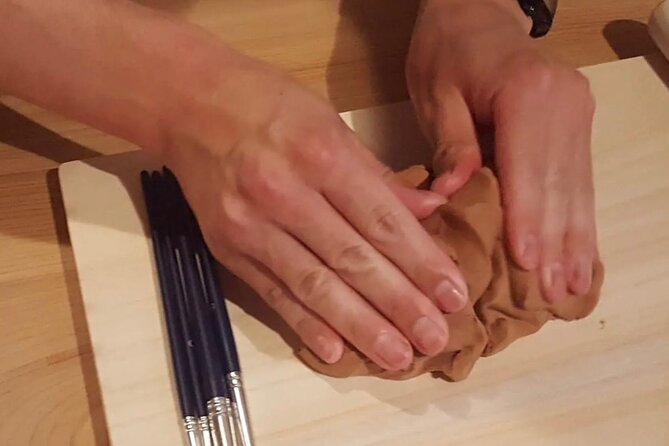
You do not start by freely sculpting a demon from imagination. Instead, the finished figure is built in stages. This is helpful because a snarling guardian face can look intimidating to a beginner. The process gives you a set of forms to make, while still leaving room for your own choices in expression and shape.
You will work with natural clay, so expect your hands and possibly your clothing to get dirty. An apron is not included. Wear practical clothes that you will not mind marking with soil, especially if you are working with children.
The workshop suits people who consider themselves clumsy with their hands. That is not just a polite promise. The method is built around simple steps and repeated guidance. The supplied information specifically says that children and people with little confidence in craft can make an oni.
Still, do not mistake simple instructions for a completely effortless project. One session with adults and a 17-year-old took almost three hours, and the class moved at a fairly brisk pace. At points, you may wonder if your piece is misshapen or beyond repair. The finished form often looks much better once the separate parts come together, but you need to follow the process and resist the urge to judge the clay too early.
What Yuya adds to the workshop
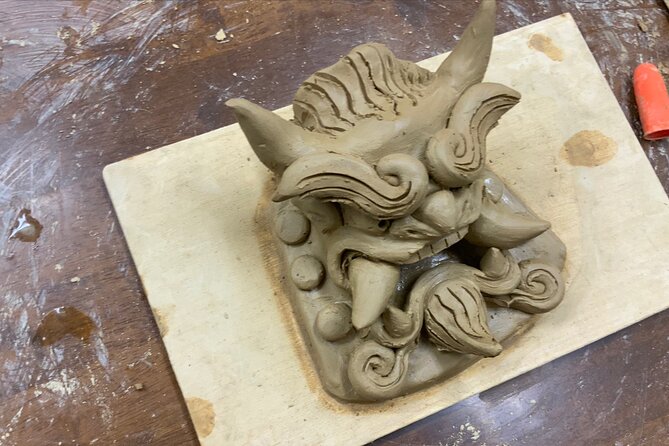
Yuya is both the instructor and an active onigawara artisan. His strongest role is breaking a complicated object into clear, short steps. He demonstrates each technique, then gives you time to copy it.
His English is described as clear enough for instruction, with occasional limits in casual conversation. That is not a problem for the core class. The method is shown as well as explained, and he checks that everyone understands before moving ahead.
I also like the tone of the teaching. Yuya offers suggestions rather than taking over your design. If your oni develops an unusual expression or a personal twist, he helps you improve it instead of forcing every piece to look identical.
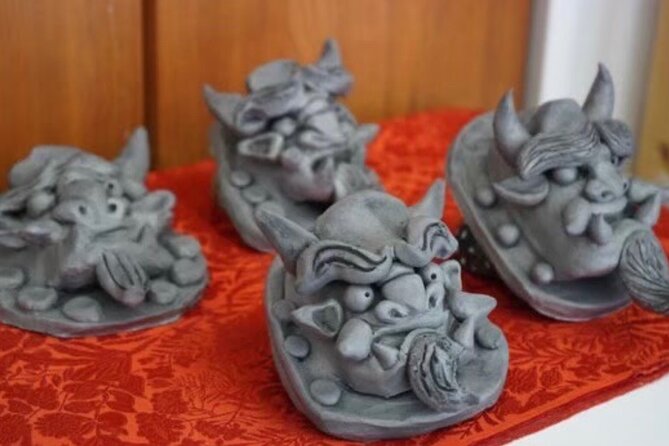
That balance is important. You want enough guidance to make a successful tile, but not so much that the result feels like Yuya made it for you. The class follows the same basic recipe, yet each person’s finished face, proportions, and surface details can look quite different.
The atmosphere can be conversational. Yuya has spoken with participants about family businesses, travel, fishing, and other everyday subjects. You should not expect a formal lecture in perfect English. Expect a friendly craft lesson with cultural information woven into the work.
Same base, a different sort of day:
- Kyoto Geisha Walking Tour: Gion District & Hidden Gems
★ 4.7 · 3,273 reviews - Kyoto: Tea Ceremony Ju-An at Jotokuji Temple
★ 4.9 · 3,207 reviews - Kyoto: Gion Magical Night Walking Tour with Geisha Trivia
★ 4.9 · 2,393 reviews - Kyoto: 45-Minute Tea Ceremony Lesson Experience
★ 4.3 · 2,378 reviews
From wet clay to a fired keepsake
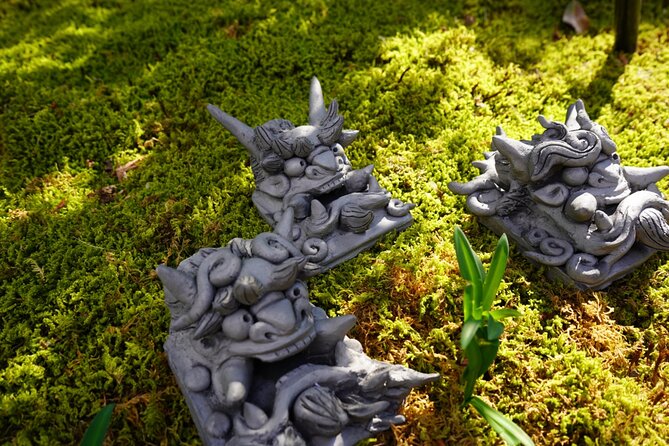
Your onigawara is not ready to take home at the end of the class. Yuya fires the piece in a kiln at the factory after it has dried and cured.
This waiting period is one of the most important practical details. One account describes about a month for the clay to dry, while another says the completed piece arrived in about two months. Treat the delivery window as variable rather than planning around a firm date.
The shipping cost is not included in the $89.17 activity price. It is paid separately, and the exact amount depends on the delivery arrangement. Bring cash, since one participant specifically noted paying the shipping fee in cash at the end of class.
This extra cost can feel awkward because you already know you will want the piece shipped. It would be useful to know the amount in advance, but the fee is handled separately. You should budget for it before booking and confirm the current price with the provider.
The wait is part of the charm, but it also means you cannot inspect the fired result before leaving Japan. Make sure the provider has the correct home delivery information. The finished pieces have been shipped safely, including one that arrived without damage, but ceramics always deserve careful packing.
How long should you allow?
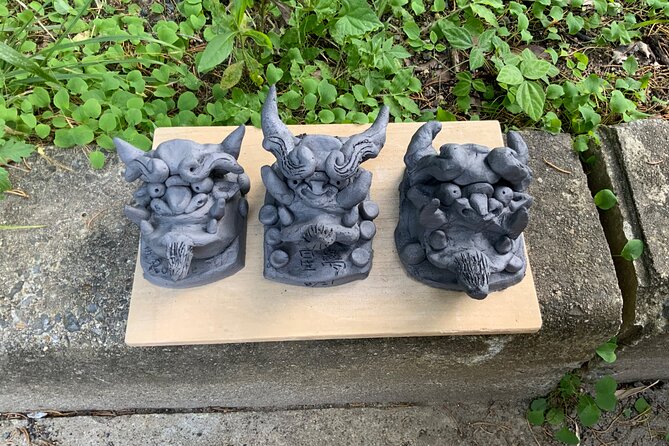
The listed duration is about two hours. In practice, you should leave a little more time in your day.
A quick, confident participant may finish near the stated duration. Beginners who work carefully may need closer to three hours. One class with six people ran almost three hours, and another first-time clay worker reported taking about three hours to complete the piece.
The pace is not a flaw, but it affects your Kyoto plans. Do not schedule a temple visit across town with only a narrow transfer window afterward. The workshop ends back at the meeting point, so you can continue from Higashiyama once the class is over, but give yourself breathing room.
The activity is a particularly good break from a day of walking. Kyoto sightseeing can involve long hours on your feet, crowded lanes, and repeated temple interiors. Sitting down to work with clay gives you a different kind of focus without asking you to stop engaging with Japanese culture.
Is the $89.17 price good value?
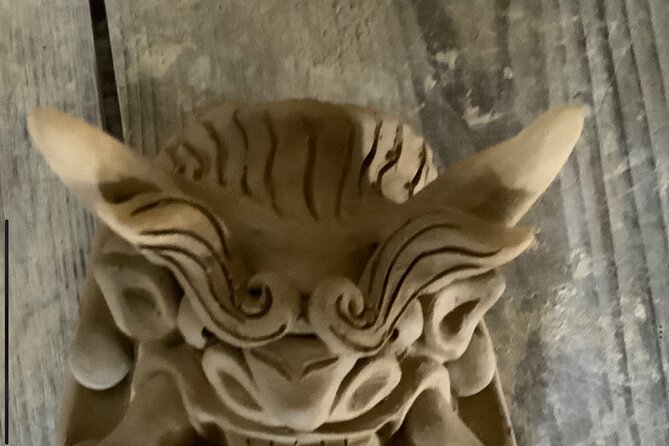
At $89.17 per person, this is not a cheap souvenir-making session. The value comes from the instruction, the small class format, the kiln firing, and the delivery of an object you made yourself.
You are paying for more than two hours of materials. You receive an introduction to kawara and onigawara, personal guidance from an artisan, and the chance to create a traditional form that would be difficult to make without help. Bottled water is included.
Shipping is the key extra expense. Add it to your mental budget before comparing this with other Kyoto craft activities. If you only want a small item to pack in your luggage, a shop-bought souvenir will cost less and arrive immediately.
I think the price makes better sense for couples, families, and people who value process over convenience. The finished tile is not just a decorative object. It carries the memory of your own effort, including the slightly crooked parts that make it yours.
Group discounts are available, and groups of five or more can be accepted. Larger groups can be accommodated up to 40 people, but the location changes. For the most personal instruction, the regular five-person limit is the better fit.
Who will enjoy this most?
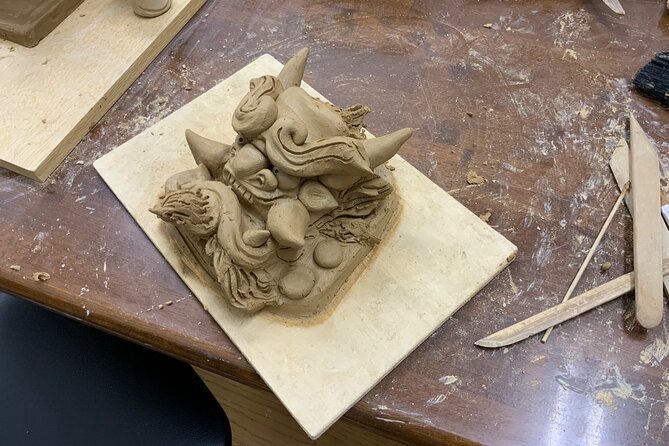
This workshop is a strong choice for families with artistic children, teenagers, couples, and adults who want something more active than sightseeing. You do not need previous pottery or sculpture experience.
It also works well for a mixed-ability group. A confident sculptor can add personal details, while a complete beginner can follow the basic forms. The teacher’s guidance keeps the gap from becoming too frustrating.
You should choose something else if you dislike getting messy, need a finished souvenir in your suitcase that same day, or have a strict two-hour schedule. The clay takes time to dry, the firing happens later, and the delivery period can stretch to several weeks.
The activity is also a good fit if you have already seen Kyoto’s major temples and want to understand one small architectural detail more closely. Afterward, you may find yourself looking up at roof ridges and spotting demon-faced ornaments you would otherwise have missed.
Practical advice before you book
Wear clothes that can handle soil. The activity information says an apron is not included, so bring your own if you want extra protection.
Plan for a longer session than two hours. If you are traveling with children or a group, the slower pace may be more enjoyable, but it can also extend the visit.
Bring cash for the separate shipping fee. The exact delivery cost is not included in the booking price, and the final piece must be sent home after firing.
Check your booking confirmation carefully for the meeting point. Regular sessions meet at Kawarakoubou You家 in Higashiyama, while larger groups may use a different location.
The activity accepts service animals, is near public transportation, and says that most people can participate. Confirmation is provided at booking. Free cancellation is available if you cancel at least 24 hours before the local start time. Changes or cancellations inside that window are not accepted for a refund.
Should you book the onigawara workshop?
Book it if you want a Kyoto souvenir with a story and are willing to wait for it. Yuya’s clear teaching makes the process friendly to beginners, while the small class size gives you room to shape something personal.
The strongest reasons to go are the hands-on work, the cultural link to Kyoto’s roofs, and the surprise of seeing a rough lump of clay become a guardian face. The main drawbacks are the separate shipping fee, the uncertain delivery wait, and the fact that the session may last closer to three hours.
For a family, creative couple, or solo visitor looking for a break from temple hopping, I think this is a smart choice. If you need instant souvenirs or dislike clay under your fingernails, spend the money elsewhere. Otherwise, this small oni may become one of the most meaningful things you bring home.
FAQ
Where does the onigawara workshop meet?
The regular meeting point is 瓦工房 You家, also called Kawarakoubou You家, at 373-2 Yamazakichō, Higashiyama Ward, Kyoto, 605-0841, Japan.
How long does the activity last?
The listed duration is approximately two hours. Some sessions have taken close to three hours, especially for beginners or larger classes.
How many people can join a regular class?
The activity has a maximum of five participants for the standard workshop. Groups of five or more can also be accepted, with larger arrangements held at a different location.
Is shipping included in the price?
No. Shipping is paid separately, and the cost is not included in the $89.17 activity fee. Cash may be needed for the shipping payment.
When will the finished onigawara arrive?
The piece must dry, cure, and be fired before it is shipped. The stated experiences indicate a wait ranging from several weeks to about two months.
Do I need experience with clay?
No. The workshop is designed for beginners, including children and people who consider themselves clumsy with their hands. Yuya demonstrates the process step by step.
What should I wear?
Wear clothes that may get dirty because the activity uses soil. An apron is not included.
Just added in Kyoto
- Kyoto: Zen Meditation at a Private Temple with a Monk★ 5.0 · 25 reviews
- Private Cooking Class Udon in Kyoto Japan★ 5.0 · 23 reviews
- Your Private Vacation Photography Session In Kyoto★ 5.0 · 110 reviews
- Private Pewter Sake Cup Experience with a Kyoto Artisan★ 5.0 · 31 reviews
- Kyoto Wagashi(Japanese sweets) Cooking Class near Fushimiinari★ 5.0 · 60 reviews
- Kyoto:Family-Friendly Kimono & Yukata Experience at WARGO★ 5.0 · 147 reviews
- Private Guided Traditional Buddhist Cooking in Japan★ 5.0 · 16 reviews
- Kyoto: Gion Geisha District & Sake-in-Hand Walking Tour★ 5.0 · 37 reviews
Tours in Kyoto, compared.


Tea Ceremony in a Traditional Tea House in Kiyomizu
Read our review →
Kyoto Geisha Walking Tour: Gion District & Hidden Gems
Read our review →


Gion Geisha District Walking Tour – Stories of Geisha
Read our review →
Best of Kyoto: Gion, Geisha, Pagodas & Cobblestones
Read our review →