
Reviewed · WALKING TOURS
Nishiki Market Brunch Walking Tour (7 Tastings + Brunch)
The best part of this Kyoto morning is not simply eating seven samples. It is having a guide lead you through Nishiki Market’s narrow food lanes while explaining what you are seeing, how locals eat it, and which stalls deserve your attention. The route also adds Pontocho, Gion-area sights, and Nishiki Tenmangu before finishing with brunch.
I like the small-group format, especially when the group is limited to six, because market stalls can be tight and questions are easier to answer. I also like the mix of tasting and orientation: guides such as Yuki, Yusuke, Chie, Hikaru, Emi, and Takaya have been praised for clear English, cultural context, and useful food advice for the rest of a Kyoto visit.
The main caution is food quantity and consistency. Seven tastings does not always mean seven full portions, and some samples may be small vendor handouts. The brunch has pleased many people, but the restaurant setting and menu can feel limited to some. Dietary restrictions are a serious concern here, too.
Key points before you book
- Seven market tastings plus brunch: You receive seven kinds of food samples and a sit-down meal, but portions may vary.
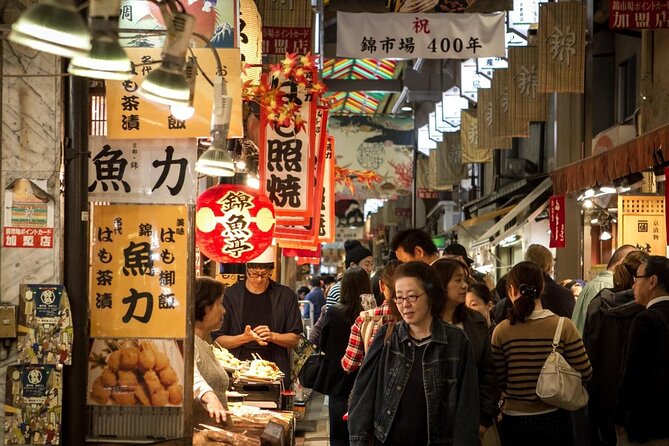
- A compact walking route: The tour covers Shijo Bridge, Pontocho, Nishiki Tenmangu, and about two hours inside Nishiki Market.
- Small groups help in crowded lanes: The advertised group size is up to six, while the additional information allows as many as ten.
- The guide shapes the experience: Yuki, Yusuke, Chie, Hikaru, Emi, Takaya, and others have been praised for food tips and cultural explanations.
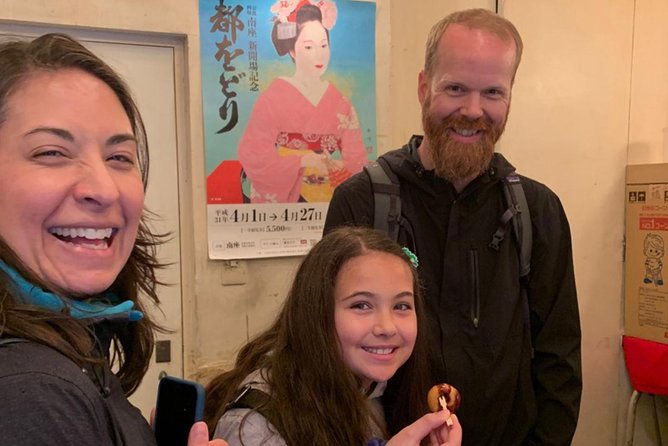
- Photos are provided: You can put your phone away during the tour and receive photos afterward.
- Not suitable for every diet: Gluten-free requests cannot be accommodated, and allergy-free preparation is not guaranteed.
Why Nishiki Market works so well for a first food tour
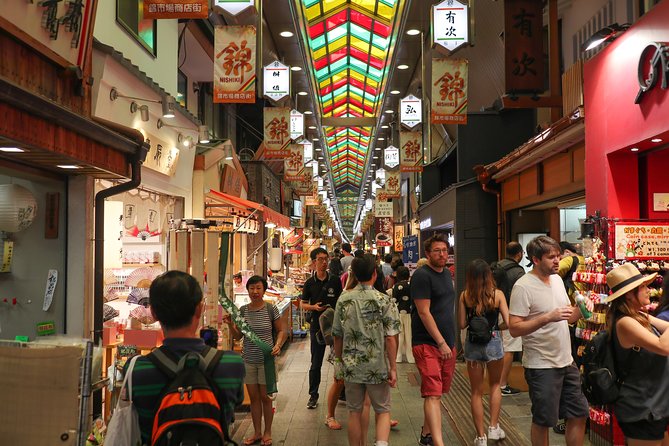
Nishiki Market is often called the kitchen of Kyoto, and the name makes sense once you enter its covered shopping street. It is a long, concentrated run of food shops and stalls where you can see ingredients, snacks, pickles, sweets, seafood, and prepared dishes in one walk.
The trouble is that a market can be hard to read on your own. Signs may not explain much in English. Some foods look familiar but taste quite different, while others are easy to pass simply because you do not know what they are. A guide gives you a starting point and removes some of the guesswork.
That is the real value here. You are not paying only for food. You are paying for a route through a crowded place, an interpreter of local food customs, and someone who can answer the small questions that make a meal more meaningful.
Still, you should keep expectations in check. This is not a succession of seven restaurant courses. The food stops can include modest portions and market samples, and you may want to buy extra items if something catches your eye. Additional food and drinks are not included.
Other walking tours in Kyoto people book:
- Kyoto Geisha Walking Tour: Gion District & Hidden Gems
★ 4.7 · 3,273 reviews - Kyoto: Gion Magical Night Walking Tour with Geisha Trivia
★ 4.9 · 2,393 reviews - Kyoto: Gion Geisha District Walking Tour – Stories of Geisha
★ 4.7 · 2,187 reviews
Starting at Shijo Bridge and walking through Pontocho
The meeting point is by the Statue of Izumo-no-Okuni near Shijo Bridge in Kawabatacho. The bridge stop itself is brief, about five minutes, but it places you near one of central Kyoto’s best-known crossing points.
From there, the group walks through the Pontocho District for about 15 minutes. Pontocho is famous for its narrow lane and traditional dining atmosphere. In the daytime, it is a quieter introduction to an area that becomes more active later in the day.
I like this opening because it gives you a little context before the food begins. You are not dropped directly into a market with no sense of place. On the other hand, if you booked this purely to eat, the first stretch may feel like a delay. Some people also find that they have already heard parts of the Kyoto, geisha, Shinto, or Buddhist background on another tour.
The guide makes a real difference here. A warm, engaging guide can turn a short walk into a useful introduction. A less communicative guide can make the opening feel slow, especially if there are long pauses or explanations that are hard to follow.
Nishiki Tenmangu adds a quiet pause
The next stop is Nishiki Tenmangu, where you have about 15 minutes to look around the shrine. It offers a welcome change from the commercial energy of the market and gives the tour a cultural stop that is not centered on eating.
This is also a good place to ask questions about Japanese religious customs, local traditions, or the role of shrines in daily life. Several guides have been praised for adding this kind of cultural information instead of sticking only to food.
The shrine visit is short, so do not expect an extended temple tour. Its purpose is to add shape to the morning. You get a bridge, a historic entertainment lane, a shrine, and then the market. That makes the outing feel like a small Kyoto orientation as well as a tasting walk.
Two hours inside the 400-year-old market
Most of the tour, about two hours and 15 minutes, is devoted to the Nishiki Market Shopping District. This is where the experience either earns its price or feels unnecessary, depending on your guide and your expectations.
A good guide can point out shops you might walk past, explain unfamiliar ingredients, and help you understand how market food fits into Kyoto cooking. Yuki has been singled out for taking people inside several shops, while Takaya has been praised for answering questions and offering food tips. Guides such as Yusuke and Hikaru have also been appreciated for combining food with stories about Kyoto culture.
The market is crowded, particularly at popular times. You will be walking slowly, stopping often, and sharing narrow lanes with people shopping and eating. Comfortable shoes matter. A bottle of water is sensible, especially in warm weather.
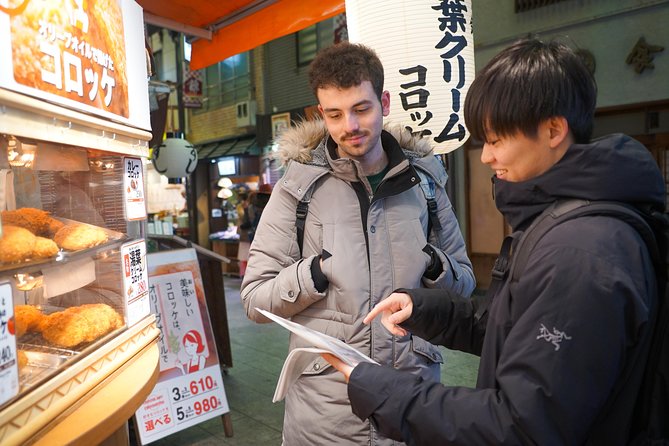
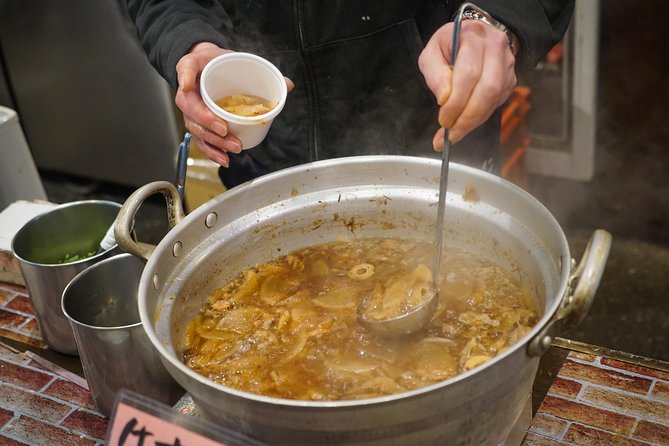
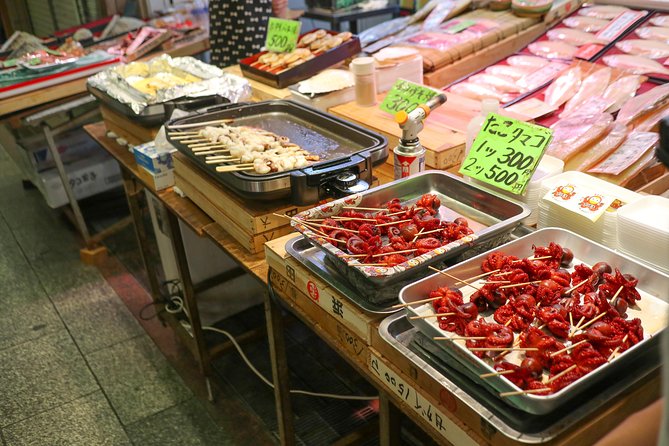
The tour includes seven kinds of tastings, but the exact food is not specified in advance. That keeps the experience tied to what is available, but it also means you should not book expecting a fixed menu. A steamed dumpling has been a favorite on some outings. A meat skewer shown in promotional material has not always been available, so photographs should not be treated as a promise of particular dishes.
Some samples may be quite small. At certain stalls, a tasting can be a free sample offered to people who stop by. Other portions are more substantial. This is why I see the seven tastings as a broad introduction rather than a full meal.
You can improve the value by treating the tour as a guided sampler. If you discover a food you like, use your own money to buy more. The guide’s recommendations can help you avoid wasting money on an item that does not suit you, though personal taste always wins in the end.
Other guided walks in Kyoto:
- Kyoto Gion Geisha District Walking Tour – The Stories of Geisha
★ 5.0 · 1,441 reviews - Kyoto Arashiyama Walking Tour: Bamboo, Monkeys, Gardens & Secrets
★ 5.0 · 1,216 reviews - Kyoto Gion: 2-Hour Geisha Culture & History Walking Tour
★ 5.0 · 1,186 reviews - Kyoto: Izakaya Bars Guided Walking Tour
★ 4.9 · 815 reviews
What the brunch adds, and where it may disappoint
The included brunch is served at a restaurant after the market portion. It gives you a proper sit-down meal and prevents the tour from being just a series of bites eaten while standing in a busy lane.
Many people have found the brunch delicious, with some especially liking the atmosphere and the chance to choose among several options. Others have found the selection narrow, with one account describing a bookstore cafe and a limited meal. The practical lesson is simple: do not assume a large restaurant feast or a drink pairing.
The brunch can also be more valuable after you have tasted market foods. You arrive with a better sense of Kyoto flavors and can ask the guide about what you are eating. In that way, the meal acts as the finish to the morning rather than an unrelated lunch stop.
If you are very hungry, consider eating a small breakfast before the tour. One person specifically recommended doing so, even though the outing includes a large amount of food overall. That advice makes sense because the start time is described as a breakfast tour, yet the tastings may be uneven and the sit-down meal comes later.
The guide matters more than the food list
This experience has received a very high overall rating, and the strongest praise focuses on the guides. That is important because the itinerary itself is straightforward. You walk, stop, taste, and eat. The personality and skill of the guide determine how much you learn and how smoothly the morning runs.
Guides named in strong feedback include:
- Yuki, praised for market access and food discoveries
- Yusuke, appreciated for cultural explanations and introducing unfamiliar foods
- Takaya, noted for answering questions and giving practical food advice
- Chie, liked for humor, energy, and suggestions for the rest of a Kyoto visit
- Hikaru, praised for making the brunch and market visit informative
- Emi, recognized for explaining food, culture, and local customs
- Reiki, praised for clear English and thorough guidance
- Rakel, noted for connecting well with a family that included a teenager
The experience is not guaranteed to feel identical with every guide. There has been at least some criticism of late starts, unclear explanations, and long quiet stretches. If the guide is not actively explaining the market, much of what you are paying for can be replicated by walking through Nishiki on your own.
That is the central risk. A strong guide turns ordinary samples into a lesson in Kyoto food culture. A weak guide leaves you with small bites and a walk you could have arranged yourself.
Is $68.31 a fair price?
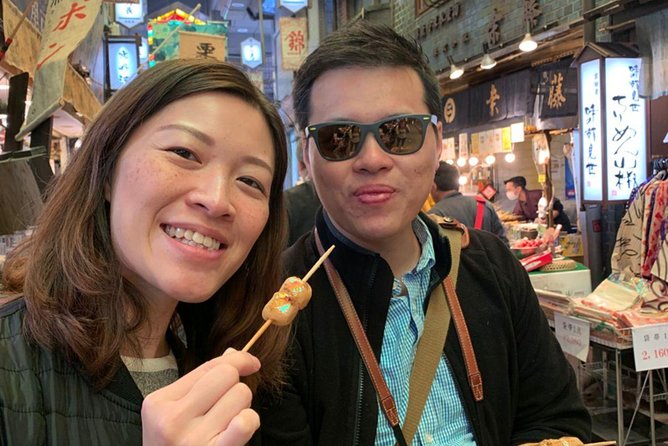
At $68.31 per person, the tour sits above the cost of simply entering Nishiki Market and buying a few snacks. The price includes seven tastings, brunch, a certified MagicalTrip guide, and photos taken during the tour.
The value is strongest if you are new to Kyoto, unsure how to order or sample foods, or interested in the cultural meaning behind what you eat. A small group also saves you time and gives you a better chance to ask questions than a large coach-style outing.
The value is weaker if you are comfortable exploring markets alone, want large portions, or prefer to spend the full budget directly on food. One person felt the market offered little that could not be found independently. That criticism is fair. Nishiki Market is accessible, and you can certainly wander through it without a guide.
I would judge the price by the service rather than the quantity of food. Think of it as a three-hour introduction with food included, not a cheap way to buy brunch.
Group size, timing, and physical comfort
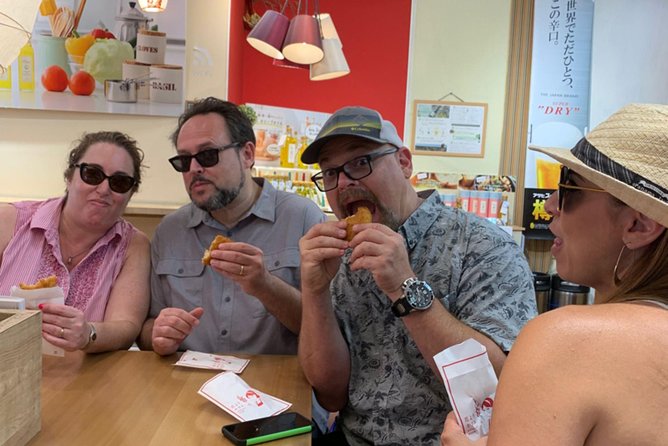
The tour is described as a small-group experience with a maximum of six, though the additional information allows up to ten participants. That difference is worth noting. A six-person group should feel personal; a ten-person group can still work, but it may be harder to gather around a stall or hear every explanation.
The walk lasts about three hours. The market portion is long enough to become tiring if you are not used to standing and moving through crowds. Wear comfortable shoes and prepare for the season.
Kyoto’s temperatures can be severe. Summer highs may reach 40°C, while winter lows can fall to -5°C. The route is outdoors as well as under market cover, so dress for the forecast, carry water, and do not treat the covered market as full protection from heat or cold.
The tour starts near public transportation and ends at Nishiki Market on Nishiki Tenmangu Street. It does not return you to the original meeting point, so plan your next stop from the market area.
Photos are provided, which is a pleasant touch. You can concentrate on tasting and listening instead of trying to photograph every plate. That said, you should still ask the guide if you want a photo of a particular moment, since the service is not described as a full personal photo shoot.
Dietary restrictions need careful thought
This is not a suitable choice for gluten-free diners. Gluten-free requests cannot be accommodated.
Allergy-free preparation is also not guaranteed. The food comes from kitchens that are not controlled by MagicalTrip, and substitutions may not be possible at every stop. The operator asks you to provide dietary requests or allergies at least one day before the tour and will try to compensate at other stops, but you should not book expecting a fully customized menu.
If you have a serious allergy, contact the provider before paying and make sure you understand the limits. The market setting makes cross-contact and uncertain ingredients more likely than in a restaurant chosen specifically for dietary needs.
Who will enjoy this Kyoto morning most?
I would recommend this tour to you if you are visiting Kyoto for the first time, like trying unfamiliar foods, and want a guide to remove the awkwardness of entering small shops. It is also useful for families and couples who want cultural context without committing to a full-day food program.
It suits curious eaters more than serious diners. You will sample a range of foods, but the portions are not guaranteed to be generous. You should also be comfortable with a busy public market and a walk that includes several short sightseeing stops.
I would skip it if you prefer complete control over where you eat, need strict dietary accommodation, or already know Nishiki Market well. You can spend the same money on individual dishes and drinks, possibly with more food, though you will give up the guide’s explanations and the ease of a planned route.
Should you book the Nishiki Market Brunch Walking Tour?
Book it if the idea of a guided introduction to Kyoto food appeals to you more than a carefully planned restaurant meal. The combination of Pontocho, Nishiki Tenmangu, seven samples, and brunch gives you a useful first look at central Kyoto, and a strong guide can make the morning memorable.
Go in expecting small and varied tastings, not seven full courses. Tell the operator about allergies at least a day ahead, but do not rely on substitutions. If you accept those limits, the $68.31 price is reasonable for a compact food and culture orientation, particularly in a group of six.
Free cancellation is available when you cancel at least 24 hours before the start time. Changes or cancellations inside that window are not refunded, and poor weather may lead to a new date or a full refund.
FAQ
How long does the Nishiki Market Brunch Walking Tour last?
The tour lasts approximately three hours.
How many food tastings are included?
Seven kinds of tastings are included, along with brunch at a restaurant.
What places does the tour visit?
The route includes Shijo Bridge, Pontocho District, Nishiki Tenmangu, and Nishiki Market.
Where does the tour start and end?
It starts at the Statue of Izumo-no-Okuni near Shijo Bridge in Kawabatacho, Higashiyama Ward. It ends at Nishiki Market on Nishiki Tenmangu Street.
How large is the group?
The tour is advertised as a small-group experience with a maximum of six people, though the additional tour information allows up to ten participants.
Is a gluten-free menu available?
No. Gluten-free requests cannot be accommodated.
Can the tour accommodate food allergies?
Allergy-free preparation cannot be guaranteed. You should report allergies or dietary requests at least one day before the tour, but substitutions may not be possible at every stop.
Can I cancel for a full refund?
Yes, if you cancel at least 24 hours before the experience start time. Cancellations made less than 24 hours before the start time are not refunded.
Just added in Kyoto
- Kyoto: Private Photoshoot Service★ 5.0 · 158 reviews
- Kyoto Rickshaw Tour★ 5.0 · 210 reviews
- Kyoto: Traditional Concert at Townhouse or Bathhouse★ 4.9 · 224 reviews
- Ninja 2-hour Hands-on Lesson by Japanese master in Kyoto -Medium★ 5.0 · 218 reviews
- Kyoto: Arashiyama Bamboo, Temple, Matcha, Monkeys & secret spots★ 5.0 · 219 reviews
- Izakaya Style Cooking Class★ 5.0 · 219 reviews
- Kyoto: Gion & Pontocho Food Tour with 13 Dishes★ 4.9 · 235 reviews
- Kyoto: Afternoon Japanese Izakaya Cooking Class★ 4.9 · 241 reviews
Walking Tours, compared.
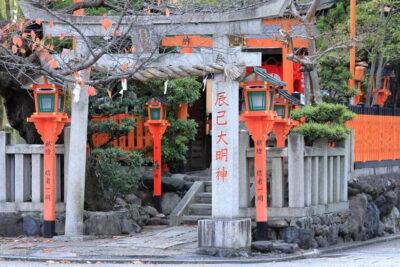
Kyoto Geisha Walking Tour: Gion District & Hidden Gems
Read our review →
Tokyo Tsukiji Fish Market Food and Culture Walking Tour
Read our review →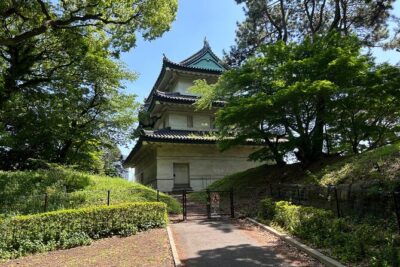
Imperial Palace and Shogun Historical Walking Tour
Read our review →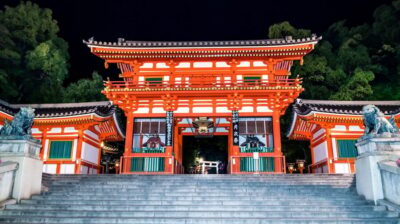
Gion Geisha District Walking Tour – Stories of Geisha
Read our review →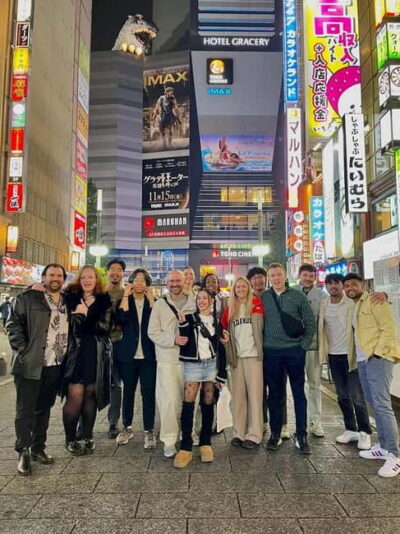
Shinjuku Local Bar and Izakaya Guided Walking Tour
Read our review →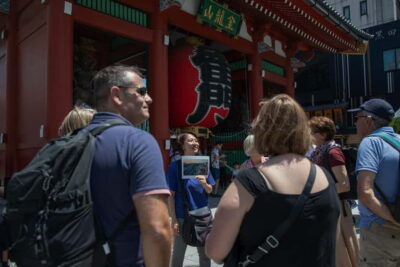
Asakusa Walking Tour with Sensoji Temple Visit
Read our review →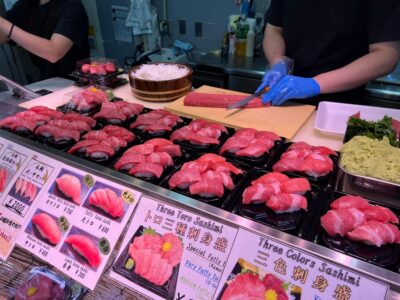
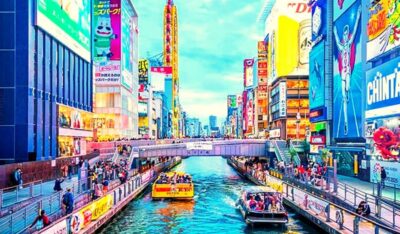
Hotspots & Hidden Gems Walking Tour Private or Group
Read our review →Browse the lists this tour appears in