
Reviewed · TSUKIJI & TOYOSU FISH MARKET TOURS
Tokyo: Tsukiji Fish Market Guided Walking Tour
Tsukiji is best understood with your appetite switched on. This two-hour walk takes you from the carved halls of Tsukiji Hongwanji into a maze of seafood stalls, dried goods shops, sweets counters, and street-food stands where you can try foods you might never spot on your own.
I like the way the tour combines food with context, rather than treating the market as a string of random snacks. I also like that you choose what to buy at each stop, which helps if you dislike seafood, have a small appetite, or want to spend carefully. The main drawback is simple: the $22 price does not include food, and several tempting items can cost more than expected.
Key points to know before you book
- Start at Starbucks by Tsukiji Station: Your guide waits by the bench outside the station-front café.
- Begin with Tsukiji Hongwanji: The 15-minute temple visit gives you a useful introduction to local beliefs, architecture, and the district.
- Spend most of the tour eating and browsing: About 100 minutes are devoted to Tsukiji Outer Market.
- Choose your own food: Try tamago, sushi, oysters, wagyu, eel, sea urchin, sweets, or nothing at all. Purchases are optional.
- Expect a small English-speaking group: The maximum is 10 people, making it easier to ask questions and keep together in crowded lanes.
- Bring cash and a flexible appetite: The guide can point out good stalls, but food and drinks are paid for separately.
Why Tsukiji still matters after the wholesale market moved
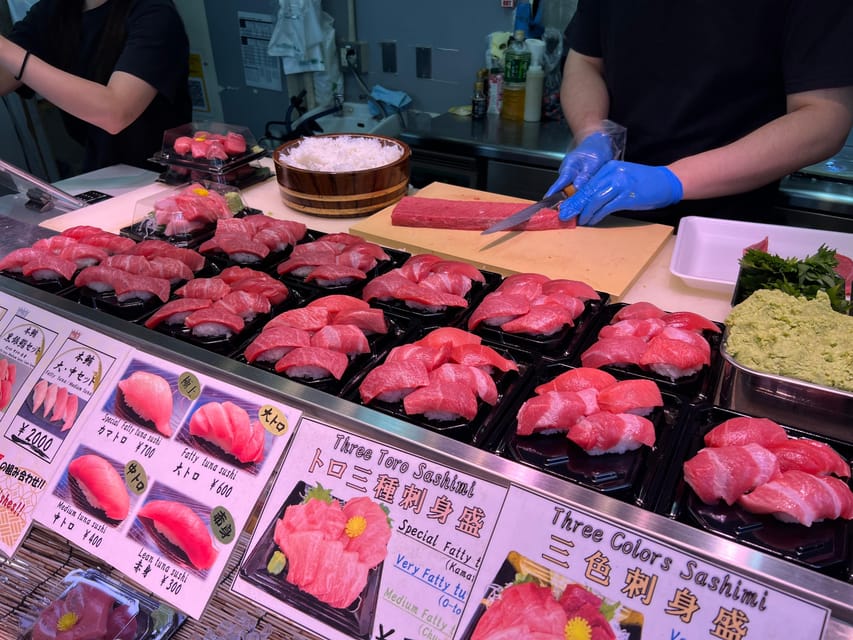
Many people arrive in Tokyo expecting Tsukiji to be the city’s main wholesale fish market. That role moved to Toyosu in 2018, but Tsukiji’s outer market remains a major food district, with shops selling seafood, produce, knives, dried ingredients, sweets, and prepared food.
That distinction matters. This tour does not take you through the famous tuna auction at Toyosu. Instead, you walk through the public-facing market where cooks, shopkeepers, and curious eaters browse ingredients and snack from small counters.
I think that makes this a better fit for anyone interested in how Japanese food reaches the table. You see ingredients in their selling environment, then learn what they are used for and how they fit into Japanese cooking.
The market can feel confusing at first. Streets are narrow, signs may be unfamiliar, and several stalls sell similar-looking products. A guide helps you decide where to pause and how to order without wasting half the morning finding your bearings.
Other walking tours in Tokyo people book:
- Tokyo Tsukiji Fish Market Food and Culture Walking Tour
★ 5.0 · 3,184 reviews - Tokyo: Imperial Palace and Shogun Historical Walking Tour
★ 5.0 · 2,251 reviews - Tokyo: Shinjuku Local Bar and Izakaya Guided Walking Tour
★ 4.9 · 1,794 reviews
Meeting your guide at Tsukiji Station
The meeting point is the Starbucks Coffee in front of Tsukiji Station, officially listed as Starbucks Coffee Tsukiji Station. Your guide waits in front of the bench outside.
Allow a few extra minutes to find the café and identify the guide. The group may include up to 10 people, and the tour leaves on foot. You return to the same Starbucks area at the end, so this is an easy activity to fit between other central Tokyo plans.
The tour lasts two hours. That is long enough for a solid introduction, but not long enough to cover every lane or eat a full meal at every stop. You should arrive ready to walk, stand, and make quick decisions at food counters.
The operator provides an English-speaking guide. Names connected with recent departures include Jim, Rie, Yayoi, Haydn, Sayaka, Minori, Nicolas, Joe, Kiwa, Shino, and Miko. The individual style will vary, but the strongest pattern is clear: guides do more than point toward stalls. They explain ingredients, help with ordering, answer questions, and keep the group moving through crowded spaces.
Tsukiji Hongwanji gives the food walk a cultural start
The first stop is Tsukiji Hongwanji, about a five-minute walk from the meeting point. You spend roughly 15 minutes there on a guided visit.
The temple is known for its unusual exterior carvings and calm interior. It gives the tour a useful change of pace before you enter the market. Instead of beginning with a quick snack and a list of unfamiliar foods, you get an introduction to the area’s religious and cultural setting.
I especially like this opening because it prevents the market from feeling like a food-only attraction. Your guide can explain details about the temple, local beliefs, and the neighborhood before connecting those ideas to Japanese food customs.
Do not expect a long temple tour. Fifteen minutes is enough to look around and hear an explanation, not enough for a full study of the building. Still, it is a worthwhile first stop, particularly if you have just arrived in Tokyo and want some cultural background before eating.
Some guides may also point out nearby shrines or temples during the walk, as happened on some departures. Treat those additions as a bonus rather than a guaranteed part of the route.
Entering Tsukiji Outer Market with a guide
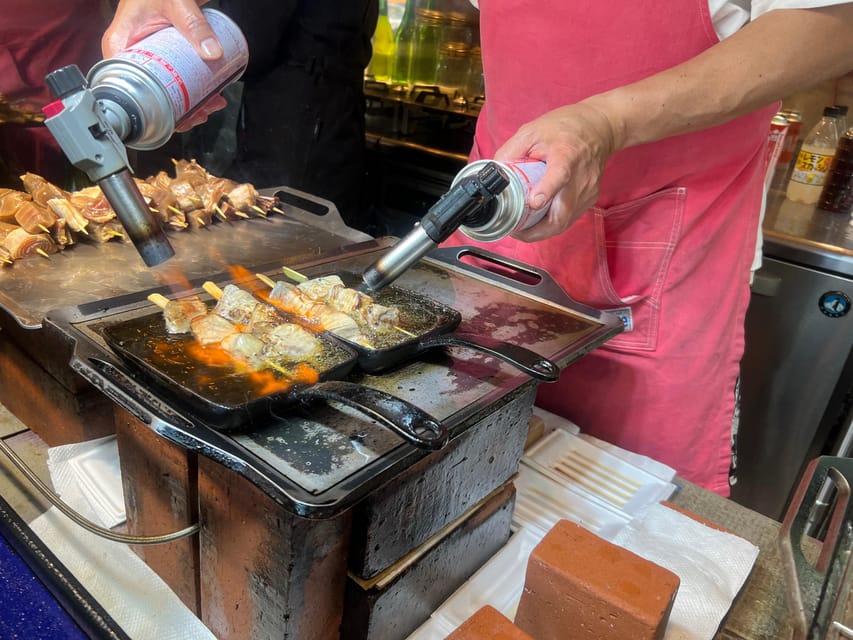
After the temple, you walk about five minutes to the outer market. This is where most of the tour takes place, with about 50 minutes listed for one market section and another 50 minutes for continued shopping and guided exploration.
That time is the heart of the experience. You may pass seafood counters, fruit and vegetable stalls, dried fish shops, spice and ingredient sellers, sweets stores, and small places serving cooked food. The point is not simply to see fish on ice. It is to understand the range of ingredients used in Japanese kitchens.
Your guide can explain the difference between products, suggest ways to eat them, and tell you which foods are worth trying. You might hear about sushi and sashimi, dried seafood, unusual fish, specialty spices, Japanese sweets, or ingredients that are hard to identify without help.
The market is often crowded, even on a weekday morning. You need to stay close to the guide and expect a stop-and-start pace. That can be tiring if you dislike crowds, but it is also why the small group matters. A group of 10 is easier to manage than a large coach party, and you can usually ask questions without shouting across a crowd.
Other market mornings in Tokyo:
- Tokyo: Tsukiji Fish Market Food and Walking tour
★ 5.0 · 1,724 reviews - Tokyo Sushi Making Class in Tsukiji with Professional Chef
★ 5.0 · 1,177 reviews - Tsukiji Fish Market Guided Tour and Sushi Making with Pro Chef
★ 5.0 · 775 reviews - Tokyo: Tsukiji Fish Market Food and Culture Walking Tour
★ 4.7 · 757 reviews
The food choices are flexible, not a fixed tasting menu
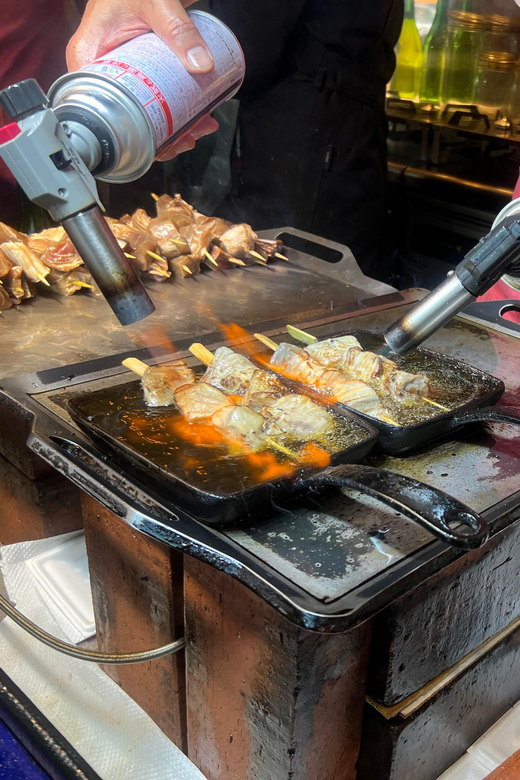
This tour’s biggest practical advantage is the optional food. The $22 covers the guide and the walking tour, but not what you eat or drink. At each stall, you decide what interests you and pay the seller directly.
That arrangement works well for mixed groups. One person can try seafood while another chooses beef or sweets. If you do not like fish, you can still sample tamago, wagyu, desserts, or other non-seafood items. One participant who normally avoids seafood still found foods worth trying, while another particularly enjoyed fried eel and sweets.
Possible tastings mentioned by the guides and described by participants include:
- Tamago, the sweet Japanese omelet
- Sushi and fatty tuna
- Oysters and other seafood
- Wagyu beef skewers
- Eel
- Sea urchin
- Sashimi
- Dried fish, shrimp, and scallops
- Nuts, snacks, and traditional sweets
- Matcha-related treats
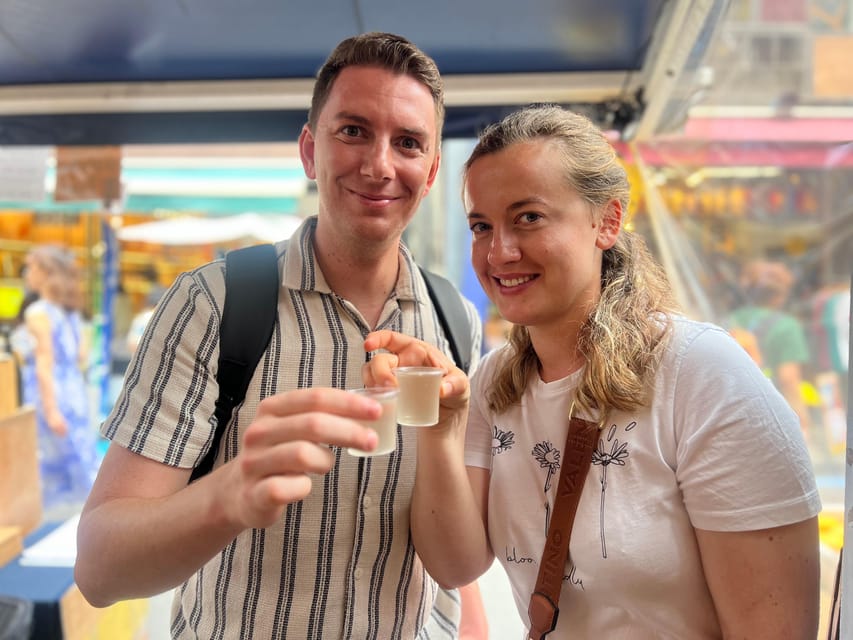
- Sake
You are not expected to buy everything. In fact, you should not. Tsukiji contains plenty of expensive items, and a few bites of premium seafood or wagyu can quickly exceed the tour price.
I suggest bringing enough cash for several small purchases while keeping a spending limit in mind. The tour information specifically tells you to bring cash, and that is important because you should not assume every small stall accepts a card.
Some stalls offer free samples, and guides such as Haydn and Minori have been especially good at finding them. Free samples are useful because you can learn what something tastes like before paying for a larger portion.
Why the guide adds real value

You can walk through Tsukiji without a guide. You can also search for sushi, beef, or sweets on your own. The question is what you would miss.
The market’s value is not only in seeing ingredients. It is in knowing what you are looking at, how it is used, and which stops suit your tastes. A guide can take you directly to selected stalls instead of leaving you to compare dozens of counters while hungry and unsure.
Guides also help with payments and ordering. That makes a real difference when you are facing unfamiliar menus or want to ask about a preference. Sayaka, for example, helped a group order at several food stalls and made it easier to choose according to allergies and personal tastes.
The best guides add local judgment without forcing a set menu. Rie has been praised for making the market easy to navigate and for pointing out local specialties. Jim is associated with explanations of food, culture, and history, while Yayoi and Minori are known for energetic market walks. Haydn has also offered detailed explanations and practical help with avoiding tourist traps.
Your guide will not turn every stall into a long lecture. The experience moves quickly, so explanations are usually tied to what you are seeing or eating. That keeps the information useful rather than academic.
Food culture, not just food photography
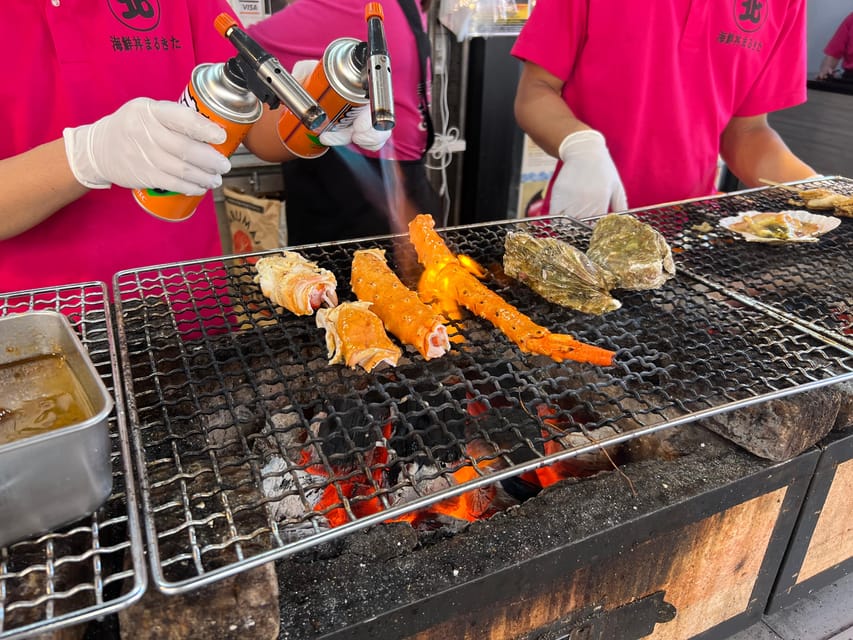
Tsukiji is easy to treat as a backdrop for photographs. This tour is more useful when you pay attention to the connections between ingredients and everyday Japanese cooking.
A dried fish stall can lead to a conversation about pantry staples. A seafood counter can explain how freshness, season, and preparation shape Japanese food. A sweets shop can show you how presentation matters, not just flavor. The guide’s job is to link these small observations.
You also learn how food and local customs overlap. The temple visit, market traditions, sake etiquette, and the care taken with presentation all add pieces to the picture.
The guides bring different perspectives. Some are Japanese locals, while others have lived in Japan for years. That mix can be helpful because a foreign guide may understand the questions first-time visitors tend to ask, while a local guide may offer a closer connection to familiar customs and neighborhood food.
How much value do you get for $22?
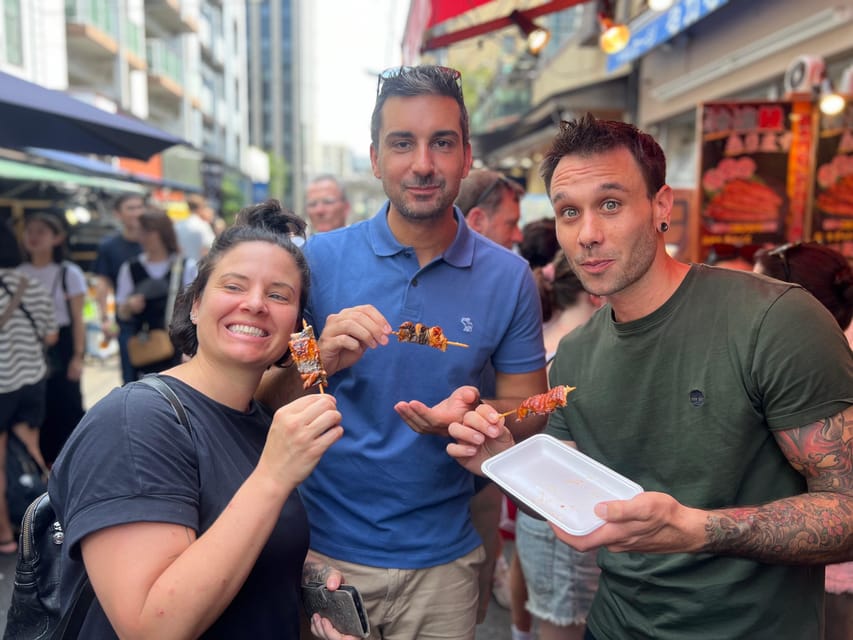
At $22 per person, the tour is reasonably priced if you want direction and explanation rather than a meal package. The fee pays for a two-hour guided walk, access to the temple and market, and photos taken during the tour. Entry fees are free, so there is no separate admission charge to worry about.
The food bill is the variable. You might spend very little if you mainly listen and take small samples, or considerably more if you try premium tuna, wagyu, oysters, sea urchin, sake, and several sweets.
I prefer this structure to an expensive fixed tasting menu because you control the cost and the menu. You do not pay for foods you dislike, and you can choose more adventurous items if you are curious.
The price is less compelling if you already know Tsukiji well or are happy to wander without help. It is also not the right choice if you want a sit-down breakfast or a full meal. Think of it as a guided introduction with optional bites, not an all-inclusive food tour.
Who will enjoy this two-hour walk?
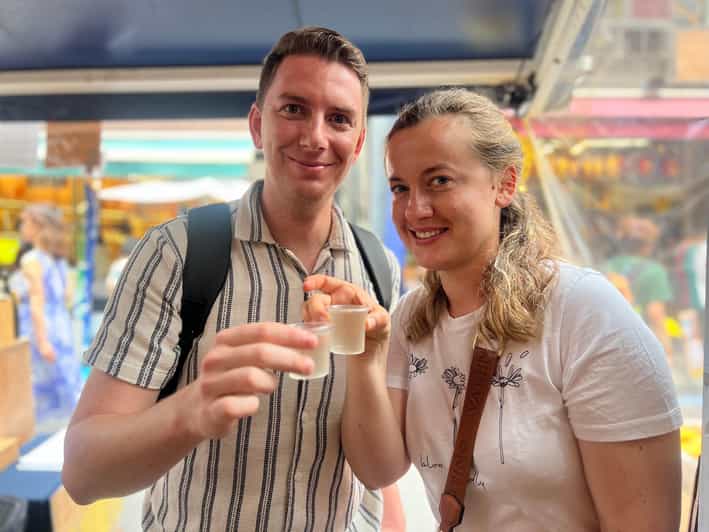
I would recommend it most to first-time visitors, curious eaters, and anyone who finds Japanese food markets a little intimidating. Families and mixed groups can also benefit because each person can choose different foods.
It suits you if you want:
- An English-speaking guide
- A small group capped at 10 people
- A mix of temple culture and market food
- Help finding stalls and ordering
- Freedom to choose your own purchases
- A short activity that fits into a Tokyo sightseeing day
It may not suit you if you need a quiet environment, dislike walking through crowded lanes, or want food included in the booking price. It also requires some flexibility. The exact stalls and foods can vary with availability, timing, and your guide’s route.
People with food allergies or strict dietary needs should speak directly with the guide before buying anything. The flexible ordering helps, but the tour does not promise a set allergy-safe menu.
Small details that make the morning easier
Wear comfortable shoes. You will walk between the station, temple, and market, then stand at stalls while you eat or browse.
Bring cash, as requested in the tour information. Also bring an appetite that leaves room for choices rather than arriving determined to eat a large breakfast beforehand.
Keep your belongings close in crowded areas and stay near the guide. The market lanes can become tight, and the group may pause often.
The tour includes photos taken during the walk. That is a pleasant extra, but I would treat the food and explanations as the main value.
Free cancellation is available up to 24 hours before the tour for a full refund, and you can reserve now and pay later. Starting times vary, so check availability when choosing your date.
Should you book the Tsukiji market tour?
Book it if you want a friendly, guided introduction to Tsukiji and would rather have someone select the best starting points than wander through the market guessing. The combination of Hongwanji Temple, food explanations, optional tastings, and a small English-speaking group makes good use of two hours.
I would especially choose it early in a Tokyo visit. You can use the guide’s recommendations later when you return for sushi, dried goods, matcha, or souvenirs.
Skip it if you already know the market, want a wholesale auction experience, or need a food tour with all tastings included. For most first-time visitors, though, $22 is a fair entry price for local direction. Just budget extra cash for the foods that catch your eye.
FAQ
Where does the Tsukiji tour start?
It starts at Starbucks Coffee in front of Tsukiji Station, listed as Starbucks Coffee Tsukiji Station. Your guide waits in front of the bench outside.
How long does the tour last?
The guided walking tour lasts two hours.
What language is the tour offered in?
The live tour guide speaks English.
How large is the group?
The tour is a small-group experience limited to 10 participants.
Is food included in the $22 price?
No. Food and drinks are not included. You choose and pay for items separately at the market stalls.
What foods might I try?
Possible foods include tamago, sushi, oysters, wagyu beef, eel, sea urchin, sashimi, sweets, dried seafood, snacks, matcha items, and sake. The exact choices are optional.
Do I need to bring cash?
Yes. Cash is listed as an item to bring, and you should have it available for food purchases.
Does the tour visit Tsukiji Hongwanji?
Yes. The itinerary includes a guided visit of about 15 minutes at Tsukiji Hongwanji.
Is admission to the temple and market included?
Entry to Tsukiji Fish Market and Hongwanji Temple is included, and the listed entry fees are free.
Can I cancel for a refund?
Yes. You can cancel up to 24 hours in advance for a full refund. You can also reserve now and pay later.
More walking tours elsewhere in Japan
- Tokyo: Asakusa Walking Tour with Sensoji Temple Visit
★ 4.8 · 1,583 reviews - Tokyo Castle & Imperial PalaceーShogun Walking Tour
★ 4.7 · 1,068 reviews - Tokyo: Imperial Palace Japanese History Walking Tour
★ 4.9 · 987 reviews - Tokyo: Imperial Palace and Shogun Walking Tour
★ 4.9 · 935 reviews
Just added in Tokyo
- Nikko: Edo Wonderland Edomura Cultural Theme Park Ticket★ 4.3 · 205 reviews
- 《MEMBERS-ONLY-BAR-HOPPING》Discover Your Special Whiskey in Tokyo!★ 5.0 · 29 reviews
- Japanese Whisky Hunting《HIGH-QUALITY-ONLY》Rare Tasting Class★ 5.0 · 20 reviews
- Luxury Tokyo Sake, Cocktail, Whisky and Pairing Tour★ 5.0 · 18 reviews
- Wagyu & Sake Pairing in Shinjuku – Steak, Shabu-Shabu & More★ 5.0 · 112 reviews
- Small-Group Wagyu Beef and 7 Japanese Dishes Tokyo Cooking Class★ 5.0 · 190 reviews
- From Tokyo: Private Tour to Fuji/Hakone – Onsen, Art, Nature★ 5.0 · 116 reviews
- Tokyo: KABUKI Show at Kabukiza Theatre Admission Ticket★ 4.8 · 152 reviews
Tsukiji & Toyosu Fish Market Tours, compared.
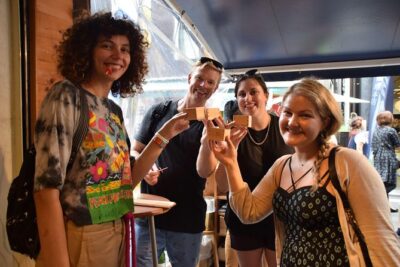
Tokyo Tsukiji Fish Market Food and Culture Walking Tour
Read our review →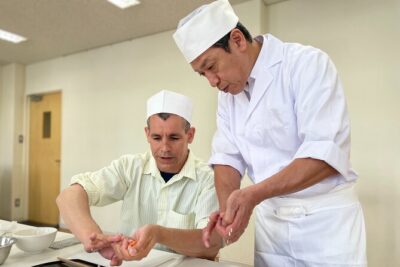
Tokyo Sushi Making Class in Tsukiji with Professional Chef
Read our review →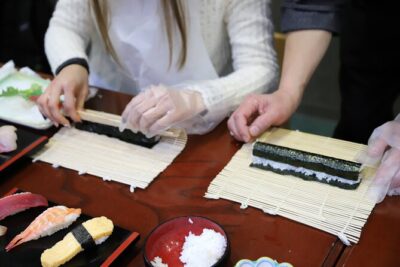
Tsukiji Fish Market Guided Tour and Sushi Making with Pro Chef
Read our review →
Tsukiji Fish Market Small-Group Food Walking Tour
Read our review →
Tsukiji Fish Market Sushi Making Class with Pro Chef
Read our review →
Tokyo Food Tour Taste Fresh Delights at Tsukiji Market
Read our review →
Tokyo Tsukiji Fish Market Tour and Sushi Making Lesson
Read our review →Browse the lists this tour appears in