
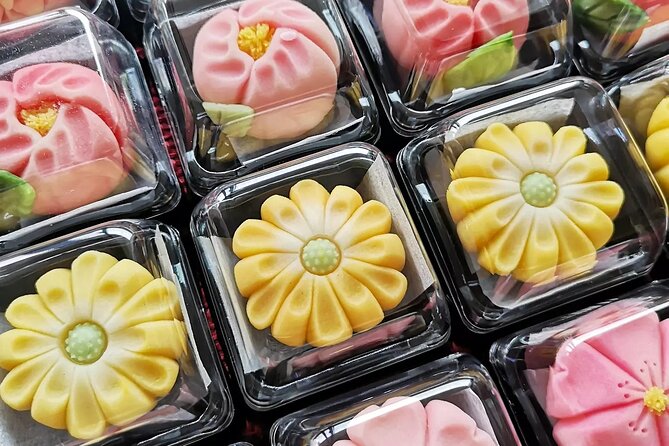
Reviewed · TEA CEREMONY EXPERIENCES
Nerikiri and Matcha Making Class in Kyoto
The most unusual part of this Kyoto class is that you make five nerikiri designs, not just one pretty sweet. You learn how white-bean confection dough is shaped with different tools, then prepare table-style matcha and eat what you made.
I like the small group, limited to eight, and the calm pace. I also like the practical extras: you take leftover sweets home in a supplied container, and you can receive two versions of the dough recipe by email. The main drawback is the firm cancellation policy, since the $84.92 fee is non-refundable.
Key points to know before booking
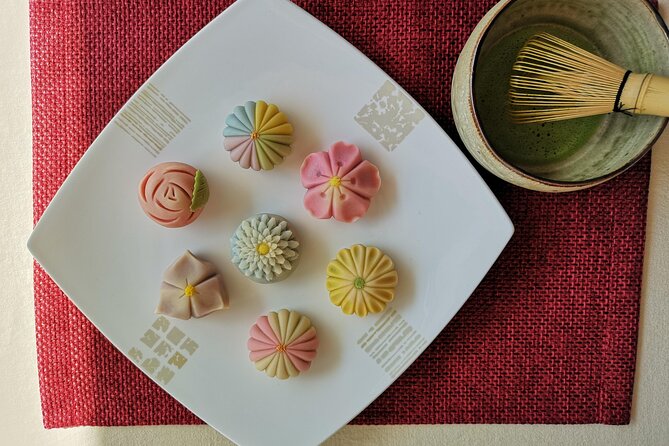
- Five designs in one class: You practice several shaping methods instead of repeating a single simple decoration.
- A peaceful home setting: The instructor welcomes the class into her home, creating a personal setting rather than a large workshop.
- Matcha is part of the lesson: You make table-style matcha and taste it with your nerikiri.
- Useful take-home extras: A container is provided, and two dough recipes can be emailed after class if you share your address.
- Small group, clear age limit: The class holds no more than eight people, and participants must be older than 10.
- Plan carefully: The class begins at 10:00 a.m. at Matsugasaki Station and cannot be refunded or changed after booking.
Making Kyoto sweets with your hands
Nerikiri are Japanese confections served at tea ceremonies. Their base is primarily sweet white beans, but the finished sweets can look like small flowers, leaves, seasonal shapes, or other carefully formed designs.
That contrast is what makes the class appealing. The ingredients are simple, yet the finished pieces depend on touch, pressure, and small movements. You are not merely watching someone arrange sweets behind a counter. You are learning how a soft dough becomes a decorative object.
The session begins with an explanation of how nerikiri dough is made. The instructor prepares the dough before class, so you do not spend your limited time cooking and waiting for it to cool. That is a useful choice for a 2.5-hour workshop, since the focus stays on shaping and technique.
You still learn about the dough-making process, and you receive two versions of the recipe by email after class if you provide an email address. That gives the class some value beyond the Kyoto visit. You may not become a confectioner at home right away, but you have a clear starting point for trying again.
Other tea ceremonies in Kyoto people book:
- Kyoto: Tea Ceremony in a Traditional Tea House in Kiyomizu
★ 4.9 · 3,519 reviews - Kyoto: Tea Ceremony Ju-An at Jotokuji Temple
★ 4.9 · 3,207 reviews - Kyoto: 45-Minute Tea Ceremony Lesson Experience
★ 4.3 · 2,378 reviews
Five designs, five chances to practice
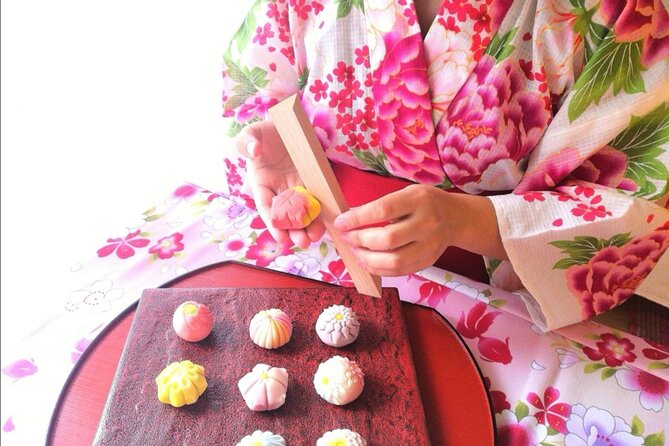
After the introduction, you make five nerikiri designs. Each one uses different shaping methods and various nerikiri tools, so the class has more range than a one-design demonstration.
The instructor explains and demonstrates each design step by step. That matters here. Nerikiri work is precise, but it is also manageable when someone shows you where to press, how to hold the dough, and how to use the tools without rushing.
The class suits beginners, but it also has something for people who want to improve. The description specifically presents it as useful for serious practice, not only for a one-time souvenir activity. You can pay attention to technique, ask for correction, and notice how small changes alter the final shape.
Expect the work to be delicate. One piece may look easy when the instructor demonstrates it, then require more care when you try it yourself. That is part of the fun, though it also means your sweets may not look perfectly identical. The point is to learn the process, not produce five shop-window confections.
A five-design format gives you repeated practice without becoming too repetitive. If your first piece is uneven, you have four more chances to adjust your pressure and handling. By the final design, you should have a better feel for the dough and tools.
Why the small group matters
The maximum group size is eight people. For a hands-on activity, that is a useful limit. You are working with small pieces and detailed shapes, so a packed class could make it hard to see a demonstration or ask for help.
The small size also supports the personal tone of the activity. The instructor welcomes participants into her home, and the setting is described as immediately comfortable and peaceful. This is a different experience from a busy cooking school with several stations and a steady flow of large groups.
That personal setting may be exactly what you want if you enjoy quiet cultural activities. It may feel less suitable if you prefer a slick, highly staged workshop with professional equipment and a busy social atmosphere. The available information points to a calm class centered on the instructor’s guidance.
Only people taking part may attend. There are no spectator places because space is limited. If you are booking for a family or group, make sure every person who plans to enter is included as a participant.
The matcha portion adds a welcome pause
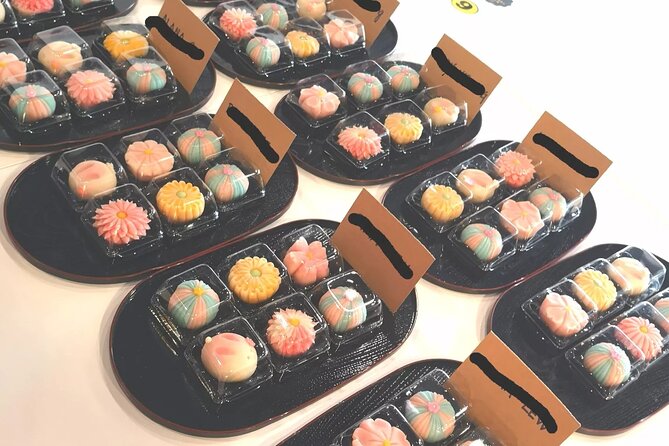
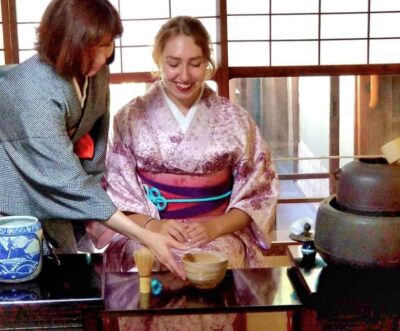
Once you have made the five sweets, you prepare matcha tea in a table-style format. This is not a separate sightseeing stop or a formal tea ceremony, but it gives the class a natural second part.
Making matcha after the careful shaping work creates a slower finish. You can sit down, prepare the tea, and taste the sweets you made. The matcha is included in the price, along with five nerikiri and a container for taking the rest home.
For me, this pairing is one of the strongest parts of the class. Nerikiri is traditionally served with tea, so the matcha is not an unrelated add-on. It helps you understand how the sweets fit into Japanese tea culture, while also giving you a chance to enjoy the result before leaving.
The class is also described as therapeutic and peaceful. That does not mean every moment will be effortless. Working with delicate dough takes concentration. But the quiet, repetitive motions of shaping, along with the tea at the end, make this a good break from a packed Kyoto sightseeing schedule.
Other tea rooms and ceremonies in Kyoto:
- Kyoto: Table-Style Tea Ceremony at a Kyo-Machiya
★ 4.9 · 1,211 reviews - Kimono Tea Ceremony at Kyoto Maikoya, NISHIKI
★ 5.0 · 911 reviews - Kyoto: Arashiyama Bamboo Forest, Monkeys, Matcha & Temple Tour
★ 5.0 · 759 reviews - Kyoto: Tea Museum Tickets and Matcha Grinding Experience
★ 4.9 · 739 reviews
What you take home after 2.5 hours
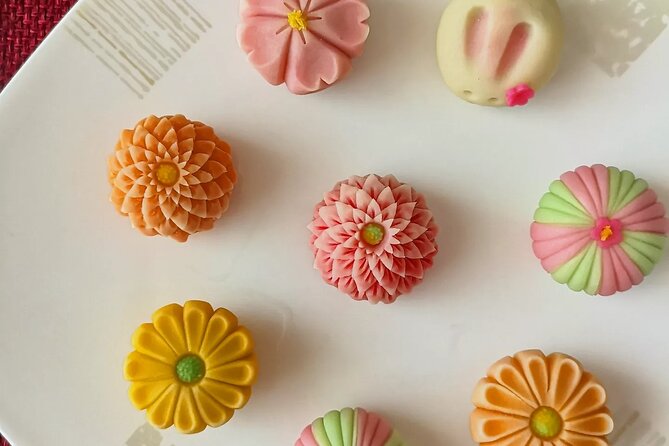
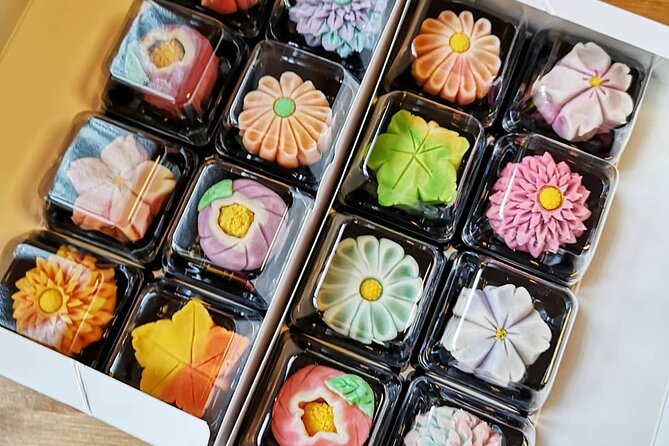
You make five nerikiri during the class, and you can take the remaining sweets home. A container is provided, so you do not need to arrive with your own box.
The take-home portion is useful for two reasons. First, it lets you share the experience with someone who did not attend, as long as that person is not joining the class itself. Second, it gives you a chance to look at your finished work later, when you are no longer concentrating on the next step.
The recipes add another practical benefit. The instructor will send two versions of the nerikiri dough recipes by email after class to people who provide an email address. Since the dough is prepared in advance, these recipes are the main way to continue practicing the base at home.
Keep in mind that the recipe offer depends on sharing your email address. If you want it, provide the address as requested rather than assuming it will be sent automatically.
Getting there from Matsugasaki Station
The meeting point is Matsugasaki Station, at Matsugasaki Rokunotsubocho in Sakyo Ward, Kyoto. The class begins at 10:00 a.m. and ends back at the meeting point.
Matsugasaki is near public transportation, which makes the starting point practical for a morning activity. You will need to arrange your own transportation, since private transport is not included. The experience uses a mobile ticket, so keep the booking information available on your phone.
The early start has both good and bad sides. It leaves much of your afternoon free for temples, museums, shopping, or a meal elsewhere in Kyoto. On the other hand, you need to plan your morning carefully, especially if your lodging is far from Matsugasaki.
Allow enough time to reach the station and find the meeting point. The available details identify the station and neighborhood, but they do not provide a broader hotel pickup service. You should therefore treat Matsugasaki Station as your responsibility from the start.
Is $84.92 a fair price?
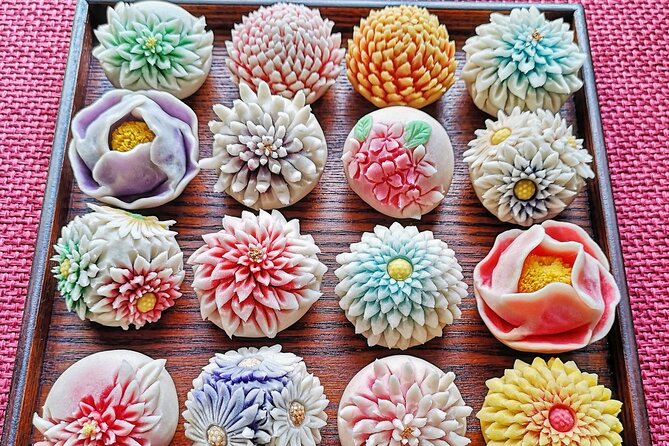
At $84.92 per person, this is not the cheapest food activity in Kyoto. The price makes more sense when you count what is included: five nerikiri designs, matcha preparation, the sweets you make, a take-home container, and recipe access after the class.
You are also paying for instruction rather than only for ingredients. The instructor demonstrates each design and guides you through different techniques and tools. For someone who wants to repeat the activity at home, that teaching element matters more than the food alone.
The group limit helps the value. With no more than eight participants, you have a better chance of receiving direct help during detailed steps. The class is especially worthwhile if you want a cultural activity that combines making, tasting, and a small amount of skill-building.
It is less compelling for someone who only wants to sample Japanese sweets. Kyoto has plenty of ways to buy wagashi without spending $84.92 or giving up 2.5 hours. Book this class when the hands-on process is the main reason you are interested.
Who will enjoy this class most?
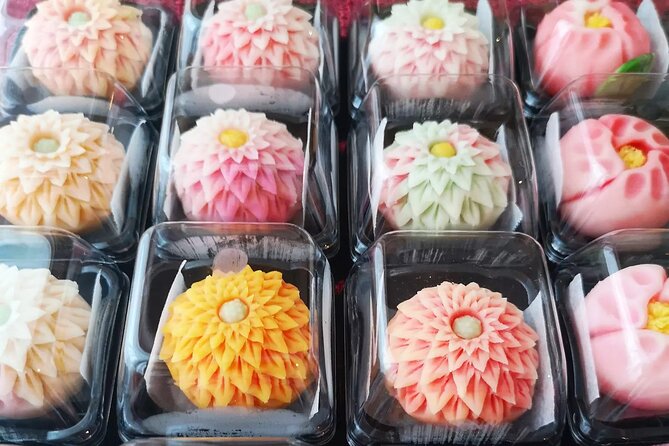
This class is a good match for you if you like crafts, food preparation, or quiet cultural activities. You do not need to be an experienced cook, since the instructor demonstrates the process step by step. A beginner can follow along, while a more serious student can focus on refining technique.
It also suits visitors who want something more personal than a large group tour. The home setting and eight-person limit create a quieter type of Kyoto experience. The class may be a nice change after several hours of temples and streets.
Participants must be older than 10. Families should keep that rule in mind, since younger children cannot join. Because there are no spectator places, parents or companions who do not take the class cannot simply accompany a participant inside.
The class may not suit you if your schedule is uncertain. The activity is non-refundable and cannot be changed for any reason after booking. Since confirmation is sent within 48 hours and depends on availability, check your plans before paying.
What the strongest feedback tells you
The highest praise centers on three things: the experience feels unusual, the instruction is clear, and the mood is relaxing. One participant described the activity as educational and fun, while also noting how comfortable the home setting felt. That combination is important because a craft class can easily become either too technical or too casual.
Another strong point is how the difficulty is handled. The designs are delicate, but the instruction makes them doable. The teacher is described as precise and well organized, and the result is five attractive snacks made by each participant.
That balance is the real selling point. You get enough guidance to learn, but you still do the work yourself. The class is not simply a demonstration where the instructor makes everything while you watch.
You should still arrive with realistic expectations. Nerikiri is detailed work, and your pieces may not match the demonstration exactly. The experience rewards patience and attention more than speed.
Book it or skip it?
Book this class if you want a small, calm Kyoto activity with real participation. The five-design format, matcha preparation, home setting, recipe follow-up, and take-home container give the $84.92 fee a reasonable purpose.
Skip it if you prefer a short tasting, need a flexible booking, or do not want to reach Matsugasaki for a 10:00 a.m. start. The non-refundable policy makes careful planning essential.
For the right visitor, this is a pleasant way to spend a morning learning a Japanese sweet-making skill rather than only looking at finished food. You leave with matcha memories, five handmade confections, and the basic recipes needed to try again.
FAQ
Where does the nerikiri and matcha class meet?
The class meets at Matsugasaki Station, Matsugasaki Rokunotsubocho, Sakyo Ward, Kyoto, 606-0915, Japan.
What time does the class start?
The class starts at 10:00 a.m.
How long does the experience last?
The activity lasts approximately 2 hours and 30 minutes.
How many people can join the class?
The class has a maximum of eight participants.
What will I make during the class?
You will learn to make five different nerikiri designs, prepare table-style matcha, and taste the sweets with the tea.
Is the nerikiri dough made during the class?
The instructor prepares the dough before class. The class includes an explanation of how to make it, and two versions of the dough recipes can be sent by email after the class if you provide your email address.
Can I take the nerikiri home?
Yes. You can take the remaining nerikiri home, and a container is provided.
Can I cancel or change my booking?
No. The experience is non-refundable and cannot be changed for any reason. Confirmation is sent within 48 hours of booking, subject to availability.
Just added in Kyoto
- Private Cooking Class Udon in Kyoto Japan★ 5.0 · 23 reviews
- Your Private Vacation Photography Session In Kyoto★ 5.0 · 110 reviews
- Kyoto: Zen Meditation at a Private Temple with a Monk★ 5.0 · 25 reviews
- Kyoto Wagashi(Japanese sweets) Cooking Class near Fushimiinari★ 5.0 · 60 reviews
- Private Pewter Sake Cup Experience with a Kyoto Artisan★ 5.0 · 31 reviews
- Kyoto:Family-Friendly Kimono & Yukata Experience at WARGO★ 5.0 · 147 reviews
- Private Guided Traditional Buddhist Cooking in Japan★ 5.0 · 16 reviews
- Kyoto: Gion Geisha District & Sake-in-Hand Walking Tour★ 5.0 · 37 reviews
Tea Ceremony Experiences, compared.
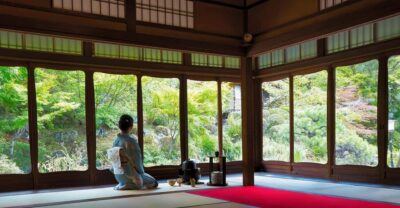
Tea Ceremony in a Traditional Tea House in Kiyomizu
Read our review →
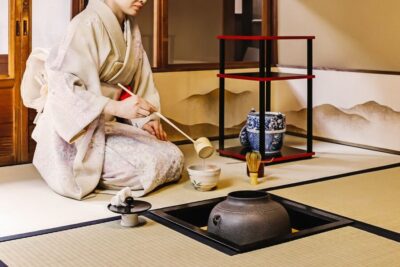
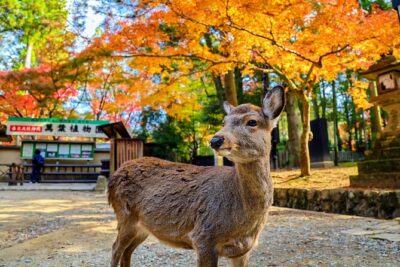
World Heritage Kyoto & Nara Uji Authentic Matcha Experience
Read our review →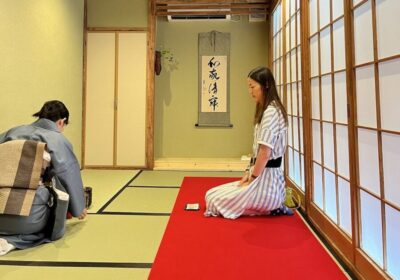
Arashiyama Bamboo Forest, Monkeys, Matcha & Temple Tour
Read our review →Browse the lists this tour appears in