
Reviewed · FOOD TOURS
NO DIET CLUB – Unique local food tour in Tokyo !
Sangenjaya gives you Tokyo at street level: old alleys, long-running neighborhood shops, and Japanese comfort food served far from the city’s main tourist routes. The three-hour walk includes at least five tastings, with favorites such as takoyaki, omurice, curry pan, and seasonal specialties.
I like two things right away. First, the food is meant to be both plentiful and varied, with savory and sweet stops included. Second, the small group, limited to 10 people, leaves room for guides such as Valentin and Marie to explain what you are eating and adjust to your interests. The main consideration is simple: drinks other than water cost extra, and the exact food selection can change with the season.
Key points to know before booking

- Sangenjaya, one station from Shibuya: You get a neighborhood feel without going far from central Tokyo.
- Five or more tastings included: The tour covers both savory and sweet food, not just one large meal.
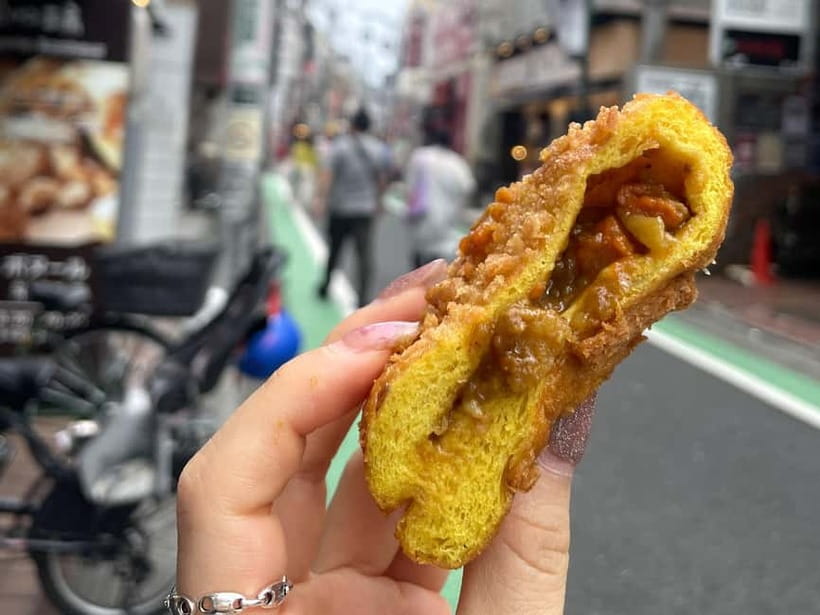
- Classic Japanese comfort food: Expect dishes such as takoyaki, omurice, curry pan, and other local specialties.
- Small groups of up to 10: This makes questions and personal attention easier.
- English and French guides: Valentin, Marie, and other guides lead the walks in both languages.
- Pescatarians are welcome: Tastings may vary according to the season, so mention your needs when booking.
Why Sangenjaya is the right setting for a food walk
Tokyo is huge, and the food districts most familiar to first-time visitors can feel crowded and polished for international tourism. Sangenjaya offers a different rhythm. It is only one station from Shibuya, but the tour takes you into old Tokyo streets, small food businesses, nostalgic shops, and narrow lanes where the neighborhood feels more local.
That short distance matters. You do not need to spend half a day reaching an outlying suburb, yet you still get a change of pace from Shibuya’s high-energy shopping streets. I like this balance. You can fit the tour into a busy Tokyo schedule and still see a part of the city you might otherwise pass by on the train.
The setting also gives the food more meaning. Takoyaki is not just a ball of batter with toppings. Omurice is more than rice wrapped in egg. Curry pan is a quick, satisfying bakery snack with a Japanese twist. Eating these foods in ordinary neighborhood shops helps you understand how Japanese comfort food works in daily life.
Do not expect a formal restaurant meal or a polished food hall. This is a walking tour built around several stops. The reward is variety, movement, and the chance to notice the small details between bites.
Other food tours in Tokyo people book:
- Tokyo: Shinjuku Food Tour (13 Dishes at 4 Local Eateries)
★ 5.0 · 6,603 reviews - Tokyo: Shinjuku Food Tour (15 Dishes and 4 Eateries)
★ 4.9 · 2,033 reviews - Best of Shinjuku: Izakaya Food Tour (4 Stops, 14+ Tastings)
★ 5.0 · 1,863 reviews
A three-hour stroll built around local food
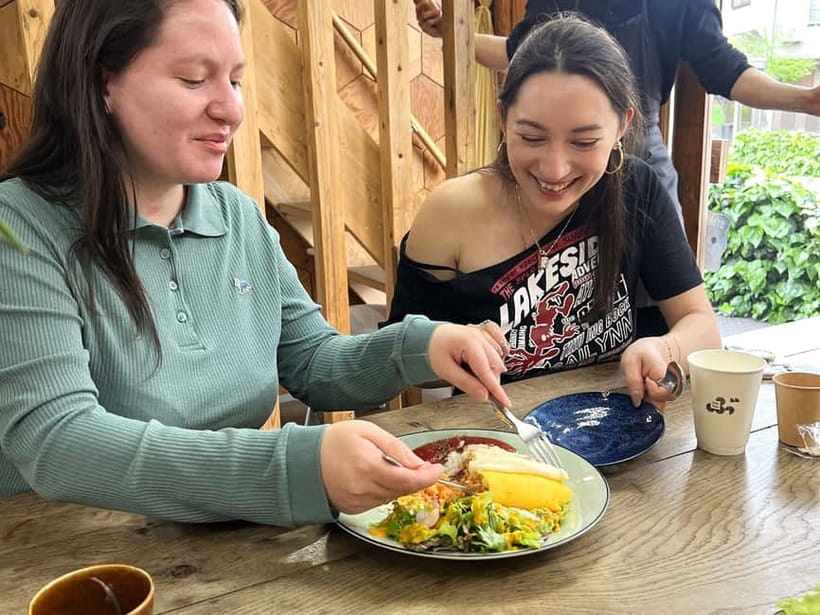
The tour lasts three hours, which is enough time to eat at several places without rushing from one counter to the next. Food stops are spaced through a walk around Sangenjaya, giving you time to digest and take in the streets between tastings.
That pacing is one of the tour’s best features. A food tour can become uncomfortable when every stop comes immediately after the last. Here, the walking helps break up the meal. You are not simply sitting in one restaurant while a guide lists dishes. You move through the neighborhood and let each tasting become part of the wider outing.
The exact order of food depends on the day and the season. You should think of the advertised dishes as a guide to the style of food, not a guaranteed fixed menu. You may find the familiar classics listed in the tour description, along with other seasonal or neighborhood specialties.
At least five tastings are included, and the emphasis is on quantity as well as quality. That makes the $68 price easier to assess. You are paying for a guided walk, local food, interpretation, and multiple stops rather than one plate at one restaurant.
Takoyaki and the appeal of Japanese soul food
Takoyaki is one of the clearest examples of Japanese street-style comfort food. These small, round snacks are associated with Osaka, but they are widely enjoyed throughout Japan. The appeal is immediate: they are warm, savory, and easy to share.
On this tour, takoyaki is part of a broader look at casual Japanese food. You are not being asked to treat every bite as a rare delicacy. Instead, the guide can help place everyday dishes in context and explain what you are eating as you go.
That practical explanation is important if you are new to Japanese food. A dish may look familiar but have a different texture, sauce, or preparation than you expect. Guides such as Marie and Valentin have been praised for taking time to explain the specialties and for answering questions about the food.
The food also gives you a useful introduction to how people eat outside the formal restaurant setting. Small servings, quick stops, bakery items, and hot snacks all fit into ordinary city life. You get a taste of Tokyo that is less about ceremony and more about what people actually enjoy.
Omurice, curry pan, and the comfort-food side of Tokyo
Omurice is another likely highlight. The name combines omelet and rice, and the dish is known for its soft egg wrapped around seasoned rice. It is familiar, filling, and approachable, even if you are unsure about more unusual Japanese ingredients.
Curry pan offers a different texture and setting. It is a curry-filled bread, often enjoyed as a quick snack. Including it in a food walk helps show how Japanese cooking crosses between bakery food, fast food, home-style meals, and restaurant dishes.
These tastings are useful for first-time visitors because they are not limited to sushi or ramen. Tokyo’s food culture is much wider than the dishes most often exported abroad. I like that this tour gives space to foods that are comforting, inexpensive, and common in Japan, rather than building the whole outing around expensive specialties.
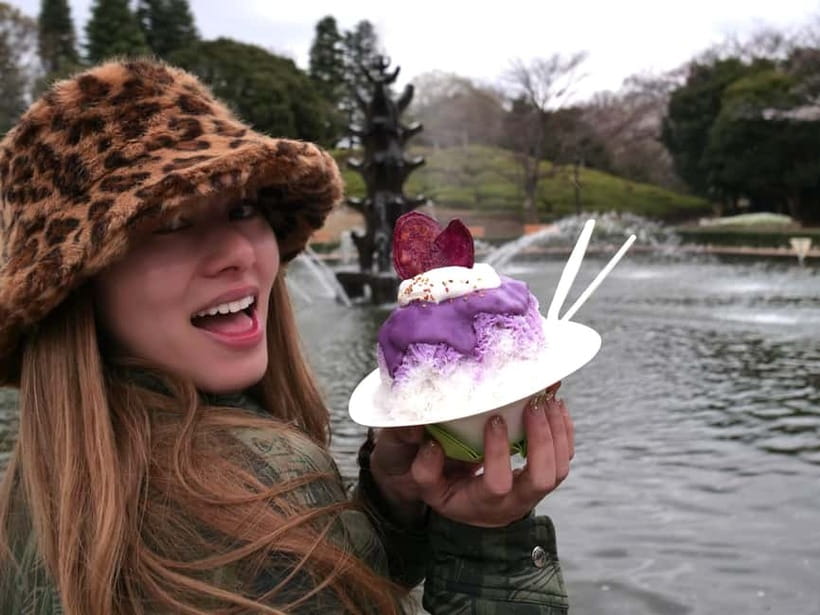
The combination of savory and sweet food also keeps the three hours varied. You may not know in advance which seasonal items will appear, but the format avoids a procession of similar dishes. The tour is designed to leave you well fed, not merely informed.
More eating your way round Tokyo:
- Tokyo Night Foodie Tour in Shinjuku – Seasonal Sushi, Wagyu Beef
★ 5.0 · 1,161 reviews - Eat and Drink Like a Local: Tokyo Ueno Food Tour-Taverns&Ramen
★ 5.0 · 957 reviews - Tokyo: Shibuya Food Tour (13 dishes and 4 Eateries)
★ 5.0 · 770 reviews - Tsukiji Fish Market: Street Food & Culture Walking Tour
★ 5.0 · 669 reviews
The streets between the stops matter
The food is the main reason to book, but the walking is what turns the outing into a neighborhood tour. Sangenjaya has old lanes, local eateries, and shops with a nostalgic feel. The route shows you a side of Tokyo that can be easy to miss if you stay around major sights.
One useful detail is the tour’s location. Since Sangenjaya is only one station from Shibuya, you can pair the food walk with a day in western central Tokyo. You might spend the morning in another part of the city, take the tour in Sangenjaya, and continue to Shibuya afterward without a long transfer.
The neighborhood setting also gives your guide more to talk about. The food is connected to the places selling it, and the walk provides room for questions. If you already know dishes such as takoyaki or omurice, the guide can add context. If the names are new to you, the explanations help you order with more confidence later in your trip.
Do not expect major monuments at every turn. The charm is in the everyday streets, old-fashioned storefronts, and small places you might not notice on your own. This is a good fit if you prefer local atmosphere to a checklist of famous landmarks.
What the guides add to the meal
The tour is offered in English and French, which makes it useful for visitors who want more than a self-guided food crawl. Marie and Valentin are named guides associated with the experience, and the guiding style described in the tour information is attentive and conversational.
That matters because food tours can vary widely depending on the guide. Here, the guide is not only directing you from one stop to another. The role includes explaining specialties, giving advice, and helping you understand what is on the plate.
The small group limit of 10 supports that style. You have a better chance of hearing the explanations, asking about ingredients, and sharing preferences than you would in a large group. It also makes moving through narrow streets and small food businesses more manageable.
I would still keep your expectations realistic. The tour is only three hours, so it cannot provide a full history of Japanese cuisine or cover every part of Sangenjaya. Its strength is a focused introduction to local food and one neighborhood, not an all-purpose Tokyo orientation.
How much food do you get for $68?
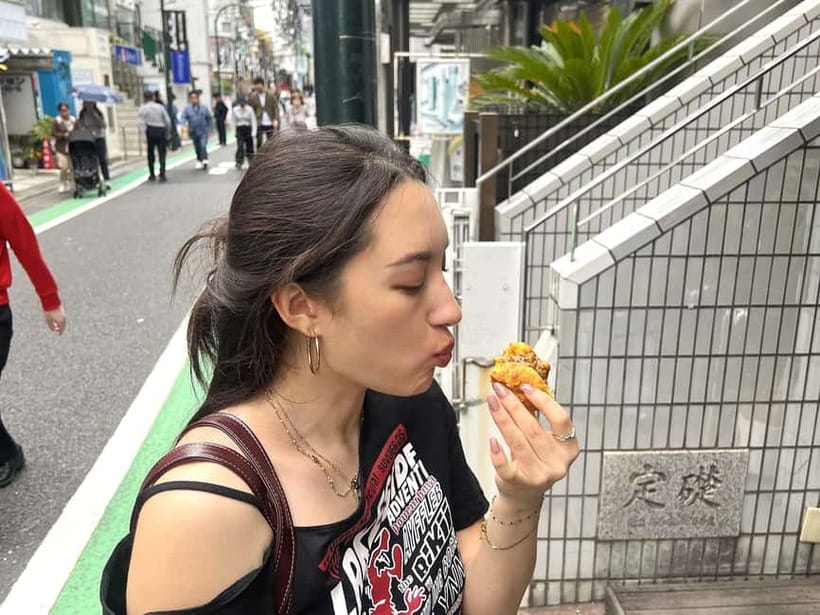
At $68 per person, this is not the cheapest way to eat in Tokyo. You can buy individual snacks for less, especially if you are comfortable ordering on your own. The value comes from combining at least five tastings with a guided walk and local knowledge.
The quantity is a real part of the offer. You are not paying $68 for one carefully presented sample. The tour promises five or more food stops, with both savory and sweet items, and the strongest praise centers on generous portions and delicious discoveries.
I would compare the price with what you want from the afternoon. If your priority is the lowest possible food bill, explore Sangenjaya independently. If you want several dishes, help choosing what to eat, and the confidence that comes with an English or French guide, the price is more reasonable.
All food is included, which keeps the cost clear. Drinks are not included except for water, so budget separately if you want tea, soft drinks, or another beverage. This is a small point, but it prevents confusion when you are deciding between a guided tour and a do-it-yourself food crawl.
Who will enjoy this tour most?
I would recommend this experience to someone visiting Tokyo for the first time who wants a break from the standard central districts. It is also useful for repeat visitors who have already seen the major sights and want a food-focused neighborhood walk.
It suits curious eaters who like trying several small portions rather than sitting down for one long meal. The range of food also makes it approachable for people who are still learning what they enjoy in Japan.
Pescatarians are welcome, but the food selection may vary with the season. If you have dietary needs beyond that, the supplied information does not promise specific accommodations, so ask before booking rather than assuming every tasting will suit you.
The tour is also a good match for couples, friends, and solo visitors who enjoy meeting a small group. With a maximum of 10 people, the atmosphere should be more personal than a large bus-style outing, though the exact group mix will change from day to day.
Families may appreciate the familiar foods, but the provided information does not give an age policy or details about stroller access. If those points matter to you, confirm them before reserving.
Practical details that affect your decision
You can choose an English or French tour. Check the available starting times when you book, since the schedule is not fixed in the information provided.
The tour includes all food tastings, with at least five stops, but not drinks beyond water. Bring room for food and wear shoes suitable for three hours of walking through neighborhood streets.
Cancellation is flexible up to 24 hours before the activity for a full refund. You can also reserve now and pay later, which helps if you are still arranging a Tokyo itinerary.
The overall rating is 5 out of 5 from 16 reviews, and the praise is consistent around the same points: delicious food, local spots, a calm neighborhood, useful explanations, and guides who listen. The strongest practical takeaway is that the tour does not simply feed you. It helps you find places and dishes you might not choose alone.
Should you book the Sangenjaya food tour?
Book it if you want a generous, guided food walk in a less tourist-focused part of Tokyo, especially if takoyaki, omurice, curry pan, and Japanese comfort food appeal to you. The combination of five or more tastings, a small group, and an easy-to-reach neighborhood makes the $68 price defensible.
Skip it if you prefer to pick every dish yourself, need a guaranteed fixed menu, or want drinks included. The food changes with the season, and drinks other than water are extra.
For most food-focused visitors, I would choose this tour early in a Tokyo stay. You get a useful introduction to casual Japanese eating, and the guide can help you spot the kinds of local foods worth seeking out for the rest of your trip.
FAQ
How long does the NO DIET CLUB food tour last?
The tour lasts three hours and combines walking through Sangenjaya with multiple food tastings.
Where does the tour take place?
It takes place in Sangenjaya, a neighborhood located one station from Shibuya in Tokyo.
How many food tastings are included?
At least five tastings are included, with savory and sweet food served at multiple spots.
What foods might I try?
The tour features Japanese soul food such as takoyaki, omurice, curry pan, and other specialties. The exact tastings may vary with the seasons.
Are drinks included?
All food is included, but drinks are not included except for water.
Is the tour available in English?
Yes. The tour is offered in English and French.
What is the maximum group size?
The tour is limited to 10 participants.
Are pescatarians welcome?
Yes, pescatarians are welcome. The specific tastings may vary according to the season.
Can I cancel for a full refund?
Yes. You can cancel up to 24 hours in advance for a full refund.
Just added in Tokyo
- The 10 Tastings of Tokyo With Locals: Private Street Food Tour★ 5.0 · 48 reviews
- Small Town in the Big City: Tasting Tokyo’s Kichijoji★ 5.0 · 195 reviews
- Small Town in the Big City: Tasting Tokyo’s Kichijoji★ 5.0 · 16 reviews
- EXCLUSIVE Tokyo Secret: Kichijoji Small-Group Food & Bar Hopping★ 5.0 · 29 reviews
- Explore Kichijoji: Walk Through One of Tokyo’s Beloved Districts★ 5.0 · 21 reviews
- :Tokyo,Shibuya/ Pro Photography in Kimono / English-Friendly★ 5.0 · 26 reviews
- 【R34】Tokyo:Private Daikoku tour in Modified R34★ 4.9 · 92 reviews
- Tokyo:Calligraphy &Make your original folding fan in Asakusa★ 5.0 · 62 reviews
Food Tours, compared.
Shinjuku Food Tour (13 Dishes at 4 Local Eateries)
Read our review →
Osaka Food Tour: 13 Dishes at 5 Local Eateries
Read our review →
Best of Shinjuku: Izakaya Food Tour (4 Stops, 14+ Tastings)
Read our review →
Kyoto Night Foodie Tour in Gion (9+ dishes + 6 Sake tastings)
Read our review →
Hungry Osaka Street Food Tour:15 Tastings & 3 Drinks with a Local
Read our review →
Tokyo Night Foodie Tour in Shinjuku – Seasonal Sushi, Wagyu Beef
Read our review →
Osaka Local Foodie Walking Tour in Dotonbori and Shinsekai
Read our review →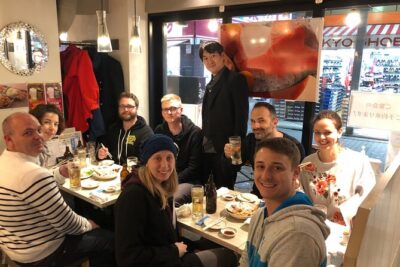
Eat and Drink Like a Local: Tokyo Ueno Food Tour-Taverns&Ramen
Read our review →Browse the lists this tour appears in