
Reviewed · CALLIGRAPHY & CRAFT WORKSHOPS
Osaka Dotonbori: Sushi Making Experience
The best part of this Dotonbori activity is that you do not just sit down to eat sushi. You learn how the rice, topping, wasabi, and hand-shaping fit together, then eat the 12 pieces you made. Mako, Mika, Saki, and Yumiko are among the friendly instructors who have led sessions here.
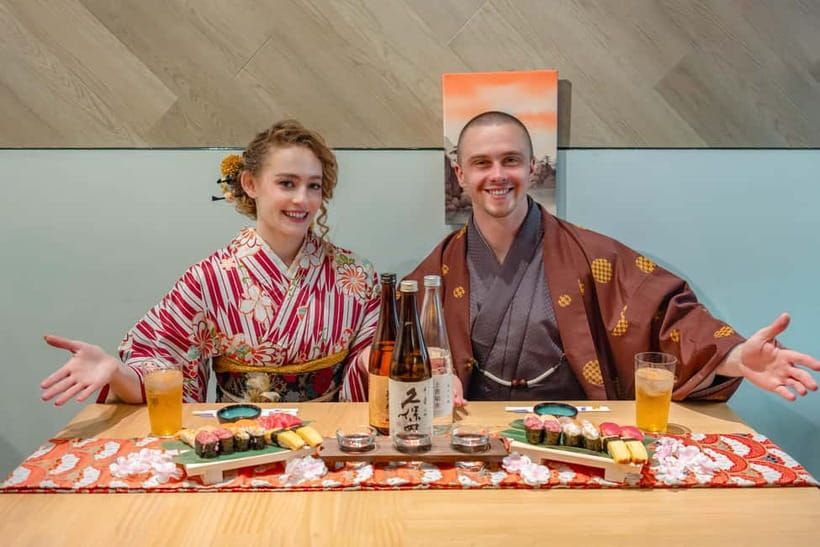
I like the clear, beginner-friendly teaching, and I like that the class adds Japanese sake, cosplay, photos, and a small gift without making the food lesson feel like a sideshow. It is also useful for mixed groups, since vegan and Halal sushi are available.
The main caution is navigation. A few people found the location hard to find, and one person felt the seafood was good but not exceptionally fresh. Check the map carefully, and book this for the hands-on fun rather than a formal sushi apprenticeship.
Key points at a glance
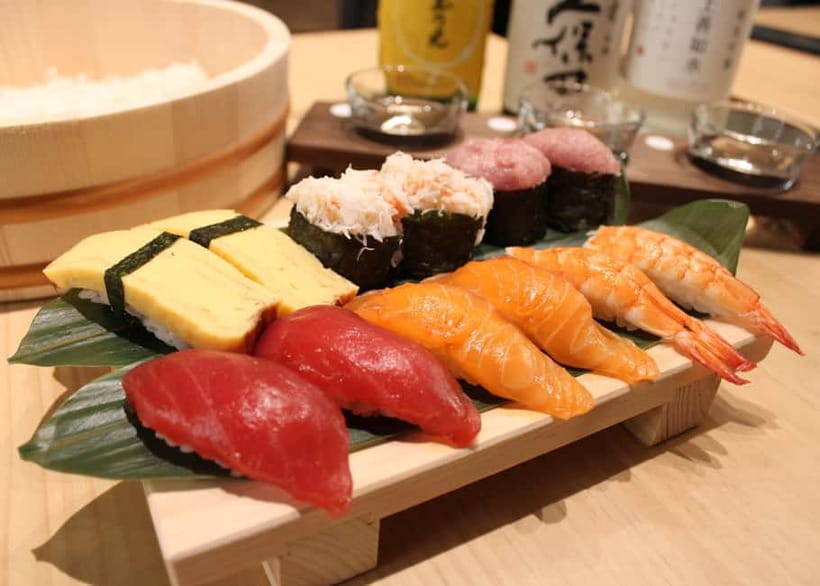
- Make 12 pieces yourself: You season the rice, shape it, add toppings, and form the finished sushi by hand.
- Learn in English: The instructors explain sushi, ingredients, Japanese culture, and the basic techniques in English.
- More than a food lesson: You can try sushi cosplay, take photos, taste Japanese sake, and receive a sushi master certificate.
- Good for beginners and families: A 15-year-old joined one family session, and the simple instructions suit first-time sushi makers.
- Flexible dietary choices: Vegan and Halal sushi are available, and gluten-free soy sauce has been provided when requested.
- A 90-minute Dotonbori activity: At $45 per person, you get instruction, ingredients, food, sake, and extras in one compact session.
What the 90-minute Dotonbori class is really about
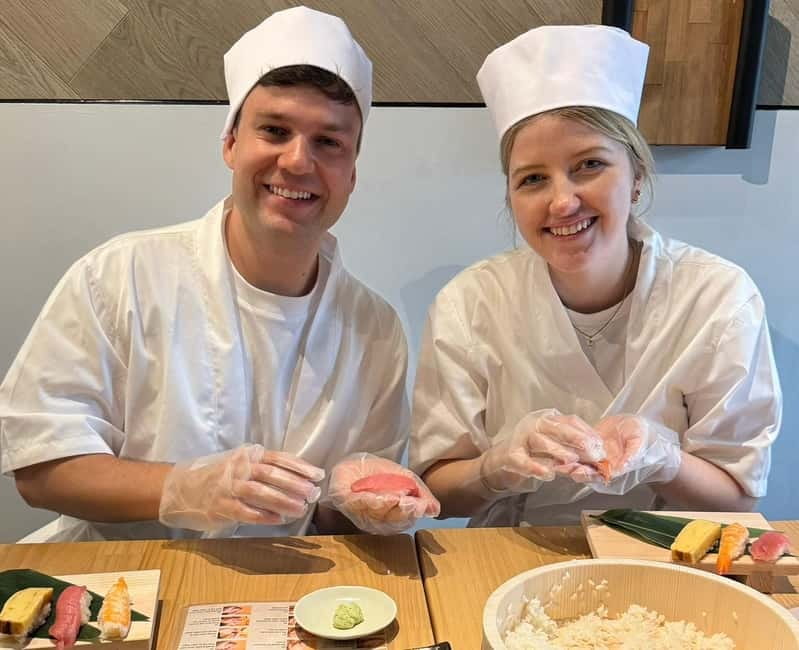
This is a short, social food lesson in the heart of Osaka’s Dotonbori district. You are not expected to arrive with knife skills or sushi experience. The instructors break the process into small movements and show you what to do before you try it yourself.
I see the class as a good middle ground between a restaurant meal and a serious culinary course. You get enough instruction to understand the craft, but the pace stays light and approachable. The point is to make sushi, learn a little about Japanese food culture, and have something enjoyable to do between sightseeing stops.
The session is taught in English. Several instructors are praised for being cheerful and easy to follow, with Mako, Mika, Saki, Yumiko, Kosei, Toshiki, Anri, and others leading different sessions. The exact instructor depends on the date, but the pattern is consistent: demonstrations, simple directions, help while you work, and conversation about sushi and Osaka.
Other classes behind the counter in Osaka:
- Sushi Making Osaka Roll and Authentic Japanese Sushi Class
★ 5.0 · 1,220 reviews - Osaka Sushi Making Experience
★ 5.0 · 400 reviews - Osaka Sushi Making Class – Hands-On Nigiri & Rolls (Same-Day OK)
★ 5.0 · 352 reviews
Starting with shari, the foundation of sushi
The first practical stage is preparing shari, or sushi rice. You pour sushi vinegar over the cooked rice and mix it through. This may sound basic, but it is an important part of the lesson. Sushi is not simply raw fish placed on ordinary rice. The rice has its own seasoning, texture, and shape.
You then make small rice portions and shape them. The instructors show you how much rice to use and how to form it without crushing it into a hard lump. If you have never made sushi, this is where the hands-on format earns its keep. Watching a chef is useful, but your own fingers quickly reveal how delicate the process can be.
I like this opening because it gives you a better sense of why sushi chefs work with such control. You are not trying to become a professional in 90 minutes. You are learning the basic rhythm: portion, shape, place, and adjust.
Adding neta, wasabi, and the finished pieces
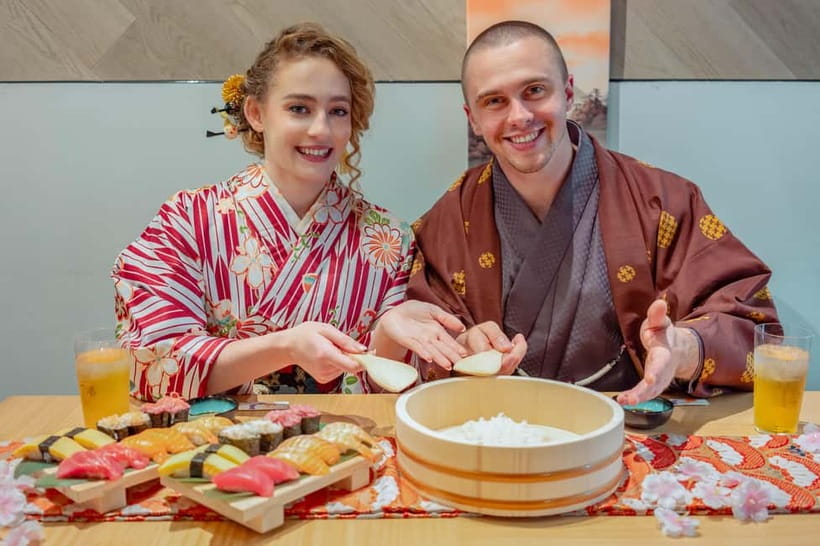
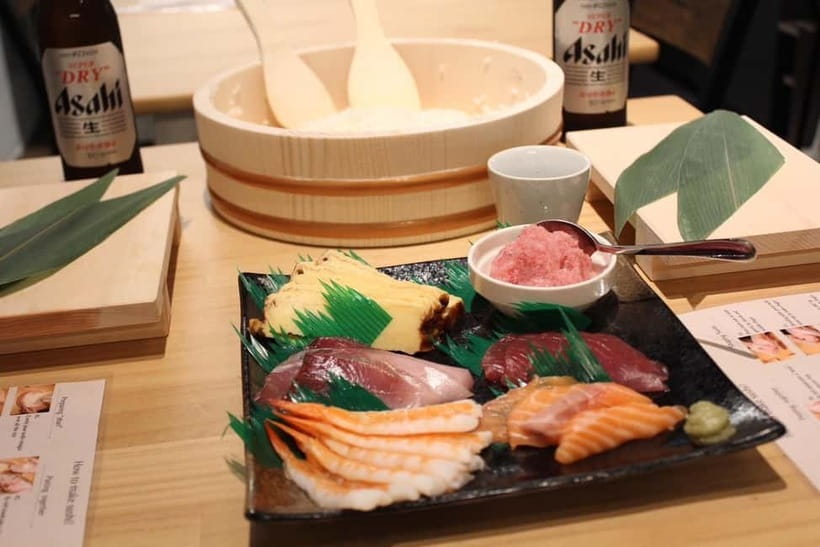
Next comes neta, the sushi topping. You put wasabi on the topping, bring it together with the rice, and shape the piece with your fingers. The instructors explain each move and demonstrate how the ingredients should sit together.
The supplied information does not list every topping used in every class, so you should not expect a fixed menu of fish. The class does provide all ingredients for 12 pieces, and the finished plate is part of the experience. You make the food and then eat it, which gives the lesson a satisfying endpoint.
The number matters. Twelve pieces is enough to feel that you have made a proper meal, rather than two sample pieces for a photo. It also makes the $45 price easier to assess. You are paying for the lesson, the ingredients, the instructor, sake, and the added activities, not just for a plate of sushi.
One practical detail is worth noting: the ingredients have received high praise overall, though one person found the seafood good rather than extremely fresh. I would keep expectations sensible. This is a fun teaching class in Dotonbori, not an elite omakase counter where the fish is the sole focus.
Sushi cosplay, photos, and a certificate
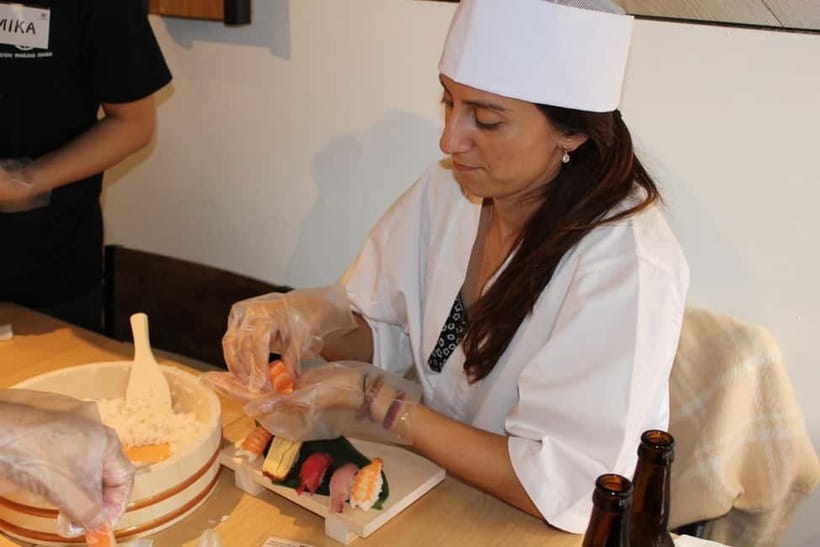
The class includes sushi cosplay and a photo session. This gives the experience a playful side, especially if you are visiting with children, teenagers, friends, or a partner. It also means you leave with something more memorable than a meal that disappears as soon as you finish it.
The cosplay will not appeal to everyone. If you want a quiet, serious lesson with no staged fun, this may feel a little tourist-friendly. But if you enjoy lighthearted activities, it fits Osaka well. The city is known for its outgoing food culture, and the class gives you permission to be silly for a few minutes.
You also receive a certificate identifying you as a sushi master. It is a souvenir rather than a professional qualification, but that is part of the charm. Children and first-time cooks will likely enjoy having a physical reminder of the session.
Other things to make with your hands in Osaka:
- Osaka: Matcha Making Experience with Japanese Sweets
★ 5.0 · 146 reviews - Osaka: Private Japanese Calligraphy Experience
★ 5.0 · 66 reviews - From Osaka: Sakai Knife Maker or Blacksmith Walking Tour
★ 4.9 · 64 reviews - Osaka: Private Tea Ceremony and Calligraphy Experience
★ 5.0 · 50 reviews
Japanese sake alongside your sushi
Japanese sake is included as part of the experience. You can enjoy it with the sushi while learning about the food and some Japanese customs. Several people particularly liked the combination of sushi making and sake tasting.
The sake adds a cultural layer without requiring a separate tasting tour. You are not only learning how to assemble sushi. You are also getting a brief introduction to a drink commonly paired with Japanese food.
If you do not drink alcohol, check the arrangements before booking, since the supplied details confirm sake is part of the activity but do not specify a nonalcoholic substitute. The class is still centered on sushi making, so the sake should not be the only reason you choose it.
Why the instructors matter
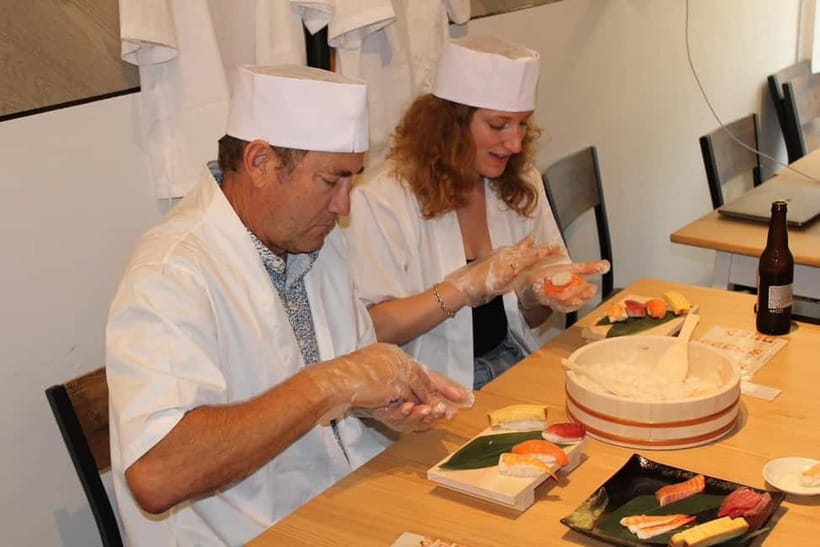
The strongest part of this activity is the teaching style. The instructors are repeatedly described as kind, funny, patient, and easy to understand. Mako is singled out for explaining sushi, Osaka, and Japanese culture clearly. Mika, Yumiko, Kosei, Saki, Anri, and others are also praised for keeping the mood relaxed.
That matters because hand-shaped sushi can feel awkward at first. You may use too much rice, place the topping unevenly, or press too hard. Good instruction keeps those small mistakes from becoming frustrating. The goal is not perfection. It is to help you make recognizable sushi and enjoy the process.
The class can also feel personal when attendance is light. One session had no other bookings, turning it into a private lesson. You cannot count on that every time, but a smaller group would give you more direct attention.
There is one fair criticism to keep in mind. One person wanted closer correction while making the sushi. If you want detailed feedback on every piece, ask the instructor to watch your technique. The staff are there to help, but the amount of individual attention can depend on group size and pace.
Dietary needs and family suitability
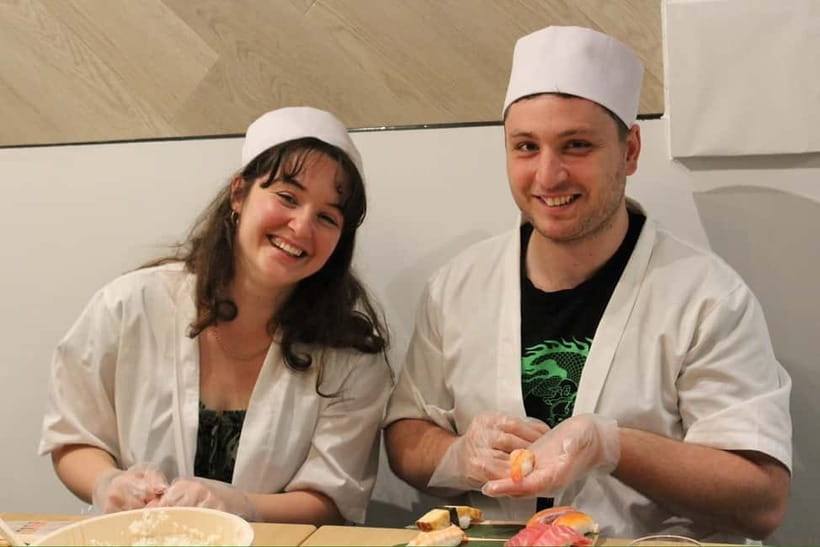
Vegan and Halal sushi are available, which makes this easier to plan for mixed groups. If you have a specific dietary restriction, state it clearly when booking or before the lesson. One person with a gluten allergy received gluten-free soy sauce, showing that at least some adjustments can be handled.
Still, the details provided do not spell out every ingredient or cross-contact procedure. If your allergy is severe, contact the provider before paying and confirm exactly what can be changed. Do not rely on a general dietary label alone.
I would recommend this for families with older children and teenagers. A 15-year-old took part successfully, and the combination of food, dressing up, photos, and a certificate gives younger participants several ways to stay interested. Couples and friends also have plenty to do together, especially if you want a break from temples, shopping, and packed sightseeing days.
The $45 price and what you receive
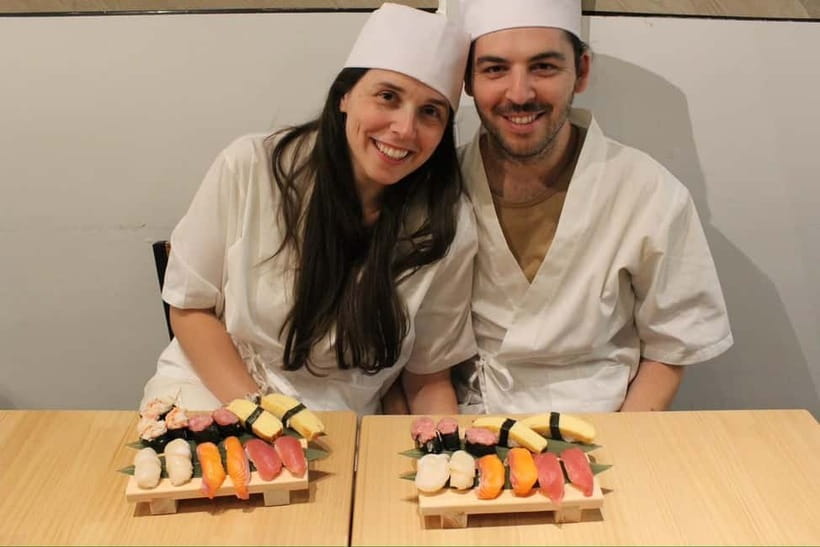
At $45 per person, this is not the cheapest way to eat sushi in Osaka. If your only goal is a full plate of sushi, a casual restaurant will probably cost less. The value comes from combining the meal with instruction and entertainment.
Your price covers ingredients for 12 pieces, English instruction, Japanese sake, sushi cosplay, a photo session, and a sushi master certificate. You also get the chance to ask questions about the food and Japanese culture. That makes the fee reasonable for a special holiday activity, particularly in central Dotonbori.
I would compare it with other paid activities rather than with lunch alone. Ninety minutes is a manageable block in a busy Osaka schedule, and the class gives you a story to take home. You may not reproduce restaurant-level sushi afterward, but you will understand the basic construction far better than you would from simply ordering a platter.
The price is less compelling if you dislike group activities, do not want photos or cosplay, or already have strong sushi-making skills. For a complete beginner, the balance is better.
Timing, access, and finding the venue
The activity lasts 90 minutes, with starting times shown according to availability. That makes it easy to place before dinner or after another Dotonbori stop. Avoid scheduling it so tightly that a delayed train or crowded street leaves you rushing.
The venue is wheelchair accessible. The instructor language is English, and the activity is designed for international participants. You should still allow extra time to reach the meeting point. Navigation has been a weak spot for some people, and the map location has been described as difficult to follow.
My practical advice is simple: check the exact location before leaving your hotel, compare the map pin with the written address, and arrive early. Dotonbori has plenty of signs and distractions, but that does not always make a specific building easy to locate.
Free cancellation is available up to 24 hours before the activity for a full refund. You can also reserve now and pay later, which helps if your Osaka plans are still shifting.
How this fits into a Dotonbori day
Dotonbori is a natural setting for a food activity. You can pair the class with a walk through the canal district, nearby shopping streets, or an evening meal. The lesson works especially well in the afternoon, when you want an activity with a clear finish before the area becomes your dinner stop.
I would not treat the class as a replacement for exploring Osaka’s food scene. It gives you one guided look at sushi, while Dotonbori offers many other dishes and styles of eating. The best plan is to make your 12 pieces here, then use the rest of the day to try something you could not make in the classroom.
The location is also useful if you are traveling with a group that has different interests. Someone who is tired of museums can shape sushi. Someone who does not eat fish may still take part through available alternatives. Someone who likes photos gets the cosplay session. That flexibility is a real strength.
Who should book this sushi class
You should consider booking if you want:
- A first introduction to making sushi
- An activity that works for couples, friends, or families
- English instruction in central Osaka
- A meal combined with a practical lesson
- A light cultural experience with sake and photos
- Vegan or Halal options for a mixed group
- A short activity that fits around sightseeing
I would skip it if you want a highly technical chef course, a detailed study of fish quality, or a quiet restaurant-style meal. The atmosphere is friendly and playful, and the main reward is participation.
Should you book the Osaka Dotonbori Sushi Making Experience?
For most first-time visitors who like Japanese food, I think this is a good use of 90 minutes. The instructors make the process easy to follow, you produce 12 pieces, and the extras give the class a festive feel. The near-perfect rating reflects a very consistent strength: warm teaching.
Book it for the human side of sushi, not for rare ingredients or professional certification. Check the location carefully, mention dietary needs early, and leave enough time to arrive. If you want a memorable Osaka activity that gives you lunch, a few new skills, sake, photos, and a certificate, the $45 fee is fair.
FAQ
How long does the Osaka Dotonbori sushi class last?
The class lasts 90 minutes.
How many pieces of sushi do I make?
You make 12 pieces of sushi using the supplied ingredients.
Is the class taught in English?
Yes. The instructor language is English.
Is Japanese sake included?
Yes. Japanese sake is included as part of the experience.
Are vegan and Halal sushi options available?
Yes. Vegan and Halal sushi are available.
Can I cancel for a full refund?
Yes. You can cancel up to 24 hours in advance for a full refund.
Just added in Osaka
- Private arrival transfer from Kansai International airport to Kyoto City★ 5.0 · 32 reviews
- (Ticket Included) Explore Osaka Castle & Museum of History★ 4.8 · 21 reviews
- Hidden Osaka – Yukaku Red Light Tour & Culinary Adventure★ 4.8 · 96 reviews
- Osaka: Walking Tour and Top Highlights★ 4.8 · 104 reviews
- Osaka: Private Ceramic Painting Workshop★ 5.0 · 13 reviews
- Pickleball in Osaka, Kobe & Kyoto with Locals!★ 4.7 · 80 reviews
- Osaka:SUMO BEATS SHOWCASE: Taiko Drum and Wagyu burger!★ 4.2 · 37 reviews
- Eat Like a Local in Osaka – Private Custom Street Food Tour★ 4.3 · 33 reviews
Calligraphy & Craft Workshops, compared.
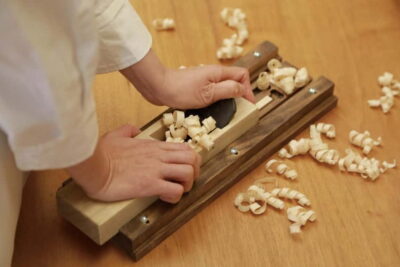
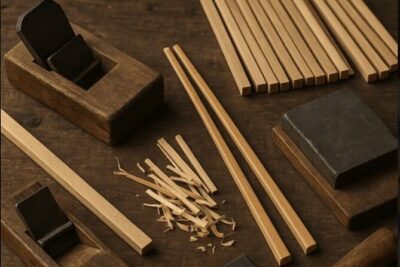
Chopsticks Making Workshop in Gion with Engraving Option
Read our review →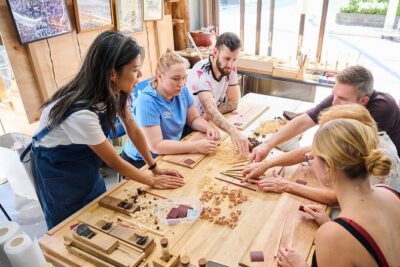

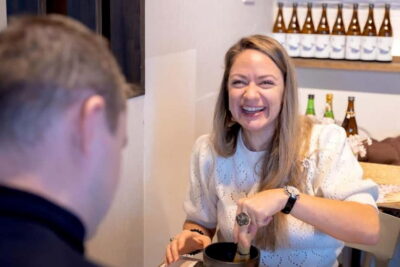
Matcha Making Experience with Mochi Sweets in Asakusa
Read our review →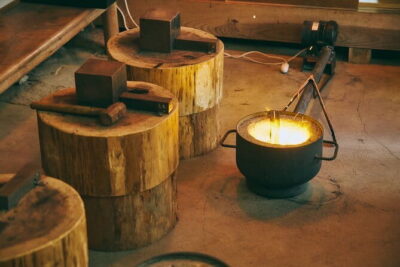
Authentic knife making experience at a blacksmith in Kyoto
Read our review →
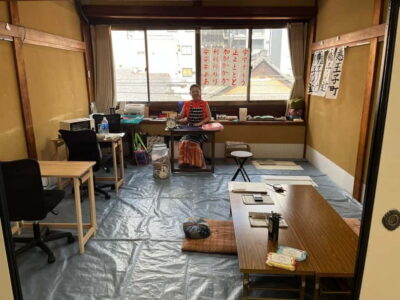
Calligraphy class at Buddhist temple in city center
Read our review →Browse the lists this tour appears in