
Reviewed · NARA & THE DEER PARK
From Kyoto: Nara Guided Morning Tour
Nara’s appeal is wonderfully simple: sacred deer wander through an old Japanese park, while nearby temples and shrines preserve some of the country’s most impressive religious art. This four-hour morning tour gives you the essential sights without asking you to plan train connections, temple tickets, or walking routes yourself. I especially like the striking contrast between the deer at Nara Park and the giant Great Buddha inside Todaiji Temple. I also like the early start, which can mean cooler weather and fewer people at the main sites.
The main catch is important: the bus takes you from Kyoto to Nara, but not back again. You finish at Kintetsu Nara Station around noon and must arrange your own return. That is easy enough with help from station staff, but it adds time, cost, and a little planning.
Key points to know before you book
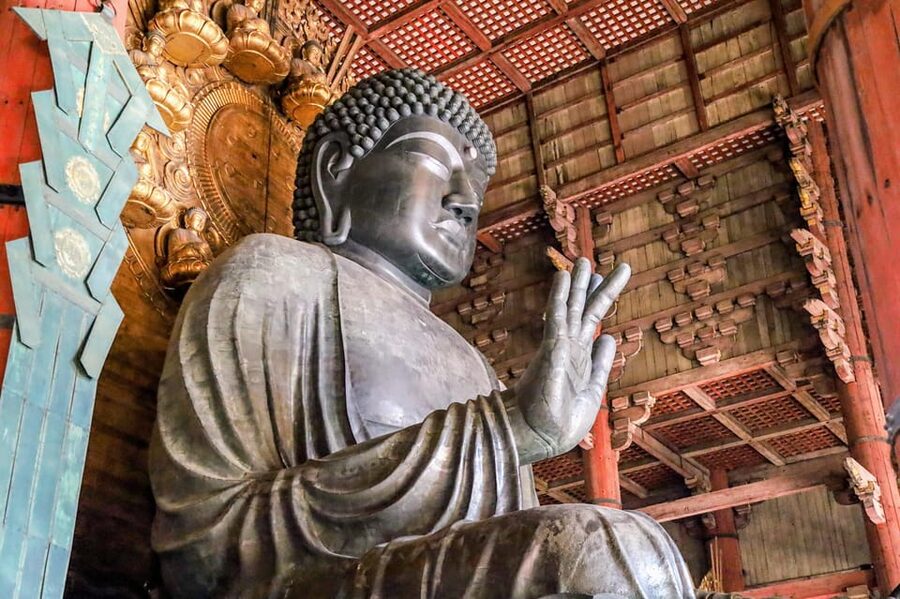
- The Great Buddha is the morning’s grandest sight: Todaiji’s enormous wooden hall and bronze Buddha make the admission fee worthwhile.
- The deer are friendly but not tame: Feed them only special deer crackers, keep your hands visible, and expect persistent animals once food appears.
- Kasuga Taisha feels calm and atmospheric: Stone lanterns line the approach, with 3,000 lanterns connected to the shrine.
- The tour is built for a short visit: Four hours covers the main sights, but free time in Nara Park is limited.
- The guides make a real difference: Ciel, Tommy, Den, Nagomi, Mai, Sakura, and others are noted for clear explanations, humor, and practical help.
- Plan your return before departure: The tour ends at Kintetsu Nara Station, not Kyoto Station.
Why this half-day trip works from Kyoto
Nara is close enough to visit from Kyoto, yet it can feel like a different chapter of Japan. The city was an imperial capital before Kyoto took that role, and its temples and shrines remain tied to early Japanese Buddhism and Shinto practice. You can see the key places independently, but the route involves transport, walking, tickets, and keeping an eye on the clock.
At $77 per person, this tour is priced above the cost of simply taking a train and wandering around. You are paying for the coach, an English-speaking guide, entry to Todaiji, and a planned route through three major sights. The value is strongest if you want context, prefer not to navigate public transport, or have only one morning available.
I would not book it mainly for free time. This is a brisk introduction, not a slow day in Nara. You get a useful first look at Kasuga Taisha, Nara Park, and Todaiji, then continue independently after lunch.
Other day trips out of Kyoto:
- Kyoto/Osaka: Nara, Fushimi Inari Taisha, Arashiyama Bus Tour
★ 4.7 · 1,275 reviews - Osaka/Kyoto: Arashiyama, Nara & Fushimi Inari Shrine w/Lunch
★ 4.4 · 754 reviews - Kyoto and Nara Day Trip from Kyoto
★ 4.5 · 445 reviews
Meeting near Kyoto Station at 7:50 AM
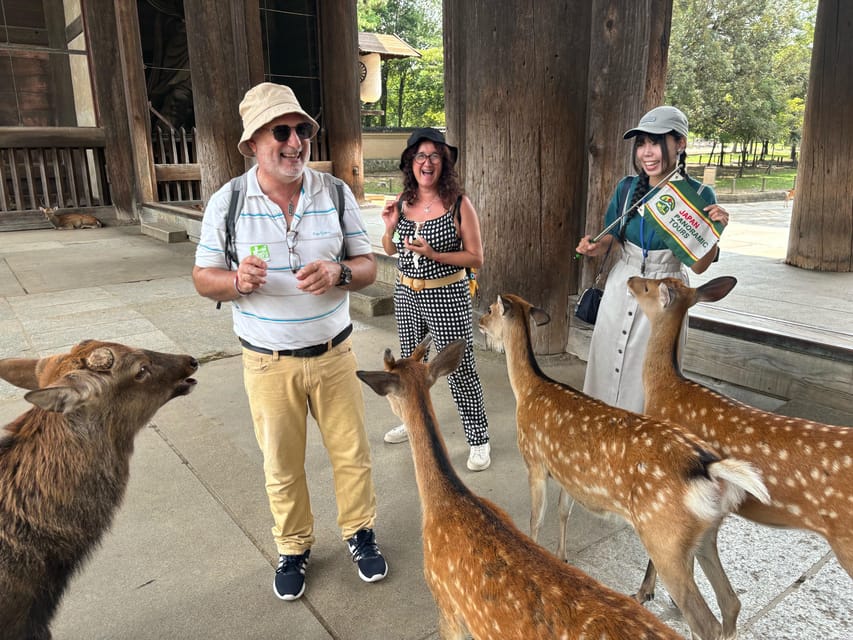
The meeting point is beside Tully’s Coffee in the Kyoto Avanti building, in front of the building at 31 Higashikujo Nishiyamao-cho. Look for the green and white Japan Panoramic Tours flag. You should arrive by 7:50 AM for the 8:00 AM departure.
This is not the kind of tour where arriving at the last moment is wise. The bus leaves on time, and there are no refunds for late arrival or a no-show. Kyoto Station is large, so allow extra time to find the Avanti building and the correct side of the station.
Once aboard, you get an air-conditioned coach with free Wi-Fi. The ride to Nara takes about an hour. Along the way, you may see historic landmarks such as Fushimi Castle and the former Heijokyo Palace area. The coach gives you a useful break before the walking begins, especially on hot or rainy days.
Kasuga Taisha and its lantern-lined approach
The first scheduled stop is Kasuga Taisha, with about 40 minutes for a guided visit. Depending on traffic and operating conditions, the order can change, but the shrine is one of the morning’s most atmospheric places.
Kasuga Taisha is a major Shinto shrine and part of the UNESCO-listed Historic Monuments of Ancient Nara. Its approach is famous for stone lanterns, joined by bronze lanterns closer to the shrine buildings. In total, about 3,000 lanterns are associated with the shrine. They are lit during special festivals, but even unlit, they give the forested approach a solemn, old-world feel.
Your guide can help you understand the difference between this Shinto shrine and the Buddhist Todaiji Temple later in the morning. That contrast is one of the tour’s strengths. You are not simply collecting famous buildings. You are seeing two major Japanese religious traditions in the same compact visit.
Forty minutes is enough for an introduction and some photographs, but it is not enough for a leisurely exploration of every path. If the shrine is your main interest, you may want to return independently after the tour.
Nara Park and the deer
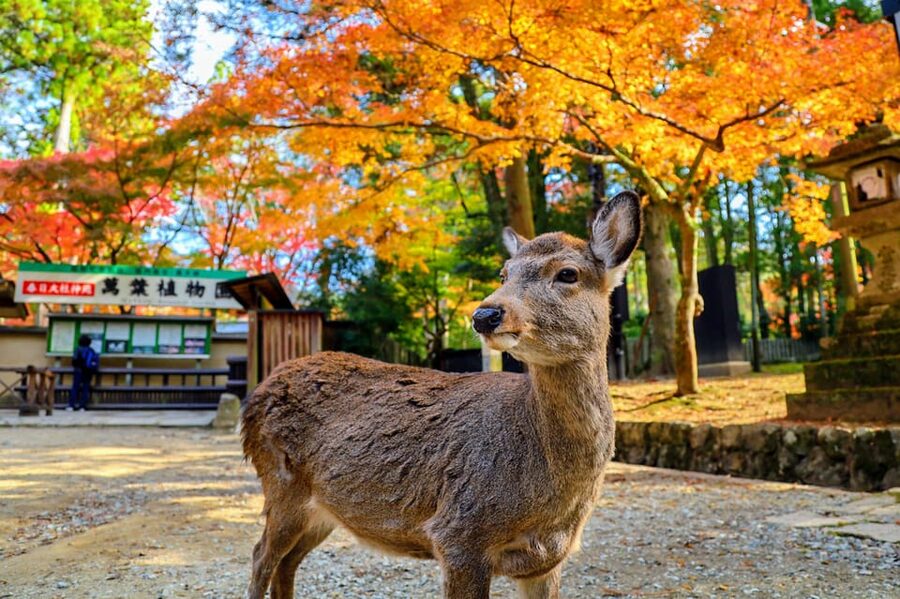
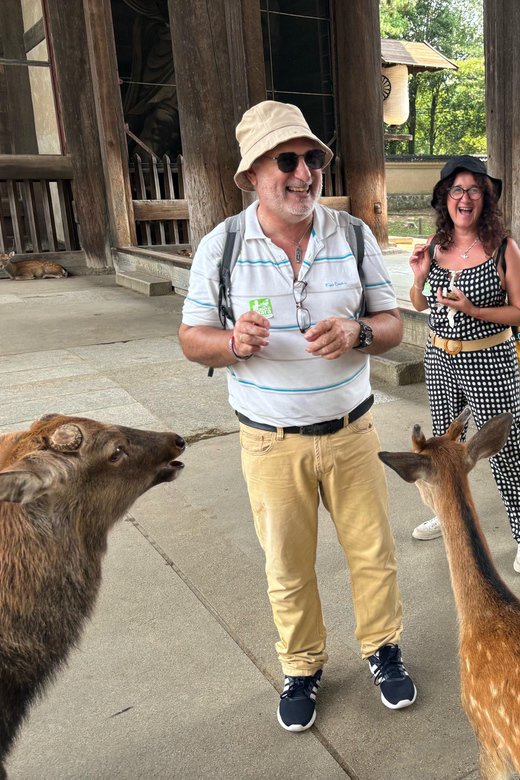
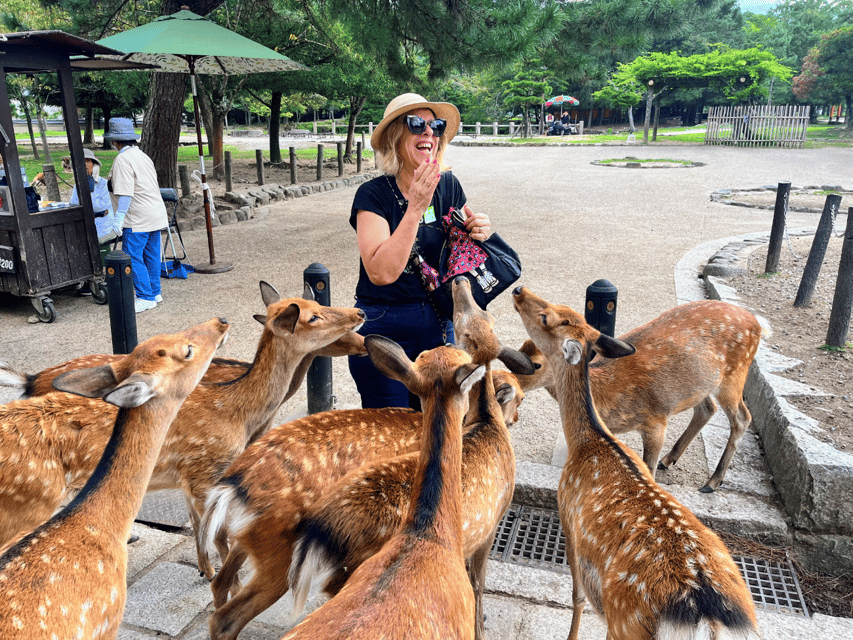
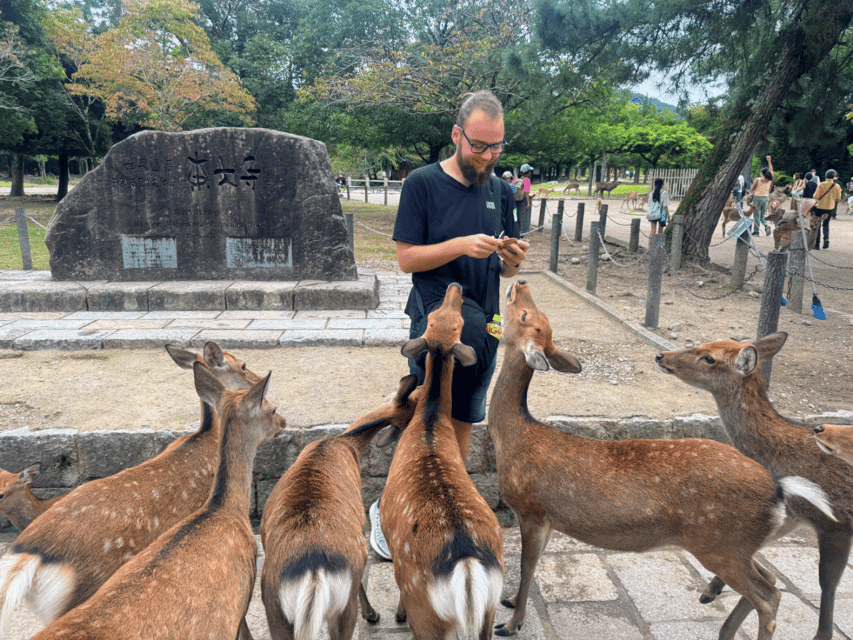
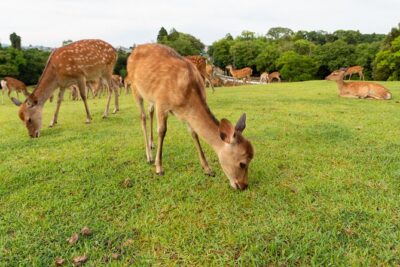
Nara Park is the most playful part of the morning. More than 1,400 deer roam freely through the park and around the historic sites. They are regarded as sacred messengers of the gods, but they are also very practical animals with a strong interest in food.
You have about 30 minutes of free time in the park. That is enough to buy deer crackers, take photographs, and watch the animals interact with people. It is not a long nature walk. The deer are concentrated around the popular paths, temples, and shrine approaches, so you do not need to search far to find them.
Buy only the special crackers sold in the park. Keep them tucked away until you are ready to feed the deer, since animals can gather quickly once they see food. When the crackers are gone, show your empty hands. This simple trick, explained by guides such as Sakura, can prevent the deer from continuing to follow you.
The animals can nip at clothing or bump you with their heads when they want another cracker. Some children find this funny, while others may feel nervous. Keep bags, maps, and loose belongings secure, and do not tease or chase the deer. The park is open and pleasant, but it is not a petting zoo.
The short park stop is both a strength and a limitation. You get the famous Nara experience without losing the whole morning, but you will not have much time to sit, wander, or seek out quieter corners. If feeding deer is your top priority, stay focused and buy the crackers early.
Same base, a different sort of day:
- PERFECT KYOTO 1-Day Bus Tour
★ 5.0 · 13,518 reviews - Kyoto: Fushimi Inari, Kinkakuji, Bamboo Grove 1 Day Bus Tour
★ 4.8 · 4,316 reviews - Kyoto: Tea Ceremony in a Traditional Tea House in Kiyomizu
★ 4.9 · 3,519 reviews - Kyoto Geisha Walking Tour: Gion District & Hidden Gems
★ 4.7 · 3,273 reviews
Todaiji Temple and the Great Buddha
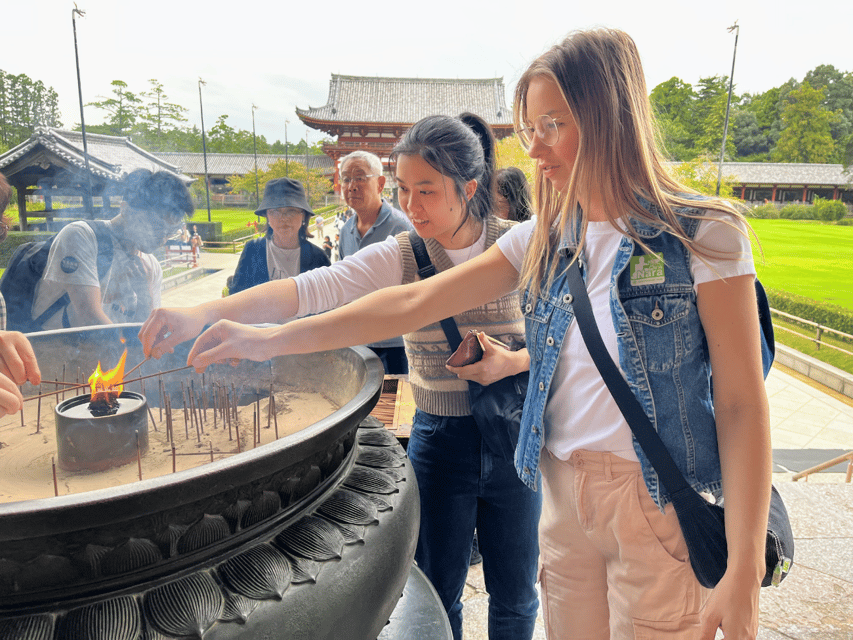
Todaiji is the architectural high point of the tour. Admission is included, and you get about 50 minutes with a guide. The temple’s Great Buddha Hall, or Daibutsuden, is one of Japan’s most impressive wooden buildings. Inside sits the enormous bronze Great Buddha of Nara.
The scale is hard to grasp from photographs. The hall is vast, and the Buddha dominates the interior. Your guide can explain the religious setting and point out details that are easy to miss when you are simply looking up at the statue.
Before or after the hall, you pass through Nandaimon Gate, the grand southern entrance to the temple complex. Two fierce guardian statues flank the gate. Their powerful poses and detailed carving give you a strong sense of how religious art was used to protect sacred space.
The temple is a busy, active place, so expect other groups and visitors. Flash photography is not allowed. You will also walk over uneven ground and may need to manage steps or hills, so comfortable shoes matter.
The 50-minute visit is well judged for a first look. You have time to see the hall, hear the main explanations, and take photographs without spending the rest of the day indoors. If you want to examine every statue or linger over architectural details, you will need to return on your own.
The guides bring the morning together
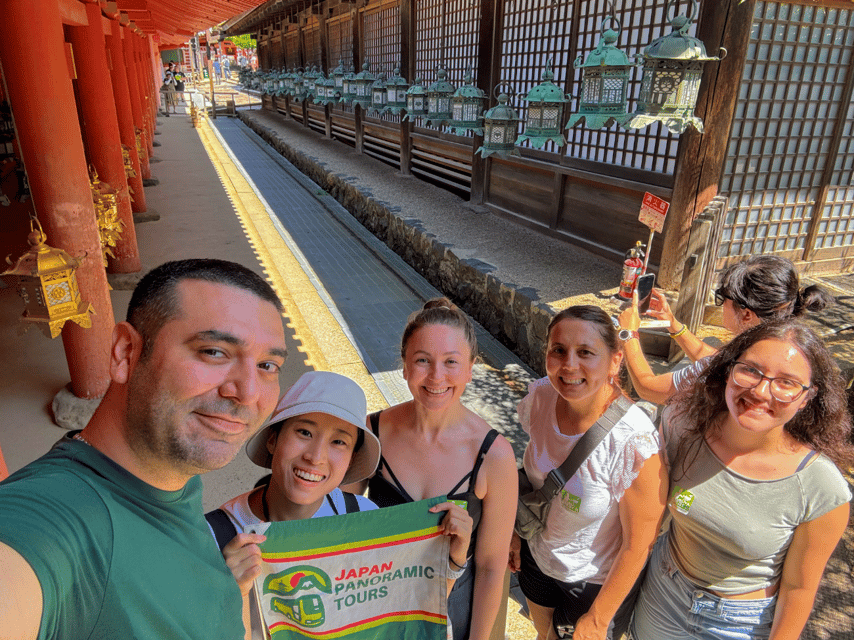
The route is straightforward, but the guide determines how much you take away from it. The English-speaking team includes guides such as Ciel, Tommy, Den, Nagomi, Mai, Sakura, Aoi, Rina, Yuta, Harry, and others. Different guides have different styles, but the strongest pattern is clear explanations mixed with a friendly, relaxed manner.
Ciel is known for upbeat guidance and practical deer-feeding advice. Tommy is often praised for explaining Japanese customs and helping people with small travel problems, including onward directions. Den brings humor and energy, while Nagomi has used quizzes and extra facts to keep the history lively. Mai, Sakura, Aoi, Rina, Yuta, and Harry are also noted for clear instructions, good English, and personal attention.
That matters on a short tour. You need to know when to meet again, where to stand, and how much time remains. Guides also help solo visitors with photographs and can suggest places to eat after the tour. Several guides have offered restaurant or shaved ice suggestions near the station.
The main language of the live tour is English. Audio headsets are available in Spanish, French, German, Italian, Portuguese, and Ukrainian. That is useful if you prefer to hear explanations in another language, though the live interaction and practical instructions are in English.
A compact schedule with real walking
The route takes about four hours:
- Coach from Kyoto to Nara, about one hour
- Kasuga Taisha, about 40 minutes
- Nara Park, about 30 minutes of free time
- Todaiji Temple, about 50 minutes
- Short coach ride of about 10 minutes
- Finish at Kintetsu Nara Station around noon
The exact order can change because of traffic, weather, or operating conditions. If a place closes, an alternative stop may be used. You should expect moderate walking, stairs, hills, and outdoor exposure.
Wear shoes you can walk in comfortably. Bring water, sunscreen, a hat, and a raincoat or umbrella. Cash is useful for deer crackers and personal purchases. Food and drinks are not included, and the coach does not allow alcohol, smoking, or intoxication.
This tour is not suitable for wheelchair users or people with mobility impairments. The walking surfaces, stairs, and hills make it difficult for anyone who needs step-free access.
The important return trip to Kyoto
The tour ends at Kintetsu Nara Station, not at Kyoto Station. This is the detail most likely to affect your plans.
You will need to buy your own ticket and take public transportation back to Kyoto. Station staff can help, and guides can offer directions, but the return is not part of the $77 price. Allow extra time if you have an afternoon reservation, luggage, or a train to catch.
The arrangement has one advantage: you are free to stay in Nara after noon if you want. You can eat lunch, visit another temple, or explore the town before returning. If you prefer a guided return and a full day of sightseeing, ask about the operator’s full-day option before booking. Some people have changed from the half-day format to a full day after enjoying the morning.
Who should book this Nara tour
I would choose this trip if you are staying in Kyoto and want a simple first visit to Nara. It suits families, solo visitors, and anyone who wants a guide to explain the religious sites rather than simply point out buildings.
It is also a good match for a tight schedule. You see the three headline experiences, receive transportation to Nara, and finish early enough for an afternoon plan. The air-conditioned coach is a welcome feature during hot weather or rain.
I would think twice if you want a quiet, unhurried day. The park stop is short, the route involves steady walking, and the return to Kyoto is your responsibility. Visitors with limited mobility should choose a different arrangement.
Should you book it?
Book this tour if you want the essentials of Nara with a friendly English-speaking guide and no need to arrange the outbound transport yourself. Todaiji, Kasuga Taisha, and the deer park make a strong half-day combination, and the included temple admission improves the value.
Before paying, make sure the end point suits your plans. If you understand that you are returning to Kyoto independently, arrive early at the Avanti meeting point, and wear practical shoes, this is an efficient and enjoyable way to meet Nara.
FAQ
Where does the tour meet in Kyoto?
Meet beside Tully’s Coffee in front of the Kyoto Avanti building at 31 Higashikujo Nishiyamao-cho, Minami Ward, Kyoto. Look for the green and white Japan Panoramic Tours flag.
What time should I arrive?
The meeting time is 7:50 AM, and the coach departs at 8:00 AM. The bus leaves on time, and latecomers or no-shows do not receive a refund.
Where does the tour finish?
The tour finishes at Kintetsu Nara Station at about noon.
Does the tour include transportation back to Kyoto?
No. Transportation is provided from Kyoto to Nara, but you arrange and pay for your own return from Kintetsu Nara Station.
Is admission to Todaiji Temple included?
Yes. Admission to Todaiji Temple is included in the tour price.
What languages are available?
The live tour is conducted in English. Audio guides are available in Spanish, French, Italian, German, Portuguese, and Ukrainian.
Can I feed the deer?
Yes. Feed them only the special crackers sold in Nara Park. Keep the crackers hidden until feeding time, and show the deer your empty hands afterward.
Is the tour suitable for wheelchair users?
No. The tour includes moderate walking, stairs, and hills, and it is not suitable for wheelchair users or people with mobility impairments.
What happens if the weather or traffic changes the schedule?
The order of the stops may change because of traffic, weather, or operational reasons. If a listed place is closed, an alternative place may be visited.
Just added in Kyoto
- Kyoto: Private Photoshoot Service★ 5.0 · 158 reviews
- Kyoto Rickshaw Tour★ 5.0 · 210 reviews
- Izakaya Style Cooking Class★ 5.0 · 219 reviews
- Kyoto: Traditional Concert at Townhouse or Bathhouse★ 4.9 · 224 reviews
- Ninja 2-hour Hands-on Lesson by Japanese master in Kyoto -Medium★ 5.0 · 218 reviews
- Kyoto: Arashiyama Bamboo, Temple, Matcha, Monkeys & secret spots★ 5.0 · 219 reviews
- Kyoto Geisha District Walking Tour in Gion★ 5.0 · 232 reviews
- The right way to know Kyoto★ 5.0 · 257 reviews
Nara & the Deer Park, compared.
World Heritage Kyoto & Nara Uji Authentic Matcha Experience
Read our review →
Kyoto/Osaka: Nara, Fushimi Inari Taisha, Arashiyama Bus Tour
Read our review →
Nara Half Day Trip Walking Tour (Private Option Available)
Read our review →
Osaka/Kyoto: Arashiyama, Nara & Fushimi Inari Shrine w/Lunch
Read our review →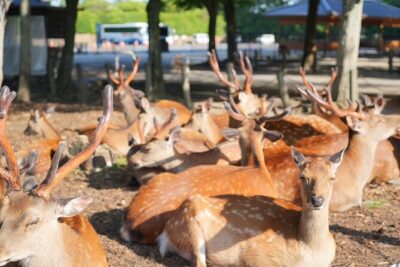
Nara Early Morning Tour (Kyoto or Osaka Departure Available)
Read our review →
Full Day Guided Tour to Kyoto and Nara from Osaka by Van
Read our review →
Browse the lists this tour appears in