

Reviewed · WALKING TOURS
Private Osaka Walking Tour: Highlights & Hidden Gems
Osaka reveals itself best in its side streets, food arcades, old temples, and odd little corners. This private tour lets you shape the day around your interests, with a local host such as Maria, Max, Taku, Ryan, or Kai guiding you through the city. I especially like the pre-tour questionnaire and the chance to mix famous places with quieter stops such as Hozenji Temple or a small neighborhood shrine.
I also like the flexible pace. A four-hour outing can cover several districts, while an eight-hour day gives you time for food, shopping, Osaka Castle, or a market visit. The main caution is simple: this is a walking tour, and some groups have covered 15,000 to 20,000 steps. Public transport or a taxi can help, but those costs are extra.
Key points to know
- Your route begins with your interests: Choose history, food, shopping, architecture, local life, or a mix.
- Maria is a frequent standout guide: She is praised for excellent English, thoughtful planning, and adjusting the day to suit each group.
- Four hours can cover a lot: Expect several districts, but bring comfortable shoes and do not pack the schedule too tightly.
- The route can mix famous and lesser-known Osaka: Dotonbori, Namba, Shitennoji, Amerikamura, Hozenji, and Umeda may all fit, depending on your plan.
- Food is not included: Your host can point you toward local dishes, but meals, drinks, entry fees, and transport are paid separately.
- Hotel pickup is limited: Pickup is offered from centrally located hotels, and the stated meeting point is near Namba.
A private Osaka day built around you
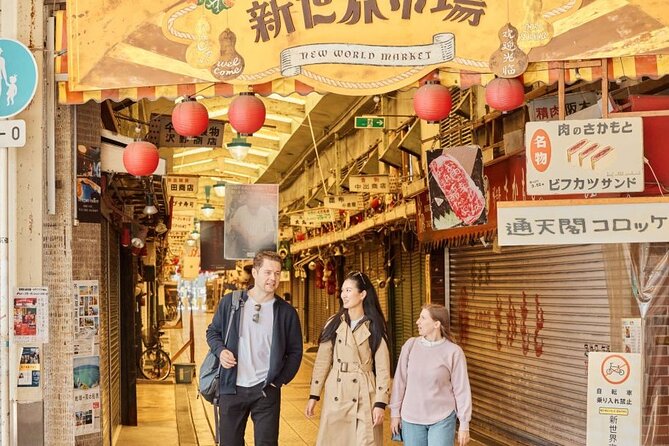
This is not a fixed sightseeing circuit. After booking, you receive a short questionnaire where you can explain what you want to see and how you like to travel. Your host then prepares a route around those interests.
That makes a real difference in Osaka. The city can feel like several places stitched together: old temple grounds, neon-lit canals, department stores, youth-fashion streets, covered arcades, and quiet residential lanes. A standard group tour may rush between major sights. Here, you can ask for more food, more history, fewer stairs, better shopping advice, or a slower morning.
The guides have different strengths. Maria is repeatedly praised for her English, advance planning, warmth, and ability to handle last-minute changes. Max is a strong choice if you want help with public transport and restaurant suggestions. Taku is associated with local food stops and places you might not find alone. Ryan brings long-term knowledge of Osaka, while Kai has helped visitors understand the subway and buy ICOCA cards.
The exact host matters, so if you have a strong preference, it is worth asking whether a named guide is available. The experience is private, but the particular guide is not guaranteed in the information provided.
Other walking tours in Osaka people book:
- Osaka: Hotspots & Hidden Gems Walking Tour Private or Group
★ 4.9 · 1,300 reviews - Osaka Local Foodie Walking Tour in Dotonbori and Shinsekai
★ 5.0 · 985 reviews - Osaka Bar Hopping Night Walking Tour in Namba (3 bars, 6 tastes)
★ 5.0 · 958 reviews
What two hours, four hours, and eight hours really mean
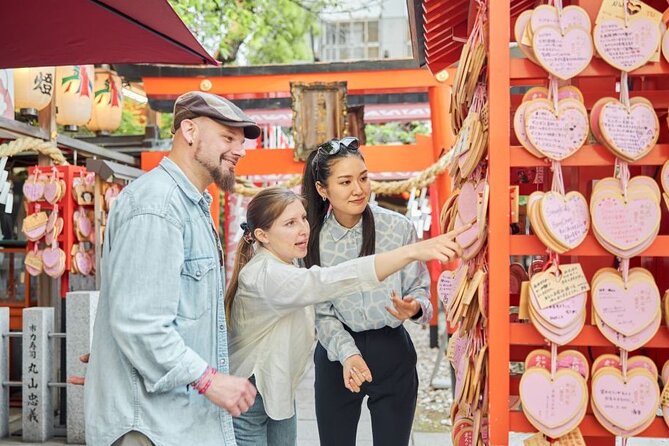
The tour lasts from approximately two to eight hours. That range is useful, but it also means you need to set realistic expectations.
A two-hour booking works best as a short introduction to one area. You might focus on Namba, Dotonbori, a market, or a nearby temple district. It will not be enough time to cover the full list of suggested stops.
Four hours is the practical middle ground. It can give you a taste of old and new Osaka, with time for shopping, food advice, and several neighborhoods. One family covered a great deal in four hours, while another group walked more than 20,000 steps during its particular route. That tells you two things: the tour can be productive, and the pace depends heavily on your guide and choices.
An eight-hour day suits visitors who want a broad introduction or have a long list of requests. You could combine temples, shopping arcades, food areas, and a major sight such as Osaka Castle if your host includes it. Still, eight hours on foot is demanding. Use public transport or a local taxi for longer transfers if your knees, energy, or summer heat make a full walking day impractical.
The route is private, so you are not trying to keep up with strangers. You can ask to slow down, stop for a drink, or change direction. Just remember that adding distant areas may mean extra transport costs.
Starting near Namba and finding your bearings
The stated meeting point is DAISO, 2-chōme-2-17 Nanbanaka, in Naniwa Ward. This places the start near the Namba area, a useful base for seeing southern Osaka.
Central hotel pickup is offered, so check this before you arrange your morning. If pickup does not apply to your hotel, plan to reach the meeting point using Osaka’s train or subway network. The tour ends back at the meeting point, according to the supplied details, so do not assume a final drop-off at your hotel or at another attraction.
Namba is a sensible place to begin because it quickly connects several different sides of Osaka. From here, you can reach shopping arcades, Hozenji, Dotonbori, Amerikamura, and the lion-headed Namba Yasaka Shrine. It is also a good place to ask your host about food, since several of the city’s best-known eating streets are nearby.
Namba Yasaka Shrine and the lion that eats bad luck
One of the most unusual stops is Namba Yasaka Shrine, known for its huge lion-shaped structure. The open mouth is said to swallow evil spirits and bring good fortune.
This is a quick, memorable cultural stop rather than a huge temple complex. The lion gives you a strong photograph, but the more valuable part is the explanation around it: your host can place the shrine within Osaka’s local religious life and explain how a small neighborhood site can become one of the city’s most recognizable sights.
Because it is in Namba, it fits well into a southern Osaka route. You will not need to spend hours here, which makes it useful during a shorter booking. If your priority is grand architecture or extended temple time, ask your host to balance it with Shitennoji.
Other quiet corners of Osaka:
- Osaka Kickstart: Hotspots & Hidden Gems Tour
★ 5.0 · 1,306 reviews - Ultimate Osaka Walking Tour: Castle, Dotonbori & Hidden Gems
★ 5.0 · 862 reviews - Kyoto Geisha Walking Tour: Gion District & Hidden Gems
★ 4.7 · 3,273 reviews - Private Kyoto Tour with a Local, Highlights & Hidden Gems, Personalised
★ 5.0 · 1,543 reviews
Shitennoji, a quiet break from city noise
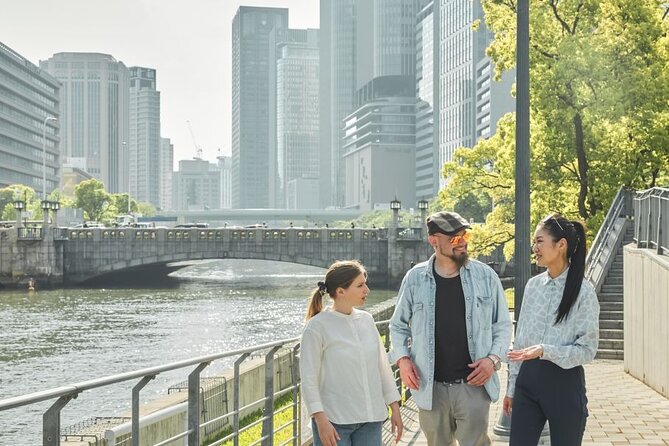
Shitennoji was founded in 593 and is recognized as Japan’s oldest official temple. It is linked to the early introduction of Buddhism in Japan, giving the site a place in the country’s religious story.
The appeal is not only age. Its grounds offer a calmer pause after the noise of Namba and Dotonbori. A guide can help you notice the difference between Osaka’s commercial districts and its temple spaces, rather than treating Shitennoji as another item to photograph.
Allow enough time to appreciate the atmosphere. If you have only two hours, this temple may compete with shopping or food stops. During a longer tour, it makes an excellent contrast with the city’s neon streets.
Hozenji Yokocho and the Fudomyoo statue
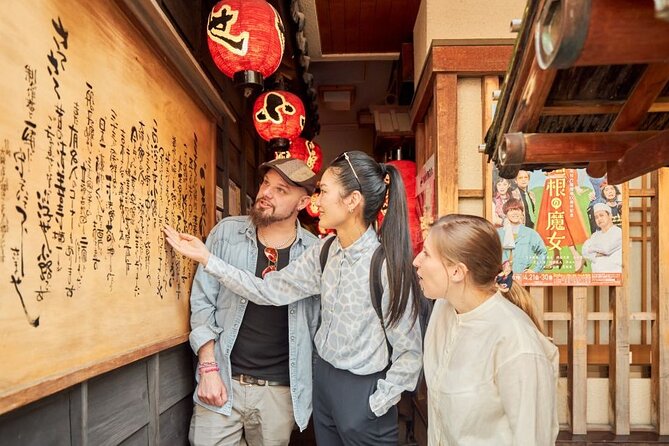
Hozenji Yokocho is a narrow, stone-paved lane lined with more than 60 traditional Japanese restaurants and bars. It has an old Osaka feel that is easy to miss among the larger shopping streets.
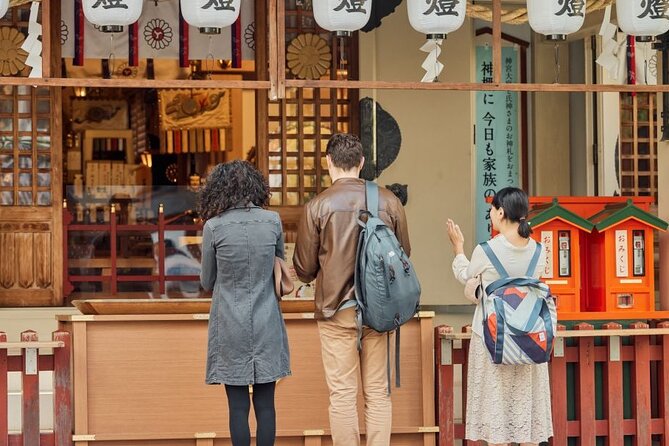
At Hozenji Temple, you will find a moss-covered statue of Fudomyoo. Visitors pour water over the statue while asking for blessings, which gives the small temple a lively local ritual. Your host can explain what you are seeing and help you approach the site respectfully.
This is one of the strongest stops for atmosphere. The lane is compact, so it does not require a long visit, but it rewards a slow walk and a willingness to look closely. Restaurants and drinks are not included, so budget separately if you want to eat here.
Dotonbori after dark, or during the day
Dotonbori is Osaka’s famous canal district, with bright signs, arcades, restaurants, and constant movement. At night, the neon reflections make it one of the city’s most recognizable scenes. During the day, it is easier to see the shopfronts and move through the arcades without the same evening crush.
The district can feel touristy, but it is still useful as an introduction to Osaka’s food-centered culture. Your guide can point out local specialties and steer you toward side streets instead of leaving you with only the most obvious restaurant signs.
Do not expect a quiet walk here. If you dislike crowds, tell your host in advance and ask for an early or later visit. Dotonbori is best treated as one part of the day, not the whole Osaka experience.
Amerikamura and Osaka’s younger side
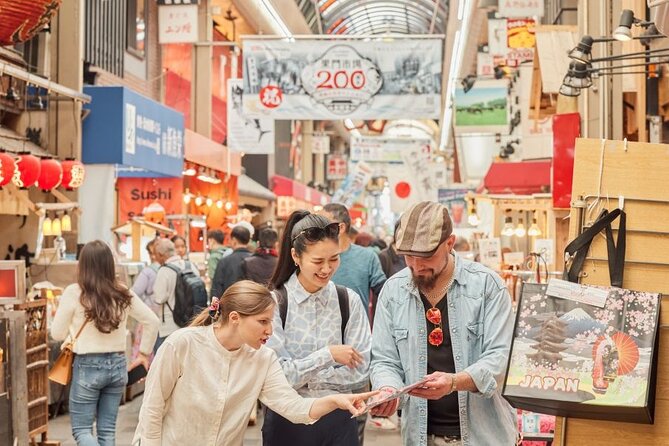
Amerikamura, often called Amemura, is the city’s American-inspired youth district. Its streets feature indie music, thrift shops, hip-hop and street fashion, galleries, cafés, and character goods.
This area helps explain why Osaka feels different from Kyoto’s temple-centered image. The appeal is its local energy and creative edge, not a single landmark. A host can add context about what makes the district popular and direct you toward the kinds of stores that suit your interests.
If shopping is your main goal, say so before the tour. The area can easily absorb more time than expected. If shopping is not your priority, a shorter walk gives you a useful change of scene before moving on to temples or food streets.
Shinsaibashi and the city’s shopping arcades
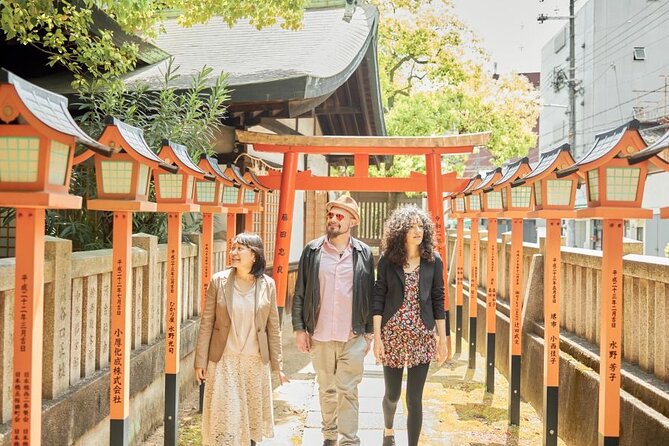
Osaka’s major shopping arcades offer shelter from rain and heat while giving you a look at ordinary city commerce. You will find shops, cafés, restaurants, souvenir stalls, and character goods under covered walkways.
Shinsaibashi works well for visitors who want practical shopping advice rather than a museum tour. Your guide can help you compare areas, find particular goods, or identify places for local snacks. One guide, Loys, was especially praised for helping a family with shopping and for combining older Osaka with newer districts.
The drawback is that arcades can look similar after a while. Ask your host to focus on a specific interest, such as food, gifts, fashion, or Japanese character merchandise. That keeps the walk purposeful.
Umeda, department stores, and the White Umeda maze
Northern Osaka offers a different mood from Namba. A major department store in Umeda gives you several floors of goods, while White Umeda, an underground shopping area, turns the city below street level into a maze of stores and connections.
This is useful on a rainy day and practical near Osaka Station. It also shows how much of Osaka’s daily life happens underground, especially around major transport hubs.
Umeda may require a train or subway transfer from the southern districts, so ask about transport costs before setting the route. If you have only a few hours, choosing Umeda may mean giving up one or two southern stops. The value comes from making that choice with a local who understands the city’s layout.
Nakanoshima, art, parks, and early modern buildings
Nakanoshima is an island district between rivers, with art museums, early 20th-century architecture, and a park. It offers a peaceful late-morning walk away from the louder shopping and entertainment areas.
This stop is especially good if you want architecture, art, photography, or a slower pace. It also gives your guide room to explain Osaka’s development as a modern commercial city without keeping you in a crowded shopping street.
Nakanoshima is not the obvious choice for a first-time visitor focused only on major sights. That is precisely its value. It adds balance to a day otherwise filled with signs, shops, and food.
Food advice without a food tour price
Food is central to Osaka, but this is not a food tour with meals included. You pay for dishes and drinks yourself, and attraction entry fees are also separate.
The advantage is freedom. You can ask for curry, kushikatsu, market food, sweets, or unusual local specialties, then decide what fits your appetite and budget. Past routes have included curry, kushikatsu, hot chocolate, fish-market visits, and restaurant recommendations near Osaka Station.
Do not assume a meal is built into the tour price. Tell your host about dietary needs, favorite foods, and comfort with unfamiliar dishes in the questionnaire. If you want a sit-down meal, allow enough time so the tour does not become a rushed sequence of brief stops.
Walking, public transport, and comfort
The tour is primarily on foot. Comfortable shoes are essential, and you should expect uneven pacing as you move between districts, arcades, temple grounds, and stations.
Public transport or local taxis may be used if requested, but the fare is not included. A guide can help you use the subway, and Max and Kai have been particularly helpful with transport guidance, including ICOCA card advice. This is useful if you are still finding your way around Osaka.
If you have sore knees or limited stamina, say so before the day begins. One route used public transport and Uber when needed, allowing the group to enjoy the tour without forcing every transfer on foot. Service animals are allowed, and most people can participate, but the walking demands still deserve honest planning.
Is $81.07 per person good value?
At $81.07 per person, the price is reasonable if you want a private guide and can use the customization. It becomes better value for a small group because the same private host serves only your party, and the route can match several people’s interests.
You are not paying for meals, admission tickets, or transportation. Those extras can raise the final cost, especially if you build a long route between Namba, Osaka Castle, Umeda, and other distant areas.
The strongest value is the first day in Osaka. A good host can help you understand the city’s districts, learn the train system, find food you might otherwise miss, and leave you with ideas for the rest of your stay. If you already know Osaka well and only want a fixed list of sights, a regular admission-based tour may be cheaper and simpler.
The experience has a 4.8 rating from 569 reviews, with 96 percent recommending it. That is a strong signal, but the result depends on the person guiding you and how clearly you explain your priorities.
Who should book this private walk?
I would choose this tour if you are visiting Osaka for the first time, have limited time, or want help deciding how the city fits together. It also suits families, couples, and small groups with different interests.
It is a good match for you if you want:
- A mix of major sights and local streets
- Help using Osaka’s public transport
- Food suggestions without committing to a fixed menu
- A slower or faster pace than a group tour allows
- Shopping advice in Namba, Shinsaibashi, Amerikamura, or Umeda
- A guide who can adjust plans during the day
I would think twice if you want a fully pre-set itinerary, included meals, private driving, or very little walking. The tour does not include a private vehicle, and the route can become physically demanding.
Cancellation is free up to 24 hours before the start time. Changes or cancellations inside that window are not accepted for a refund.
Should you book it?
Book this tour if you want Osaka explained through neighborhoods rather than reduced to a checklist. The best version combines a few major sights with places such as Hozenji, Nakanoshima, Amerikamura, or a small shrine that you might not reach on your own.
For a first meeting with the city, I would choose four hours and complete the questionnaire carefully. Ask for Maria if she is available and you value polished English and advance planning. Consider Max if transport help matters, Taku if food and local corners are your priority, or Ryan if you want long-term insight into Osaka.
Bring good shoes, keep extra money for food and transport, and leave room for the day to change. That flexibility is the reason to book this private experience.
FAQ
How long does the Osaka walking tour last?
You can book approximately two to eight hours. A two-hour tour suits one neighborhood or a short introduction, while four to eight hours allows more districts and interests to be included.
Is the tour private?
Yes. Only your group participates in the activity.
Is hotel pickup available?
Pickup is offered from centrally located hotels. The stated meeting point is DAISO, 2-chōme-2-17 Nanbanaka, Naniwa Ward, Osaka.
Where does the tour end?
The activity ends back at the meeting point.
Are food and drinks included?
No. Food and drinks are not included. Attraction entry fees and transportation costs are also separate.
Can the guide use public transportation or taxis?
Yes. Public transportation or local taxis may be used if requested, but you must pay those transportation costs separately.
Do I receive a customized itinerary?
Yes. After booking, you receive a short online questionnaire about your interests and preferences. Your host uses that information to plan the experience.
Is the tour suitable for people with accessibility needs?
Most people can participate, and service animals are allowed. Since this is mainly a walking tour, tell your host about mobility concerns in advance. Public transport or a taxi may be used when needed, with costs discussed separately.
More walking tours elsewhere in Japan
- Osaka: Deep Backstreets Walking Tour with Dinner Option
★ 4.9 · 902 reviews - Osaka: Main Sights and Hidden Spots Guided Walking Tour
★ 4.9 · 702 reviews - Osaka Castle Walking Tour and Castle Tower Admission
★ 5.0 · 561 reviews - Kuromon Market Food Walking Tour in Osaka (6 stops, 6 tastes)
★ 5.0 · 550 reviews
Just added in Osaka
- Osaka Temple Cool Foot Bath & Matcha Experience〈45min〉★ 4.9 · 82 reviews
- Osaka: Mind & Spirit Balance Temple Reiki Healing★ 5.0 · 41 reviews
- Osaka: Samurai Training Experience KENDO in Osaka★ 5.0 · 111 reviews
- Full Day Kyoto Tour : Bamboo Forest, Golden Temple, Fushimi Inari★ 5.0 · 84 reviews
- Osaka: Minoh, Katsuoji Temple, & Minoh Falls Full-day Tour★ 4.9 · 172 reviews
- Ramen and Gyoza Cooking Class in Osaka★ 5.0 · 202 reviews
- OSAKA NIGHT FUSION Japanese Taiko Kabuki Samurai Dance Show★ 4.8 · 155 reviews
- Osaka: A Modern Samurai, Kabuki, Taiko, & Dance Show★ 4.5 · 66 reviews
Walking Tours, compared.
Kyoto Geisha Walking Tour: Gion District & Hidden Gems
Read our review →
Tokyo Tsukiji Fish Market Food and Culture Walking Tour
Read our review →
Imperial Palace and Shogun Historical Walking Tour
Read our review →
Gion Geisha District Walking Tour – Stories of Geisha
Read our review →
Shinjuku Local Bar and Izakaya Guided Walking Tour
Read our review →
Asakusa Walking Tour with Sensoji Temple Visit
Read our review →
Nishiki Market Brunch Walking Tour (7 Tastings + Brunch)
Read our review →Browse the lists this tour appears in