
Reviewed · WALKING TOURS
Osaka: Main Sights and Hidden Spots Guided Walking Tour
Osaka reveals itself by sharp contrasts: a feudal castle, a Korean neighborhood, a high-rise view, an old entertainment district, and neon-lit Namba all fit into one half-day. I like the way this tour connects those places by walking and public transport, rather than treating Osaka as a string of isolated photo stops. I also like the guide-led context, especially around Osaka’s merchant culture, wartime changes, local customs, and the city’s long rivalry with Tokyo.
The tradeoff is pace. You cover a lot in four hours, and the route can reach more than 10,000 steps. Transportation costs, food, and drinks are extra, and the tour has no planned meal stop. If you want a slow visit inside Osaka Castle or a long market lunch, this is not that tour.
Key points to know before booking
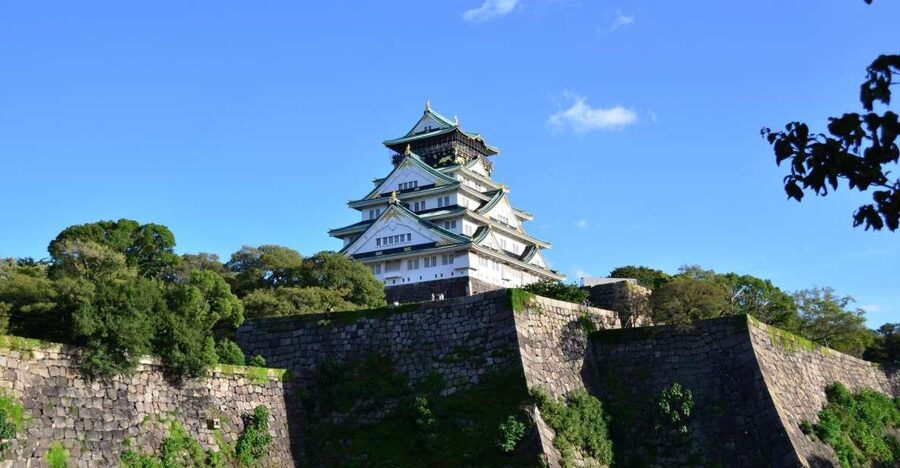
- Osaka Castle comes first: Spend about 75 minutes around the grand exterior and park, with stories about the shogun era and Osaka’s near loss of power 400 years ago.
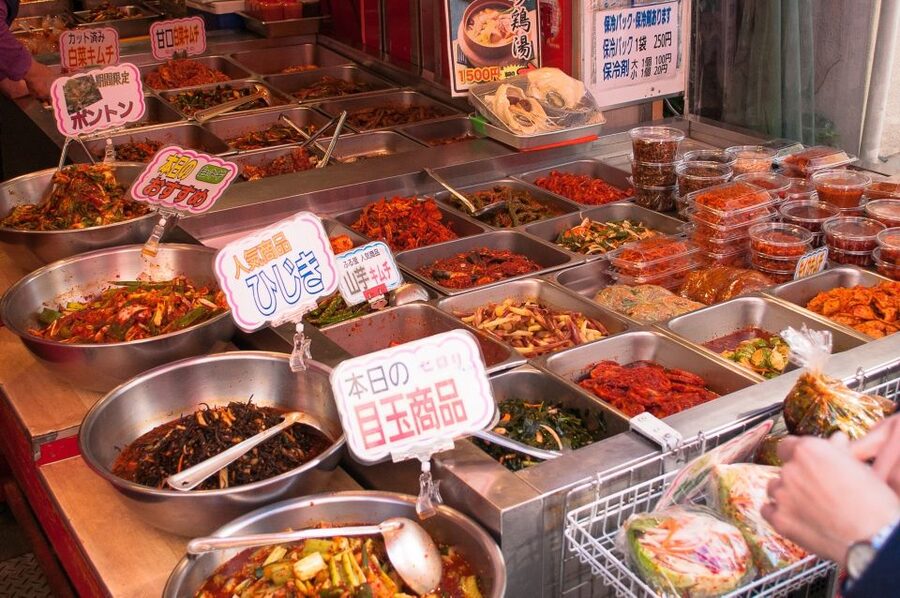
- Korea Town adds real neighborhood texture: Tsuruhashi brings narrow lanes, pre-war commercial streets, Korean food, and a side of Osaka many visitors miss.
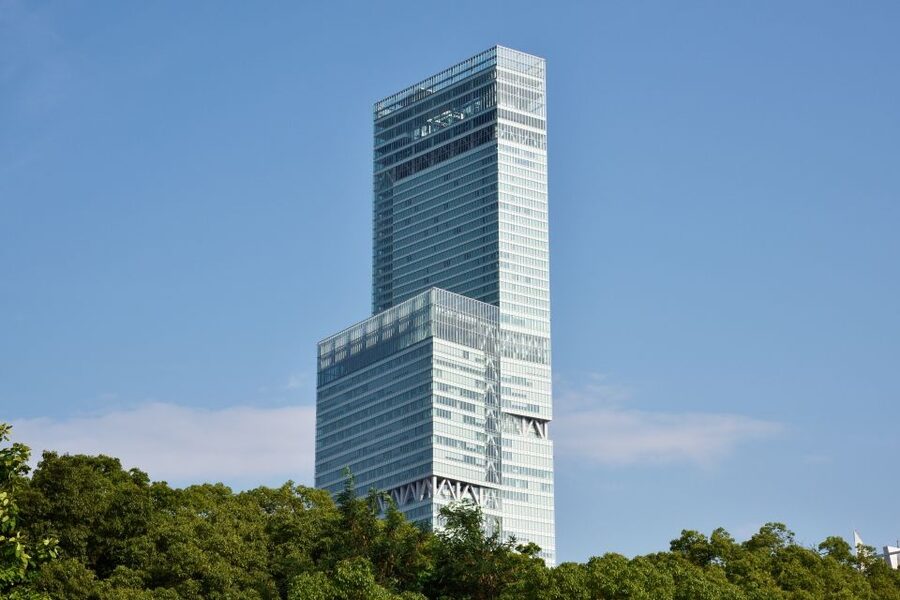
- The route mixes high and low views: See Osaka from the Harukas building, then return to street level in old Shinsekai.
- Dotonbori and Kuromon bring modern Osaka: Expect famous signs, food stalls, fresh seafood, and crowded shopping streets.
- Guides shape the experience: Kevin, Ferdinand, Oisin, Bryan, and others are praised for history, cultural explanation, photography help, and practical food advice.
- Bring good shoes and a subway day pass: The tour runs rain or shine, and transport is not included in the $59 price.
Why this four-hour route works for a first look at Osaka
At $59 per person, this is a good value if your Osaka time is short and you want a useful introduction rather than a single attraction. You get a guide for four hours, a broad route across several districts, and help with the city’s subway system. You do not get entrance to Osaka Castle, a meal, or included transportation, so budget for those separately.
I see the biggest value in the range. Many city tours stay inside one central district. This one moves from the castle area in the north toward Tsuruhashi, Abeno, Shinsekai, and Namba. That gives you a sense of how Osaka changes from historic power center to immigrant neighborhood, department-store city, old entertainment quarter, and present-day food capital.
The tour begins at Tanimachiyonchome Station Exit 2, above ground. If you arrive by taxi, the useful landmark is the Tanimachi 3-chome intersection, written as 谷3交差点. Arrive ready to walk, since the tour itself does not provide hotel pickup or transport.
The company asks you to buy a subway day pass for reaching the meeting point and moving around during the tour. That extra cost may still be worthwhile, especially if you plan to use the subway later that day. If you prefer not to manage public transportation, a central Osaka hotel pickup can be arranged for 5,000 yen, paid in cash to the guide or through a secure payment link.
Other walking tours in Osaka people book:
- Osaka: Hotspots & Hidden Gems Walking Tour Private or Group
★ 4.9 · 1,300 reviews - Osaka Local Foodie Walking Tour in Dotonbori and Shinsekai
★ 5.0 · 985 reviews - Osaka Bar Hopping Night Walking Tour in Namba (3 bars, 6 tastes)
★ 5.0 · 958 reviews
Osaka Castle Park and the story behind the stone walls
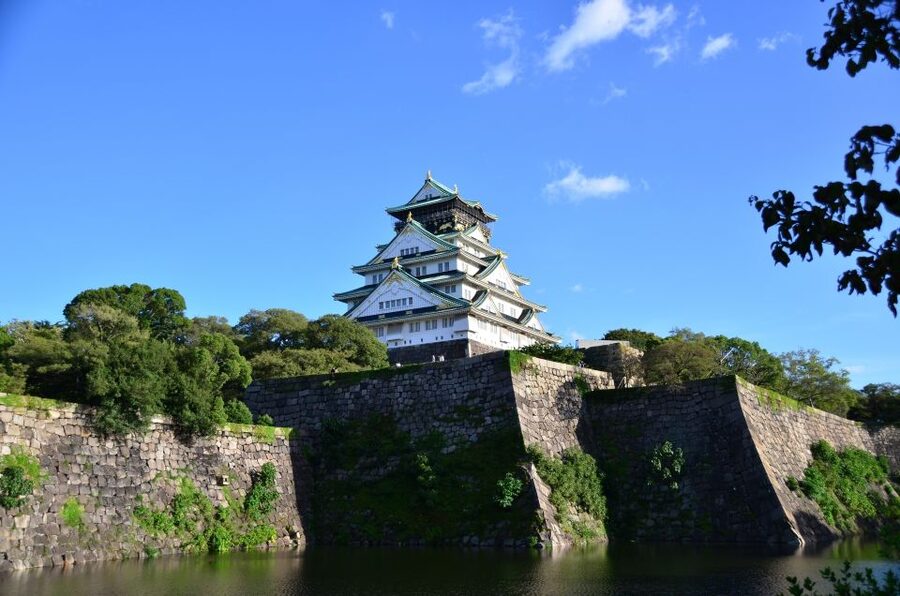
The opening stop gives you 75 minutes around Osaka Castle Park. You do not go inside the castle, so this is important to understand before booking. The focus is the exterior, the broad park, the surrounding defenses, and the political story tied to the site.
This is where the guide can turn a familiar landmark into something more useful. The castle is linked to the shogun period and to the struggle over control of Japan around 400 years ago. Guides such as Ferdinand have been praised for telling this story in a clear, engaging way rather than simply pointing out the rooflines and walls.
I like beginning here because the park gives you room to get oriented. Osaka is a large city, and the castle provides a strong first reference point. You can take photographs of the imposing exterior while learning why this place mattered to Osaka and to Japan’s rulers.
The drawback is that the stop may leave you wanting more castle time. If touring the interior museum and upper levels is high on your list, plan a separate visit. This tour is about the city around the castle and the story told by the guide, not a full castle admission experience.
Tsuruhashi and Osaka’s Korean neighborhood
A quick train ride takes you to Tsuruhashi, where the mood changes quickly. Here you walk through a maze of narrow streets and alleys in a pre-war commercial district often called Osaka’s Korea Town.
This stop adds a social and cultural layer that Osaka’s major signs and shopping streets cannot provide. You might see food shops, small businesses, and streets with a more local, lived-in feel. One guide, Kevin, has been especially praised for explaining how different cultures in Japan interact, while other guides have introduced visitors to local foods such as kimchi pancakes.
There is no formal food stop included, but Tsuruhashi is one of the better places to buy a snack if you are hungry. You will want to ask the guide what is practical to try during your visit. Keep in mind that a snack purchase is your responsibility, and the schedule does not promise time for a sit-down meal.
I think Tsuruhashi is one of the most useful stops for anyone who wants more than the standard Osaka checklist. It shows how the city’s character was shaped not only by castles and merchants, but also by communities, migration, food, and neighborhood life.
Abeno Harukas for a high view of Osaka
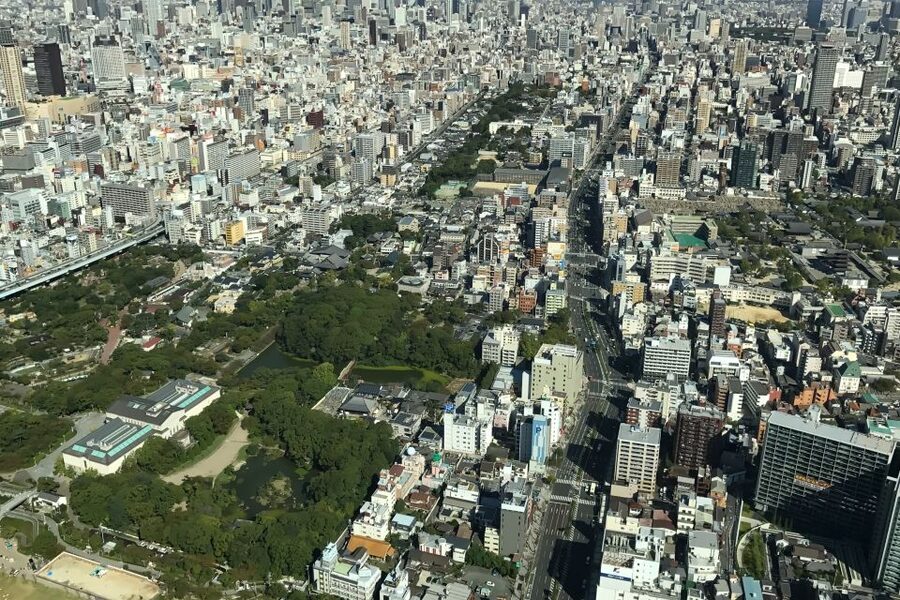
Next comes Abeno Harukas, one of the city’s best-known high-rise landmarks. You spend around 30 minutes looking out from a high floor before heading underground to the department store food hall.
The view offers a needed pause from street-level walking. From above, you can better grasp Osaka’s size and density. The stop is also practical because the guide can point out how the areas you have visited fit together.
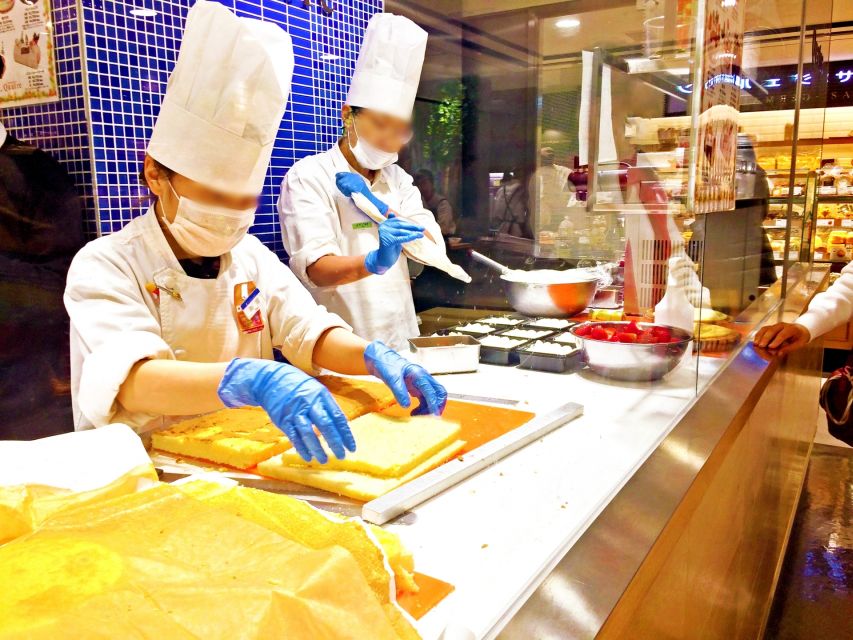
The underground food hall brings a different kind of sightseeing. You can look at carefully presented Japanese foods and high-end ingredients, including puffer fish and Kobe beef. This is not a tasting session, so do not expect food to be included. Think of it as a guided look at the quality, presentation, and range of products sold in a major Japanese department store.
This stop works best if you enjoy food culture as much as monuments. I find it particularly useful for understanding that Japanese food shopping is often an experience in itself. The limitation is time. Thirty minutes gives you a look, not a leisurely browse or meal.
Other guided walks in Osaka:
- Osaka: Deep Backstreets Walking Tour with Dinner Option
★ 4.9 · 902 reviews - Ultimate Osaka Walking Tour: Castle, Dotonbori & Hidden Gems
★ 5.0 · 862 reviews - Private Osaka Walking Tour: Highlights & Hidden Gems
★ 5.0 · 569 reviews - Osaka Castle Walking Tour and Castle Tower Admission
★ 5.0 · 561 reviews
Shinsekai, where old Osaka remains visible
Not far from Harukas, Shinsekai brings you back to street level. The district is known for its slightly worn appearance and older local character, with sights that feel less polished than the newest parts of Namba.
That contrast is the point. Osaka is not only glittering signs and department stores. Shinsekai gives you a glimpse of an older entertainment district and a version of the city that has not been smoothed over for visitors. One itinerary description links the area with former leisure culture and less conventional aspects of Osaka’s past.
The guide’s explanation matters here. Without context, you might simply see aging buildings and unusual storefronts. With a guide, you can connect the area to Osaka’s social history and to the city’s reputation for independent characters and merchant energy.
I would keep your expectations realistic. Shinsekai is not a preserved museum quarter, and the appeal is not architectural perfection. It is an urban neighborhood with signs of age. That makes it interesting, but it also means the experience depends heavily on the guide’s storytelling.
Namba, Dotonbori, and the city after dark
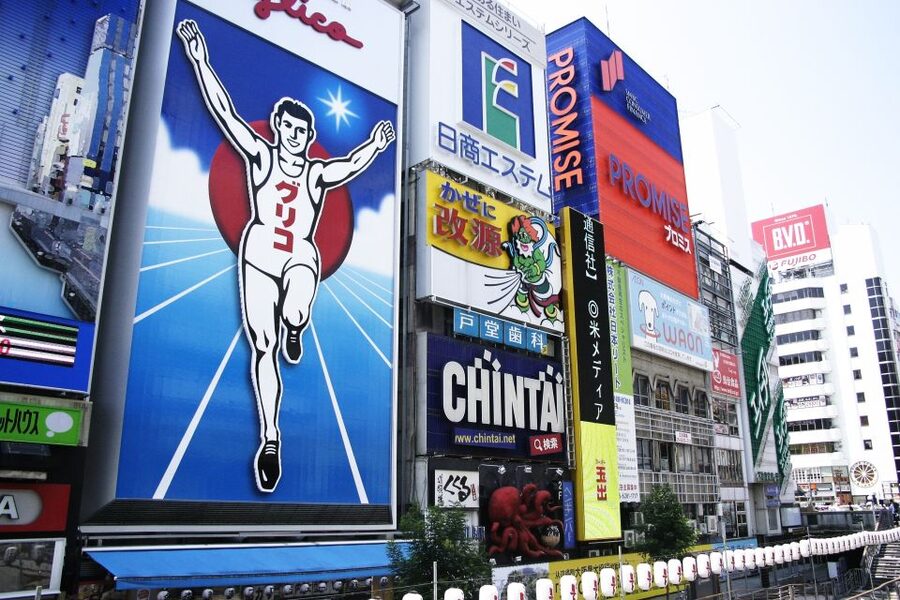
The route then heads toward Namba, the center of Osaka’s present-day shopping, dining, and entertainment scene. Dotonbori is the headline stop, with the giant signs, bright storefronts, canalside energy, and quirky visual style that have made it Osaka’s answer to Times Square.
You will have time to walk through the main area and then turn into smaller back streets. Those lanes are often more rewarding than simply taking a picture at the most famous sign. Your guide can help you notice the different feel from one street to the next and point out places worth returning to later.
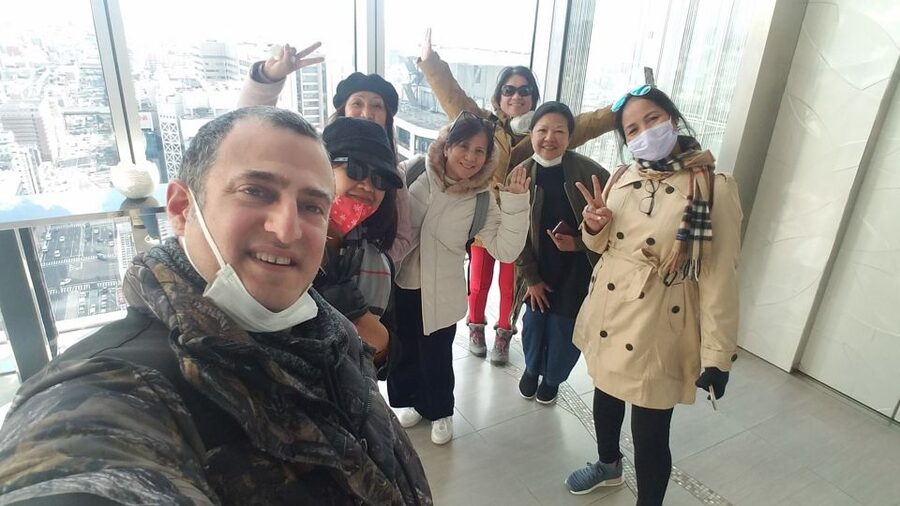
This is also where photography help can make a difference. Several guides, including Kevin and Bryan, have been praised for taking family and group photos and for knowing good picture spots. That may sound minor, but it is useful when you are moving through a busy district and want a photo without handing your phone to a stranger.
Namba and Dotonbori can be crowded, noisy, and visually intense. If you dislike busy shopping areas, this portion may feel like a lot. I recommend treating it as a guided orientation. Return later when you know which streets interest you, and explore at your own speed.
Kuromon Ichiba and the food side of Osaka
Kuromon Ichiba is a fresh fish market with more than 150 years of importance to the area. It helps explain why Osaka earned such a strong food reputation.
The market is best approached with curiosity rather than a fixed meal plan. You might find seafood, prepared snacks, and other products to look at or buy, but food and drinks are not included. The tour specifically has no scheduled food stop, so bring a little cash and ask your guide where a quick purchase makes sense.
I like this part because it links Osaka’s food identity to shopping and supply, not just restaurant signs. You can see the ingredients and displays that support the city’s cooking culture. It is also a useful place to collect ideas for the rest of your stay.
Market conditions can vary by time and crowd levels, and the tour gives only a limited window. Do not expect to taste everything or browse every stall. The benefit is the introduction. You can return later if Kuromon captures your interest.
Doguyasuji and the tools behind Osaka’s restaurants
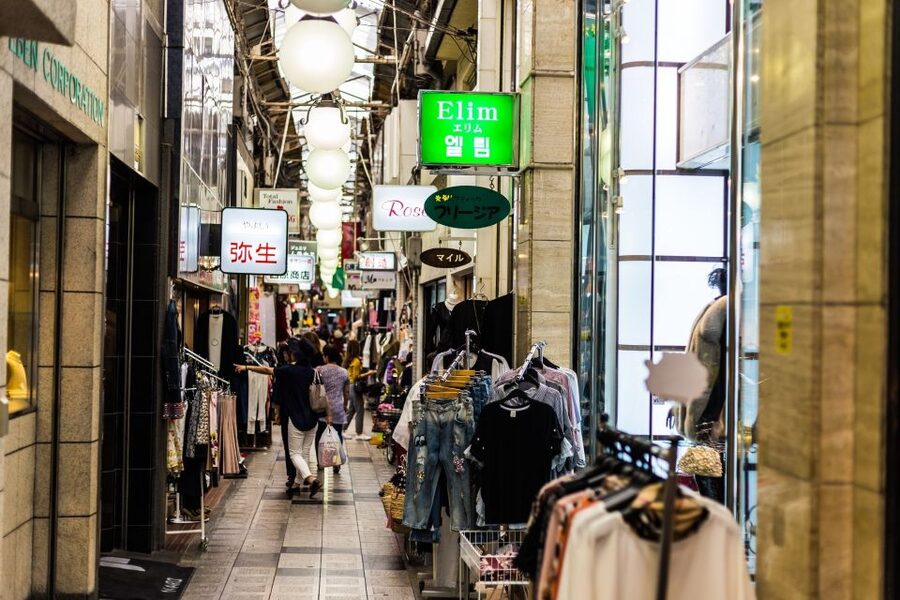
The final stretch includes Doguyasuji, a district devoted to kitchen and cooking goods. Here you can look at wax food models, Japanese noren curtains used at kitchen entrances, and oversized pottery pieces.
This is a clever ending because it shifts attention from eating to the business of serving food. The displays explain some of the visual language you see across Osaka, from plastic dishes in restaurant windows to fabric curtains marking an entrance.
Doguyasuji can be fun even if you are not shopping. The oversized items are easy to photograph, and the district offers souvenirs that feel more connected to daily Japanese food culture than a generic keychain. Ask the guide about anything you are tempted to buy, especially if you are carrying luggage for the rest of the day.
The official finish is at 1-chōme-4-2 Nanba, in Chūō-ku. That leaves you in a useful part of the city for continuing dinner, shopping, or further Dotonbori exploration.
The guides and the value of local explanation
The guide can make or break a route this packed. Names praised across the supplied feedback include Kevin, Ferdinand, Oisin, Bryan, Jamie, Hugo, Ethan, Andrew, Joshua, and Lito. The strongest descriptions focus on clear English, cultural context, humor, patience, and practical help.
Kevin is noted for helping with photos, explaining social differences, answering children’s questions, and even assisting a group with a ramen shop vending machine after the walk. Ferdinand receives praise for storytelling around Osaka Castle and Japanese history. Oisin is described as good at keeping the larger picture in view without drowning you in details.
That range matters because the tour is not simply a transfer between landmarks. You are moving through areas that can be hard to interpret on your own. A guide can explain why Tsuruhashi matters, how Osaka’s merchant culture shaped the city, and what you are seeing in Shinsekai beyond its worn facades.
Guide assignments can vary, so you cannot assume you will receive a particular person. Still, the repeated focus on history, local customs, food advice, and photo help suggests that the guide role is central to the experience.
Walking effort, weather, and who should book
Bring comfortable shoes. The route includes park walking, station transfers, markets, shopping streets, and several districts. One review described more than 10,000 steps, and that is a useful planning estimate even though the exact distance can vary.
The tour runs rain or shine. Carry weather protection and dress for the season, since much of the experience happens outdoors. Summer heat can affect the pace, and one guide was praised for adjusting the route when a group’s energy dropped. That kind of flexibility is useful, but you should still know your own limits.
The tour is listed as wheelchair accessible, yet the same information says it is not suitable for people with mobility impairments. Those statements do not fit neatly together. Contact the operator before booking if you need step-free access, frequent rest stops, or help with transfers.
This tour suits first-time visitors, people with only one day in Osaka, families with older children, and anyone who wants history mixed with street life. It is less suited to you if you want a slow museum visit, a dedicated food crawl, or a relaxed photo walk.
Should you book the Osaka main sights and hidden spots tour?
Book it if you want to cover a lot of Osaka quickly and understand how the districts connect. The mix of Osaka Castle, Tsuruhashi, Harukas, Shinsekai, Namba, Dotonbori, Kuromon, and Doguyasuji gives you a broad first picture of the city for $59, with the guide doing much of the interpretive work.
Skip it if you dislike public transportation, long walks, crowded shopping areas, or tightly timed sightseeing. You will also need to pay for subway travel and any food separately. For a first day in Osaka, though, I like this route because it gives you history in the morning, street culture in the middle, and practical ideas for where to spend the rest of your stay.
FAQ
Does the tour enter Osaka Castle?
No. You visit Osaka Castle Park and admire the exterior while learning about the site’s history.
How long does the tour last?
The tour lasts four hours.
Where does the tour meet?
Meet above ground at Exit 2 of Tanimachiyonchome Station. If arriving by taxi, use Tanimachi 3-chome intersection, written as 谷3交差点.
Is transportation included?
No. Transportation is not included. You are asked to buy a subway day pass for reaching the meeting point and using public transport during the tour.
Are food and drinks included?
No. There is no planned food stop, but you may have chances to buy snacks along the route.
What languages are available?
The tour is offered with live guides speaking English, French, or Spanish.
Is hotel pickup available?
Central Osaka hotel pickup and pickup at the Tempozan Ferris wheel can be arranged for an additional 5,000 yen. Payment is made in cash to the guide on the day or through a secure payment link.
Just added in Osaka
- Osaka Temple Cool Foot Bath & Matcha Experience〈45min〉★ 4.9 · 82 reviews
- Osaka: Mind & Spirit Balance Temple Reiki Healing★ 5.0 · 41 reviews
- Osaka: Samurai Training Experience KENDO in Osaka★ 5.0 · 111 reviews
- Full Day Kyoto Tour : Bamboo Forest, Golden Temple, Fushimi Inari★ 5.0 · 84 reviews
- Osaka: Minoh, Katsuoji Temple, & Minoh Falls Full-day Tour★ 4.9 · 172 reviews
- OSAKA NIGHT FUSION Japanese Taiko Kabuki Samurai Dance Show★ 4.8 · 155 reviews
- Ramen and Gyoza Cooking Class in Osaka★ 5.0 · 202 reviews
- Osaka: A Modern Samurai, Kabuki, Taiko, & Dance Show★ 4.5 · 66 reviews
Walking Tours, compared.
Kyoto Geisha Walking Tour: Gion District & Hidden Gems
Read our review →
Tokyo Tsukiji Fish Market Food and Culture Walking Tour
Read our review →
Imperial Palace and Shogun Historical Walking Tour
Read our review →
Gion Geisha District Walking Tour – Stories of Geisha
Read our review →
Shinjuku Local Bar and Izakaya Guided Walking Tour
Read our review →
Asakusa Walking Tour with Sensoji Temple Visit
Read our review →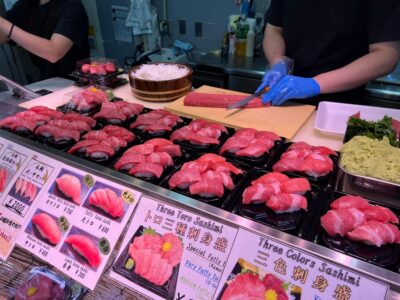
Nishiki Market Brunch Walking Tour (7 Tastings + Brunch)
Read our review →Browse the lists this tour appears in