Reviewed · TOURS IN KYOTO
Private eBike Tour Exploring Fushimi with Torii Red Gate Ride
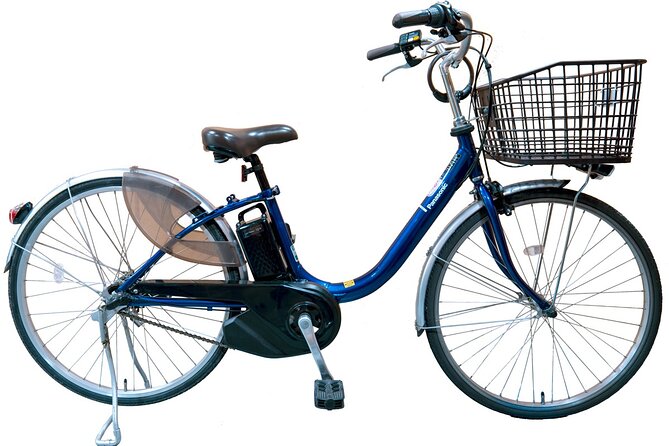
The best part of this Kyoto outing is the way it links several major sights by bicycle. You ride quiet side streets to Fushimi Inari’s red torii gates, visit Sanjusangen-do’s thousand Buddha statues, and return along the Kamo River instead of spending the day moving between crowded trains and roads.
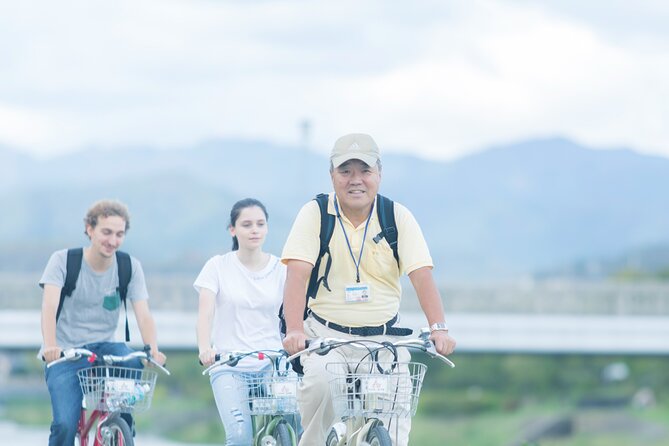
I like the private format, with only your group on the tour, and I like the guides’ personal touch. Kaz, Yuichi, Tibor, JJ, Y Yagyu, and Kas are praised for humor, patience, local stories, family-friendly explanations, and taking photos. The main drawback is simple: three and a half hours is not enough for a long climb through all of Fushimi Inari, and cycling in rain may not suit everyone.
Key points to know before you book
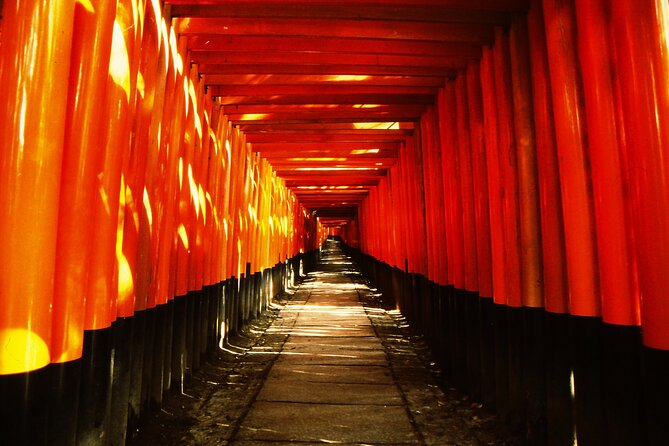
- Fushimi Inari by eBike: Reach the famous torii gates by bicycle and walk part of the shrine’s gate-lined paths.
- Sanjusangen-do included: Spend about an hour inside one of Kyoto’s most memorable temple halls, home to a thousand Buddha statues.
- Small private groups: Two to six people are accepted per guide, with an extra guide available for groups of seven to twelve.
- A calm return route: Cycle beside the Kamo River, where the ride becomes greener and quieter.
- Rain-ready equipment: A bicycle, helmet, accident insurance, cycling map, and rain poncho are included.
- Children face clear limits: Riders must be at least 10 years old, 145 centimeters or taller, and able to cycle safely on the road without help.
Why cycling works so well for this Kyoto route
Kyoto is compact in the center, but its famous sights are not all next door. A bicycle helps you cover ground without making every transfer a small logistical project. This route uses side streets and quieter lanes, then connects the sights by bike rather than treating each temple as an isolated stop.
The electric assist matters most on a long sightseeing day. You still pedal, but the ride is intended to be leisurely and adjusted to your pace. The tour duration includes the cycling between stops, so the full three and a half hours is not spent inside temples or walking beneath torii gates.
This is a private activity, which gives the guide room to adjust the rhythm for your group. If you want more time for photographs, have children who need patience, or prefer a slower explanation at a temple, that format is useful. The guide names associated with especially warm and personal outings include Kaz, Yuichi, Tibor, JJ, Y Yagyu, and Kas.
The group size is also practical. A guide can accept two to six people, while a party of seven to twelve can arrange an additional guide at no extra fee. Solo bookings are not accepted, so this is best planned with a companion, family group, or small party.
Other experiences people book in Kyoto:
- PERFECT KYOTO 1-Day Bus Tour
★ 5.0 · 13,518 reviews - Kyoto: Fushimi Inari, Kinkakuji, Bamboo Grove 1 Day Bus Tour
★ 4.8 · 4,316 reviews - Kyoto: Tea Ceremony in a Traditional Tea House in Kiyomizu
★ 4.9 · 3,519 reviews
Starting at Kyoto Station and passing the Nintendo building
You meet at the Kyoto Cycling Tour Project’s Kyoto Station Cycle Terminal at 552-13 Higashiaburanokōjichō in Shimogyo Ward. The activity ends back at this same meeting point, which makes the ride easy to fit into a day based near Kyoto Station.
One early stop is the former Nintendo building. You do not go inside, and there is no admission fee, but it gives the ride a small piece of modern Kyoto before the temples take over. You stop for about ten minutes, enough for a look and a photograph rather than a full visit.
This is a good example of the tour’s balance. It is not only a procession of famous religious sites. The guide connects present-day Kyoto with the city’s older streets and buildings, giving the ride some local texture between the main attractions.
Sanjusangen-do and its thousand Buddha figures
Sanjusangen-do receives about an hour, including time inside with the guide. This is the most substantial temple visit on the route, and it earns that time.
The temple is known for its long hall and its thousand Buddha statues. Walking through the centuries-old corridors toward that forest of figures is a quiet, powerful experience. The building’s scale and repetition create a very different mood from the open-air torii gates at Fushimi Inari.
Your guide accompanies you inside and explains the temple’s history and religious meaning. That help matters here because the visual effect is strong, but the details can be easy to miss without context. You can pause, look closely, and ask questions rather than simply moving through the hall.
There is one practical point to remember: temple visits require a change of pace. You have been riding, then you spend a good stretch walking and standing indoors. Comfortable clothing and shoes will make this part easier, especially if you are bringing children.
Tofuku-ji for a short Zen temple stop
The stop at Tofuku-ji lasts about fifteen minutes. That is enough for photographs and a look at the imposing Zen temple, but not enough for a full exploration of the grounds.
Think of this as a well-placed pause between Sanjusangen-do and Fushimi Inari. You get another view of Kyoto’s religious architecture without turning the tour into a temple marathon. The short visit also keeps the route moving toward its main goal, the torii gates.
If Tofuku-ji is high on your personal list, you may want to return independently with more time. On this tour, the value comes from seeing it as part of a larger route rather than treating it as the main attraction.
Same base, a different sort of day:
- Kyoto Geisha Walking Tour: Gion District & Hidden Gems
★ 4.7 · 3,273 reviews - Kyoto: Tea Ceremony Ju-An at Jotokuji Temple
★ 4.9 · 3,207 reviews - Kyoto: Gion Magical Night Walking Tour with Geisha Trivia
★ 4.9 · 2,393 reviews - Kyoto: 45-Minute Tea Ceremony Lesson Experience
★ 4.3 · 2,378 reviews
Entering Fushimi Inari’s famous red gates
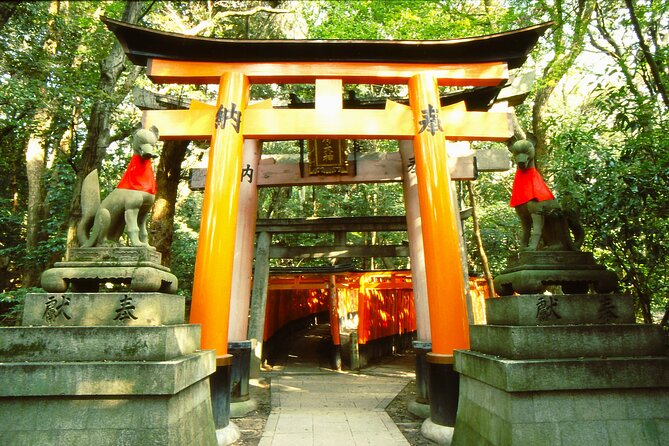
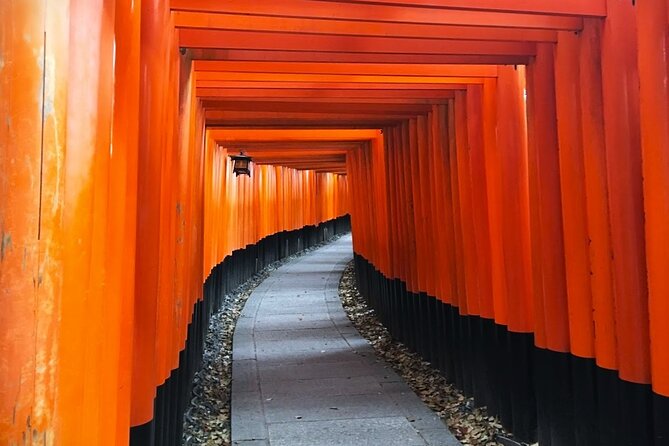
Fushimi Inari-taisha is the centerpiece. The shrine is famous for its rows of bright red torii gates, which climb through wooded paths on the sacred mountain behind the shrine.
The guide takes you along the gate-lined paths and explains the shrine as you walk. You can expect about an hour here, so plan on seeing a meaningful section rather than completing every path. Fushimi Inari is larger than it first appears, and the full route up the mountain takes far longer than this tour allows.
That time limit is a drawback only if you hoped to hike high into the shrine complex. It is a benefit if you want a focused visit without spending half a day climbing. The bicycle gets you to the area efficiently, then you leave the bike behind for the part that matters most: walking beneath the torii.
After the shrine, you have time to wander among the nearby shops and stalls and try local specialties. Snacks are not included, so bring money if you want to eat. This part gives you a chance to browse at your own pace rather than rushing straight back to the bikes.
The Kamo River ride back to Kyoto Station
The return follows the peaceful embankment beside the Kamo River. This is where the tour changes mood again, moving away from shrine grounds and back toward open air, water, and wildlife.
I like this ending because it lets you wind down instead of finishing at a busy attraction. The river ride gives you scenery between the major sights, and the pace is intended to remain relaxed. It also shows why a bicycle can be more enjoyable than a string of short vehicle rides in Kyoto.
The route is not presented as a wildlife tour, but you can expect nature and birds along the river. Keep your camera ready, though the ride remains the main activity rather than a series of formal stops.
What the guides add to the experience
A good guide makes a bike tour more than transport. The strongest guide feedback centers on warmth, humor, patience, local knowledge, and an ability to explain Kyoto in a way that works for both adults and children.
Kaz is described as energetic and welcoming. Yuichi brings a calm pace and is especially helpful with photographs. Tibor is praised for keeping children interested while answering their questions patiently. JJ and Y Yagyu are noted for strong local knowledge, kindness, and a good sense of fun.
One unusual detail is that JJ helped with a medical emergency for two hours beyond the normal sightseeing role. That does not mean you should expect extra medical support, but it does point to a guide who takes care of people when a problem arises.
The guide assignment may vary, so you should not book expecting one particular person unless the operator confirms it. What you can reasonably expect is an approved English-speaking guide who accompanies your group through the key temple and shrine visits.
Price, value, and what is included
At $111.05 per person, this is not the cheapest way to see Fushimi Inari. You are paying for a private guide, bicycle use, an electric bicycle experience, temple admission at Sanjusangen-do, a helmet, rain protection, accident insurance, and a cycling map.
The value is strongest for people who want structure and local explanation. You avoid figuring out a route between four separate points, and you get a guide who can explain what you are seeing. A private format also costs more than joining a large group, but it gives you a better chance to ask questions and set a comfortable pace.
The price does not include snacks. That is easy to manage because you pass shops and stalls around Fushimi Inari. You should also remember that the advertised time includes riding, temple visits, photographs, and walking, so this is not three and a half hours of sightseeing at the gates.
The tour receives a 5 out of 5 rating from 13 ratings, with a 100 percent recommendation figure. The most praised points are the guides, the relaxed pace, the unusual combination of temples and cycling, and the ease of seeing Kyoto by bike.
Rain, children, and practical limits
The tour operates in rain and provides a rain poncho. That makes the activity more dependable in Kyoto’s changeable weather, but a poncho does not make wet cycling enjoyable for everyone. If rain is forecast, wear practical clothes and shoes that can handle a damp ride.
Children must be at least 10 years old, at least 145 centimeters tall, and able to ride safely on the road without assistance. This is not a child seat service or a beginner cycling lesson. Parents should be honest about road confidence before booking.
Most people can participate, and the meeting point is near public transportation. Still, you will be cycling, walking through temple grounds, and spending time outdoors. The route suits people who can manage those activities comfortably.
Confirmation is sent within 48 hours of booking, subject to availability. The advance booking pattern is about 24 days, so reserve ahead if your Kyoto dates are fixed.
The supplied booking terms contain a conflict. One section says cancellation at least three days before the tour by 18:00 Japan time can qualify for a refund, while the final cancellation policy says the experience is non-refundable and cannot be changed. Confirm the current rule directly before paying, especially if your plans may shift.
Who should book this private eBike tour?
I would choose this outing if you want to see Fushimi Inari but also want more than a shrine visit. The route adds Sanjusangen-do, Tofuku-ji, the former Nintendo building, local food stalls, and the Kamo River, giving you a fuller picture of southern Kyoto.
It is especially well suited to couples, families with older children, and small groups who value a guide’s stories and flexibility. It also works for visitors who find Kyoto’s transport connections tiring or who would rather spend the day outdoors.
I would skip it if you want a long Fushimi Inari hike, a slow visit at every temple, or a completely weather-proof activity. You should also pass if no one in your party can comfortably cycle on the road or if you are booking alone.
For everyone else, this is a well-shaped Kyoto introduction. You get the city’s sacred spaces, a little modern history, a river ride, and the freedom of moving through quieter streets on two wheels. The price is fair when you want a private guide and equipment, not just a bicycle rental.
FAQ
How long does the private eBike tour last?
The tour lasts approximately 3 hours and 30 minutes, including cycling time between the stops.
Where does the tour begin and end?
It begins and ends at the Kyoto Cycling Tour Project’s Kyoto Station Cycle Terminal, located at 552-13 Higashiaburanokōjichō, Shimogyo Ward, Kyoto.
Is the tour private?
Yes. Only your group participates in the activity.
How many people can join one guide?
A guide can accept a minimum of two and a maximum of six people. Groups of seven to twelve can arrange an additional guide without an extra fee.
Which sights are included?
The route includes the former Nintendo building, Sanjusangen-do Temple, Tofuku-ji Temple, Fushimi Inari-taisha Shrine, and a ride along the Kamo River.
Are temple and shrine admissions included?
Admission to Sanjusangen-do is included. No admission ticket is listed for the Nintendo building, Tofuku-ji, or Fushimi Inari-taisha.
What equipment is provided?
The tour provides a bicycle, helmet, rain poncho, accident insurance, and an original cycling map.
Can children join the tour?
Children must be at least 10 years old, 145 centimeters or taller, and able to ride a bicycle safely on the road without assistance.
Does the tour operate in bad weather?
The tour operates in rain, and a rain poncho is provided. Snacks are not included.
Just added in Kyoto
- Private Cooking Class Udon in Kyoto Japan★ 5.0 · 23 reviews
- Your Private Vacation Photography Session In Kyoto★ 5.0 · 110 reviews
- Kyoto: Zen Meditation at a Private Temple with a Monk★ 5.0 · 25 reviews
- Private Pewter Sake Cup Experience with a Kyoto Artisan★ 5.0 · 31 reviews
- Kyoto Wagashi(Japanese sweets) Cooking Class near Fushimiinari★ 5.0 · 60 reviews
- Kyoto:Family-Friendly Kimono & Yukata Experience at WARGO★ 5.0 · 147 reviews
- Private Guided Traditional Buddhist Cooking in Japan★ 5.0 · 16 reviews
- Kyoto: Gion Geisha District & Sake-in-Hand Walking Tour★ 5.0 · 37 reviews
Tours in Kyoto, compared.
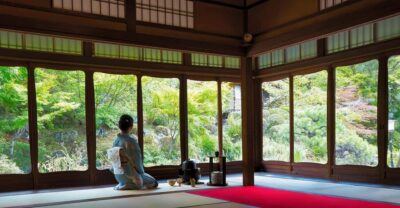
Tea Ceremony in a Traditional Tea House in Kiyomizu
Read our review →
Kyoto Geisha Walking Tour: Gion District & Hidden Gems
Read our review →

Gion Geisha District Walking Tour – Stories of Geisha
Read our review →
Best of Kyoto: Gion, Geisha, Pagodas & Cobblestones
Read our review →