Reviewed · TOURS IN KYOTO
Sushi or Traditional Japanese Cuisine in a Kyoto Home with Emika
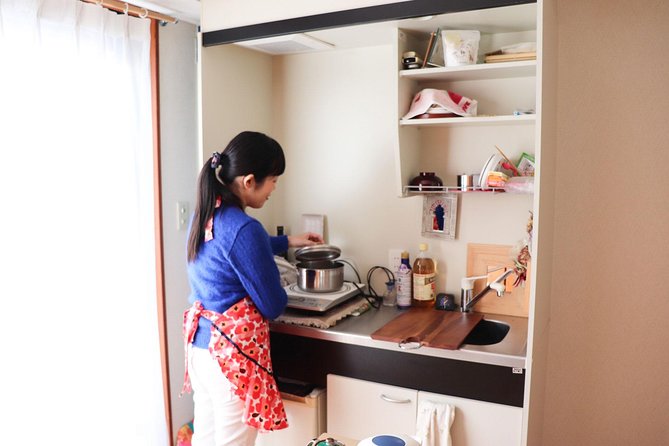
The most special part of this Kyoto experience is simple: you sit at a local family’s dining table, not in a restaurant. Emika serves a home-cooked meal of sushi, miso soup, seasonal obanzai dishes, matcha, and sweets, with conversation woven through the meal.
I like the private setting, since only your group takes part, and I like the link between food and place. Much of the produce may be locally grown, and some dishes can come from Emika’s own garden. The traditional tea service, sometimes prepared by her father, adds a cultural touch that you will not get from an ordinary lunch.
The main consideration is the short length. At about 90 minutes, this is a focused meal and cultural visit rather than a long cooking class. You also need to make your own way to the home in Kyoto’s Nishikyo Ward.
Key points to know before booking
- A real Kyoto home: You meet Emika at her residence and share the meal around a family dining table.
- Seasonal obanzai cooking: Expect Kyoto-style home food built around seasonal vegetables, seafood, rice, miso soup, and side dishes.
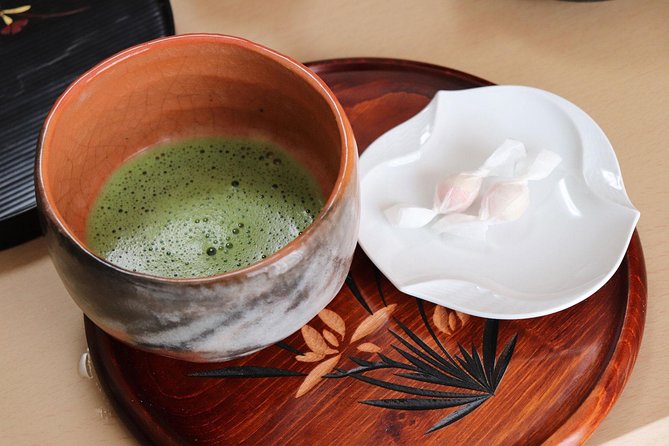
- Traditional matcha service: Tea is prepared by Emika or her father, who is described as a master of the tea ceremony.
- Private for your group: This is a personalized experience, not a shared tour with strangers.
- Lunch or dinner timing: You can choose the meal time that fits your Kyoto plans.
- Plan your route carefully: Hotel pickup is not included, and the meeting point is in Nishikyo Ward.
A meal inside Emika’s Kyoto home
Kyoto has no shortage of fine restaurants, food halls, and polished cooking demonstrations. This experience offers something different. You enter a local home and sit down with Emika for a meal shaped by family habits, seasonal ingredients, and ordinary Kyoto cooking.
That setting matters. Restaurant food can show you what a professional kitchen wants to present. A home meal gives you a better sense of what someone might actually serve at their own table. You can talk about food, drinks, Kyoto, and daily life while eating, rather than watching a chef from a distance.
The meal is private, so your group can set the pace of the conversation. Emika has been described as quiet, sweet, witty, polite, and warm. That mix may suit you if you prefer a calm meeting instead of a loud, highly scripted food tour.
You should not expect a large banquet or a long series of formal courses. The experience lasts about one hour and 30 minutes. That makes it easy to place between sightseeing stops, but it also means the visit has a clear limit. If you want an entire afternoon of cooking instruction, this is not that kind of activity.
Other experiences people book in Kyoto:
- PERFECT KYOTO 1-Day Bus Tour
★ 5.0 · 13,518 reviews - Kyoto: Fushimi Inari, Kinkakuji, Bamboo Grove 1 Day Bus Tour
★ 4.8 · 4,316 reviews - Kyoto: Tea Ceremony in a Traditional Tea House in Kiyomizu
★ 4.9 · 3,519 reviews
Understanding Kyoto through obanzai dishes
The meal centers on obanzai, a style of traditional Kyoto home cooking that uses seasonal vegetables, seafood, and locally sourced ingredients. Obanzai is less about one famous dish than about the way a household cooks with what is fresh and available.
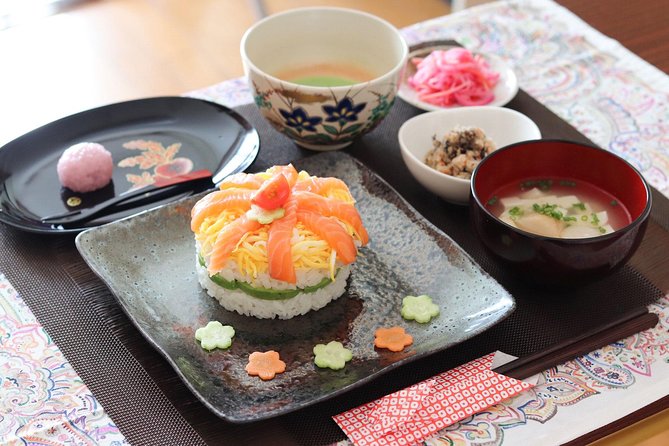
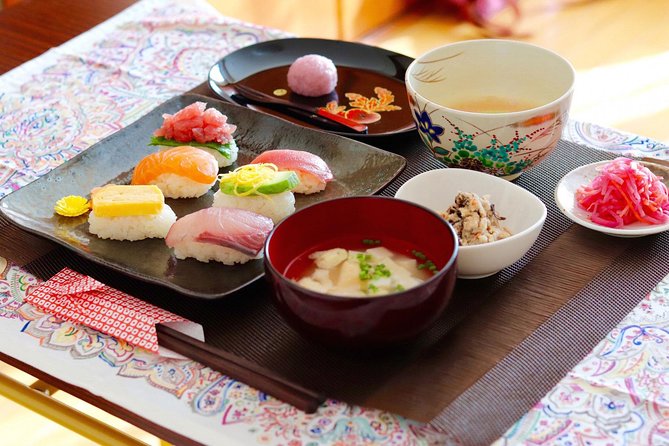
Your meal may include sushi, rice, miso soup, traditional obanzai side dishes, and a sweet served with matcha. The menu changes with the season, so you should expect a meal that reflects what Emika can prepare at that time rather than a fixed restaurant menu.
This seasonal approach is one of the experience’s strongest points. You may taste vegetables or side dishes that are not presented as flashy attractions but are important to Japanese home cooking. The meal gives you a chance to ask what you are eating and why it is prepared that way.
Several parts of the meal may be prepared in front of you. One account describes learning how to make sushi and miso soup in the traditional manner. That does not turn the visit into a full hands-on cooking lesson, but you can gain a useful look at the methods behind familiar Japanese dishes.
The food is also closely tied to freshness. Emika has prepared meals using produce grown locally, including ingredients from her own garden. That detail gives the meal a personal connection to the home. The exact dishes cannot be promised, since the menu changes by season, but the changing menu is part of the appeal.
Starting or ending with matcha
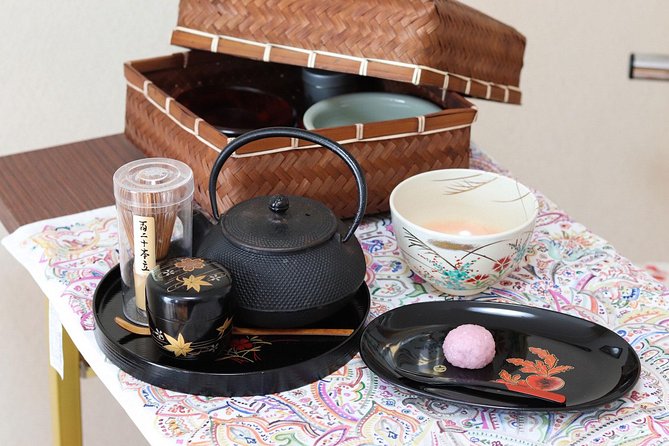
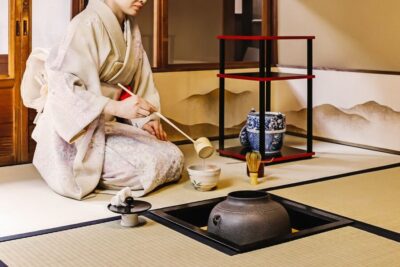
The meal begins or ends with a freshly made cup of traditional matcha. Emika may prepare it, or her father may serve it. The tea service is more than a drink added to lunch. It gives the visit a quiet cultural moment before or after the food.
Her father is described as a master of the tea ceremony, so the matcha portion may be especially meaningful for anyone interested in Japanese tea customs. Some visits have included a small tea ceremony after the meal, with a sweet chosen to pair with the tea.
You should keep your expectations measured. This is not presented as a full-length tea ceremony course, and the overall activity lasts only 90 minutes. Still, a traditional tea service inside a Kyoto home can make the experience feel more personal than simply ordering matcha at a café.
The order may vary. The tea can start the visit or close it, depending on how Emika arranges the meal. Either way, it gives you a chance to slow down and notice the care involved in preparing and serving matcha.
What the 90-minute visit is like
The meeting point is 31-30 Katsurainariyamacho in Kyoto’s Nishikyo Ward. Once you arrive, you meet Emika at her home and settle around the dining table.
The visit follows a simple pattern:
- Meet Emika at her Kyoto residence.
- Enjoy matcha prepared in the traditional style by Emika or her father.
- Share a home-cooked obanzai meal with sushi, rice, miso soup, seasonal dishes, and a sweet.
- Talk about Kyoto, food, drinks, and Japanese life.
- Finish with matcha or tea service if it was not served at the start.
- Return to the meeting point, since the activity ends at the home.
The structure is relaxed, but the short duration means you should arrive on time. A late arrival could take a noticeable part out of the meal. Since you receive a mobile ticket and confirmation at booking, keep the meeting details easy to access on your phone.
There is no hotel pickup or drop-off. You need to arrange your own transport to the address. The home is near public transportation, which helps, but the supplied details do not specify a station, train line, walking time, or exact route. Check your map before leaving your hotel, especially if you are fitting this into a busy sightseeing day.
Same base, a different sort of day:
- Kyoto Geisha Walking Tour: Gion District & Hidden Gems
★ 4.7 · 3,273 reviews - Kyoto: Tea Ceremony Ju-An at Jotokuji Temple
★ 4.9 · 3,207 reviews - Kyoto: Gion Magical Night Walking Tour with Geisha Trivia
★ 4.9 · 2,393 reviews - Kyoto: 45-Minute Tea Ceremony Lesson Experience
★ 4.3 · 2,378 reviews
Why a private format changes the experience
A private meal gives you more room for direct conversation than a large group food tour. You can ask about ingredients, Kyoto customs, the tea service, or the food on your plate without competing with a crowd.
It also lets the experience work for different kinds of groups. A couple can treat it as a quiet cultural stop. A family can ask questions at its own pace. A small group of friends can focus on food and local life without a guide rushing everyone to the next stop.
The private format does not mean that every moment will be filled with formal instruction. Emika is described as reserved as well as witty and kind. If you want a fast, energetic presenter giving constant commentary, you may find this visit more subdued. If you appreciate personal space and a genuine home setting, that calm mood can be a strength.
The meal is also more personal because it takes place where Emika lives. That makes the experience less polished than a purpose-built cooking studio, but it is precisely why the visit can feel more connected to ordinary life in Kyoto.
Food, drinks, and dietary needs
The included meal is home-cooked Japanese cuisine, and local alcohol is included as well. The food may include sushi, miso soup, rice, obanzai dishes, and a sweet to accompany matcha.
Because the menu changes with the season, you should not book this expecting one exact sushi selection or a fixed list of side dishes. The best approach is to see the meal as a seasonal Japanese home menu.
You must provide any specific dietary requirements in the Special Requirements box when booking. This is important because the meal may include seafood, miso, rice, vegetables, sweets, and alcohol. The supplied information confirms that dietary requests can be shared in advance, but it does not promise that every restriction can be accommodated. Be clear and specific when you book.
Service animals are allowed. The activity is near public transportation, and only your group participates. No separate accessibility details are provided, so contact the provider if you need information about the home’s entrance, seating, or other physical requirements.
Is $79 a fair price?
At $79 per person, this costs more than a standard lunch in Kyoto. You are not paying only for food. The price also covers a private meeting in a local home, conversation with Emika, the cultural context around obanzai cooking, traditional matcha, and local alcohol.
The value depends on what you want from a meal. If your goal is simply to eat inexpensive sushi, this is not the economical choice. Kyoto offers many ways to do that for less.
I think the price makes more sense if you want a personal cultural exchange and have limited time. You receive a complete meal and a private visit in about 90 minutes, with no large group to manage. The tea service, especially when Emika’s father takes part, adds something that would be difficult to reproduce at an ordinary restaurant.
The short duration keeps the cost from becoming an all-day commitment, but it also limits how much cooking instruction and conversation can fit into the visit. You are paying for access to a home and a personal encounter, not for a lengthy culinary workshop.
Who will enjoy this most?
I would recommend this experience to you if you care about how people cook and eat at home in Kyoto. It suits visitors who want conversation, seasonal food, and a quieter cultural meeting rather than a crowded food crawl.
It is a good fit for:
- Couples looking for a personal meal with a local host.
- Families who want to introduce children to Japanese food and tea.
- First-time visitors who want more than restaurant dining.
- Food lovers interested in obanzai and seasonal ingredients.
- Visitors with a free lunch or dinner slot in their itinerary.
- Anyone curious about matcha and traditional tea service.
You may want to choose another activity if you need hotel transportation, a long cooking class, a large menu of choices, or a highly structured performance. The address is outside the most central sightseeing core, and you need to plan the journey yourself.
Booking advice and cancellation terms
This experience is often reserved about 25 days ahead, so do not leave it until the last day of your Kyoto planning if the timing matters. Confirmation arrives when you book, and a mobile ticket is provided.
You can cancel for a full refund up to 24 hours before the local start time. Cancellations or changes made within 24 hours are not accepted for a refund. That policy gives you some flexibility, but you should confirm your Kyoto schedule before committing because the meal depends on a host preparing food for your group.
The activity has a 5 out of 5 rating based on 20 reviews, with 100 percent recommending it. The most consistent praise focuses on Emika’s gracious hospitality, fresh homemade food, conversation, and the traditional tea service. Those are the central reasons to book, not the promise of a particular dish.
Should you book this Kyoto home meal?
Book it if you want to share a real meal in a local home and value the human side of travel. Emika’s cooking, garden produce, seasonal obanzai dishes, and family tea service create a personal view of Kyoto that a restaurant alone cannot provide.
Skip it if you want the lowest-cost lunch, hotel pickup, or a long hands-on cooking class. For everyone else, this is a well-sized cultural experience: private, easy to fit into a lunch or dinner plan, and focused on food that feels connected to the season and the household preparing it.
FAQ
Where does the experience take place?
It takes place at Emika’s home at 31-30 Katsurainariyamacho, Nishikyo Ward, Kyoto, 615-8025, Japan.
How long does the meal last?
The experience lasts approximately one hour and 30 minutes.
Is this a private activity?
Yes. Only your group participates, making it a private and personalized experience.
What food is included?
The home-cooked meal may include sushi, miso soup, rice, traditional obanzai dishes, seasonal vegetables and seafood, and a sweet served with matcha. The menu changes by season.
Is matcha included?
Yes. The experience includes a cup of traditionally prepared matcha. Emika or her father may prepare it, and local alcohol is also included.
Is transportation from my hotel provided?
No. Hotel pickup and drop-off are not included. You must make your own way to the meeting point, which is near public transportation.
Just added in Kyoto
- Private Cooking Class Udon in Kyoto Japan★ 5.0 · 23 reviews
- Your Private Vacation Photography Session In Kyoto★ 5.0 · 110 reviews
- Kyoto: Zen Meditation at a Private Temple with a Monk★ 5.0 · 25 reviews
- Private Pewter Sake Cup Experience with a Kyoto Artisan★ 5.0 · 31 reviews
- Kyoto Wagashi(Japanese sweets) Cooking Class near Fushimiinari★ 5.0 · 60 reviews
- Kyoto:Family-Friendly Kimono & Yukata Experience at WARGO★ 5.0 · 147 reviews
- Private Guided Traditional Buddhist Cooking in Japan★ 5.0 · 16 reviews
- Kyoto: Gion Geisha District & Sake-in-Hand Walking Tour★ 5.0 · 37 reviews
Tours in Kyoto, compared.
Tea Ceremony in a Traditional Tea House in Kiyomizu
Read our review →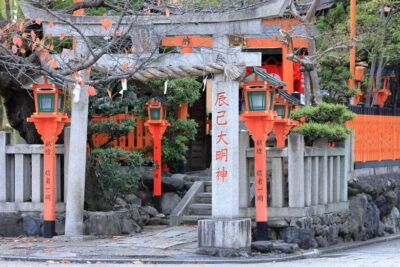
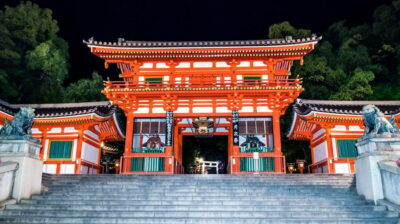
Kyoto Geisha Walking Tour: Gion District & Hidden Gems
Read our review →
Gion Geisha District Walking Tour – Stories of Geisha
Read our review →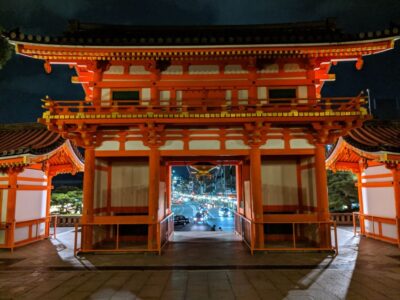
Best of Kyoto: Gion, Geisha, Pagodas & Cobblestones
Read our review →