
Reviewed · TOURS IN KYOTO
Tailored Full Day Private Experience of Kyoto for 1 Day Visitors
Kyoto’s big challenge is not finding beautiful places. It is fitting them together. This private day tour tackles that problem with a flexible route through six major sights, from the bamboo paths of Arashiyama to the red gates of Fushimi Inari. You get a guide, a private itinerary, and the chance to change the pace when children, older relatives, heat, or simple temple fatigue enter the picture.
I like the personal approach, especially the guides who have adjusted plans for families. Yuka has adapted a day around special needs, while Yukari swapped some temple time for a Nintendo store and sushi train restaurant when a 10-year-old ran out of energy. I also like the photo help: Kazz has taken pictures for guests and sent them the next day, and other guides have pointed out quieter photo spots.
The important catch is transportation is not included in the advertised $490 group price. A private vehicle can cost up to ¥100,000 for groups of up to five, with extra charges connected to port pickup and drop-off. That can make this a good value for a group of six to eight, but a poor deal for a small party expecting the car to be included.
Key points to know before booking
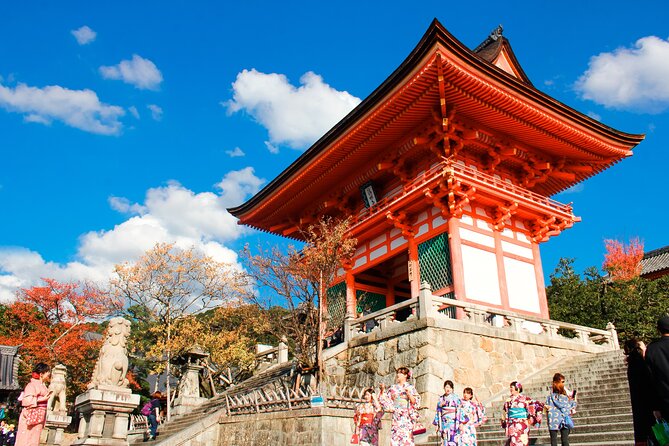
- Six famous Kyoto stops in one day: Arashiyama, Kinkaku-ji, Nijo Castle, Nishiki Market, Fushimi Inari, and Gion form the usual outline.
- The guide can reshape the day: Families have changed the plan for children, older adults, breaks, lunch, and special interests.
- Private transport is an extra cost: The base price covers guiding and transport arrangements, not the vehicle itself.
- Expect a full, active day: The stated duration is about eight hours, or nine hours including travel time, with walking at the sights.
- Excellent guide feedback: Ahmed, Keiko, Yuka, Noriko, Kazz, Jaime, and Yukari are specifically praised for warmth, flexibility, and practical help.
- Good for limited Kyoto time: Cruise passengers and first-time visitors can see a lot without building the route themselves.
Six Kyoto icons, tied together in one long day
This is not a slow, single-neighborhood walk. It is a full sweep across Kyoto, using a guide and planned transport to reduce the time spent figuring out connections. That matters in a city where the sights are spread out and a one-day visit can disappear quickly.
The order may change. A guide might begin at Arashiyama early, when the bamboo grove is less crowded, then move east and south through the city. The exact sequence depends on your meeting point, traffic, weather, and priorities. You should think of the listed stops as a framework, not a promise that every minute will follow a fixed script.
The day includes six one-hour stops on paper. That sounds generous, but travel between them, ticket lines, meals, and walking all come from the same day. You will see a lot, but you will not explore each place fully. If you want long temple visits or a serious shopping stop, ask the guide which sights should be shortened.
Other experiences people book in Kyoto:
- PERFECT KYOTO 1-Day Bus Tour
★ 5.0 · 13,518 reviews - Kyoto: Fushimi Inari, Kinkakuji, Bamboo Grove 1 Day Bus Tour
★ 4.8 · 4,316 reviews - Kyoto: Tea Ceremony in a Traditional Tea House in Kiyomizu
★ 4.9 · 3,519 reviews
Arashiyama bamboo paths and the western edge of Kyoto
Arashiyama is often the emotional high point of a first Kyoto visit. Its bamboo grove gives you tall green stalks, narrow paths, and one of the city’s most recognizable photo settings. The wider district is also a designated Historic Site and Place of Scenic Beauty, so the appeal goes beyond one famous walkway.
The planned stop is about one hour, with no admission fee listed. That time is enough for the grove and a quick look around, but not enough for a leisurely visit to every nearby attraction. You will want comfortable shoes, since even a short stop involves walking and standing.
Several guides have made an early start a priority. One family met the guide at the bamboo grove before the larger wave of people arrived. That is a useful tip. If Arashiyama matters most to you, request it early rather than leaving it for later in the day.
The drawback is distance. Arashiyama sits on the western side of Kyoto, while Fushimi Inari and Gion are on the opposite side of the city. A private vehicle can make the transfer easier, but traffic still exists. If you choose trains and taxis instead, you may save money but give up some convenience.
Kinkaku-ji, the Golden Pavilion
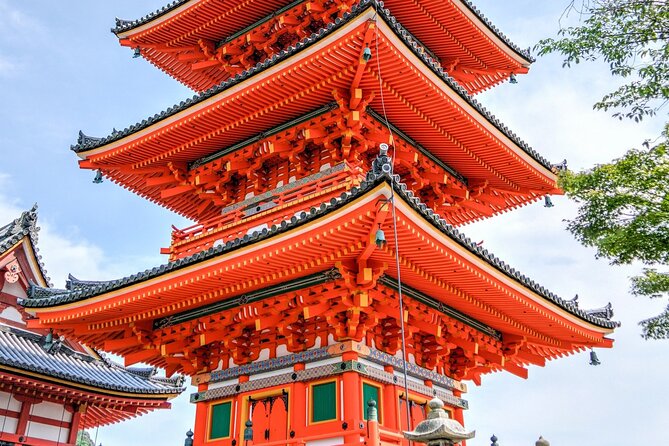
Kinkaku-ji is Kyoto’s famous Golden Pavilion, set beside a pond with carefully arranged gardens around it. The building is viewed from a set route rather than entered as a normal temple interior, so the best part is the reflected view, the surrounding garden, and the chance to photograph the pavilion from different angles.
The planned visit lasts about an hour. Admission is not included and is listed at ¥500 per person. That is a modest extra charge, but you should add it to your daily budget along with Nijo Castle and lunch.
Kinkaku-ji is a strong choice for first-time visitors because it delivers a memorable image quickly. It is also one of the stops where crowd levels can affect the experience. Your guide can help you keep moving and find a better place for photos, but the visit will still feel more structured than a quiet garden stroll.
I would not expect a deep, slow temple visit here. The value is seeing one of Kyoto’s essential sights without spending half the day solving the route. If you have already seen the pavilion or prefer less famous temples, ask about replacing it.
Nijo Castle and the sound of the floorboards
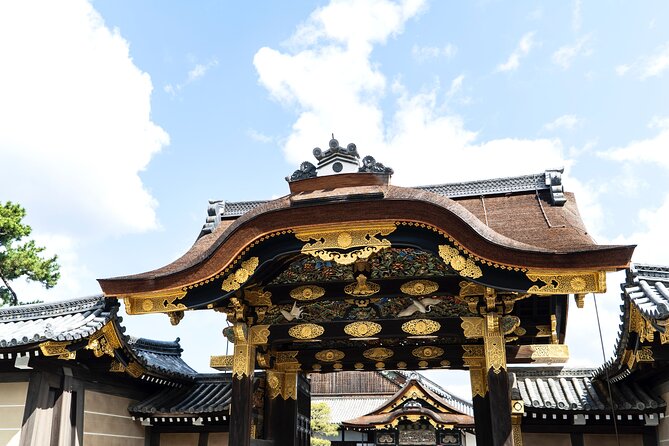
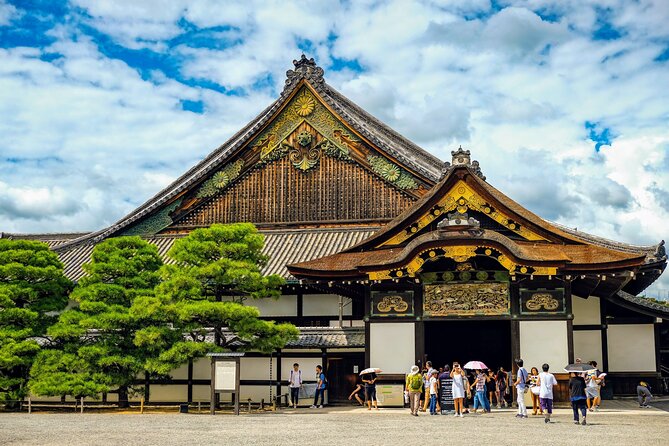
Nijo Castle gives the day a different tone. Instead of a pond and garden view, you get Edo-period architecture, formal grounds, and the Ninomaru Palace. The palace is known for its nightingale floors, designed to make a chirping sound underfoot. That small detail gives the visit a sense of place that photographs cannot provide.
Admission is listed at ¥1,350 per person and is not included. The planned stop is about an hour, which lets you see the main palace route and gardens but may feel tight if you want to read every sign.
This is one of the better stops for visitors who want political and cultural context, not only pretty scenery. A guide can explain how the castle fits into Japan’s changing power structure and point out details that are easy to pass without context. The information supplied for this experience does not promise a specialist historian, so discuss the depth of explanation you want when arranging the day.
Nijo Castle also gives you a break from the outdoor exposure of Arashiyama and Fushimi Inari. In summer, that balance matters. One guest described July heat as intense and found private transport especially useful. Build in water, shade, and a lunch break rather than treating the six stops as a race.
Same base, a different sort of day:
- Kyoto Geisha Walking Tour: Gion District & Hidden Gems
★ 4.7 · 3,273 reviews - Kyoto: Tea Ceremony Ju-An at Jotokuji Temple
★ 4.9 · 3,207 reviews - Kyoto: Gion Magical Night Walking Tour with Geisha Trivia
★ 4.9 · 2,393 reviews - Kyoto: 45-Minute Tea Ceremony Lesson Experience
★ 4.3 · 2,378 reviews
Nishiki Market, Kyoto’s kitchen
Nishiki Market is the day’s food-focused stop. The five-block shopping district is known as Kyoto’s Kitchen, with more than a hundred stalls and shops selling seafood, prepared foods, seasonings, sweets, and local specialties.
The visit is listed as free, but food is not. This is where your spending can vary sharply. You might simply walk, or you might turn the stop into lunch and tasting time. Lunch itself is not included, so discuss timing and budget with your guide.
Nishiki can be crowded, especially around the busiest food stalls. That makes it fun, but not restful. Stay aware of the group and avoid stopping in the middle of narrow lanes. A private guide is useful here because you can ask what is worth trying instead of buying at random.
One limitation is time. An hour gives you a good first look, but it is not enough for careful browsing of every stall. If food is your main reason for visiting Kyoto, ask to extend Nishiki and remove another stop. The private format allows that kind of tradeoff.
Fushimi Inari and the red torii gates
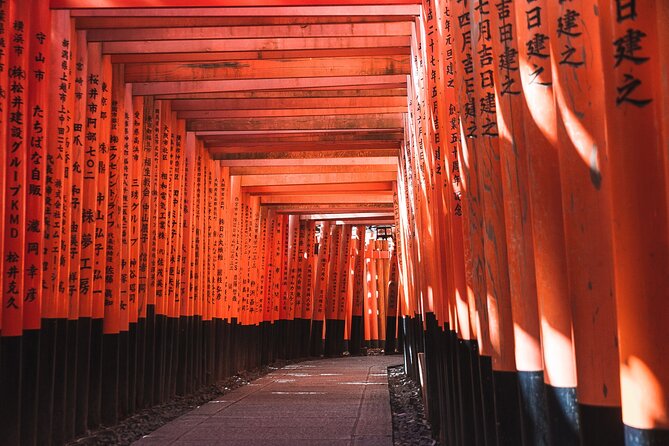
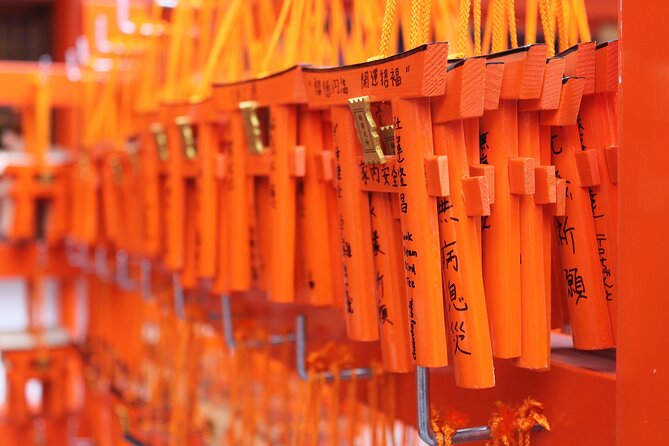
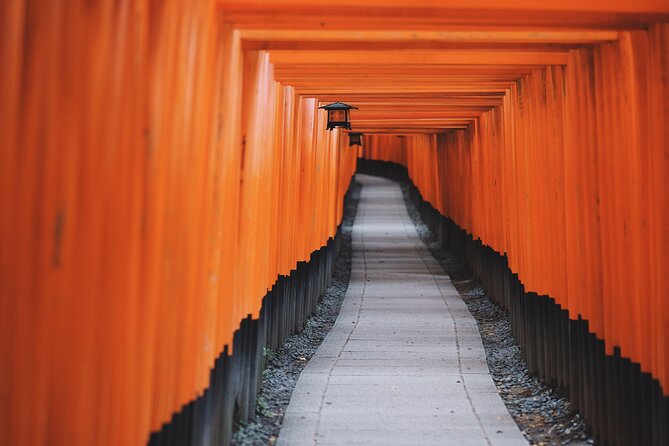
Fushimi Inari-taisha is famous for its thousands of red torii gates, which climb through wooded paths on Mount Inari. You do not need to hike the entire route to understand its appeal. Even a short walk through the first gate-lined sections gives you the visual experience most people come for.
The stop is listed as free and lasts about an hour. That is enough for an introduction, but not for the full mountain circuit. Be realistic about this. The word stop can sound simple, yet Fushimi Inari involves uphill walking if you continue beyond the lower shrine area.
This is another place where your guide can help with pacing. Families with children or older relatives may prefer a shorter route, while energetic groups can ask for more time here. The tour is described as requiring moderate effort, so it is not a vehicle-only sightseeing day.
Fushimi Inari is especially effective when paired with a flexible guide. You can take photos, pause at the shrine buildings, and decide how far to walk instead of following a rigid group schedule. I would put this near the top of the priority list if you have never been to Kyoto.
Gion and the old streets of eastern Kyoto
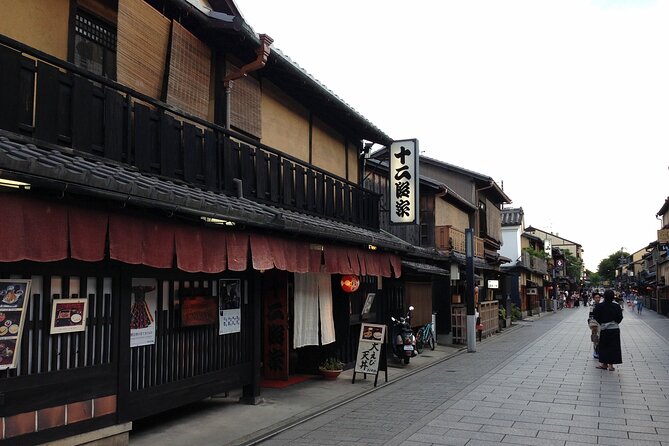
Gion brings the day back into the city. Its narrow lanes, wooden machiya houses, teahouses, and traditional atmosphere make it one of Kyoto’s best areas for a final walk. It is also the city’s well-known geisha district, so respectful behavior matters. Keep voices low, do not block lanes, and do not treat people in traditional dress as photo props.
The listed visit lasts about an hour and has no admission fee. It works well as an ending because you can walk at a gentler pace after the temples. Some itineraries have finished with extra time in central Kyoto when the group was still comfortable, but you should not count on overtime. Confirm the planned end time with the guide.
Gion is less about checking off one building and more about noticing the street pattern, wooden facades, and quiet corners. If you have a strong interest in traditional architecture, ask for more time here. If you prefer food or shopping, Nishiki may deserve the extra hour instead.
What the private guide adds
The best reason to book this experience is not simply the car. It is the ability to adjust the day around your group.
Ahmed has guided families through all six major stops in a clean, air-conditioned van. Keiko has been praised for explaining each site warmly, helping children, and allowing extra time when the day ran well. Yuka has adapted a route around special needs, while Noriko met a group at a train station and handled the day with an informative, considerate approach.
Kazz is specifically valued for finding strong photo locations and sending his own pictures afterward. Jaime has guided a family arriving from Kobe by ship, and Yukari changed the plan when a child became tired of temples. Those details point to the tour’s real strength: a good guide can turn a demanding checklist into a day that fits your group.
Guide assignments can change, so do not book on the assumption that one particular person is guaranteed unless the operator confirms it. The overall rating is 4.7 from 34 reviews, with 94 percent recommending the experience. That is a strong record, though not a guarantee of a perfect match.
The price question: $490 is only the starting point
The listed price is $490 per group of up to eight. That looks reasonable when divided among a large family or group, but the transport terms change the calculation.
Guiding fees and transport arrangements are included. The actual transportation cost is not. The supplied cost details list up to ¥100,000 in cash for up to five travelers, with an extra ¥20,000 and separate port pickup and drop-off charges noted in the transport section. The wording is not perfectly clear, so ask for a written total before you commit.
You can also choose public transportation and taxis. One family with a two-year-old agreed in advance not to use the private car and found that mix practical. That option may reduce the cost, but it adds transfers, waiting, and walking. The guide can still lead the route, but you will not receive the same door-to-door convenience.
For six to eight people, the private vehicle may make better financial sense per person. For two people, the extra transport charge can make this expensive compared with planning Kyoto independently. The tour is strongest for groups who value time, comfort, and a custom route more than the lowest possible cost.
Who should book this Kyoto day?
I would choose this for a family, a multigenerational group, or cruise passengers with one day in the region. It also suits first-time visitors who feel overwhelmed by Kyoto’s long list of temples and districts.
The format is useful when children need a break, older adults cannot handle a nonstop walking day, or summer heat makes public transport less appealing. The guides have adjusted routes for children, special needs, photo priorities, lunch, and rest stops.
I would be more cautious if you are a couple on a tight budget, a slow museum-style visitor, or someone who wants to spend half a day in one district. Six major stops create breadth, not depth. You will see the famous Kyoto, but you will need another visit for the quieter corners.
The tour requires moderate effort. A private car reduces transfers, not walking at the temples, market, shrine, and Gion. Wear practical shoes and treat the day as active sightseeing.
Final call: book it only after confirming the vehicle cost
This can be an excellent one-day Kyoto solution when your group wants to cover the main sights without managing trains, taxis, and timing. The flexible guides, family-friendly adjustments, photo help, and possible private van are the strongest reasons to choose it.
I would book it for a larger group, a cruise stop, or a family that values comfort and control. I would not book until the operator confirms the transport charge, pickup details, exact duration, and whether your preferred stops fit the day. If that full price works for you, this is a practical way to see Kyoto’s headline sights in one demanding but rewarding day.
Cancellation is free up to 24 hours before the start time. Changes made inside that window are not accepted, and poor weather may lead to a new date or full refund.
FAQ
How long does the Kyoto private tour last?
The experience is described as about eight hours, with additional information stating that the total duration is nine hours including travel time.
How many people can join the private tour?
The advertised price covers one private group of up to eight people.
Is private transportation included in the $490 price?
No. Guiding fees and transportation arrangements are included, but transportation itself is listed as an additional cost.
How much does the private vehicle cost?
The supplied details list transportation in cash at up to ¥100,000 for up to five travelers, with extra charges noted for additional travelers and port pickup and drop-off. Confirm the exact amount before booking.
Are admission fees included?
No. Kinkaku-ji admission is listed at ¥500 per person, and Nijo Castle admission is listed at ¥1,350 per person.
Is lunch included?
No. Lunch is not included in the tour price.
Which sights are included in the usual route?
The route includes Arashiyama, Kinkaku-ji Temple, Nijo Castle, Nishiki Market, Fushimi Inari-taisha Shrine, and Gion.
Is this a walking tour?
No. The experience is a private guided tour with transportation arrangements, though you should expect moderate walking at the sights.
Can the itinerary be changed?
Yes. The tour is private and can be tailored to your interests and group needs. Guides have adjusted plans for children, special needs, breaks, photo stops, and transportation preferences.
Just added in Kyoto
- Private Cooking Class Udon in Kyoto Japan★ 5.0 · 23 reviews
- Your Private Vacation Photography Session In Kyoto★ 5.0 · 110 reviews
- Kyoto: Zen Meditation at a Private Temple with a Monk★ 5.0 · 25 reviews
- Private Pewter Sake Cup Experience with a Kyoto Artisan★ 5.0 · 31 reviews
- Kyoto Wagashi(Japanese sweets) Cooking Class near Fushimiinari★ 5.0 · 60 reviews
- Private Guided Traditional Buddhist Cooking in Japan★ 5.0 · 16 reviews
- Kyoto: Gion Geisha District & Sake-in-Hand Walking Tour★ 5.0 · 37 reviews
- Kyoto:Family-Friendly Kimono & Yukata Experience at WARGO★ 5.0 · 147 reviews
Tours in Kyoto, compared.

Tea Ceremony in a Traditional Tea House in Kiyomizu
Read our review →
Kyoto Geisha Walking Tour: Gion District & Hidden Gems
Read our review →


Gion Geisha District Walking Tour – Stories of Geisha
Read our review →
Best of Kyoto: Gion, Geisha, Pagodas & Cobblestones
Read our review →
Browse the lists this tour appears in