
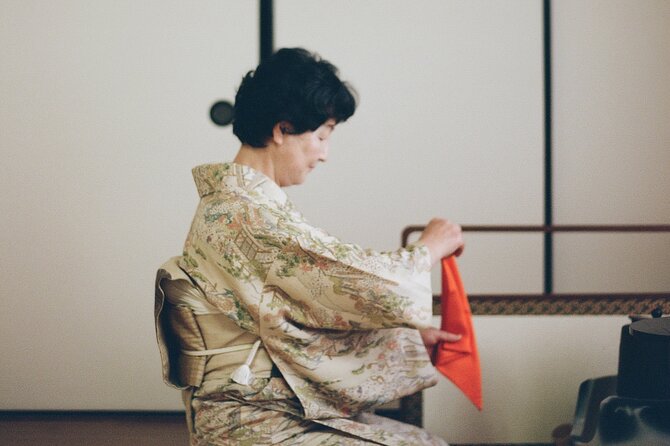
Reviewed · TEA CEREMONY EXPERIENCES
Tea ceremony by the tea master in Kyoto SHIUN AN
Kyoto’s tea ceremony is not just a cup of matcha. At SHIUN AN, you first read the room through its scroll and flowers, then watch the careful preparation before making your own tea. The setting near Daitoku-ji gives the experience a proper cultural home, rather than a quick demonstration in a busy shopping district.
I like the small groups, usually no more than six people, and the fact that you receive two bowls of matcha and two types of sweets. I also like the clear English support from a translator, which helps explain the gestures and objects instead of leaving you to guess. The main drawback is the location: the quiet residential house can be difficult to find, and some people may struggle with the stairs or sitting on the floor.
Key points at a glance
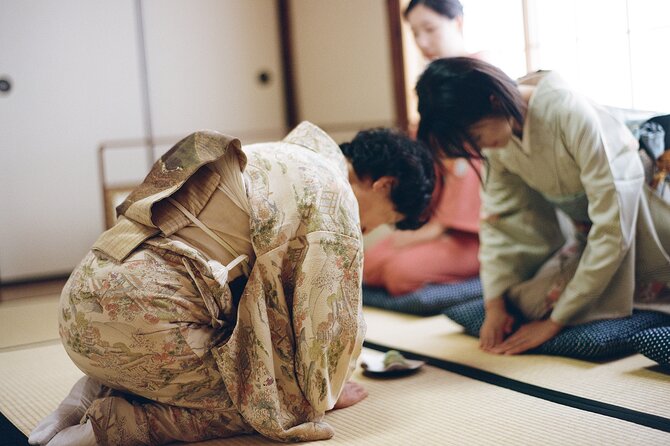
- Near Daitoku-ji Temple: The setting connects the ceremony with one of Kyoto’s important Zen Buddhist temple areas.
- Two matcha bowls: You watch the tea master prepare one, then learn to whisk your own.
- Seasonal room details: A hanging scroll, flowers, and the room arrangement all carry meaning.
- Small-group format: Sessions normally hold up to six people, increasing to eight during peak periods.
- English assistance: A translator helps explain the ritual, tools, history, and questions.
- Good value at $33.03: The price includes tea, sweets, utensils, white socks, and a folding fan.
A tea ceremony with room to pay attention
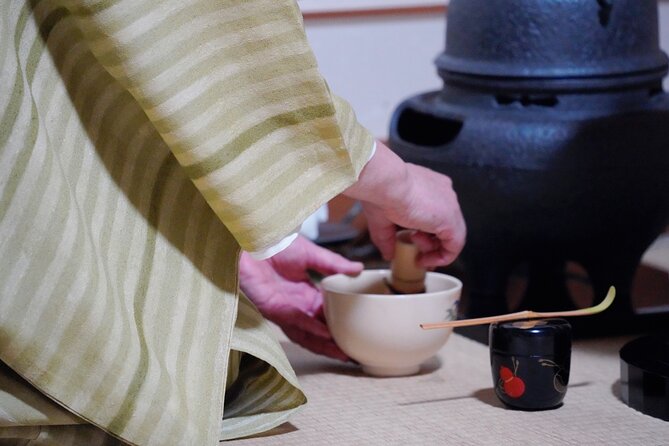
The charm of SHIUN AN begins before the tea is served. You enter a traditional tea room and take time to notice the hanging scroll and flower arrangement. These are not random decorations. In tea practice, the room is prepared to suit the season and mood of the gathering.
That pause matters. Kyoto can be a full-on sightseeing city, with temples, buses, crowds, and packed walking routes. A quiet room gives you a chance to slow down and notice small choices. The ceremony asks you to pay attention to how you enter, where you sit, how the bowl is handled, and how the tea is offered.
The tea master has formal professional training and a Tea Name, a qualification described as the level of a full professor. You are not simply watching someone make a fashionable matcha drink. The host explains the steps, the utensils, and the meaning of the room before the formal serving begins.
An English translator helps make the experience accessible to visitors who do not know Japanese. This is especially useful because the ceremony has many small movements. Without context, you might see a series of graceful actions and miss the reason behind them. With an explanation, the objects and gestures begin to make sense.
Other tea ceremonies in Kyoto people book:
- Kyoto: Tea Ceremony in a Traditional Tea House in Kiyomizu
★ 4.9 · 3,519 reviews - Kyoto: Tea Ceremony Ju-An at Jotokuji Temple
★ 4.9 · 3,207 reviews - Kyoto: 45-Minute Tea Ceremony Lesson Experience
★ 4.3 · 2,378 reviews
What happens during the 45-minute session
The activity lasts about 45 minutes, though some descriptions of the experience place it closer to an hour. Plan for a compact cultural lesson rather than a long formal performance.
At the start, the host brings you into the tea room. You have time to look at the scroll, flowers, and arrangement of the space. The tea master or translator then explains the basic flow of the ceremony and introduces the equipment.
The included tools are practical and traditional: tea bowls, a tea container, tea scoops, and bamboo whisks. You also receive white socks and a folding fan. The socks are useful on the tatami floor, and the fan is part of the formal setting rather than a simple souvenir.
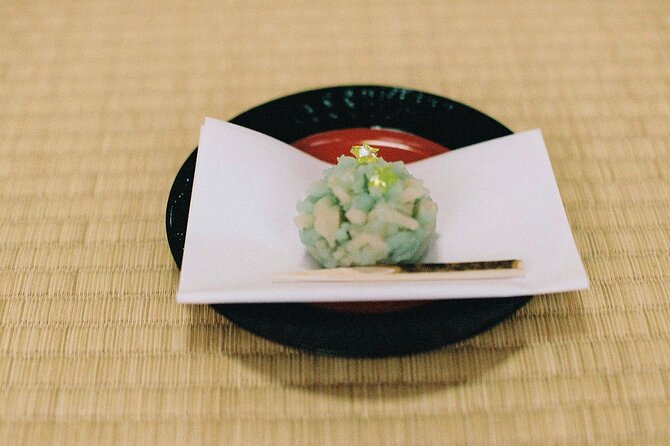
Next comes the demonstration. The tea master prepares matcha with measured movements, showing how the bowl, scoop, whisk, and container are used. A seasonal Japanese sweet accompanies the tea. The sweet is not just a snack. Its flavor gives a pleasant contrast to the slightly bitter matcha.
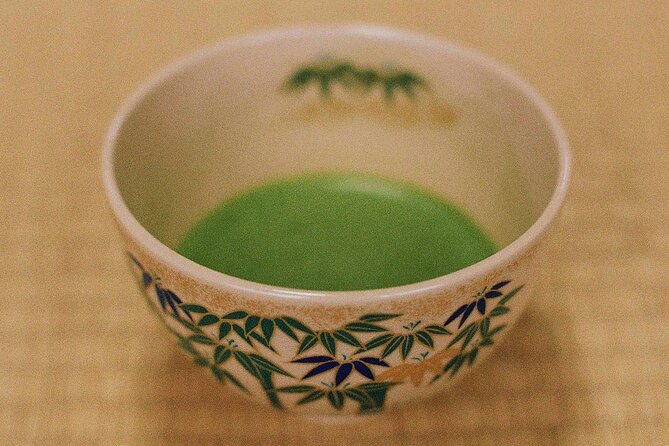
You receive two bowls of matcha and two kinds of Japanese sweets during the session. One bowl is prepared for you, allowing you to watch the process without having to concentrate on your own movements. Later, you make your own bowl under instruction.
That hands-on part is the real reason to choose this experience over simply watching a ceremony. You learn the basic action of whisking matcha and gain a better sense of the skill involved. Your first bowl may not match the tea master’s smooth finish, but that difference is useful. It shows why practice matters.
You can ask questions after the demonstration and during the making exercise. The translator helps with details and provides cultural context, so the session feels like a lesson rather than a silent display.
Why the Daitoku-ji area matters
SHIUN AN is near Daitoku-ji, a Zen Buddhist monastery with close ties to Japanese tea culture. Daitoku-ji has been associated with many important priests and has influenced the development of Japanese cultural traditions.
That setting gives the activity more meaning. You are not attending a tea class in an unrelated commercial venue. You are learning near one of the Kyoto areas where Zen practice and tea culture have long been connected.
The Golden Pavilion, Kinkaku-ji, is also nearby by Kyoto standards. The provided information places it about four bus stops away. You should not treat the tea ceremony as an immediate stop beside the pavilion, but you can pair the two on the same side of the city if your schedule works.
I would not book this activity only because it is close to Gion. It is not. The northern location means you need to plan transport, but it also gives you a quieter setting than the city’s best-known sightseeing streets.
Getting there without a rushed arrival
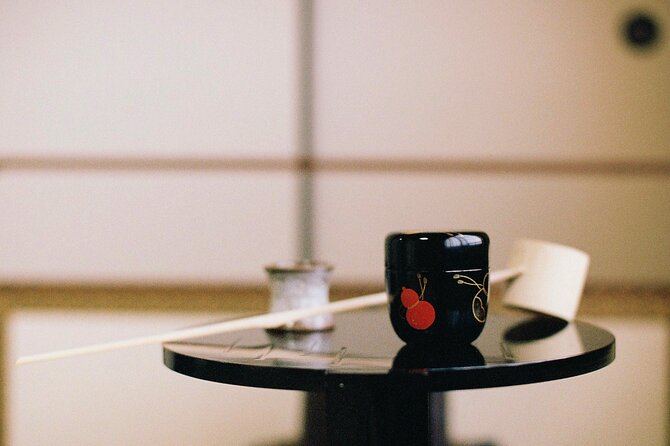
The meeting point is 955-1 Idacho, Kamigyo Ward, Kyoto, 602-8302. The activity returns to the same place, and no pickup or drop-off is included.
The house is in a quiet residential neighborhood. That is part of its appeal, but residential streets can be harder to read than a major tourist attraction. One person found the location difficult to locate, while another recommended leaving early. Google Maps and local buses are useful, but give yourself a cushion rather than arriving at the scheduled start time with no margin.
Public transport is available nearby. One practical approach is to take the subway toward the area, then use a taxi or Uber from the nearest station. A taxi from the station has been described as costing about 1,000 yen, or roughly £5 at the exchange rate used in the original comment. That cost is not included, but it may be worthwhile if you are carrying luggage, traveling with children, or worried about arriving late.
The important point is simple: do not confuse a calm location with an easy-to-find one. Check the route before leaving your hotel and allow extra time for the final stretch.
Other tea rooms and ceremonies in Kyoto:
- Kyoto: Table-Style Tea Ceremony at a Kyo-Machiya
★ 4.9 · 1,211 reviews - Kimono Tea Ceremony at Kyoto Maikoya, NISHIKI
★ 5.0 · 911 reviews - Kyoto: Arashiyama Bamboo Forest, Monkeys, Matcha & Temple Tour
★ 5.0 · 759 reviews - Kyoto: Tea Museum Tickets and Matcha Grinding Experience
★ 4.9 · 739 reviews
Sitting, stairs, and comfort
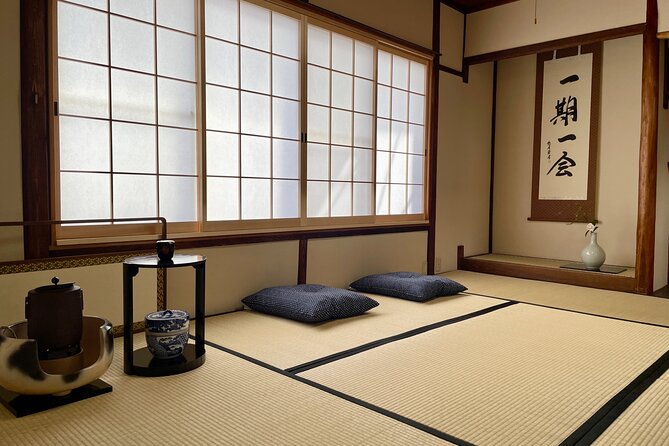
The ceremony takes place in a traditional environment, so expect floor-level seating and tatami. Sitting in the preferred position for the full ceremony may be difficult for some people. One participant could not sit in that position for the entire time, and another account notes that the staff accommodated a husband who could no longer sit on the floor.
That suggests a considerate approach, but you should still contact SHIUN AN in advance if you have mobility concerns. The experience information also includes a warning about difficult stairs. You may be asked to remove shoes, and white socks are provided for the tatami.
Service animals are allowed. Food allergies should be communicated before the activity because Japanese sweets are included. The experience does not list specific ingredients or substitutions, so ask ahead rather than assuming a particular sweet will be suitable.
The small room can be a plus or a limitation. Six people is the normal maximum, with up to eight during busy seasons. A small group lets you see the utensils and ask questions, but it may feel close if you prefer plenty of space.
Is $33.03 a fair price?
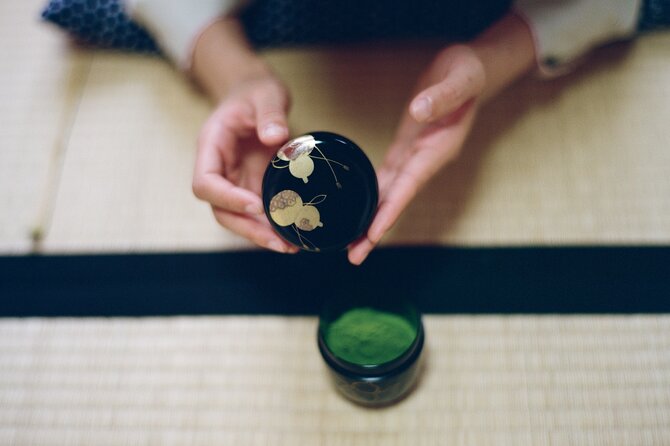
At $33.03 per person, this is a sensible price for a short cultural activity in Kyoto. The fee includes the tea bowls, container, scoops, and whisks used for the lesson, along with matcha, two kinds of sweets, white socks, and a folding fan.
The value comes from the instruction, not the quantity of food. You are paying for access to a formal tea setting, a trained tea master, an English translator, and the chance to prepare matcha yourself. A simple matcha drink elsewhere may cost less, but it will not teach you why the bowl is handled in a particular way or how the room is arranged.
The experience is also less expensive than many longer cultural workshops. The tradeoff is time. In roughly 45 minutes, you get an introduction and a hands-on exercise, not an exhaustive course in tea schools or Japanese history.
For many people, that is the right balance during a busy Kyoto visit. You learn enough to understand what you are seeing, then still have most of the day for temples and neighborhoods.
What makes the ceremony feel personal
The strongest part of the session is the combination of formal tradition and warm instruction. The tea master performs a precise ceremony, but the teaching does not stop at watching. You are invited to make your own tea and ask questions.
The English translator is particularly helpful here. The ceremony involves etiquette that can seem mysterious at first, and translation lets you understand the purpose behind the formality. You also receive explanations of the tools and room decoration, not only instructions on how to whisk.
The tea master’s matcha will likely taste more polished than your first attempt. That is not a failure. It is a useful comparison, and it makes the craft visible. The session turns a familiar modern drink into a practiced art with rules, tools, and patience behind it.
The sweets add another pleasant layer. You taste a seasonal sweet with the served matcha and enjoy two types during the experience. They help balance the tea and make the ceremony easier for first-time visitors who may find straight matcha strong.
Who will enjoy SHIUN AN most
I would choose this for you if you want a quiet, focused introduction to Japanese culture. It suits first-time visitors who want more than a photo in a kimono, and it also works for anyone who has attended a tea ceremony before but wants clearer explanations.
It is a good pick for families with older children who can sit quietly and follow instructions. One young visitor enjoyed the experience with her mother, and the hands-on tea making gives children something active to do after the demonstration.
Matcha fans will have an obvious reason to book, but you do not need to love green tea. The ceremony is as much about manners, space, movement, and seasonal detail as it is about flavor.
I would be more cautious if you have trouble with stairs, cannot sit on the floor, or have a tightly packed schedule. The staff may accommodate sitting needs, but the space and access are traditional rather than purpose-built for every mobility level.
Tips for making the most of it
Read a little about the tea ceremony before you arrive. You do not need to memorize etiquette, but knowing that the session is a formal practice will help you notice the small actions.
Arrive early. The residential location can take time to find, and a late arrival would cut into a short session. If you are coming from central Kyoto, check the bus or subway route before setting out.
Tell SHIUN AN about food allergies in advance. Japanese sweets are part of the experience, and the available information does not promise alternatives.
Wear clothing that allows you to sit comfortably. The activity includes tatami and traditional floor seating, and the preferred position may not suit everyone.
Keep the day flexible after the ceremony. Daitoku-ji and Kinkaku-ji are in the same general northern part of Kyoto, but the tea house is not directly beside the Golden Pavilion. The activity ends at the same meeting point, so you can continue sightseeing from there.
Should you book this tea ceremony?
Book SHIUN AN if you want a reasonably priced, small-group introduction with real instruction and an English translator. The best features are the traditional room, the connection to Daitoku-ji, two servings of matcha, seasonal sweets, and the chance to make your own bowl.
Skip it if you need step-free access, cannot sit on the floor, or want a ceremony near Gion with no transport planning. For everyone else, the out-of-the-way location is a manageable tradeoff for a quieter setting and a more focused lesson.
At $33.03, it offers good value for a meaningful 45-minute activity. You leave with more than a taste of matcha. You understand why the room, tools, sweets, and movements all matter.
FAQ
Where does the tea ceremony take place?
It takes place at SHIUN AN, near Daitoku-ji Temple, at 955-1 Idacho, Kamigyo Ward, Kyoto, 602-8302, Japan.
How long does the experience last?
The activity lasts approximately 45 minutes.
How many people can join each session?
The normal maximum is six people. During peak seasons, the group size may increase to eight.
Is an English translator provided?
Yes. An English translator helps explain the ceremony, utensils, customs, and questions.
What is included in the price?
The experience includes tea bowls, a tea container, tea scoops, tea whisks, white socks, a folding fan, matcha, and Japanese sweets.
Do I make my own matcha?
Yes. After watching the tea master, each participant has the opportunity to make one bowl of matcha with instruction.
Is transportation included?
No. Pickup and drop-off are not included. The activity starts and ends at the listed meeting point, which is near public transportation.
Can I cancel for a full refund?
Yes. You can cancel at least 24 hours before the start time for a full refund. Changes or cancellations made less than 24 hours before the start time are not accepted for a refund.
Just added in Kyoto
- Private Cooking Class Udon in Kyoto Japan★ 5.0 · 23 reviews
- Your Private Vacation Photography Session In Kyoto★ 5.0 · 110 reviews
- Kyoto: Zen Meditation at a Private Temple with a Monk★ 5.0 · 25 reviews
- Private Pewter Sake Cup Experience with a Kyoto Artisan★ 5.0 · 31 reviews
- Kyoto Wagashi(Japanese sweets) Cooking Class near Fushimiinari★ 5.0 · 60 reviews
- Kyoto:Family-Friendly Kimono & Yukata Experience at WARGO★ 5.0 · 147 reviews
- Private Guided Traditional Buddhist Cooking in Japan★ 5.0 · 16 reviews
- Kyoto: Gion Geisha District & Sake-in-Hand Walking Tour★ 5.0 · 37 reviews
Tea Ceremony Experiences, compared.

Tea Ceremony in a Traditional Tea House in Kiyomizu
Read our review →

World Heritage Kyoto & Nara Uji Authentic Matcha Experience
Read our review →
Arashiyama Bamboo Forest, Monkeys, Matcha & Temple Tour
Read our review →Browse the lists this tour appears in