
Reviewed · TEA CEREMONY EXPERIENCES
Tea Ceremony Experience in Traditional Kyoto Townhouse
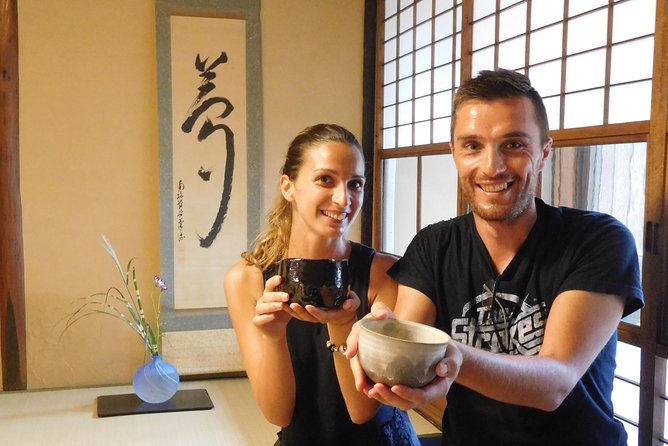
Kyoto’s tea ceremony is best understood in a small room, not through a museum display. At Ami Kyoto, you enter an approximately 80-year-old machiya, a wooden townhouse that still feels like part of an ordinary Kyoto neighborhood, then watch the careful preparation of matcha before making your own bowl.
I like two things in particular: the small six-person limit, which leaves room for questions, and the quality of the refreshments. The matcha comes from Uji City, Kyoto’s famous tea-growing area, and the sweet is supplied by a noted Kyoto confectioner. The one-hour format is long enough to teach the basics without turning into a half-day lesson.
The main drawback is finding the townhouse. One visitor had trouble because the residential streets lack clear English street names and numbers. Bring the address and map link, arrive with time to spare, and do not expect hotel pickup or a grand tea-house entrance.
Key points to know before booking
- An 80-year-old Kyoto machiya: The setting is a traditional wooden townhouse rather than a modern activity room.
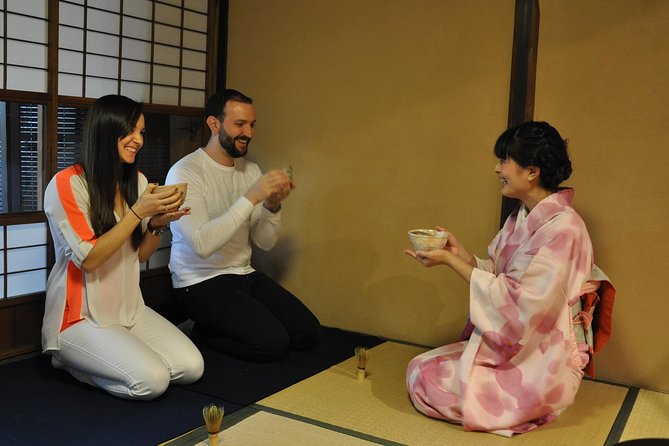
- A hands-on lesson: You watch the ceremony, learn the etiquette, then prepare and drink your own matcha.
- Uji matcha and Kyoto sweets: The tea comes from Uji City, and the traditional sweet is made by a famous Kyoto confectioner.
- A genuine small-group format: The maximum is six people, making it easier to follow the demonstration and ask questions.
- One hour well spent: The session covers the basic ideas, movements, and etiquette without taking over your day.
- Easy cancellation terms: You receive a full refund if you cancel at least 24 hours before the local start time.
Entering a Kyoto machiya
The experience begins at Ami Kyoto, at 605 Nishidacho in Kyoto’s Shimogyo Ward. The activity ends at the same meeting point, so you will not need to arrange transport back to your hotel or another neighborhood.
The first treat is the building itself. Kyoto once had many simple wooden townhouses, known as machiya. This one is about 80 years old, and its modest exterior can blend into the surrounding homes. That is part of its charm, but it also explains why you should not rely on a large commercial sign.
The address is in a traditional residential area, and English street markings may be limited. Use the supplied Google Maps link and check your route before leaving. If you are coming from another Kyoto sight, give yourself extra minutes for the final approach. A little patience here saves you from beginning a quiet cultural lesson while flustered and late.
Inside, the atmosphere is intended to be quaint and calm. The room is not presented as a theatrical reconstruction. Instead, you spend time in a real-style townhouse with hosts who explain how the space and the ceremony fit together.
Other tea ceremonies in Kyoto people book:
- Kyoto: Tea Ceremony in a Traditional Tea House in Kiyomizu
★ 4.9 · 3,519 reviews - Kyoto: Tea Ceremony Ju-An at Jotokuji Temple
★ 4.9 · 3,207 reviews - Kyoto: 45-Minute Tea Ceremony Lesson Experience
★ 4.3 · 2,378 reviews
Watching the tea ceremony demonstration
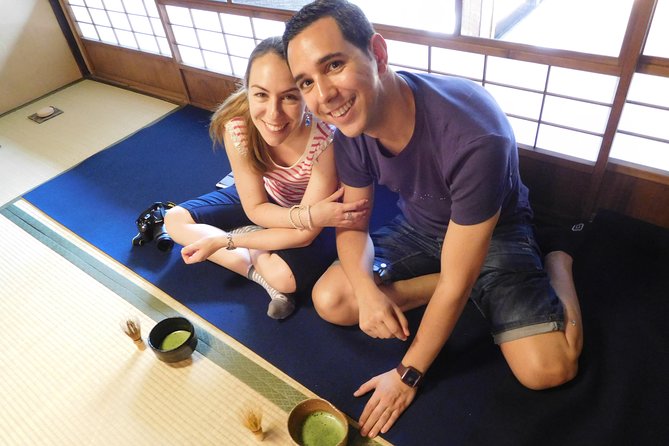
The session starts with an explanation of the basic ideas behind the way of tea. You learn that the ceremony is not simply a method for making powdered green tea. The order of movements, the handling of utensils, the way you enter the room, and the manner in which you receive the bowl all matter.
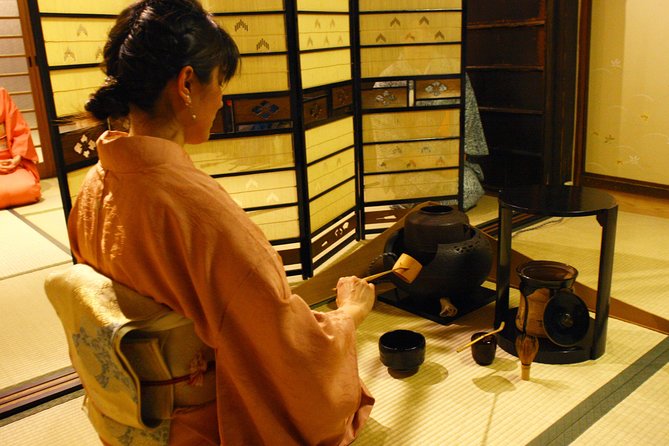
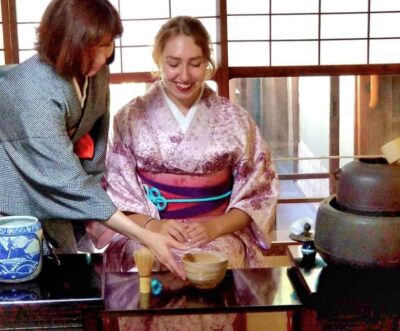
The hosts demonstrate the full process slowly. This is where the activity earns its keep. Each movement is described in practical and symbolic terms, so you are not left watching a string of unfamiliar gestures. One part of the lesson covers the proper way to enter the tea room, an element that gives the ceremony a sense of formality before the tea is even prepared.
The hosts, including Kimi, are warm and willing to answer questions. The teaching style is friendly rather than stern. You will learn etiquette, but you will not be expected to arrive with prior knowledge or perfect manners.
Some people will find the deliberate pace peaceful. Others may prefer a more casual tasting. If you want only a quick cup of matcha, this is more instruction than you need. If you want to understand why the ceremony looks the way it does, the demonstration is the heart of the hour.
Making your own bowl of matcha
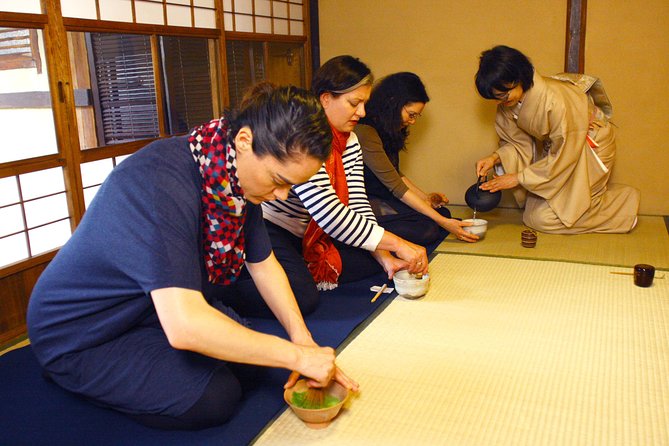
After watching the hosts, you get to prepare matcha yourself. That practical step changes the experience from a performance into a lesson you can remember and repeat.
You are shown how to handle the tea and follow the basic process. The hosts guide you through the movements, so you do not need to worry about getting every detail right on the first attempt. The point is to feel the rhythm of the preparation and understand the care involved.
The tea is high-quality matcha from a farm in Uji City. Uji is closely linked with fine Japanese tea, and using tea from that area gives the tasting more context than a generic green-tea powder would. Matcha has a distinctive flavor and texture, so do not expect it to taste like ordinary steeped green tea.
You also learn how to drink the tea properly. The etiquette may seem detailed at first, but the hosts explain it clearly enough for beginners. The lesson is especially useful if you have seen tea ceremony before but never understood what the guest is meant to do.
The one-hour schedule works well here. You receive enough explanation to make the process meaningful, then enough hands-on time to enjoy it without feeling as if the lesson is dragging.
The sweet that makes the tea work
A traditional Japanese sweet is served with the matcha. The sweet is not a decorative extra. Its flavor provides a counterpoint to the tea’s bitter, grassy edge and helps you understand how Japanese tea service balances taste and presentation.
The confection comes from a famous Kyoto maker. The specific sweet has been identified as suhama, a traditional confection made from roasted soybean flour and sugar. That gives you another small taste of Kyoto food culture, not just a sample of matcha.
You should eat the sweet as instructed before drinking the tea. Even if you are unsure about strong matcha, this pairing makes the cup easier to appreciate. If you have a sweet tooth, this may be one of the most immediately enjoyable parts of the session.
The included refreshments are simple, but they matter when judging the price. You are not paying only for a drink. You are paying for the setting, instruction, demonstration, participation, and a carefully chosen tea-and-sweet pairing.
Other tea rooms and ceremonies in Kyoto:
- Kyoto: Table-Style Tea Ceremony at a Kyo-Machiya
★ 4.9 · 1,211 reviews - Kimono Tea Ceremony at Kyoto Maikoya, NISHIKI
★ 5.0 · 911 reviews - Kyoto: Arashiyama Bamboo Forest, Monkeys, Matcha & Temple Tour
★ 5.0 · 759 reviews - Kyoto: Tea Museum Tickets and Matcha Grinding Experience
★ 4.9 · 739 reviews
Why the six-person limit matters
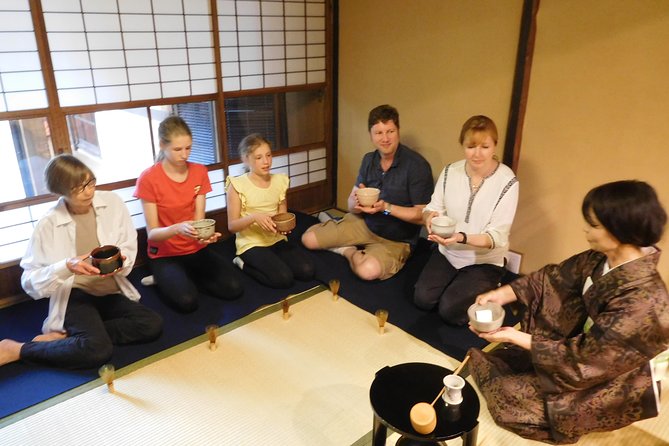
The group maximum is six people. That is a useful size for this kind of activity because the details are small: the angle of a bowl, the movement of a whisk, and the order of several polite gestures.
A small group also makes it easier to ask questions. You can clarify a movement or ask about the purpose of an object without trying to compete with a large audience. The hosts can watch as you prepare your tea and offer help when needed.
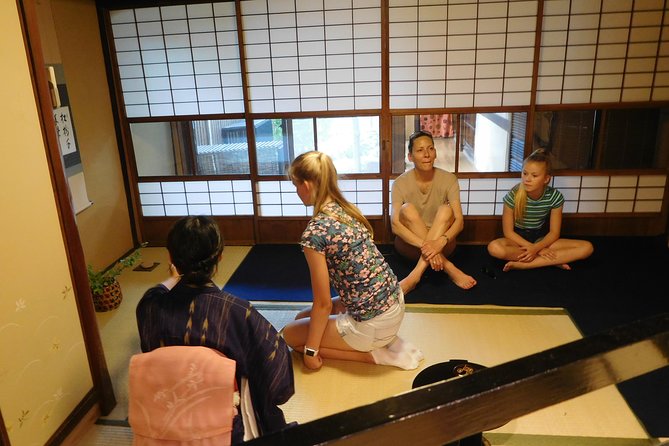
The supplied material includes one session described as having eight people, so the actual group size may not always match the advertised maximum. The formal information gives a limit of six, however, and most of the experience is designed around an intimate setting. If group size is crucial to your decision, confirm it with Ami Kyoto when booking.
This is a good choice for couples, solo visitors, and families who want a shared cultural activity. Children may also appreciate the hands-on part, though the ceremony requires sitting quietly and following instructions for a while. The activity information says most people can participate, but it does not provide detailed seating or access specifications.
One party reported that a wheelchair user was accommodated. That is encouraging, but if you need specific access arrangements, contact the provider before booking rather than assuming the historic townhouse will suit every mobility need.
A useful one-hour pause in a busy Kyoto schedule
Kyoto sightseeing can become a parade of temples, shrines, buses, and crowded lanes. This tea ceremony gives you a quiet change of pace without consuming half a day.
The duration is approximately one hour. Multiple start times are offered, so you can fit the activity before or after other plans. That flexibility is valuable in Kyoto, where travel between neighborhoods can take longer than a map suggests.
I would not place this appointment too tightly between distant sights. The venue is near public transportation, but the final walk through a residential area may take a few minutes, and first-time visitors can have trouble spotting the correct building. Schedule a small buffer.
The activity is also a practical rainy-day option. The main program takes place indoors in the townhouse, and the demonstration does not depend on good weather. You still need to reach the meeting point, but once inside, the setting is protected from the elements.
Price and overall value at $27.74
At $27.74 per person, this is a strong value for a guided cultural introduction in Kyoto. The price includes a bowl of matcha and Japanese sweets, but the larger value lies in the teaching and the access to the townhouse.
You could buy a matcha drink elsewhere for less. That would not give you a careful demonstration of tea-room etiquette, instruction in preparing the tea, or the chance to ask questions in a traditional setting. The fee makes sense if you want context rather than a beverage alone.
The activity also avoids the cost and time of a longer formal tea-school visit. In one hour, you get an approachable introduction that suits a first visit to Japan. It will not teach you every rule or historical school of tea ceremony, and it is not meant to replace years of practice. Think of it as a well-shaped first lesson.
The average booking lead time is about 25 days. That suggests you should reserve ahead, especially if you need a particular start time or are visiting Kyoto during a busy period. Confirmation is sent within 48 hours of booking, subject to availability.
What the teaching feels like
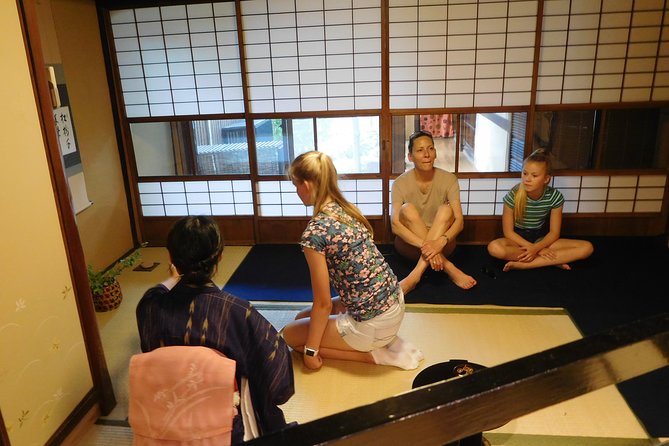
The strongest part of the experience is the instruction. The hosts explain the meaning behind the movements instead of merely telling you where to place your hands. That makes the ceremony easier to remember and gives the quiet gestures a clear purpose.
The tone is also important. The hosts are described as kind, polite, and welcoming, with a relaxed approach that helps beginners. You can ask questions about the ceremony, the tea, and the sweets without feeling that you are interrupting a sacred ritual.
At the same time, the activity does take the ceremony seriously. The demonstration shows the precision and grace of the process, including the way the room is entered and the order of service. You get both sides: a respectful presentation and a friendly lesson.
If you are hoping to take photographs throughout the ceremony, ask before doing so. The supplied information does not specify photography rules. Since the experience depends on concentration and careful movement, it is sensible to keep your phone away during the demonstration unless the hosts invite photographs.
Who should book this experience
I would recommend this activity if you want a first look at Japanese tea ceremony without committing to a long or highly formal program. It suits anyone curious about Japanese customs, people who enjoy matcha, and visitors looking for a calm hour between major Kyoto sights.
It is especially useful for families and small groups. Everyone can watch the same demonstration, try the preparation, and compare the results over tea and sweets. The small group makes the lesson feel personal rather than like a stage show.
It also works well for people who value traditional buildings. The machiya is not merely a backdrop. Its plain wooden character helps you understand the kind of domestic setting in which Kyoto’s older culture developed.
You may want to skip it if you dislike powdered green tea, have no interest in etiquette, or want a fast tasting with little explanation. The tea can be strong, and the ceremony moves at a deliberate pace. Visitors with mobility needs should check the townhouse arrangements in advance.
Booking, meeting, and cancellation details
The experience uses a mobile ticket, and the meeting point is 605 Nishidacho, Shimogyo Ward, Kyoto, 600-8397, Japan. You return to the same place at the end.
Hotel pickup and drop-off are not included. Plan to use public transportation and walk the final stretch. Keep the address and map link open on your phone, since the building may not be obvious from the street.
You can cancel for a full refund up to 24 hours before the local start time. Changes or cancellations inside that 24-hour window are not accepted, and the amount paid is not refunded. That is a reasonable policy, but Kyoto plans can shift quickly, so avoid booking this at the edge of an uncertain schedule.
Should you book the Ami Kyoto tea ceremony?
Book it if you want an affordable, well-explained introduction to tea ceremony in a real traditional-style townhouse. The best reasons are the small group, the hands-on preparation, the Uji matcha, and the hosts’ clear explanations of why each movement matters.
Go in with realistic expectations. This is a one-hour beginner’s experience, not a complete study of tea ceremony and not a grand historical performance. Allow extra time to find the machiya, confirm access needs if relevant, and arrive ready to sit quietly and take part.
For $27.74, it offers a thoughtful slice of Kyoto culture, with enough instruction to make the cup in front of you feel connected to the room, the etiquette, and the city outside.
FAQ
How long does the tea ceremony experience last?
The experience lasts approximately one hour.
What is included in the price?
The price includes one bowl of matcha green tea and Japanese sweets.
How many people can join the activity?
The advertised maximum is six participants.
Where does the experience begin and end?
It begins at Ami Kyoto, 605 Nishidacho, Shimogyo Ward, Kyoto, 600-8397, Japan, and ends back at the same meeting point.
Is hotel pickup included?
No. Hotel pickup and drop-off are not included, though the venue is near public transportation.
Can I choose the start time?
Yes. Multiple start times are available.
What is the cancellation policy?
You can cancel for a full refund at least 24 hours before the experience start time. Cancellations or changes made less than 24 hours in advance are not accepted and are not refunded.
Just added in Kyoto
- Private Cooking Class Udon in Kyoto Japan★ 5.0 · 23 reviews
- Your Private Vacation Photography Session In Kyoto★ 5.0 · 110 reviews
- Kyoto: Zen Meditation at a Private Temple with a Monk★ 5.0 · 25 reviews
- Kyoto Wagashi(Japanese sweets) Cooking Class near Fushimiinari★ 5.0 · 60 reviews
- Private Pewter Sake Cup Experience with a Kyoto Artisan★ 5.0 · 31 reviews
- Kyoto:Family-Friendly Kimono & Yukata Experience at WARGO★ 5.0 · 147 reviews
- Private Guided Traditional Buddhist Cooking in Japan★ 5.0 · 16 reviews
- Kyoto: Gion Geisha District & Sake-in-Hand Walking Tour★ 5.0 · 37 reviews
Tea Ceremony Experiences, compared.
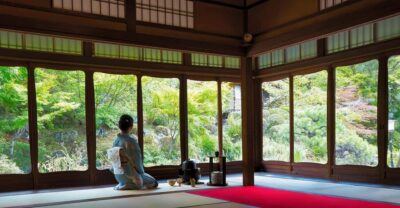
Tea Ceremony in a Traditional Tea House in Kiyomizu
Read our review →
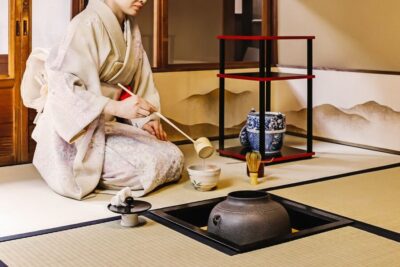
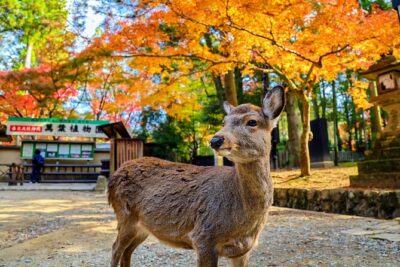
World Heritage Kyoto & Nara Uji Authentic Matcha Experience
Read our review →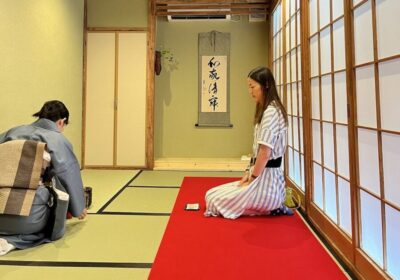
Arashiyama Bamboo Forest, Monkeys, Matcha & Temple Tour
Read our review →Browse the lists this tour appears in